Leave Your Message
-
E-mail
-
Whatsapp
-
Message
Our featured assembly solutions are purpose-built for the demanding requirements of autonomous driving sensor platforms — combining high-frequency performance, impedance control, and miniaturized precision.
The autonomous driving sensor market is experiencing explosive growth, driven by advances in LiDAR, millimeter-wave radar, ultrasonic arrays, and AI-powered camera systems. Precision PCBA assembly is the critical backbone enabling all of these technologies.
In autonomous driving, sensor PCBA failures can directly compromise vehicle safety. Every solder joint, impedance trace, and component placement must meet aerospace-grade precision. Our IATF16949-certified processes and zero-defect philosophy ensure your sensor modules perform flawlessly across extreme temperatures, vibration, and electromagnetic environments — from prototype to mass production.
We provide a comprehensive, one-stop PCBA manufacturing ecosystem tailored to each sensor type deployed in modern autonomous driving platforms.
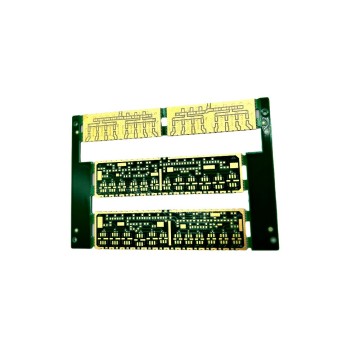
High-frequency PCB lamination with Rogers/Taconic hybrid materials. Tight impedance control (±5%) for time-of-flight signal integrity. Fine-pitch BGA and QFN assembly with X-ray AOI verification for 360° LiDAR modules used in highway and urban AV platforms.
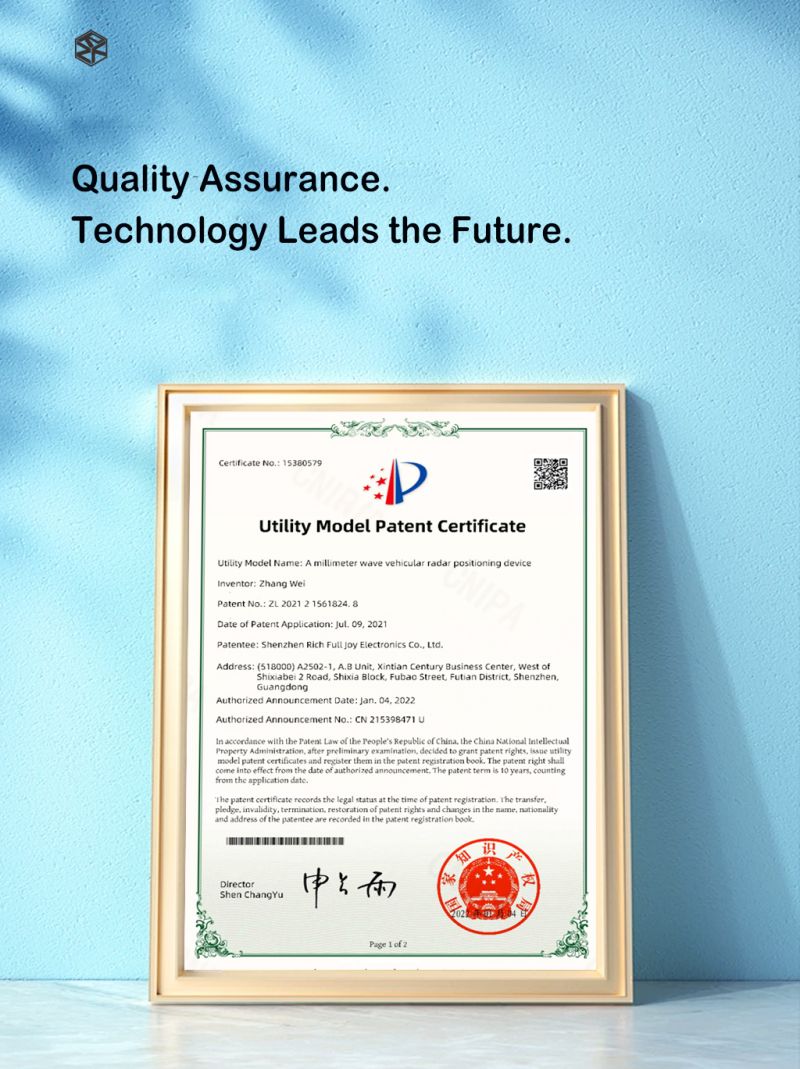
77GHz and 79GHz mmWave radar boards require ultra-low-loss dielectric substrates and precision antenna array assembly. Our patented millimeter-wave vehicular radar positioning device expertise ensures consistent signal performance across all production batches.
Multi-camera surround-view systems demand rigid-flex PCB assemblies with HDI microvia technology. We provide complete assembly from image sensor mounting to ISP board integration, supporting ADAS and Level 2+ autonomous systems with sub-pixel alignment precision.
Parking assistance and low-speed maneuvering systems rely on ultrasonic sensor arrays. Our DIP and SMT hybrid assembly processes deliver reliable transducer mounting and waterproof conformal coating for exterior-mounted sensor clusters.
High-precision IMU and INS modules for dead-reckoning and GPS-denied navigation. Our MEMS sensor assembly capabilities include vibration-isolated mounting, thermal management solutions, and functional testing with 6-DOF motion simulation equipment.
Central domain controllers that fuse data from LiDAR, radar, camera and IMU require advanced multi-layer PCBs with high-speed SerDes interfaces. We support AUTOSAR-compliant ECU assembly with full traceability and automotive-grade component sourcing.
From design consultation to validated mass production — a streamlined process engineered for automotive-grade quality and speed-to-market.
Signal integrity analysis, impedance stack-up planning, thermal simulation
High-frequency hybrid laminates, HDI, rigid-flex, gold immersion finish
Automated pick-and-place, reflow, wave solder, fine-pitch BGA mounting
100% automated optical inspection, X-ray BGA verification, in-circuit test
Firmware flashing, functional verification, environmental stress screening
Full traceability documentation, NPI support, mass production scaling
The autonomous driving industry is evolving rapidly. Here are the key technological and commercial trends redefining how sensor PCBA assemblies are designed and manufactured.
The shift from mechanical spinning LiDAR to solid-state MEMS-based designs is driving demand for ultra-compact, high-density PCBAs with 0201 and 01005 component assembly. Miniaturization without sacrificing thermal performance is now a core competency requirement for PCBA manufacturers serving the AV sector.
Next-generation 4D imaging radar operating at 76–81GHz requires multi-layer PCBs with extremely low dielectric loss. Assembly tolerances must reach ±25μm for antenna element placement. Rich Full Joy's high-frequency hybrid PCB expertise directly addresses these emerging requirements.
Modern AV sensor modules increasingly embed AI inference chips (NPUs) directly on the sensor board, enabling real-time object detection at the edge. This demands high-bandwidth memory interfaces, advanced thermal management PCB designs, and co-packaging of heterogeneous components in a single assembly.
IATF16949, AEC-Q100/Q200 component qualification, and ASPICE process compliance are becoming baseline requirements for all AV sensor PCBA suppliers. Our certifications and traceability systems ensure full compliance with Tier-1 automotive supplier expectations globally.
Safety-critical Level 3+ systems mandate redundant sensor arrays with fail-safe switching logic. This creates demand for multi-board sensor cluster assemblies with inter-board communication integrity testing — a complex challenge our engineering team handles as a standard service.
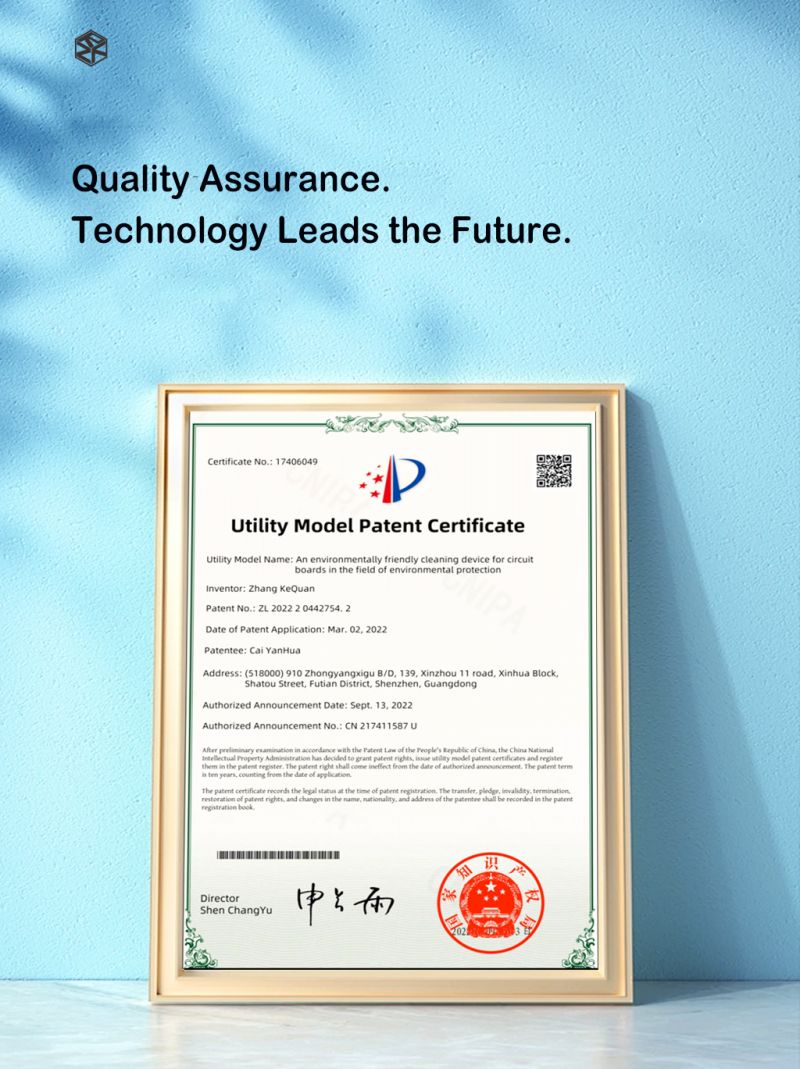
Automotive OEMs are mandating RoHS, REACH, and carbon footprint reporting throughout their supply chains. Our ISO14001-certified manufacturing processes, eco-friendly PCB cleaning technologies (patented), and halogen-free laminate capabilities meet the most stringent environmental standards.
Our assembly solutions power real-world autonomous and intelligent transportation applications across multiple verticals.
Full sensor suite integration including roof-mounted LiDAR PCBAs, front-facing radar modules, and 360° camera ring assemblies. Operating temperature range -40°C to +85°C with conformal coating for all-weather reliability.
Long-range radar PCBA assemblies for highway platooning, blind-spot monitoring sensor clusters, and high-vibration-resistant IMU boards for heavy-duty commercial vehicle platforms operating 24/7.
Autonomous mobile robots in warehouses and factories require compact sensor fusion PCBAs combining 2D/3D LiDAR, ultrasonic and RGB-D camera interfaces on a single board — our HDI rigid-flex expertise excels here.
Weight-critical drone applications demand ultra-lightweight rigid-flex PCBA assemblies with multi-spectral camera interfaces, GPS/GNSS anti-jamming modules, and high-altitude thermal compensation circuits.
Waterproof and salt-spray resistant PCBA assemblies for marine autonomous vessels, and vibration-hardened sensor boards for railway obstacle detection systems requiring IEC 61373 shock and vibration certification.
Hospital delivery robots and surgical assistance platforms demand IPC Class 3 assembly quality for sensor boards. Our cleanroom-compatible assembly processes and biocompatible material expertise serve this high-value segment.

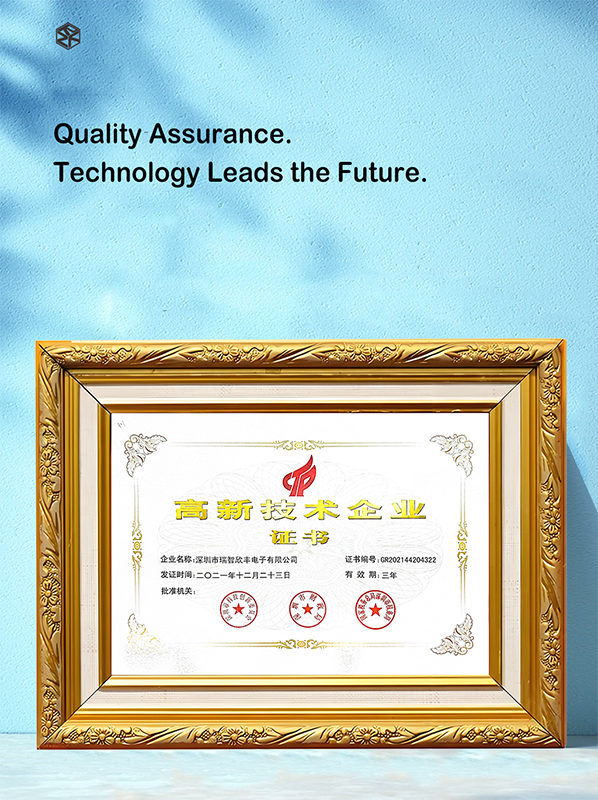
Based in China and looking at the global market, Shenzhen Rich Full Joy Electronics Co., Ltd. has been committed to industry development for 20 years. The company is a national high-tech innovative enterprise that combines focus and expertise. It's also an important enterprise incubation base in China.
We specialize in providing customers with one-stop intelligent electronic manufacturing services, including scientific research, PCB design, PCB manufacturing, PCB assembly (including SMT, DIP, Programming and testing) and component selection.
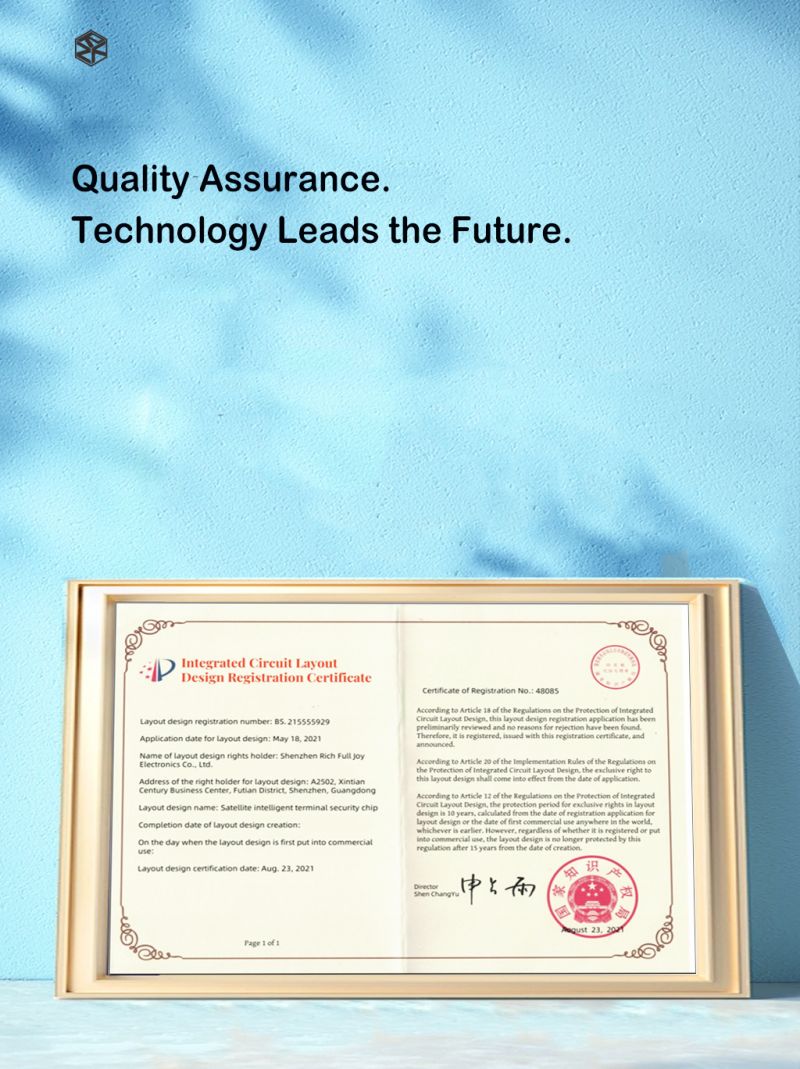
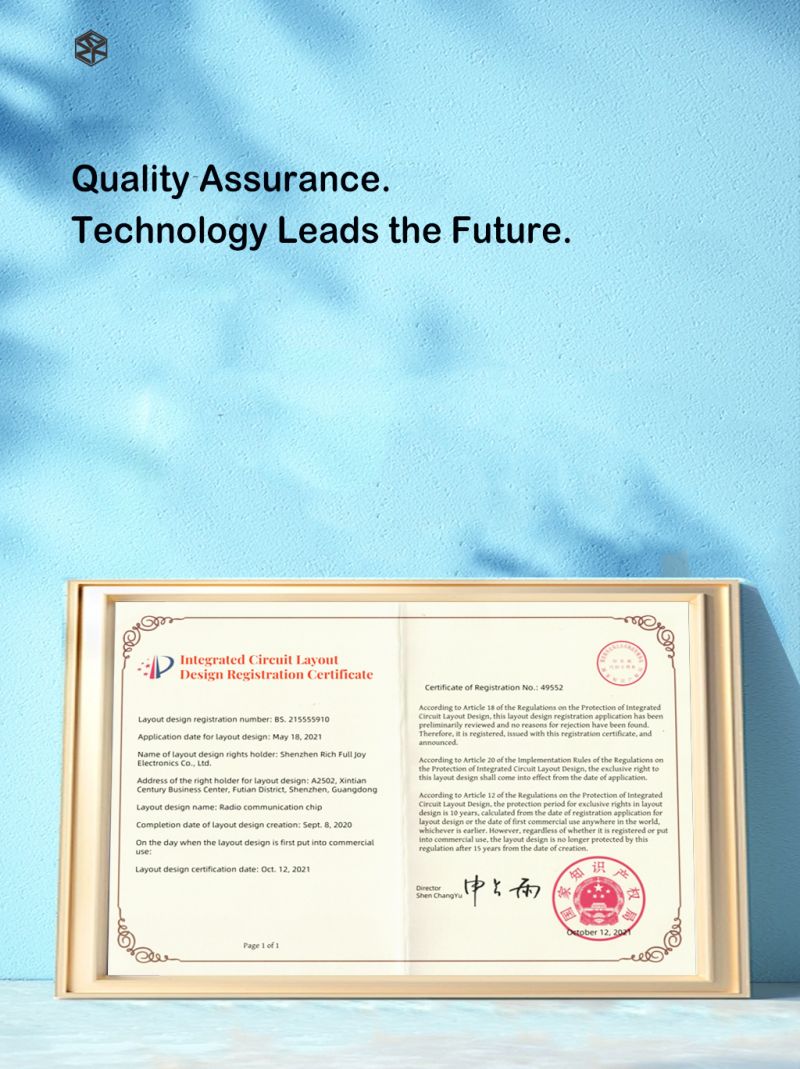
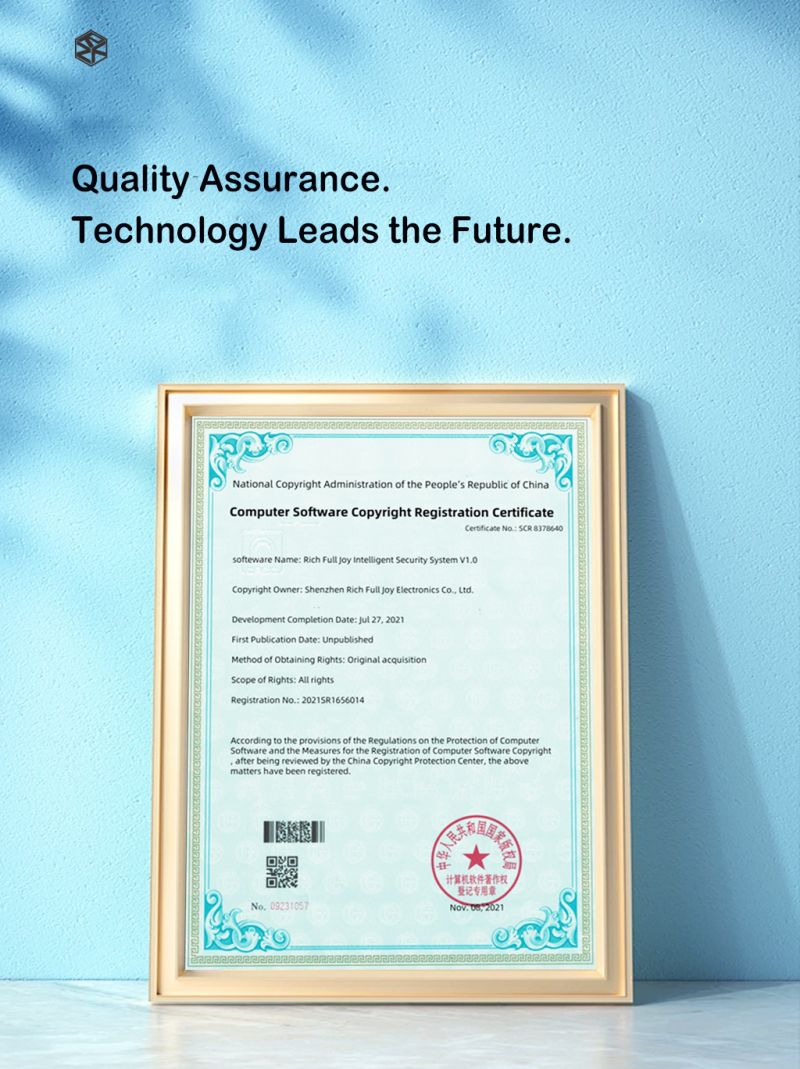
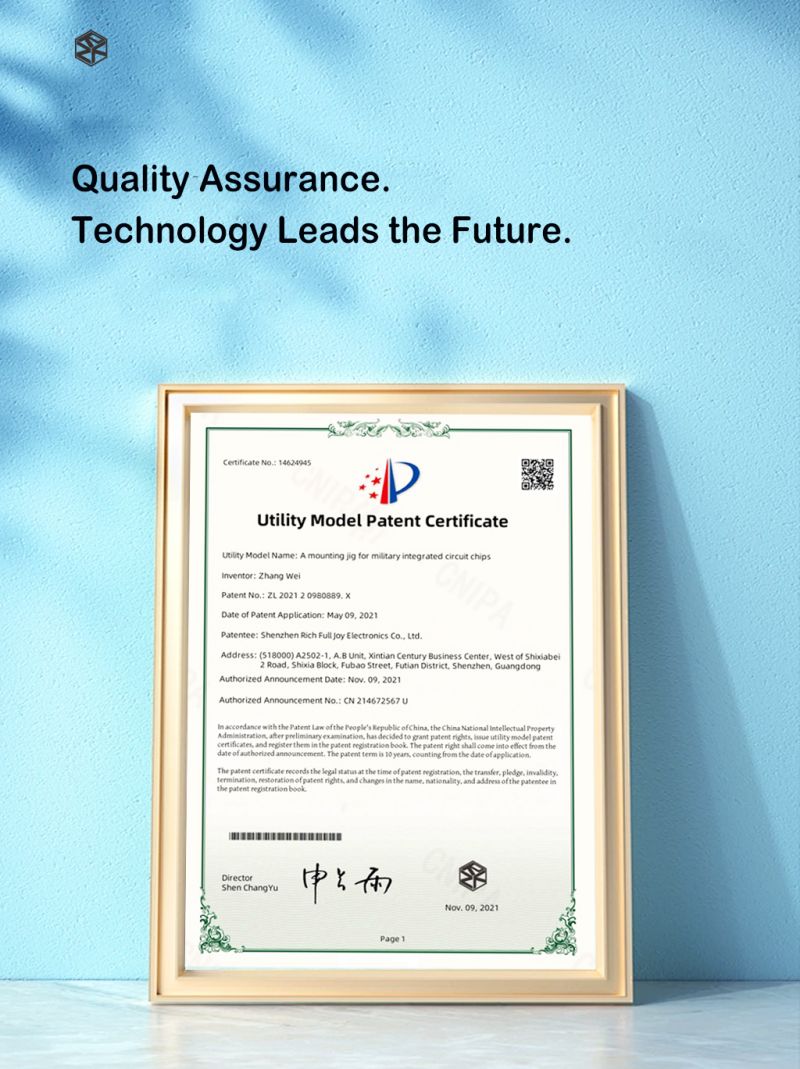
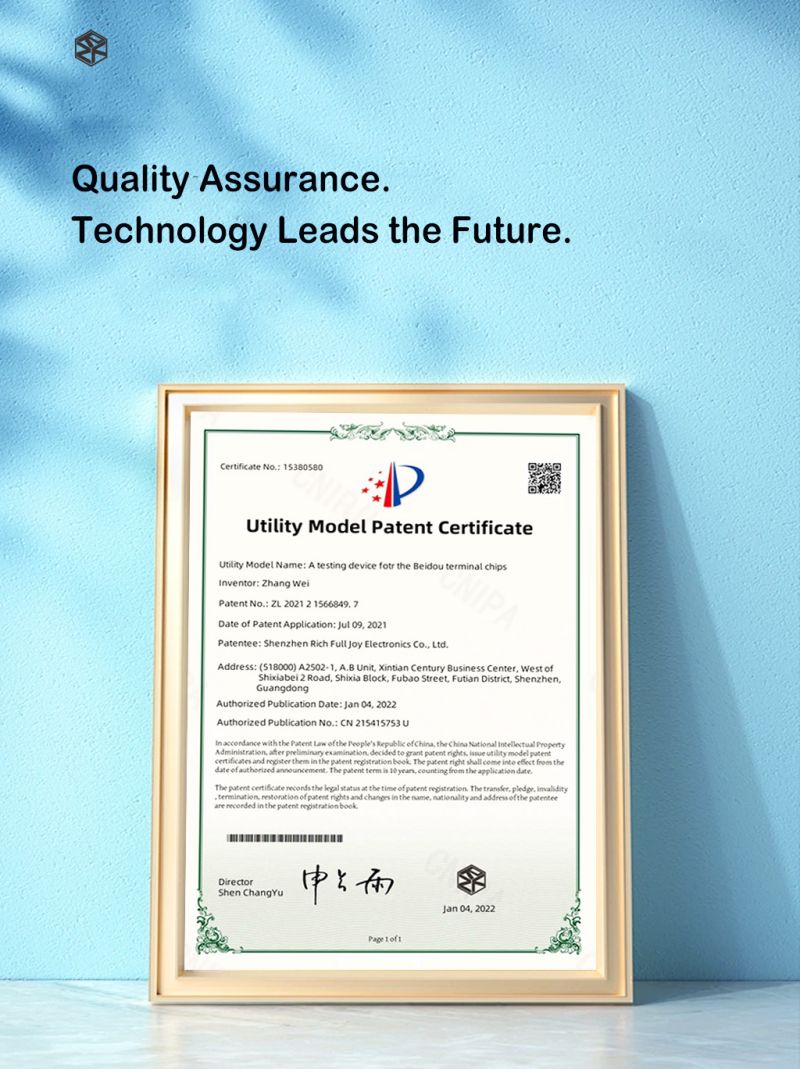
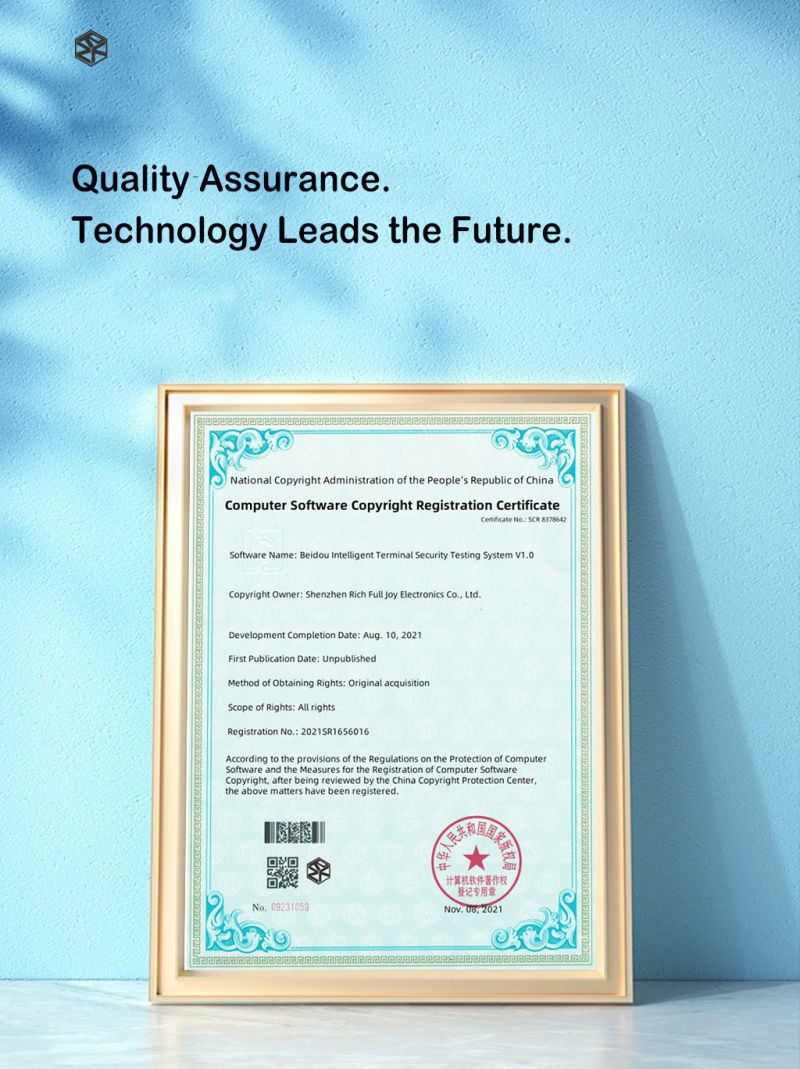
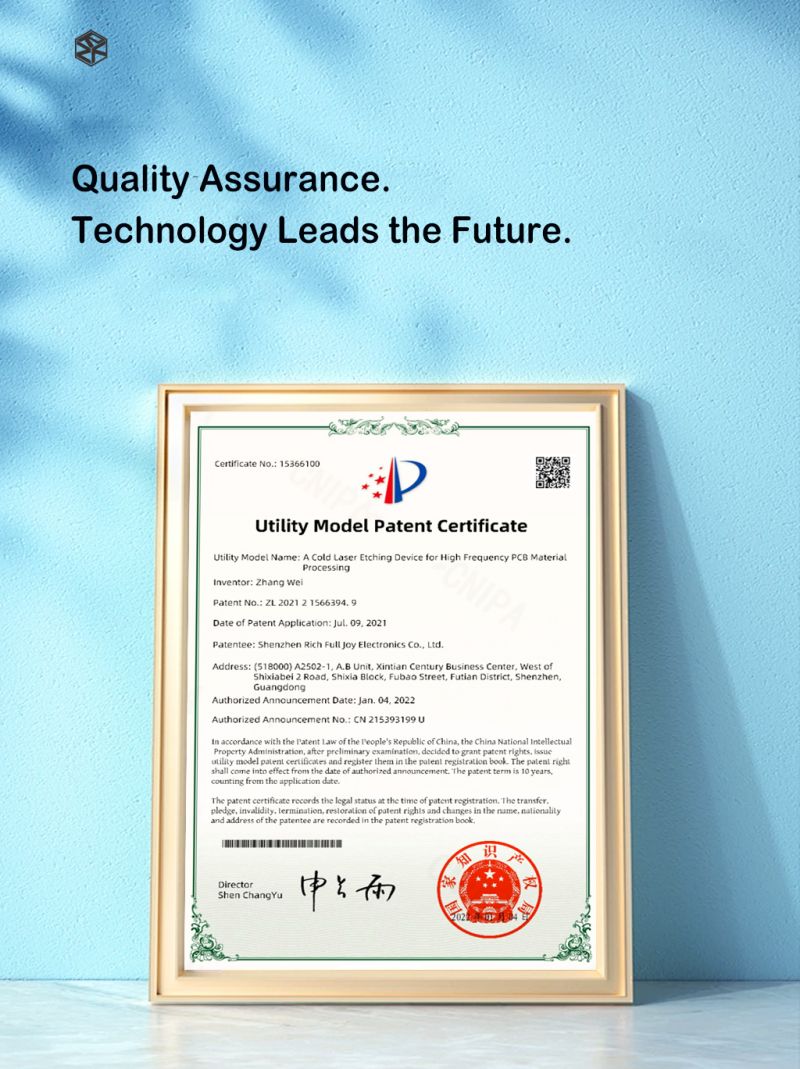
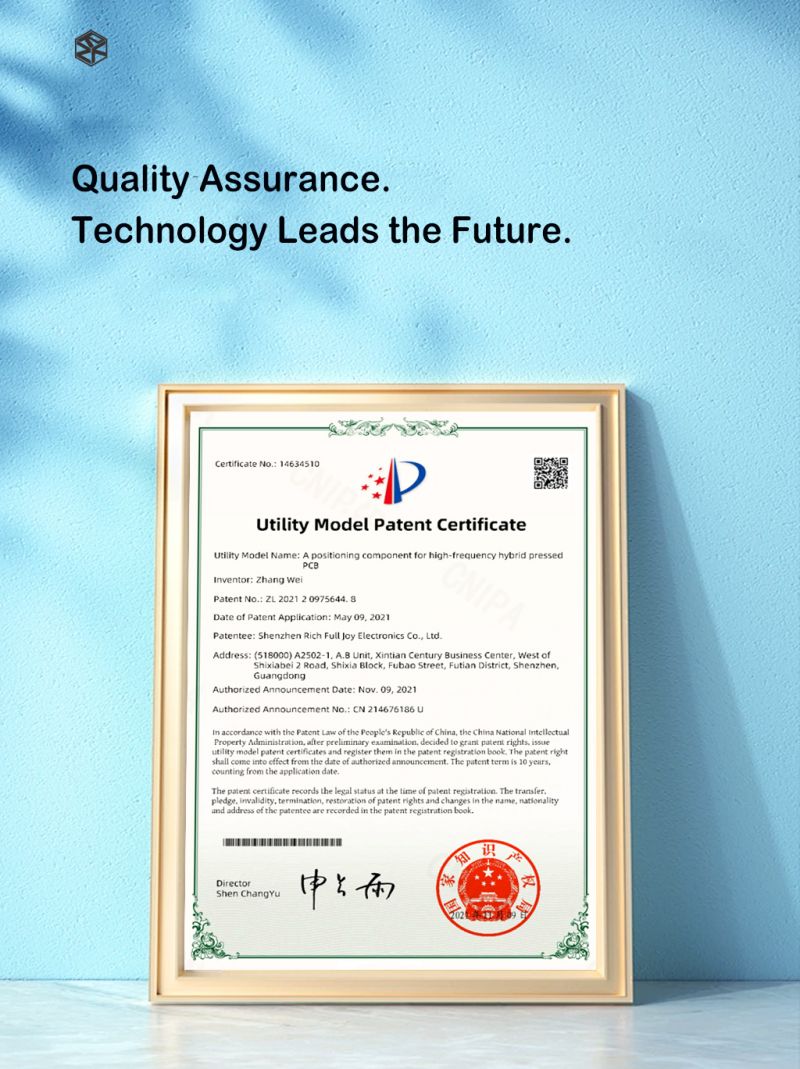
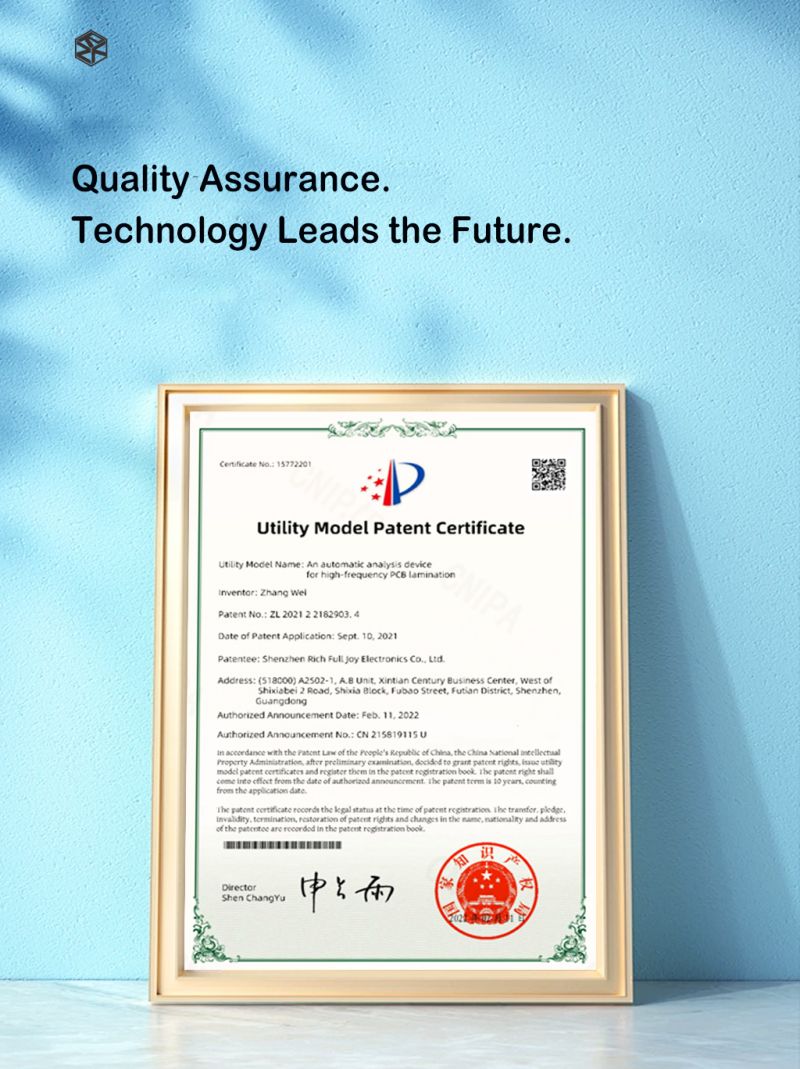
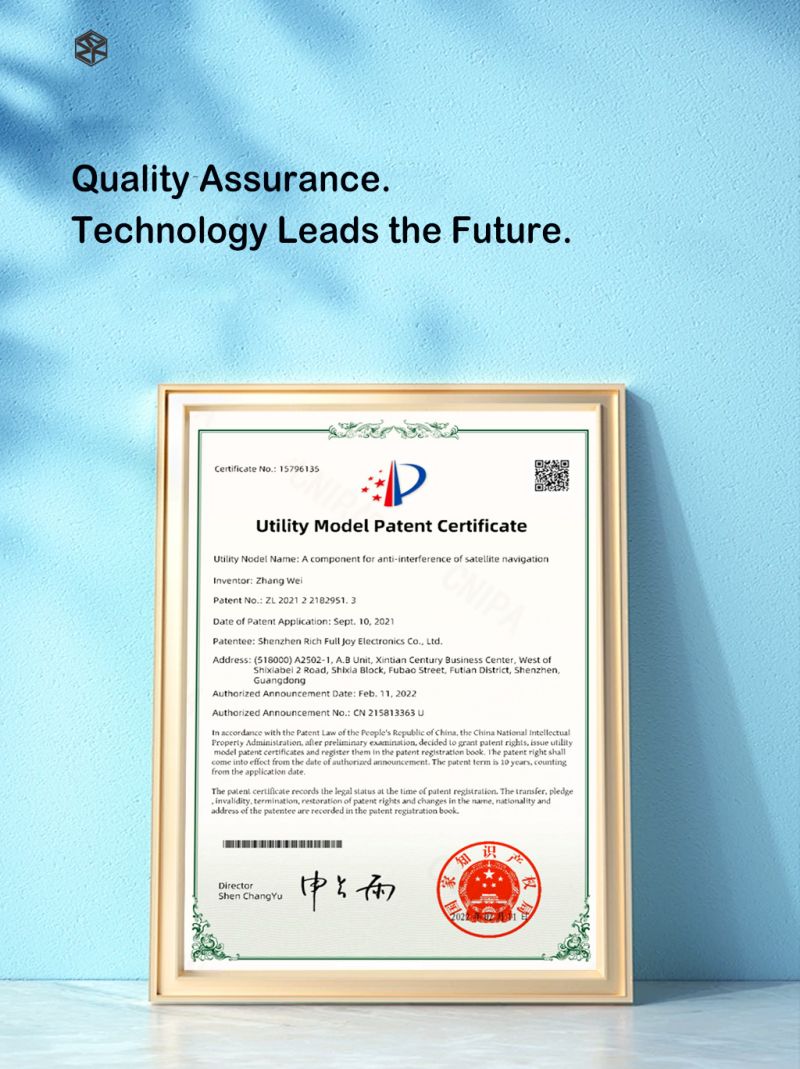
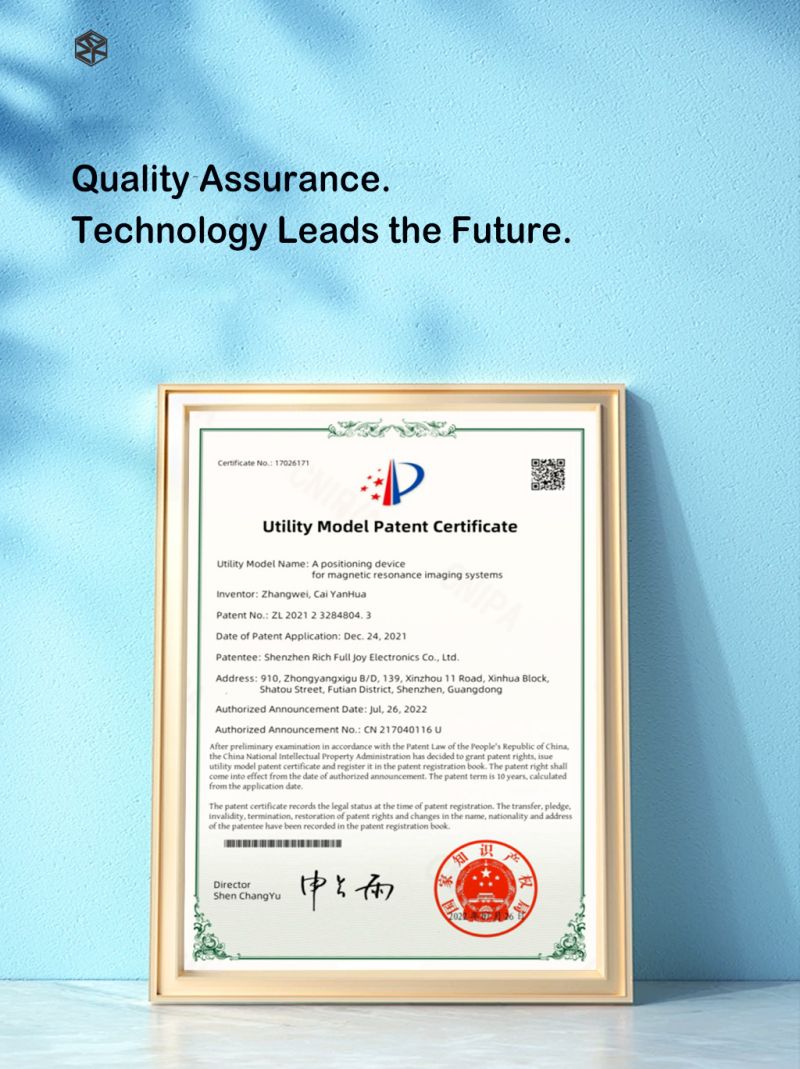
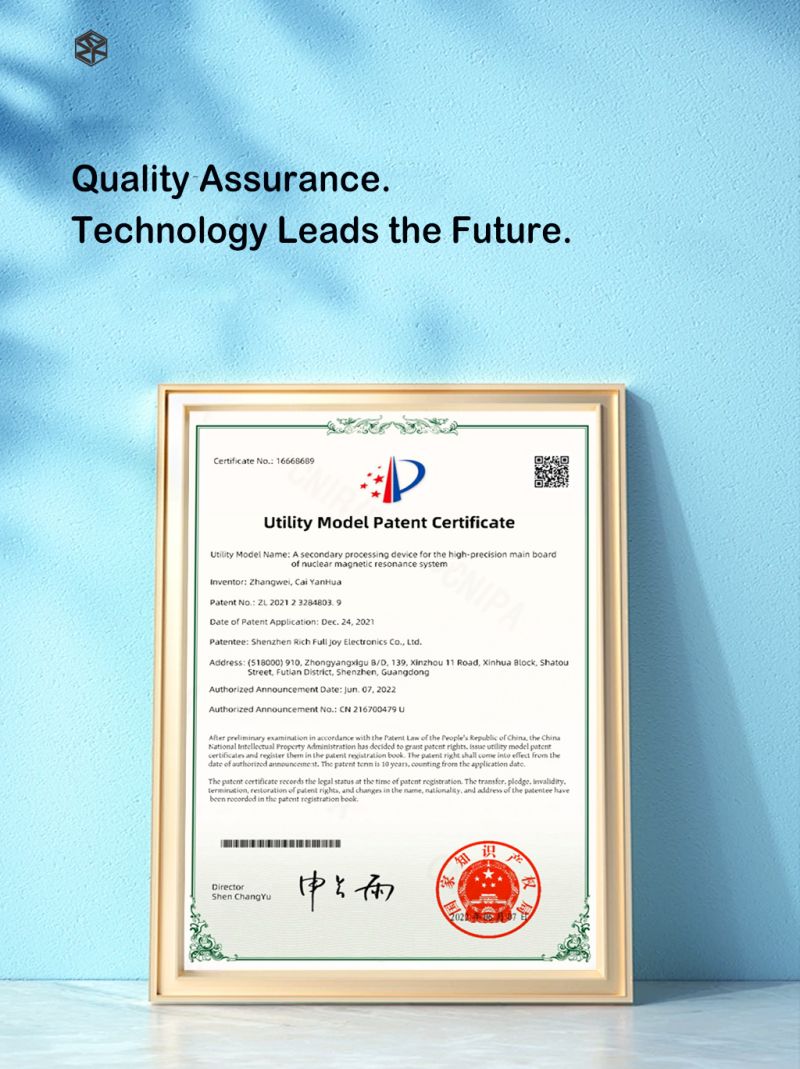
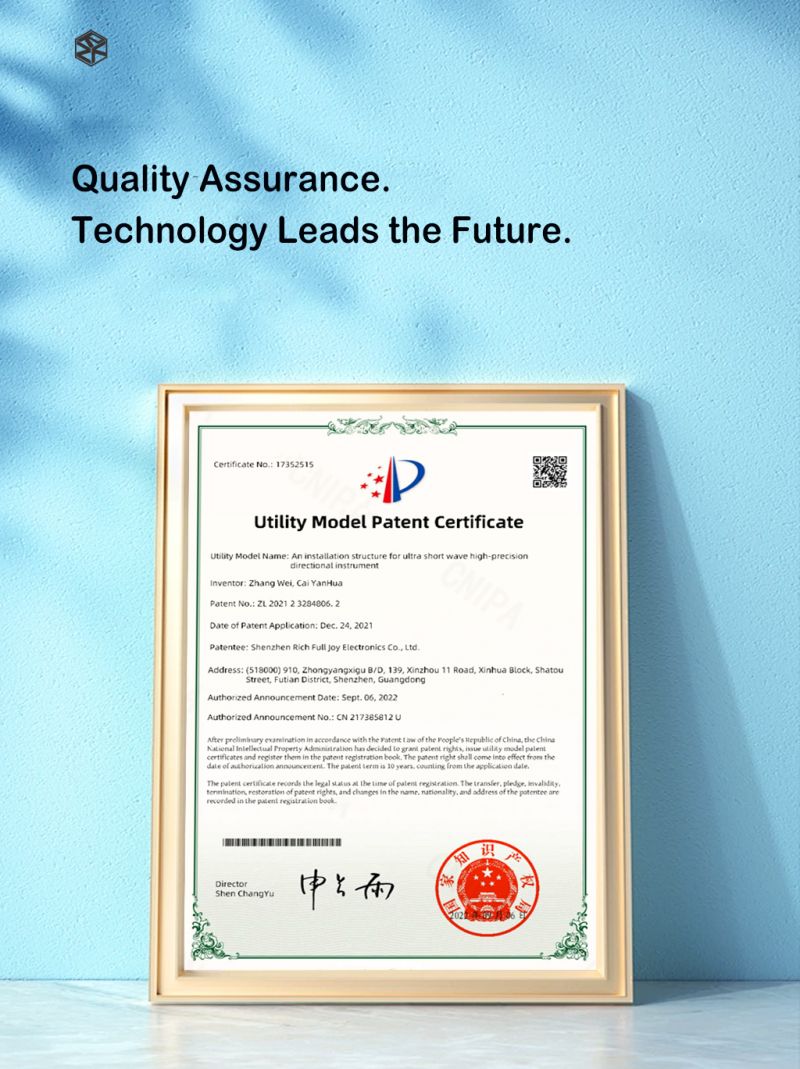
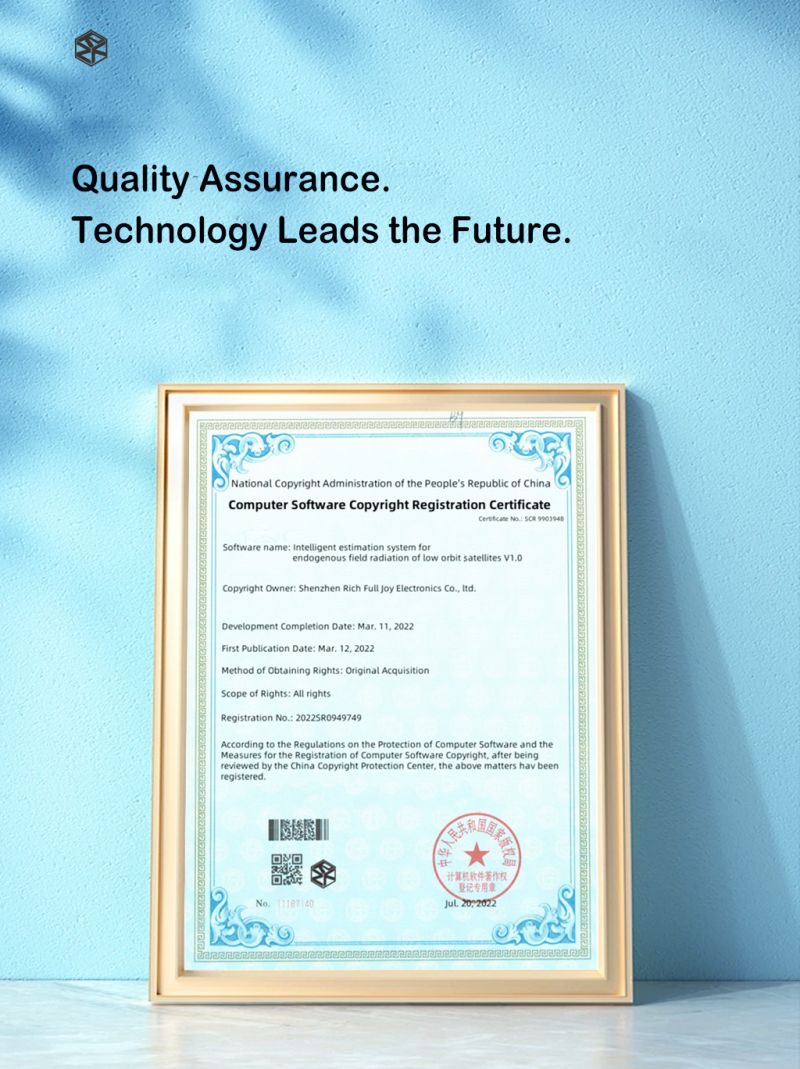
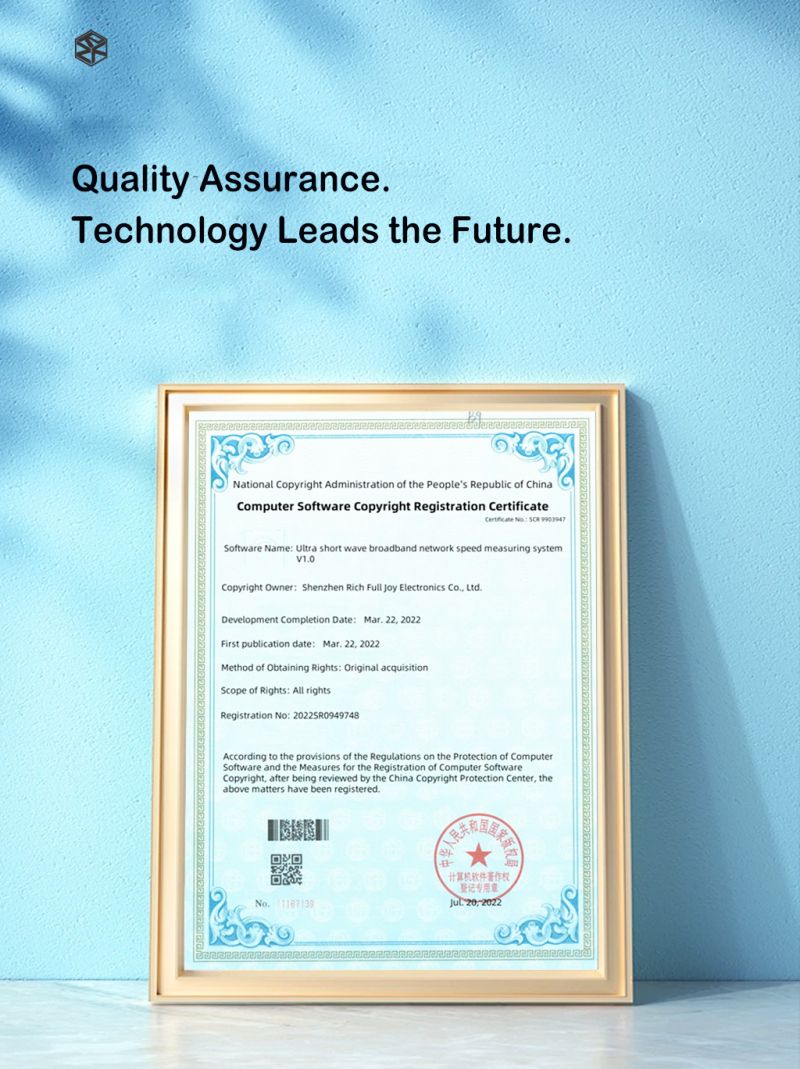
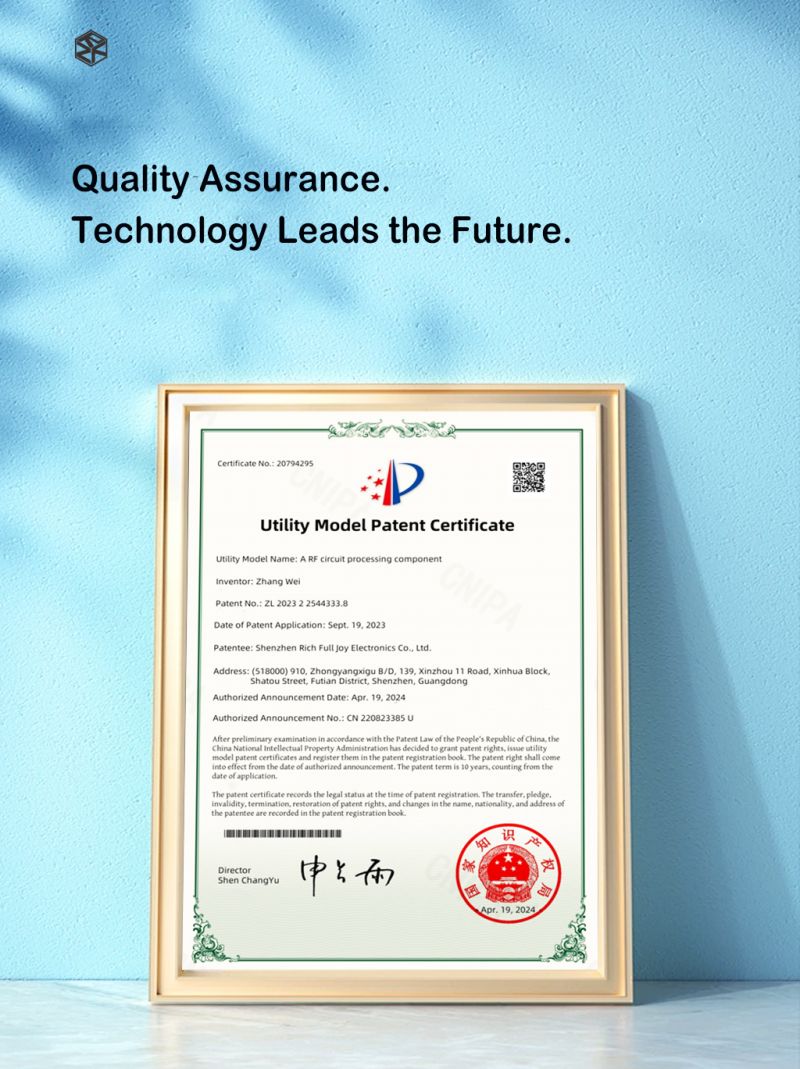
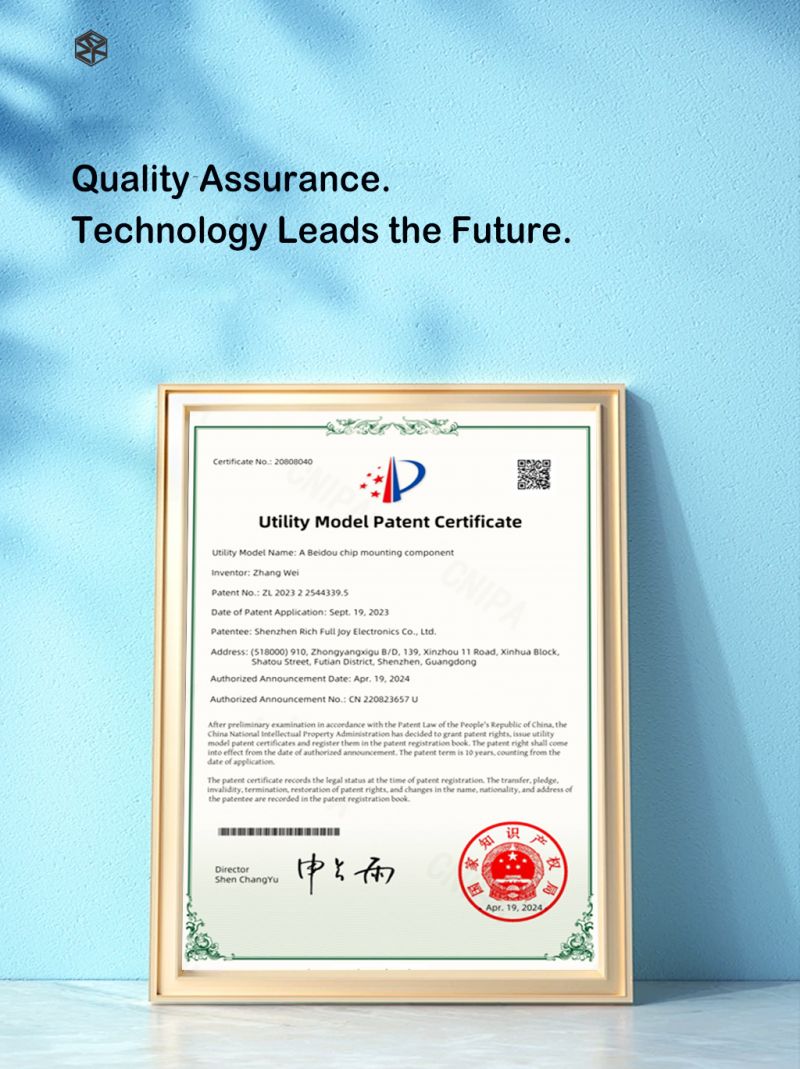
Technological innovation is the core competitiveness of our enterprise. We've obtained multiple invention and utility model patents, and have passed various international standard certifications such as ISO9001, IATF16949, ISO14001, UL, CQC, REACH, RoHS, COC, as well as the GJB9001C-2017 standard certification for weapon and equipment quality management system.
We've provided high-quality and reliable products to multiple research institutions, universities, and assisted customers in identifying design issues and providing reasonable suggestions. We not only publish technical papers, but also actively participate in domestic and overseas technology exchange conferences to spread academic value and cutting-edge technological innovation.
Our R&D investments have yielded a robust portfolio of patents directly relevant to autonomous driving sensor assembly, high-frequency PCB manufacturing, and intelligent navigation systems.


Explore our extended portfolio of high-reliability PCBA products engineered for intelligent transportation, navigation, robotics, and new energy vehicle platforms.