Leave Your Message
-
E-mail
-
Whatsapp
-
Message
Precision-engineered PCBs designed for the most demanding automotive electronics applications — from radar systems to power control and drone avionics.
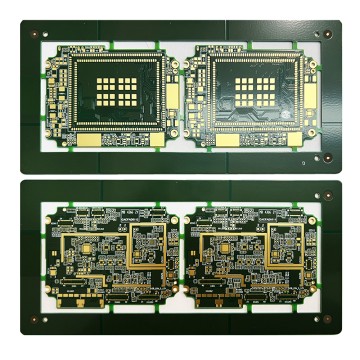
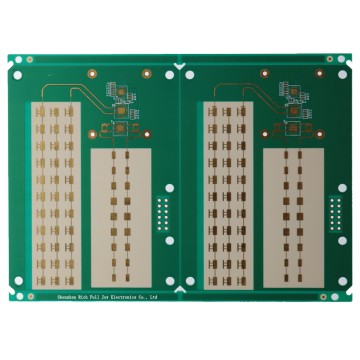
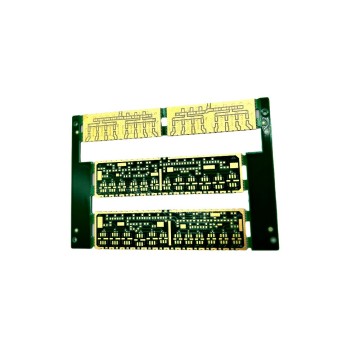
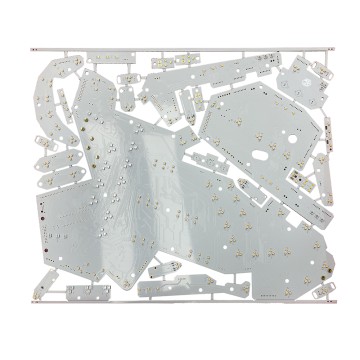
The intelligent backbone of every modern vehicle
An automotive circuit board — commonly referred to as an automotive PCB (Printed Circuit Board) — is a specialized electronic substrate engineered to withstand the extreme thermal, mechanical, and electromagnetic conditions found inside modern vehicles. Unlike standard consumer electronics PCBs, automotive-grade circuit boards must comply with stringent standards such as IATF 16949 and AEC-Q100/Q200 component qualifications, ensuring zero tolerance for failure across a vehicle's entire service life.
From the engine control unit (ECU) and transmission control module (TCM) to the infotainment system, advanced driver-assistance systems (ADAS), and battery management systems (BMS) in electric vehicles, automotive circuit boards are the invisible intelligence layer that makes modern mobility possible. As vehicles become increasingly software-defined and electrified, the demand for high-performance, reliable automotive PCBs has surged to unprecedented levels globally.
By 2030, a single premium electric vehicle is projected to contain over 3,000 semiconductor chips and up to 150 individual ECUs, all interconnected through advanced automotive circuit boards. The shift toward electrification, autonomy, and connectivity is fundamentally transforming what automotive PCBs must deliver — demanding higher layer counts, tighter impedance control, superior thermal management, and unprecedented signal integrity at frequencies above 77 GHz for next-gen radar systems.
Understanding the current state of the automotive circuit board industry
Major automotive OEMs and Tier-1 suppliers including Bosch, Continental, and Denso are deepening vertical integration with PCB manufacturers to secure supply chains. Custom automotive circuit boards are increasingly co-developed between PCB fabs and system integrators to meet vehicle-specific requirements from the design stage onward.
The explosive growth of electric vehicles (EVs) has dramatically increased the complexity and quantity of automotive PCBs per vehicle. Battery Management Systems (BMS), on-board chargers (OBC), DC-DC converters, and inverter control boards all require high-reliability, thermally robust circuit boards capable of handling high-voltage environments up to 800V.
Advanced Driver Assistance Systems (ADAS) represent the fastest-growing segment for automotive circuit boards. Radar, LiDAR, camera fusion, and AI processing units require high-frequency RF PCBs — especially Rogers-material boards — that maintain signal integrity at millimeter-wave frequencies for precise object detection and collision avoidance.
Vehicle-to-Everything (V2X) communication demands automotive PCBs with exceptional RF performance, low-latency signal transmission, and EMI shielding. 5G-enabled telematics control units (TCUs) and cellular V2X (C-V2X) modules require specialized high-frequency circuit boards to support real-time data exchange between vehicles and infrastructure.
Modern automotive environments expose PCBs to temperatures ranging from -40°C to +150°C, combined with vibration, humidity, and chemical exposure. This drives demand for specialized substrate materials, heavy copper designs, embedded thermal vias, and metal-core PCBs (MCPCBs) that can efficiently dissipate heat from high-power components.
ISO 26262 compliance is now a baseline requirement for automotive circuit board design. Safety-critical systems — including braking, steering, and airbag control — require PCBs designed to Automotive Safety Integrity Level (ASIL) standards, with redundant circuit paths, rigorous DFM analysis, and comprehensive testing protocols including AOI, X-ray, and functional testing.
Technology directions shaping the next decade of automotive electronics PCB manufacturing
High-Density Interconnect (HDI) and any-layer PCB technology are enabling unprecedented miniaturization in automotive electronics. By utilizing laser-drilled microvias, blind and buried vias, and ultra-fine trace widths below 75μm, HDI automotive circuit boards allow more functionality in smaller form factors — critical for space-constrained ECUs and sensor modules in modern vehicles.
77GHz and 79GHz millimeter-wave automotive radar systems require PCBs with extremely stable dielectric constants (Dk) and low dissipation factors (Df). Rogers RO4350B, RO3003, and PTFE-based hybrid laminates are becoming industry standards for automotive radar circuit boards, offering the signal integrity and thermal stability demanded by safety-critical sensing applications.
The transition to 400V and 800V EV architectures is pushing automotive circuit board design into new territory. Heavy copper PCBs (3oz–20oz), insulated metal substrates (IMS), and embedded power components are being adopted to manage the high current densities and thermal loads in inverters, motor controllers, and fast-charging systems for next-generation electric vehicles.
System-in-Package (SiP) and embedded component technology are transforming automotive circuit board architecture. By embedding passive components and even active ICs directly within PCB layers, manufacturers can significantly reduce board area, improve signal integrity, and enhance reliability — key advantages for autonomous vehicle compute platforms that must process terabytes of sensor data in real time.
Automotive OEMs are increasingly mandating RoHS and REACH compliance, halogen-free materials, and reduced VOC processes throughout their PCB supply chains. Advanced manufacturers are investing in closed-loop chemical management, lead-free HASL alternatives like ENIG and OSP, and energy-efficient SMT assembly processes to meet both regulatory requirements and corporate sustainability targets.
Artificial intelligence is revolutionizing automotive PCB design and manufacturing. AI-powered DFM (Design for Manufacturability) tools automatically identify potential reliability issues before fabrication. Machine learning algorithms optimize impedance control, thermal simulation, and signal integrity analysis. On the factory floor, AI-driven AOI and SPI systems achieve defect detection rates exceeding 99.97%, dramatically reducing warranty costs for automotive customers.
Where automotive circuit boards deliver critical performance across the modern vehicle ecosystem
ECUs and TCMs are the computational heart of the powertrain. Automotive circuit boards in these applications require 6–12 layer HDI construction, gold-immersion surface finish for reliable connector interfaces, and operation from -40°C to +135°C with vibration resistance per IPC-6012DA Class 3 automotive standards.
EV battery management requires multi-layer automotive PCBs with precise impedance control for cell voltage sensing, heavy copper traces for current measurement shunts, and robust isolation between high-voltage and low-voltage domains. Conformal coating and potting are standard for protection against condensation and thermal cycling stress in battery packs.
77GHz FMCW radar boards utilize Rogers RO4350B or RO3003 laminates with tight Dk tolerance (±0.05), cavity structures for antenna integration, and back-drill technology to minimize stub effects. These high-frequency automotive circuit boards enable adaptive cruise control, automatic emergency braking, and blind-spot detection with centimeter-level accuracy.
Intelligent adaptive headlights, OLED tail lights, and interior ambient lighting systems rely on metal-core PCBs (MCPCBs) and aluminum-substrate circuit boards for superior thermal management. LED driver boards in automotive applications must handle pulse-width modulation at high frequencies while maintaining thermal resistance below 1°C/W to maximize LED lifespan and light output consistency.
Modern vehicle infotainment systems integrate high-speed digital interfaces including PCIe, USB 3.1, and HDMI, requiring automotive circuit boards with controlled impedance at 50Ω/100Ω differential pairs, low-loss dielectric materials, and EMI containment strategies. Central cockpit domain controllers now consolidate multiple ECU functions onto single high-density automotive PCBs.
OBC and DC-DC converter circuit boards in EVs must manage power densities exceeding 3kW/L while maintaining isolation voltages above 3kVAC. Automotive-grade power PCBs utilize thick copper layers, thermal vias arrays, and high-Tg FR4 or polyimide substrates to survive the combined stress of high-voltage, high-temperature, and high-vibration environments in vehicle underbody installations.
From design to delivery — a rigorous one-stop process ensuring automotive-grade quality at every step
Comprehensive design-for-manufacturability analysis with automotive-specific rule checks and impedance modeling
Rogers, Isola, Panasonic, and high-Tg FR4 materials selected per thermal, frequency, and reliability requirements
Laser drilling, controlled-depth routing, sequential lamination, and fine-line imaging for HDI automotive boards
ENIG, ENEPIG, hard gold, HASL lead-free, and OSP finishes applied per connector and solderability requirements
Automotive-grade SMT with SPI, AOI, X-ray, and functional testing; conformal coating and underfill available
IPC Class 3, IATF 16949, ISO 9001 quality management with full traceability and automotive customer-specific requirements
Your trusted partner for automotive circuit board manufacturing and electronic assembly
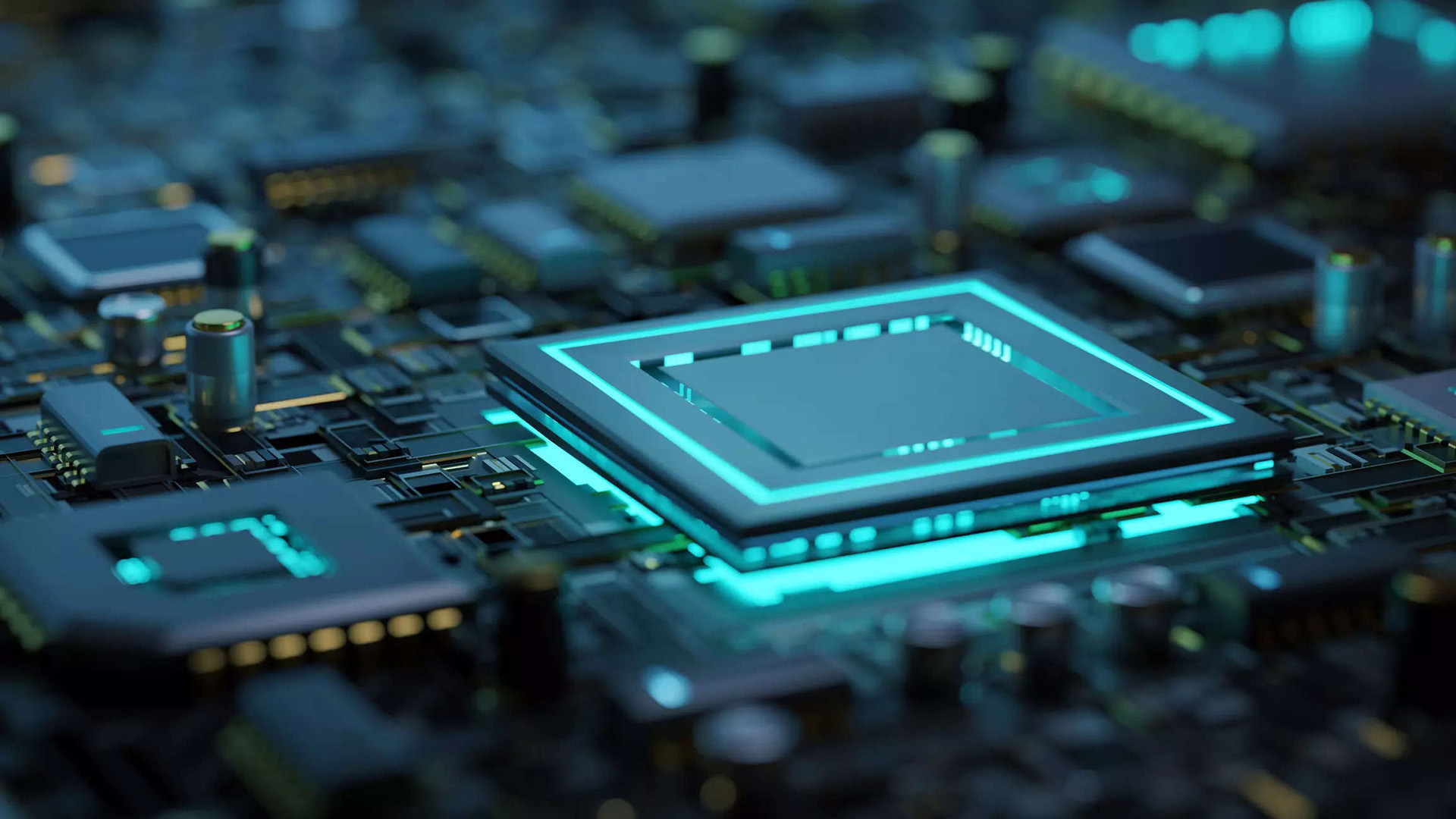
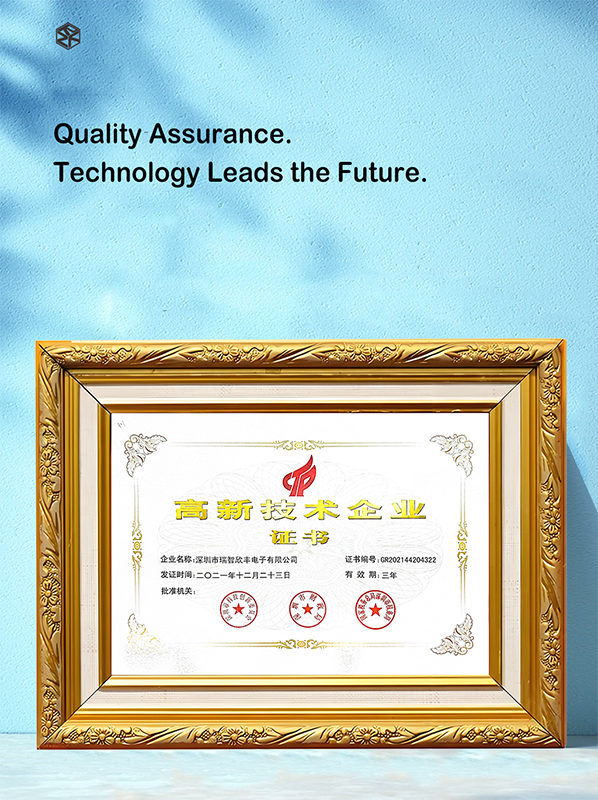
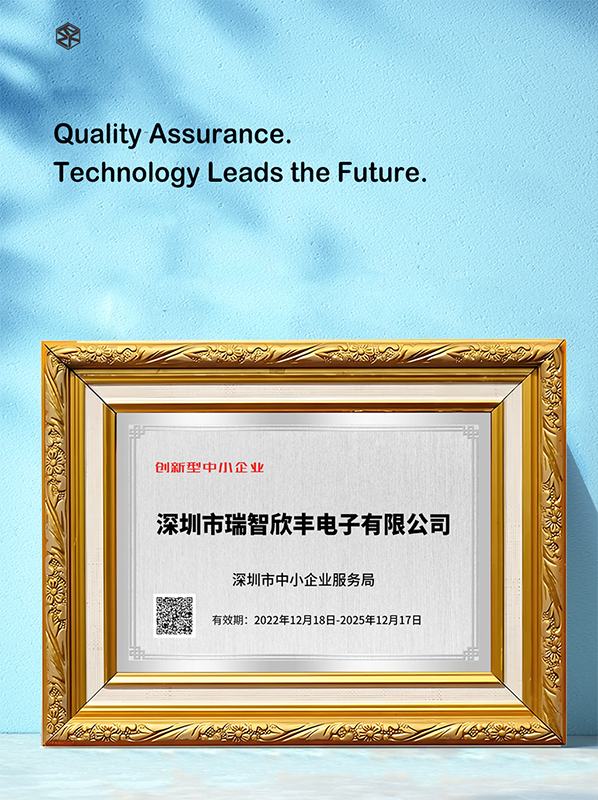
Based in China and looking at the global market, Shenzhen Rich Full Joy Electronics Co., Ltd. has been committed to industry development for 20 years. The company is a national high-tech innovative enterprise that combines focus and expertise. It's also an important enterprise incubation base in China. We specialize in providing customers with one-stop intelligent electronic manufacturing services, including scientific research, PCB design, PCB manufacturing, PCB assembly (including SMT, DIP, Programming and testing) and component selection.
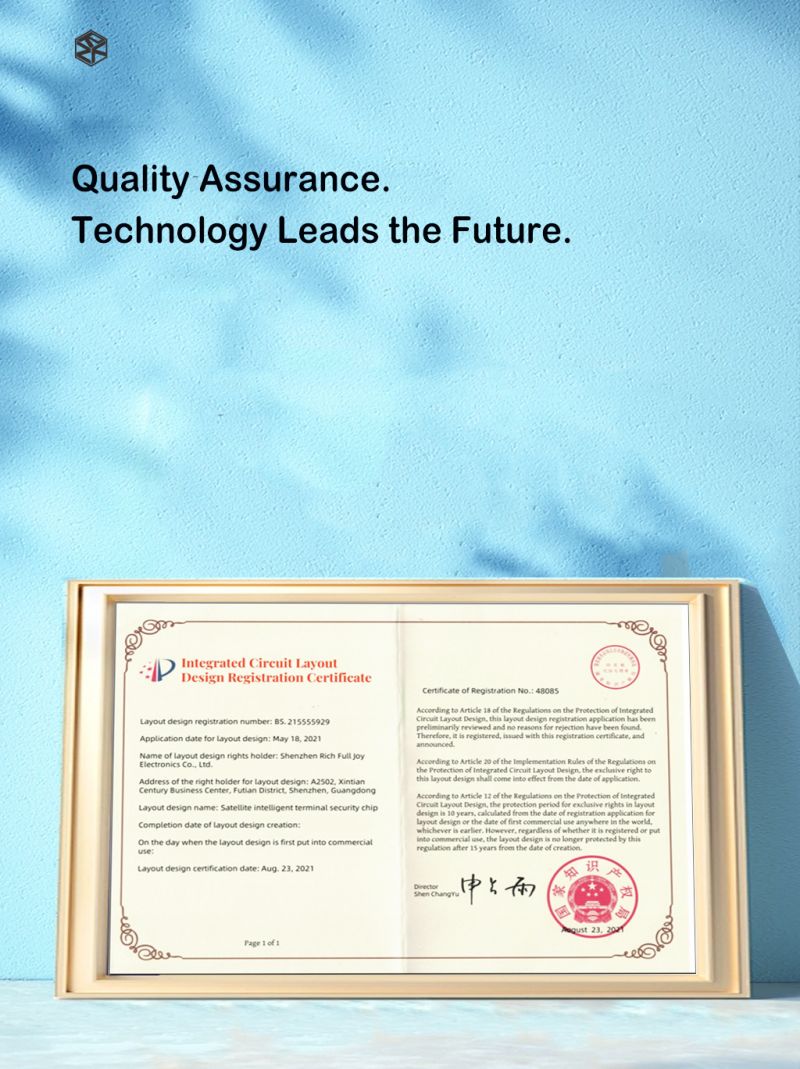
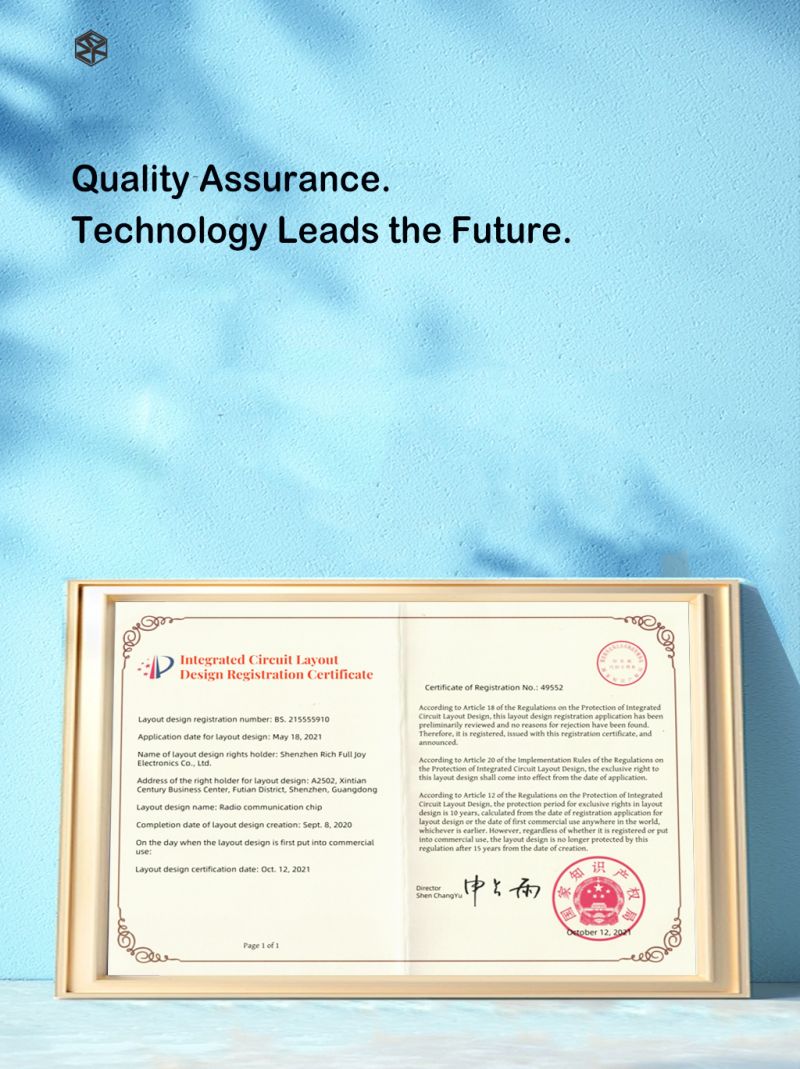
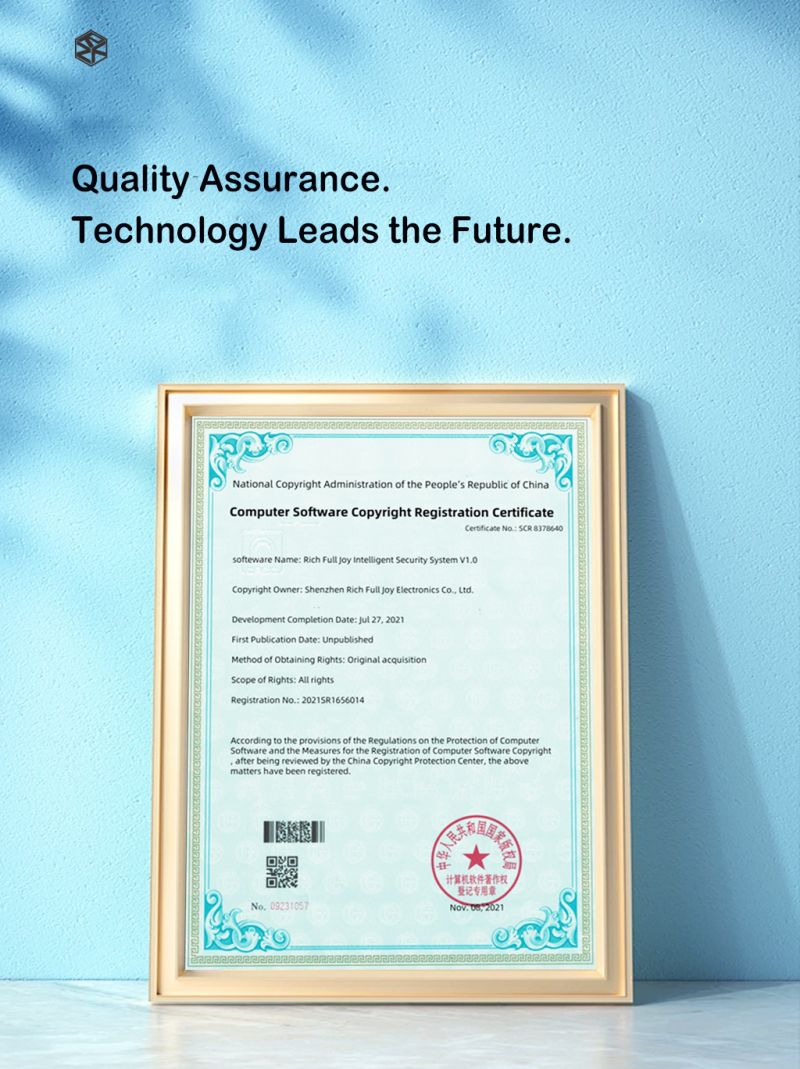
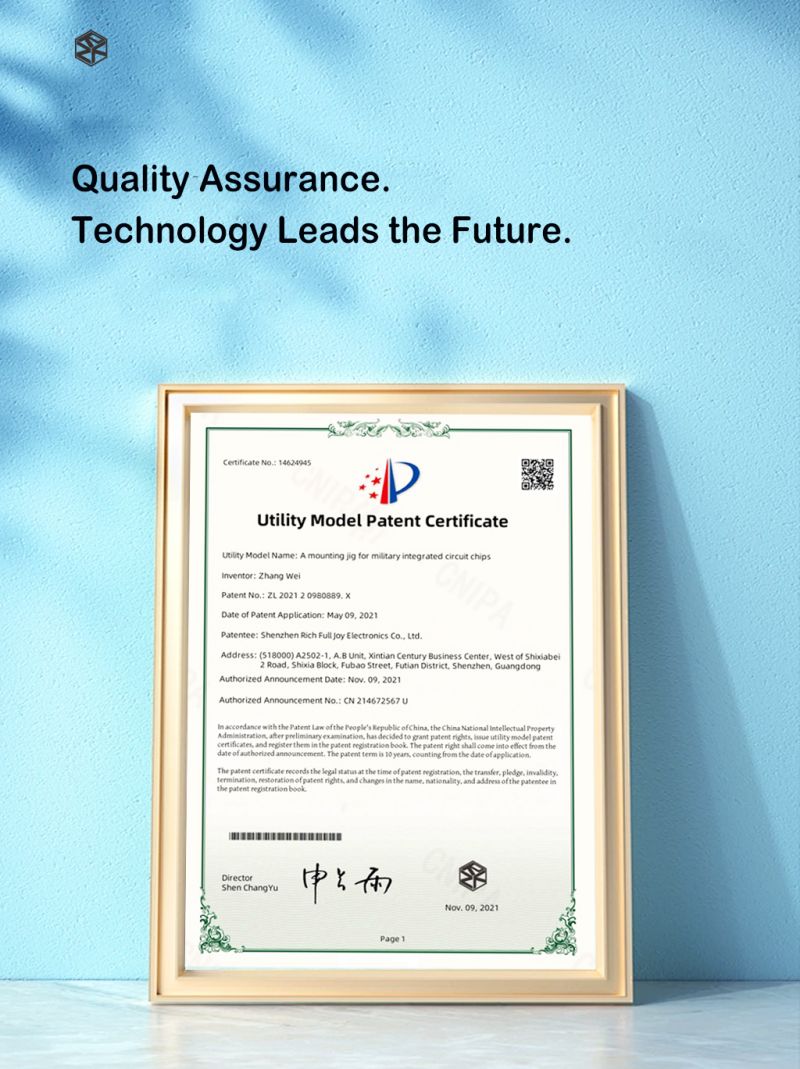
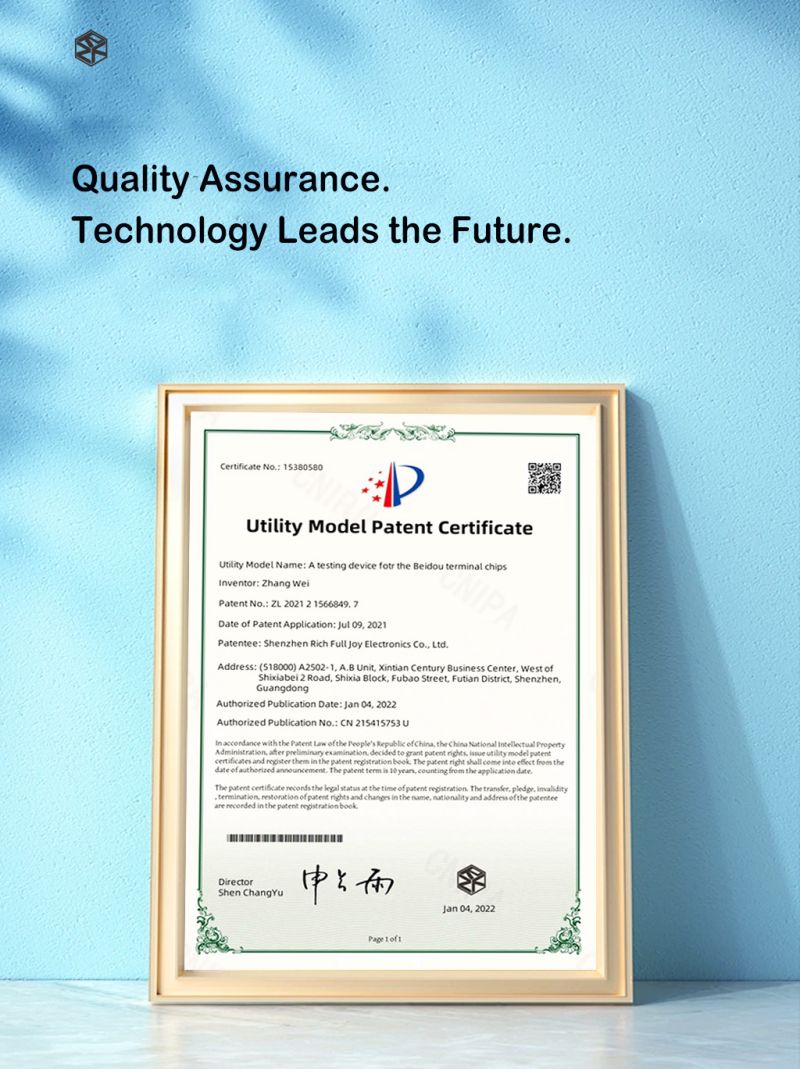
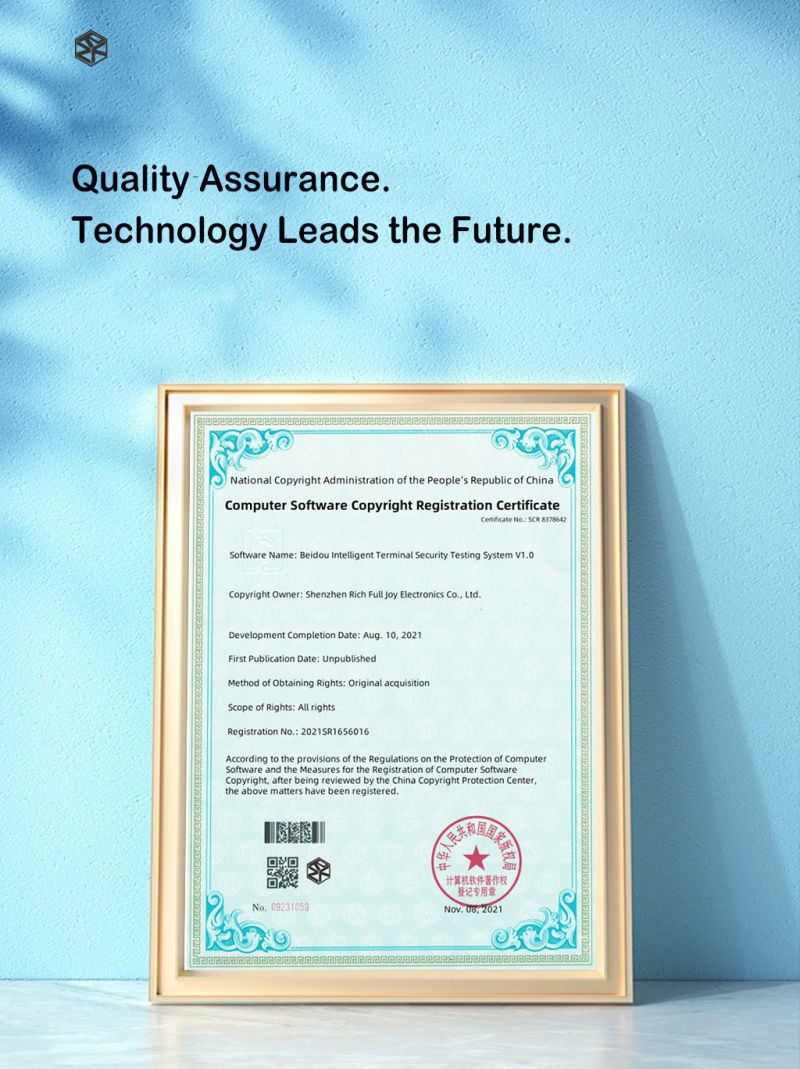
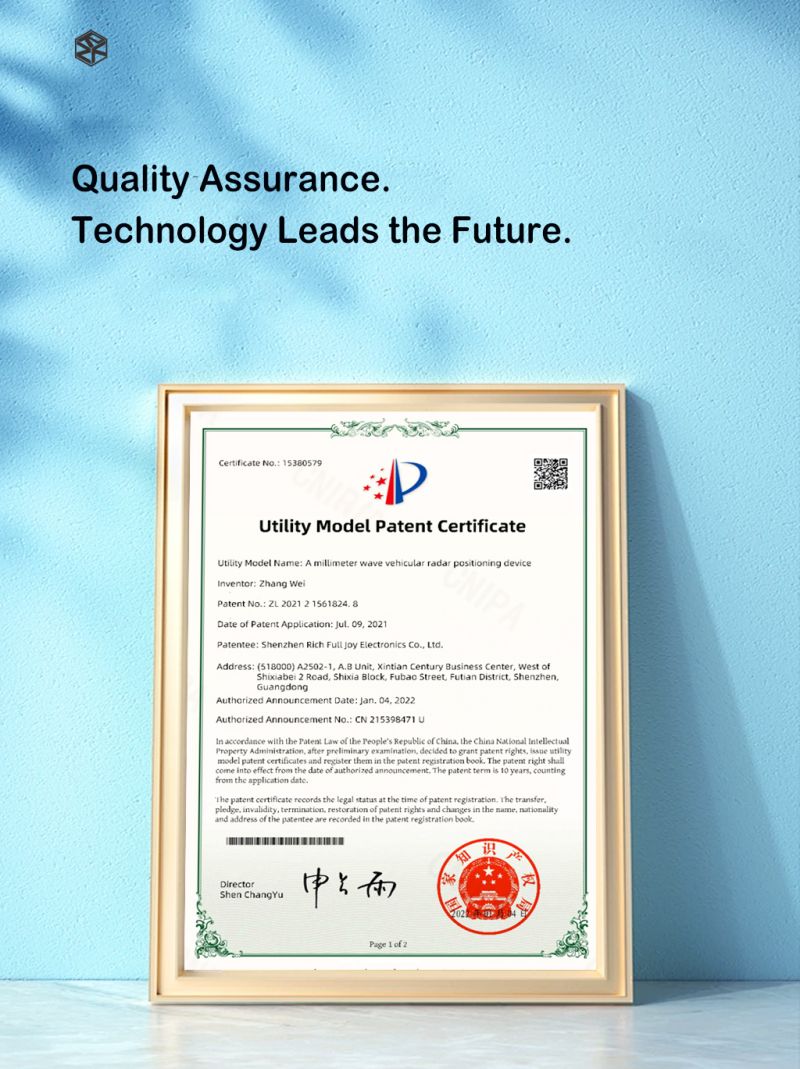
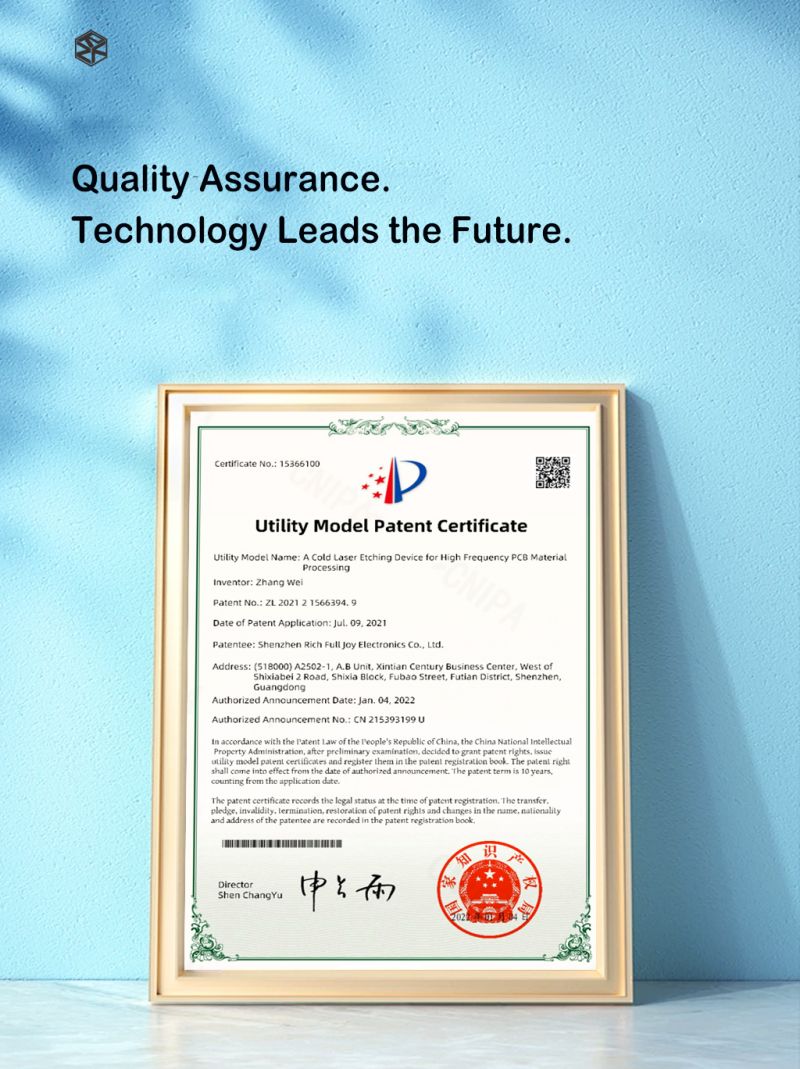
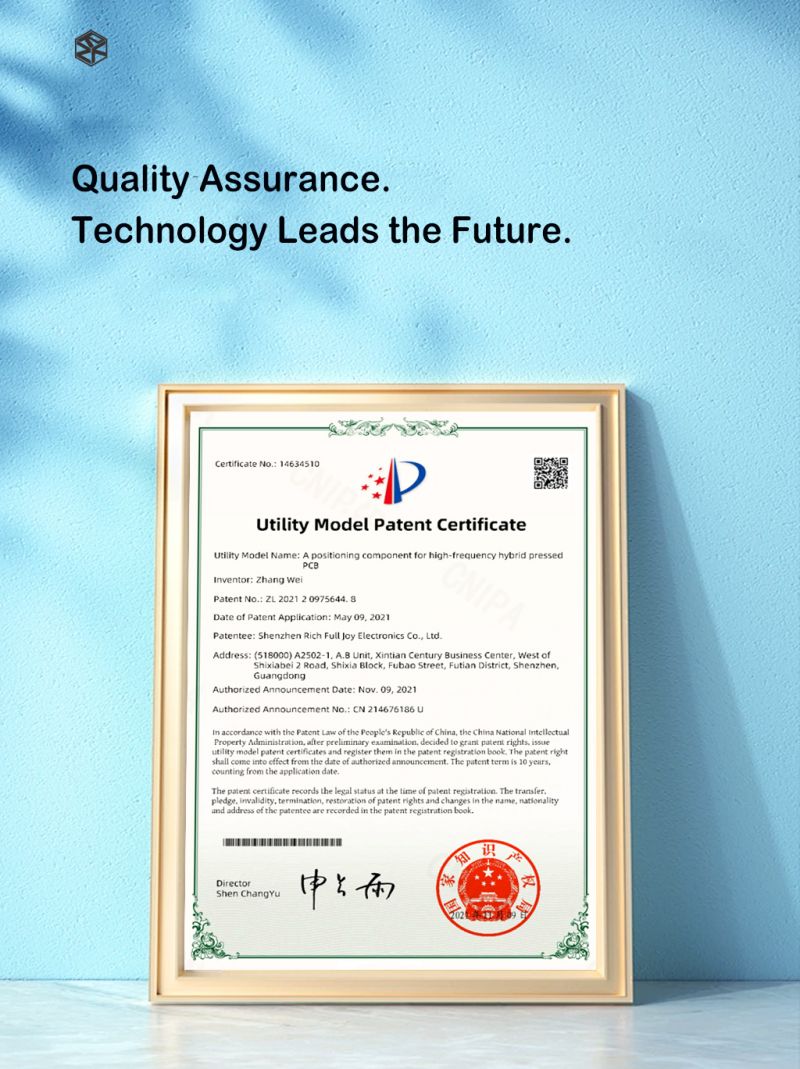
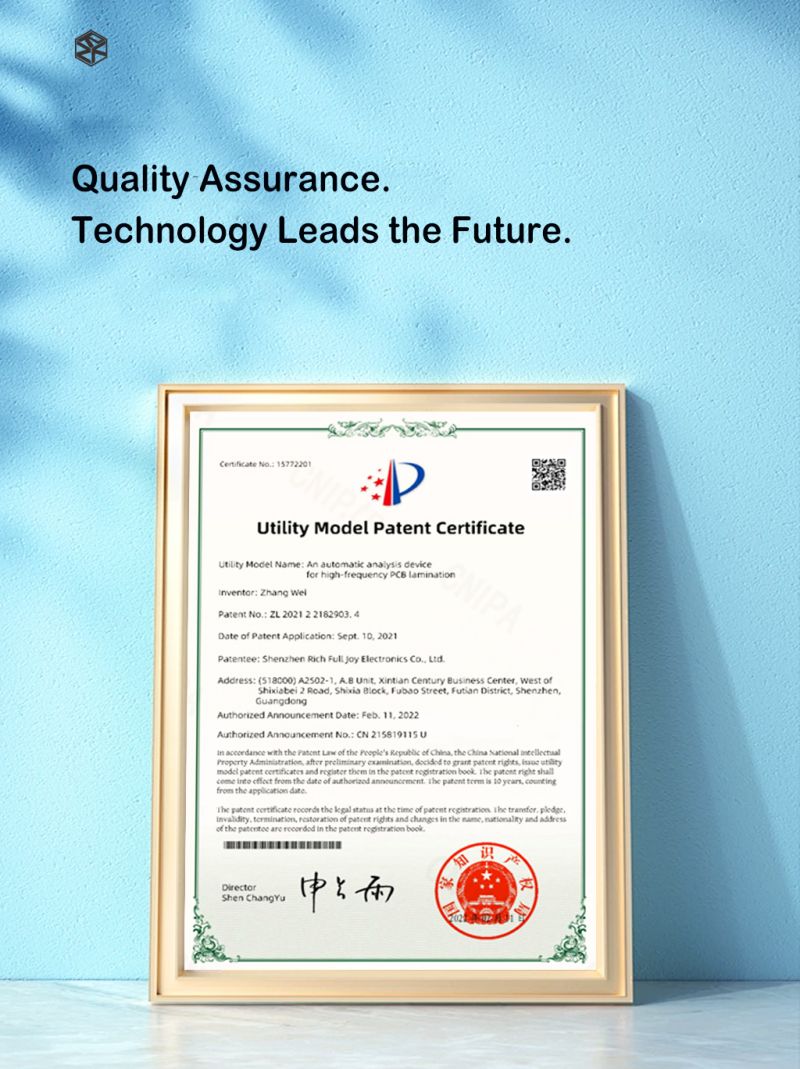
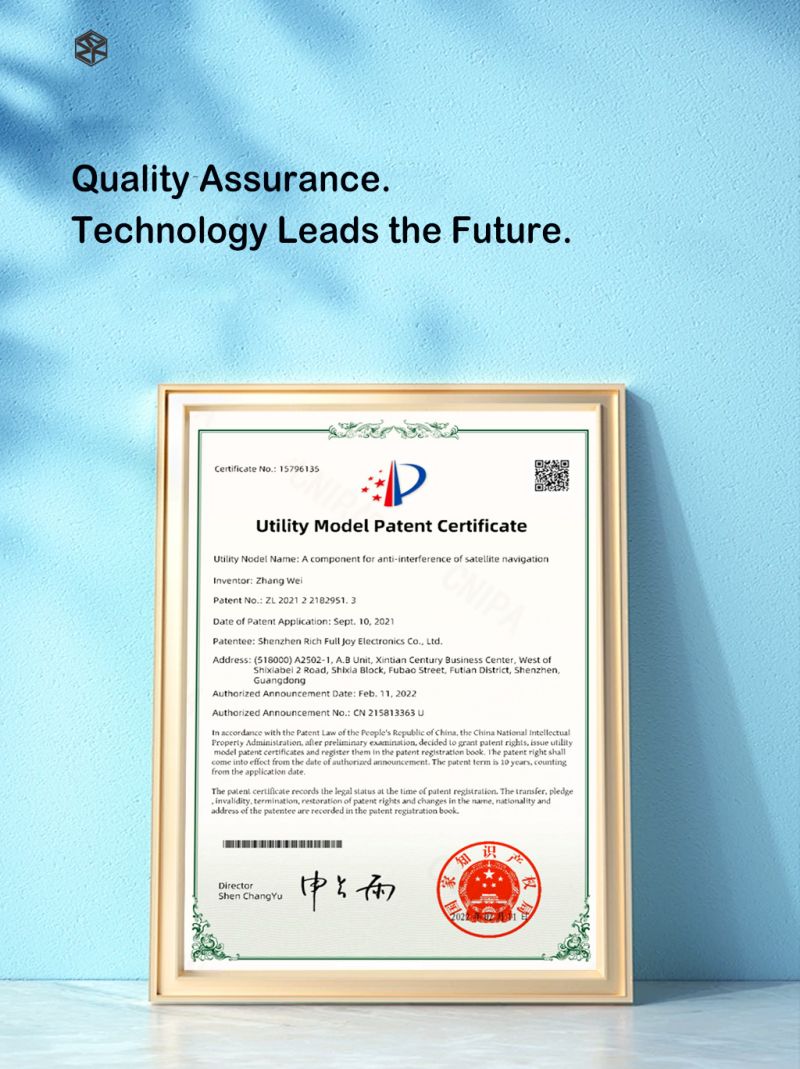
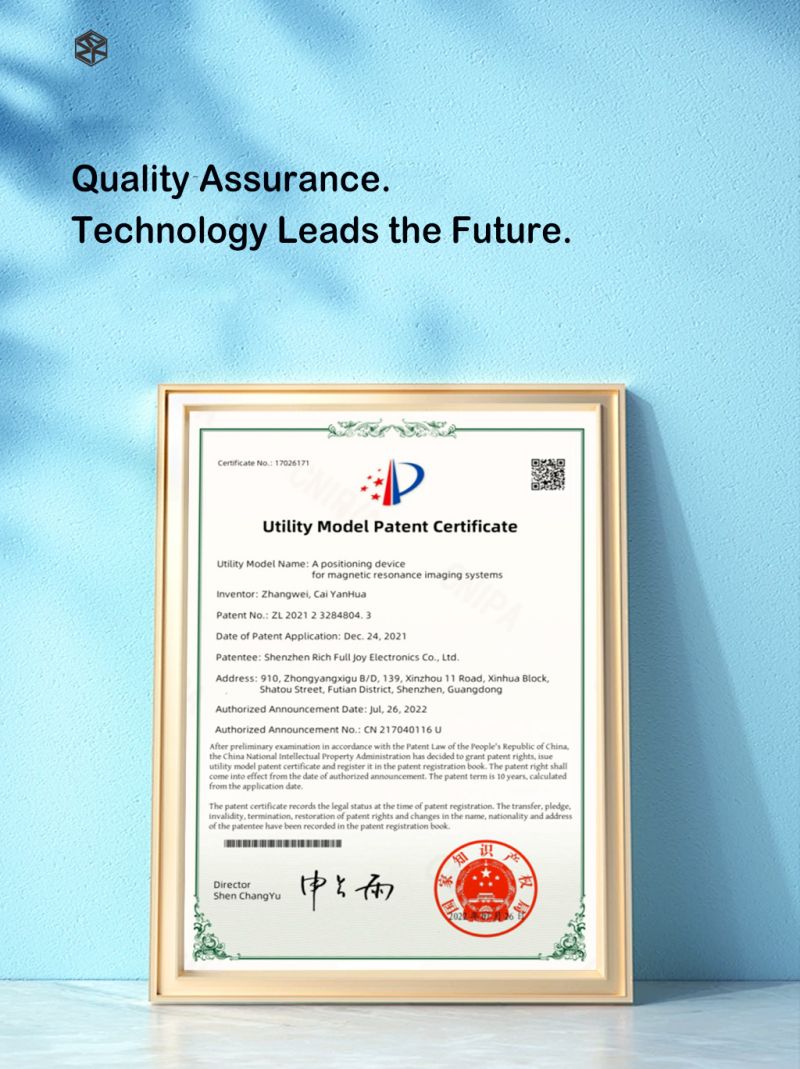
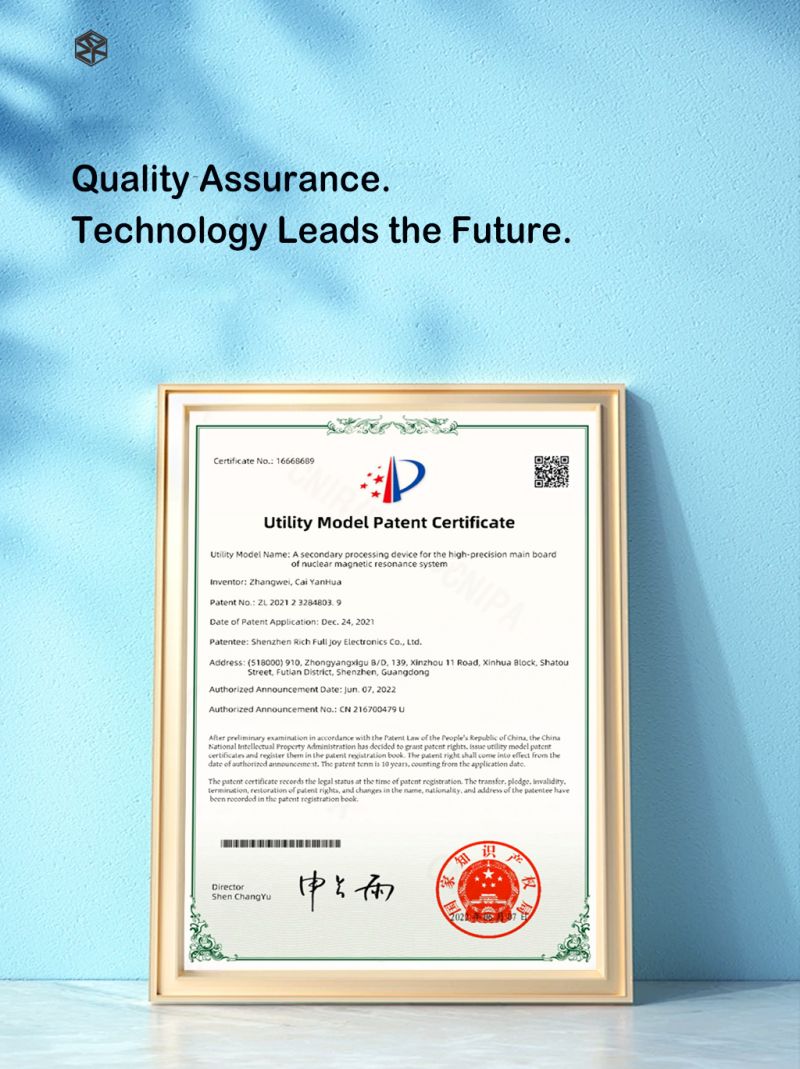
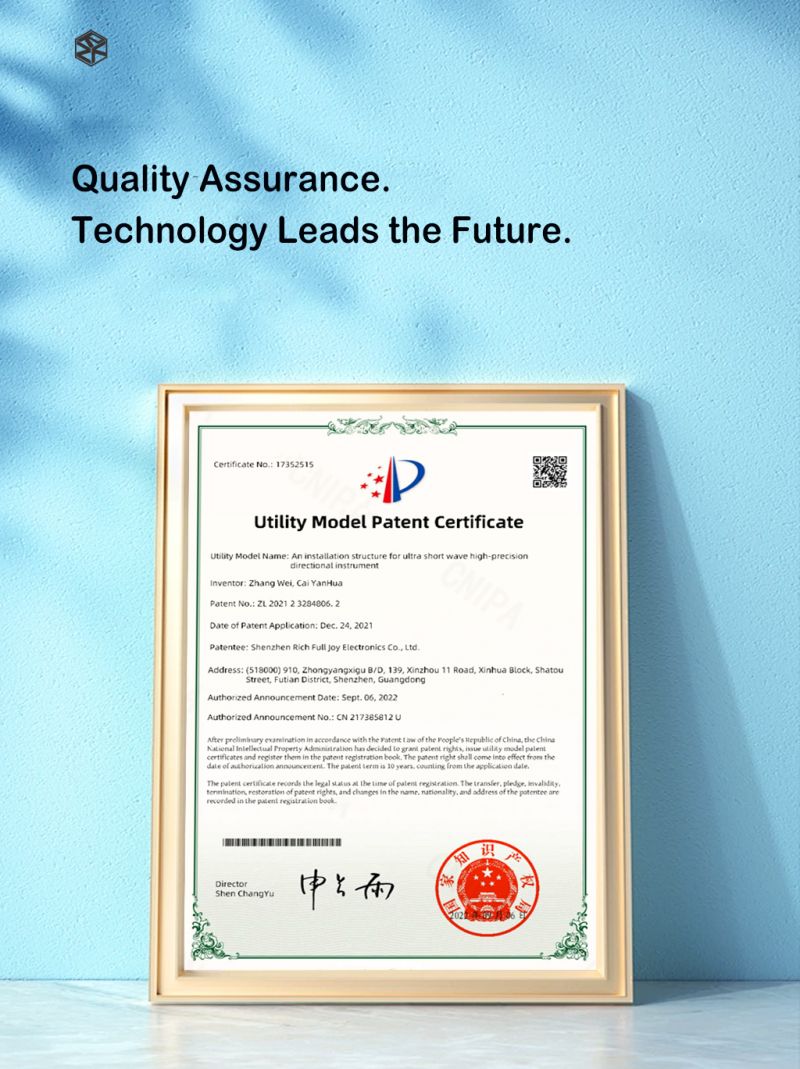
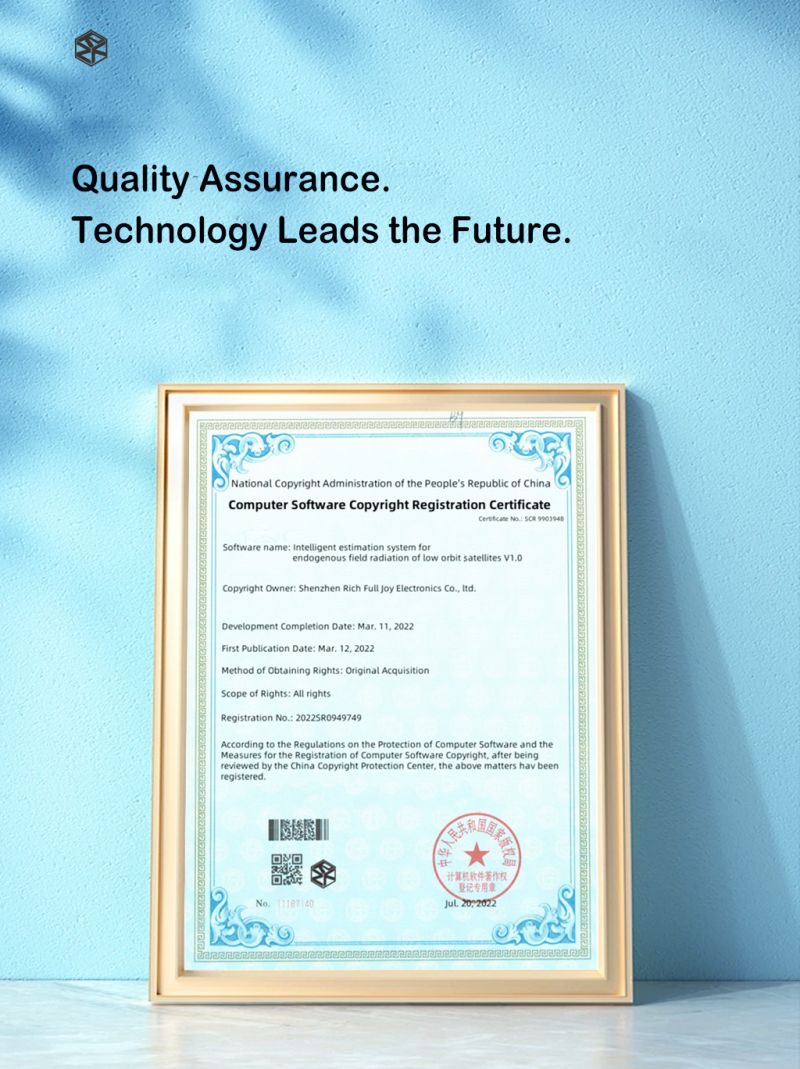
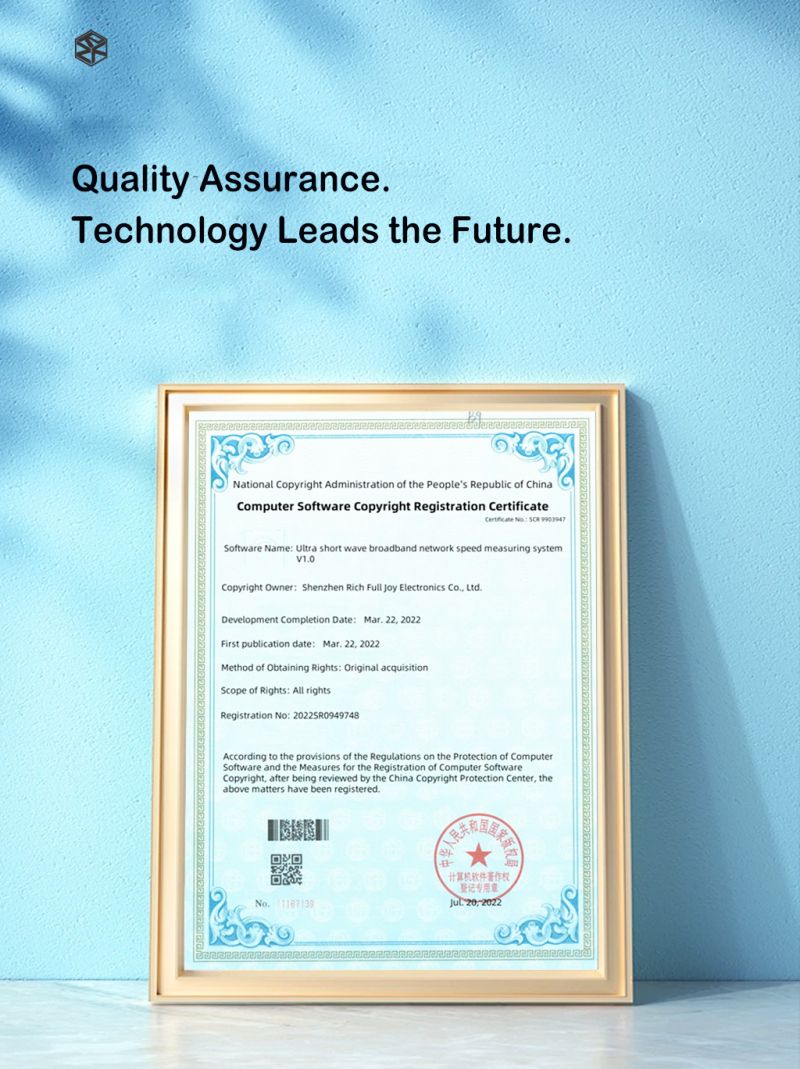
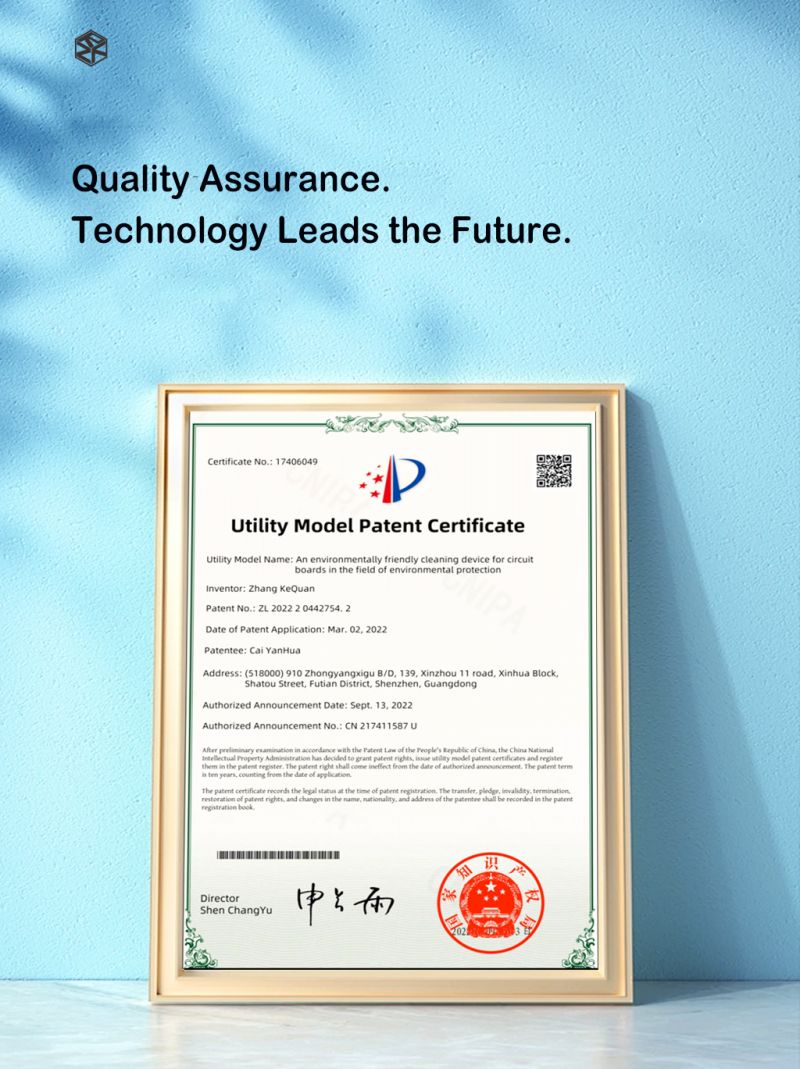
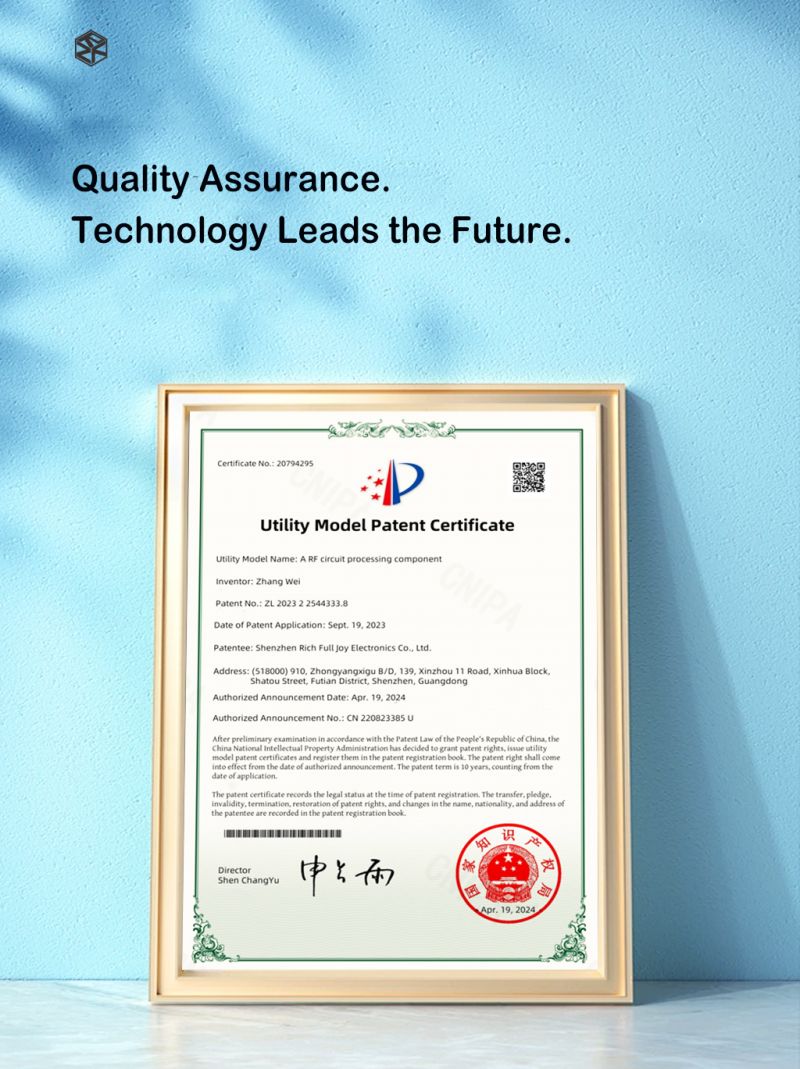
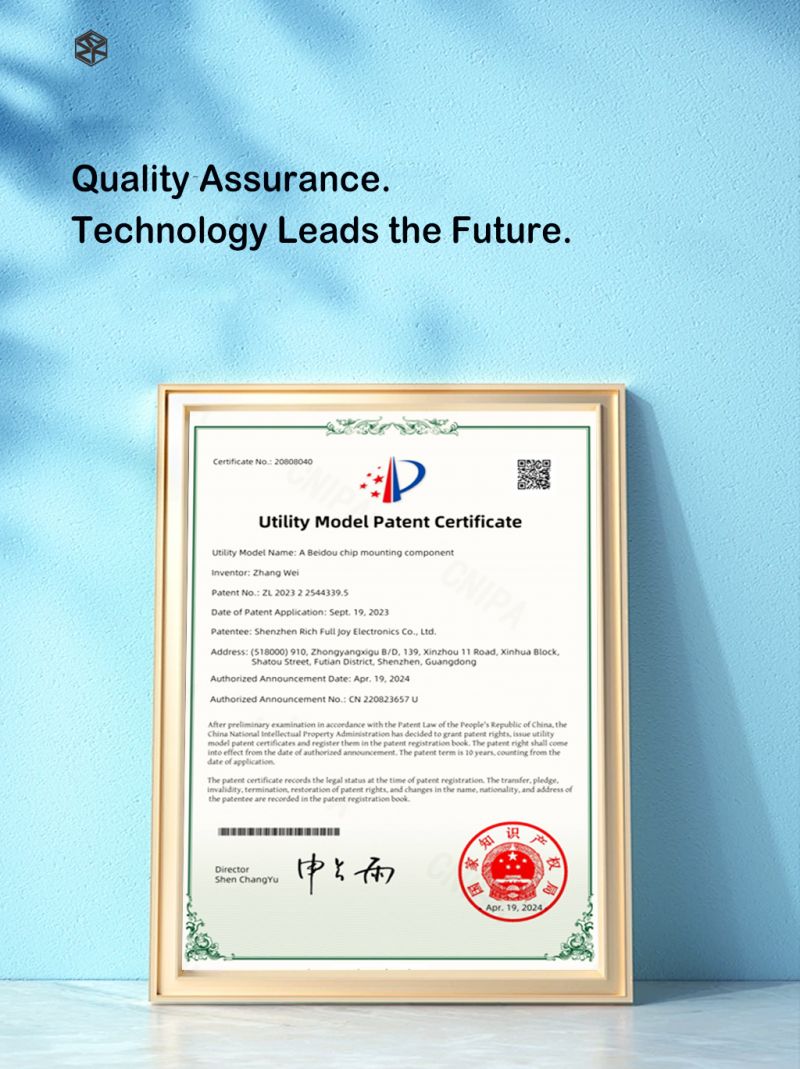
Technological innovation is the core competitiveness of enterprises. We've obtained multiple invention and utility model patents, and has passed various international standard certifications such as ISO9001, IATF16949, ISO14001, UL, CQC, REACH, RoHS, COC, as well as the GJB9001C-2017 standard certification for weapon and equipment quality management system. We've provided high-quality and reliable products to multiple research institutions, universities, and assisted customers in identifying design issues and providing reasonable suggestions and processing parameters.
We not only publish technical papers, but also actively participate in domestic and overseas technology exchange conferences to spread academic value and cutting-edge technological innovation. We regularly communicate with customers and strive to provide them with the best solutions.
Our intellectual property portfolio reflects our deep commitment to innovation in automotive circuit board technology

Explore our full range of precision-engineered PCB solutions for automotive and industrial electronics applications