
Leave Your Message
-
E-mail
-
Whatsapp
-
Message
Explore our flagship automotive-grade PCB and PCBA products engineered for electric vehicle lighting applications — from adaptive headlamps to intelligent interior illumination.
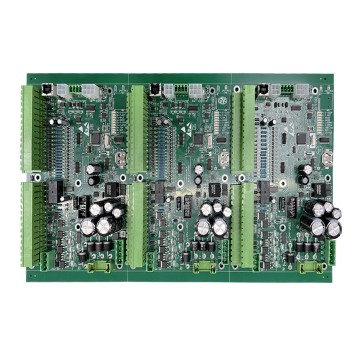 Automotive EV Lighting Control Board – RF Wireless PCB Assembly for Radar & ADAS
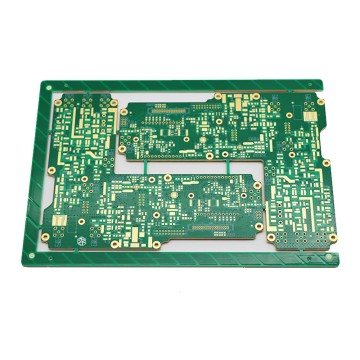 EV Lighting High-Frequency Driver Board – 6-Layer Rogers RO4350B Hybrid PCB
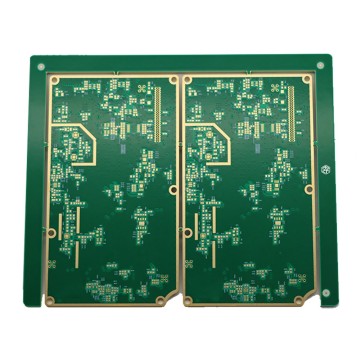 EV Lighting Power Management Board – 8-Layer FR-4 TG170 High-Performance PCB
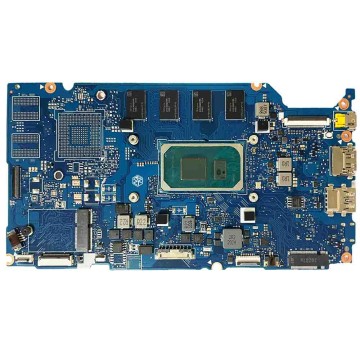 EV Interior Lighting Controller – Consumer Electronic Circuit Board / Computer PCBA
As electric vehicles redefine the automotive industry, the circuit board has become the invisible architect of every photon emitted by a modern EV.
The global transition to electric vehicles (EVs) is not merely a powertrain revolution — it is a comprehensive reinvention of every electronic system within the automobile. Among these systems, EV lighting has emerged as one of the most technologically sophisticated and commercially significant segments. At the heart of every adaptive headlamp, pixel LED matrix, dynamic tail light, and intelligent interior illumination system lies a precision-engineered automotive circuit board.
Modern EV lighting is no longer a passive safety feature. It is an active, intelligent system that communicates with ADAS sensors, adapts to road conditions in real time, expresses the vehicle's digital identity, and contributes to aerodynamic and energy efficiency. Achieving all of this demands circuit boards that operate flawlessly across extreme temperature ranges, high-vibration environments, and complex electromagnetic landscapes — all while meeting the most rigorous automotive quality standards in the world.
Conventional automotive lighting relied on simple relay-switched circuits. Today's EV lighting ecosystems integrate microcontrollers, CAN/LIN bus communication interfaces, PWM dimming drivers, thermal management ICs, and optical sensor feedback loops — all on a single compact board. The circuit board must support high-frequency signal integrity for LiDAR and camera integration, while simultaneously managing the high-current switching demands of hundreds of individual LED pixels.
Thermal performance is particularly critical. LED drivers generate significant heat, and in an EV environment — where battery thermal management already places demands on the cooling system — the PCB substrate material, copper weight, via design, and thermal pad layout are all decisive factors in long-term reliability. This is why automotive-grade PCBs for EV lighting frequently utilize high-Tg FR-4, Rogers high-frequency laminates, metal-core substrates, or hybrid stack-ups combining multiple material layers.
The global automotive lighting market was valued at over USD 30 billion in 2023 and is projected to exceed USD 48 billion by 2030, with EV-specific lighting electronics representing the fastest-growing sub-segment. The rise of matrix LED, laser headlamp, and OLED tail light technologies is driving unprecedented demand for sophisticated PCB assemblies. Major Tier-1 automotive suppliers including Osram, Valeo, Hella, and Koito are actively expanding their EV lighting electronics supply chains, placing enormous pressure on PCB manufacturers to deliver higher layer counts, finer trace geometries, and tighter impedance tolerances at competitive cost.
China, as the world's largest EV market — accounting for over 60% of global EV sales in recent years — has become the epicenter of automotive lighting PCB manufacturing. Shenzhen-based manufacturers with IATF 16949 certification and advanced HDI, high-frequency, and flex-rigid capabilities are uniquely positioned to serve both domestic OEMs and global Tier-1 suppliers.
Our automotive circuit boards for EV lighting are engineered to the highest standards of precision, reliability, and performance.
FR-4 TG170 and metal-core substrates ensure stable operation across –40°C to +150°C automotive temperature ranges, critical for LED driver longevity.
Rogers RO4350B hybrid laminates maintain controlled impedance for CAN-FD, LIN bus, and optical sensor interfaces embedded in modern EV lighting ECUs.
16-layer any-layer HDI architecture enables ultra-compact, high-density routing for pixel LED matrix controllers with thousands of independent channels.
Heavy copper (2–6 oz) power planes and optimized via arrays handle the peak current demands of adaptive matrix headlamp systems without thermal derating.
Flex-rigid PCB designs allow lighting modules to conform to complex vehicle body geometries, reducing connector count and improving vibration resistance.
Full IATF 16949, ISO 9001, and AEC-Q100 component qualification compliance ensures every board meets the zero-defect expectations of automotive OEMs.
From pixel-perfect adaptive high beams that carve light around oncoming traffic, to ambient interior lighting that responds to driver biometrics — every intelligent lighting function in a modern EV is only as capable as the automotive circuit board driving it. Precision PCB engineering is not a commodity; it is the competitive differentiator that separates great EV lighting from merely functional lighting.
The automotive circuit board industry is evolving rapidly to meet the demands of next-generation EV lighting architectures.
Next-generation EVs are migrating from distributed ECUs to zonal domain controllers. Lighting circuit boards are being redesigned as intelligent nodes within centralized zonal architectures, requiring higher computational density and Ethernet-based communication (100BASE-T1, 1000BASE-T1) on the PCB.
Micro-LED and laser light source technologies demand circuit boards with sub-50μm trace/space capabilities and extreme thermal dissipation. Ceramic substrates and embedded active cooling structures are entering automotive lighting PCB design for the first time.
The convergence of sensing and illumination in EV platforms is driving the development of combined LiDAR-lighting modules on shared PCB assemblies. RF-grade laminates and precision impedance control are mandatory for these hybrid boards operating at millimeter-wave frequencies.
On-board AI processors embedded in lighting ECU circuit boards enable real-time scene analysis, predictive beam shaping, and V2X-aware lighting behavior. This is driving demand for high-layer-count PCBs with embedded memory and high-speed BGA routing.
Organic LED (OLED) panels for tail lamps and interior lighting require ultra-flat, low-warpage PCB substrates with precise thermal uniformity. Specialized PCB materials and manufacturing processes are being developed specifically for OLED automotive applications.
Regulatory pressure from EU ELV directives and China RoHS standards is accelerating the adoption of halogen-free, low-CTE PCB laminates in EV lighting electronics. Manufacturers with REACH and RoHS certifications hold a decisive supply chain advantage.
Automotive circuit boards for EV lighting appear across a diverse and rapidly expanding range of vehicle systems and use cases.
Adaptive matrix LED headlamps use arrays of individually controllable LED segments — sometimes exceeding 1,000 pixels per headlamp — to project precise light patterns that avoid dazzling oncoming drivers while maximizing road illumination. The PCB assembly driving these systems must handle hundreds of independent PWM channels, integrate camera and radar sensor data via CAN-FD, and operate continuously at high ambient temperatures. Multi-layer HDI boards with embedded passive components and fine-pitch BGA ICs are the standard architecture for this application.
Laser headlamp systems, deployed in premium EVs from BMW, Audi, and emerging Chinese OEMs, use blue laser diodes and phosphor converters to achieve illumination ranges exceeding 600 meters. The laser driver PCB must manage nanosecond-precision current pulses while maintaining absolute safety compliance — any circuit board failure that causes uncontrolled laser emission is a critical safety event. Redundant protection circuits, high-reliability component selection, and 100% electrical testing are non-negotiable requirements.
Modern EV interiors feature multi-zone RGB ambient lighting with hundreds of individually addressable LEDs integrated into door panels, dashboard trim, and headliners. The PCB assemblies for these systems must be ultra-thin (often on flexible or rigid-flex substrates), support addressable LED protocols (WS2812B, SPI-based drivers), and withstand the mechanical stress of repeated flexing during door operation. FPC-based designs with double-sided SMT assembly are the dominant approach.
EV tail lamps have become brand signature elements, featuring animated welcome sequences, dynamic turn indicators, and predictive brake light intensification based on deceleration rate. The PCB for these systems integrates LED drivers, microcontrollers, CAN bus transceivers, and temperature sensors in a conformal-coated assembly designed to survive IP67 water ingress, –40°C cold starts, and 20-year operational lifespans.
Puddle lamps, underbody lighting, and welcome projection systems represent an emerging category of EV exterior lighting that requires highly compact, weatherproof PCB assemblies. These boards often combine high-brightness LED drivers with optical lens alignment features molded directly into the PCB housing, demanding exceptional dimensional accuracy and surface finish quality from the PCB manufacturer.
The most advanced EV lighting platforms are merging sensing and illumination functions onto shared electronic control units. A single PCB assembly may house both the LED matrix driver and the image signal processor for a forward-facing camera, requiring the board designer to achieve isolation between high-current LED switching circuits and sensitive analog imaging signal paths — a formidable challenge that demands expert PCB layout, ground plane engineering, and EMC design methodology.
Based in China and looking at the global market, Shenzhen Rich Full Joy Electronics Co., Ltd. has been committed to industry development for 20 years. The company is a national high-tech innovative enterprise that combines focus and expertise. It's also an important enterprise incubation base in China. We specialize in providing customers with one-stop intelligent electronic manufacturing services, including scientific research, PCB design, PCB manufacturing, PCB assembly (including SMT, DIP, Programming and testing) and component selection.
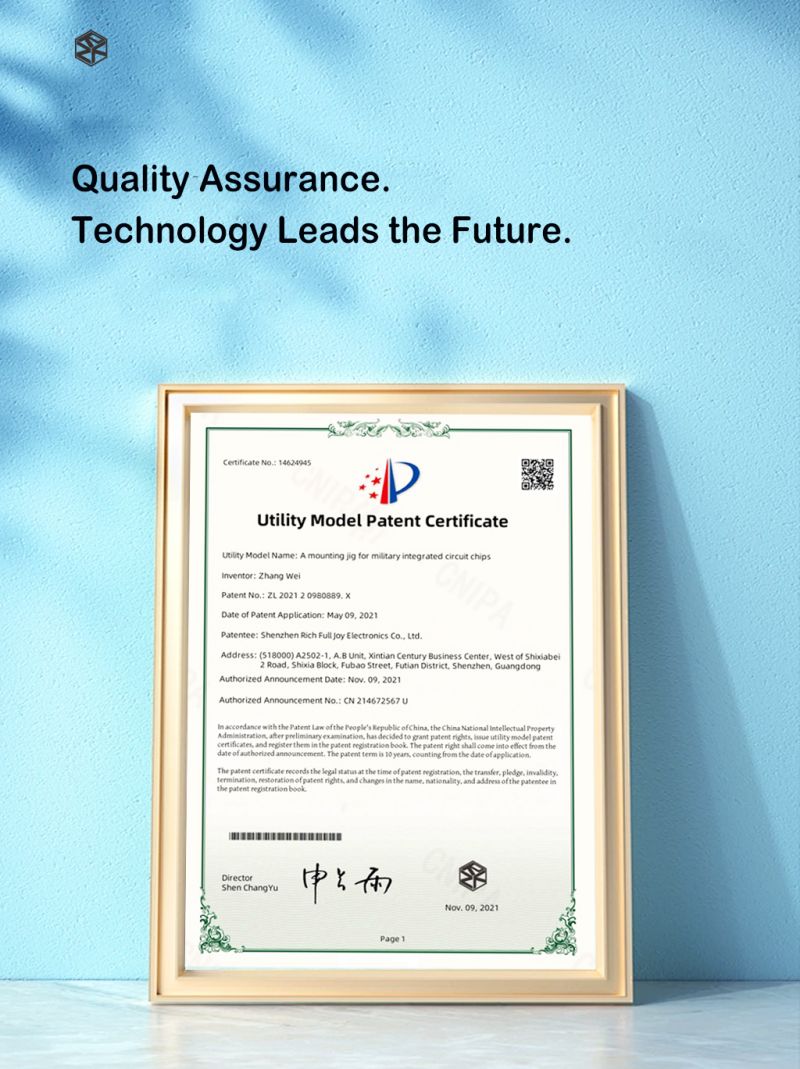
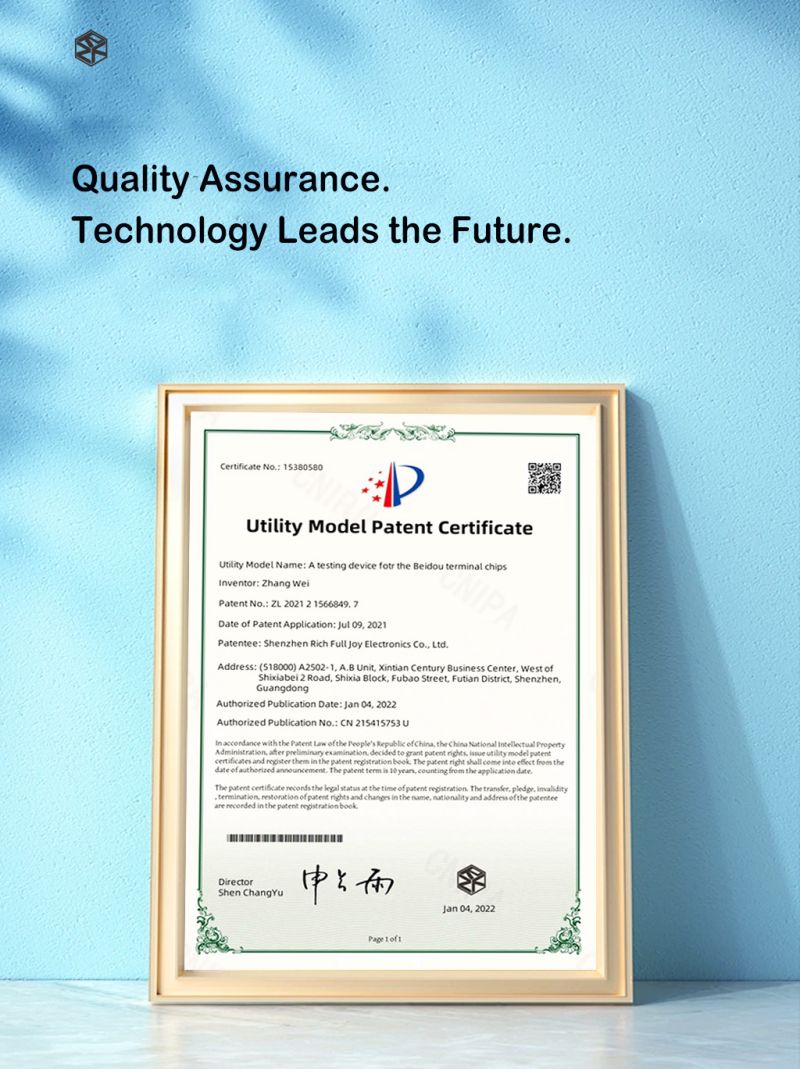
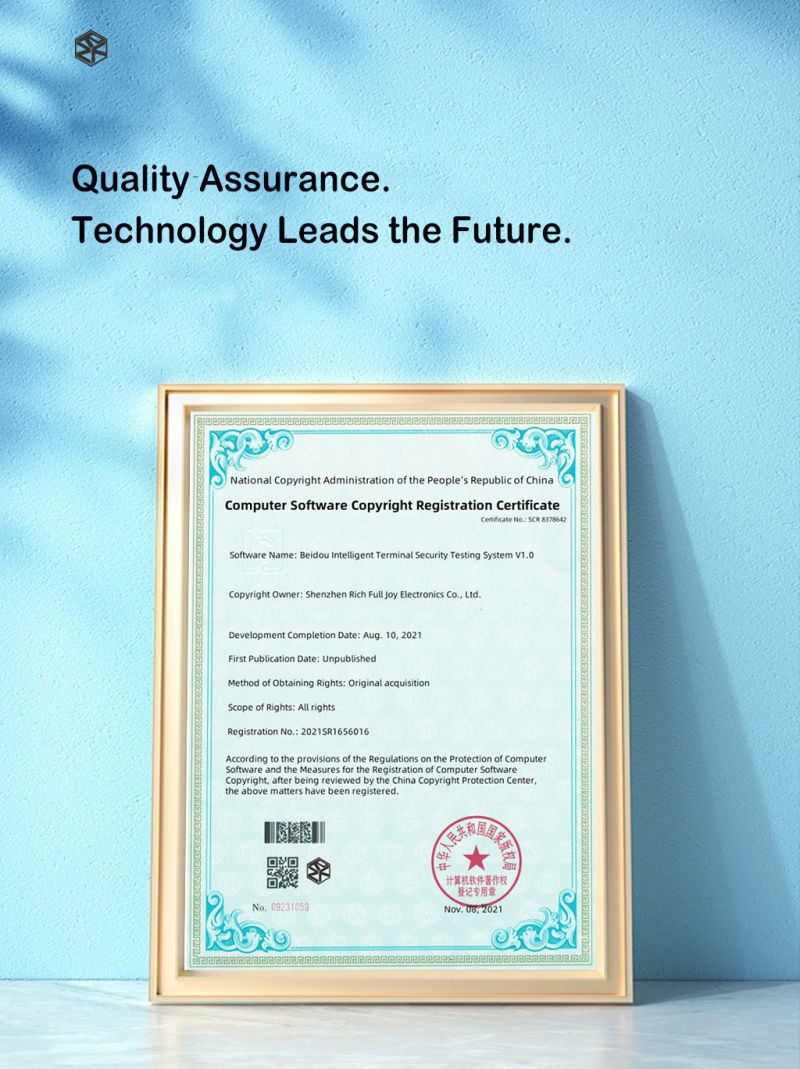
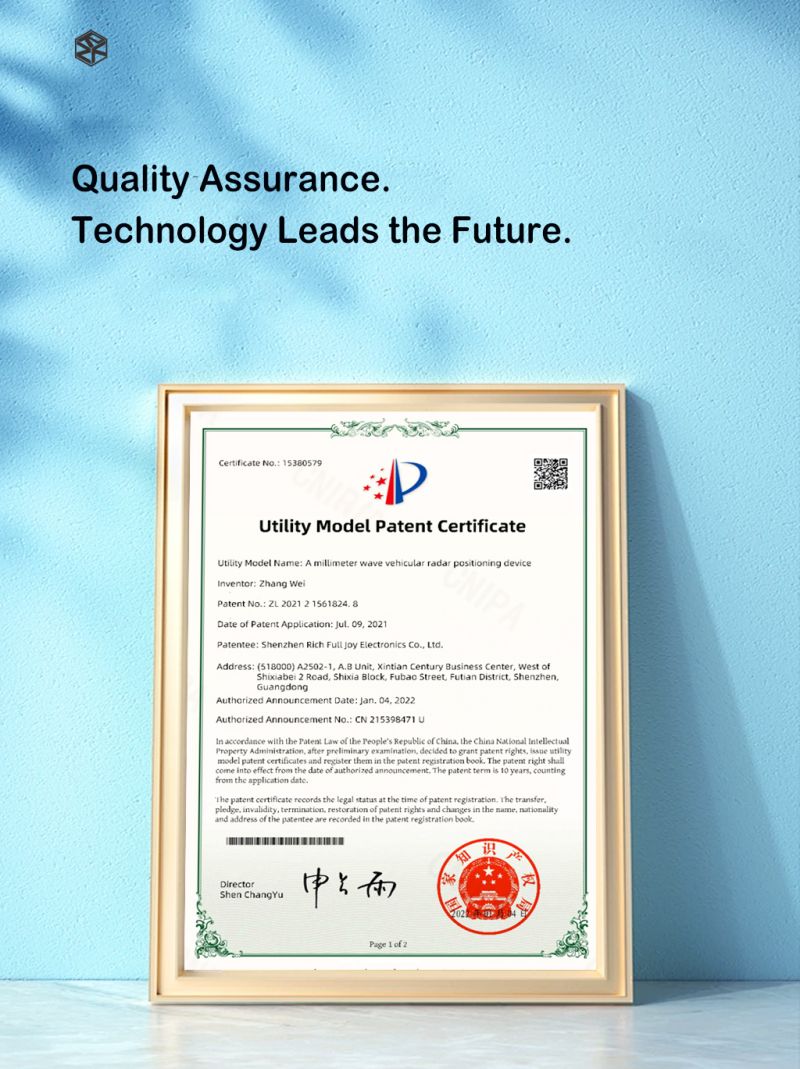
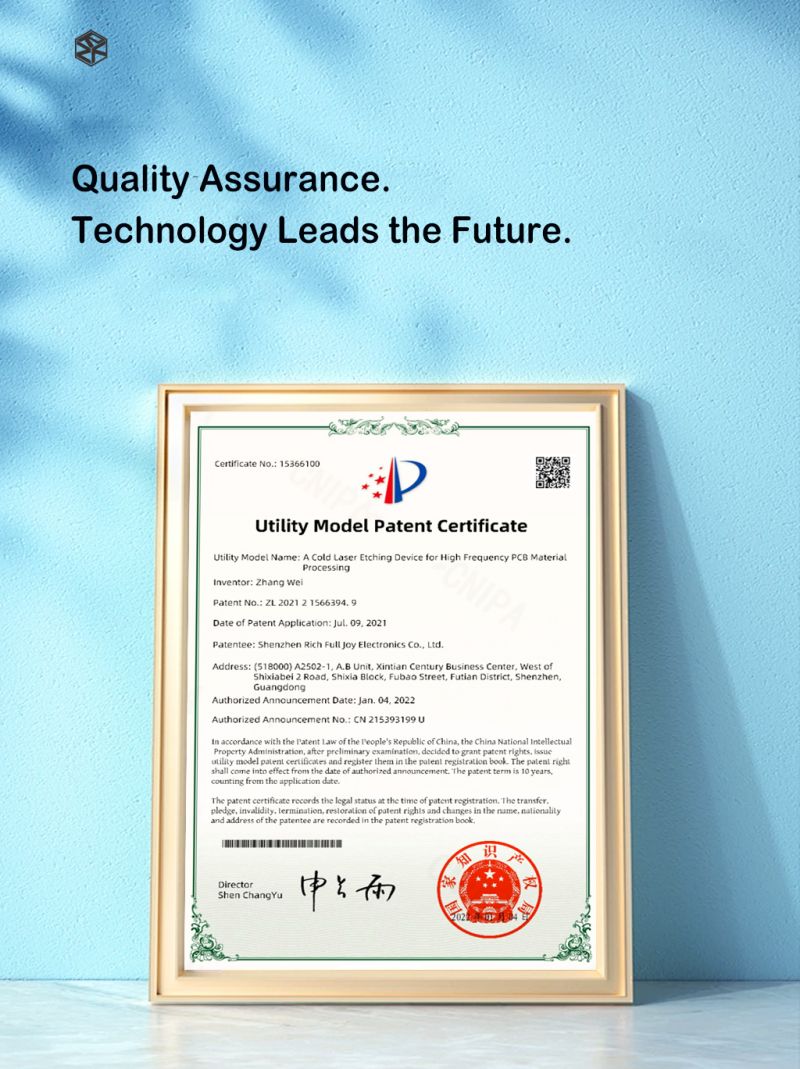
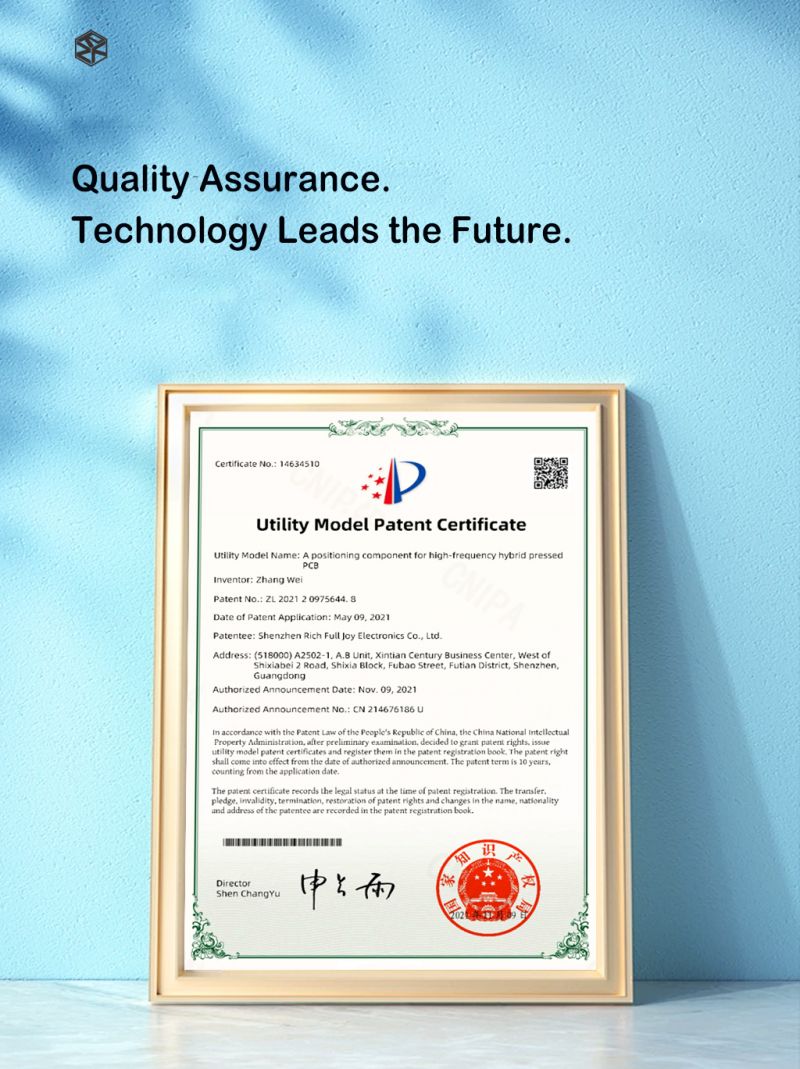
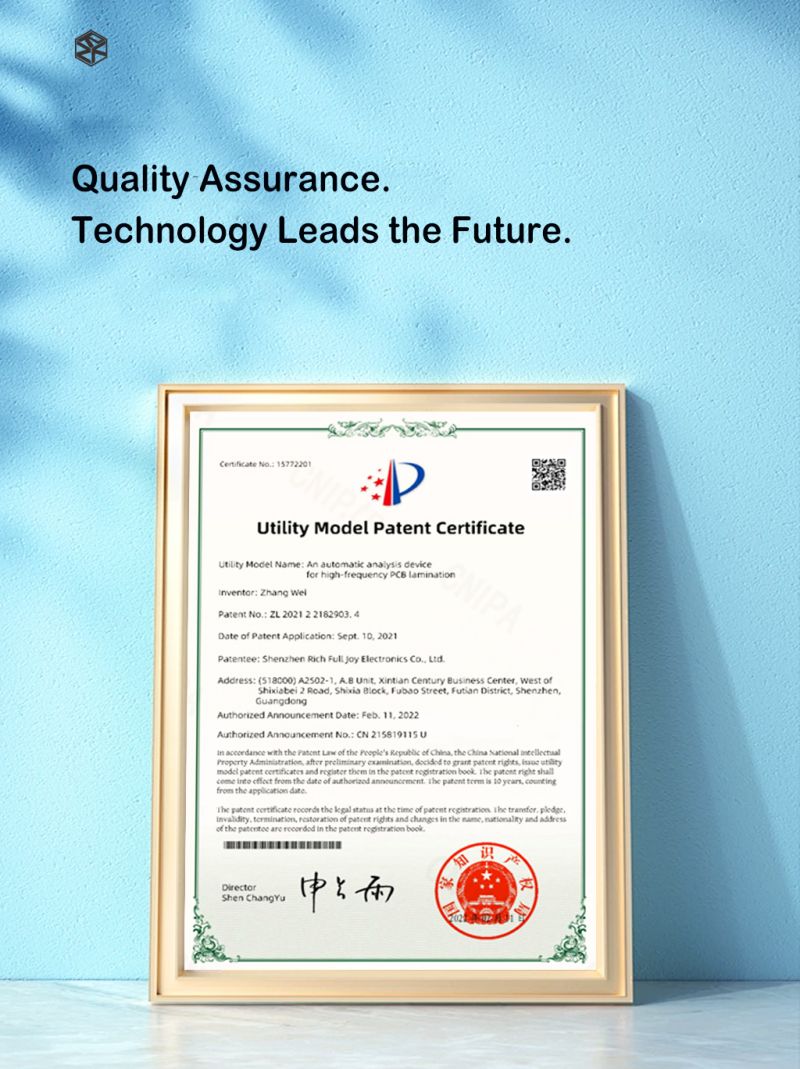
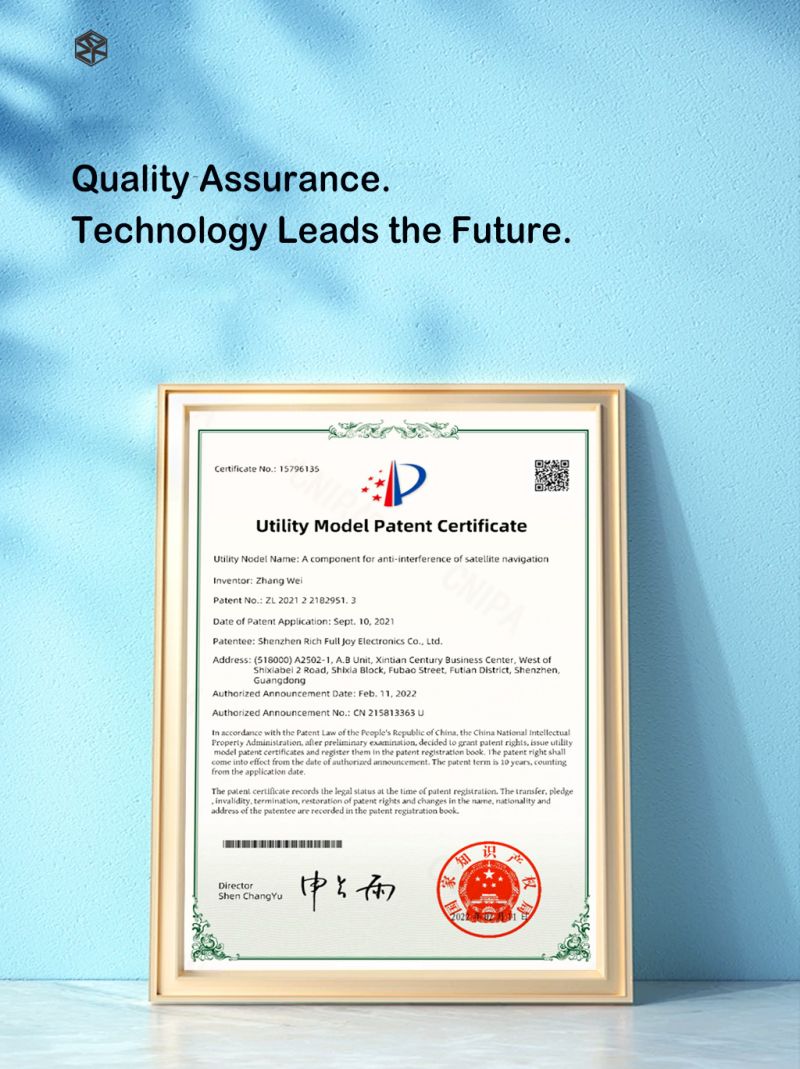
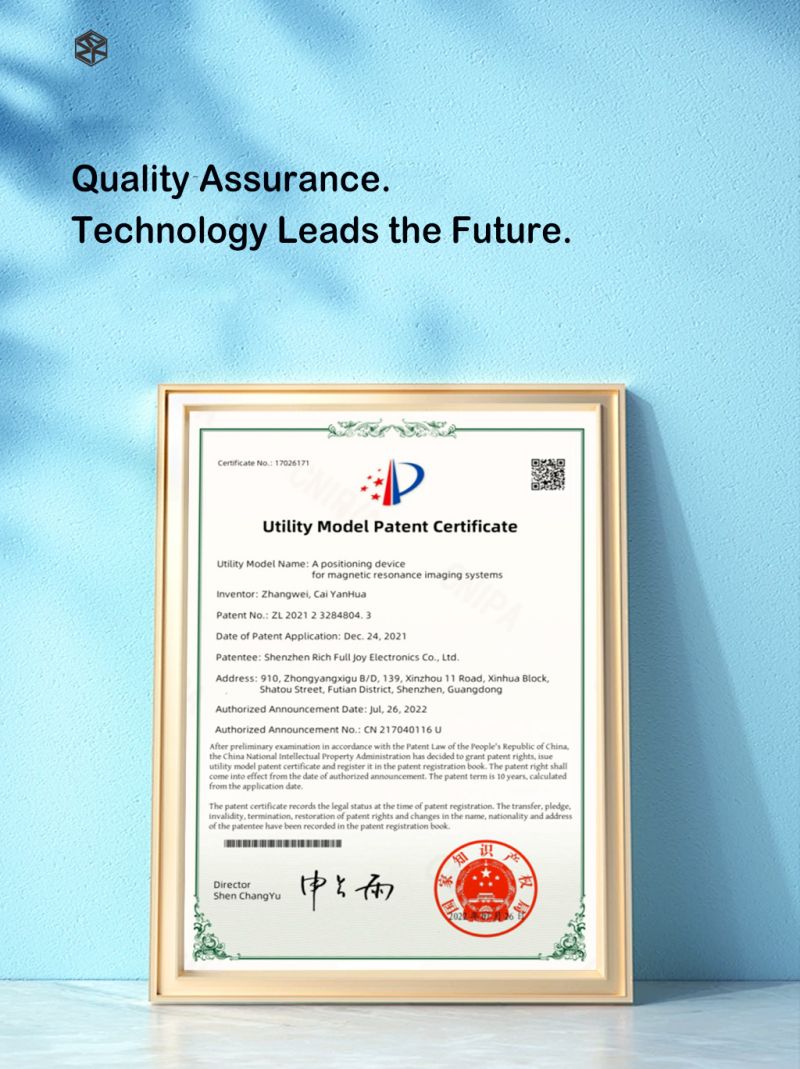
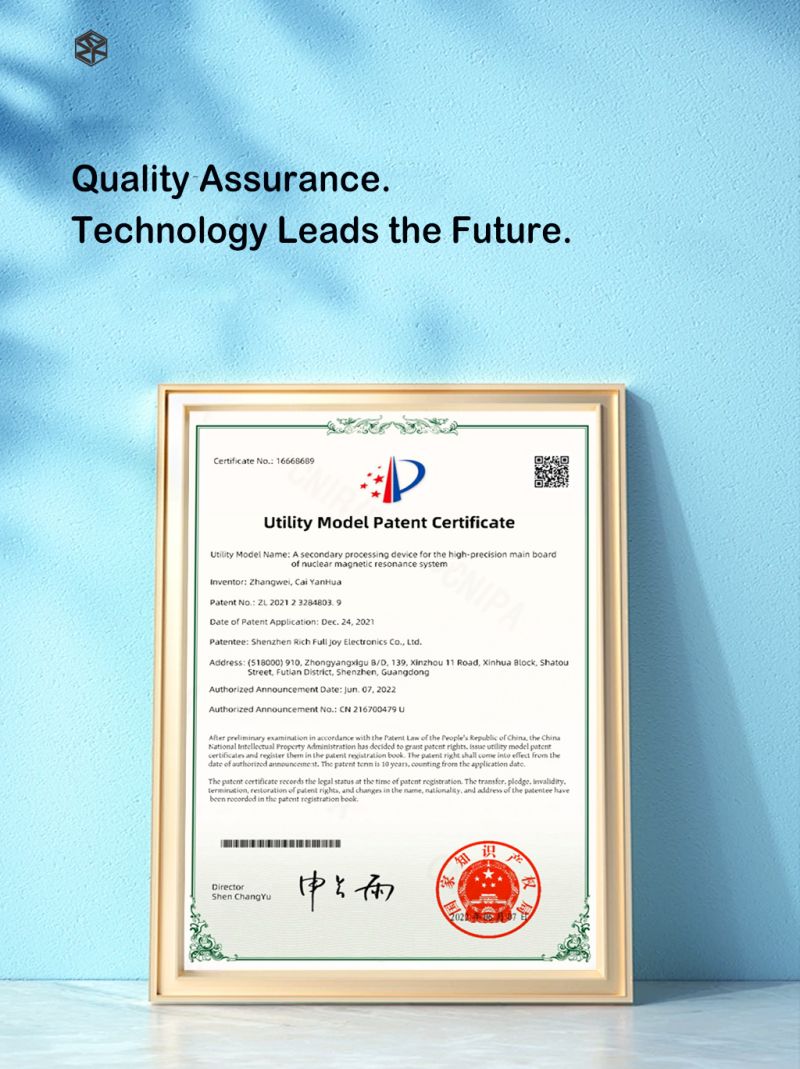
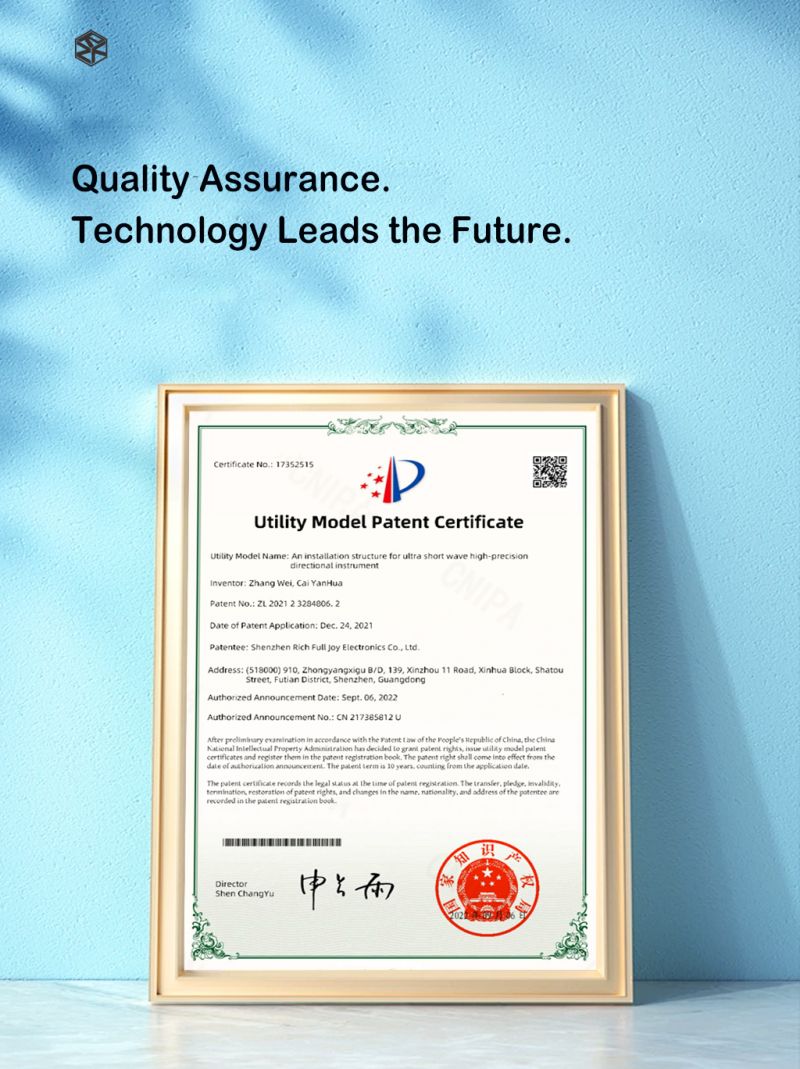
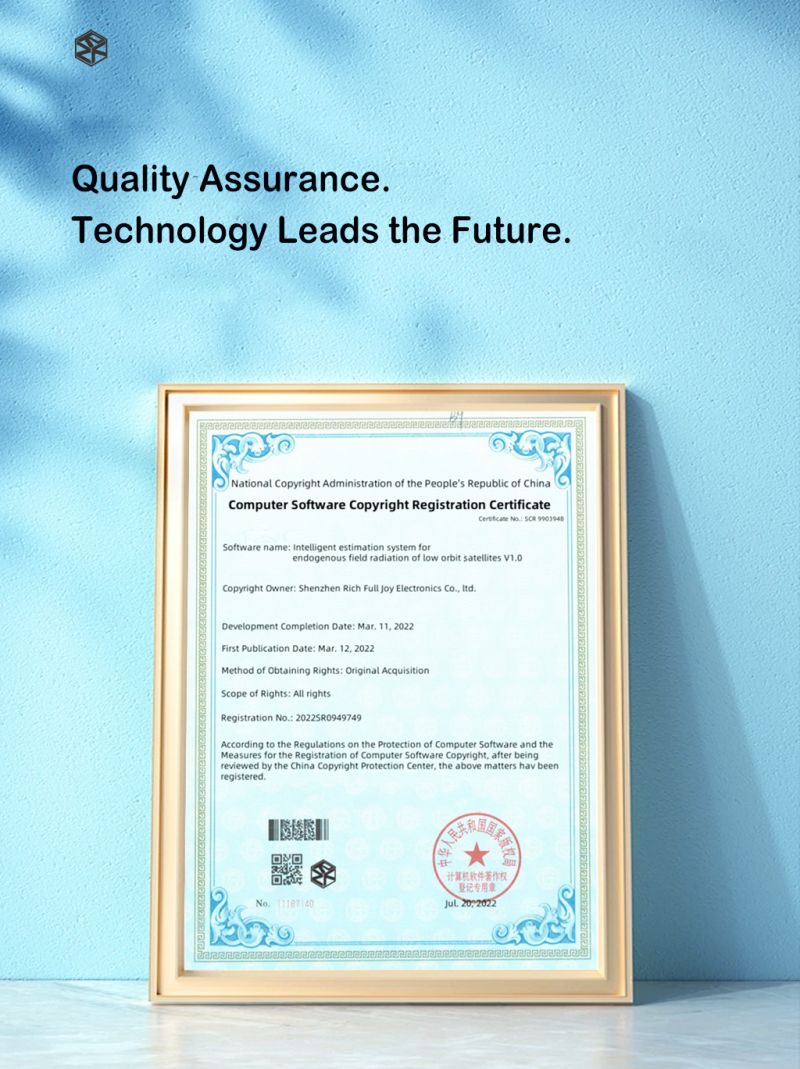
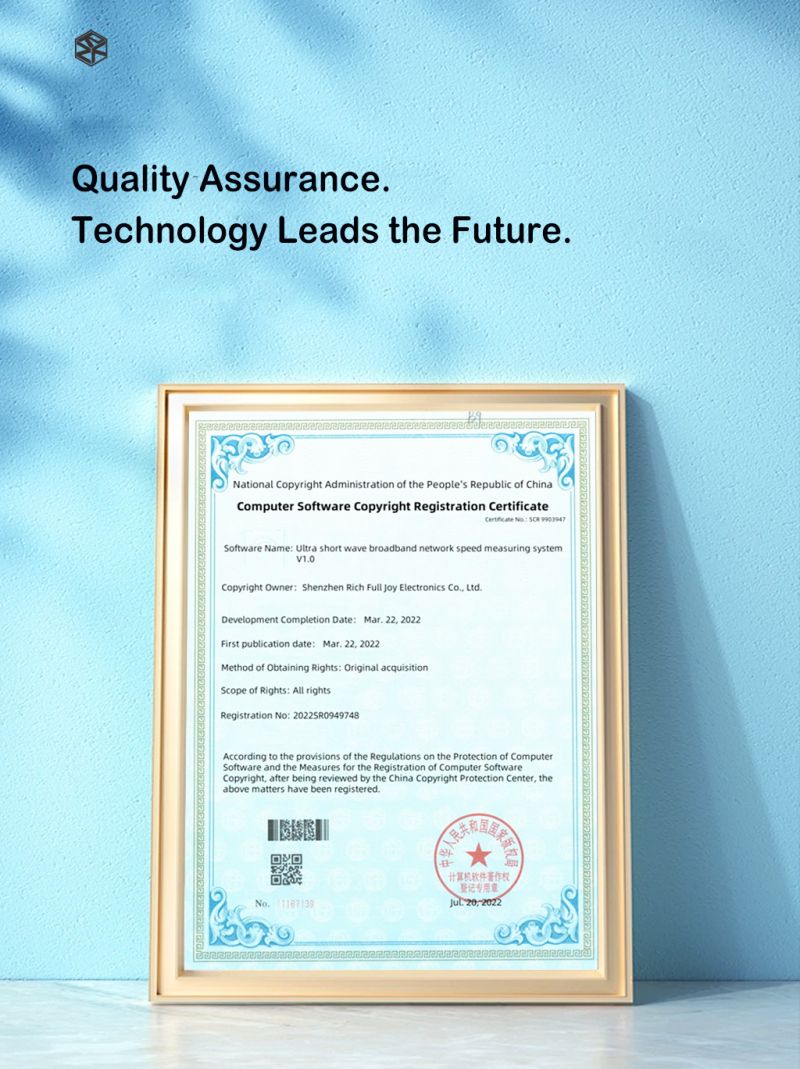
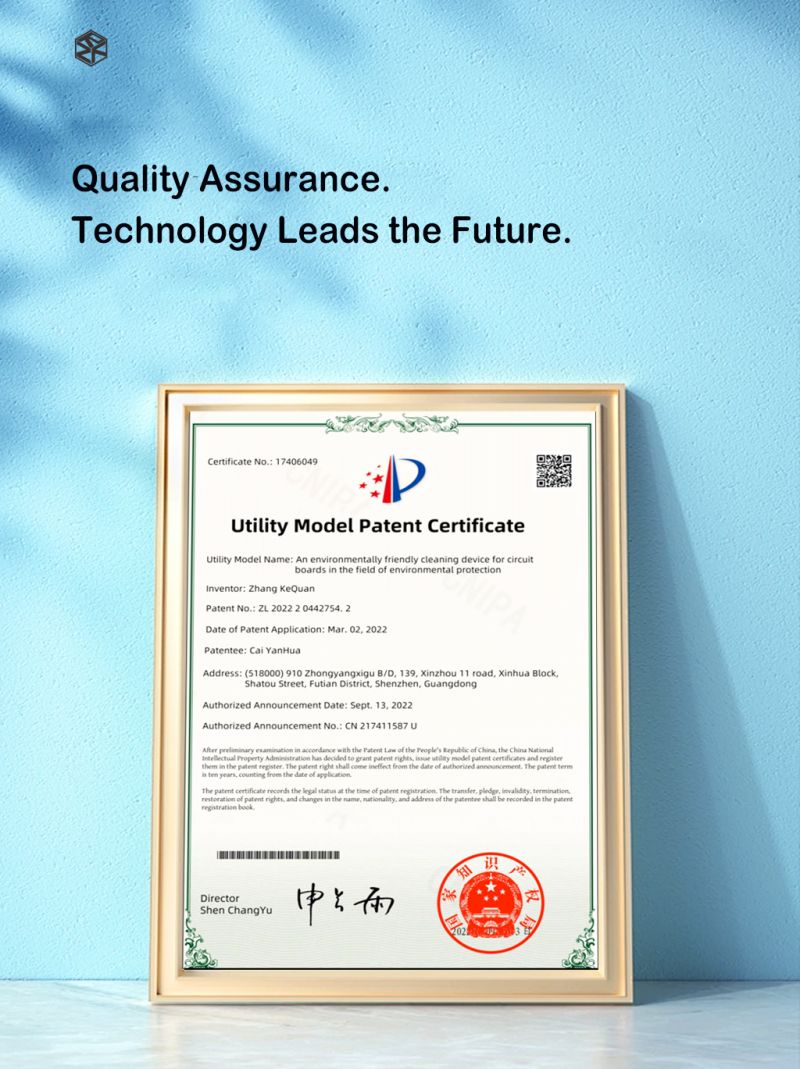
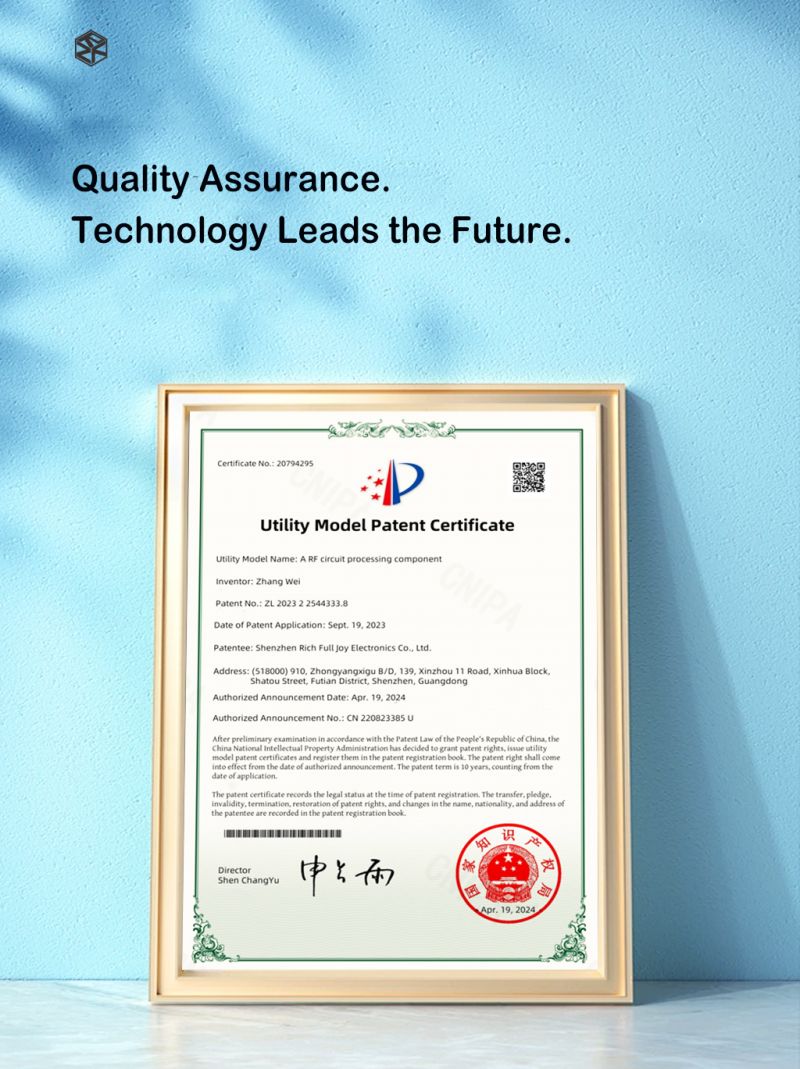
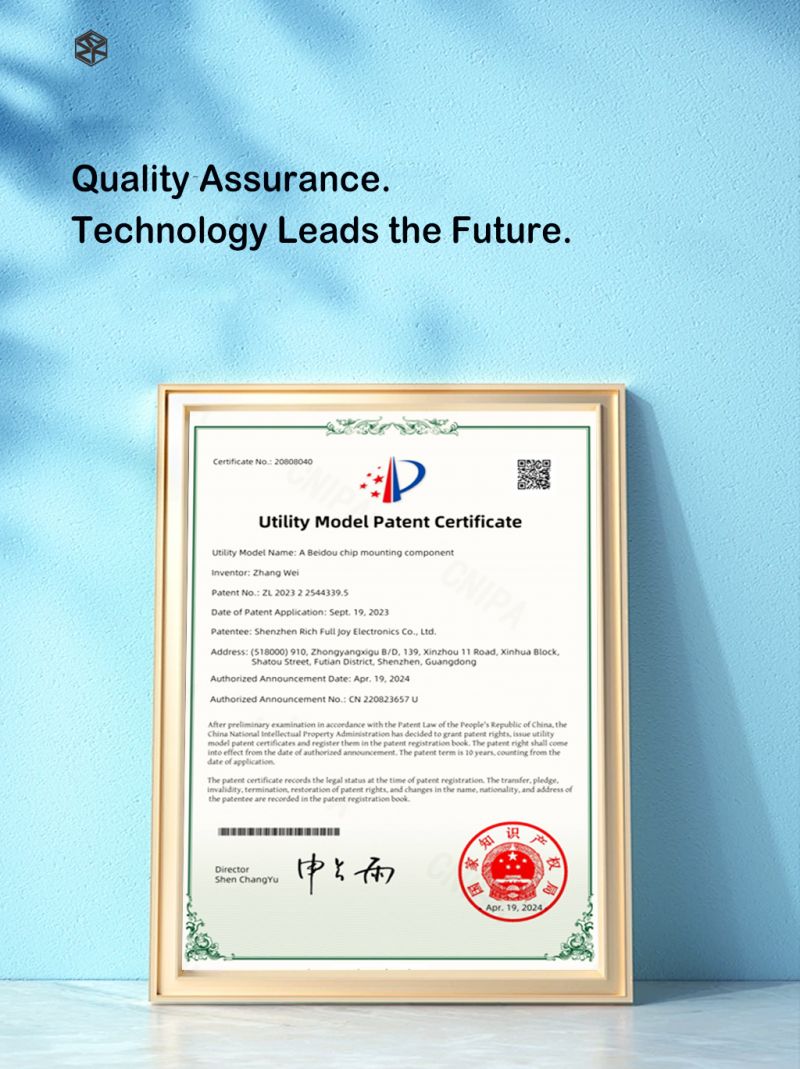
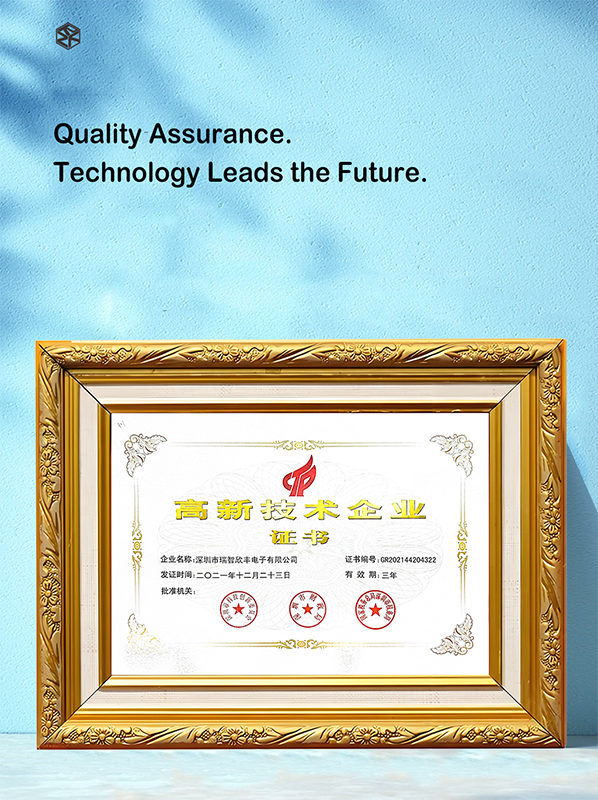
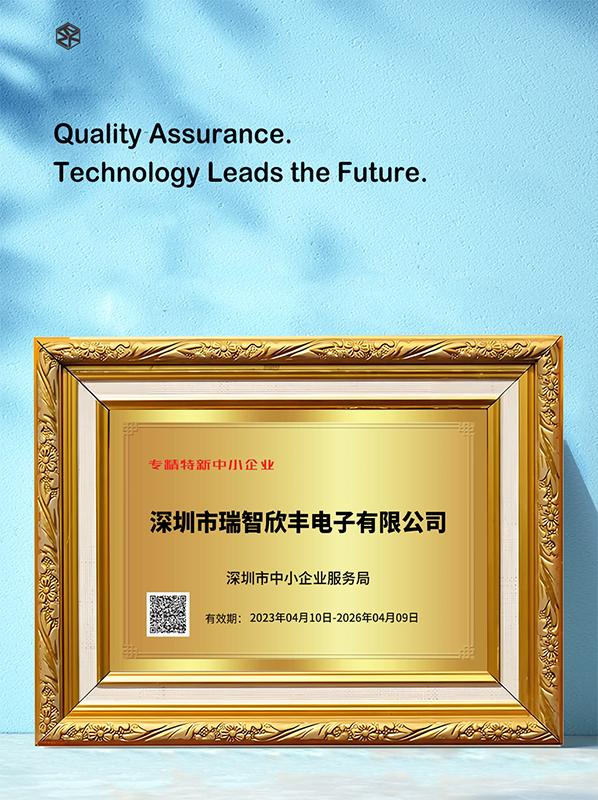
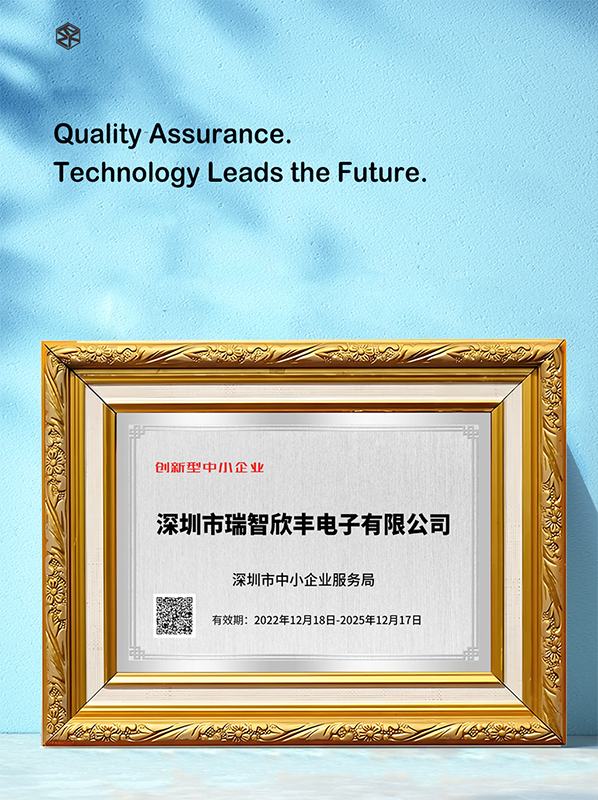
Technological innovation is the core competitiveness of enterprises. We've obtained multiple invention and utility model patents, and has passed various international standard certifications such as ISO9001, IATF16949, ISO14001, UL, CQC, REACH, RoHS, COC, as well as the GJB9001C-2017 standard certification for weapon and equipment quality management system. We've provided high-quality and reliable products to multiple research institutions, universities, and assisted customers in identifying design issues and providing reasonable suggestions and processing parameters.
We not only publish technical papers, but also actively participate in domestic and overseas technology exchange conferences to spread academic value and cutting-edge technological innovation. We regularly communicate with customers and strive to provide them with the best solutions.
Our intellectual property portfolio and international certifications underpin the quality and innovation embedded in every automotive circuit board we manufacture.
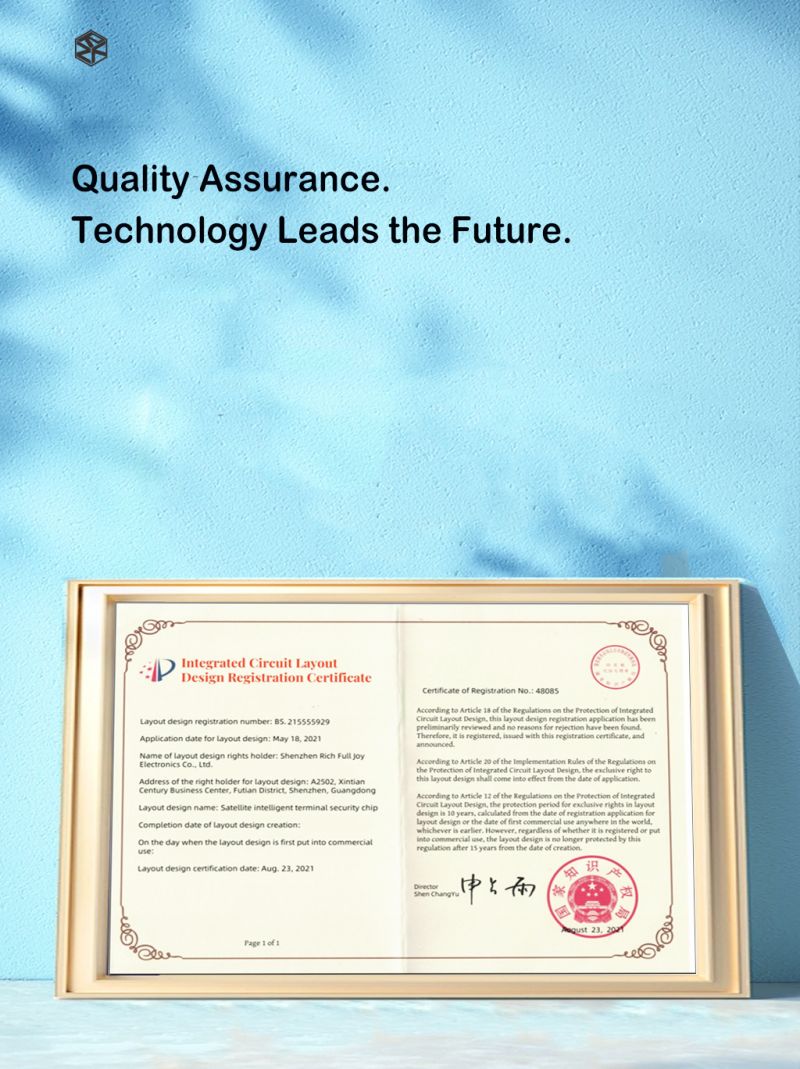
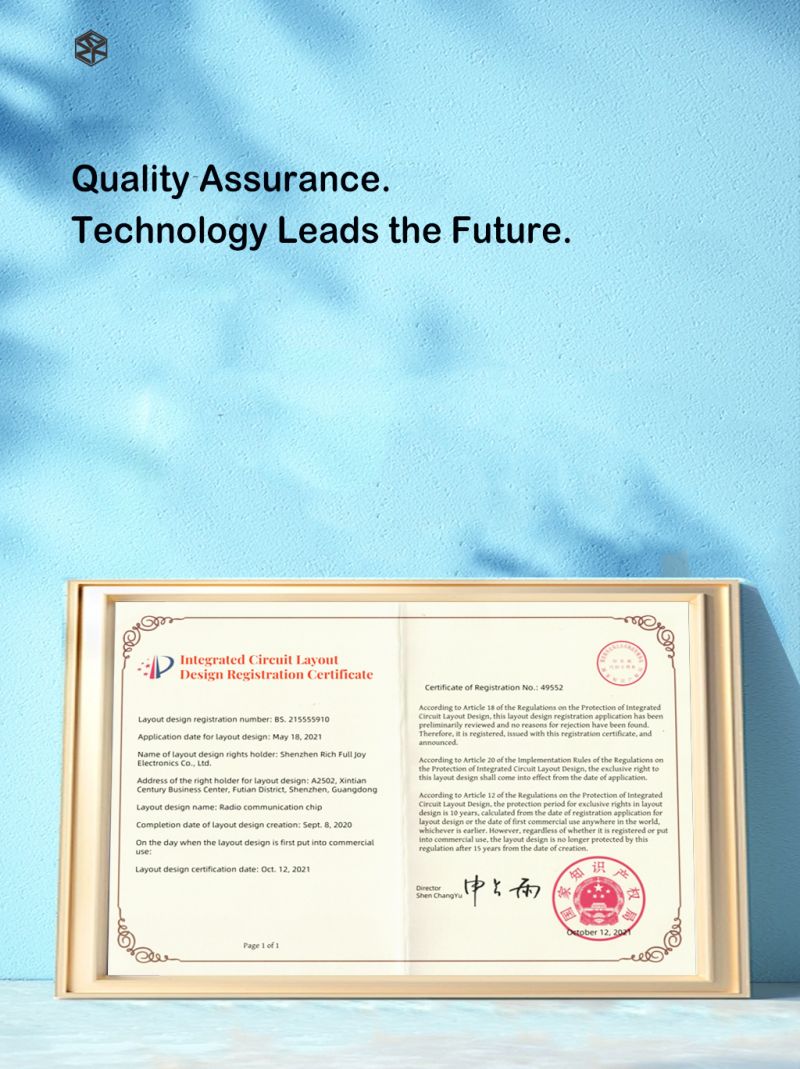
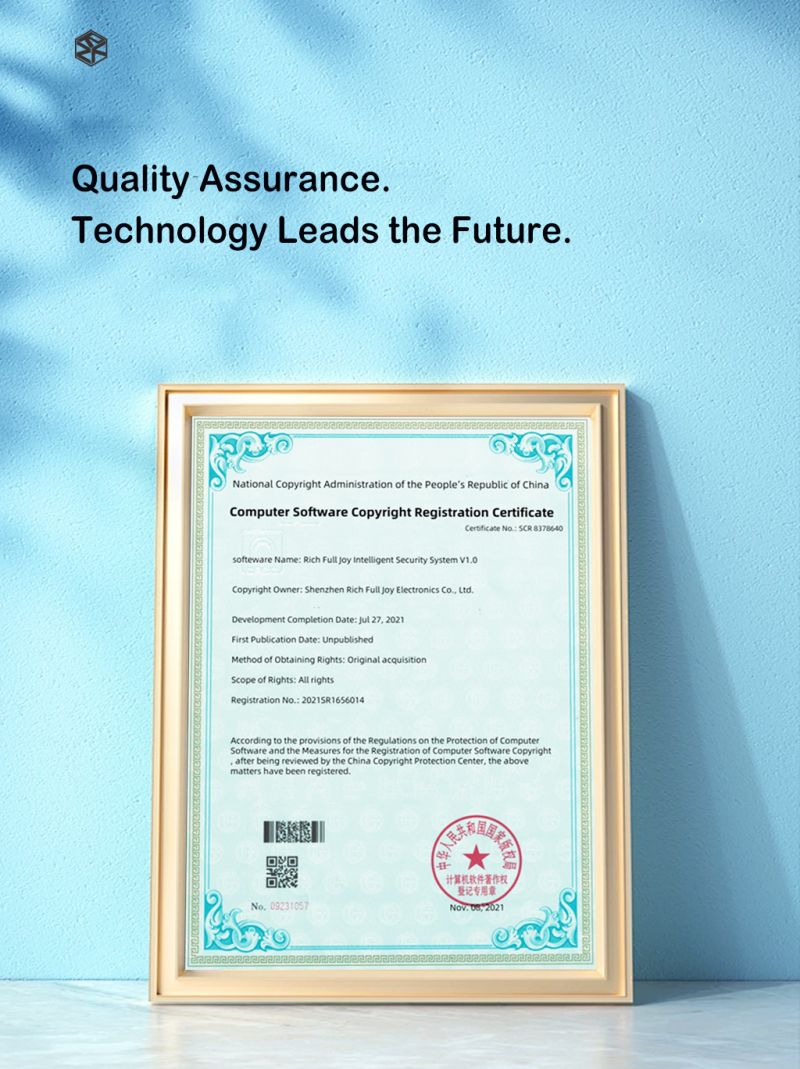
Browse our extended portfolio of automotive-grade circuit board solutions — from medical-grade control boards to advanced flex-rigid assemblies for connected vehicle platforms.
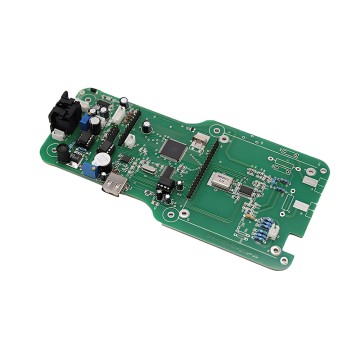 PCBA for Medical Electronics / Control Board of Medical Equipment
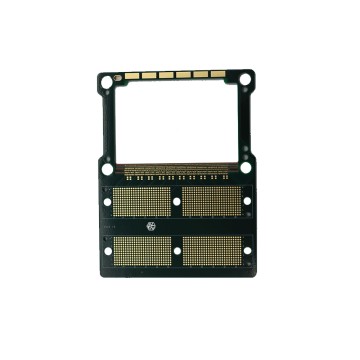 16L Any Layer HDI PCB, IC Test Board
Consumer Electronic Circuit Board / Computer PCBA
6-Layer High-Frequency Hybrid Pressing PCB | Rogers RO4350B | Precision-Engineered Circuit Board
Advanced RF Wireless PCB Assembly for Automotive Electronics: Powering Radar, ADAS & Connected Vehicles
16L Any Layer HDI PCB, IC Test Board
Consumer Electronic Circuit Board / Computer PCBA
6-Layer High-Frequency Hybrid Pressing PCB | Rogers RO4350B | Precision-Engineered Circuit Board
Advanced RF Wireless PCB Assembly for Automotive Electronics: Powering Radar, ADAS & Connected Vehicles
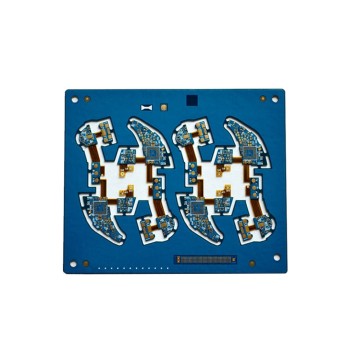 Rigid-flex Board / 8 Layer PCB for Bluetooth Earphone
8-Layer High-Performance PCB with FR-4 and TG170 | Metal Edge & Solder Mask Plug Holes | Advanced Circuit Solution
Rigid-flex Board / 8 Layer PCB for Bluetooth Earphone
8-Layer High-Performance PCB with FR-4 and TG170 | Metal Edge & Solder Mask Plug Holes | Advanced Circuit Solution
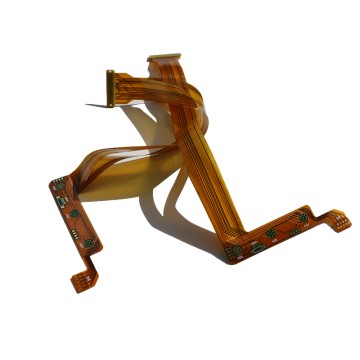 Flexible Printed Circuit Board, FPC Double-sided Board