Leave Your Message
0%

The Future of Best SMT PCB Boards: Innovations Shaping the Electronics Landscape As the electronics landscape rapidly evolves, the significance of SMT PCB boards becomes increasingly paramount. According to a recent market research report by MarketsandMarkets, the global PCB market is projected to reach $84.4 billion by 2026, driven primarily by innovations in surface mount technology (SMT). This presents a remarkable opportunity for companies like Shenzhen Rich Full Joy Electronics Co., Ltd., a national high-tech innovative enterprise that excels in both technology and manufacturing. Their commitment to excellence positions them as a key player in the PCB sector, particularly in the development of cutting-edge SMT PCB boards that enhance efficiency and functionality in electronic devices.

As advancements continue to shape this industry, understanding the top strategies for optimizing SMT PCB board production will be crucial for stakeholders aiming to stay at the forefront of technological advancement and market competition.

Impact of SMT Technology on PCB Manufacturing Efficiency

Surface Mount Technology (SMT) has revolutionized PCB manufacturing efficiency, enabling faster production times and higher component density. Unlike traditional through-hole technology, SMT allows components to be mounted directly onto the surface of the circuit board. This not only reduces the space required but also minimizes the distance electrical signals must travel, enhancing overall performance. As a result, manufacturers can produce lighter, more compact devices that meet the demands of modern electronics.

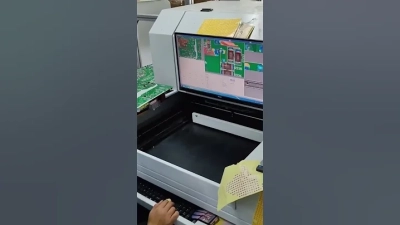
Recent innovations in SMT processes, such as advanced automated pick-and-place machines and improved soldering techniques, have further optimized production. These advancements facilitate tighter tolerances and enhance reliability, essential for industries requiring high-performance electronic solutions. Additionally, the integration of AI and machine learning in SMT processes helps manufacturers quickly identify defects and adjust parameters on-the-fly, leading to a significant reduction in waste and production costs. Ultimately, SMT technology is not just reshaping PCB manufacturing; it is paving the way for a new era of electronics that promises greater functionality and efficiency.

Key Innovations Driving SMT PCB Board Designs

As the electronics industry continues to evolve, Surface Mount Technology (SMT) PCB boards are experiencing significant innovations that are reshaping their design and functionality. The Future of Best SMT PCB Boards: Innovations Shaping the Electronics Landscape One of the key advancements is the integration of advanced materials that enhance thermal management and reduce weight. For instance, the use of high-performance polymers and ceramic substrates not only improves heat dissipation but also contributes to the overall durability of PCB boards. This shift towards lightweight yet robust materials allows for more compact designs, making them ideal for modern devices that demand both efficiency and portability.

Another vital innovation is the adoption of automation and AI in PCB manufacturing processes. By leveraging machine learning algorithms and robotics, manufacturers can achieve greater precision and speed in assembling SMT boards. This not only reduces production costs but also minimizes human error, leading to higher quality standards. Furthermore, the implementation of smart technologies enables real-time monitoring of production lines, providing valuable data that can drive continuous improvements in design and process efficiency. Together, these innovations are setting new benchmarks in SMT PCB board design, driving the electronics landscape towards a more efficient and sustainable future.

Comparison of Material Choices in Modern SMT PCB Boards

In the rapidly evolving landscape of electronics, the choice of materials for Surface Mount Technology (SMT) printed circuit boards (PCBs) is increasingly critical. Modern innovations emphasize eco-friendly substrates, which not only reduce environmental impact but also enhance the overall efficiency of electronic devices. The recent life cycle assessment highlights the importance of integrating such sustainable materials in the manufacturing process to mitigate the effects of low-cost electronics proliferation.

Additive manufacturing techniques are gaining traction, providing manufacturers with the ability to create complex shapes and structures that were previously unattainable with traditional methods. This approach allows for the precise application of materials, reducing waste and improving the lifecycle of products. By focusing on recycling and incorporating advanced materials, the future of SMT PCBs looks promising, opening new avenues for sustainability in electronics. As the industry continues to innovate, the choice of materials will play a pivotal role in shaping both performance and ecological responsibility in the electronics landscape.

Evaluating Performance: SMT PCB Boards vs. Traditional PCBs

In the rapidly evolving electronics industry, surface mount technology (SMT) PCB boards are outpacing traditional printed circuit boards (PCBs) in performance and efficiency. According to a report by IPC, the global market for SMT boards is projected to reach $75 billion by 2025, growing at a CAGR of 8.1% from 2020. This growth is largely driven by advancements in miniaturization and the rising demand for compact electronic devices. Unlike traditional through-hole components, SMT boards allow for a higher component density, which translates to smaller and lighter products without sacrificing functionality.

Performance evaluations indicate that SMT PCB boards offer significant advantages in terms of signal integrity and production efficiency. A study from SPAR Research highlights that SMT boards can boost assembly speeds by 30% compared to traditional PCBs, while also reducing the overall cost per unit. Furthermore, with enhanced thermal management capabilities, SMT boards can operate reliably at higher frequencies and power levels, making them ideal for modern applications ranging from consumer electronics to automotive systems. As innovation continues to shape the landscape, SMT technology stands at the forefront, paving the way for next-generation electronic solutions.

The Future of Best SMT PCB Boards: Innovations Shaping the Electronics Landscape - Evaluating Performance: SMT PCB Boards vs. Traditional PCBs

Parameter SMT PCB Boards Traditional PCBs
Production Cost $$$ $$
Assembly Speed High Medium
Component Density Very High Low
Heat Dissipation Good Fair
Size Flexibility Excellent Limited
Best Applications High-technology devices, compact electronics Basic electronics, larger devices

Cost Considerations: Balancing Innovation and Affordability in SMT PCB Boards

The evolving landscape of Surface Mount Technology (SMT) PCB boards is characterized by a fine balance between innovation and affordability. As the demand for advanced electronics skyrockets, companies must navigate rising production costs without compromising on quality. According to a recent report by Mordor Intelligence, the global PCB market is expected to grow at a CAGR of 4.5% from 2021 to 2026, underscoring the need for cost-effective solutions that do not sacrifice performance.

The Future of Best SMT PCB Boards: Innovations Shaping the Electronics Landscape

To achieve this balance, manufacturers are increasingly turning to automation and smart manufacturing techniques. Implementing these technologies can drastically reduce labor costs and minimize waste. A study from IPC reveals that automating PCB production can result in savings of up to 30% over traditional methods. Additionally, design innovations such as multi-layered boards and hybrid connectors can enhance functionality without significantly impacting the overall cost.

Tips:
1. When selecting SMT PCB boards, consider designs that allow for future scalability; this can save costs on rework or upgrades later on.
2. Regularly evaluate vendors and materials for potential cost-saving opportunities without compromising on quality, as this can lead to enhanced long-term financial stability.

Future Trends in SMT PCB Technology: What to Expect in the Coming Years

The landscape of Surface Mount Technology (SMT) PCB boards is set to undergo significant transformations in the coming years, driven by advancements in automation, miniaturization, and the increasing demand for IoT devices. According to a recent report by MarketsandMarkets, the global SMT market is projected to grow at a compound annual growth rate (CAGR) of 5.5% from 2022 to 2027, underlining the critical role of SMT PCB technology in modern electronics.

As we look ahead, innovations such as automated assembly and inspection processes are poised to enhance manufacturing efficiency and accuracy. Companies like Shenzhen Rich Full Joy Electronics Co., Ltd. are at the forefront of this evolution. By leveraging cutting-edge technologies and their expertise in electronics, they are not only contributing to the industry’s growth but also incubating new ideas that align with China’s vision of becoming a global leader in high-tech manufacturing. This focus on R&D and innovation is essential as the industry navigates challenges like increasing component density and the demand for sustainable manufacturing practices.

Furthermore, the rise of 5G technology and AI applications is expected to propel the need for advanced SMT PCB solutions. According to Research and Markets, the demand for PCBs in 5G devices is estimated to account for over 20% of the total PCB market by 2025. Companies embracing these emerging technologies and trends will play a pivotal role in shaping the future of SMT PCB boards, ensuring they meet the evolving needs of consumers and industries alike.

FAQS

: What is Surface Mount Technology (SMT) and how does it differ from traditional through-hole technology?

: Surface Mount Technology (SMT) allows components to be mounted directly onto the surface of circuit boards, unlike traditional through-hole technology where components are inserted through holes. SMT reduces space requirements and minimizes the distance electrical signals must travel, enhancing performance.

How has SMT technology impacted PCB manufacturing efficiency?

SMT has revolutionized PCB manufacturing by enabling faster production times and higher component density, resulting in lighter, more compact devices that meet modern electronic demands.

What advancements in SMT processes have further optimized production?

Recent innovations include advanced automated pick-and-place machines and improved soldering techniques, which facilitate tighter tolerances and enhance reliability in electronic solutions.

How does the integration of AI and machine learning benefit SMT processes?

AI and machine learning help manufacturers quickly identify defects and adjust parameters in real-time, significantly reducing waste and production costs.

What is the significance of material choices in modern SMT PCBs?

The choice of materials is critical for enhancing efficiency and sustainability in electronics, with an increasing emphasis on eco-friendly substrates to reduce environmental impact.

How do additive manufacturing techniques contribute to SMT PCB advancements?

Additive manufacturing allows for the creation of complex shapes and structures, enabling precise material application, reducing waste, and improving product lifecycle.

Why is recycling important in the context of SMT technology?

Incorporating recycling into the manufacturing process helps mitigate the environmental effects of low-cost electronics and promotes sustainability in the electronics industry.

What role do sustainable materials play in the future of SMT PCBs?

Sustainable materials will be pivotal in shaping both performance and ecological responsibility, contributing to a promising future for SMT PCBs in the electronics landscape.
Liam

Liam

Liam is a dedicated marketing professional at Shenzhen Ruizhixinfeng Electronics Co., Ltd., where he leverages his extensive expertise in the electronics industry to drive the company's communication strategy. With a deep understanding of the latest technological advancements and market trends,......
Previous Future Trends in High Frequency Pcb Technology for Global Buyers