You know, the world of electronics manufacturing is always changing, and if you’re a global buyer trying to keep up, knowing the trends for high-quality PCBs is key. As we look toward 2025, the demand for solid and innovative printed circuit boards just keeps climbing. Why? Well, it’s driven by technological advancements and rising production standards. Enter Shenzhen Rich Full Joy Electronics Co., Ltd.! This company is not just any player; they're a national high-tech enterprise and play a major role in China’s growth in this sector. They really focus on delivering top-notch PCBs with a ton of expertise. In this blog, we'll dive into the latest industry standards, check out the new types of PCBs popping up, and discuss what all this means for global buyers on the hunt for high-quality solutions. Being clued into these trends will help companies make smart choices that fit their tech needs and market demands.
Key Factors Driving PCB Market Growth in the Digital Age
You know, it’s pretty amazing how fast technology is advancing these days, especially when it comes to the printed circuit board (PCB) market. With everyone wanting more and more electronic gadgets, the demand for PCBs is just skyrocketing. One big reason for this growth is the explosion of smart devices—think smartphones, tablets, and those cool wearables. They need high-quality and flexible PCBs that can handle all the fancy new features. It’s like, manufacturers really have to step up their game to include cutting-edge tech like 5G and the Internet of Things (IoT). We're talking about more complex PCB designs and tighter interconnections to keep up with the ever-increasing performance standards.
And let’s not forget the growing focus on sustainability! As people become more aware of their environmental impact, electronics companies are feeling the pressure to go green. This push for eco-friendliness is shaping how PCBs are made. Manufacturers are shifting toward recyclable materials and energy-efficient methods—not just to meet regulations but also to cater to a whole new group of environmentally conscious consumers. It's fascinating to see how the PCB market is adapting to align with these sustainability goals. As we approach 2025, it’ll be really exciting to watch how high-quality production can go hand-in-hand with being responsible to our planet.
Emerging Technologies Shaping the Future of PCB Manufacturing
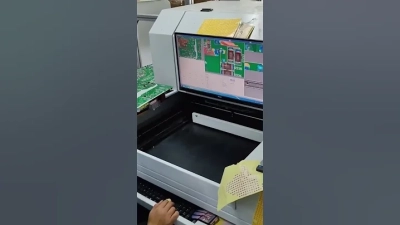
The landscape of PCB manufacturing is undergoing a significant transformation driven by emerging technologies that are set to reshape the industry by 2025. One of the most prominent trends is the integration of advanced automation and artificial intelligence in production processes. These technologies not only enhance efficiency and precision but also reduce human error, allowing manufacturers to deliver high-quality PCBs at a faster pace.
With AI-driven analytics, companies can predict equipment malfunctions before they occur, thereby minimizing downtime and optimizing operational workflows.
Another key innovation is the rise of flexible and printed electronics, which are gaining traction in various applications, from consumer electronics to medical devices. These technologies offer thinner, lighter, and more adaptable PCBs that cater to the demands of modern devices. Additionally, advancements in materials science are paving the way for the use of novel substrates that can withstand extreme conditions, making them suitable for aerospace and automotive industries.
As global buyers look to navigate the PCB market, keeping an eye on these emerging technologies will be crucial for identifying opportunities and leveraging the full potential of high-quality PCB manufacturing.
Sustainability Trends in PCB Production and Material Choices
You know, as the world keeps craving more printed circuit boards (PCBs), sustainability has become a big deal for both manufacturers and buyers. A recent study from the IPC, that's the Institute for Printed Circuits, reveals that almost 60% of PCB makers are now all in on using eco-friendly materials and more sustainable production methods. And honestly, it makes sense—regulatory pressure is increasing, not to mention that consumers are really starting to care about greener electronics. By 2025, experts expect that sustainable materials like biodegradable substrates and lead-free solder will make up over 30% of the PCB market.
But here’s the thing: this move toward sustainable PCB production isn't just a passing phase; it's absolutely essential. The Global Electronics Council has noted that electronics are responsible for about 50 million tons of e-waste each year, with PCBs playing a huge role in that. So, to tackle this problem head-on, a bunch of manufacturers are jumping on the circular economy bandwagon. They’re designing their products to be easier to recycle and reuse, which is pretty clever if you ask me. For instance, they’re sourcing recycled metals and using low-impact chemicals—not only does this help lessen the environmental footprint, but it also boosts the durability and performance of the PCBs. With more and more buyers putting sustainability front and center, it's clear that the industry is on the brink of a major transformation, where making money and being eco-friendly go hand in hand.
Navigating the Best High Quality PCB Market Trends for Global Buyers by 2025
This chart illustrates the projected trends in PCB production materials focused on sustainability from 2023 to 2025. The data showcases the shift in preference for eco-friendly materials among global buyers.
Regional Insights: High-Quality PCB Markets Around the Globe
Hey there! So, let's talk about the global scene for high-quality printed circuit boards, or PCBs for short. Things are really changing out there, thanks to different regional vibes and some cool tech developments. In North America, there’s this rising hunger for advanced electronics, especially in the automotive and medical fields. Because of that, manufacturers are starting to shake things up a bit, focusing more on sustainable practices and adding IoT features into their designs. It’s all about that smart tech life these days!
Then you’ve got Asia-Pacific, where countries like China, Japan, and South Korea are still rocking the PCB production game, thanks to their strong electronics manufacturing roots. But, with labor costs on the move and stricter environmental rules coming into play, companies are beginning to rethink their production strategies and consider making things closer to home. In Europe, we’re seeing a big jump in the need for
super high-quality PCBs that meet tough compliance standards, especially in sectors like telecommunications and aerospace. Everyone’s chasing customization and trying to cut down on lead times, so knowing what’s happening regionally is becoming super important for global buyers who want to successfully navigate this whole intricate landscape.
Navigating Supply Chain Challenges for Global PCB Buyers
The global PCB market is really changing fast, and with that, buyers are hitting a lot of supply chain hurdles. Take the automotive PCB sector, for instance; it was worth about $9.15 billion in 2023 and is set to grow big time. So, it's super important to keep an eye on market trends. Global buyers have to navigate a tricky landscape with raw material prices going up and down and geopolitical issues that can throw a wrench in procurement plans.
To tackle these challenges effectively, you might want to think about using just-in-time inventory practices. This method keeps you from sitting on too much stock while making sure you have the materials you need when you need them, which really boosts your supply chain flexibility. Plus, building solid relationships with trustworthy suppliers can give you an edge over the competition. If you keep those communication lines open, you'll be able to respond quicker during disruptions, making planning and resource allocation much smoother.
And don’t forget about the tech side of things! Embracing advancements like AI and automated logistics can help you streamline your operations and cut down lead times, making your supply chain more resilient overall. By staying plugged into market changes and applying these strategies, global PCB buyers can really figure out how to navigate these complexities and set themselves up for success.
Strategies for Selecting Reliable PCB Suppliers by 2025
So, when you’re on the hunt for reliable PCB suppliers in 2025, there are a few crucial things you really need to keep an eye on if you want top-notch quality and performance. A recent report from IPC mentioned that the global PCB market is set to hit a whopping $82 billion by 2025, thanks to some serious advancements in consumer electronics and those nifty IoT applications. It’s super important to choose suppliers who have a solid track record of delivering high-quality components and who are committed to innovation. These traits are pretty much essential if you want to stay ahead in this fast-moving market.
**Quick tip:** Don’t forget to ask for certifications and quality assurance documentation like ISO 9001. It’s a great way to ensure your suppliers are sticking to industry standards. Plus, teaming up with suppliers who invest in cutting-edge manufacturing tech and sustainable practices could really give you that competitive edge you're looking for.
Oh, and another thing to consider is how well a supplier can handle production capacity and lead times. According to data from Mordor Intelligence, the PCB industry is seeing a surge in demand, which might lead to delays here and there. Keeping clear and open lines of communication, plus really understanding a supplier’s operational strengths, can help you dodge some of those nasty supply chain hiccups.
**Handy tip:** If you can, conduct some site visits or even virtual audits. This way, you can get a firsthand look at their manufacturing processes. It’s not just a trust-builder; it also sheds light on their quality control measures and tech capabilities. Pretty handy, right?

Maximizing Performance: How Rigid-Flex Boards and 8-Layer PCBs Enhance Bluetooth Earphone Technology
Bluetooth earphones have become an essential accessory for modern consumers, and the technology behind them plays a crucial role in delivering high-quality audio experiences. One of the key advancements in this field is the integration of rigid-flex boards and 8-layer PCBs (Printed Circuit Boards) into the design of these devices. These components provide enhanced durability and flexibility, allowing for intricate designs that can fit seamlessly into compact earphone cases.
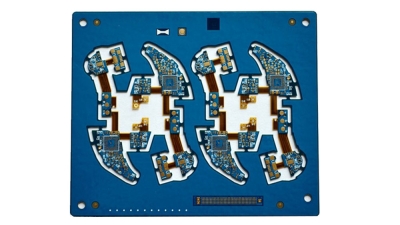
Rigid-flex boards combine the best of both rigid and flexible circuit technologies, enabling manufacturers to create thinner and lighter earphones without compromising on performance. This innovation not only saves space but also optimizes the layout of the electronic components, resulting in improved signal integrity and reduced power consumption. Furthermore, the use of 8-layer PCBs allows for a more complex circuit design while maintaining reliability and efficiency. This multilayer approach supports advanced functions like noise cancellation and Bluetooth connectivity, which are critical for ensuring a seamless audio experience.
As Bluetooth earphones continue to evolve, the integration of these advanced technologies will set new standards for audio quality and user experience. The combination of rigid-flex boards and 8-layer PCBs not only enhances performance but also opens up new possibilities for innovative designs, ultimately catering to the growing demands of consumers who seek both functionality and style in their audio devices.
FAQS
: Nearly 60% of PCB manufacturers are now investing in eco-friendly materials and production processes.
It is projected that sustainable materials, such as biodegradable substrates and lead-free solder, will comprise over 30% of the overall PCB market by 2025.
Electronics contribute to approximately 50 million tons of e-waste each year, with PCBs being a significant component of this waste.
Many manufacturers are adopting circular economy practices, striving for designs that facilitate recycling and reuse, which include using recycled metals and low-impact chemicals.
PCB buyers are facing supply chain challenges due to fluctuating raw material prices and geopolitical uncertainties.
Employing just-in-time inventory practices can minimize excess stock while ensuring materials are available when needed.
Establishing strong relationships with reliable suppliers and maintaining open communication channels can provide a competitive edge and facilitate quicker responses during disruptions.
Embracing technological advancements such as AI and automated logistics can streamline operations, reduce lead times, and create a more resilient supply chain.