Leave Your Message
-
E-mail
-
Whatsapp
-
Message
You know, in this fast-paced tech world we’re living in, the importance of manufacturing PCB boards is more obvious than ever. Seriously, the global PCB market is set to hit a whopping USD 80 billion by 2026, which means that adopting innovative manufacturing processes is key if we want to stay competitive in the global supply chains. That’s where Shenzhen Rich Full Joy Electronics Co., Ltd. comes in. We’re not just any company; we’re a national high-tech innovative enterprise making waves in the electronics field. Think of us as a go-to spot for new ideas and production in China. Our mission? To bring the latest technologies into the mix and make our production as efficient as possible, which, let’s face it, helps us get products to market faster. In today’s world, where being quick and inventive can really make or break a business, we’re dedicated to pushing the limits of manufacturing PCB boards. This way, we can ride the wave of increasing demands across various industries, whether it’s the latest consumer gadgets or automotive tech. All of this is changing the game in global supply chains, and we’re excited to be part of it!

You know, in today’s fast-changing world of global supply chains, printed circuit boards—often called PCBs—have really become a crucial piece in the puzzle of modern manufacturing. These little guys are super intricate and serve as the backbone for a ton of electronic gadgets, helping everything work together smoothly. As these supply chains get more complex and interconnected, we’re seeing some pretty exciting innovations in PCB manufacturing. It’s changing the game when it comes to how products are crafted and delivered to us, the consumers.
Nowadays, supply chains have to be flexible and quick on their feet, right? That’s where smart PCB manufacturing comes into play, thanks to cool techniques like automation and just-in-time production. By harnessing smart tech and data analytics, manufacturers can keep a tight grip on their inventory, cut down lead times, and immediately adapt to whatever the market throws at them. This kind of agility doesn't just make production smoother; it also helps keep costs down, which is a win-win for both manufacturers and the folks buying their products. And with all of us relying more and more on electronic devices across the board, incorporating top-notch PCB tech isn’t just helpful; it’s essential if a company wants to stay competitive in the global arena.

You know, there's some really exciting stuff happening in the world of manufacturing, especially when it comes to printed circuit boards (PCBs). Innovative techniques are totally shaking things up, making production more precise and efficient—something that’s super important for industries that really need to rely on the quality of their components. Companies like the NetVia Group are at the forefront of this wave, bringing in advanced software like KLA's InCAM® Pro to supercharge their processes. This means they can ramp up their production capabilities, which is a big deal for high-reliability sectors that are always chasing top-notch quality and performance. And as PCB technology keeps evolving, these innovations not only make products last longer but also tackle the pressing needs of crucial industries like defense and national security.
And it’s not just about software, either! The rise of additive manufacturing is opening up a whole new world for designing and making PCBs. 3D printing with conductive and dielectric materials lets companies explore intricate and creative designs that old-school methods just can’t handle. What's cool is that the blend of smart manufacturing technologies with sustainable practices is becoming really important in our push for a clean energy future. With companies investing heavily in this area, it looks like they’re ready to not just refine their processes but also meet environmental standards and totally change the game in PCB production. Honestly, the future of PCB manufacturing looks bright and full of possibilities, fueled by technological innovation and a commitment to better methods.
You know, when it comes to PCB manufacturing, sustainability is really becoming a huge deal, especially with all the buzz about environmental issues these days. Making printed circuit boards (PCBs) isn’t exactly a walk in the park — it's pretty resource-heavy and often involves some pretty nasty materials that can create a lot of waste and pollution. There’s even a study from the International Journal of Environmental Research and Public Health that says we could be looking at a staggering 50 million metric tons of electronic waste from discarded PCBs by 2025! That really puts a spotlight on the need for sustainable practices in the industry.
To tackle these issues, companies are diving into some cool innovations in manufacturing techniques and materials. For example, using bio-based substrates and lead-free solder isn’t just a good idea; it could slice carbon emissions by as much as 30% during production. That’s a pretty big deal, according to the IPC Association Connecting Electronics Industries. And let’s not forget about the new recycling tech that can recover up to 90% of valuable materials from old PCBs. This not only helps cut down on waste but also paves the way for a circular economy.
What’s really interesting is how this push for sustainability isn’t just about ticking boxes for regulations; it’s also about keeping up with what consumers want. More and more people are looking for eco-friendly products, so businesses that get on board with sustainable practices are likely to do well.
Plus, those cutting-edge companies are starting to use things like IoT and AI to make their manufacturing processes even better. These technologies help them manage resources more effectively, which can lead to less energy use and waste. Reports say that manufacturers that embrace smart tech may see efficiency boosts of around 20-30%! It just goes to show that sustainability is definitely the way forward for PCB manufacturing.
You know, technology is moving at lightning speed these days, and with people’s tastes changing so quickly, global supply chains are really feeling the heat. Manufacturers have to keep up and find new ways to innovate all the time. A big part of this shift is all about the design of Printed Circuit Boards, or PCBs for short. These little guys are actually the backbone of so many electronic devices we rely on every day. In today’s competitive scene, designing PCBs isn't just about sticking to the old ways; they need to be super flexible and ready to adapt to the various needs of markets all around the globe. To pull this off, manufacturers really have to get what's going on in specific regions, follow the rules, and understand their manufacturing setups inside out.
When it comes to tweaking PCB designs to fit what the global market requires, it’s all about being flexible and scalable. This means using some of the latest design software that allows for quick changes and iterations. Nobody wants to deal with long delays when we can customize PCBs for specific applications faster than ever before! Plus, working together with different teams brings in fresh ideas that can really boost innovation. By tapping into cutting-edge tech like AI and machine learning, manufacturers can spot trends before they even hit, so they’re always one step ahead, ready to meet the unique challenges each market throws at them.
| Category | Description | Market Demand | Adaptation Strategies |
|---|---|---|---|
| Consumer Electronics | High-performance PCB for devices like smartphones and tablets. | Increasing demand for miniaturization and efficiency. | Utilizing advanced materials and compact designs. |
| Automotive | PCBs for electronic control units and infotainment systems. | Rise in electric vehicle production. | Focus on durability and heat resistance. |
| Medical Devices | PCBs for diagnostic equipment and wearable health monitors. | Growing telemedicine and remote monitoring needs. | Implementing biocompatible materials and IoT interfaces. |
| Telecommunications | PCBs for routers, antennas, and fiber optic systems. | Increasing data traffic and 5G expansion. | Enhancing signal integrity and reducing interference. |
You know, PCB technology is really changing the game for global supply chains these days. Manufacturers are getting super creative with things like additive manufacturing and embedded components, making the production of printed circuit boards (PCBs) a whole lot more efficient and budget-friendly. This isn't just about cutting down lead times; it’s also about giving companies the flexibility to tailor their products on the fly. So when market demands shift or new tech pops up, they can jump right in without missing a beat.
And it gets even better! The way PCB technology connects with supply chain processes is really boosting teamwork and transparency among everyone involved. Thanks to advanced data analytics and IoT devices, companies can keep an eye on PCB production in real-time, which means better quality control and smarter inventory management. As businesses pour more into smart supply chain solutions, we can expect the partnership between PCB design and logistics to make operations smoother and cut down on hiccups. This whole shift is not just about staying competitive; it's also a great way to tackle sustainability issues by reducing waste and using materials more efficiently.
You know, over the past few years, we've seen a real game-changer with advanced PCB solutions shaking up global supply chains. Businesses are really stepping up their efficiency and adaptability! There’s this report from the IPC (that’s the Association Connecting Electronics Industries, by the way) that says the global PCB market could hit a whopping $75 billion by 2025. A lot of that growth is coming from innovative manufacturing techniques and high-performance applications. It’s pretty wild to think about how crucial PCBs have become in modern electronics and how they’re helping companies optimize their supply chain processes.
A really interesting case is with this top automotive manufacturer that decided to jump on the flexible PCB bandwagon. This choice helped them streamline their production processes and cut down lead times by 30%! They also started using smart inventory management systems alongside these advanced PCBs, which really helped them minimize waste and boost their overall productivity. Then there’s this electronics company that took advantage of rigid-flex PCBs to pack multiple functions into one single circuit board. This move allowed them to significantly chop down on assembly time and costs. These kinds of changes really highlight how innovative PCB solutions are reshaping the supply chain landscape across various industries. It’s fascinating to see how we’re moving towards more responsive and efficient manufacturing ecosystems!
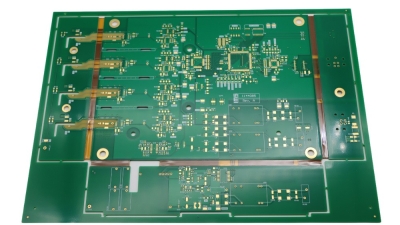
Flexible Printed Circuits (FPCs) and Rigid-Flex PCBs are revolutionizing the landscape of modern electronics, providing significant advantages across various industries. Rigid-Flex PCBs, also referred to as multi-layer flex circuits, combine the best attributes of rigid boards and flexible circuits into a single, compact design. This integration allows for unmatched flexibility, enabling manufacturers to create sophisticated electronic devices that require less space while maintaining high performance.
The applications of Rigid-Flex PCBs are extensive, particularly in high-demand sectors such as medical devices, consumer electronics, and automotive systems. With their ability to support high-density component placement and excellent signal integrity, these circuits are increasingly favored for applications where reliability and efficiency are paramount. For instance, in medical technology, Rigid-Flex PCBs can be used in compact diagnostic devices that must withstand the rigors of constant movement and exposure to various environmental conditions, ensuring both durability and functionality.
Moreover, the versatility of Rigid-Flex PCBs allows for innovative product design. Engineers can create streamlined devices without compromising on performance, accommodating intricate layouts and reducing the number of interconnects. This not only enhances the overall design but also contributes to localized performance improvements, making Rigid-Flex PCBs a vital component in the evolution of modern electronic solutions.
: PCB manufacturing is resource-intensive and often utilizes hazardous materials, leading to significant waste and pollution. The electronic waste generated from discarded PCBs could reach 50 million metric tons annually by 2025.
Companies can reduce carbon emissions by adopting bio-based substrates and lead-free soldering processes, which have shown potential reductions of up to 30% in emissions.
Advancements in recycling technologies can reclaim up to 90% of valuable materials from old PCBs, minimizing waste and promoting a circular economy.
Sustainability is important in PCB manufacturing to fulfill regulatory compliance and to meet market demands, as consumers increasingly prioritize eco-friendly products.
IoT and AI enhance manufacturing processes by enabling better resource management, which leads to decreased energy consumption and waste generation, potentially achieving efficiency gains of 20-30%.
The evolution of PCB technology enhances efficiency and cost-effectiveness in production, leading to reduced lead times, greater customization, and improved collaboration among stakeholders.
Real-time monitoring through advanced data analytics and IoT devices enhances quality control and inventory management in PCB production, streamlining operations.
Advanced supply chain solutions foster synergy between PCB design and logistics, which helps optimize material usage and minimize disruptions.
Future trends include increased integration of innovative techniques like additive manufacturing and embedded components, which enhance efficiency and customization capabilities.
Sustainable manufacturing practices empower businesses to stay competitive by addressing environmental concerns while improving efficiency and reducing waste.