
Leave Your Message
-
E-mail
-
Whatsapp
-
Message
Explore our high-performance PCB products engineered for electric vehicle lighting applications — combining precision manufacturing with advanced materials technology.
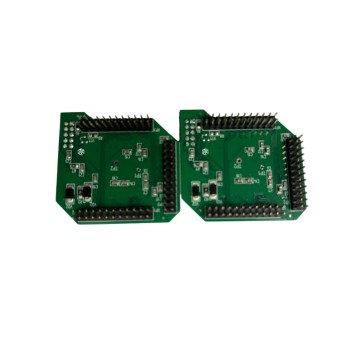
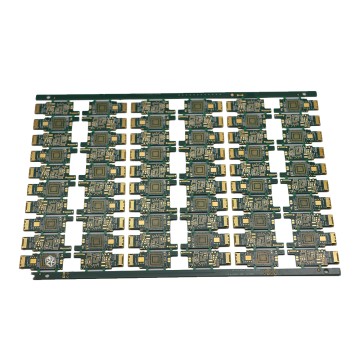
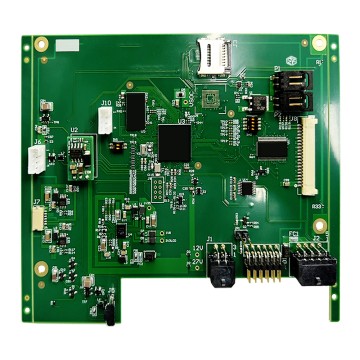
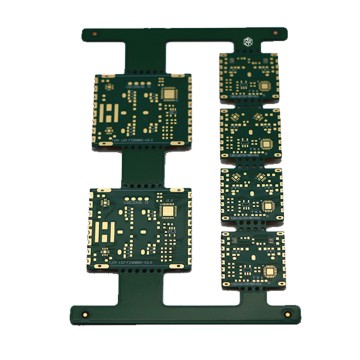
As the global electric vehicle (EV) market accelerates toward mass adoption, the role of printed circuit boards (PCBs) in EV lighting systems has become increasingly critical. EV lighting is no longer simply about illumination — it is a sophisticated, electronically controlled system that integrates safety, aesthetics, driver assistance, and energy efficiency. At the heart of every advanced EV lighting assembly is a precision-engineered electric vehicle PCB, responsible for managing power distribution, signal processing, thermal regulation, and intelligent control across the entire lighting network.
From adaptive headlights and matrix LED arrays to ambient interior lighting and dynamic turn-signal systems, modern EV lighting demands PCBs that can handle high-current loads, tight thermal budgets, miniaturized form factors, and the rigorous reliability standards of the automotive industry. The convergence of LED technology, ADAS (Advanced Driver Assistance Systems), and vehicle connectivity has pushed EV lighting PCB design to new frontiers of complexity and performance.
Electric vehicles present a unique set of electrical and thermal challenges that set their lighting PCBs apart from those used in traditional internal combustion engine (ICE) vehicles. High-voltage battery architectures (400V–800V platforms), regenerative braking transients, and the absence of an alternator mean that EV lighting systems must be designed with robust EMI shielding, wide-input-voltage regulation, and exceptional thermal dissipation capabilities.
EV lighting PCBs must conform to AEC-Q100/Q200 automotive qualification standards, operate reliably across temperature ranges of -40°C to +125°C, and withstand vibration profiles defined by ISO 16750. Metal-core PCBs (MCPCBs), aluminum-backed substrates, and ceramic-filled high-thermal-conductivity laminates are commonly deployed to manage the heat generated by high-density LED arrays in headlight modules.
The global automotive PCB market was valued at approximately USD 5.8 billion in 2023 and is projected to reach USD 10.4 billion by 2030, growing at a CAGR of around 8.7%. Within this, EV-specific PCBs — including those dedicated to lighting systems — represent one of the fastest-growing sub-segments, driven by the exponential growth of EV production in China, Europe, and North America.
China alone produced over 9 million new energy vehicles (NEVs) in 2023, with leading OEMs such as BYD, NIO, Li Auto, and SAIC-GM-Wuling integrating increasingly sophisticated lighting architectures. European automakers including BMW, Mercedes-Benz, and Volkswagen have adopted pixel-LED and digital light projection (DLP) headlight systems, each requiring multi-layer HDI PCBs with fine-pitch interconnects and embedded passive components.
On the supply side, Tier-1 automotive lighting suppliers such as Valeo, Hella, Koito, and Marelli are investing heavily in PCB design capabilities and qualification infrastructure, while specialized PCB manufacturers are expanding their automotive-grade production lines to meet surging demand.
Aluminum and copper-core substrates with thermal conductivity up to 3.0 W/m·K ensure optimal heat dissipation for high-power LED headlight drivers and matrix lighting modules.
Any-layer HDI PCBs with microvias, blind/buried vias, and fine-pitch BGA fanout enable dense component integration for compact EV lighting control units and pixel-LED drivers.
Rogers RO4003C and hybrid laminates support the RF and communication functions increasingly integrated into smart EV lighting systems, including V2X-connected headlight control modules.
Full compliance with IATF16949, AEC-Q standards, and ISO 16750 environmental testing ensures that every EV lighting PCB meets the stringent reliability demands of automotive OEMs worldwide.
Multi-layer flexible PCBs and rigid-flex assemblies enable innovative 3D lighting designs, curved DRL strips, and space-efficient tail-light modules in modern EV body architecture.
From PCB design and fabrication through SMT assembly, programming, and functional testing — a fully integrated manufacturing chain ensures quality, speed, and cost efficiency for EV lighting programs.
The application landscape for electric vehicle lighting PCBs is remarkably diverse, spanning every illumination function on the vehicle from exterior safety lighting to interior ambiance systems. Below is an in-depth analysis of the most significant application scenarios driving PCB innovation in EV lighting.
| Application Scenario | PCB Type | Key Technical Requirements |
|---|---|---|
| Adaptive Matrix LED Headlights | Multi-layer HDI MCPCB | High thermal conductivity, fine-pitch LED driver ICs, EMI shielding |
| Digital Light Projection (DLP) Headlamps | Any-layer HDI PCB | High-speed signal integrity, embedded passives, compact form factor |
| Dynamic DRL & Turn Signal Strips | Flexible PCB / Rigid-Flex | Bend radius tolerance, IP67 conformal coating, sequential LED control |
| Tail Light & Brake Light Modules | Aluminum-backed PCB | Thermal management, wide operating temperature, vibration resistance |
| Interior Ambient Lighting Control | Thin multi-layer PCB | RGB PWM control, low noise, CAN/LIN bus interface |
| ADAS Camera & Sensor Lighting | High-frequency hybrid PCB | RF compatibility, precise impedance control, low-loss materials |
| Charging Port Indicator Lighting | Compact SMT PCB | Low power, waterproofing, status indication logic |
| Exterior Welcome Light Projectors | Rigid-flex PCB | 3D form factor, high-resolution LED array, thermal management |
Matrix LED headlight systems represent the most technically demanding EV lighting PCB application. Each headlight module may contain 64 to over 1,000 individually addressable LED pixels, each requiring its own constant-current driver channel. The PCB must route high-current traces (up to 5A per channel), manage localized thermal hotspots, and maintain signal integrity for the high-speed serial interfaces (e.g., SENT, PSI5, or Ethernet) connecting to the vehicle's ADAS controller. Metal-core PCBs with copper inlays or thermal vias are essential for keeping junction temperatures within safe operating limits.
The distinctive LED daytime running light (DRL) signatures that define modern EV brand identities rely heavily on flexible PCB technology. These FPC assemblies must conform to complex three-dimensional lamp housing geometries, withstand repeated thermal cycling from -40°C to +105°C, and maintain consistent light output across the full LED strip length. Multi-layer FPC constructions with polyimide substrates and electroless nickel immersion gold (ENIG) surface finishes are standard in this application.
Premium EVs increasingly feature multi-zone, color-tunable interior ambient lighting systems controlled via the vehicle's infotainment platform. The PCBs powering these systems must support RGB LED PWM control at frequencies above 1kHz (to avoid flicker visible to cameras), interface with CAN/LIN bus networks, and fit within extremely thin cross-sections to integrate seamlessly into dashboard trim, door panels, and roof liners. Low-profile SMT components and ultra-thin PCB substrates (as thin as 0.4mm) are key enabling technologies.
Vehicle-to-everything (V2X) communication is enabling headlights that automatically adapt beam patterns based on real-time traffic data, road conditions, and pedestrian detection. EV lighting PCBs must now incorporate high-frequency RF sections alongside LED driver circuitry, driving demand for hybrid laminates and advanced EMC design techniques.
MicroLED technology promises pixel densities exceeding 10,000 elements per headlight module, enabling unprecedented beam precision for glare-free high-beam and road-marking projection. The PCBs supporting these arrays require sub-50μm trace/space capabilities, embedded component technology, and novel thermal management approaches.
Automotive OEMs and regulatory bodies are pushing for halogen-free, low-VOC PCB laminates across all vehicle electronics, including lighting systems. High-Tg halogen-free materials that meet REACH and RoHS requirements while maintaining thermal and electrical performance are becoming the new standard for EV lighting PCB fabrication.
Artificial intelligence and machine learning are transforming the PCB design process for EV lighting applications. AI-assisted routing tools, automated DFM (Design for Manufacturability) analysis, and predictive thermal simulation are reducing development cycles from months to weeks while improving first-pass yields in production.
The industry transition to 800V EV architectures (pioneered by Porsche Taycan and Hyundai Ioniq 6) demands EV lighting PCBs with enhanced creepage and clearance distances, higher-voltage-rated components, and reinforced insulation systems to safely interface with the vehicle's primary power bus.
Geopolitical factors and supply chain disruptions have accelerated the trend toward regional EV lighting PCB manufacturing. Chinese, European, and North American EV makers are increasingly qualifying local PCB suppliers capable of meeting automotive standards, creating significant opportunities for manufacturers with proven IATF16949 certification and robust quality systems.
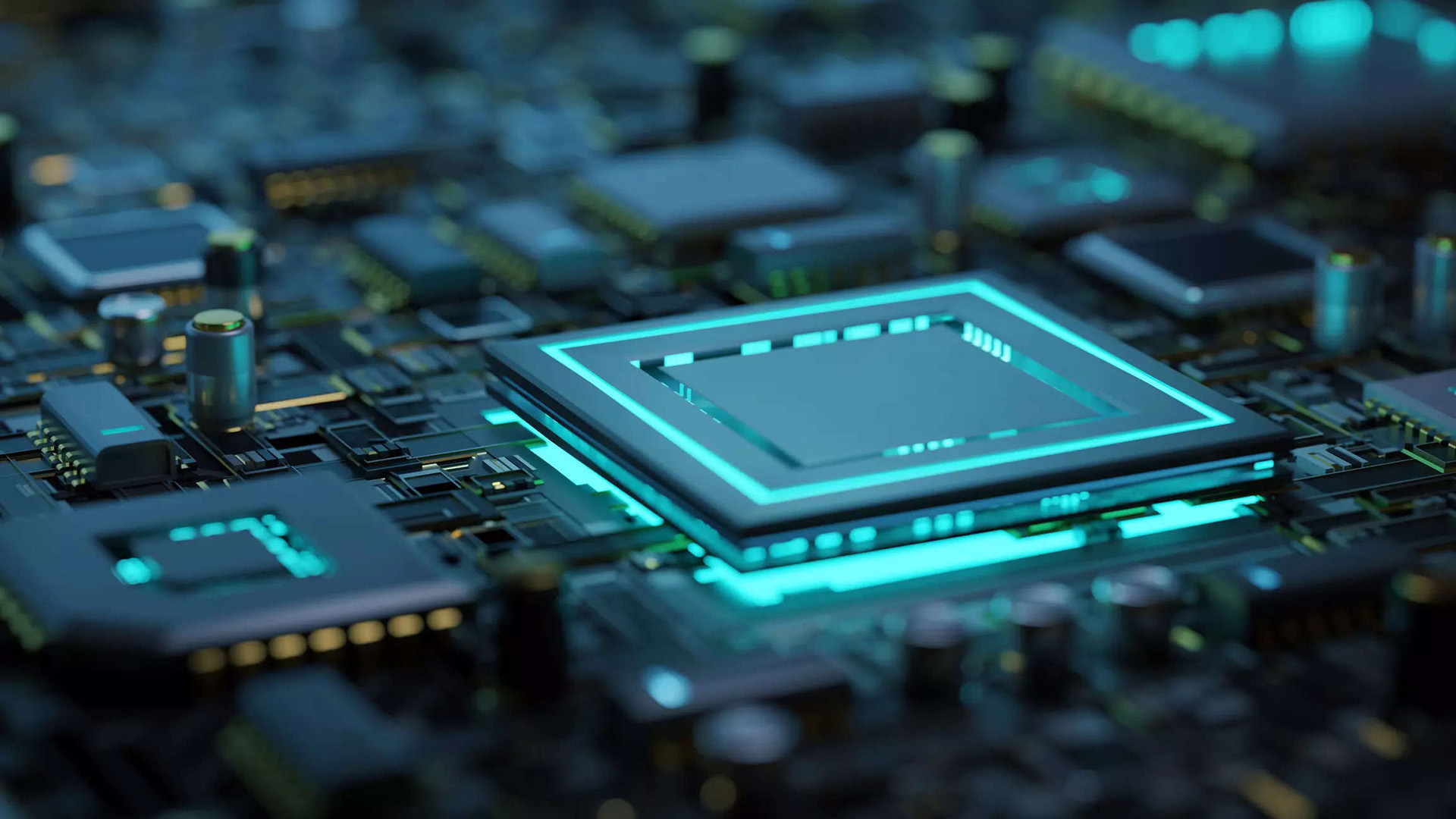
Based in China and looking at the global market, Shenzhen Rich Full Joy Electronics Co., Ltd. has been committed to industry development for 20 years. The company is a national high-tech innovative enterprise that combines focus and expertise. It's also an important enterprise incubation base in China. We specialize in providing customers with one-stop intelligent electronic manufacturing services, including scientific research, PCB design, PCB manufacturing, PCB assembly (including SMT, DIP, Programming and testing) and component selection.
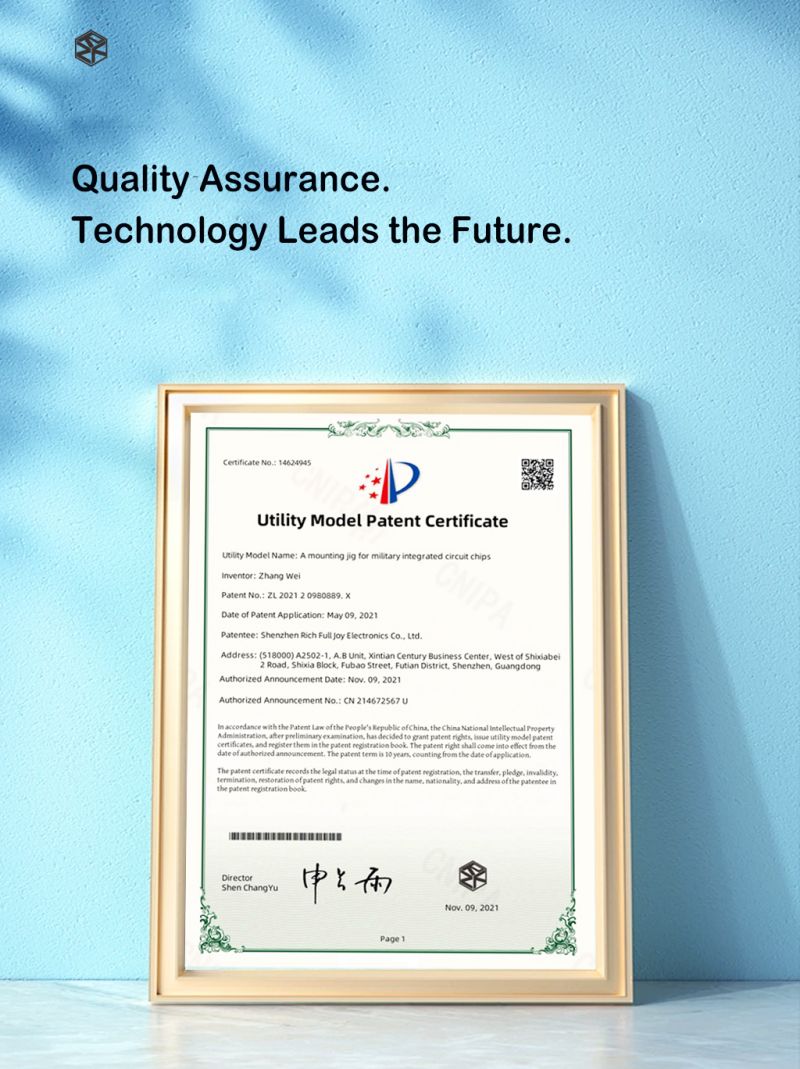
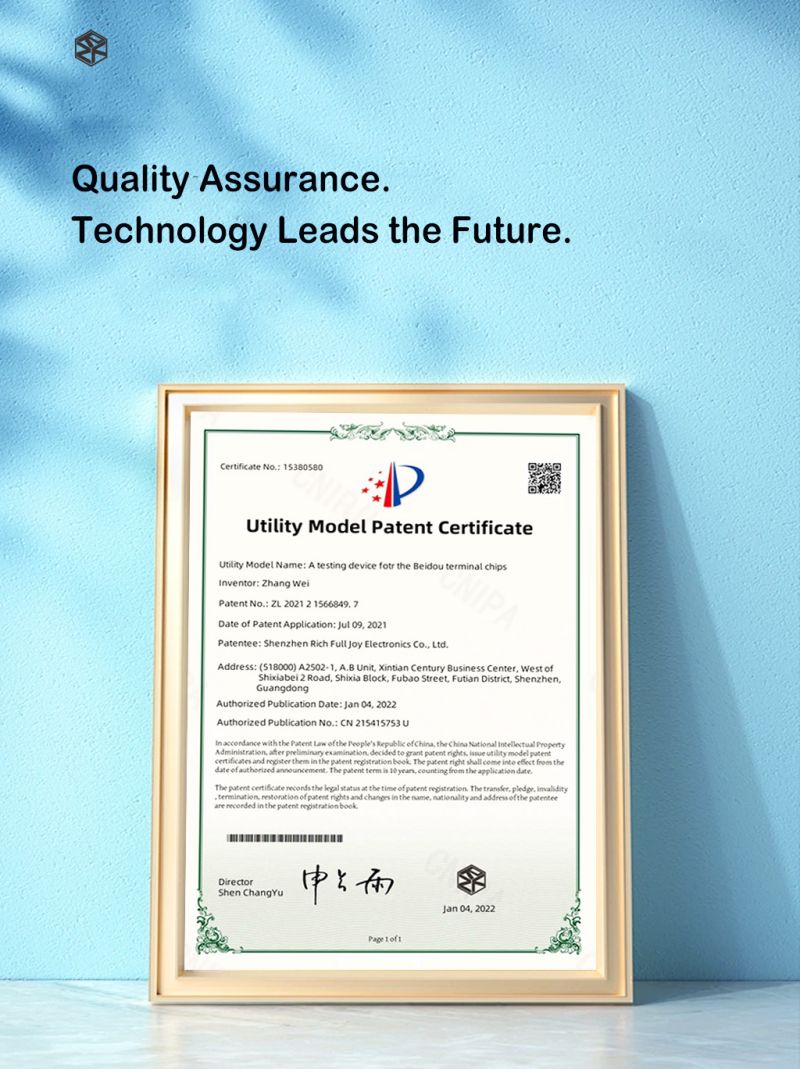
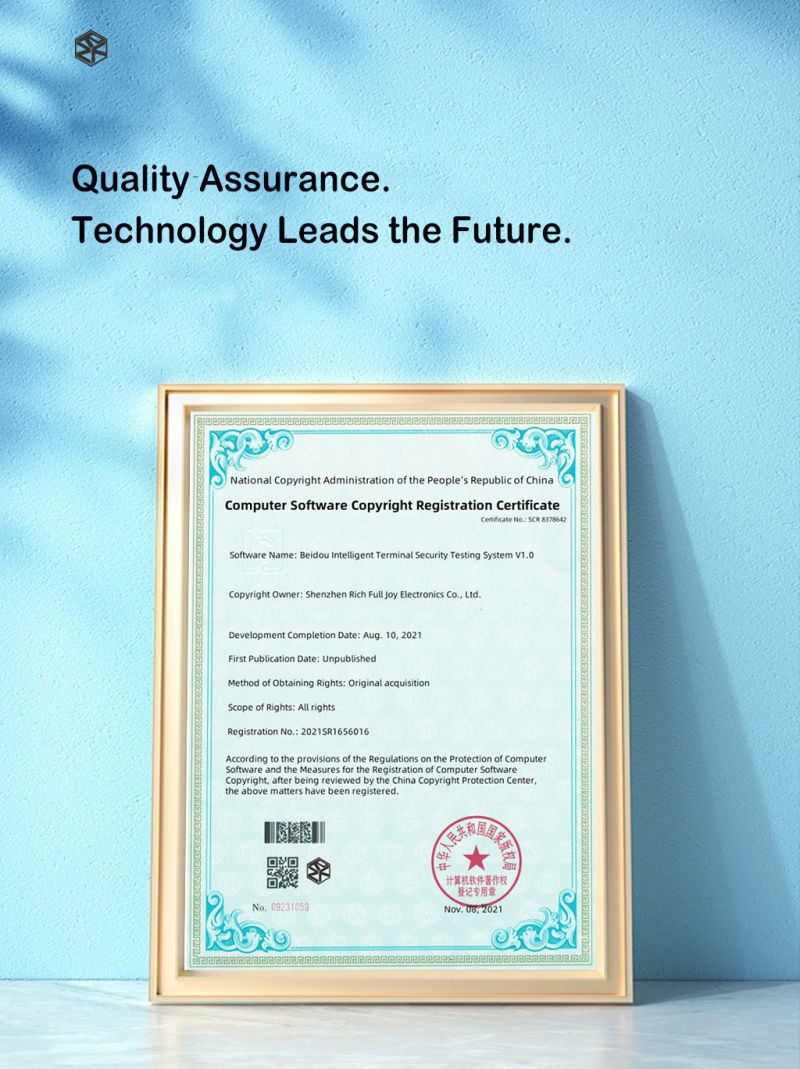
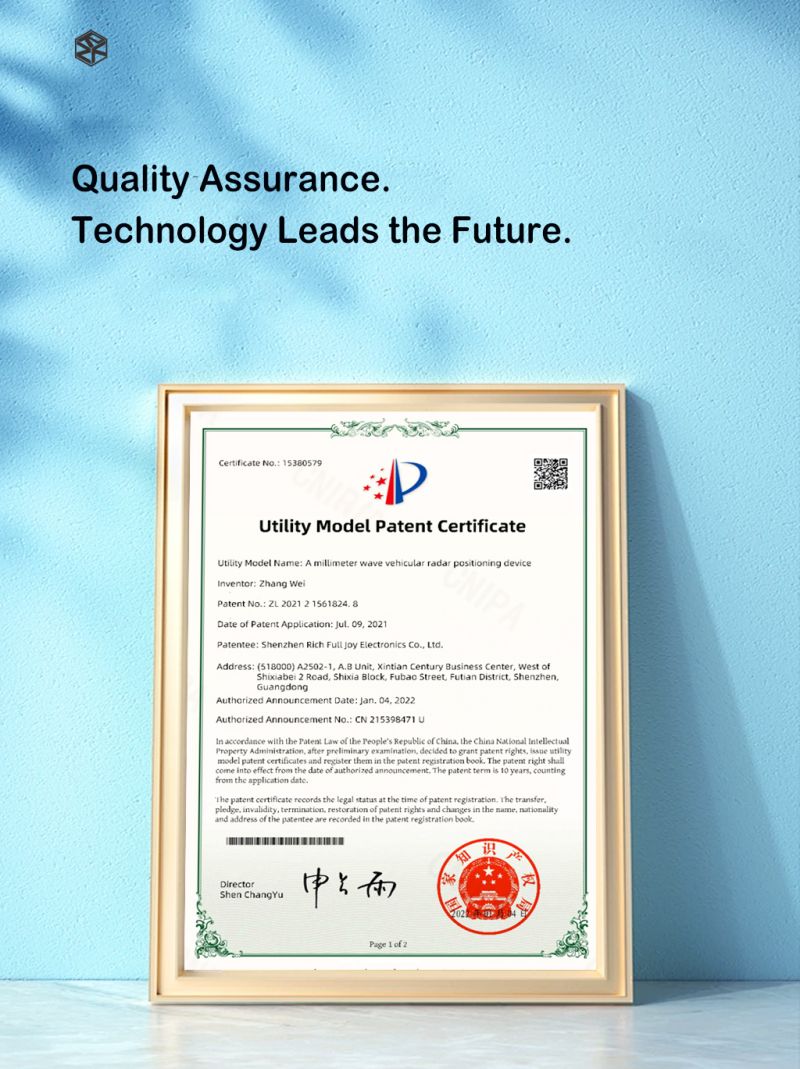
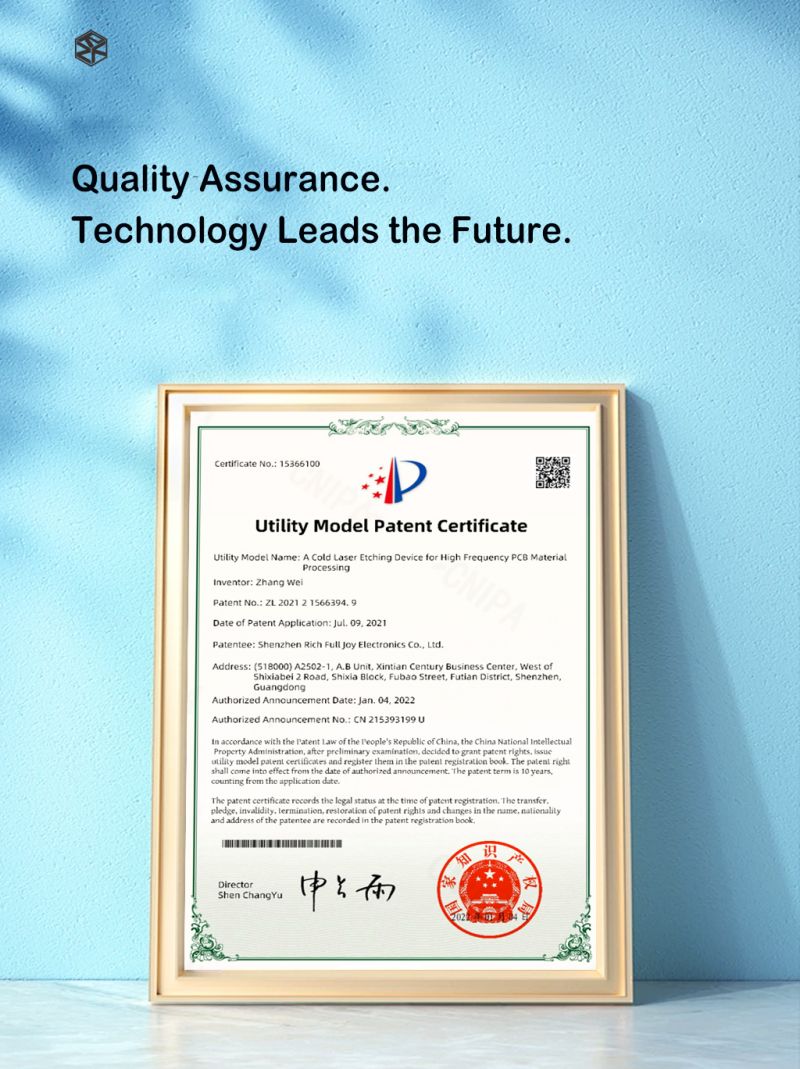
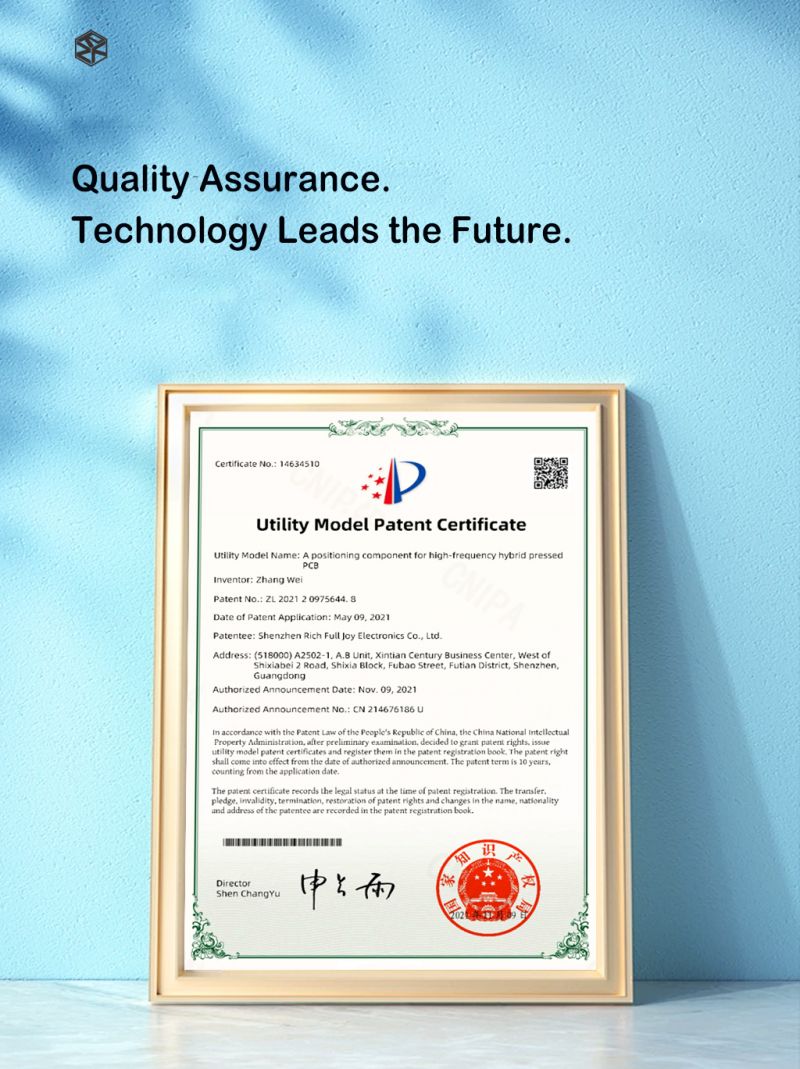
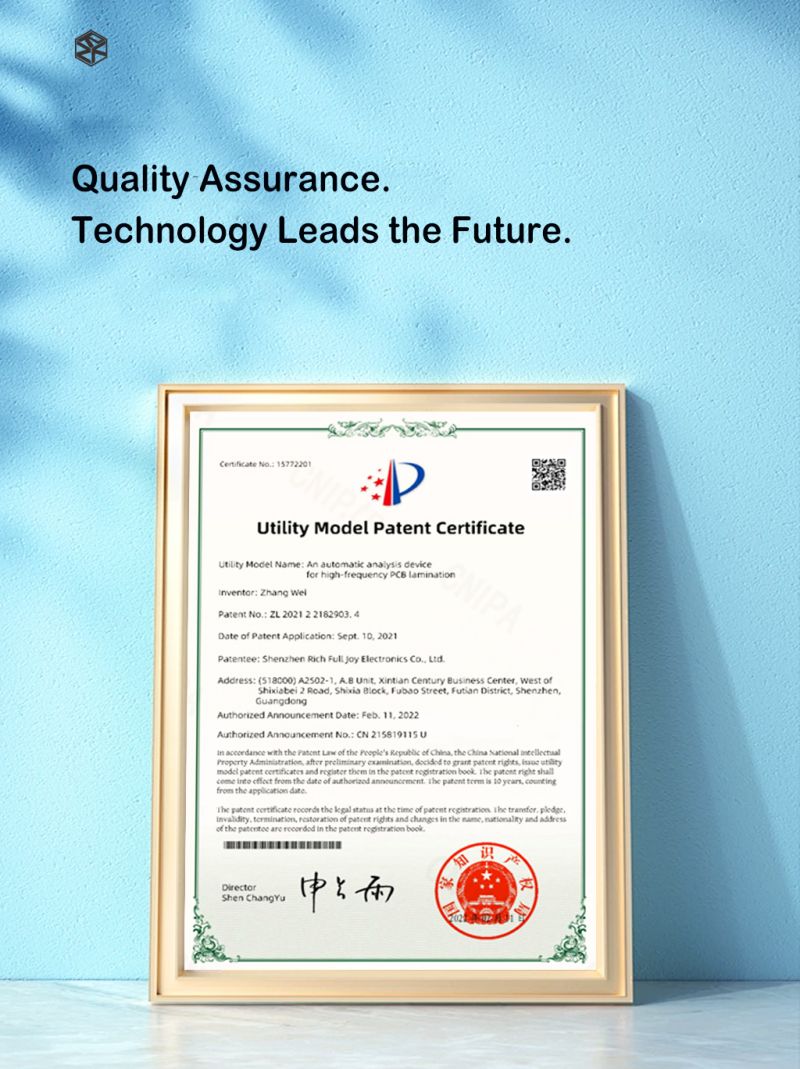
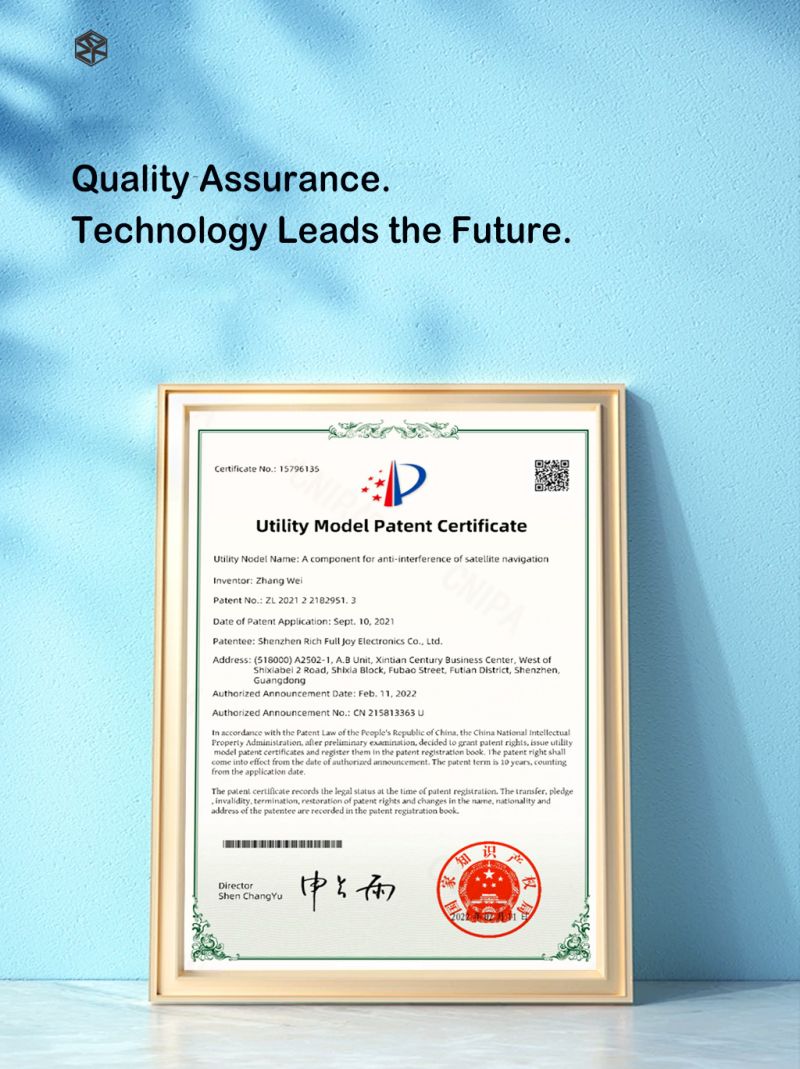
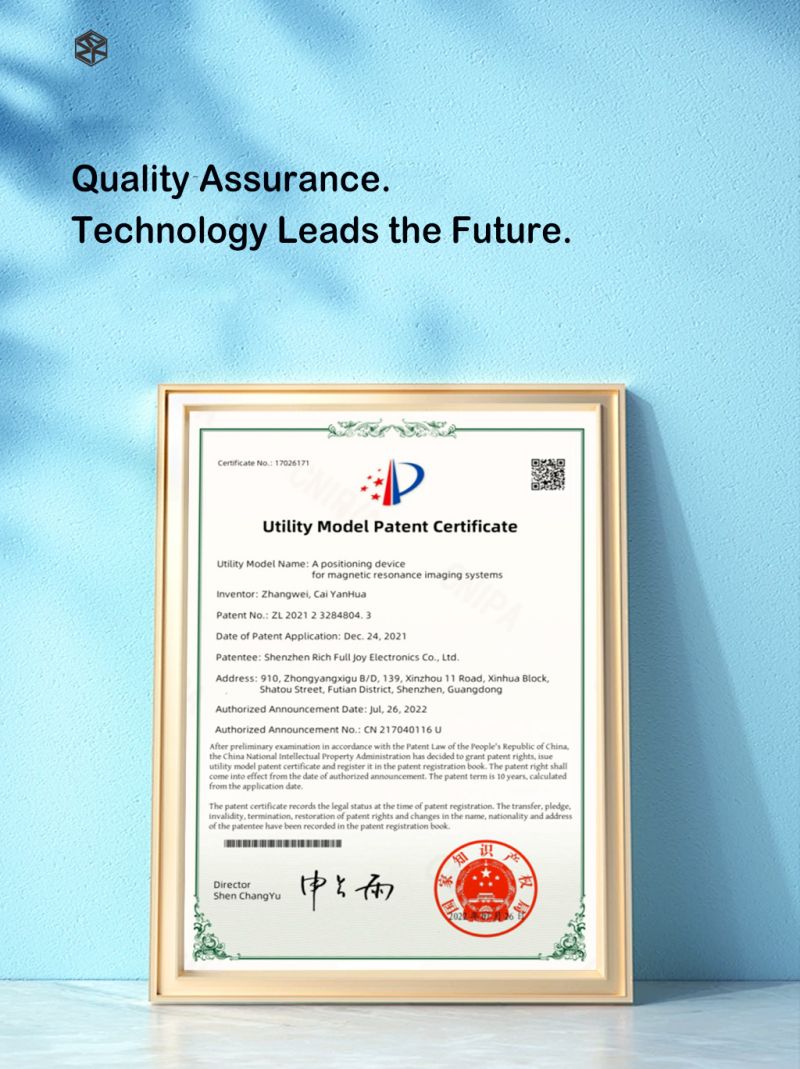
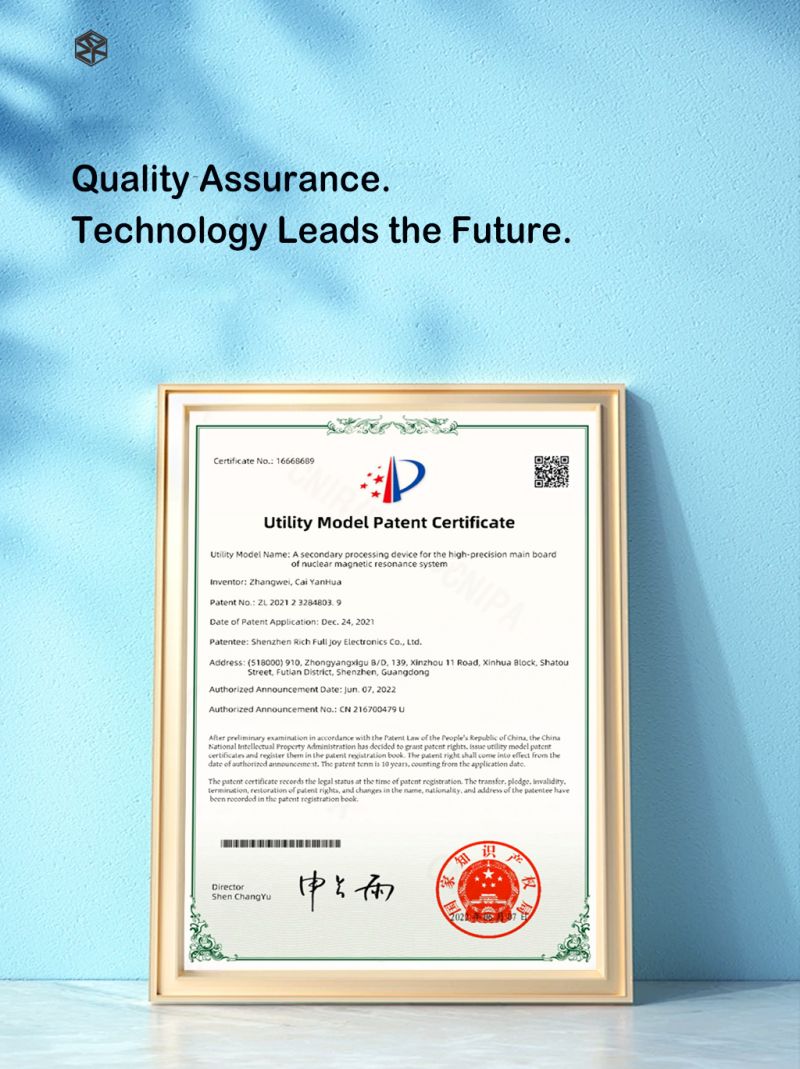
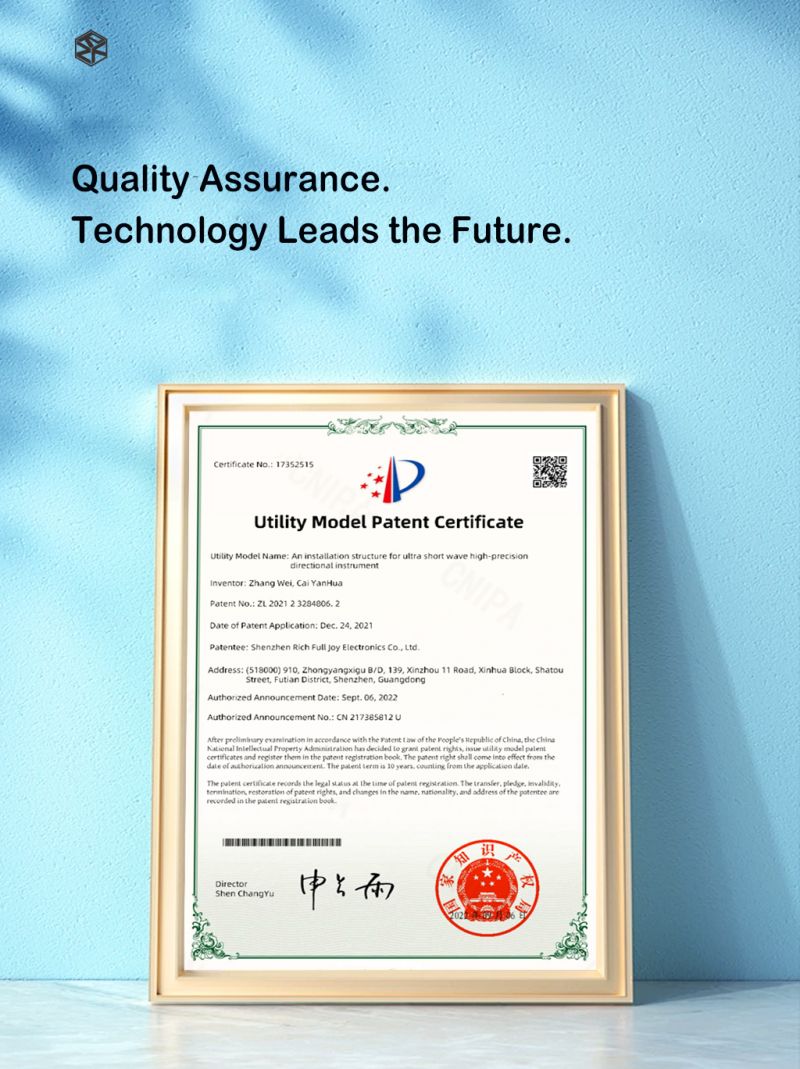
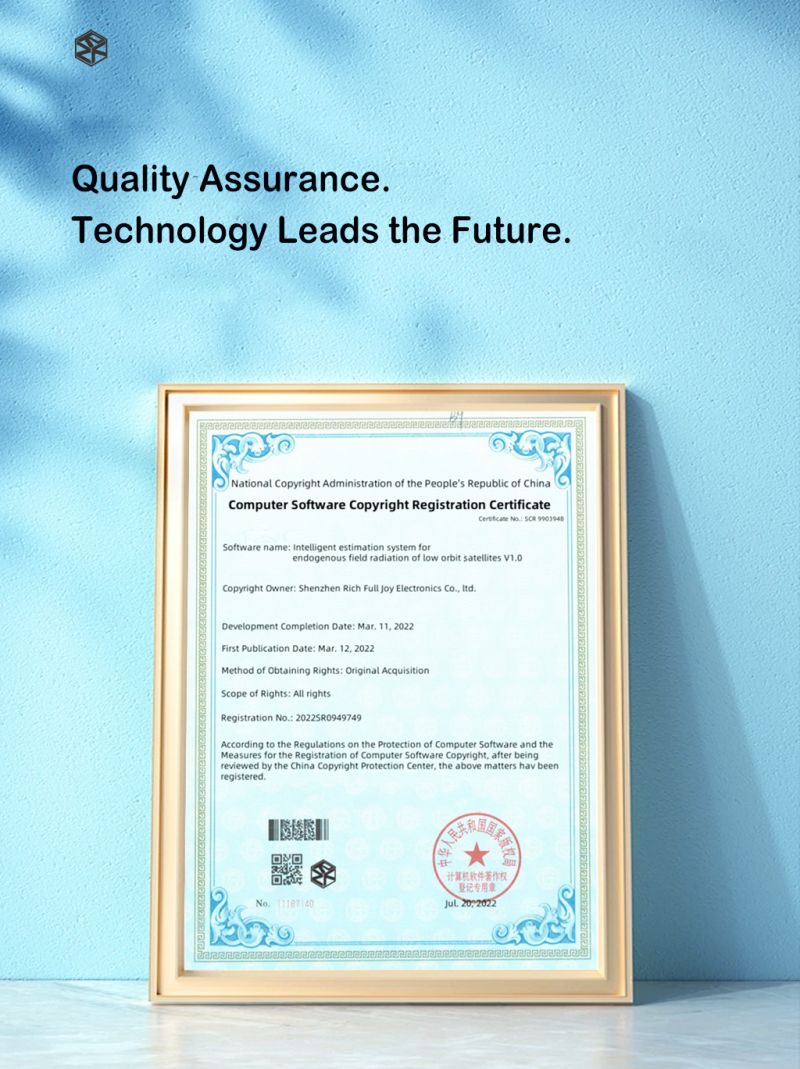
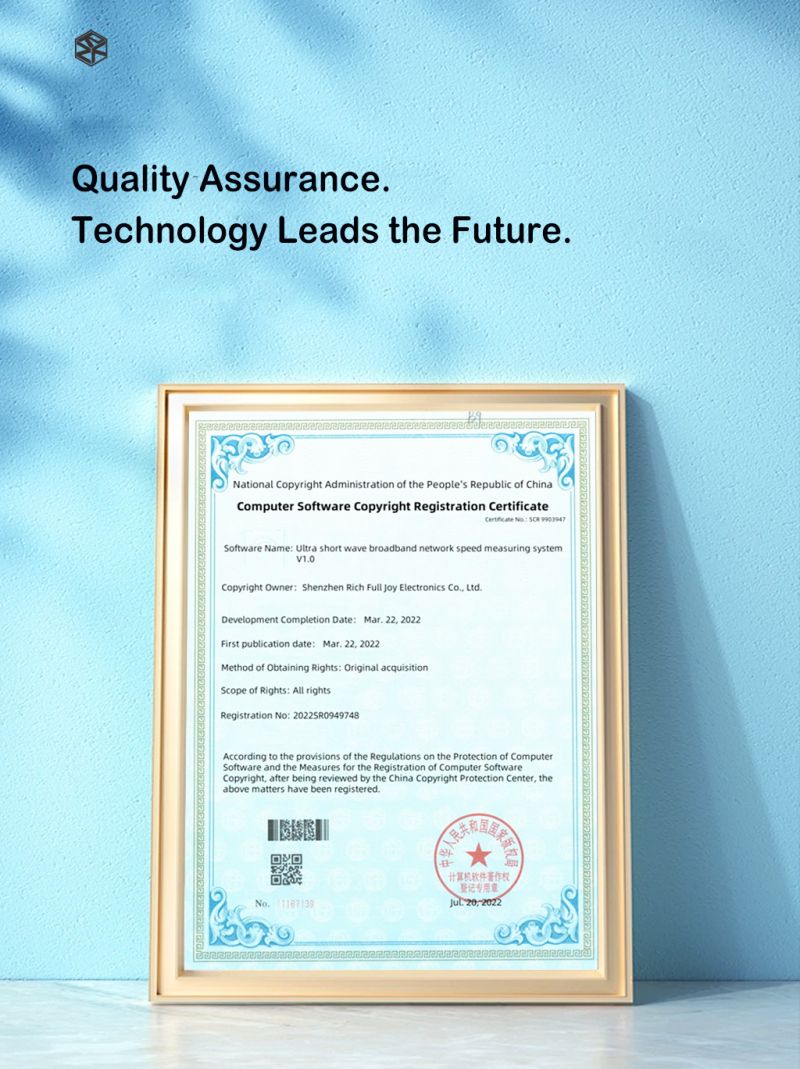
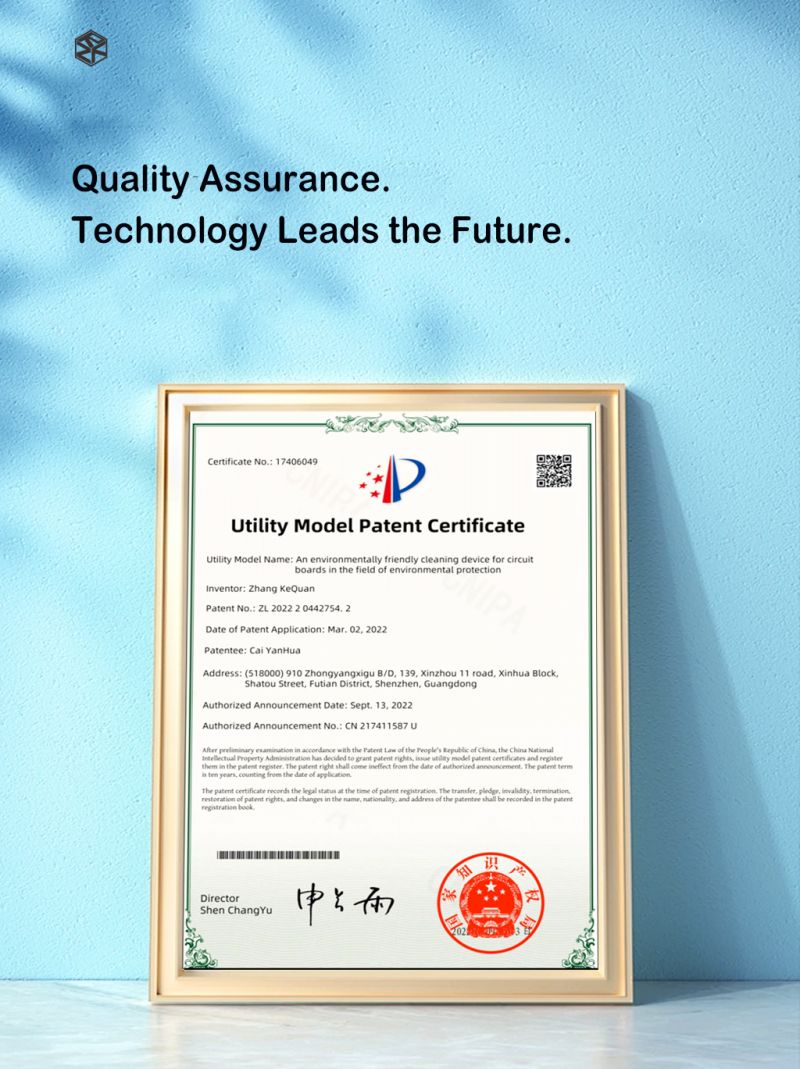
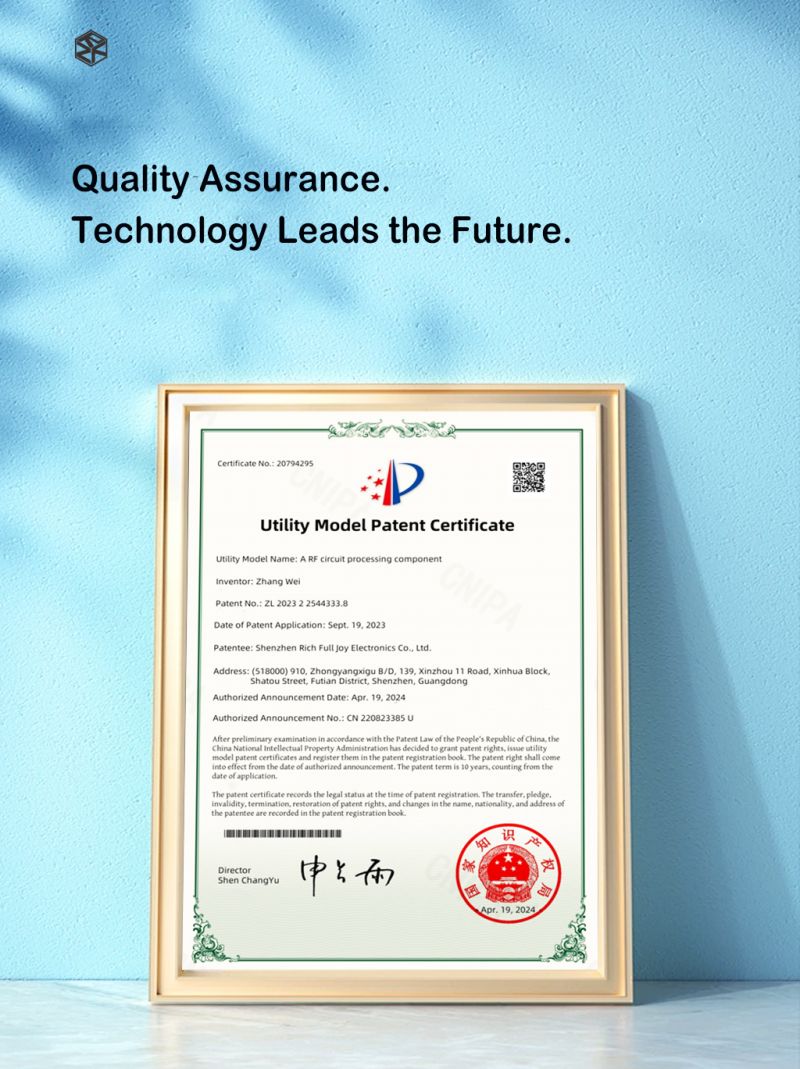
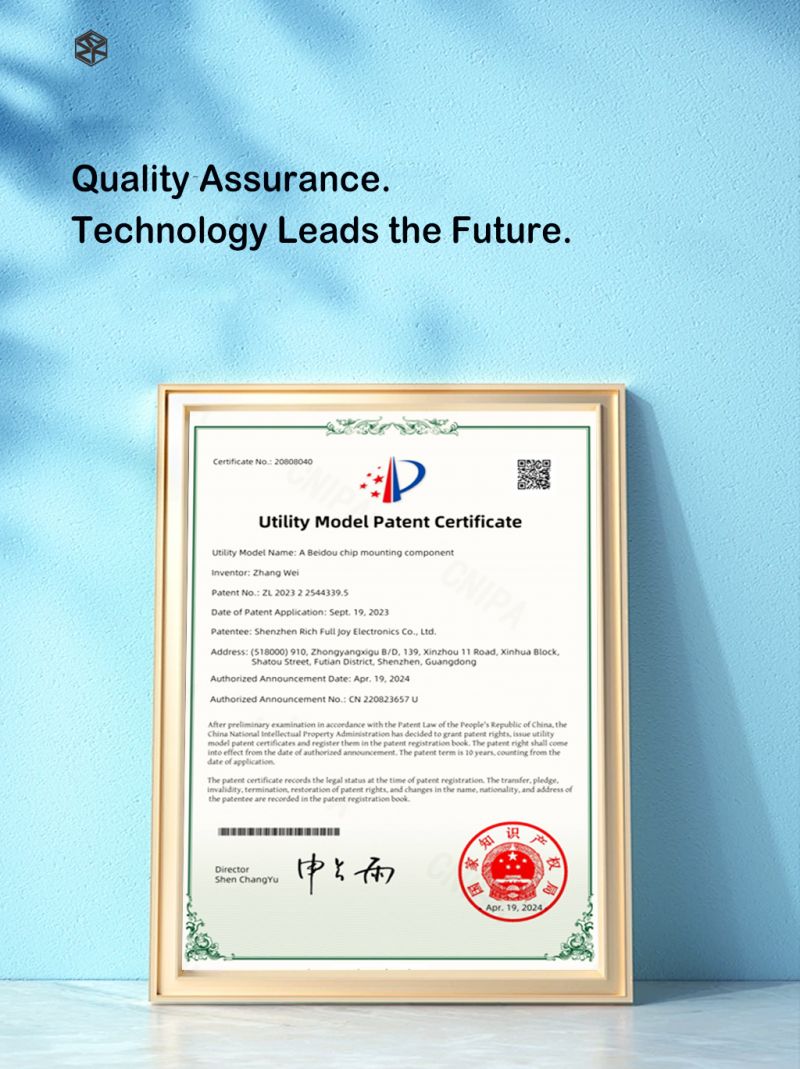
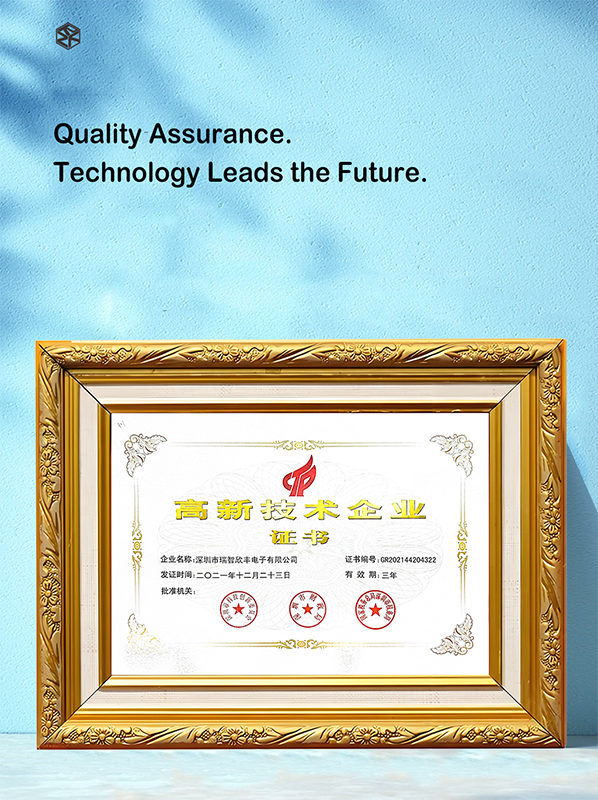
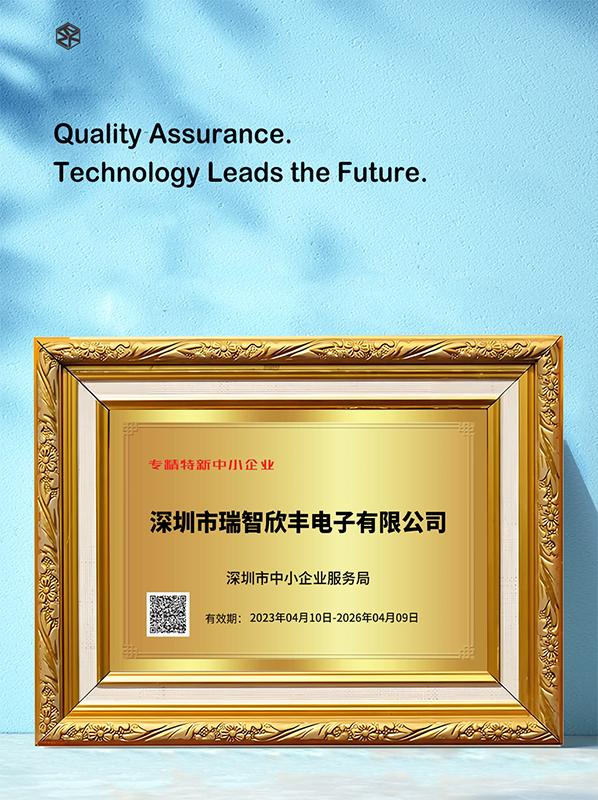
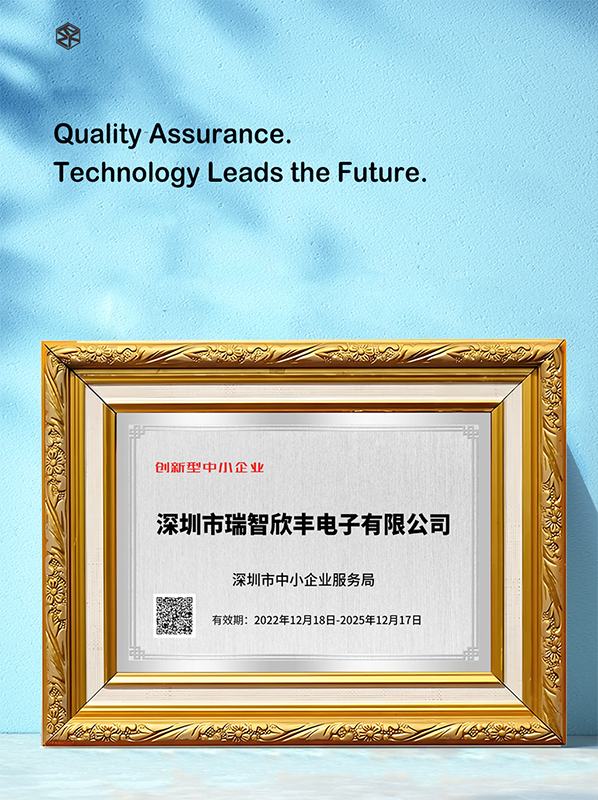
Technological innovation is the core competitiveness of enterprises. We've obtained multiple invention and utility model patents, and has passed various international standard certifications such as ISO9001, IATF16949, ISO14001, UL, CQC, REACH, RoHS, COC, as well as the GJB9001C-2017 standard certification for weapon and equipment quality management system. We've provided high-quality and reliable products to multiple research institutions, universities, and assisted customers in identifying design issues and providing reasonable suggestions and processing parameters.
We not only publish technical papers, but also actively participate in domestic and overseas technology exchange conferences to spread academic value and cutting-edge technological innovation. We regularly communicate with customers and strive to provide them with the best solutions.
Our extensive patent portfolio and industry certifications reflect our relentless commitment to innovation in PCB technology for electric vehicle and advanced electronics applications.
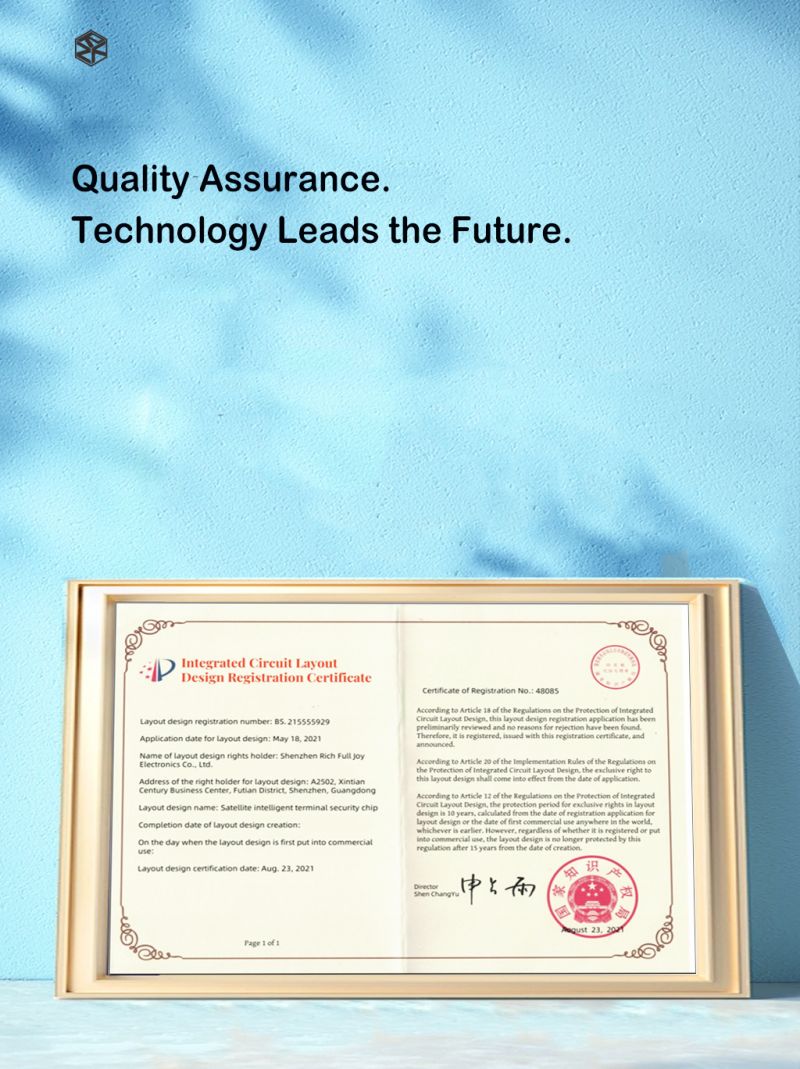
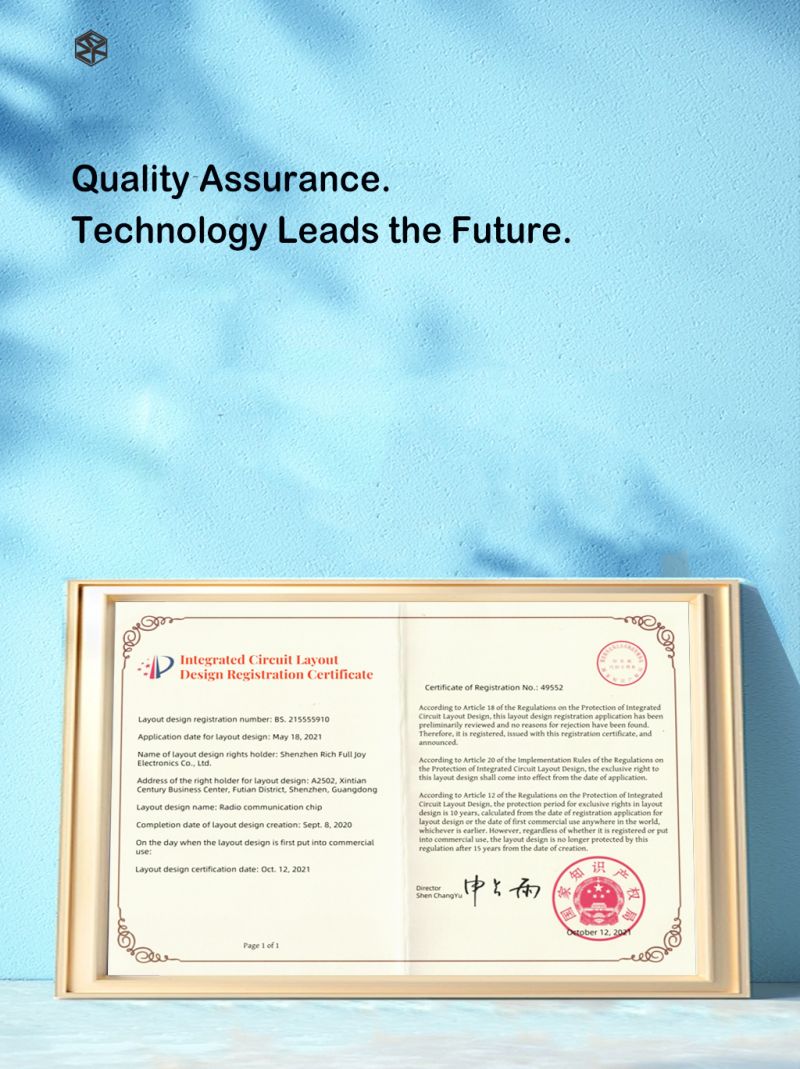
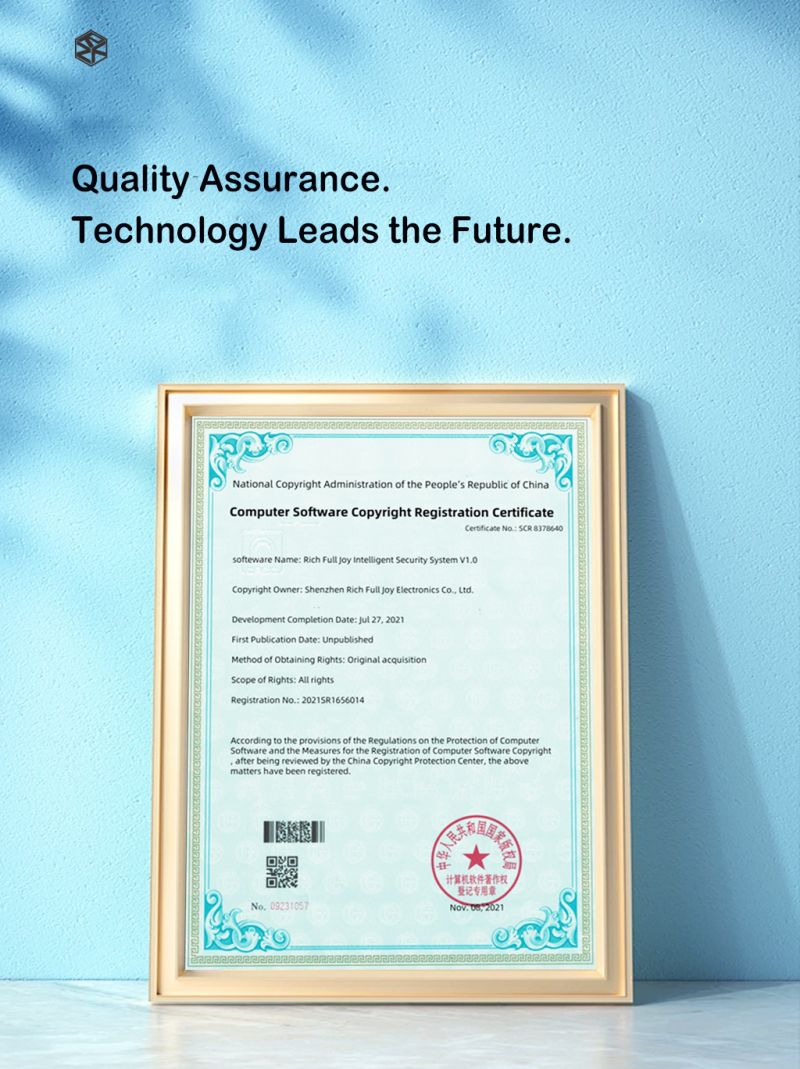
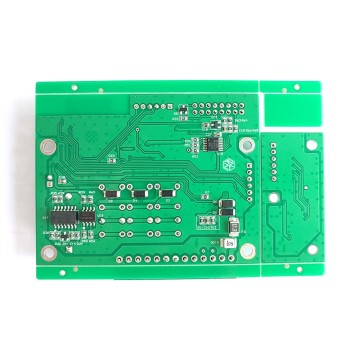
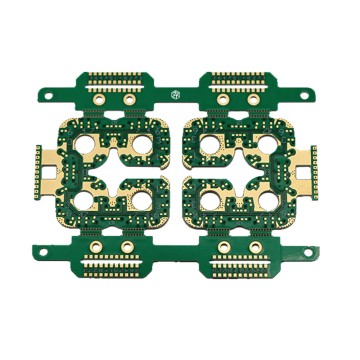
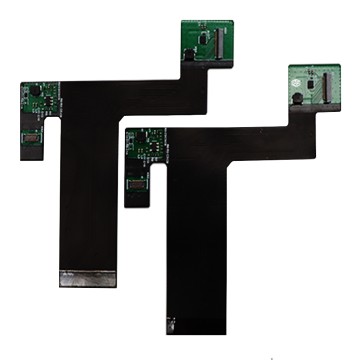
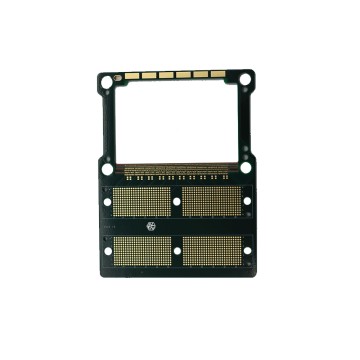
Discover our full range of PCB products and assemblies designed for electric vehicle lighting and advanced automotive electronics applications.
Partner with Shenzhen Rich Full Joy Electronics for world-class electric vehicle PCB solutions. From design consultation to full-scale production, our team delivers the precision, reliability, and speed your EV lighting program demands.
Contact Our EV PCB Experts →