Leave Your Message
-
E-mail
-
Whatsapp
-
Message
Explore our precision-engineered PCB products specifically designed for advanced driver assistance and autonomous driving applications.
The global automotive industry is undergoing its most profound transformation in over a century. At the heart of this revolution lies a deceptively compact yet mission-critical component: the printed circuit board (PCB). As vehicles evolve from mechanical machines into sophisticated software-defined platforms, PCBs for autonomous vehicles and Advanced Driver Assistance Systems (ADAS) have become the neural backbone of modern mobility.
💡 Key Insight: The global automotive PCB market is projected to surpass USD 12 billion by 2030, driven primarily by the rapid adoption of ADAS features and Level 3–5 autonomous driving technologies across passenger and commercial vehicle segments.
Advanced Driver Assistance Systems (ADAS) encompass a broad range of safety and automation technologies — from adaptive cruise control and lane departure warning to automated emergency braking, blind-spot detection, and fully autonomous navigation. Each of these systems relies on a dense network of sensors, processors, cameras, radar modules, and LiDAR units — all interconnected through high-performance PCBs.
The PCB in an ADAS system is not a passive carrier. It must deliver ultra-low signal latency, superior electromagnetic compatibility (EMC), robust thermal management, and unwavering reliability under extreme automotive operating conditions: vibration, humidity, wide temperature swings from -40°C to +150°C, and continuous high-frequency signal processing demands.
A single failure in a PCB within an ADAS system can cascade into a safety-critical event. This is why automotive-grade PCB manufacturing — certified to IATF 16949 and AEC-Q100/Q200 standards — is non-negotiable for Tier 1 suppliers and OEMs alike.
The ADAS PCB supply chain has evolved into a highly specialized ecosystem. Leading automotive manufacturers — including Tesla, Toyota, BMW, Volkswagen, and emerging EV giants like BYD and NIO — are investing billions into ADAS hardware platforms, each demanding increasingly complex multi-layer PCB assemblies.
From an industrial perspective, several key forces are reshaping the PCB manufacturing landscape for autonomous vehicles:
77GHz millimeter-wave radar and solid-state LiDAR are becoming standard ADAS components. Their PCBs require ultra-low-loss RF laminates, precision impedance control (±5%), and advanced shielding techniques to prevent cross-talk and maintain signal integrity at millimeter-wave frequencies.
High-power ADAS processors and power electronics generate significant heat. Emerging PCB solutions incorporate embedded copper coins, thermally conductive prepregs, and metal-core substrates (MCPCB) to efficiently dissipate heat and extend component lifespan in harsh automotive environments.
As ADAS increasingly merges with EV powertrain management, PCBs must handle high-voltage isolation (up to 800V), creepage/clearance compliance, and coexistence of low-voltage signal circuits alongside high-power switching circuits — demanding hybrid dielectric stack-up strategies.
Next-generation ADAS platforms incorporate AI inference chips (e.g., NVIDIA Orin, Qualcomm Snapdragon Ride) that demand PCBs with ultra-fine-pitch BGA escape routing, controlled-depth drilling, and signal integrity analysis-driven layout methodologies to achieve reliable multi-Gbps data throughput.
ADAS systems targeting ASIL-B through ASIL-D safety integrity levels require PCB designs with redundant signal paths, fault-tolerant power delivery networks, and rigorous design-for-testability (DFT) features — all validated through comprehensive FMEA and DVP&R processes.
Beyond traditional FR4, ADAS PCBs increasingly utilize Rogers, Isola, Ventec, and Taconic high-frequency laminates for RF sections, combined with halogen-free, high-Tg materials for thermal stability — often in hybrid stack-ups that balance performance with cost efficiency.
From perception to decision-making to actuation — PCBs are embedded at every layer of the autonomous vehicle architecture.
Autonomous vehicles rely on simultaneous data from cameras, radar, LiDAR, ultrasonic sensors, and IMUs. Sensor fusion PCBs aggregate these heterogeneous data streams in real time, requiring high-speed interfaces (MIPI CSI-2, GMSL2, CAN-FD, Ethernet AVB/TSN) on a single board with strict EMI management and sub-nanosecond synchronization accuracy.
High-precision GNSS/INS (Inertial Navigation System) PCBAs combine MEMS accelerometers, gyroscopes, and multi-constellation GNSS receivers. These boards demand exceptional signal integrity, vibration-resistant component mounting, and conformal coating for deployment in vehicle underbody or roof-mounted enclosures exposed to environmental stress.
77GHz FMCW radar PCBs represent some of the most technically demanding boards in the automotive sector. They require Rogers RO4350B or similar low-loss laminates, precision-etched microstrip antenna arrays, and hermetically sealed packaging to maintain performance over the vehicle's service life of 10–15 years.
Surround-view, forward-facing, and in-cabin monitoring camera modules each require dedicated image signal processor (ISP) PCBs with high-speed serializer/deserializer (SerDes) links, precise power sequencing, and AEC-Q100 Grade 2 qualified components for reliable operation across automotive temperature ranges.
The shift toward zonal and domain-based architectures places massive computational demands on central ADAS ECUs. These PCBs feature 10–16+ layer stack-ups, embedded power planes, DDR5/LPDDR5 memory interfaces running at 6400+ MT/s, and PCIe Gen4/5 interconnects — all requiring meticulous signal integrity simulation and post-layout verification.
DSRC (5.9GHz) and C-V2X (cellular vehicle-to-everything) communication modules require RF PCBs with controlled impedance transmission lines, integrated antenna structures, and co-existence filtering between GNSS, LTE/5G, and Wi-Fi bands — all on compact automotive-grade assemblies.
⚙️ Manufacturing Excellence: Rich Full Joy Electronics delivers all these ADAS PCB categories under one roof — from Rogers high-frequency laminates and HDI multilayer fabrication to full SMT/DIP assembly, functional testing, and IATF 16949-certified quality management — ensuring your autonomous vehicle programs meet both performance and timeline targets.
Full automotive quality management system certification ensuring every ADAS PCB meets the rigorous process control, traceability, and reliability standards demanded by global OEMs and Tier 1 suppliers.
Specialized capability in Rogers RO4350B, RO3003, Isola I-Tera, and hybrid laminate stack-ups for 77GHz radar, V2X, and GNSS PCBs — with impedance control tolerance of ±5% or better.
From bare board fabrication through SMT assembly, selective soldering, X-ray inspection, functional testing, and conformal coating — complete ADAS PCB assembly under one roof for streamlined supply chain management.
ISO9001, IATF16949, ISO14001, UL, CQC, REACH, RoHS, GJB9001C-2017 — our comprehensive certification portfolio ensures your ADAS PCBs meet global market access requirements across automotive, defense, and industrial sectors.
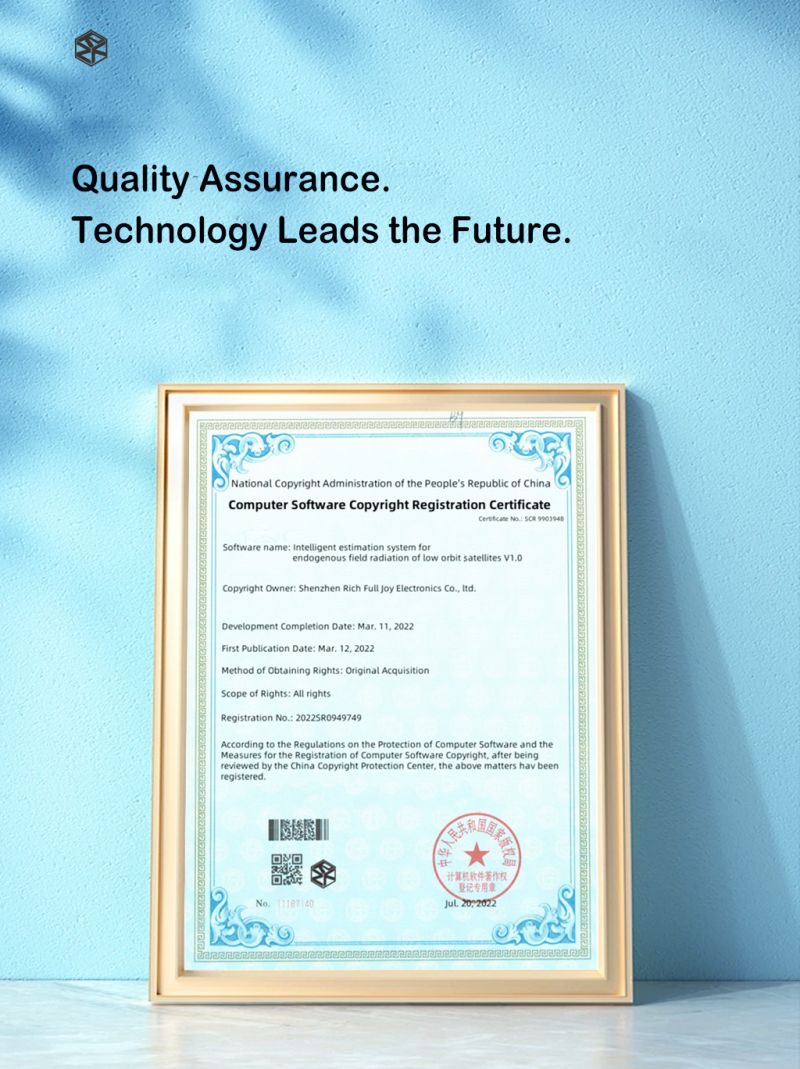
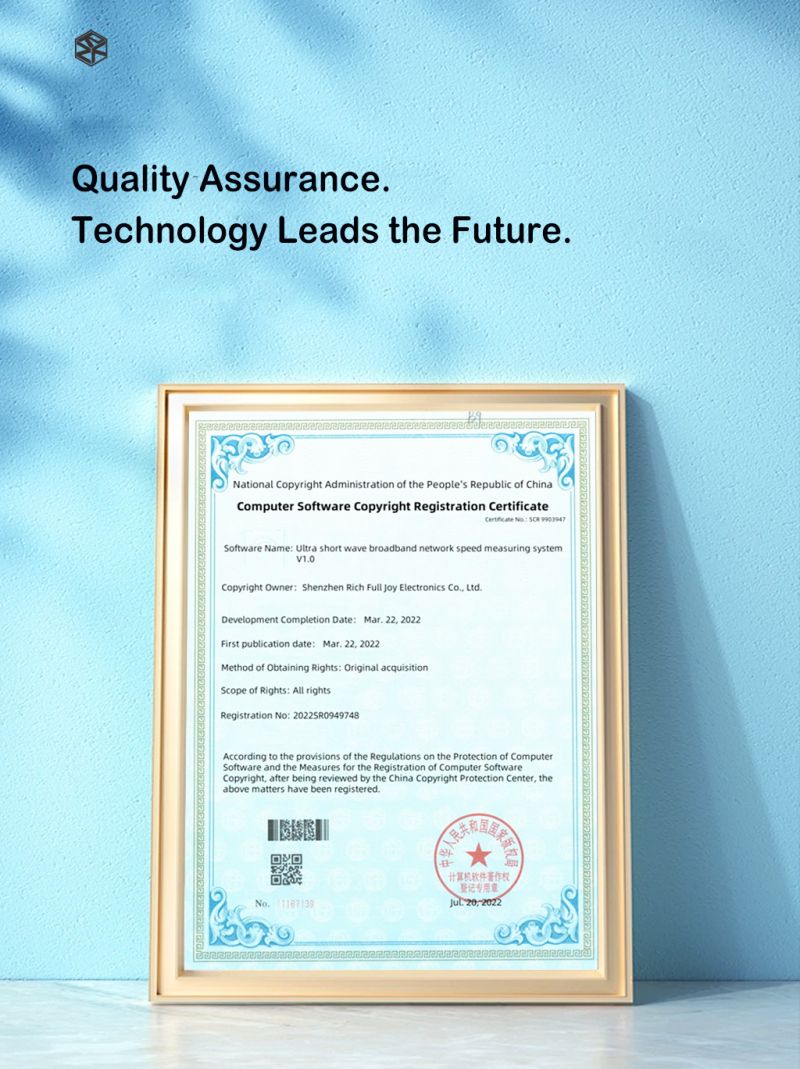
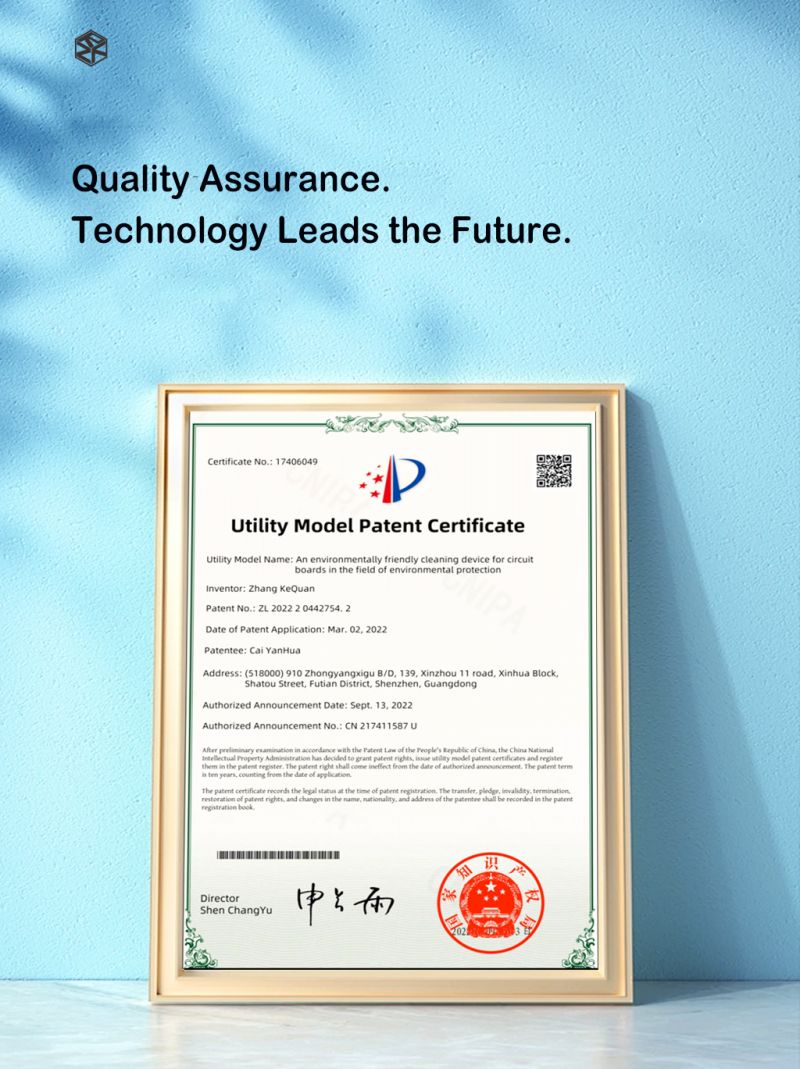
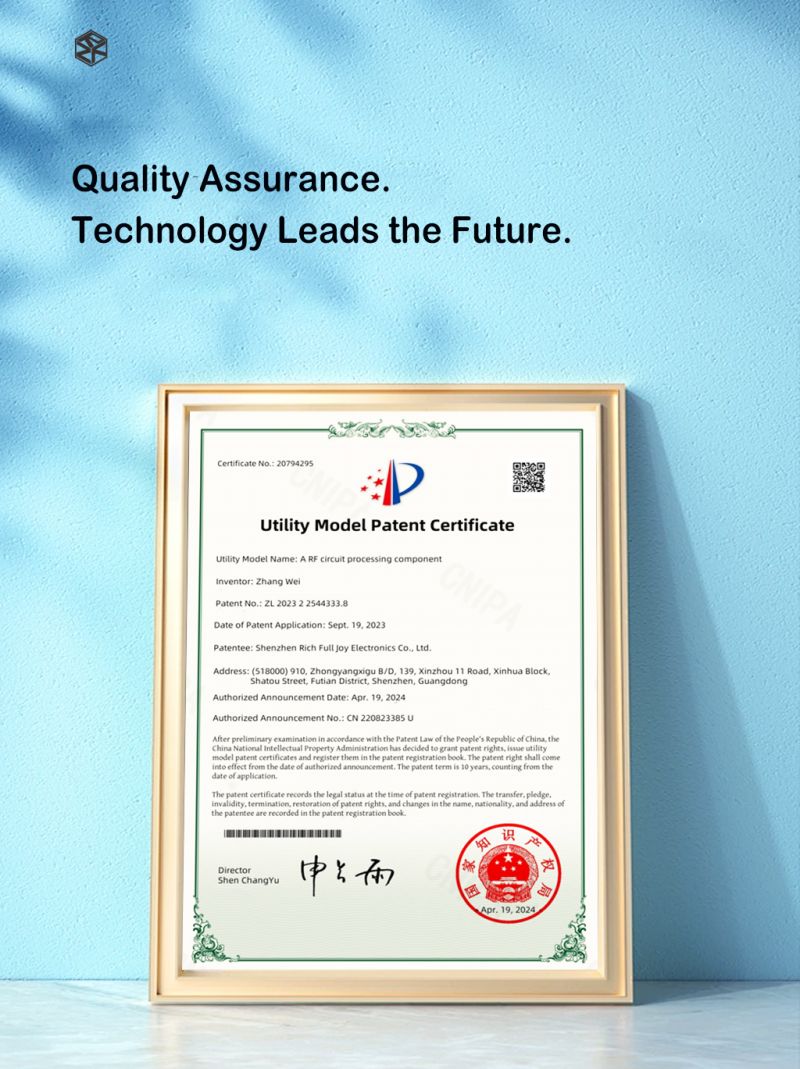
Two decades of deep expertise in advanced PCB technology, backed by multiple invention patents in millimeter-wave radar, satellite navigation, and high-frequency PCB processing — directly applicable to autonomous vehicle applications.
Serving research institutions, universities, automotive OEMs, and defense contractors worldwide — with robust component sourcing, DFM consultation, and agile production capacity scaling from prototype to mass production.
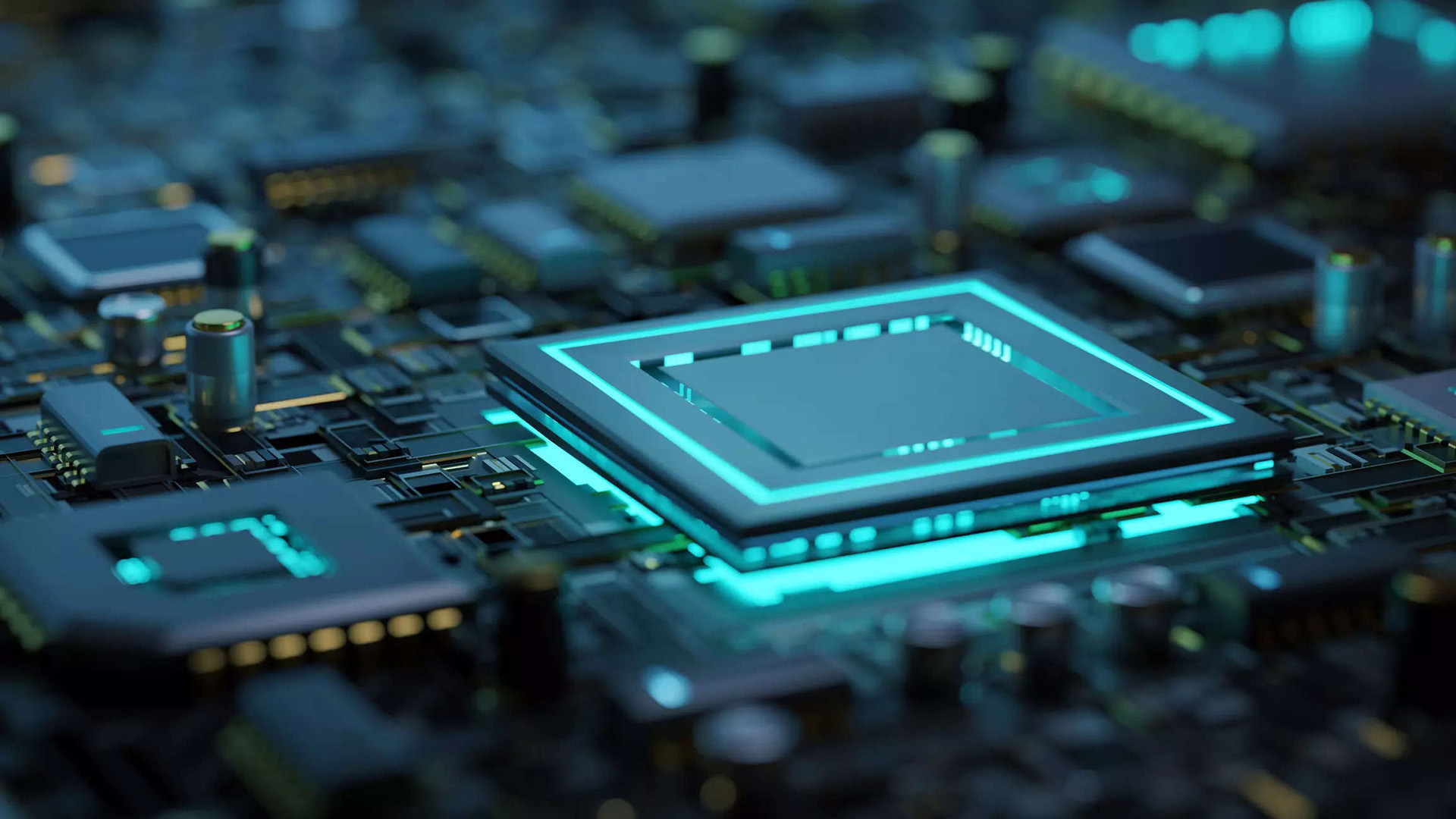
Based in China and looking at the global market, Shenzhen Rich Full Joy Electronics Co., Ltd. has been committed to industry development for 20 years. The company is a national high-tech innovative enterprise that combines focus and expertise. It's also an important enterprise incubation base in China. We specialize in providing customers with one-stop intelligent electronic manufacturing services, including scientific research, PCB design, PCB manufacturing, PCB assembly (including SMT, DIP, Programming and testing) and component selection.
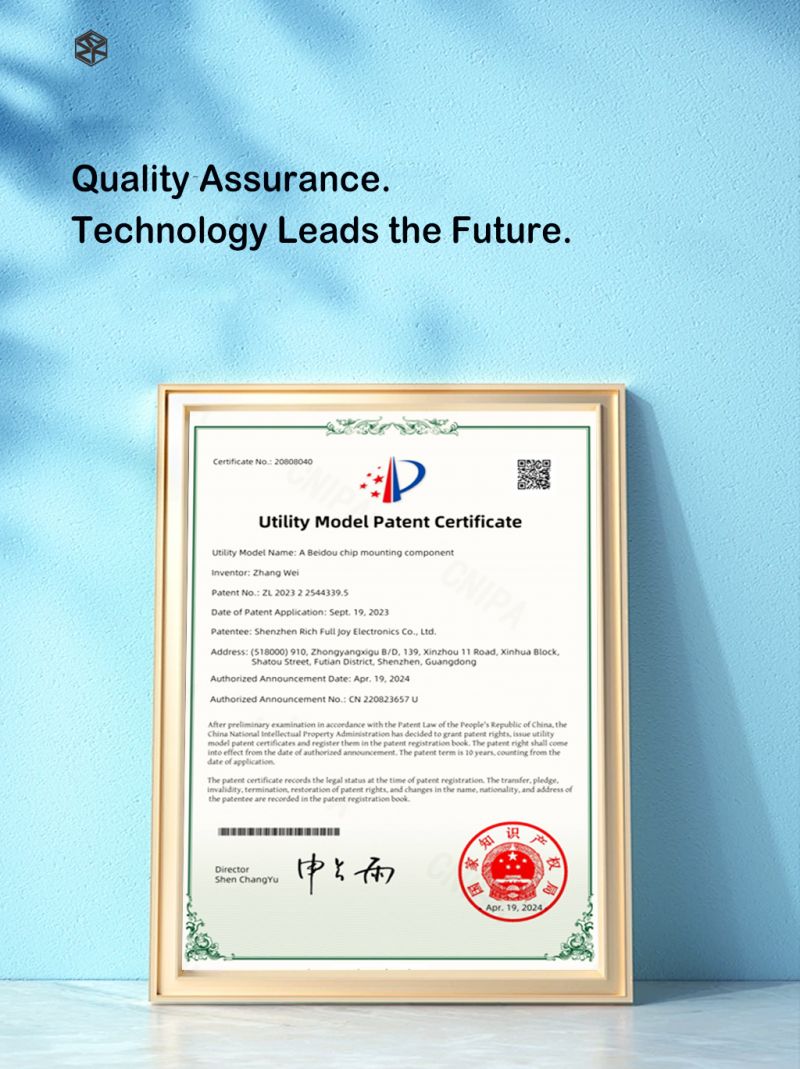
Technological innovation is the core competitiveness of our enterprise. We've obtained multiple invention and utility model patents, and have passed various international standard certifications such as ISO9001, IATF16949, ISO14001, UL, CQC, REACH, RoHS, COC, as well as the GJB9001C-2017 standard certification for weapon and equipment quality management system.
We've provided high-quality and reliable products to multiple research institutions, universities, and assisted customers in identifying design issues and providing reasonable suggestions and processing parameters. We not only publish technical papers, but also actively participate in domestic and overseas technology exchange conferences to spread academic value and cutting-edge technological innovation. We regularly communicate with customers and strive to provide them with the best solutions.
Our extensive intellectual property portfolio demonstrates deep R&D investment in PCB technologies directly relevant to ADAS and autonomous vehicle applications.


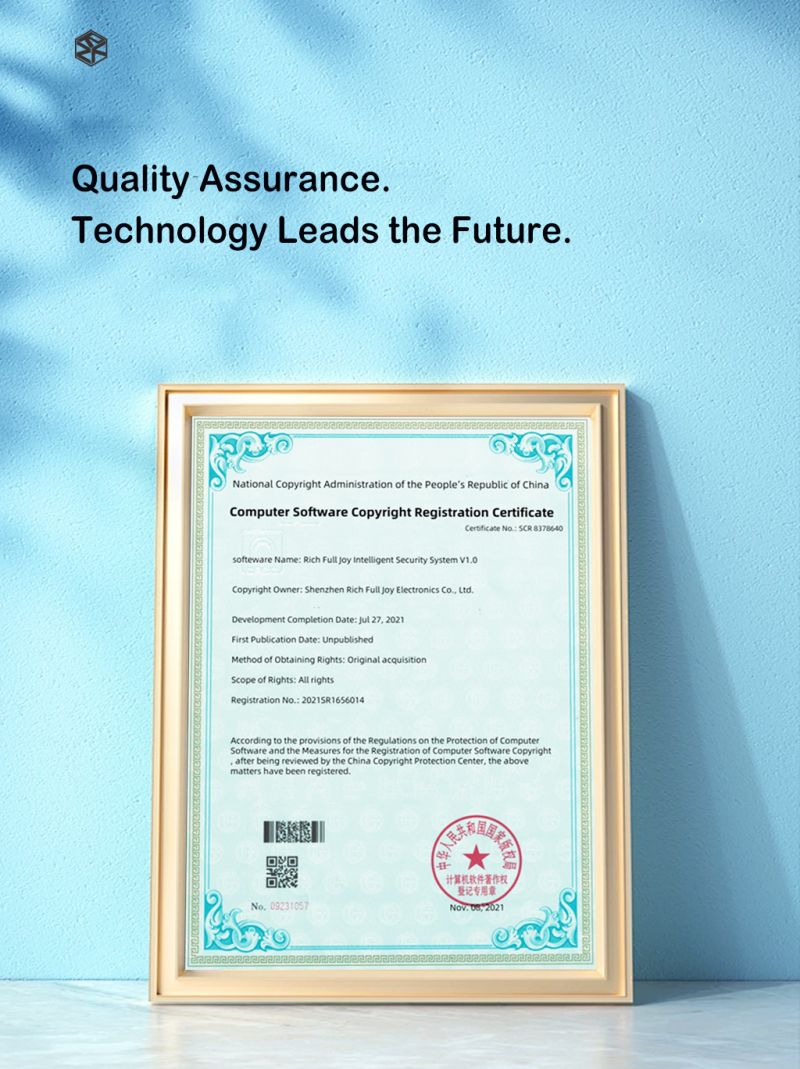
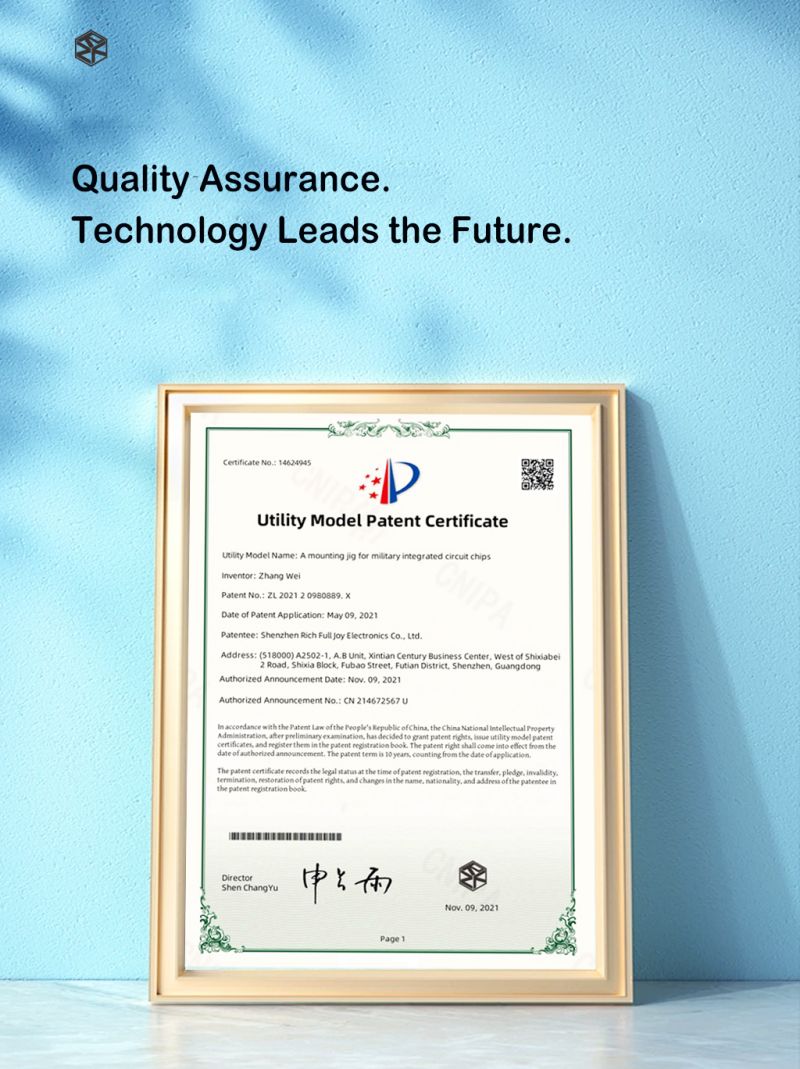
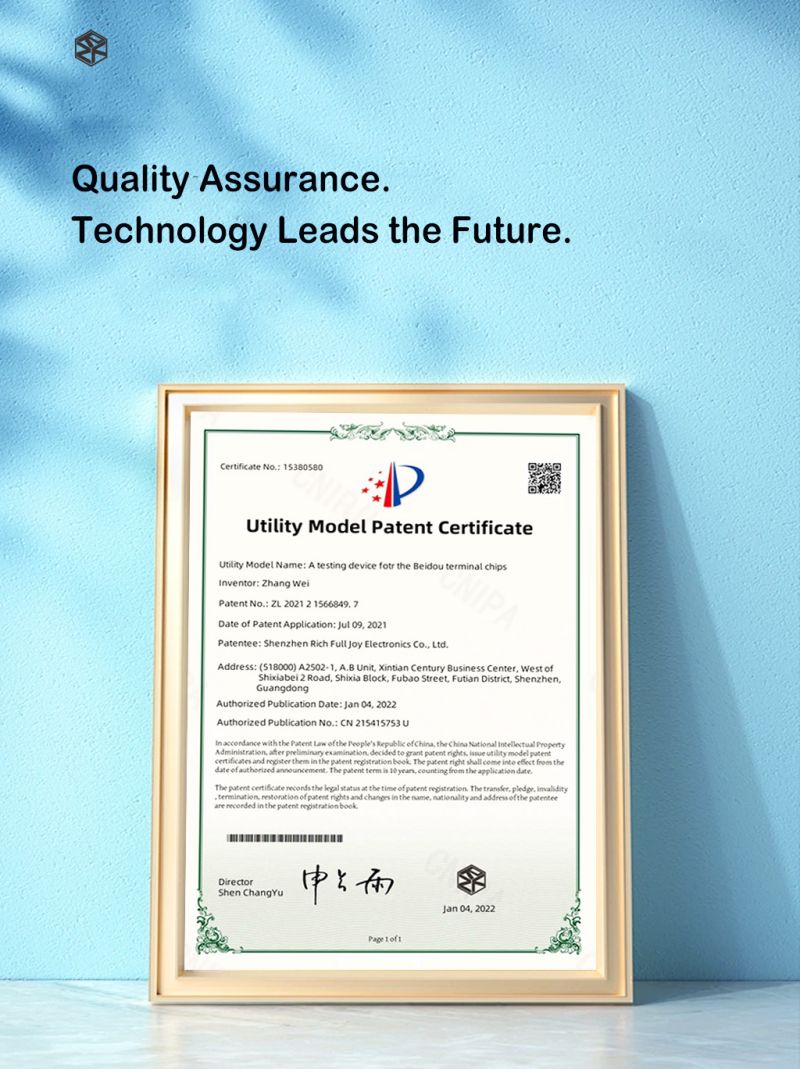
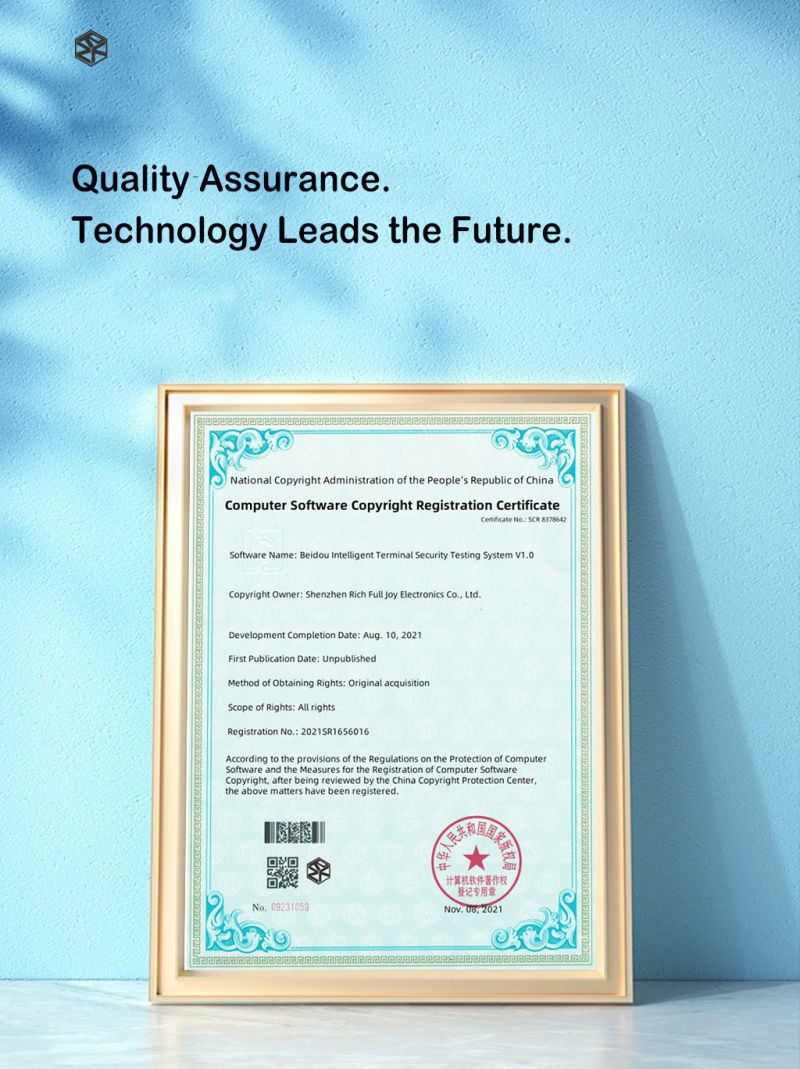

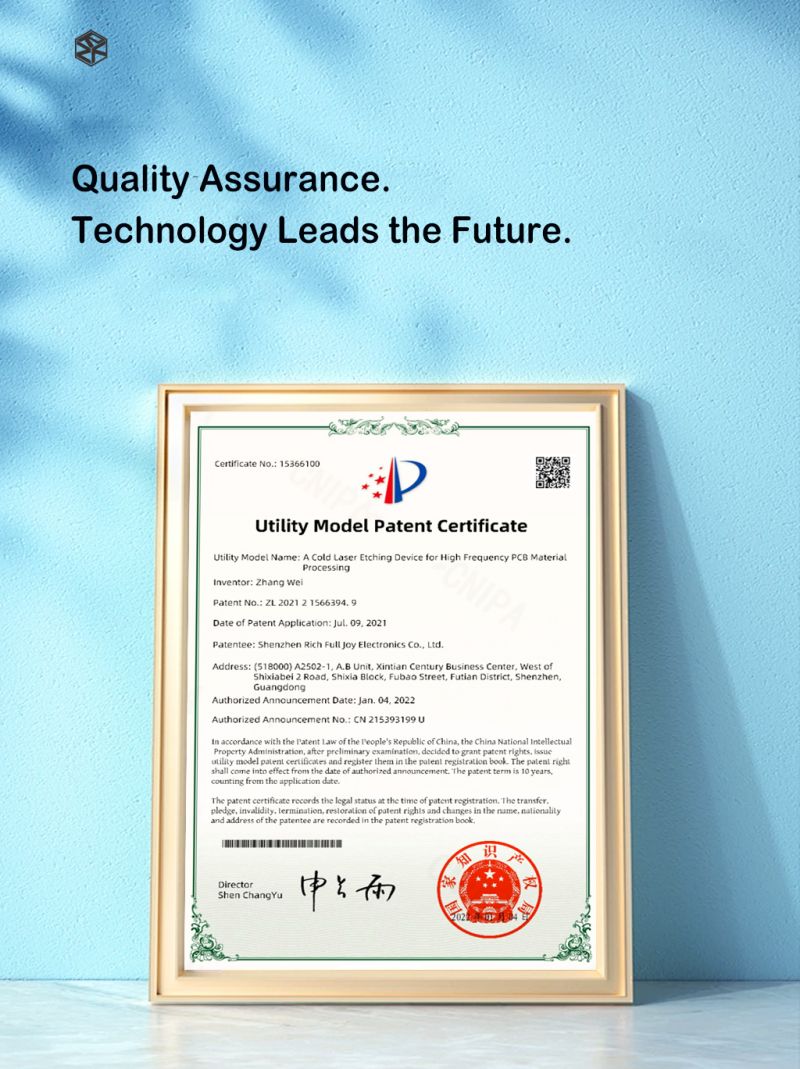
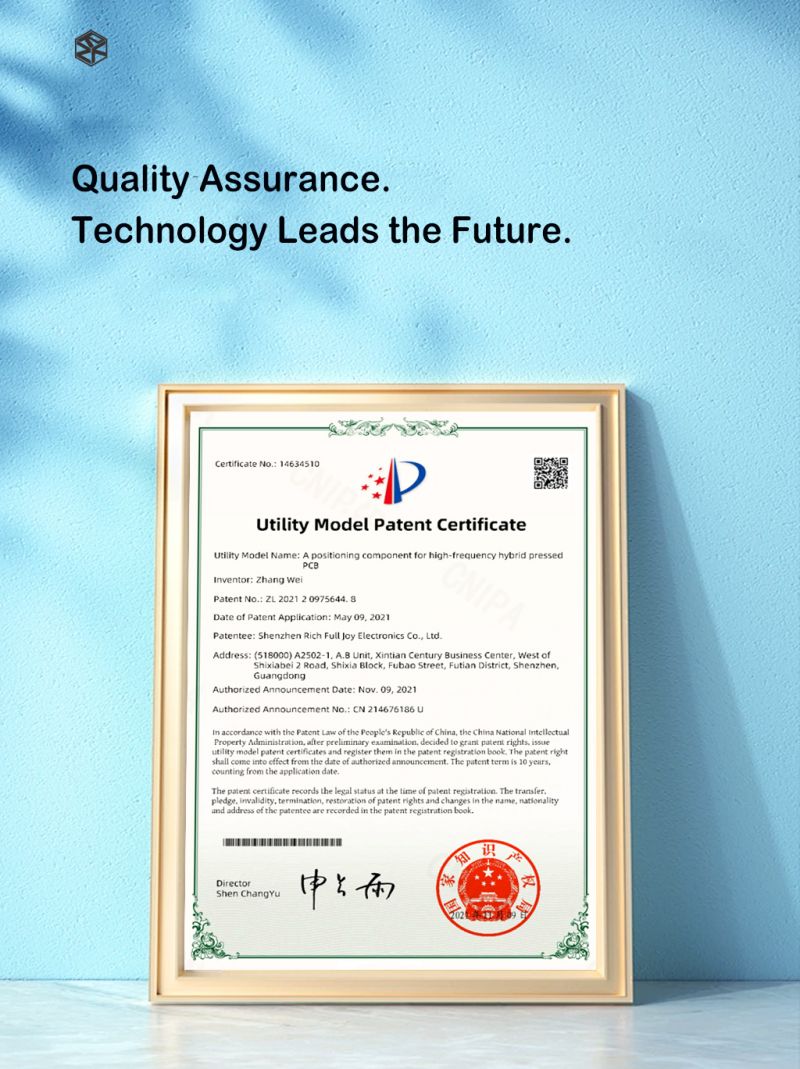
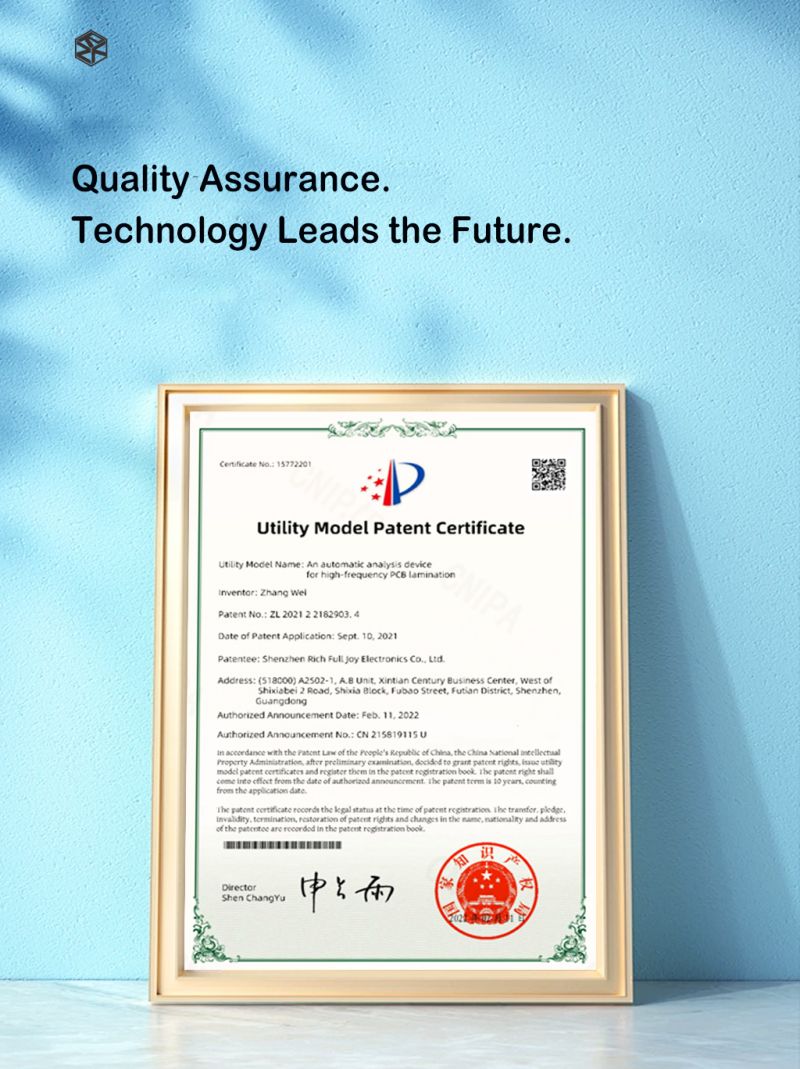
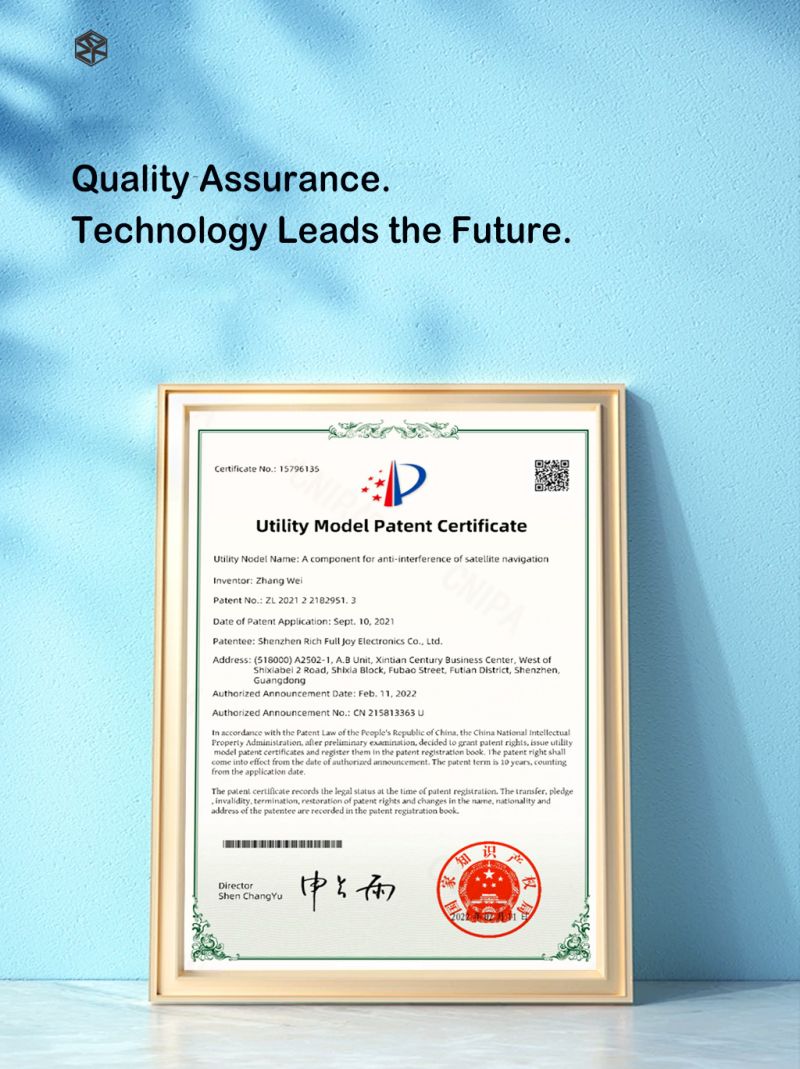
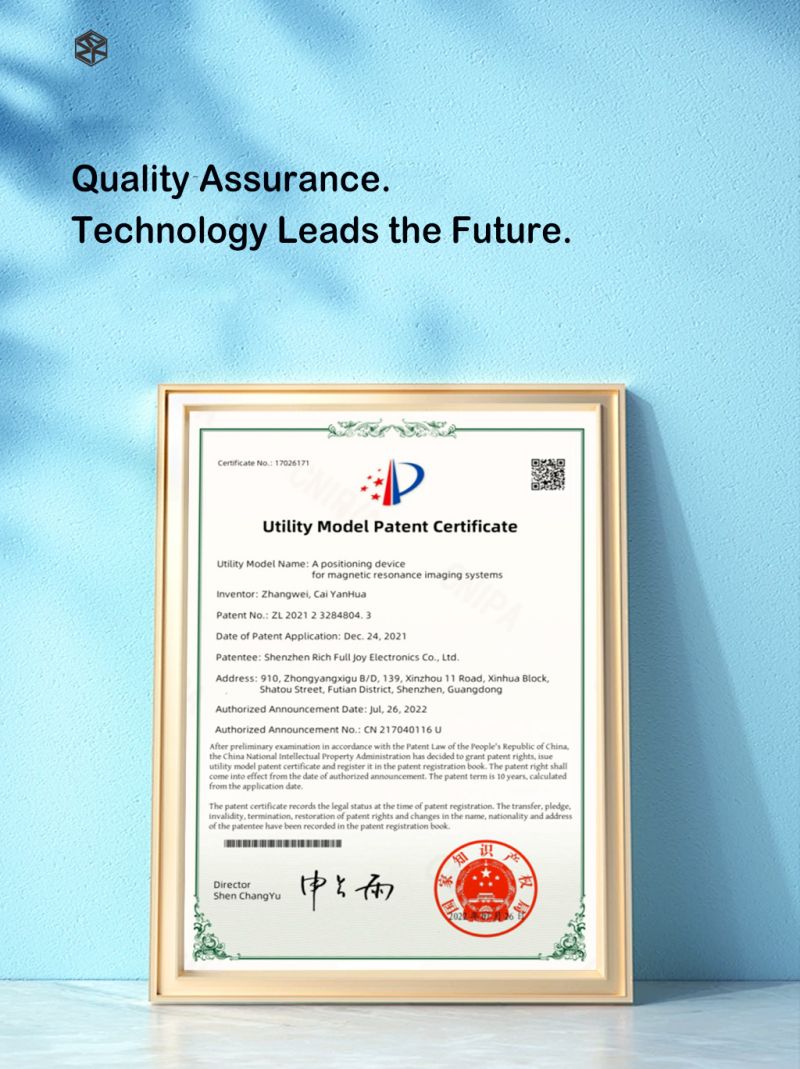
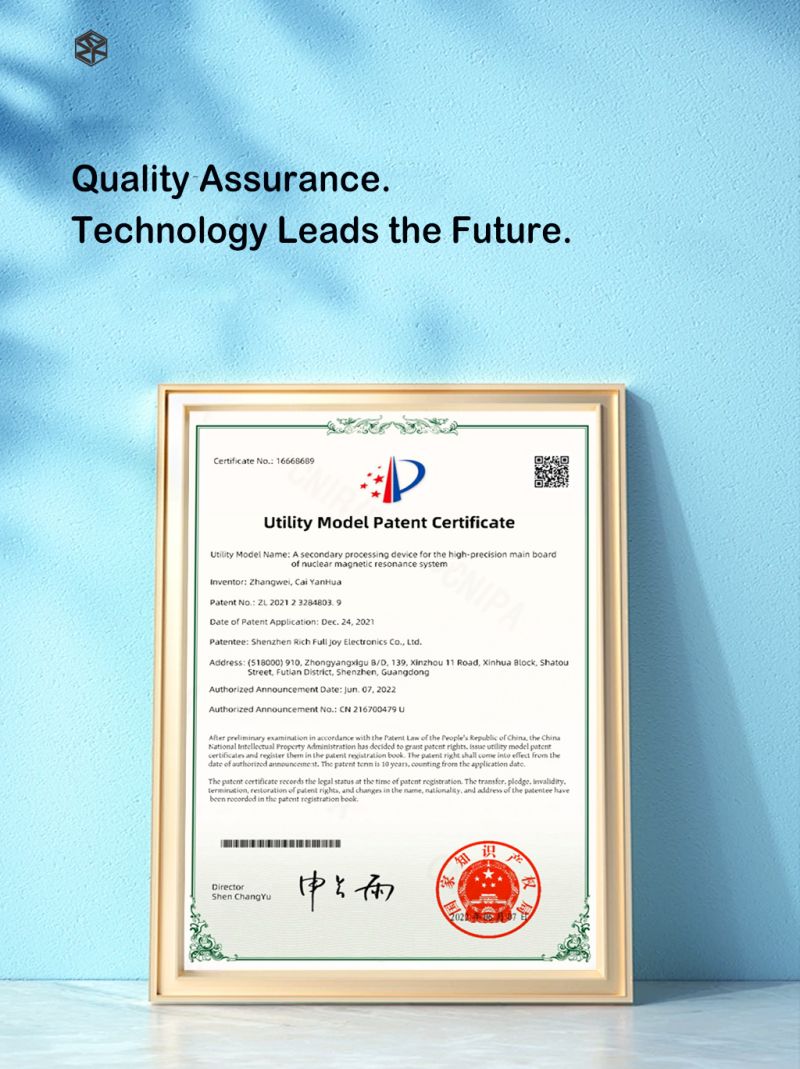
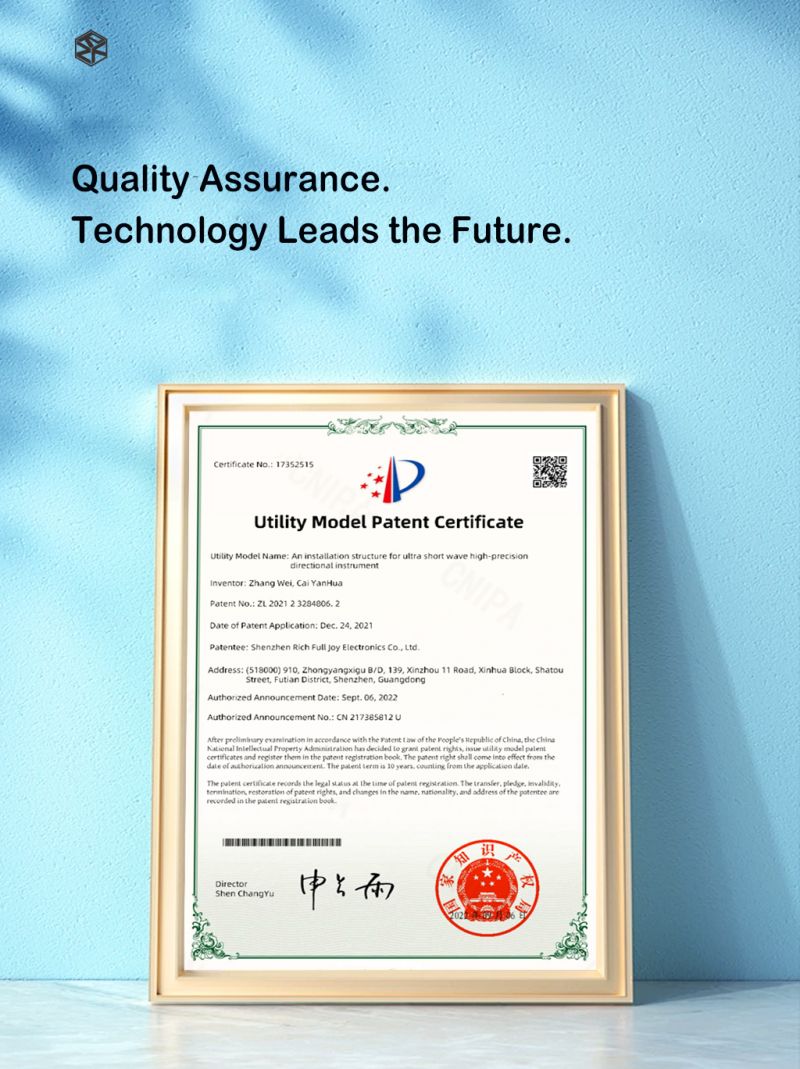



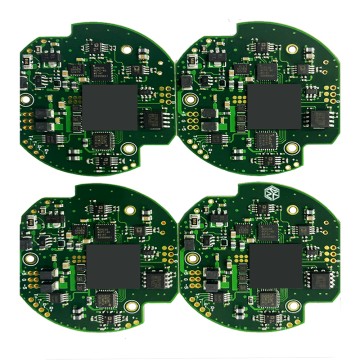
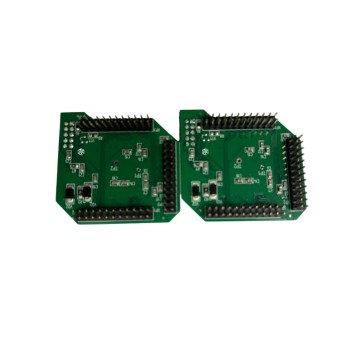
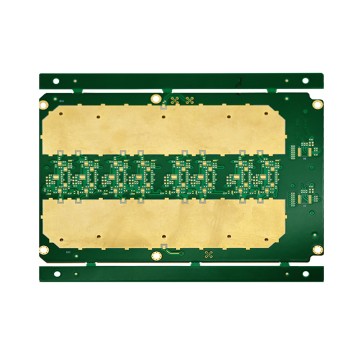
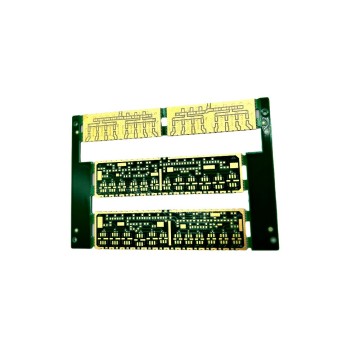
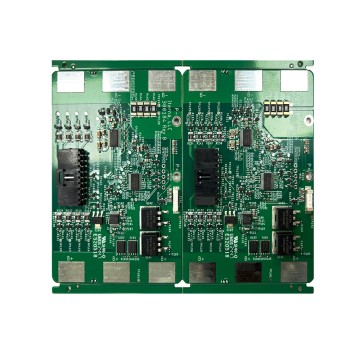
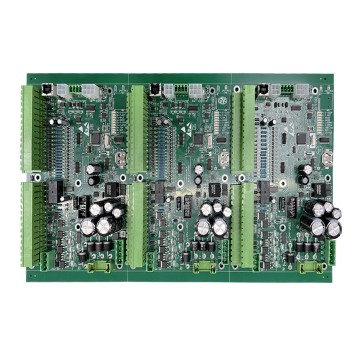
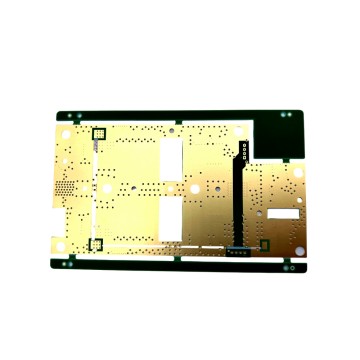
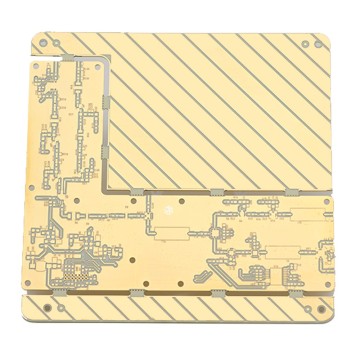
Comprehensive range of high-performance PCB and PCBA products engineered for automotive-grade reliability and ADAS system integration.