
Leave Your Message
-
E-mail
-
Whatsapp
-
Message
Precision-engineered PCBs designed for the extreme signal integrity, thermal management, and reliability demands of autonomous vehicle sensor systems.
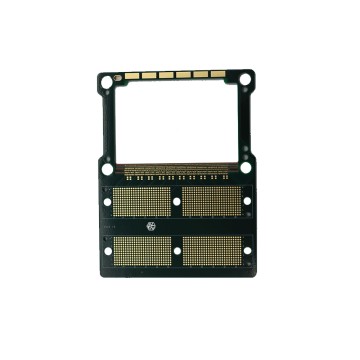 HDI · IC Test
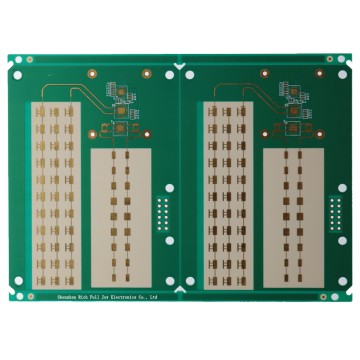 RF · Radar
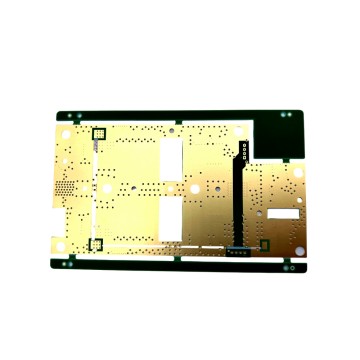 High-Freq · Impedance
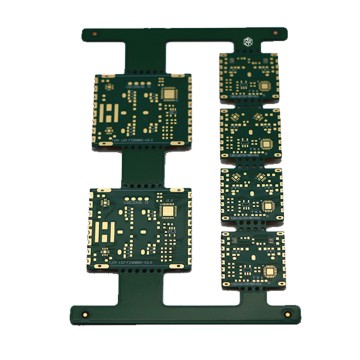 Hybrid · RF
The autonomous vehicle (AV) revolution is not merely a software story — it is fundamentally driven by hardware innovation, and at the heart of that hardware lies the printed circuit board (PCB). As self-driving systems grow more sophisticated, the PCBs that support autonomous driving sensors must meet unprecedented requirements in signal integrity, thermal performance, miniaturization, and long-term reliability under harsh environmental conditions.
Modern autonomous vehicles rely on a complex suite of sensors — including millimeter-wave radar, LiDAR (Light Detection and Ranging), ultrasonic sensors, high-resolution cameras, and GPS/GNSS fusion modules — to perceive and navigate the environment. Each of these sensor systems demands highly specialized PCBs that can handle high-frequency signals, maintain precise impedance control, and operate reliably across extreme temperature ranges from -40°C to +125°C.
The global autonomous vehicle PCB market is experiencing explosive growth. According to industry analysts, the automotive PCB segment is projected to exceed USD 12 billion by 2030, driven primarily by the proliferation of ADAS (Advanced Driver Assistance Systems) and fully autonomous platforms. Each Level 3+ autonomous vehicle can contain over 30 individual sensor modules, each requiring dedicated high-performance PCBs — representing a dramatic increase from the 5–8 PCBs found in conventional vehicles.
OEMs and Tier-1 automotive suppliers such as Bosch, Continental, Aptiv, and Mobileye are placing enormous pressure on PCB manufacturers to deliver boards that support 77 GHz and 79 GHz radar frequencies, 905 nm and 1550 nm LiDAR signal processing, and camera ISP (Image Signal Processor) boards with ultra-low latency. This has created a highly specialized and rapidly growing industrial supply chain for automotive-grade PCBs.
China has emerged as a dominant force in this supply chain. Manufacturers based in Shenzhen, Guangzhou, and the Pearl River Delta region now supply a significant portion of the world's automotive PCB output, combining cost efficiency with rapidly advancing technical capabilities. IATF16949-certified facilities in China are increasingly winning contracts from global automotive brands seeking reliable, high-volume production partners.
From millimeter-wave radar to LiDAR and camera fusion, every autonomous sensor demands a distinct PCB engineering approach.
77 GHz and 79 GHz radar sensors require Rogers RO4350B or RO3003 substrates with ultra-low Dk/Df, tight impedance control (±5%), and back-drill technology to eliminate stub interference at high frequencies.
LiDAR PCBs must handle high-speed digital signals from ToF (Time-of-Flight) circuits alongside analog laser driver stages. HDI multilayer boards with any-layer via structures minimize signal path lengths and crosstalk.
High-resolution automotive cameras demand rigid-flex PCBs with fine-pitch BGA footprints, controlled impedance MIPI/CSI-2 differential pairs, and gold-plated surface finishes for long-term connector reliability.
Precision positioning boards require hybrid stackups combining RF laminates for antenna feed layers with standard FR4 for digital processing — a specialty of high-frequency hybrid pressing technology.
Central sensor fusion ECUs integrate data from all sensor modalities. These boards demand 16+ layer HDI constructions, high-speed SerDes interfaces, and robust thermal management with embedded copper coins or heat spreaders.
Functional safety (ISO 26262 ASIL-D) requires redundant power distribution networks, current sensing circuits, and fail-safe isolation — demanding PCBs with heavy copper, tight tolerances, and 100% electrical testing.
Long-range front radar (LRR) modules operating at 76–77 GHz are the cornerstone of adaptive cruise control and emergency braking systems. The PCBs within these modules must achieve insertion loss below 0.5 dB/cm at operating frequencies, requiring Rogers or Taconic high-frequency laminates with Dk values around 3.5. Precise impedance control of microstrip and grounded coplanar waveguide (GCPW) transmission lines is critical. Rich Full Joy's Rogers RO4350B hybrid PCBs are specifically engineered for this application, combining high-frequency RF layers with standard digital processing layers in a single multilayer construction.
Short-range radar (SRR) systems for blind-spot detection and parking assistance typically use 79 GHz technology and require compact, lightweight PCB assemblies. These boards often incorporate half-hole (castellated) edge connectors for modular integration into radar housing units, and resin plug-filled vias to maintain signal integrity and prevent solder wicking during assembly. The High-Frequency Hybrid PCB with Half-Hole & Resin Plug technology from Rich Full Joy is purpose-built for this demanding application scenario.
As solid-state LiDAR transitions from mechanical spinning designs to MEMS-based or OPA (Optical Phased Array) architectures, the associated PCBs must support extremely dense component placement, high-speed FPGA interfaces, and multi-channel analog front-end circuits. Any-layer HDI technology — where microvias can be placed on any layer — is essential to achieving the routing density required for these complex boards. The 16L Any Layer HDI PCB product exemplifies this capability, supporting IC test board applications for LiDAR SoC validation.
V2X communication — encompassing DSRC (Dedicated Short-Range Communication) and C-V2X (Cellular V2X) — requires PCBs that support 5.9 GHz DSRC and sub-6 GHz 5G NR frequencies simultaneously. These multi-band RF boards benefit from 3D ultra-wideband frequency synthesizer PCB designs that integrate multiple RF front-end stages in a compact form factor, enabling vehicles to communicate with infrastructure, other vehicles, and pedestrians in real time.
High-performance autonomous driving compute platforms (such as NVIDIA DRIVE Orin or Mobileye EyeQ6-based systems) require server-class PCBs in automotive form factors. These boards feature 16–20 layer HDI constructions, DDR5 memory interfaces, PCIe Gen 5 high-speed interconnects, and advanced thermal management. Rigid-flex PCB technology enables three-dimensional packaging within space-constrained vehicle architectures, connecting sensor inputs, compute modules, and actuator outputs in a single integrated assembly.
The convergence of radar, LiDAR, camera, and V2X sensor fusion in a single autonomous vehicle platform demands PCB solutions that were simply not available a decade ago. High-frequency hybrid pressing technology — combining Rogers RF laminates with standard FR4 or high-Tg materials in a single multilayer board — is the key enabler. It eliminates the need for separate RF and digital boards, reducing system weight, connector count, and potential failure points while dramatically improving signal integrity across the full frequency spectrum from DC to 79+ GHz.
The autonomous driving PCB industry is evolving rapidly. Here are the critical trends shaping the next five years.
As radar frequencies migrate to 79 GHz and beyond, demand for ultra-low loss materials (Df < 0.002) such as Rogers RO3003G2 and Isola Astra MT77 is accelerating, replacing conventional FR4 in RF-critical layers.
Embedding passive and active components within PCB layers reduces parasitic inductance and capacitance, critical for high-speed sensor signal chains. This technology is gaining traction in LiDAR and radar front-end boards.
Modified semi-additive processes (mSAP) enable line/space geometries below 30 µm, essential for routing high-density BGA packages on autonomous driving compute platforms and sensor fusion ECUs.
IATF16949 certification and AEC-Q200 component qualification are becoming baseline requirements. PCB manufacturers must demonstrate thermal cycling, vibration, and humidity resistance exceeding 3,000 hours at 85°C/85% RH.
Machine learning tools are being applied to PCB layout optimization for signal integrity, thermal management, and DFM (Design for Manufacturability), accelerating the development cycle for autonomous driving sensor boards.
Geopolitical pressures are driving automotive OEMs to diversify PCB supply chains. Certified Chinese manufacturers with global quality standards are increasingly positioned as strategic partners for both Asian and Western automotive programs.
Based in China and looking at the global market, Shenzhen Rich Full Joy Electronics Co., Ltd. has been committed to industry development for 20 years. The company is a national high-tech innovative enterprise that combines focus and expertise. It is also an important enterprise incubation base in China. We specialize in providing customers with one-stop intelligent electronic manufacturing services, including scientific research, PCB design, PCB manufacturing, PCB assembly (including SMT, DIP, Programming and testing) and component selection.
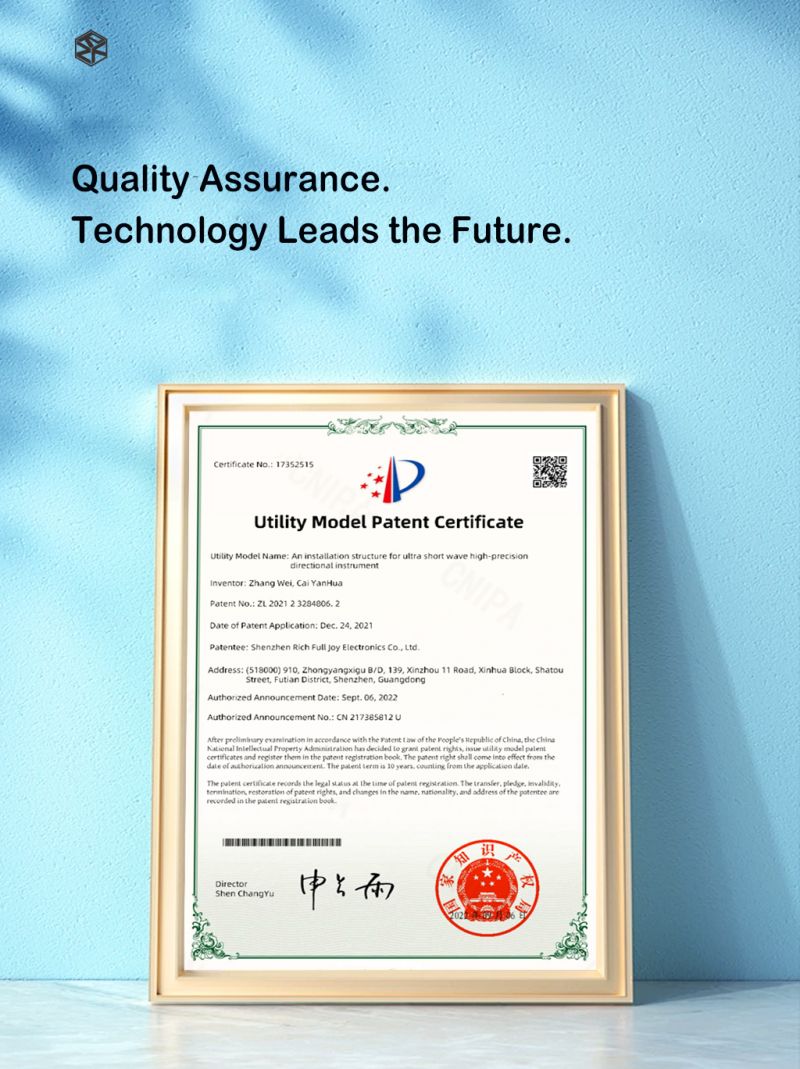
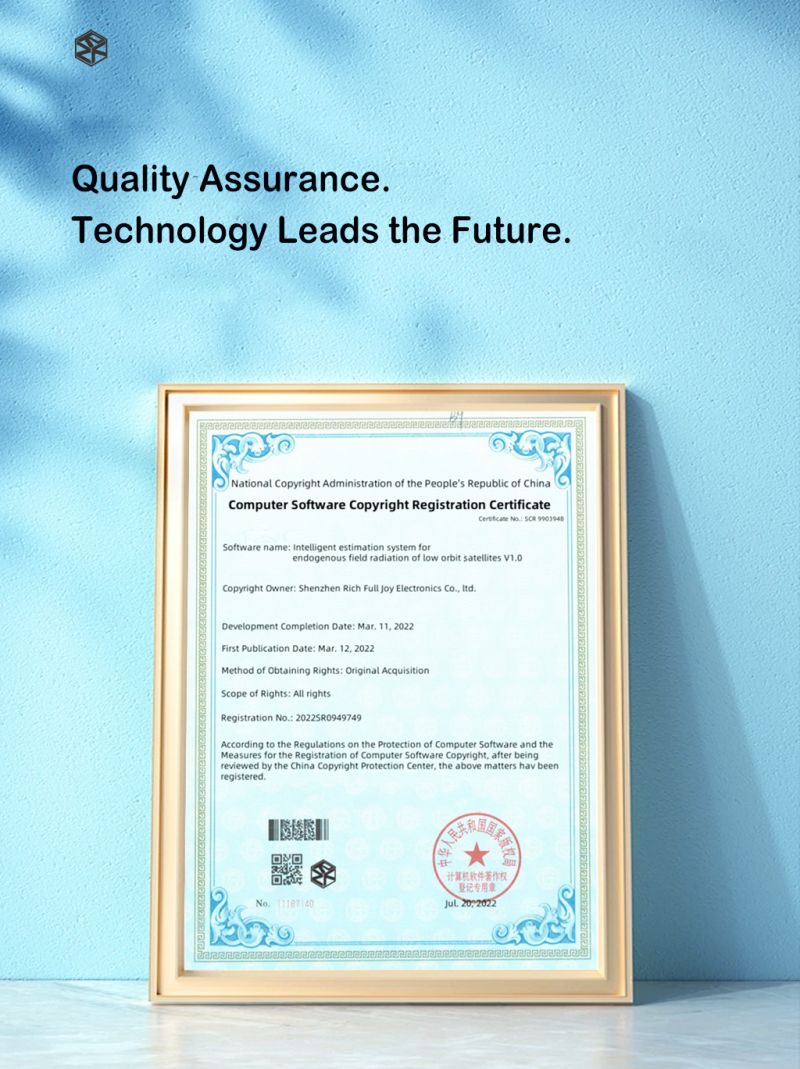
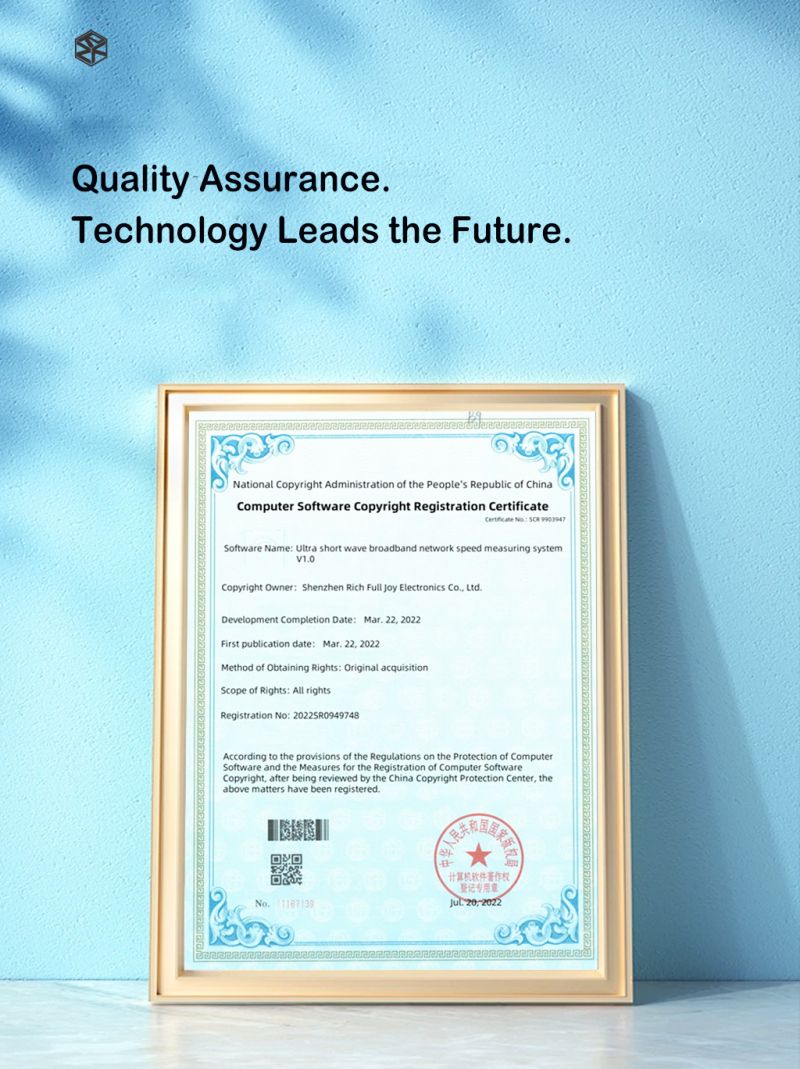
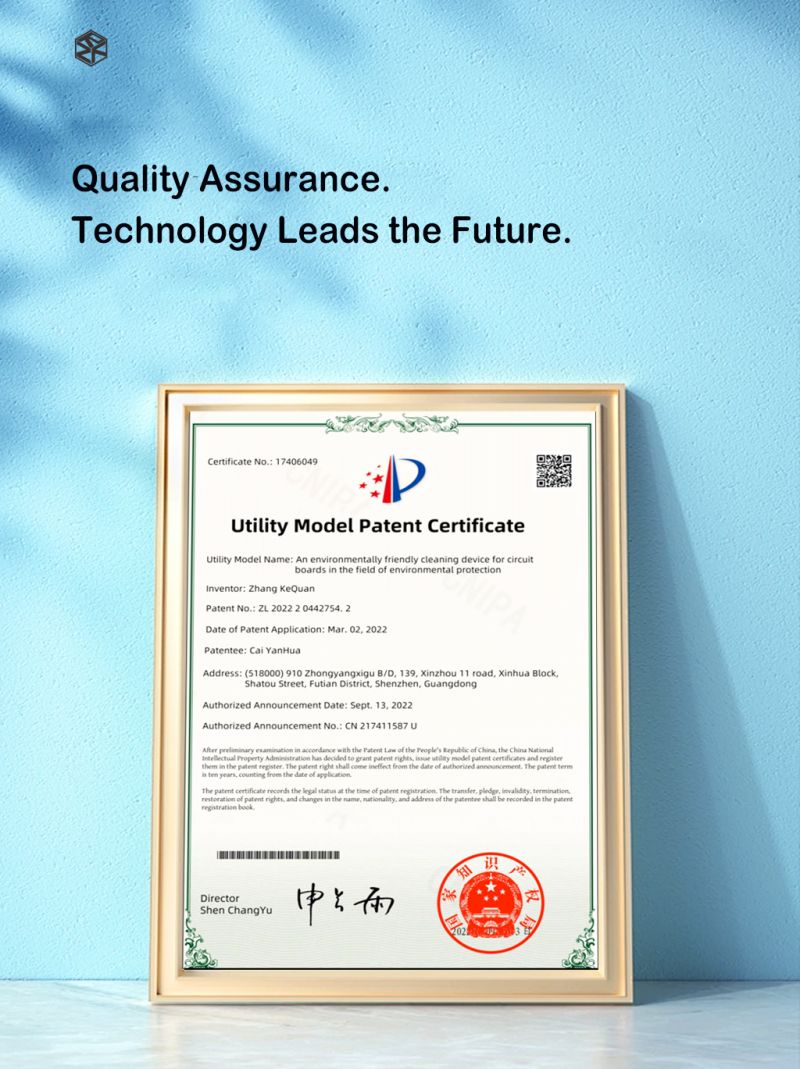
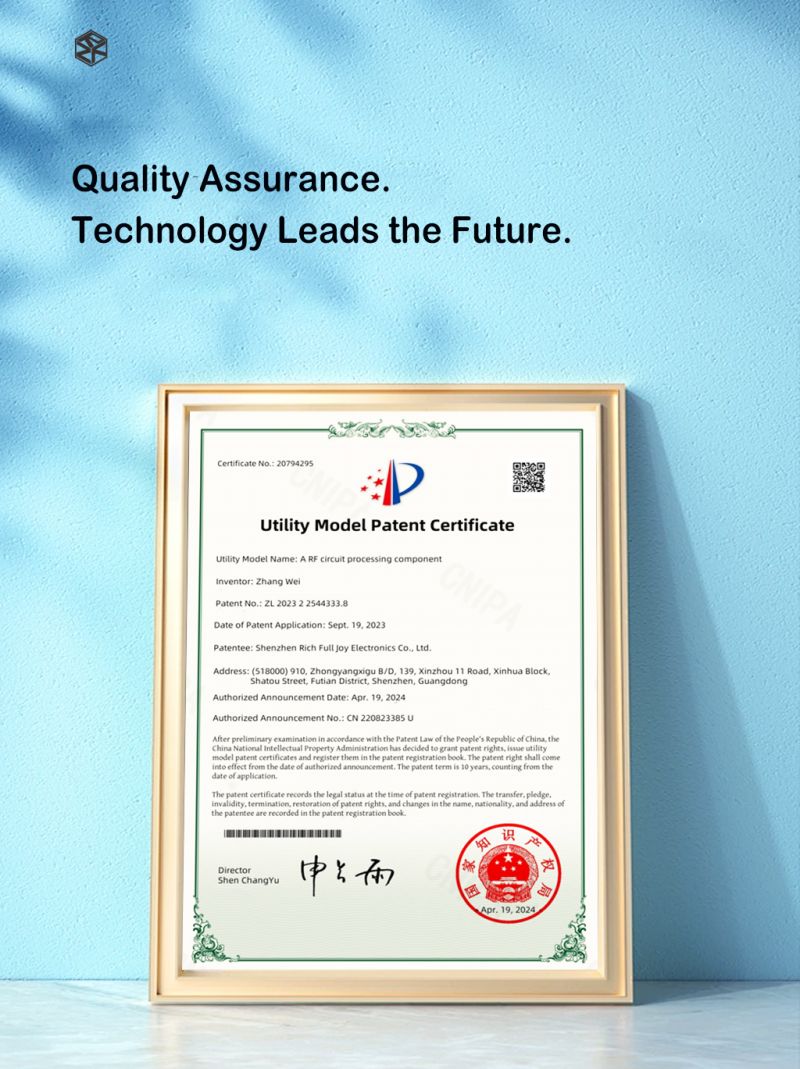
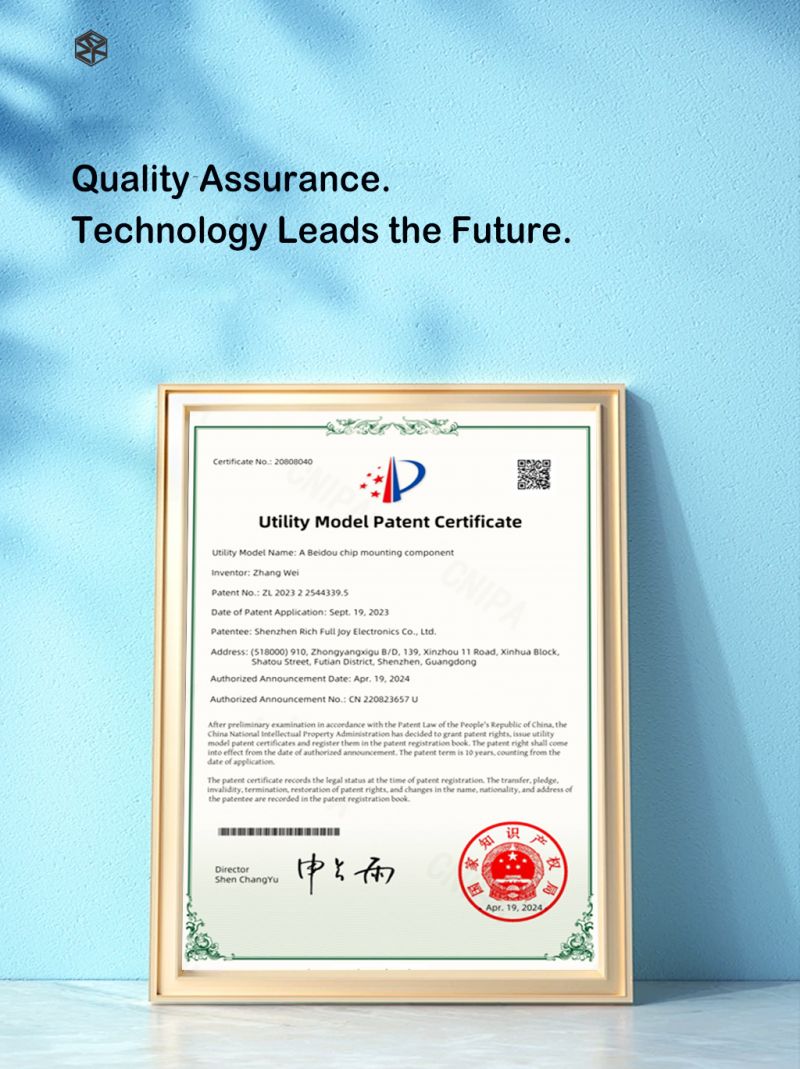
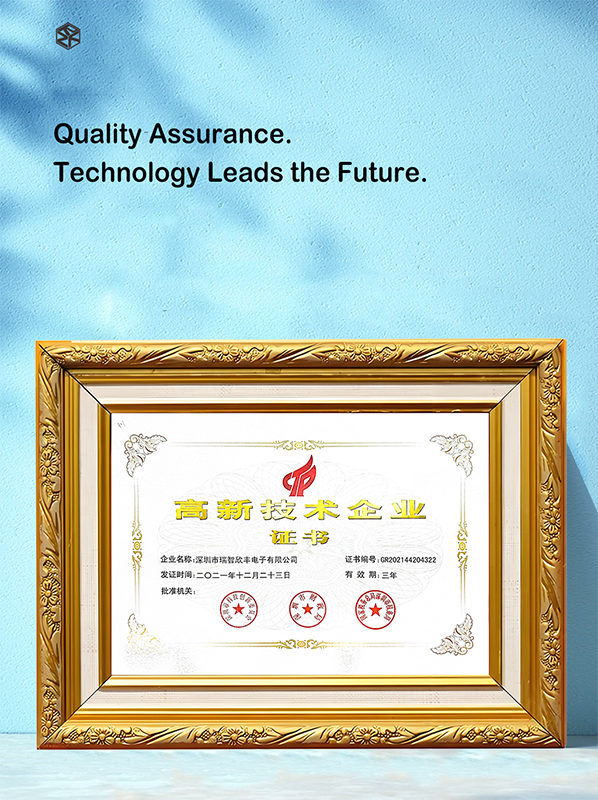
Technological innovation is the core competitiveness of enterprises. We have obtained multiple invention and utility model patents, and have passed various international standard certifications such as ISO9001, IATF16949, ISO14001, UL, CQC, REACH, RoHS, COC, as well as the GJB9001C-2017 standard certification for weapon and equipment quality management system.
We have provided high-quality and reliable products to multiple research institutions, universities, and assisted customers in identifying design issues and providing reasonable suggestions and processing parameters. We not only publish technical papers, but also actively participate in domestic and overseas technology exchange conferences to spread academic value and cutting-edge technological innovation. We regularly communicate with customers and strive to provide them with the best solutions.
Our intellectual property portfolio reflects deep R&D investment in high-frequency PCB, automotive radar, satellite navigation, and advanced manufacturing technologies.


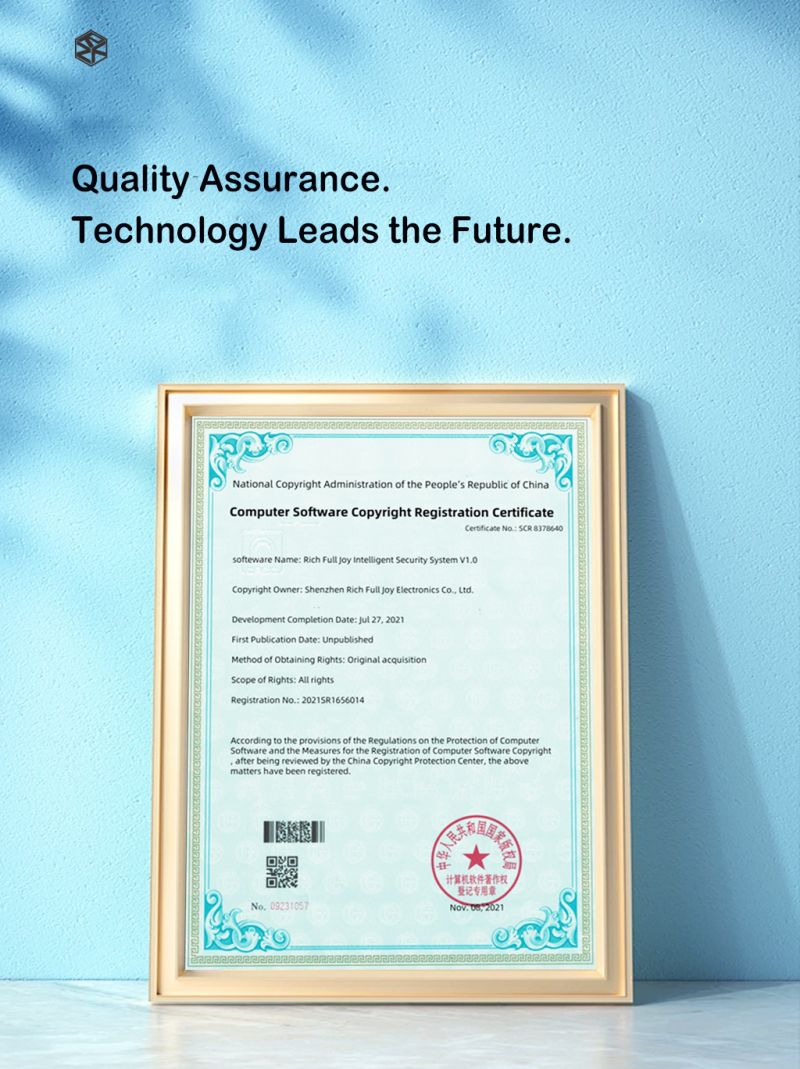
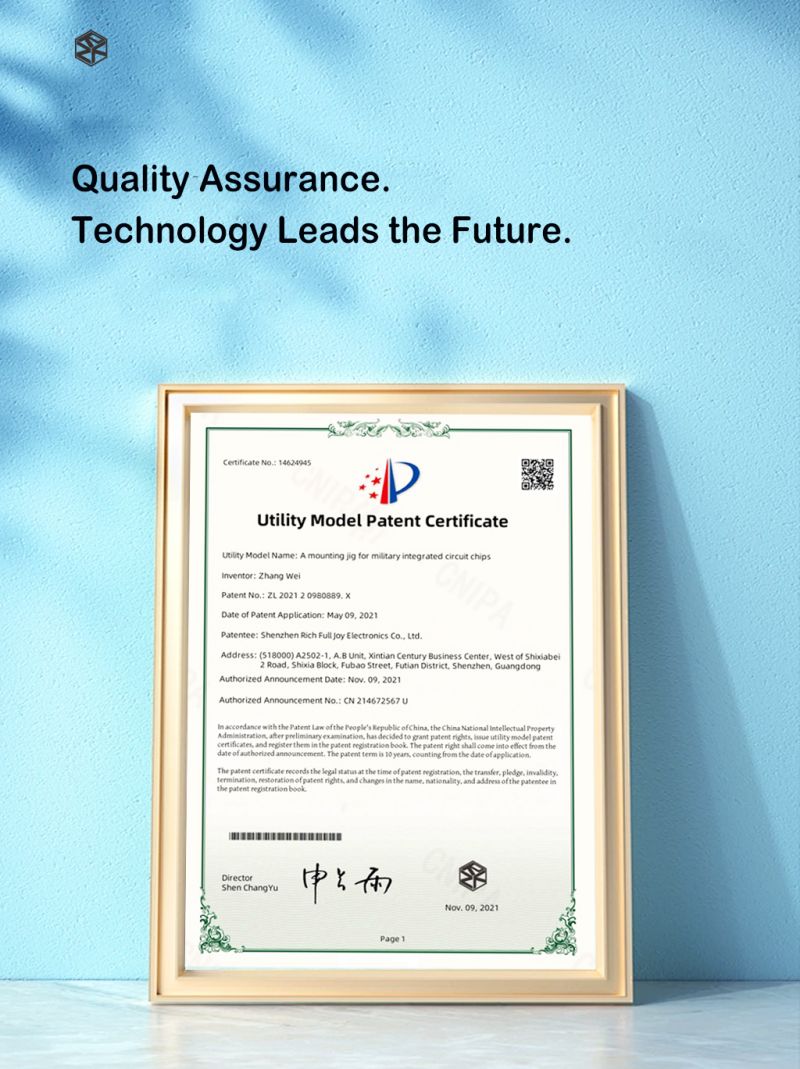
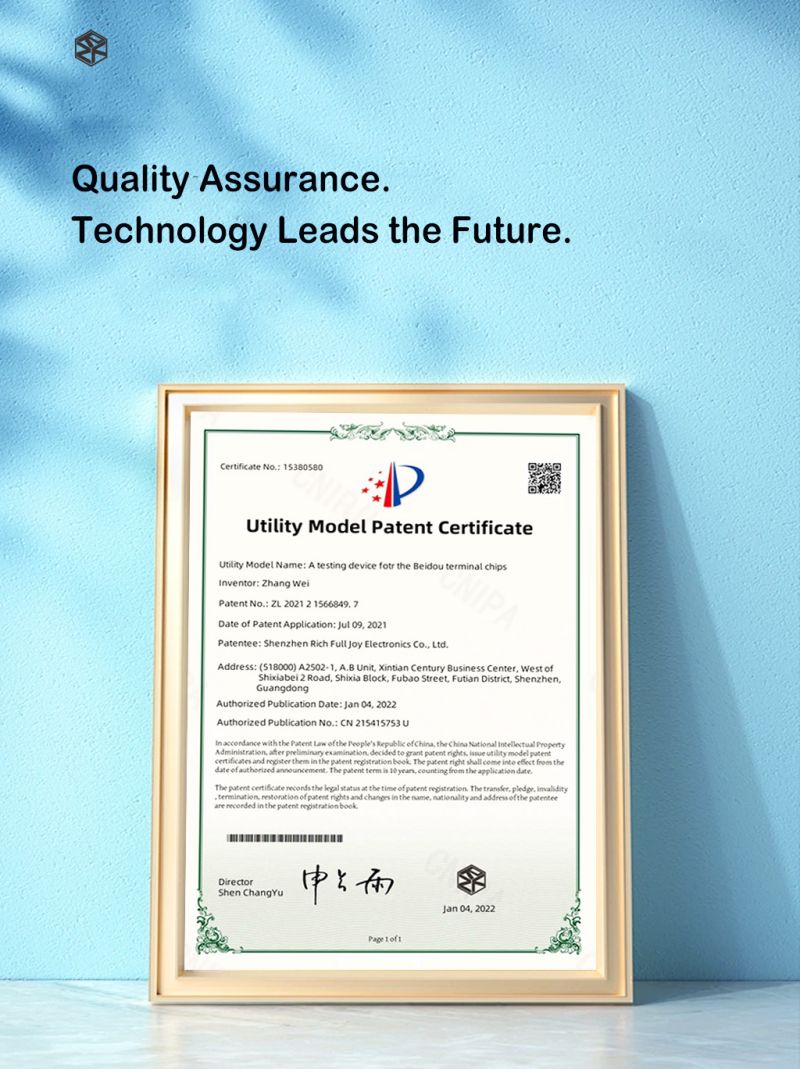
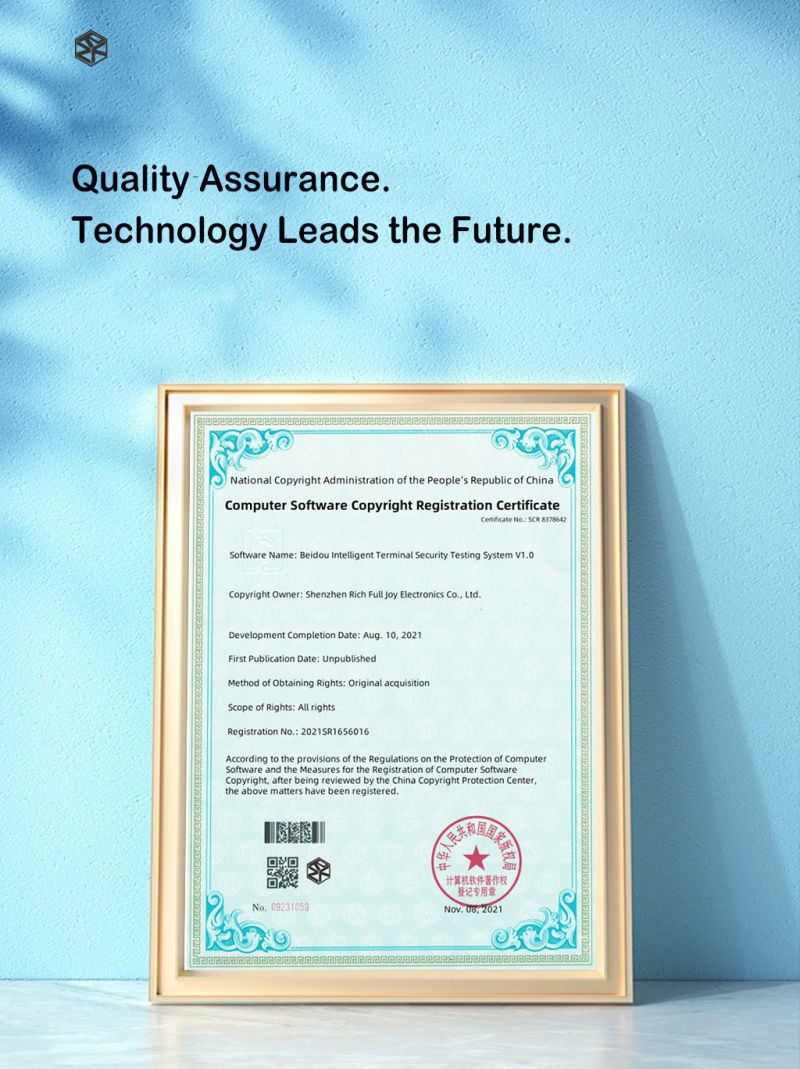
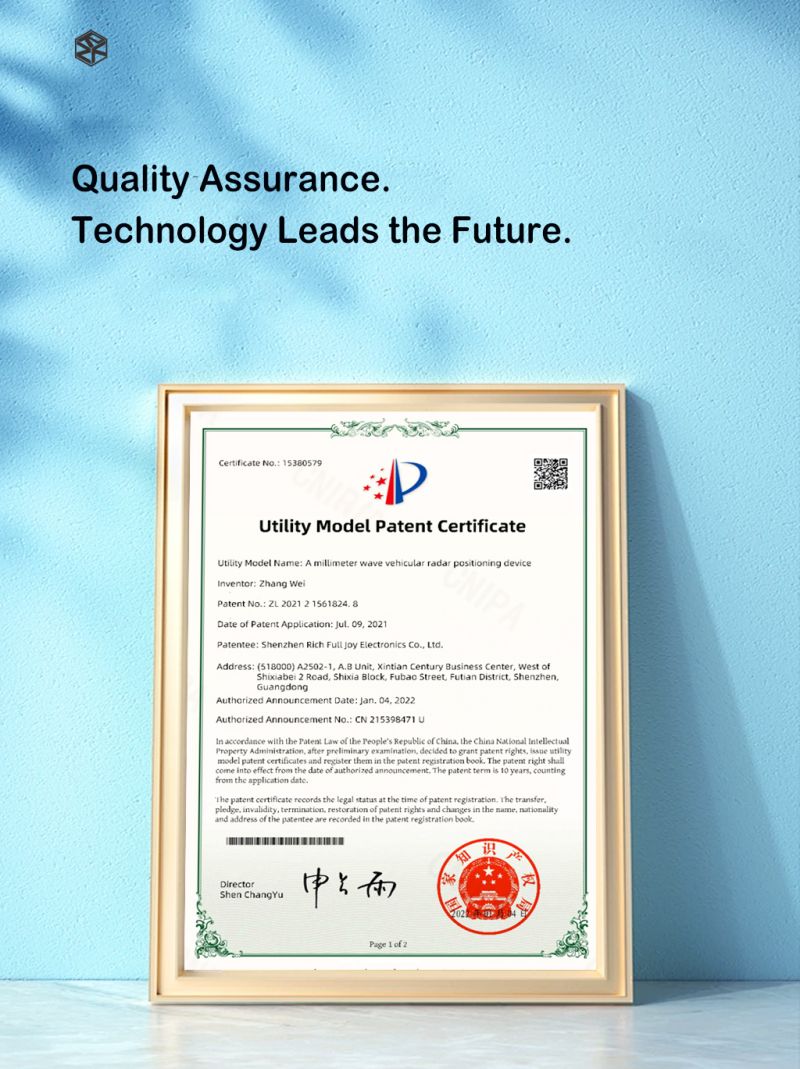
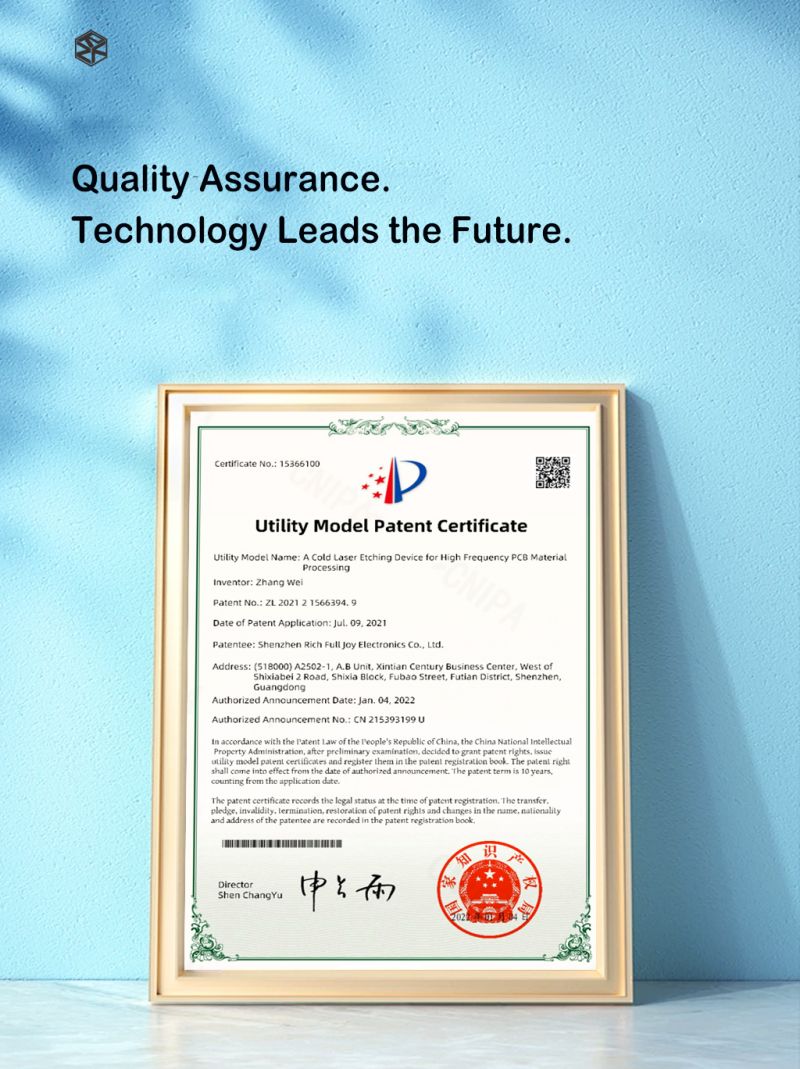
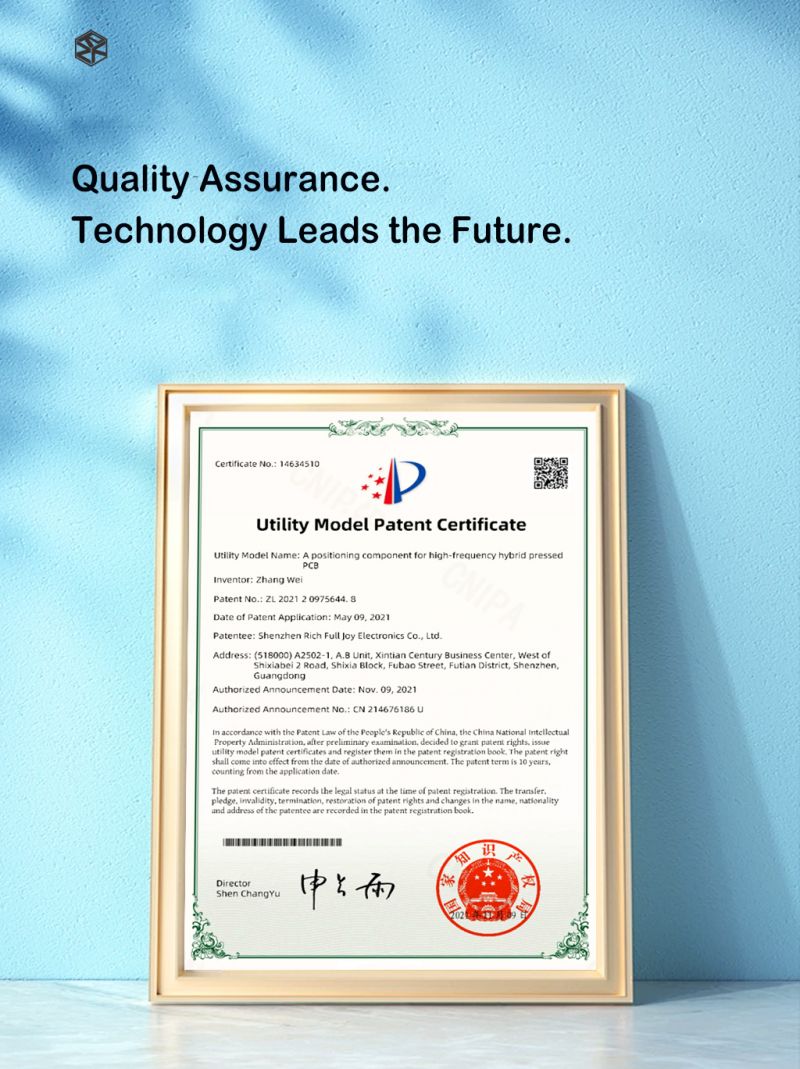
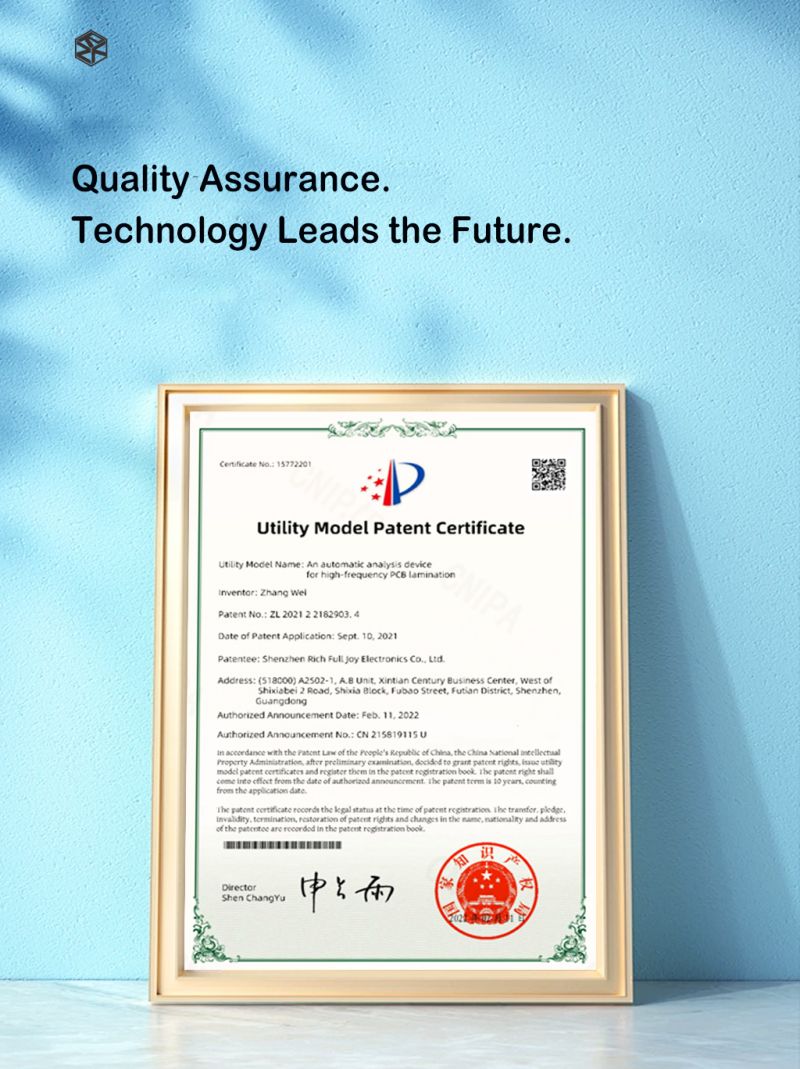
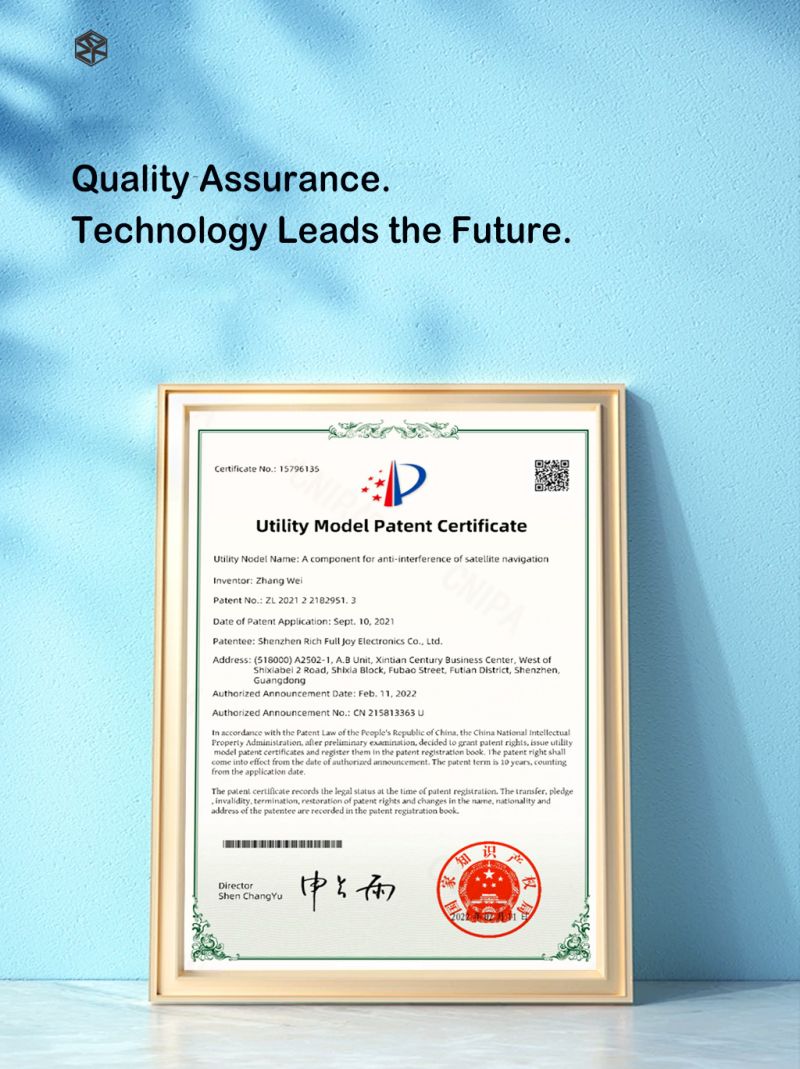
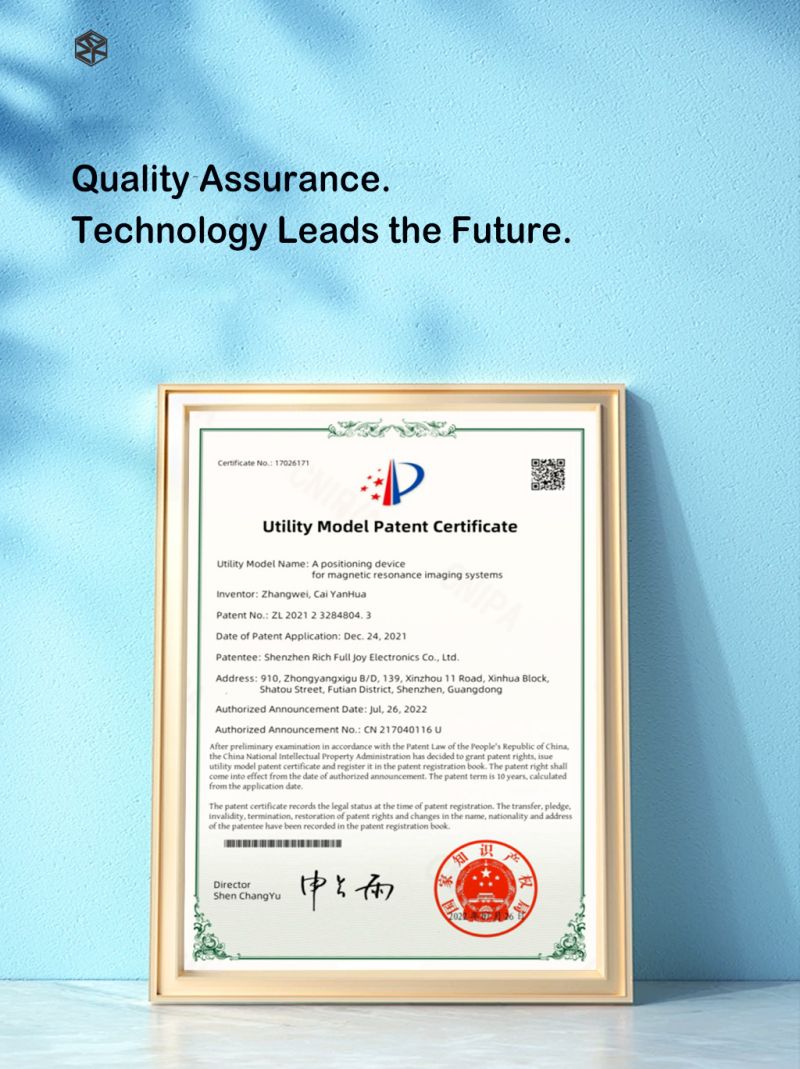
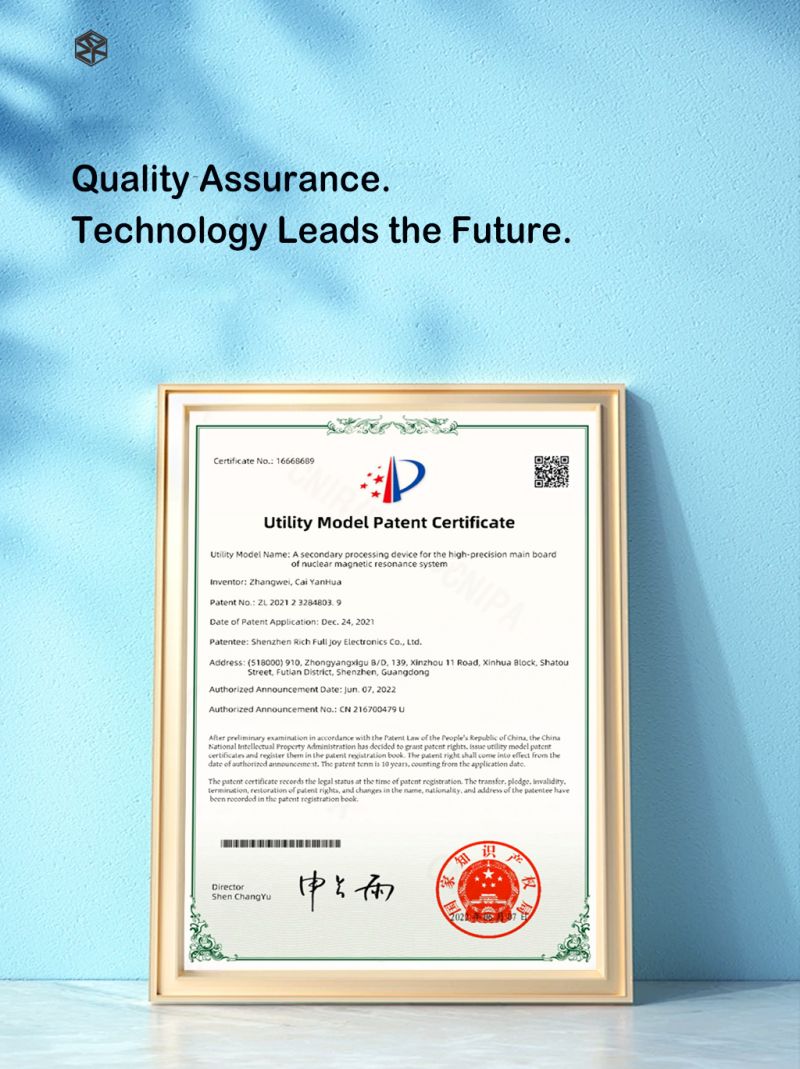


Explore our full portfolio of high-frequency, high-reliability PCB solutions engineered for autonomous vehicle sensor systems and advanced automotive applications.
HDI · IC Test
RF · Radar
High-Freq · Impedance
Hybrid · RF
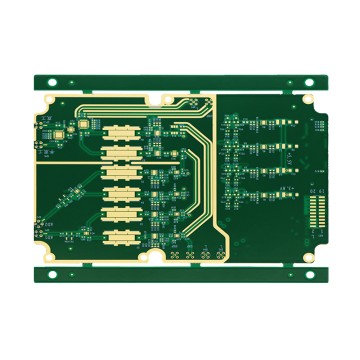 RO4350B · 6-Layer
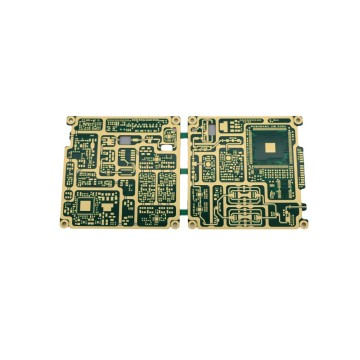 UWB · Synthesizer
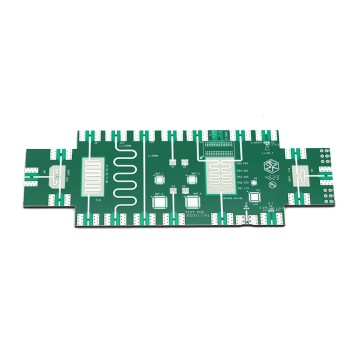 RO4350B · Factory
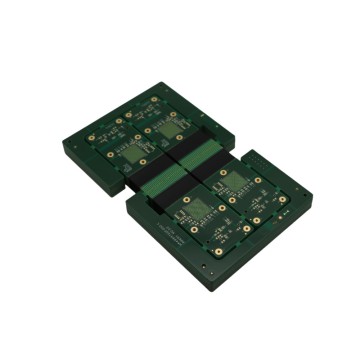 Rigid-Flex · HDI