

0102030405
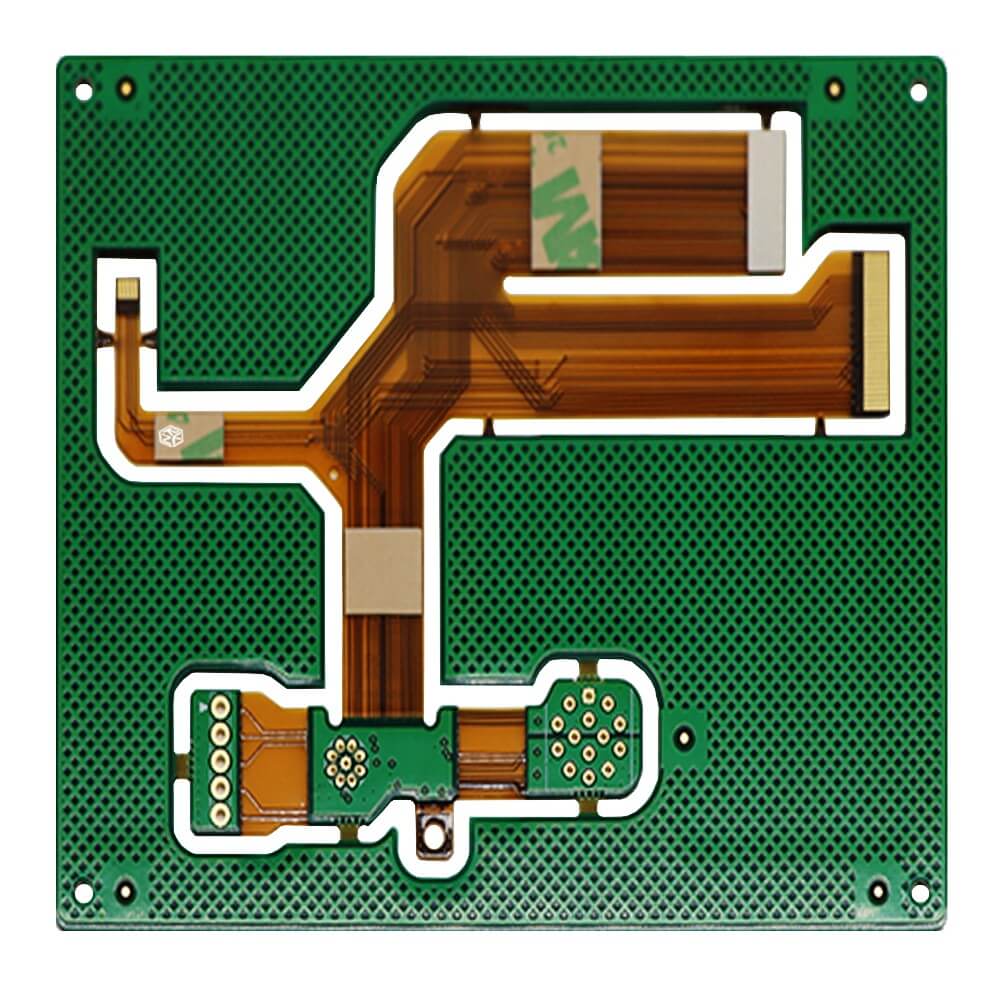
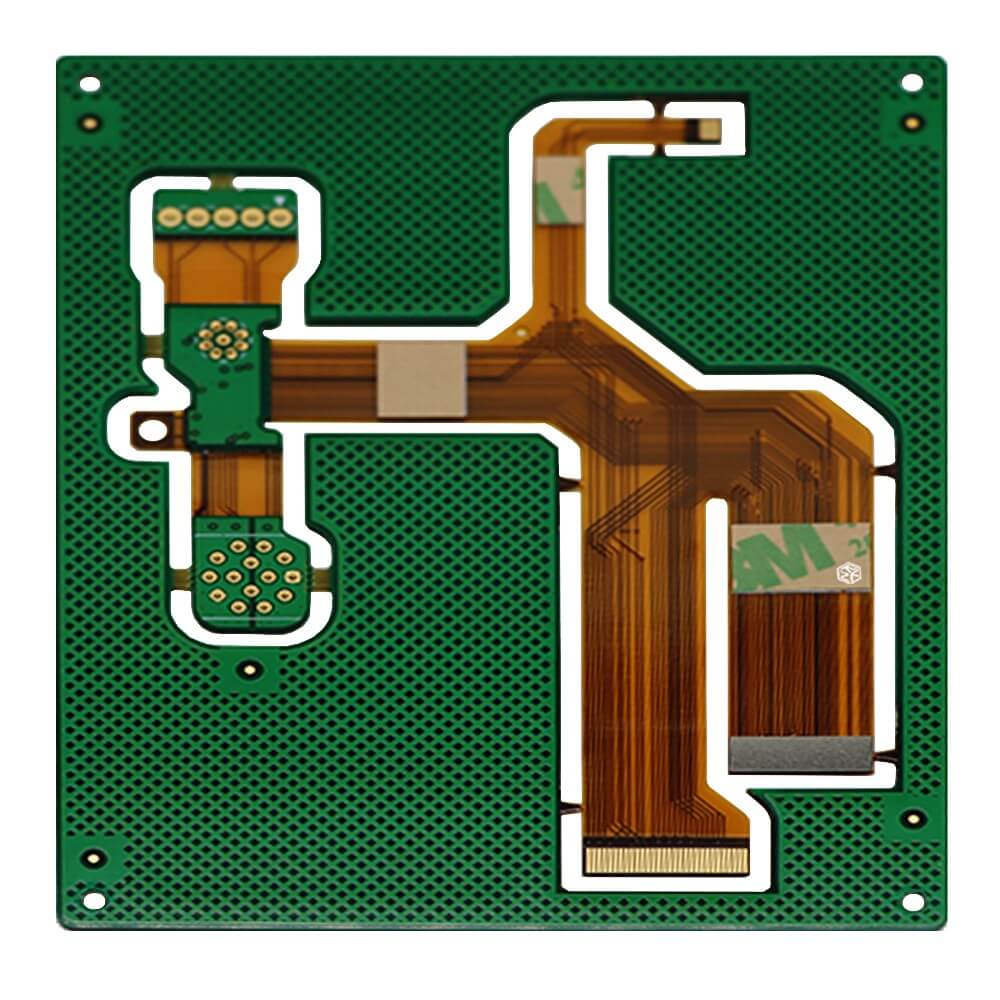
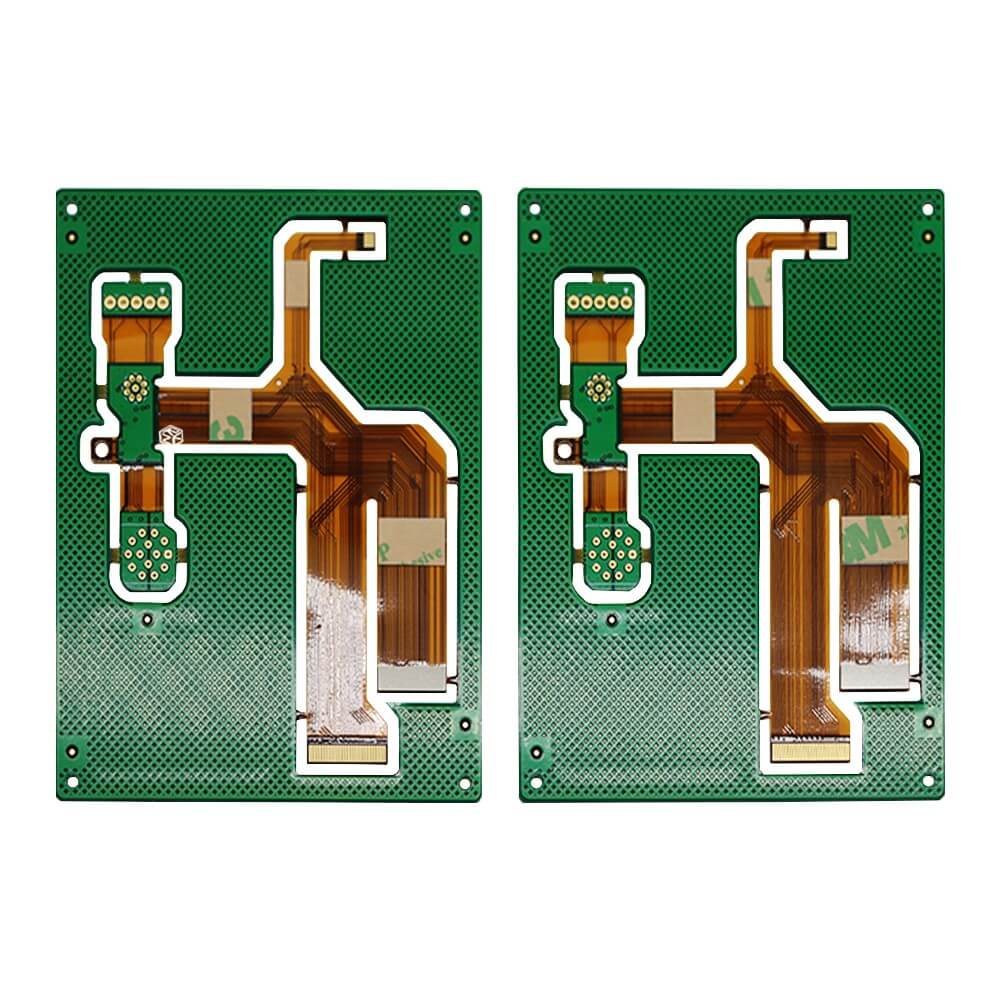
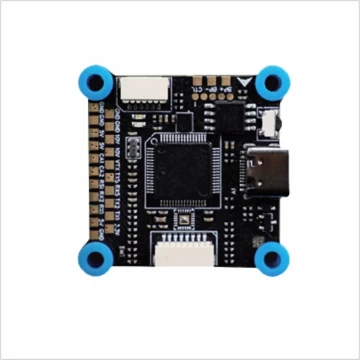
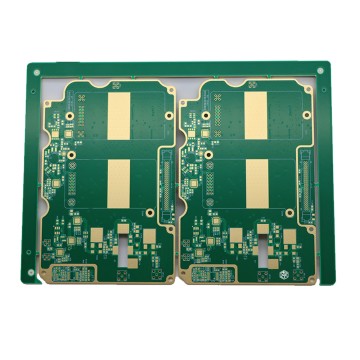
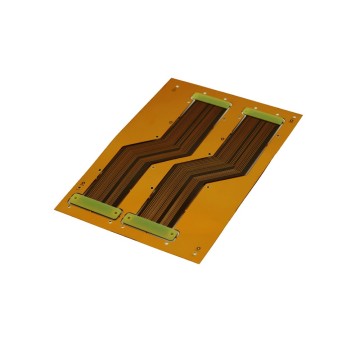
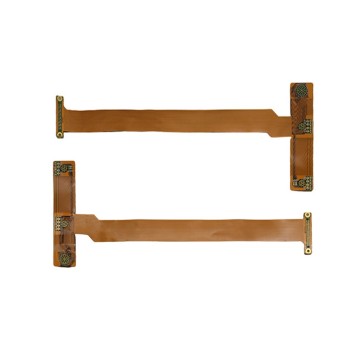
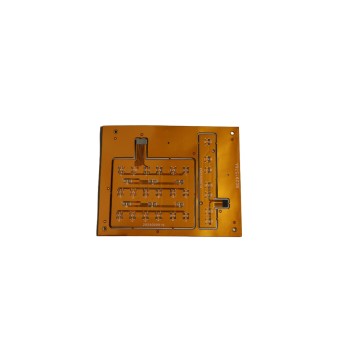
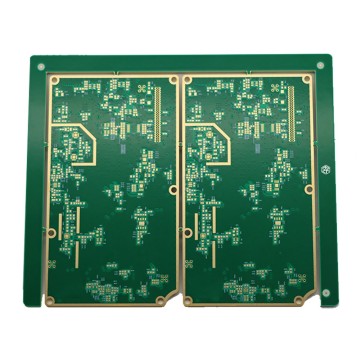
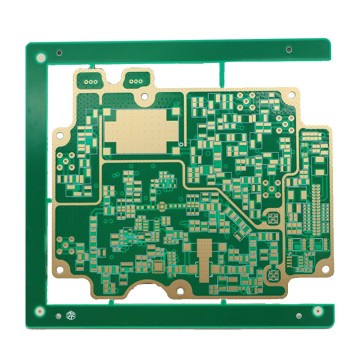
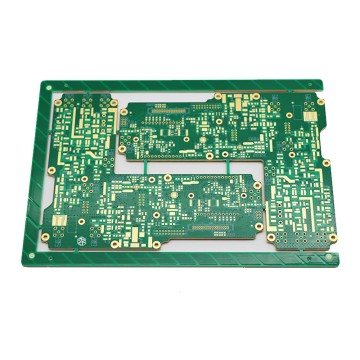
4-Layer Rigid-Flex PCB | High-Performance Flex Circuit Manufacturing


Design and Product Features
1. Material Selection1。
●Polyimide + FR-4 Combination – Provides both flexibility and structural support
●SYTECH SF202 – High-reliability material for enhanced durability
●TG320 Non-Adhesive Rolled Copper – Superior thermal and mechanical stability
2. Advanced Manufacturing Capabilities
●4-Layer Stack-up – Ensures excellent signal integrity and impedance control
●Non-Adhesive Construction – Reduces risk of delamination and enhances reliability
●Tight Bend Radius Support – Enables compact, foldable designs
●High-Temperature Resistance – Suitable for extreme environments
3. High-Reliability Design
●Improved Signal Integrity – Ideal for high-frequency and high-speed applications
●Lightweight & Space-Efficient – Reduces overall product weight and enhances miniaturization
●Shock and Vibration Resistance – Suitable for demanding applications
Key Design Considerations for Rigid-Flex PCBs
1.Flexible Region Design: Avoid sharp corners and use curved transitions to reduce stress concentration.
2.Layer Stackup Optimization: Carefully select Polyimide, FR-4, and non-adhesive rolled copper to enhance mechanical strength in the rigid-flex transition areas.
3.Via Placement: Avoid vias in flexible areas to prevent mechanical stress from damaging the plated through-holes.
4.Line Width & Spacing: Ensure precise impedance control to prevent signal integrity issues.
5.Bending Life Optimization: Reinforce critical areas with thicker copper or stiffeners to enhance durability.
6.Adhesive Layer Selection: Use adhesive-free bonding techniques to reduce thermal expansion mismatch and improve reliability.
7.EMI/EMC Control: Implement proper shielding layer designs to minimize electromagnetic interference risks.
8.Pad Design: Optimize pad size and shape to improve soldering reliability and prevent stress fractures.
9.Testing & Validation: Conduct bend cycle tests, impedance matching, and high-temperature aging tests to ensure long-term product stability.
10.Manufacturing Tolerance Control: Maintain strict laser cutting, drilling, and lamination tolerances to ensure batch-to-batch consistency.
Product Specifications
| Type | Multi-layer Rigid-Flex |
| Materia | SYTECH SF202、Polyimide+FR-4、TG320 non adhesive rolled copper |
| Number of layer | 4L |
| Board Thickness | 0.6mm |
| Single size | 91.65*68.81mm/1PCS |
| Surface finish | ENIG |
| Inner copper thickness | 35um |
| Outer copper thickness | 35um |
| Color of solder mask | green(GTS,GBS)+yellow coverlay |
| Silkscreen color | white(GTO,GBO) |
| Via treatment | Solder mask plug holes |
| Density of mechanical drilling hole | 3W/㎡ |
| Density of laser drilling hole | / |
| Min via size | 0.2mm |
| Min line width/space | 4/4mil |
| Aperture ratio | 3mil |
| Pressing times | 1 time |
| Drilling times | 1 time |
| PN | B0489515A |
China’s Leading Rigid-Flex PCB Manufacturer
As China’s top rigid-flex PCB manufacturer, we specialize in the design and production of high-quality rigid-flex circuit boards. With advanced laser cutting, automatic optical inspection (AOI), and X-ray testing, we ensure high precision, superior reliability, and excellent stability for applications in 5G communications, medical electronics, automotive electronics, aerospace, and wearable technology.
Rigid-Flex PCB Manufacturing Quality Control
To ensure top-tier performance, we implement strict quality control measures:
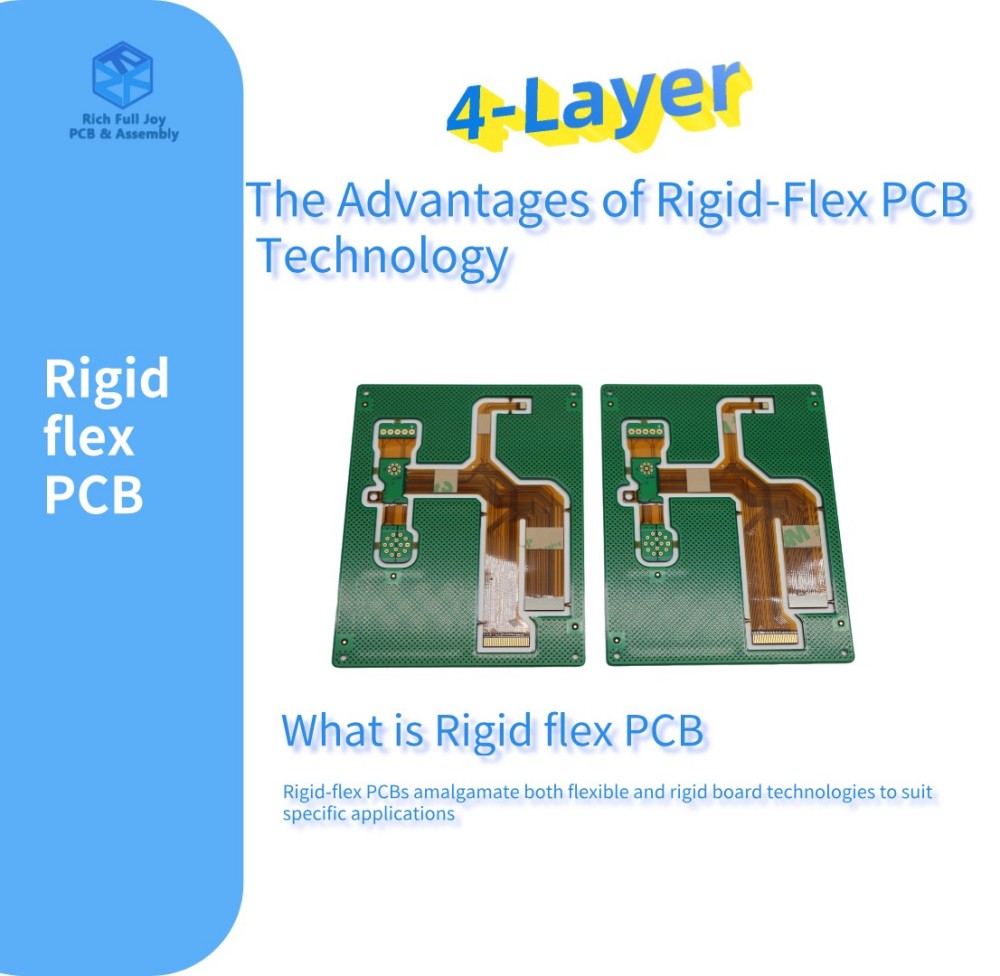
●Automated Optical Inspection (AOI) – Detects micro-defects in multilayer boards
●X-ray Inspection – Verifies alignment of hidden vias and inner-layer connections
●Electrical Testing – Ensures circuit continuity and insulation resistance
●Thermal Stress Testing – Simulates real-world conditions for reliability assessment
FAQ – Frequently Asked Questions
1. What is a rigid-flex PCB?
A rigid-flex PCB combines both rigid and flexible sections in a single board, eliminating the need for connectors and improving space efficiency.
2. What are the benefits of using rigid-flex PCBs?
●Compact design – Reduces component count and assembly time
●Enhanced durability – Withstands mechanical stress and environmental factors
●Improved reliability – Eliminates connectors, reducing failure points
3. What materials are used in rigid-flex PCB manufacturing?
We use Polyimide, FR-4, SYTECH SF202, and TG320 non-adhesive rolled copper to ensure high flexibility, heat resistance, and mechanical strength.
4. What industries benefit most from rigid-flex PCBs?
Industries such as aerospace, medical, automotive, consumer electronics, and industrial automation utilize rigid-flex PCBs for their high-reliability needs.
5. What is the lifespan of a rigid-flex PCB?
With proper design and manufacturing, rigid-flex PCBs can last over 10 years, even in harsh environments.
6. What factors affect the cost of rigid-flex PCBs?
●Layer count
●Material selection
●Complexity of the design
●Manufacturing process
7. How do you ensure quality in rigid-flex PCB production?
We use rigorous quality control measures, including AOI, X-ray, electrical testing, and thermal stress testing, to guarantee reliability.
8. Can rigid-flex PCBs handle high-speed signals?
Yes, rigid-flex PCBs are designed for high-speed signal transmission, making them ideal for 5G, radar, and high-frequency applications.
9. What surface finishes are available for rigid-flex PCBs?
Options include ENIG, Immersion Silver, OSP, and Hard Gold plating for superior solderability and longevity.
Applications of Rigid-Flex PCBs in Advanced Electronics
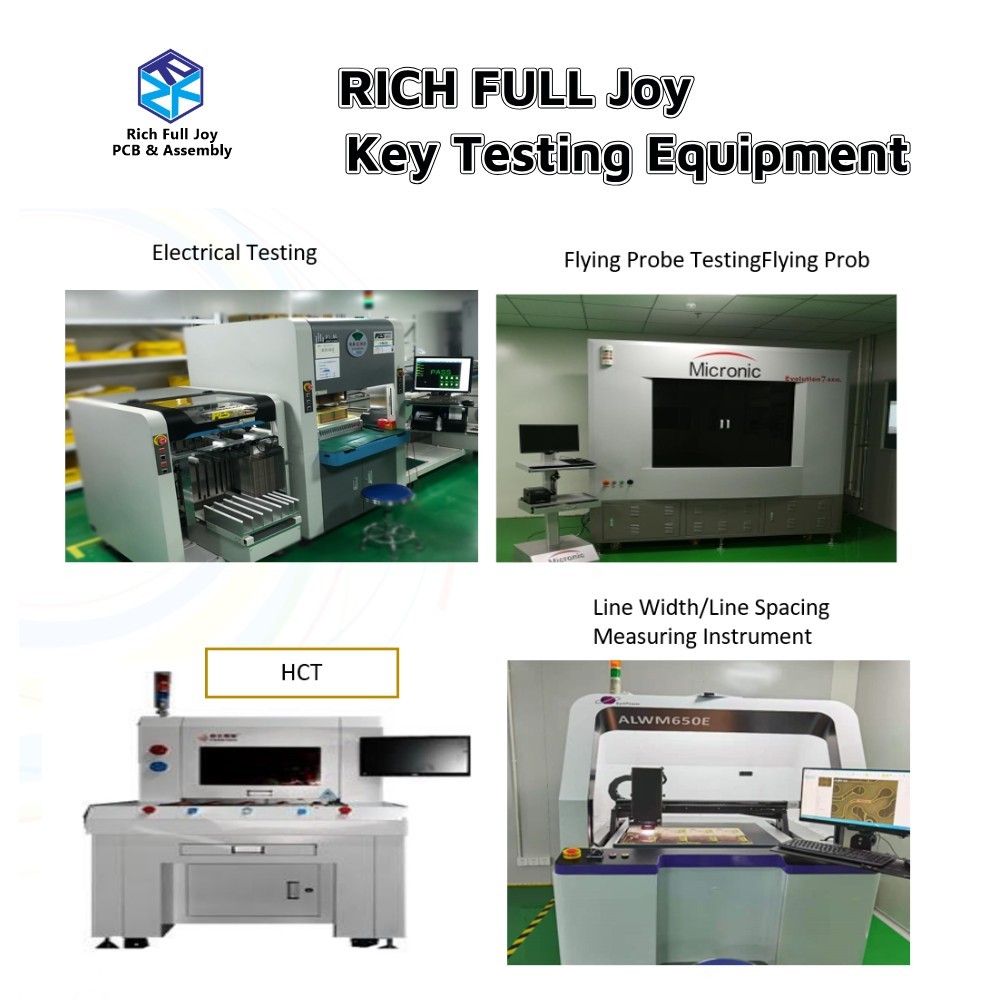
Rigid-flex PCBs combine the durability of rigid PCBs with the flexibility of flex circuits, making them ideal for compact, high-reliability, and high-performance applications. Their ability to reduce interconnects, minimize assembly complexity, and withstand harsh environments makes them indispensable in aerospace, medical, military, telecommunications, automotive, and consumer electronics industries.
1. Aerospace & Defense
Rigid-flex PCBs are widely used in aerospace and defense applications due to their high reliability, lightweight design, and ability to endure extreme environmental conditions.
● Flight Control Systems: Used in avionics systems for flight navigation, autopilot controls, and black boxes.
● Radar & Satellite Communication: Essential for phased-array radar systems, GPS, and space exploration technology.
● Military Wearable Electronics: Integrated into soldier communication systems, smart helmets, and surveillance equipment.
● Missile Guidance Systems: Enables precise control in harsh environments where vibration and high G-forces exist.
2. Medical Devices & Healthcare Technology
Medical electronics require compact, flexible, and highly reliable PCBs that can function in life-critical applications.
● Implantable Medical Devices: Used in pacemakers, defibrillators, and neurostimulators due to their bio-compatibility and durability.
● Wearable Health Monitors: Found in fitness bands, ECG monitors, and glucose monitoring patches.
● Medical Imaging Systems: Rigid-flex PCBs enable high-precision imaging in MRI, CT scanners, and ultrasound machines.
● Surgical Robotics: Powering minimally invasive robotic surgical equipment for precise movement and real-time feedback.
3. Automotive Electronics & Electric Vehicles (EVs)
With the rise of smart vehicles and electric mobility, rigid-flex PCBs play a critical role in modern automotive electronics.
● Advanced Driver Assistance Systems (ADAS): Used in LiDAR, radar sensors, and parking assistance systems.
● In-Vehicle Infotainment (IVI) Systems: Ensures seamless connectivity in digital dashboards, touch screens, and GPS modules.
● Battery Management Systems (BMS): Helps regulate power flow and temperature control in electric and hybrid vehicles.
● Head-Up Displays (HUDs): Provides real-time navigation and vehicle diagnostics in augmented reality HUDs.
4. Telecommunications & 5G Technology
The high-frequency transmission capability of rigid-flex PCBs makes them ideal for 5G base stations, data centers, and high-speed networking.
● 5G Antennas & RF Modules: Used in MIMO antennas, mmWave transceivers, and RF front-end modules for seamless connectivity.
● Data Centers & Optical Transceivers: Enables high-speed signal processing and reduced latency in cloud computing environments.
● Satellite Communication Systems: Provides high-reliability connections in low-Earth orbit (LEO) satellite networks.
5. Consumer Electronics & Wearable Devices
Modern wearable technology and IoT (Internet of Things) devices demand ultra-thin, lightweight, and flexible PCBs.
● Smartwatches & Fitness Trackers: Enables advanced sensor integration in compact devices.
● AR/VR Headsets: Provides seamless connectivity for immersive gaming and virtual training applications.
● Foldable & Flexible Displays: Essential in next-generation smartphones, tablets, and e-readers.
● Smart Home Devices: Used in IoT automation systems, smart thermostats, and security cameras.
6. Industrial & Robotics Applications
Automation and Industry 4.0 require rugged, high-performance rigid-flex PCBs that can handle high-speed data processing and machine control.
● Industrial Robots & Cobots: Powering precision movement in robotic arms for manufacturing, assembly lines, and warehouse automation.
● IoT Sensors & Edge Computing: Enabling real-time data collection and AI-driven analytics in smart factories.
● Drone & UAV Systems: Provides lightweight, high-reliability connectivity in unmanned aerial vehicles (UAVs) for industrial and commercial use.
Why Choose Our Rigid-Flex PCBs?
As China’s leading rigid-flex PCB manufacturer, we offer:
● High-quality materials: SYTECH SF202, Polyimide + FR-4, TG320 non-adhesive rolled copper.
● Advanced manufacturing processes: Laser drilling, automated optical inspection (AOI), and X-ray testing.
● Superior flexibility & durability: Ideal for high-reliability applications in extreme environments.
● Custom designs & prototypes: Tailored rigid-flex circuit solutions for aerospace, medical, and 5G applications.
Let us help you achieve higher reliability, reduced assembly costs, and enhanced performance with China’s best rigid-flex PCB solutions!