Leave Your Message
-
E-mail
-
Whatsapp
-
Message
Precision-engineered PCB assemblies powering America's most demanding applications — from smart grid infrastructure to AI-driven medical devices.
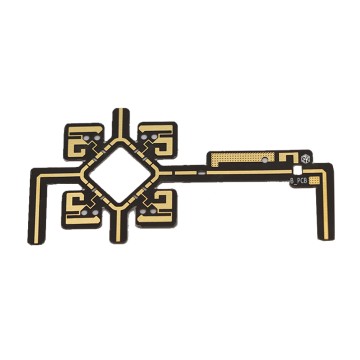
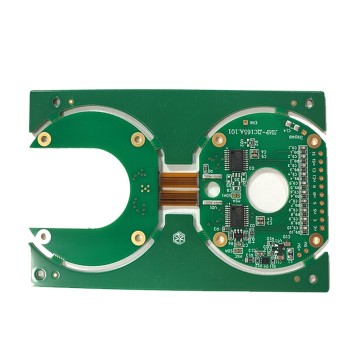
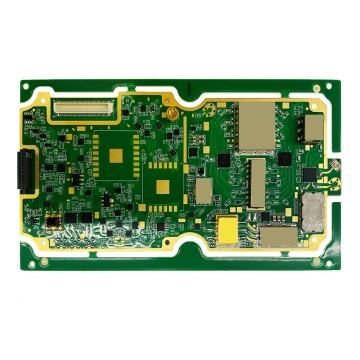
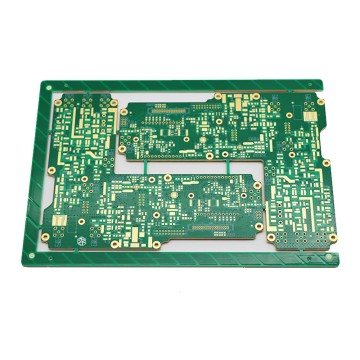
The U.S. PCB and assembly board market is one of the most dynamic in the world, driven by surging demand in defense, healthcare, automotive, and next-generation communications.
The U.S. defense sector accounts for a significant share of domestic PCB demand. Military-grade assembly boards must meet stringent MIL-PRF-31032 and IPC Class 3 standards, driving innovation in high-reliability manufacturing.
From FDA-regulated diagnostic imaging to wearable health monitors, American medical device OEMs require ultra-reliable PCB assemblies with traceability, biocompatibility, and compliance with ISO 13485 standards.
With nationwide 5G rollout accelerating, U.S. telecom giants need high-frequency RF and mmWave PCBs capable of handling multi-gigabit data rates with minimal signal loss across base stations and edge nodes.
The electric vehicle boom in states like California, Texas, and Michigan is fueling demand for IATF16949-certified automotive-grade PCB assemblies used in battery management systems, ADAS, and in-vehicle infotainment.
U.S. utilities are modernizing grid infrastructure with advanced metering, power line communication boards, and IoT-enabled monitoring systems, creating strong demand for specialized assembly boards.
American manufacturers are rapidly adopting Industry 4.0 technologies. High-density HDI boards and rigid-flex assemblies are essential components in robotic systems, AI accelerators, and smart factory equipment.
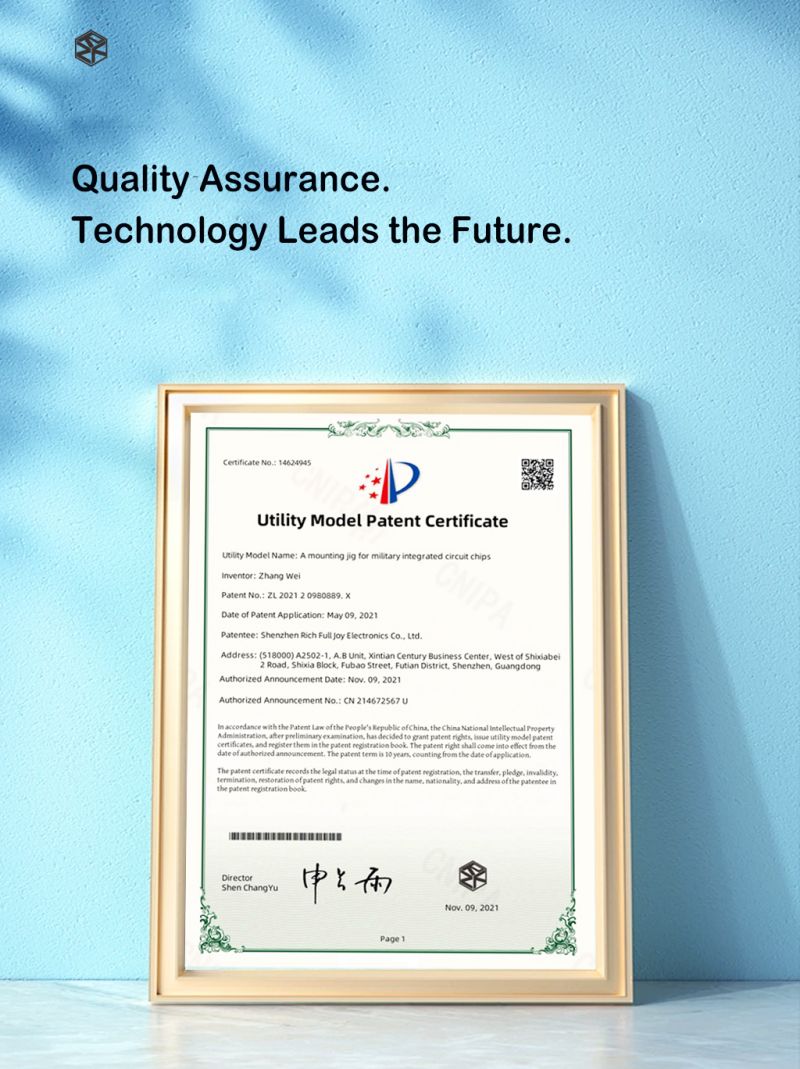
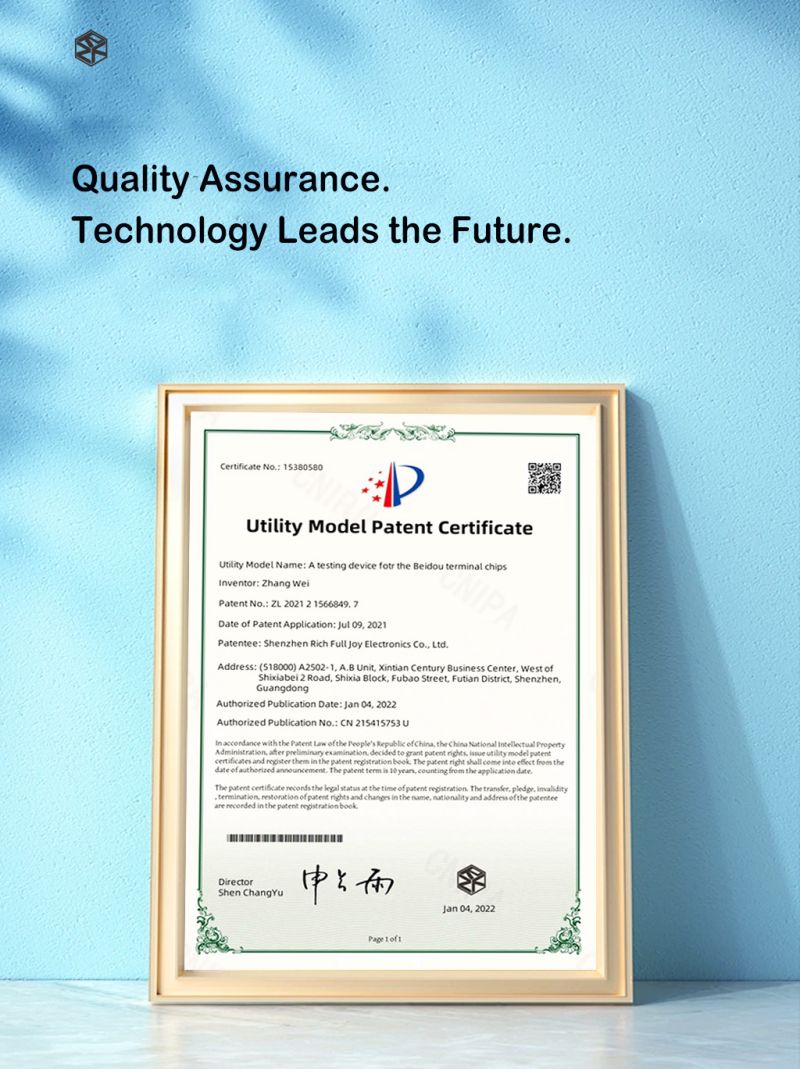
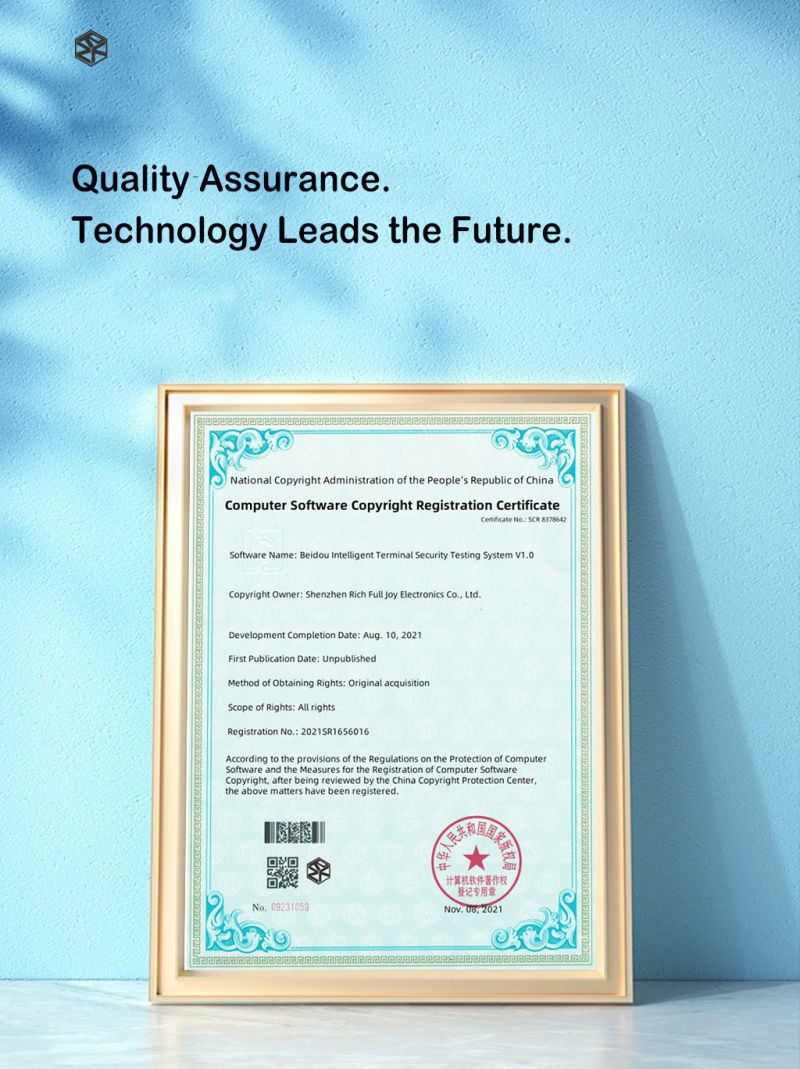
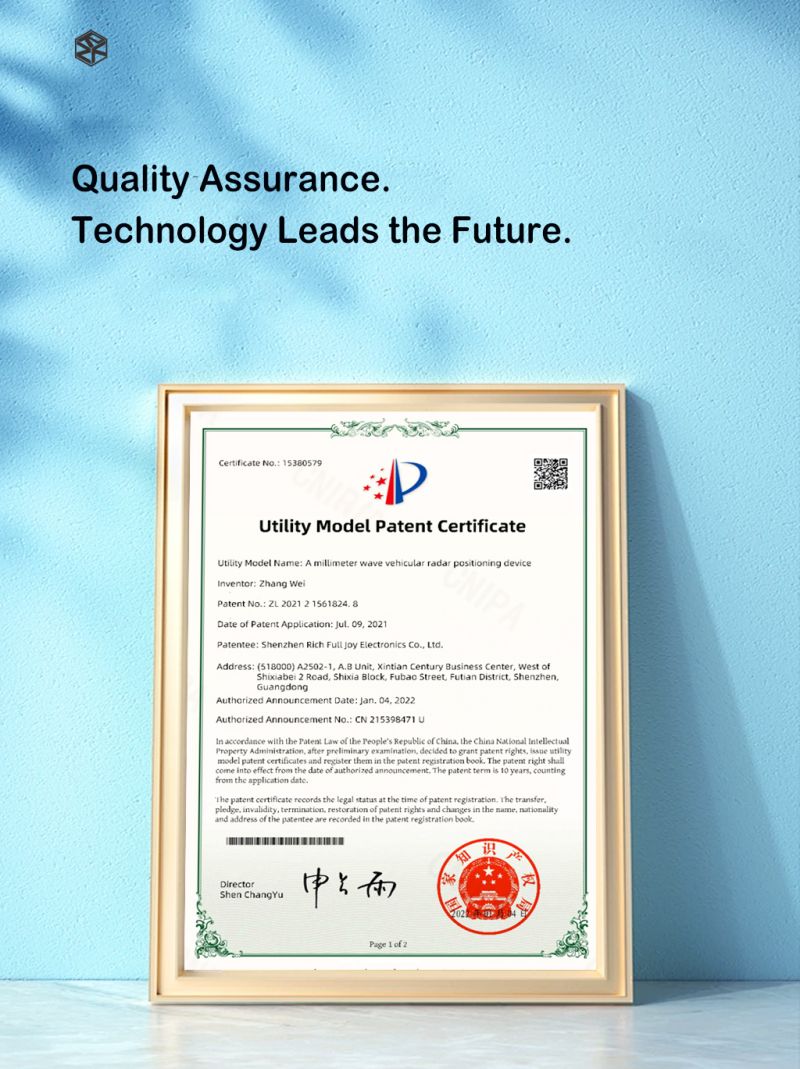
Based in China and looking at the global market, Shenzhen Rich Full Joy Electronics Co., Ltd. has been committed to industry development for 20 years. The company is a national high-tech innovative enterprise that combines focus and expertise. It's also an important enterprise incubation base in China.
We specialize in providing customers with one-stop intelligent electronic manufacturing services, including scientific research, PCB design, PCB manufacturing, PCB assembly (including SMT, DIP, Programming and testing) and component selection.
We've provided high-quality and reliable products to multiple research institutions, universities, and assisted customers in identifying design issues and providing reasonable suggestions and processing parameters. We not only publish technical papers, but also actively participate in domestic and overseas technology exchange conferences to spread academic value and cutting-edge technological innovation. We regularly communicate with customers and strive to provide them with the best solutions.
The American PCB assembly landscape is undergoing rapid transformation. Here are the key trends shaping the future of this critical industry.
Following supply chain disruptions, the U.S. government's CHIPS and Science Act and IPC's advocacy have spurred a reshoring movement. American OEMs are increasingly partnering with certified global manufacturers who can guarantee quality, traceability, and on-time delivery to reduce dependency on fragile single-source supply chains.
As U.S. consumer electronics, wearables, and IoT devices shrink in size but grow in functionality, HDI PCB technology — featuring microvias, blind vias, and buried vias — is becoming the standard. American tech hubs in Silicon Valley, Austin, and Boston are at the forefront of this shift.
U.S. assembly board factories are integrating AI-powered optical inspection (AOI), machine learning defect detection, and digital twin simulations to achieve near-zero defect rates. This technological edge is becoming a key differentiator for suppliers serving American aerospace and defense prime contractors.
The U.S. medical device and wearable technology sectors are driving explosive growth in flexible and rigid-flex PCB assemblies. Devices such as implantable sensors, AR/VR headsets, and portable diagnostics require boards that conform to complex shapes while maintaining signal integrity.
Environmental compliance is no longer optional in the U.S. market. RoHS, REACH, and increasingly stringent EPA regulations are pushing assembly board manufacturers to adopt lead-free soldering, halogen-free laminates, and closed-loop water recycling systems in production facilities.
The FCC's spectrum allocation for 5G NR in the 24–100 GHz mmWave bands is creating unprecedented demand for Rogers RO4350B, RO3003, and PTFE-based high-frequency PCBs. U.S. telecom infrastructure build-outs from carriers like Verizon, AT&T, and T-Mobile are accelerating this trend significantly.
From initial design consultation to final testing and delivery, we provide a seamless, fully integrated manufacturing experience tailored for U.S. clients.
Engineering team reviews your Gerber files and provides DFM feedback to optimize manufacturability.
We source genuine components from authorized distributors, ensuring full traceability and anti-counterfeit verification.
Multi-layer, HDI, rigid-flex, and high-frequency boards manufactured to IPC Class 2/3 standards.
High-speed SMT lines and precision DIP soldering for complete board population with full traceability.
100% AOI, X-ray inspection for BGA, ICT, functional testing, and burn-in testing as required.
Reliable logistics to all 50 states with full documentation, customs compliance, and real-time tracking.
Our assembly boards are deployed in critical U.S. infrastructure and cutting-edge technology applications from coast to coast.
Power line communication boards and IoT sensor assemblies are integral to smart traffic management, intelligent street lighting, and environmental monitoring systems deployed in major U.S. metropolitan areas.
Rigid-flex PCBs and high-reliability assemblies power MRI machines, portable ultrasound devices, robotic surgery systems, and patient monitoring equipment used in hospitals from Mayo Clinic to Johns Hopkins.
Military-grade PCBA assemblies meeting MIL-SPEC standards are supplied for ballistic guidance systems, secure communications equipment, and satellite navigation modules used by U.S. defense contractors and government agencies.
With California mandating zero-emission vehicles by 2035, assembly boards for EV battery management systems (BMS), onboard chargers, and DC fast-charging stations are in enormous demand across the Sunbelt and Pacific Coast.
High-frequency Rogers-material PCBs are deployed in 5G small cell base stations across urban corridors in San Francisco, Seattle, and New York, enabling ultra-low latency communications for autonomous vehicles and smart devices.
Flexible PCB assemblies power GPS-guided agricultural drones, soil sensors, and automated irrigation controllers used across the Midwest's vast agricultural regions, boosting crop yields and reducing resource waste.
A testament to our relentless pursuit of technological innovation — recognized by international standards bodies and intellectual property authorities worldwide.
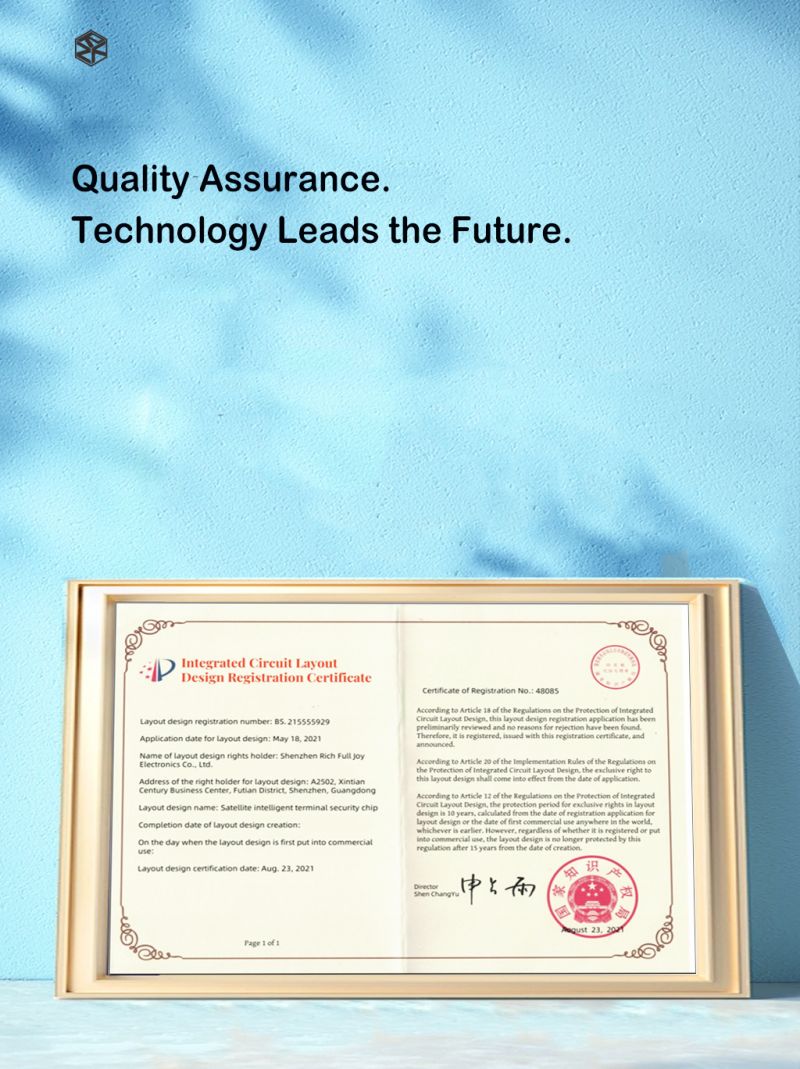
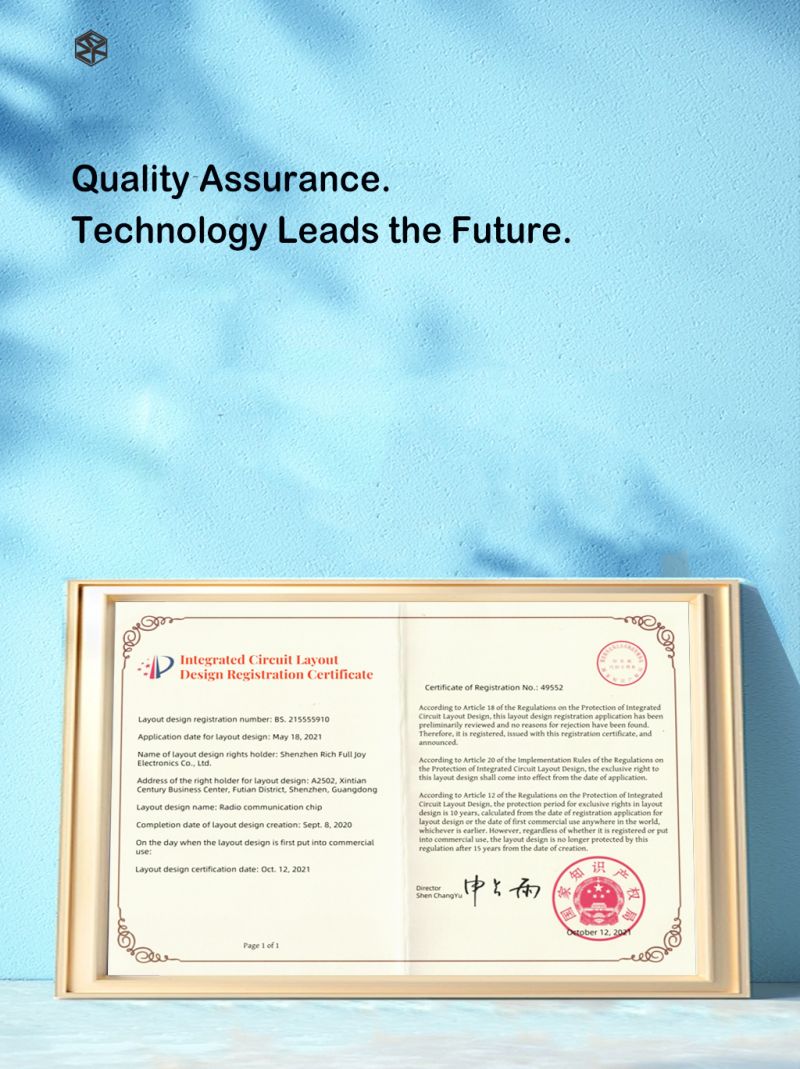
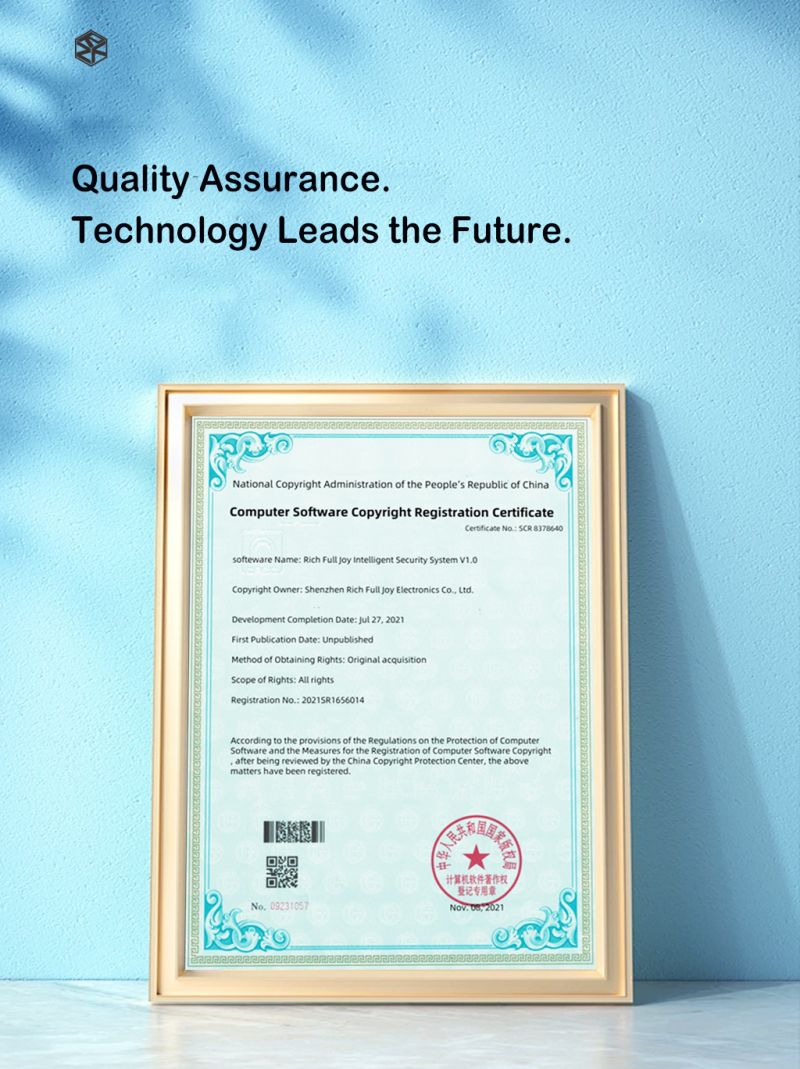
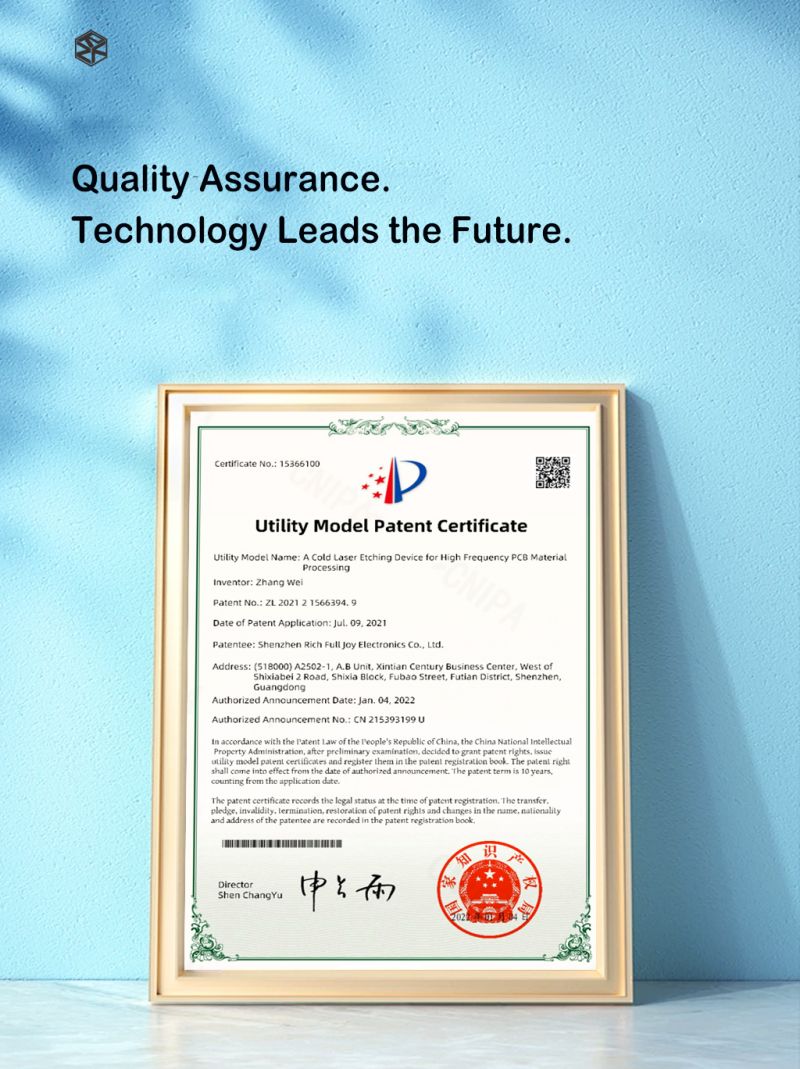
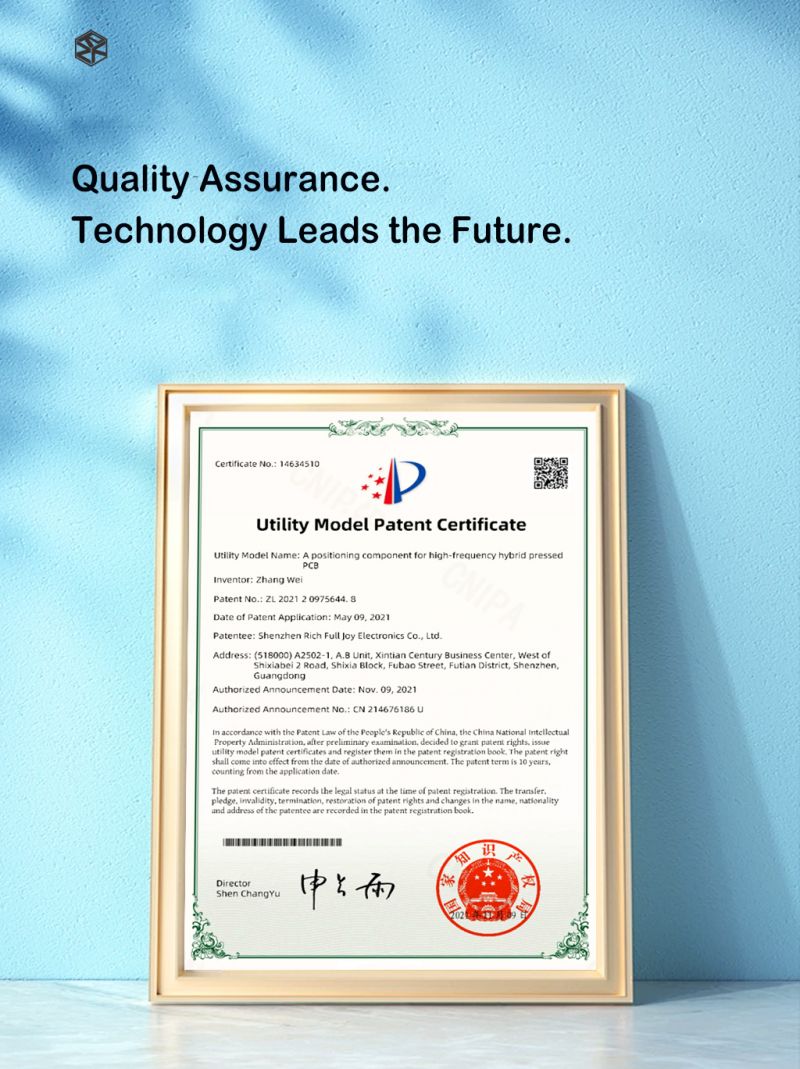
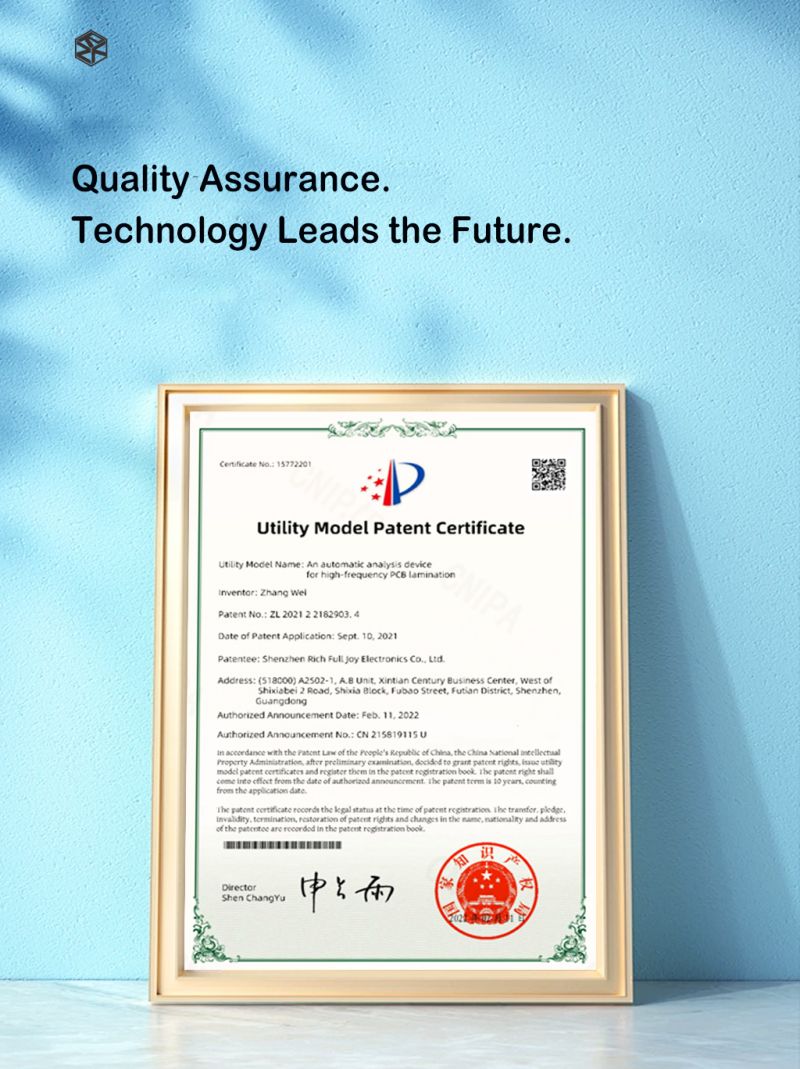
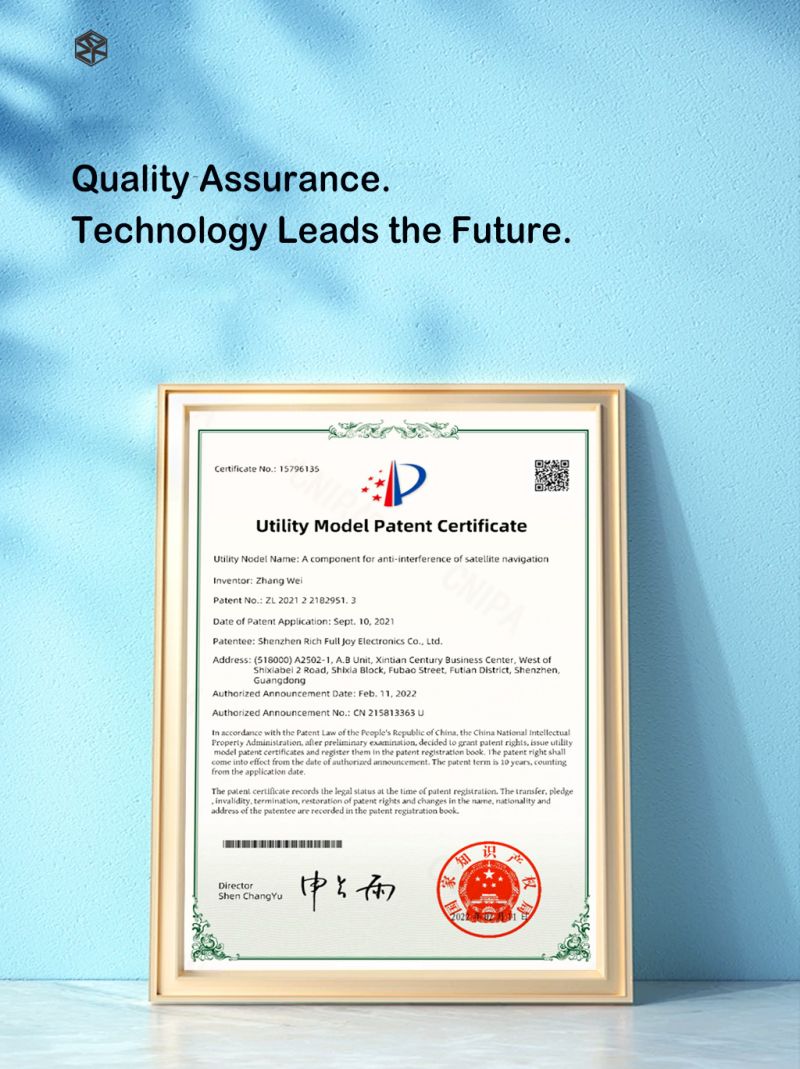
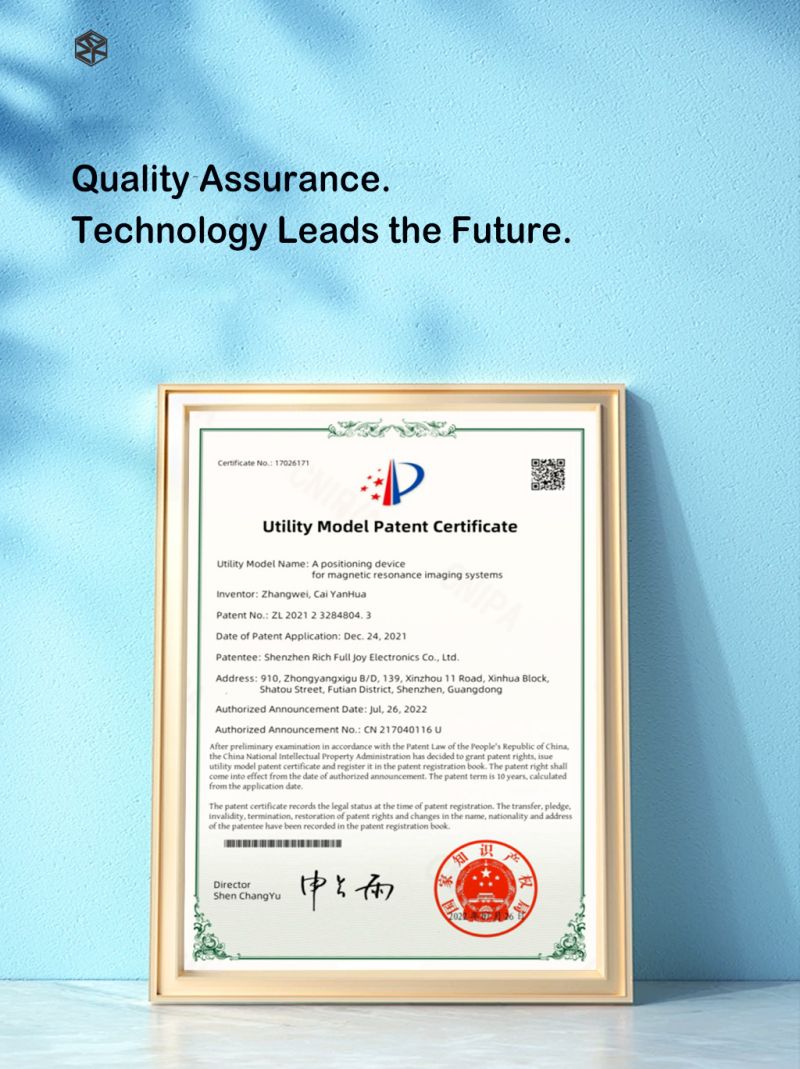
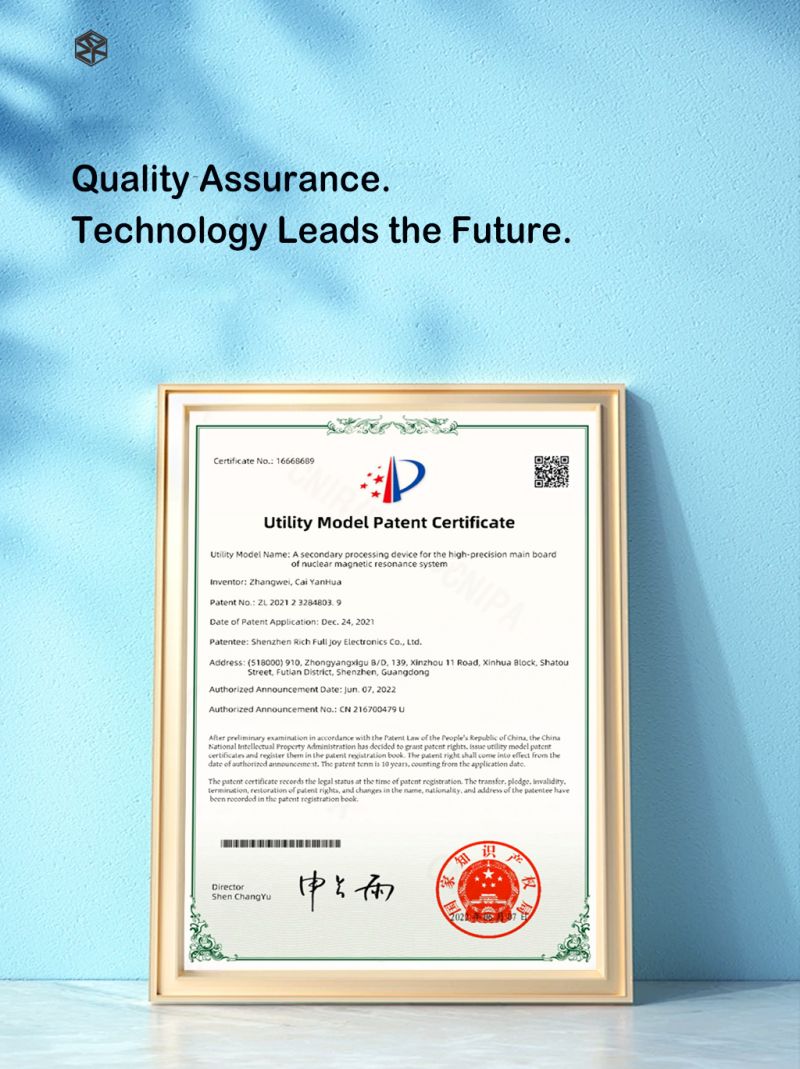
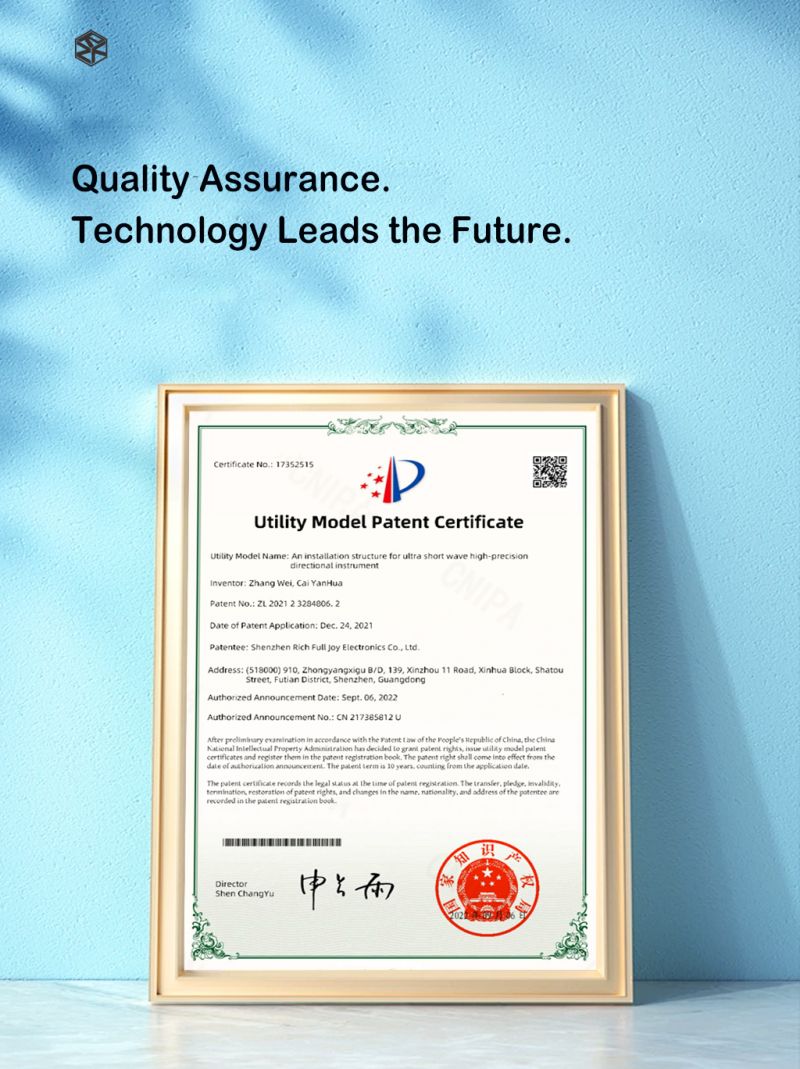
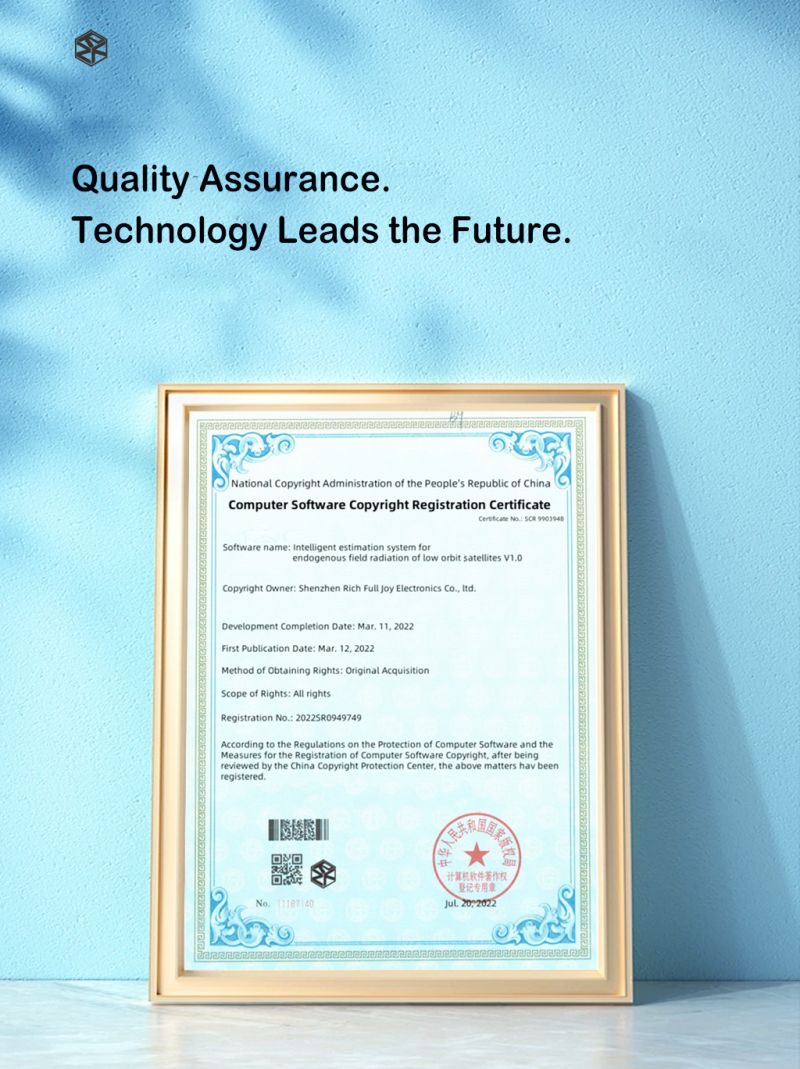
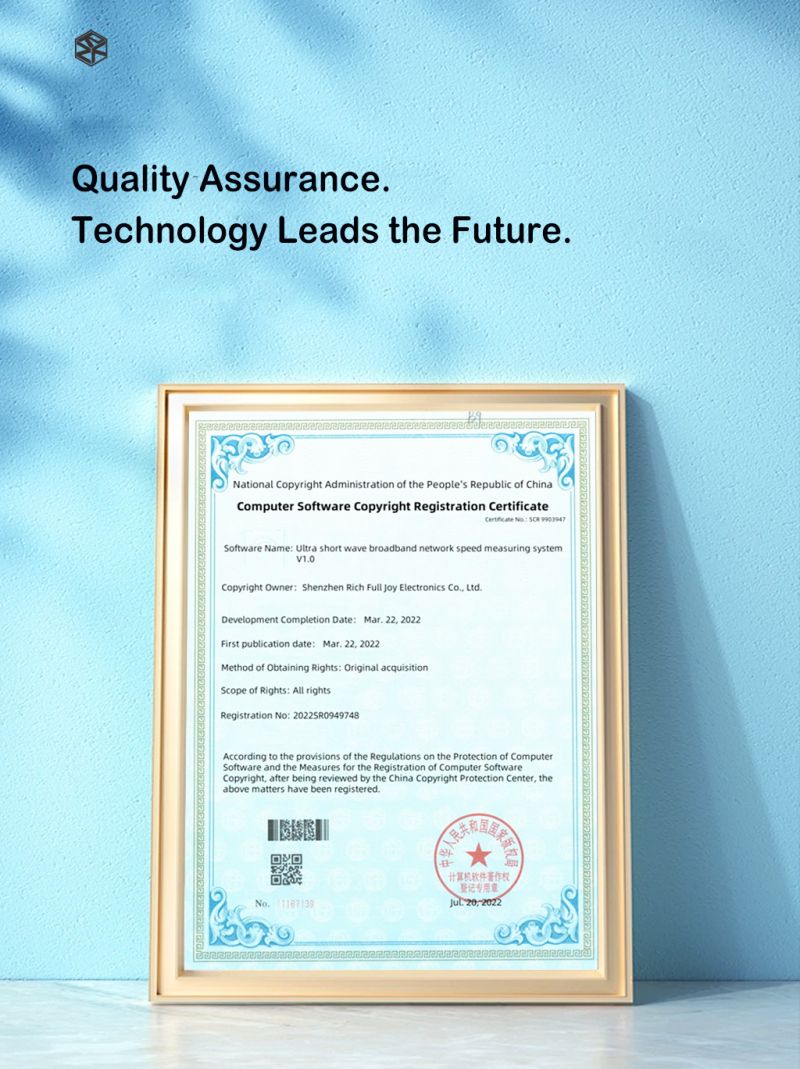
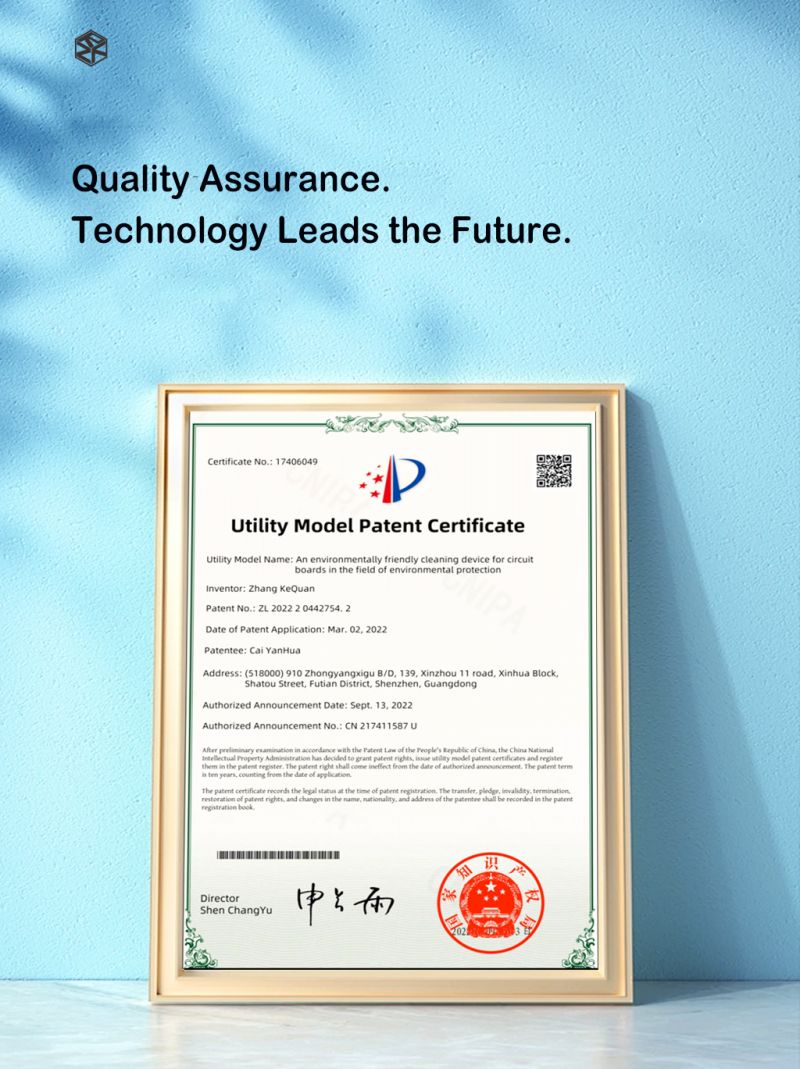
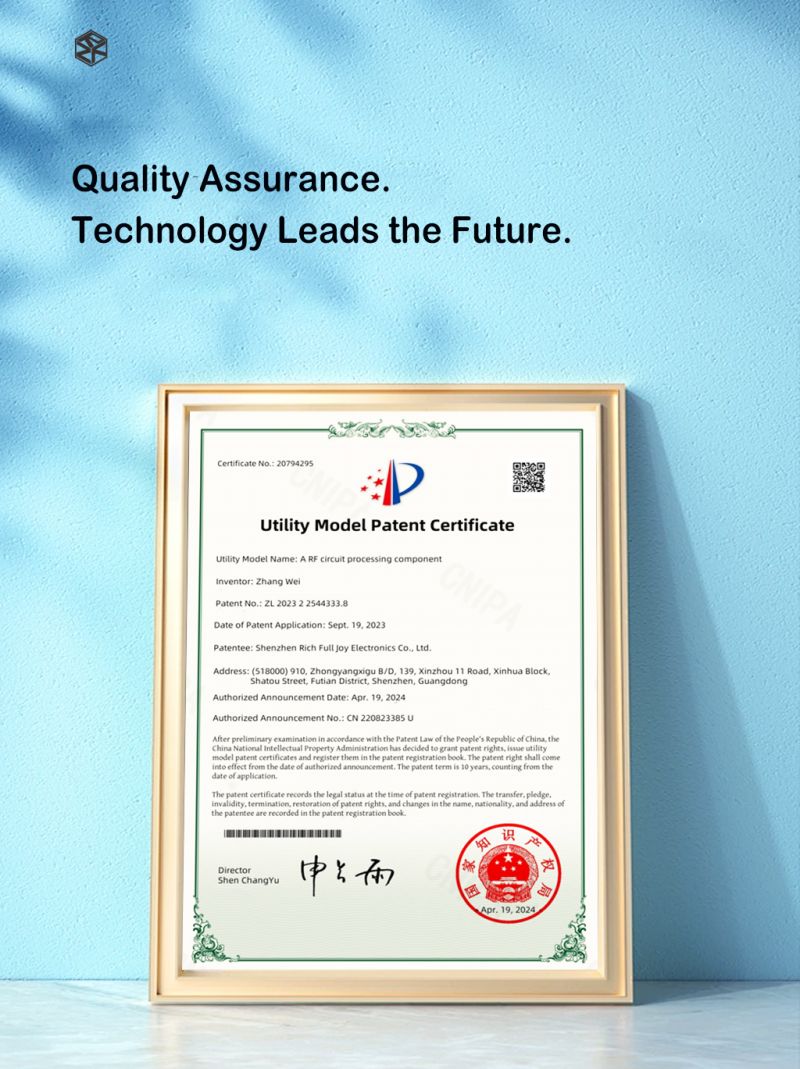
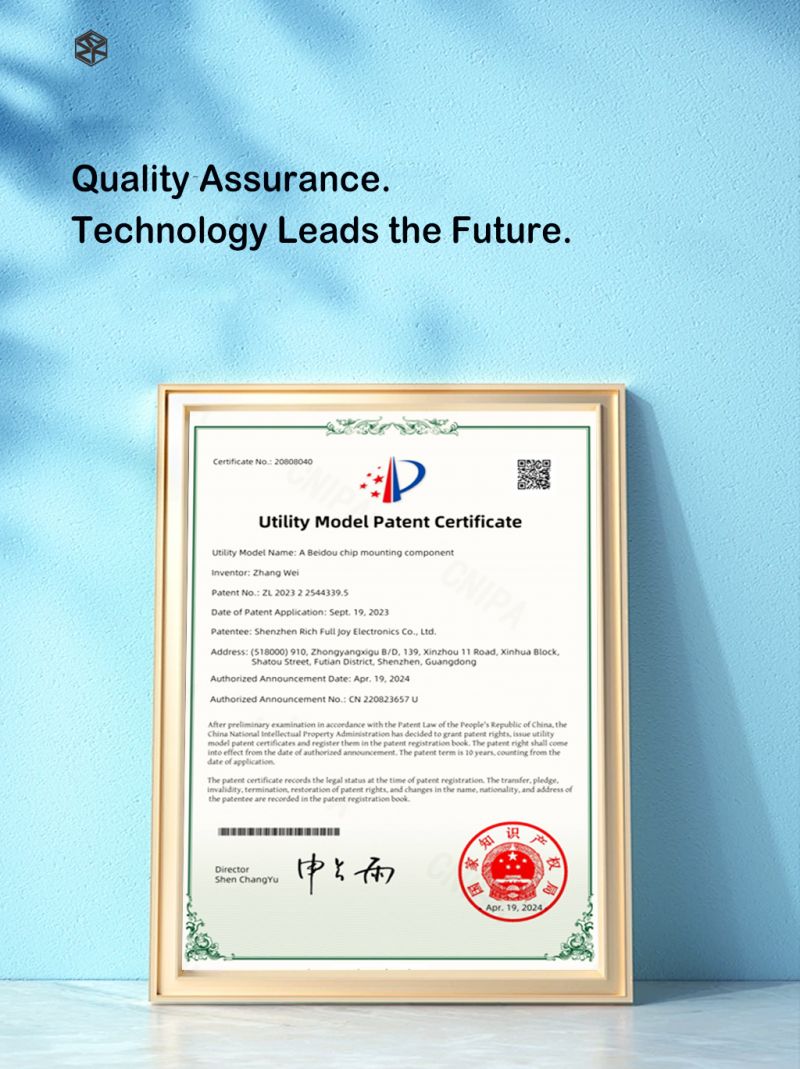



Whether you're an OEM in Silicon Valley, a defense contractor in Virginia, or a medical device manufacturer in Minnesota — we have the certified expertise, capacity, and quality systems to deliver exactly what you need, on time, every time.
Request a Free Quote Today →Explore our full range of precision-engineered assembly board solutions designed to meet the rigorous demands of American technology sectors.