

0102030405
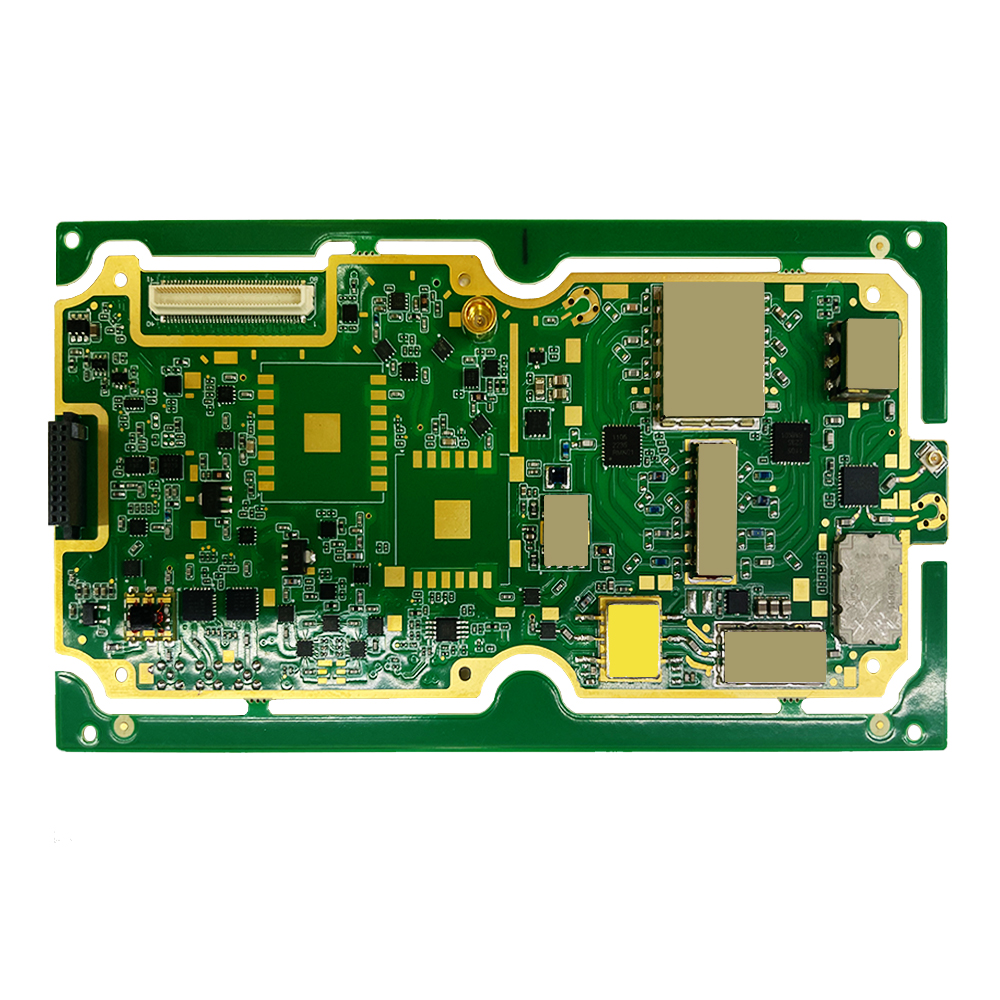
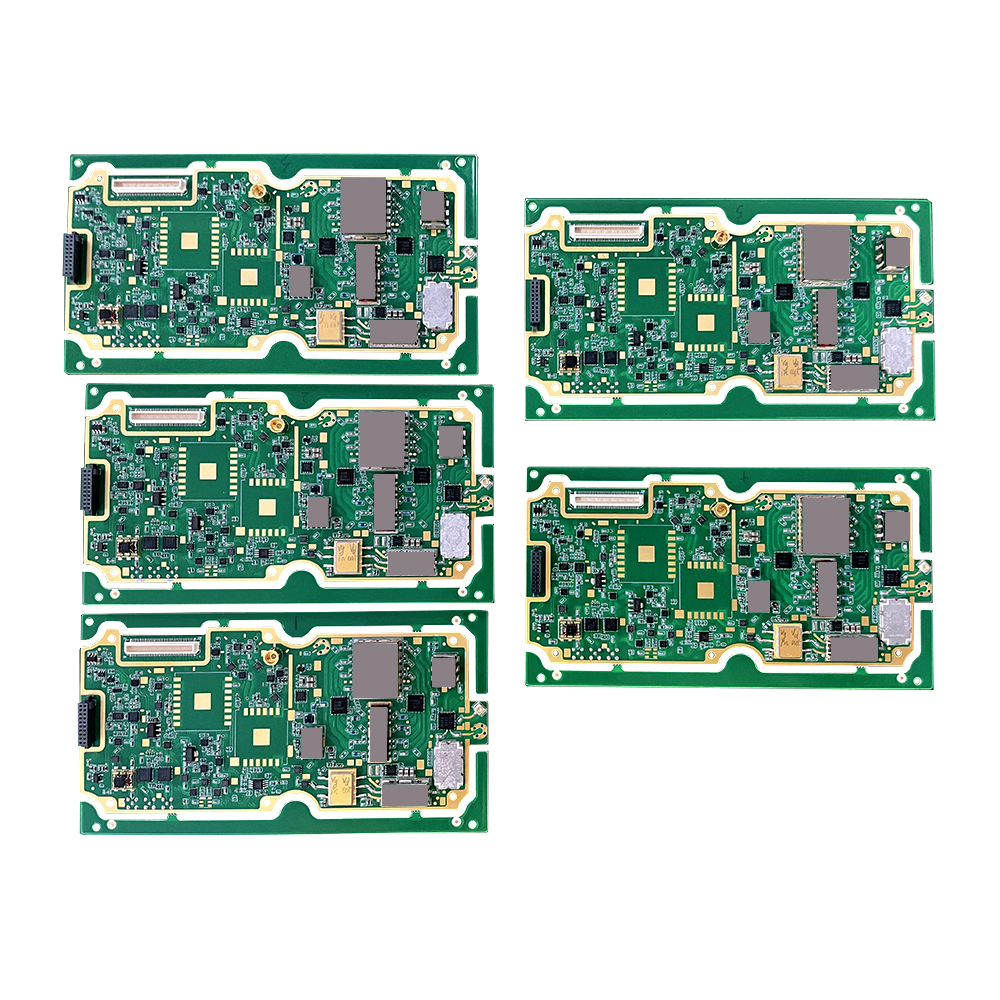
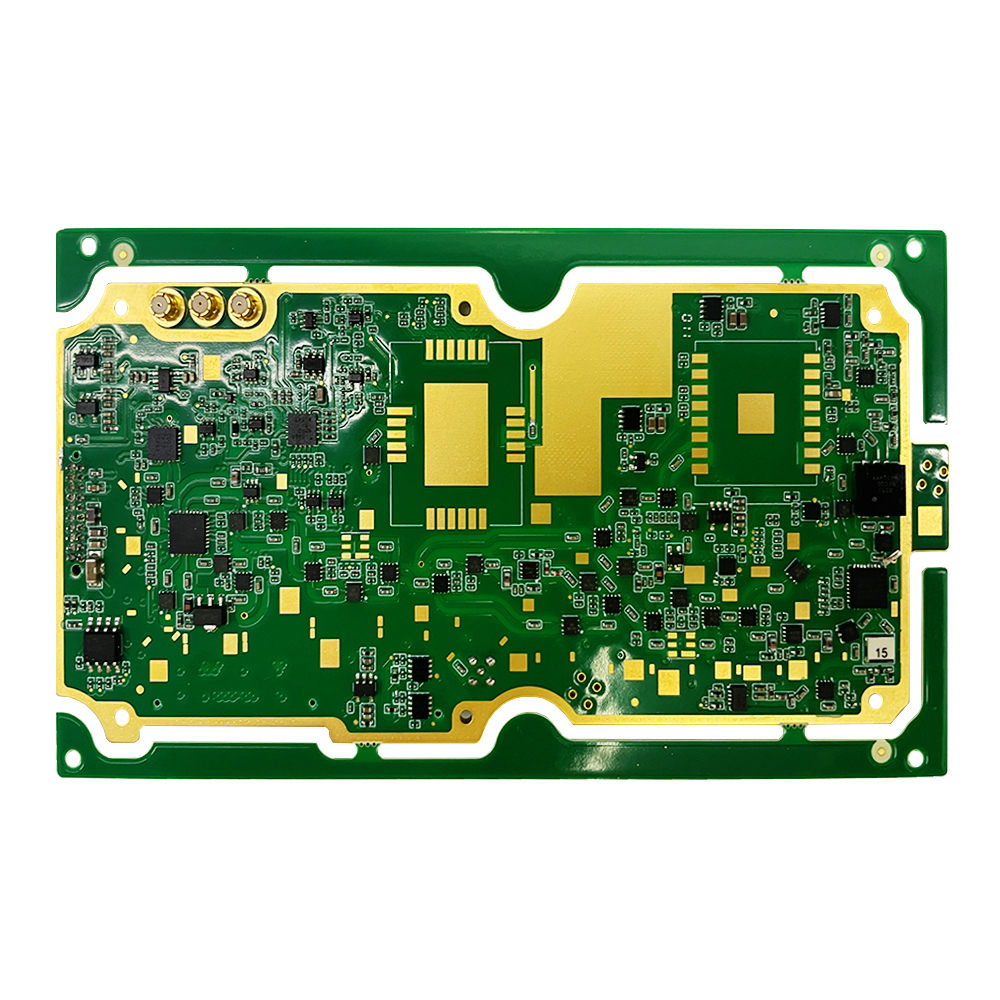
High-Frequency RF PCB and PCB Assembly for Advanced Electronics


Comprehensive Guide to RF PCB Materials and Applications
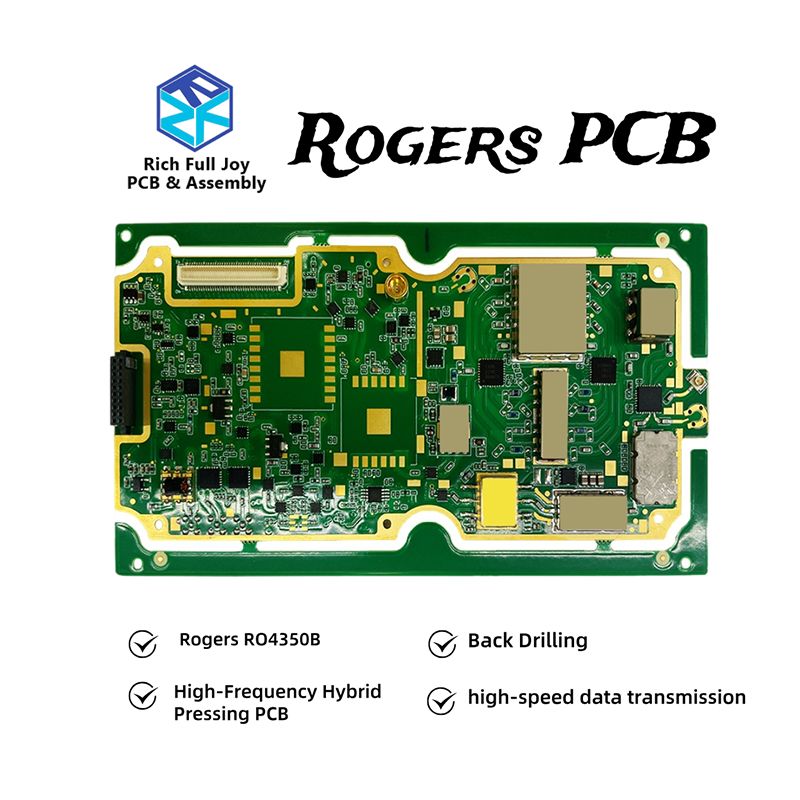
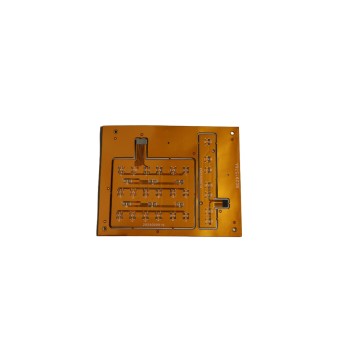
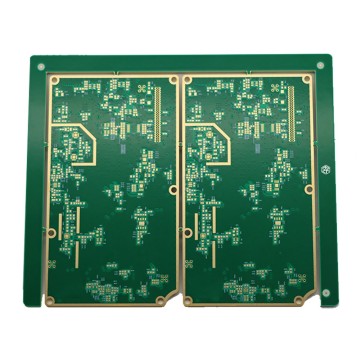
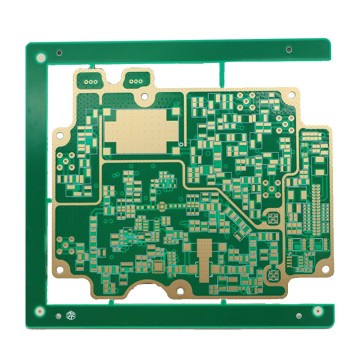
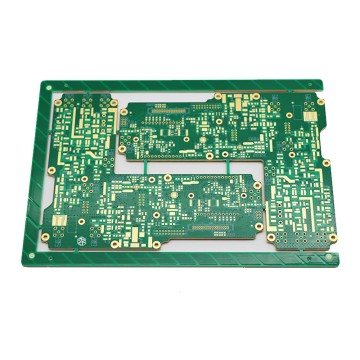
RF PCBs are specialized circuit boards designed to operate efficiently at radio frequencies. These circuit boards are essential for a wide range of advanced technologies, including telecommunications, military systems, aerospace, and consumer electronics. Understanding the importance of the materials used in RF PCB manufacturing is key to ensuring optimal performance and reliability.
RF PCB Materials — Why Material Selection is Critical
The material choice for RF PCBs directly impacts their performance. Factors such as dielectric constant, loss tangent, thermal expansion, and moisture absorption must be carefully considered to ensure signal integrity, low-loss transmission, and stability in high-frequency environments.
1. Teflon (PTFE)
Teflon (polytetrafluoroethylene) is a preferred material for RF PCBs because of its excellent dielectric properties. It has a low dielectric constant (typically around 2.0-2.5), making it ideal for high-frequency applications like microwave circuits and satellite communication. Teflon is highly resistant to moisture and has low loss tangents, which reduces signal loss.
2. PTFE (Polytetrafluoroethylene)
Similar to Teflon, PTFE is another material often used in high-frequency applications. It offers low dielectric constant and low signal loss but is more cost-effective compared to other high-end materials. It’s ideal for radar systems, satellite communications, and wireless devices.
3. Ceramic
Ceramic PCBs provide excellent thermal conductivity and high-frequency performance. They are used in applications where heat dissipation and high precision are essential, such as aerospace, defense, and medical electronics. Ceramic PCBs are often used in high-frequency microwave applications where consistent impedance control and low signal attenuation are critical.
4. FR-4
Though not specifically designed for high-frequency circuits, FR-4 remains a cost-effective solution for many RF applications. It is typically used in consumer electronics and mid-range frequency applications where signal loss is less critical.
5. Hydrocarbon PCB Material
Hydrocarbon-based materials are used for low-frequency RF applications. They offer a balance between cost and performance, making them suitable for less demanding RF circuit applications.
High-Frequency PCB Design — Up to 68 Layers of Precision Engineering
Our RF PCB manufacturing capabilities include up to 68 layers. This allows for highly complex, high-density circuit designs that are capable of handling intricate RF signals with precision. 68-layer PCBs are suitable for advanced multichannel systems, 5G infrastructure, satellite communication, and other high-performance applications that require a large number of connections while maintaining compact size.
The ability to handle up to 68 layers ensures that our RF PCBs can meet the needs of the most demanding high-frequency circuits, minimizing signal loss and ensuring the highest levels of signal integrity.
Custom Surface Finishes for RF PCBs
The surface finish of an RF PCB plays a significant role in its overall performance. Choosing the right surface treatment can impact signal transmission, corrosion resistance, and long-term reliability. We offer a wide range of surface finishes to meet your specific application needs:
1. Nickel-Gold (Ni/Au)
Nickel-Gold plating is a popular choice for RF PCB surface treatment, offering excellent conductivity and corrosion resistance. The Nickel-Gold finish provides a durable, reliable surface that ensures the longevity of high-frequency circuits, particularly in military, aerospace, and telecommunications applications.
2. Immersion Gold
Immersion Gold offers superior flatness, low contact resistance, and excellent solderability. It’s a top choice for high-precision RF applications where signal integrity is paramount. Immersion Gold is often used in high-end electronics such as 5G communication devices, radar systems, and satellite components.
3. OSP (Organic Solderability Preservative)
OSP is an environmentally friendly surface finish that protects the copper traces of RF PCBs from oxidation during shipping and handling. While it is not as durable as Nickel-Gold, it is ideal for lower-frequency RF applications and consumer electronics.
4. Silver
Silver plating is often used in high-performance RF circuits due to its low resistance and excellent conductivity properties. It is especially suitable for applications where signal integrity is crucial, such as in microwave communication and satellite systems.
Why Choose Us for RF PCB Manufacturing?
Why Choose Us for RF PCB Manufacturing?
With over 20 years of experience in RF PCB manufacturing, we provide unparalleled expertise in designing and producing high-frequency PCBs for a broad range of industries. Our services include:
68-layer PCB manufacturing for advanced, high-density designs
Precision impedance control to ensure high signal integrity
Tailored surface finishes including Nickel-Gold, Immersion Gold, and Silver
End-to-end solutions, from PCB design to turnkey PCB assembly
Rigorous quality control and testing to ensure optimal performance and reliability
High-Frequency PCB Design — Up to 68 Layers of Precision Engineering
Our RF PCB manufacturing capabilities include up to 68 layers. This allows for highly complex, high-density circuit designs that are capable of handling intricate RF signals with precision. 68-layer PCBs are suitable for advanced multichannel systems, 5G infrastructure, satellite communication, and other high-performance applications that require a large number of connections while maintaining compact size.
The ability to handle up to 68 layers ensures that our RF PCBs can meet the needs of the most demanding high-frequency circuits, minimizing signal loss and ensuring the highest levels of signal integrity.
Manufacturing Capabilities and Features of RF PCBs
Our RF PCB manufacturing process guarantees precision, high-quality production standards, and reliable performance. With advanced capabilities in high-frequency RF circuit design, we offer:
Multilayer PCB Design: Up to 68 layers, with strict tolerance control of ±0.02mm to ensure high circuit accuracy.
Copper Thickness: From 0.5oz to 3oz, ensuring that each PCB can handle high current loads while minimizing signal loss.
Surface Finish Options: Gold, silver, or OSP finishes for enhanced durability and conductivity.
Impedance Control: Precise impedance matching to minimize signal reflection and ensure the integrity of high-speed signals.
We ensure that each RF PCB meets the highest standards for signal integrity, low loss, and high reliability through strict quality control processes.
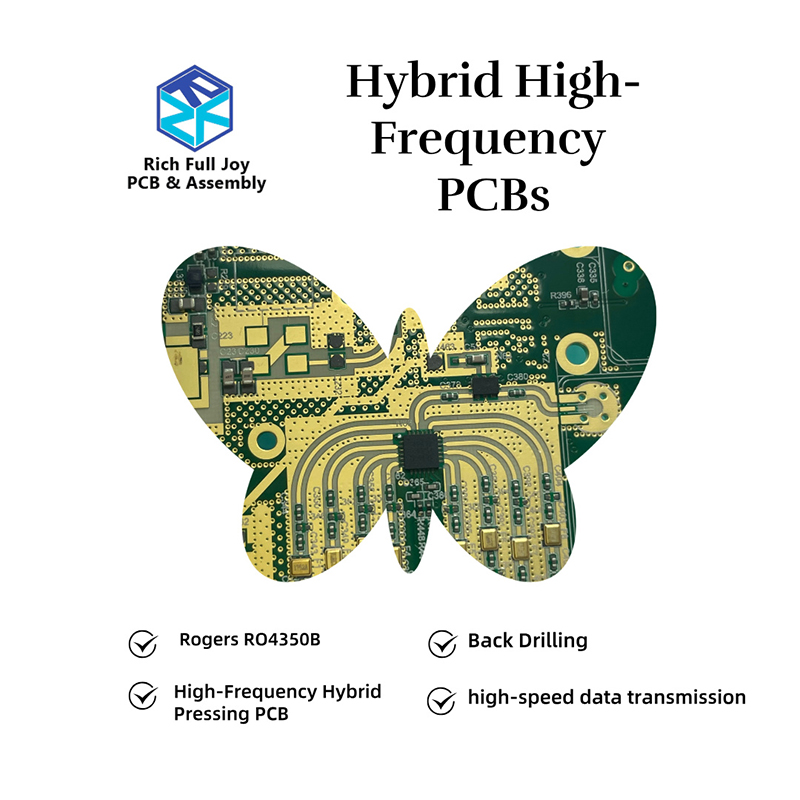
RF PCB Quality Control and TestingRF
At our factory, quality is paramount. We implement stringent RF PCB testing procedures at every stage of production:
1.Impedance Testing: Ensures consistent impedance across the entire PCB, crucial for high-speed, high-frequency applications.
2.Signal Integrity Testing: We check for signal degradation and ensure that the signal is transmitted clearly and efficiently.
3.Visual Inspection: High-resolution imaging and optical inspection to catch any potential defects.。
4.Environmental Stress Testing: Includes temperature cycling, vibration testing, and moisture resistance testing to simulate real-world conditions.
5.Electrical Testing: We perform tests for continuity, open circuits, and shorts, ensuring the electrical reliability of each board.
FAQ - RF PCB Manufacturing and Assembly
1.What is an RF PCB, and why is it important?
RF PCBs are specialized printed circuit boards designed to transmit high-frequency signals. They are crucial in telecommunications, satellite systems, radar, and wireless devices due to their ability to handle high-frequency signal integrity with low signal loss.
2.What materials are commonly used for RF PCBs?
Popular RF PCB materials include Teflon, PTFE, ceramic, FR-4, and hydrocarbon-based materials. Teflon and PTFE are preferred for their low dielectric constant and low signal loss characteristics in high-frequency applications.
3.How many layers can an RF PCB have?
Our RF PCBs can be manufactured with up to 68 layers, providing the flexibility to design complex, high-density circuits that require precise impedance control and minimal signal interference.
4.What is the best surface finish for RF PCBs?
Nickel-Gold (Ni/Au), Immersion Gold, and Silver are excellent choices for RF PCB surface finishes. These provide low contact resistance, high conductivity, and enhanced corrosion resistance, crucial for ensuring signal integrity.
5.What is the importance of impedance control in RF PCB design?
Impedance control is critical in RF PCB design to ensure signal integrity and reduce signal loss. Precise impedance matching is essential for applications in 5G, satellite communications, and microwave systems.
6.How does RF PCB assembly affect circuit performance?
RF PCB assembly impacts signal performance by ensuring proper component placement, minimizing signal interference, and maintaining low resistance connections. This is crucial for high-frequency circuits to maintain their designed characteristics.
7.What industries use RF PCBs?
RF PCBs are widely used in industries such as telecommunications, aerospace, defense, medical devices, automotive, and industrial equipment. They are essential for high-frequency applications like 5G infrastructure, GPS systems, radar, and satellite communication.
8.How do you ensure the reliability of RF PCBs?
We ensure the reliability of RF PCBs through rigorous quality control processes, including impedance testing, signal integrity analysis, and environmental stress testing, ensuring high performance in extreme conditions.
9.What are the key challenges in designing RF PCBs?
Key challenges in RF PCB design include maintaining precise impedance control, reducing signal loss, avoiding electromagnetic interference (EMI), and managing power supply noise. Proper grounding, material selection, and design techniques help overcome these challenges.
10.What types of testing are performed on RF PCBs?
RF PCBs undergo various tests, including impedance testing, signal integrity analysis, thermal testing, environmental testing, and electromagnetic compatibility (EMC) testing. These ensure that the RF circuits perform optimally in their intended applications.ents.
RF PCB Applications — Where Precision and Performance Matter
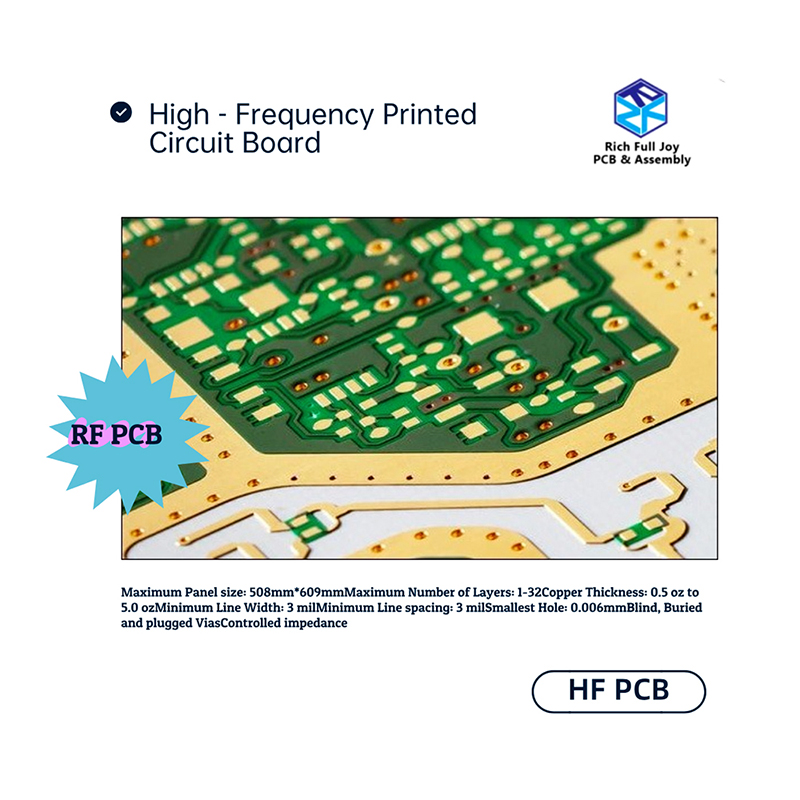
Our RF PCBs serve a wide array of applications that require high-frequency performance, including:
1. Telecommunications
Our RF PCBs are widely used in telecommunications, from 5G base stations and cell towers to wireless devices and network equipment. These applications demand high-speed data transmission and minimal signal interference, both of which are ensured by our precision-engineered RF circuit boards.
2. Aerospace and Defense
In aerospace and defense, RF PCBs are crucial for applications such as radar systems, satellite communication, GPS systems, and electronic warfare systems. These applications require high reliability and performance under harsh conditions, which our RF PCBs deliver through high-quality materials and precise manufacturing.
3. Medical Devices
In medical electronics, RF circuits are used in devices such as wireless medical monitoring systems, diagnostic equipment, and implantable devices. These applications require reliable performance in high-frequency ranges with precise signal integrity, which is ensured by our RF PCB solutions.
4. Automotive
With the rise of connected vehicles and advanced driver-assistance systems (ADAS), RF PCBs are essential for vehicle communication systems, radar, and vehicle-to-everything (V2X) applications. These require low signal loss, high reliability, and long-lasting performance.
5. Industrial Equipment
RF PCBs are used in industrial automation, robotics, sensor networks, and precision measurement equipment, where signal accuracy and robust design are vital for operation in demanding environments.
Our RF PCB manufacturing services provide high-performance solutions that are crucial in today’s rapidly advancing technology fields. Whether you require high-frequency PCBs for telecommunications, military, aerospace, or medical applications, our expert team delivers precise, reliable products that meet the highest standards. With over 20 years of experience, we are your trusted partner for high-quality RF PCBs and turnkey PCB assembly solutions.
Contact us today to learn more about how we can support your RF circuit design and manufacturing needs.