Leave Your Message
-
E-mail
-
Whatsapp
-
Message
Explore our specialized PCB assembly products engineered for electric vehicle lighting applications — delivering precision, reliability, and performance.
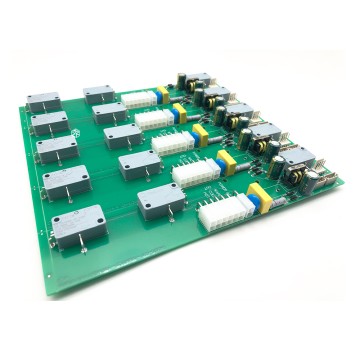
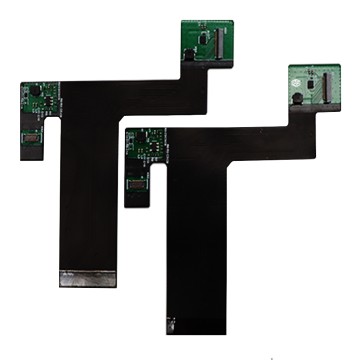
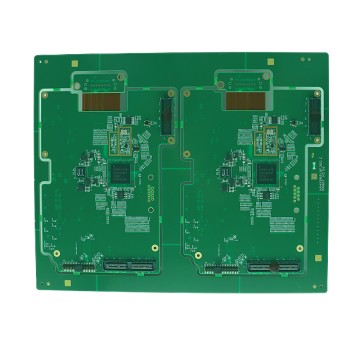
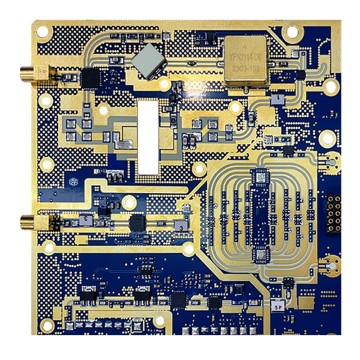
A comprehensive look at how precision electronic assembly is transforming the electric vehicle lighting industry.
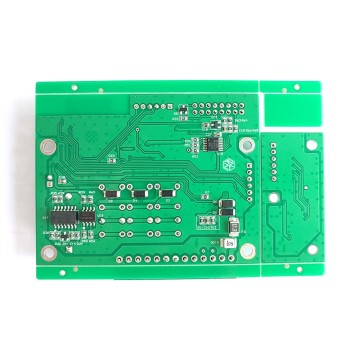
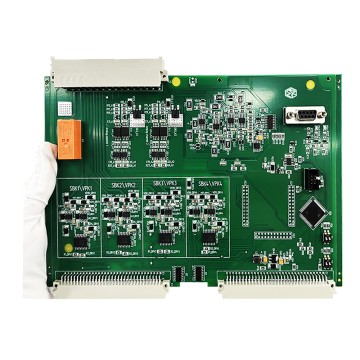
The assembly of electronic components for EV lighting refers to the highly specialized process of integrating printed circuit boards (PCBs), surface-mount devices (SMDs), power management ICs, LED driver circuits, thermal management elements, and smart control modules into complete, functional lighting systems designed specifically for electric vehicles. Unlike conventional automotive lighting, EV lighting demands a significantly higher level of electronic integration, miniaturization, and energy efficiency — all while meeting stringent automotive-grade reliability standards such as AEC-Q100 and IATF 16949.
🔬 Key Insight: Modern EV lighting systems can contain over 200 discrete electronic components per assembly unit — from micro-SMD resistors and capacitors to complex programmable LED driver ICs — all demanding sub-millimeter placement accuracy and zero-defect soldering quality.
As electric vehicles become the dominant paradigm in global transportation, the role of precision electronic component assembly in lighting systems has evolved from a purely functional requirement to a critical differentiator in vehicle aesthetics, safety, and brand identity. Automakers such as Tesla, BYD, NIO, and Rivian are investing heavily in adaptive, intelligent lighting architectures that rely on sophisticated PCBA manufacturing to achieve their vision.
The global EV lighting market is experiencing explosive growth. According to industry analysts, the automotive LED lighting market alone is projected to surpass USD 45 billion by 2030, with EV-specific lighting systems accounting for an increasingly significant share. This growth is underpinned by several converging forces:
From a manufacturing standpoint, the assembly of electronic components for EV lighting is increasingly concentrated in specialized facilities capable of handling automotive-grade quality requirements. Contract electronics manufacturers (CEMs) and EMS providers with deep expertise in automotive PCBA — including advanced SMT lines, selective soldering, automated optical inspection (AOI), X-ray inspection, and in-circuit testing (ICT) — are commanding premium positions in the supply chain.
Next-generation EV headlights are adopting matrix LED and emerging MicroLED technologies, requiring ultra-fine pitch component placement (as small as 0.3mm) and advanced thermal management PCBAs to handle high power densities in compact form factors.
Intelligent lighting control units embedded in EVs use AI algorithms to dynamically adjust beam patterns based on road conditions, traffic, and speed. This demands high-density interconnect (HDI) PCBAs with integrated microprocessors, sensors, and CAN/LIN bus communication ICs.
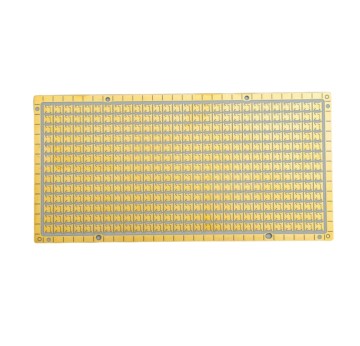
High-power LED arrays in EV lighting generate significant heat. Ceramic substrate PCBs, metal-core PCBs (MCPCBs), and aluminum-core circuit boards are increasingly used to dissipate heat efficiently, extending component lifespan and maintaining color consistency.
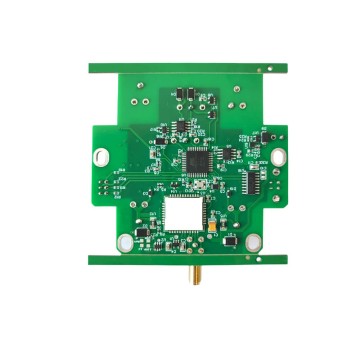
Future EV lighting systems will integrate vehicle-to-everything (V2X) communication capabilities, embedding RF modules and antenna elements directly into lighting PCBAs to enable cooperative safety signaling and smart city connectivity.
The organic design language of modern EVs demands lighting that follows curved body surfaces. Flexible PCBs (FPCs) and rigid-flex assemblies are enabling three-dimensional lighting installations that were previously impossible with rigid boards.
EV manufacturers and their supply chains are under pressure to reduce environmental impact. Lead-free soldering, halogen-free PCB materials, and closed-loop manufacturing processes are becoming standard in EV lighting PCBA production.
Two decades of engineering excellence powering EV lighting assemblies worldwide.
From headlamps to interior ambiance — electronic component assembly is at the heart of every EV lighting innovation.
Matrix headlamp systems represent the most technically demanding application of electronic component assembly in EV lighting. Each matrix module may contain 32 to 84 individually controllable LED segments, each driven by a dedicated LED driver IC and monitored by a feedback control loop. The PCBA for such systems must achieve exceptional thermal uniformity, precise current regulation (within ±1%), and fast switching speeds (sub-millisecond) to enable glare-free high beam functionality. HDI PCBs with buried and blind vias are standard in these assemblies, enabling the required component density within the constrained headlamp housing volume.
Organic LED (OLED) panels are gaining traction in premium EV tail lamps due to their ultra-thin profile, uniform surface emission, and ability to create flowing, animated lighting signatures. The electronic assembly for OLED tail lamps involves precise driver circuit PCBAs that manage the complex voltage and current requirements of OLED panels, including protection circuits against thermal runaway and electrostatic discharge (ESD). Flexible PCB interconnects between the OLED panel and the driver board must withstand automotive vibration and temperature cycling requirements.
DRL systems in modern EVs are no longer simple always-on LED strips. They function as dynamic communication elements, displaying turn signal animations, welcome sequences, and charging status indicators. The PCBA assemblies for intelligent DRL controllers integrate microcontrollers, CAN bus transceivers, PWM LED drivers, and ambient light sensors in a compact, automotive-qualified package. These assemblies must comply with ISO 16750 environmental testing standards, including resistance to humidity, vibration, and thermal shock.
The interior ambient lighting systems of premium EVs can contain hundreds of individually addressable RGB LED zones, all managed by a hierarchical network of zone controller PCBAs. These assemblies require precise color calibration, low-noise power supplies to prevent audible interference with vehicle audio systems, and robust EMI shielding to comply with automotive electromagnetic compatibility (EMC) standards. The trend toward 64-color or even full-spectrum ambient lighting is driving increasing complexity in interior lighting PCBA design.
As autonomous driving capabilities advance, EV lighting systems are beginning to integrate LiDAR and camera sensing elements directly into lighting housings. This convergence creates entirely new challenges for electronic component assembly, requiring the co-location of high-power LED driver circuits with sensitive analog signal processing chains for optical sensors — demanding exceptional signal integrity design and careful electromagnetic isolation within the PCBA architecture.
🏭 Manufacturing Note: All EV lighting PCBA assemblies we produce are manufactured under IATF 16949-aligned quality management systems, utilizing automated SMT lines with 0201 and smaller component capability, 3D solder paste inspection (SPI), automated optical inspection (AOI), and functional test fixtures designed to simulate real-world EV lighting operating conditions.
Engineering excellence built over two decades — powering EV lighting solutions across the globe.
Over 20 years of PCB R&D, design and production, with a team of over 800 design engineers, striving for excellence. Our service network has spread all over the world.
We uphold the spirit of craftsmanship to build intelligent manufacturing, leading the industry with technology and driven by technological innovation. We'll strive for excellence and become a leader in the industry, continuously strengthening our core competitiveness and establishing a leading position in various fields.
Automotive-grade quality management ensuring every EV lighting PCBA assembly meets the highest global standards.
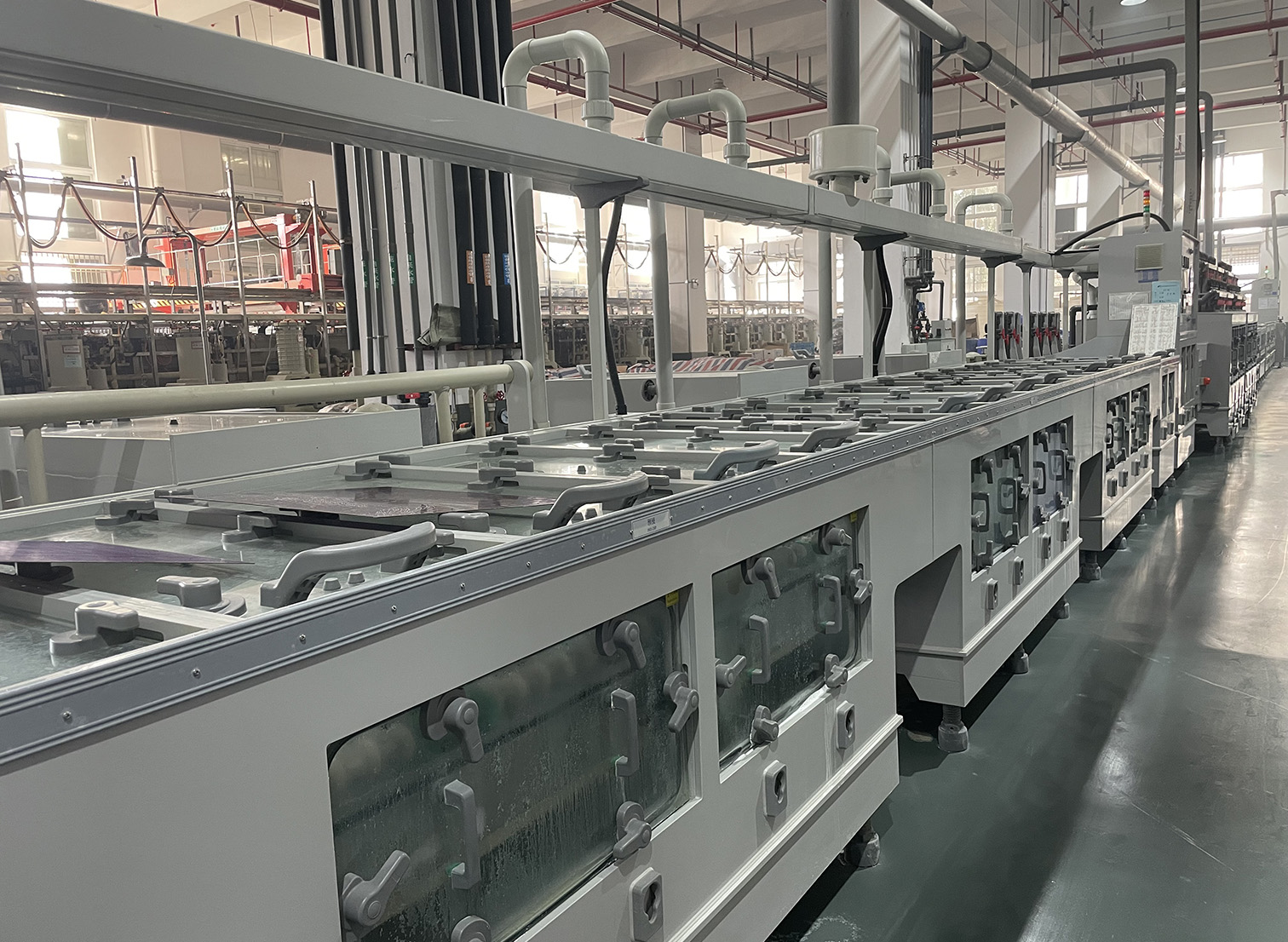
As a company involved in the development and design of multiple scientific research products, our products are widely applied in various fields such as aviation, aerospace, automotive electronics, medical devices, industrial control, mobile terminal devices, servers, smart homes, AI applications, new energy, mini LED and testing instruments, etc.
We have a high-quality and highly capable technology R&D team, adhering to the development concept of high-end brands and products, and serving global customers. Our products are exported to various regions of the world.
We continue to lead in the production of small batches, multiple varieties, high difficulty and high-precision products in differentiated market competition. We have complete sets of advanced automatic production and testing equipment, strictly control every process, and are committed to the meticulous and perfect quality of products. All products strictly adopt international IPC standards for production and inspection, with 24-hour high quality one-on-one service.
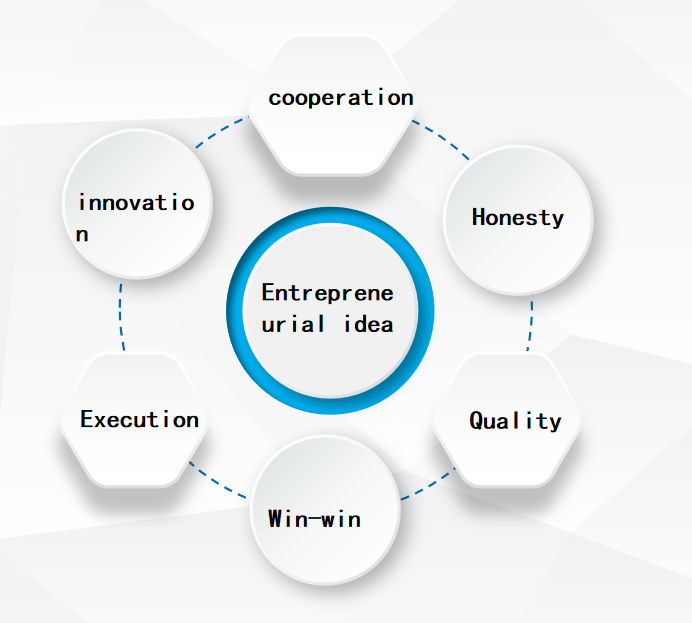
The values that drive our commitment to excellence in EV lighting electronic component assembly.
Discover the full breadth of our precision PCBA manufacturing capabilities for EV lighting and beyond.