

0102030405
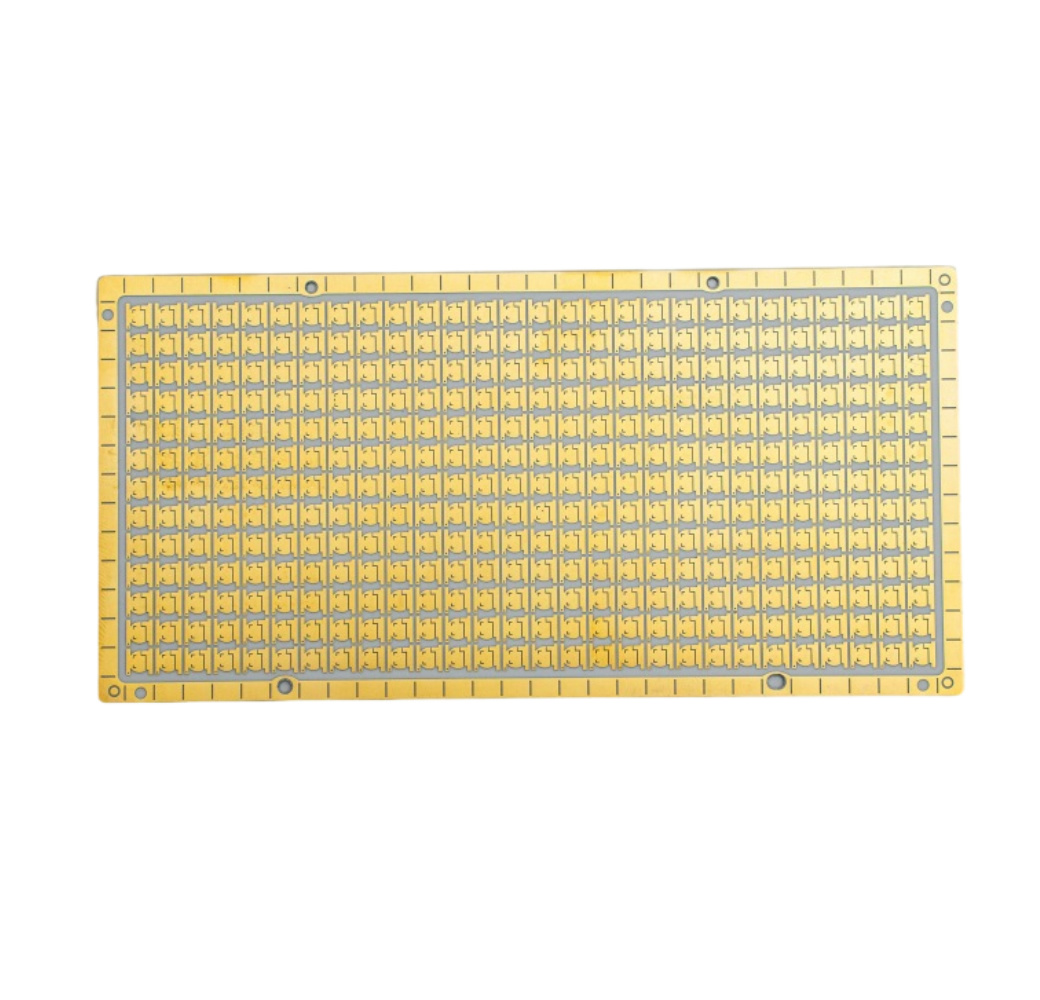
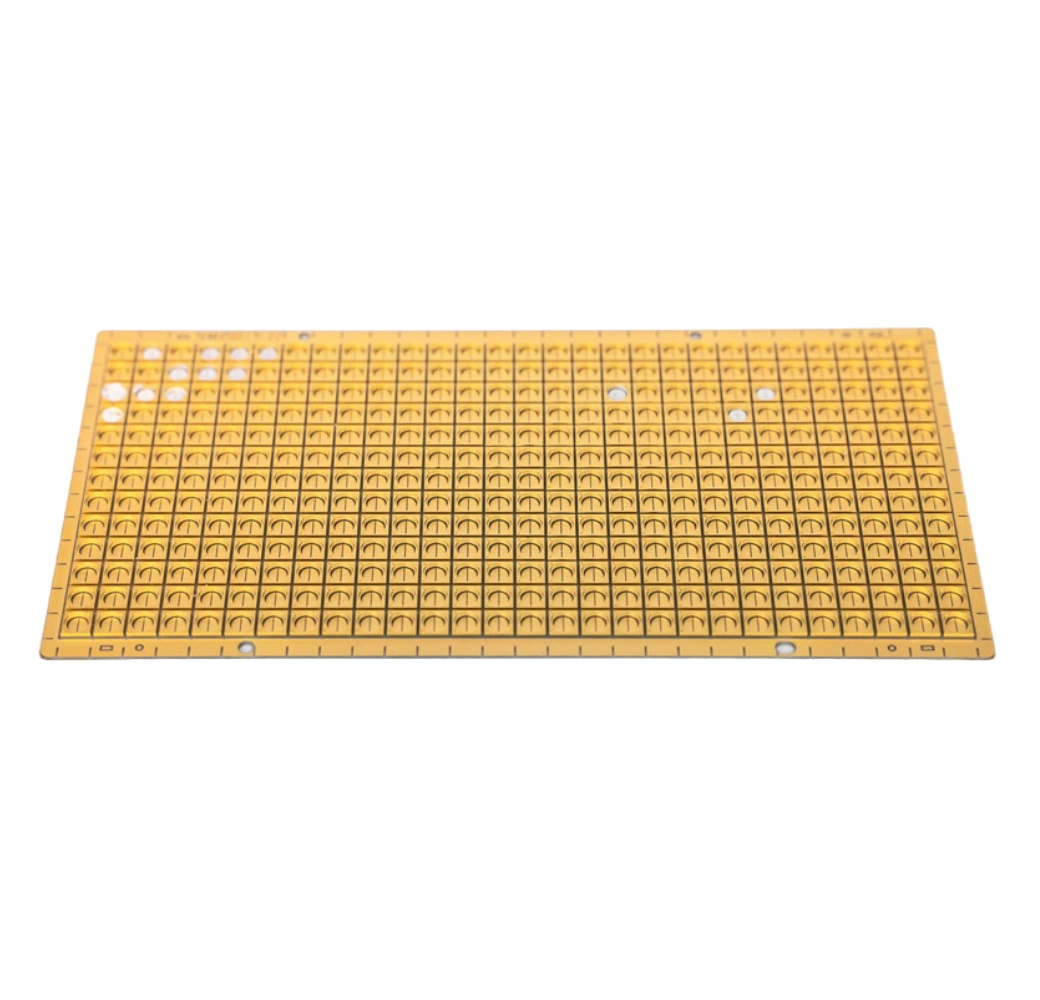
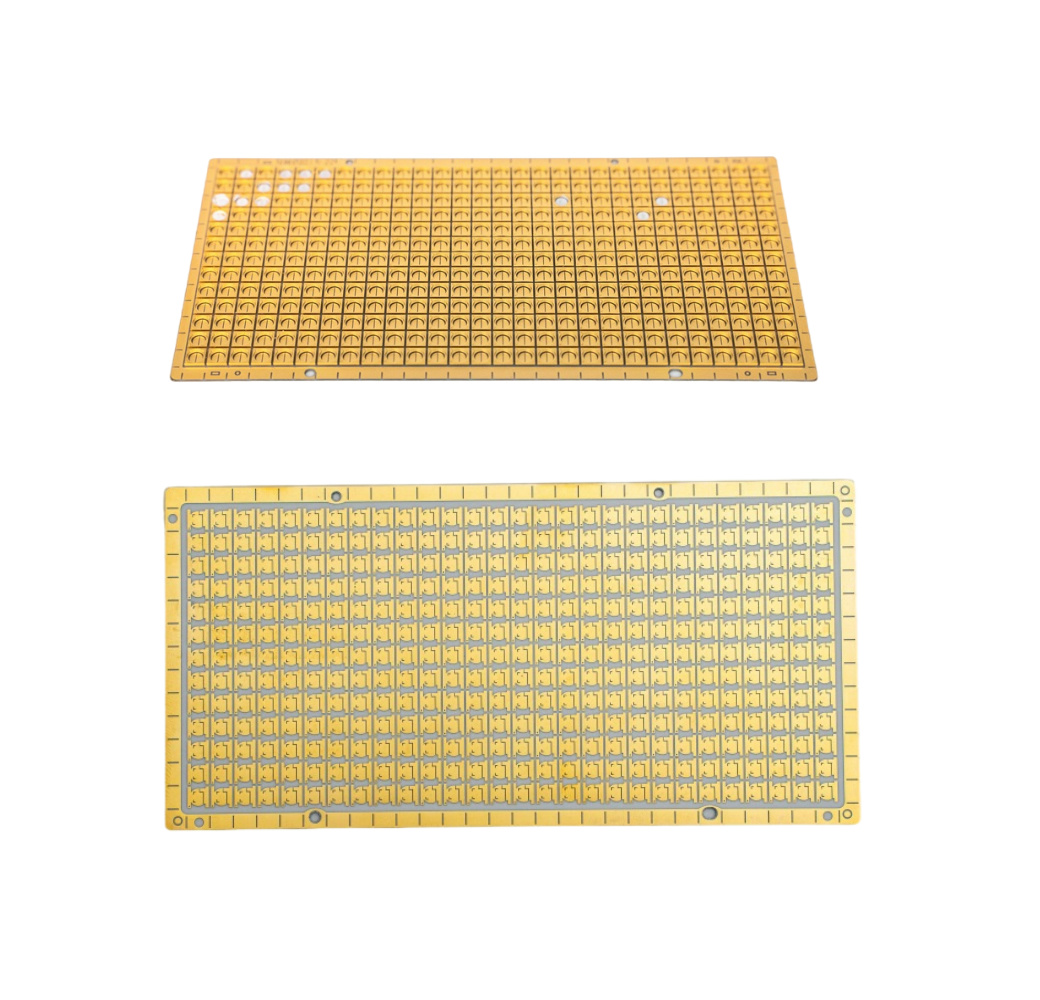
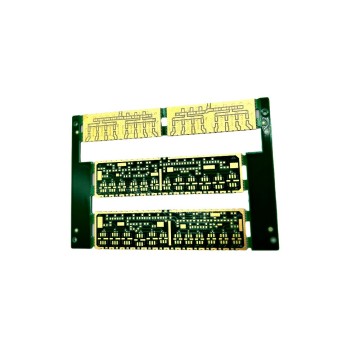
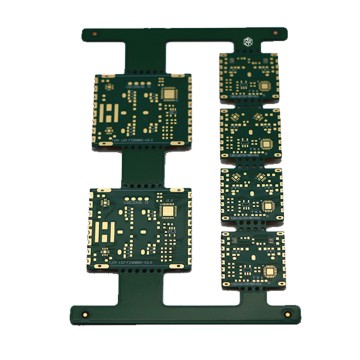
Ceramic Substrate PCB Process: Ideal Choice for High-Power, High-Frequency, and High-Reliability Electronic Devices


R&D and Production of Ceramic PCBs in Small, Medium, and Large Batches and Prototypes
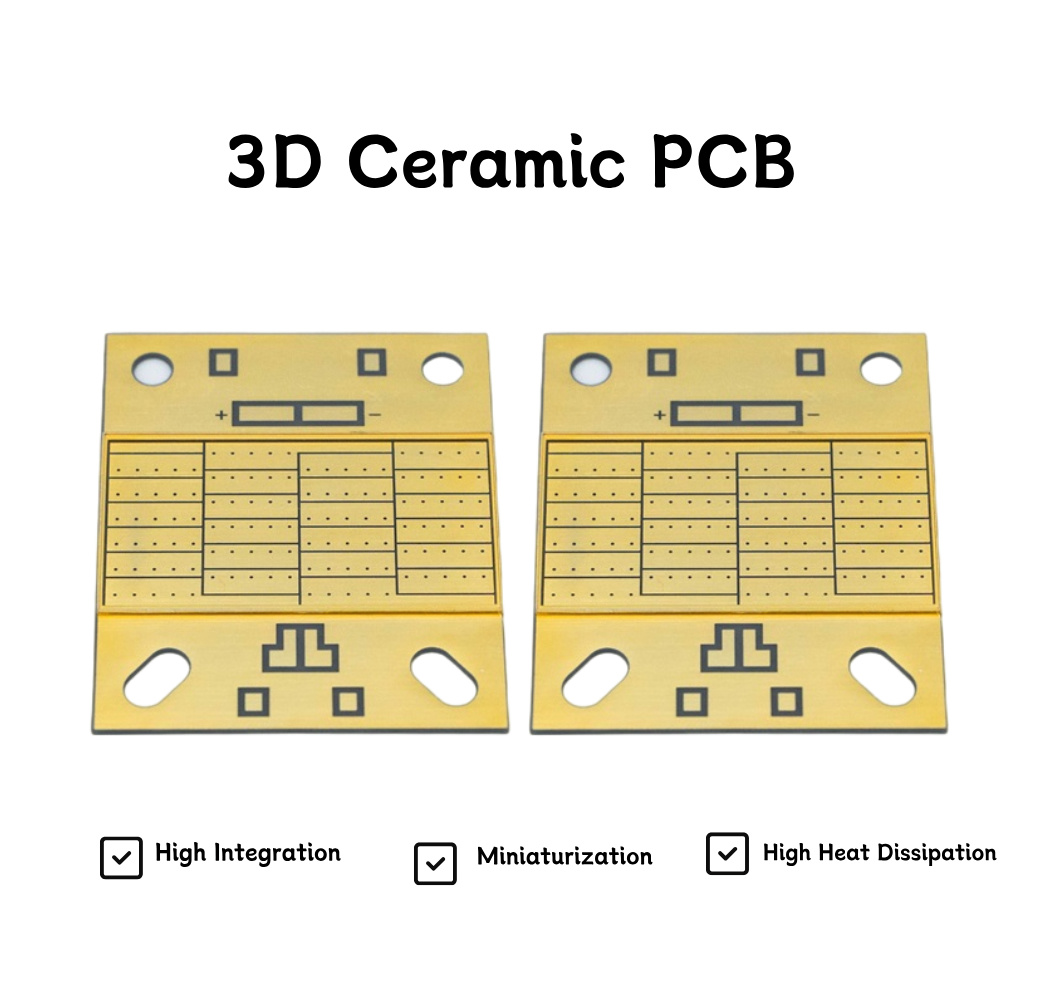
Ceramic PCBs are ceramic substrates with excellent mechanical properties, thermal conductivity, electrical conductivity, and corrosion resistance. Ceramic materials typically offer exceptional high-temperature resistance, thermal shock resistance, vibration resistance, radiation resistance, and fire resistance. As a result, ceramic PCBs are ideal for manufacturing high-performance electronic components and devices in the electronics industry.
When selecting a suitable manufacturer, factors such as expertise, technical proficiency, equipment standards, product quality, price, after-sales service, and production processes should be considered.
Rich Full Joy is a leading manufacturer specializing in the R&D and production of ceramic PCBs in small, medium, and large batches and prototypes. The company is equipped with advanced ceramic production equipment and technology, ensuring rapid delivery times and stable quality to meet customer R&D and production requirements. With a focus on "zero-defect quality," the company prioritizes product excellence and seizing market opportunities.
Prototype delivery time: 7 to 10 days, and batch production: 10 to 15 days.
Types of Ceramic PCB Materials
Ceramic PCBs are classified based on the materials used for their substrates. Here are the most common types:
1.Beryllium Oxide (BeO):
oThermal conductivity: Up to 310W/mK, one of the highest among ceramic materials.
oApplications: High-power electronics, laser equipment, and power management.
oAdvantages: Excellent thermal dissipation and electrical insulation.
oDrawback: Toxicity in dust form, making handling more hazardous.
2.Aluminum Oxide (Al2O3):
oThermal conductivity: Around 30W/mK.
oApplications: Widely used in consumer electronics, automotive, and general electronics applications.
oAdvantages: High chemical stability, cost-effective.
oDrawback: Lower thermal conductivity compared to Beryllium Oxide
3.Aluminum Nitride (AlN):
oThermal conductivity: Between 170-200W/mK.
oApplications: Power electronics, high-frequency devices, LEDs.
oAdvantages: Excellent heat dissipation, high mechanical strength, and electrical insulation.
oDrawback: More expensive compared to aluminum oxide.
4.Silicon Nitride (Si3N4):
oThermal conductivity: Around 130W/mK.
oApplications: Used in high-power devices, automotive sensors, and aerospace.
oAdvantages: High strength, excellent thermal stability.
oDrawback: Costlier than aluminum oxide.
Key advantages of the ceramic substrate PCB process include:
●Exceptional Thermal Conductivity: Ceramic substrates (such as aluminum nitride, alumina, and silicon nitride) offer superior heat transfer properties, preventing overheating of electronic devices and enhancing system stability.
●Low Dielectric Loss and High-Frequency Performance: Ideal for high-frequency and RF applications, reducing signal loss and ensuring high-speed signal transmission.
●Excellent Mechanical Strength and High-Temperature Resistance: Able to withstand high temperatures, corrosion, and vibrations, ensuring long-term reliability in demanding environments.
●High-Density Packaging Capability: Supports compact circuit designs, enabling higher line density and smaller component layouts.
●Strong Solderability and Long Service Life: Ensures stable electrical connections for extended periods, making it suitable for high-demand industrial applications.
The ceramic substrate PCB process not only provides outstanding thermal management and electrical performance but also supports the design and manufacturing of various high-performance electronic devices. Whether used in high-power devices, RF components, or electronics in extreme environments, ceramic substrate PCBs ensure efficient, stable, and long-lasting operation.
Introduction to DPC Ceramic Copper Clad Substrate Process
The Direct Plating Copper (DPC) process is used to manufacture high-density electronic packaging materials. This process is a key method in microelectronics manufacturing for metal film deposition, involving techniques like evaporation and magnetron sputtering to metallize the substrate surface. The process begins with titanium sputtering under vacuum conditions, followed by copper particle deposition, electroplating for thickness, and completion of the circuit using conventional PCB processes, with additional electroplating/chemical plating for enhanced circuit thickness.
Key advantages of DPC ceramic copper-clad substrates include:
●Excellent Thermal Conductivity: Ceramic substrates used in DPC offer superior heat dissipation, enhancing the reliability and performance of high-power electronic devices
●Superior High-Frequency Characteristics: DPC substrates feature low dielectric constant and loss, which reduces signal transmission loss, making them ideal for RF and microwave applications.
●High-Density Packaging: With higher line density and finer trace width/spacing capabilities, DPC substrates enable compact circuit layouts and higher integration.
●Mechanical Strength: DPC substrates exhibit high mechanical strength, resisting vibration, shock, and thermal expansion, ensuring durability and reliability.
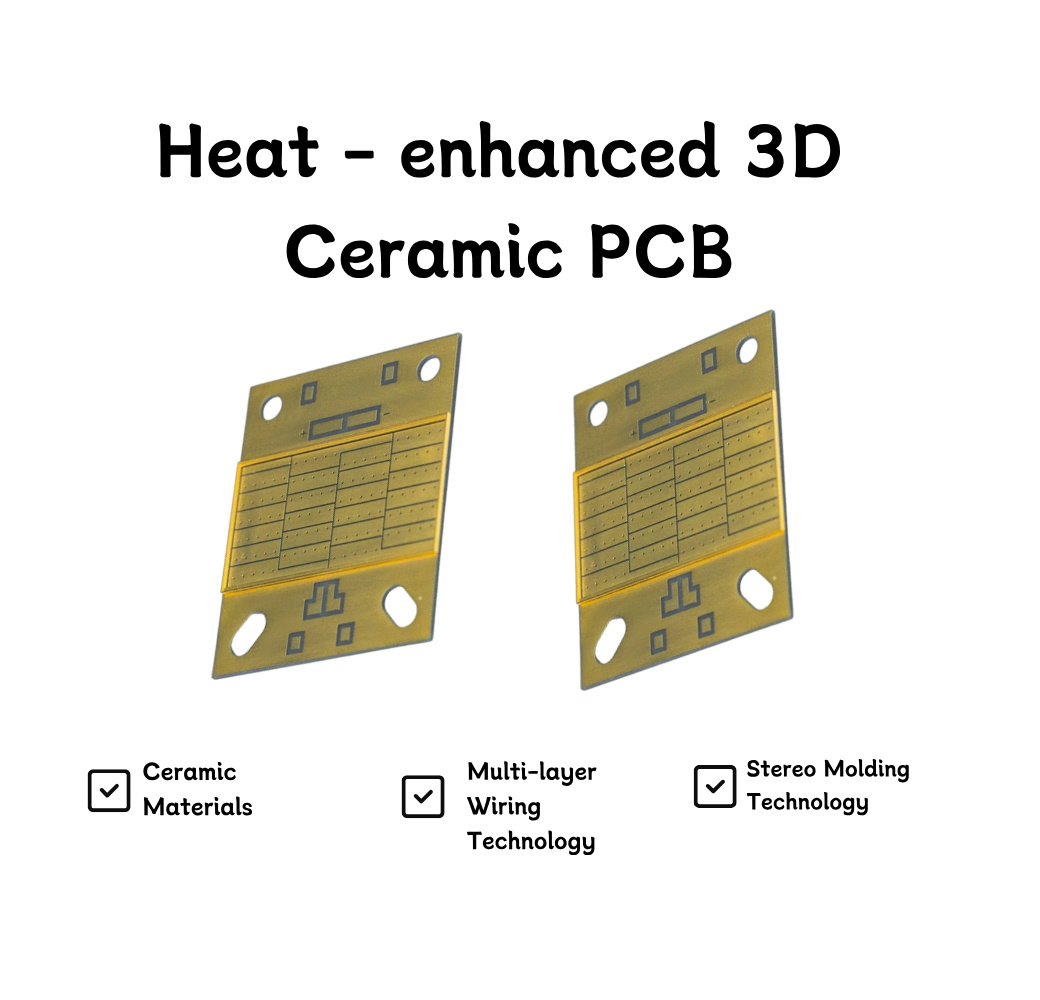
●Good Dimensional Stability: DPC substrates maintain stable dimensions even in high-temperature environments, reducing mismatch and fracture risks due to thermal stress.
●Superior Soldering Performance: The copper surface offers excellent soldering properties for reliable circuit connections.
●High Reliability and Durability: The material and structural design ensure long-term reliability in harsh operational conditions.
Overall, the DPC ceramic copper-clad substrate process combines excellent thermal and electrical performance, making it an essential material for high-power, high-frequency, and high-reliability electronic devices.
Product Quality Control in Ceramic PCB Manufacturing:
Quality control is essential in ceramic PCB production to ensure performance, reliability, and longevity. Common quality assurance measures include:
●Visual Inspection: To check for physical defects like cracks, chips, or scratches.
●X-ray Inspection: Ensures that there are no hidden defects or misalignments within the layers.
●Thermal Cycling Tests: Verifies that the PCB can withstand temperature fluctuations without failure.
●Electrical Testing: To ensure proper electrical conductivity and resistance across the circuits.
●Soldering Test: Ensures that the solder joints are reliable for electrical connections.
What is the Price of Ceramic PCB Substrates?
Ceramic PCBs tend to be more expensive than traditional PCBs due to the selection of raw materials, the complexity of manufacturing processes, and the performance characteristics of the materials. Ceramic PCBs typically use substrates like aluminum oxide, aluminum nitride, or silicon nitride, offering benefits such as excellent heat conductivity, high insulation, low dielectric loss, and high-frequency performance.
The price of ceramic PCBs varies based on:
●Material Choice: Aluminum nitride substrates are more expensive than aluminum oxide, and silicon nitride is even pricier.
●Manufacturing Process Different processes like DPC, DBC, AMB, HTCC, and LTCC affect the cost, with DPC generally being more expensive.
●Quantity: Prototype and small batches cost more compared to large-scale production.
●Size and Thickness: Larger PCBs require more material, increasing the cost. Higher precision and complexity in the design further raise prices.
●Type: Single-layer, double-layer, and multi-layer ceramic PCBs come with different pricing levels, with multi-layer boards being the most expensive.
●Lead Time: Expedited orders with shorter delivery times are priced higher than standard orders.
To get an accurate price estimate for ceramic PCBs, factors such as design drawings, process requirements, material selection, and quantity should be considered for a comprehensive quote.
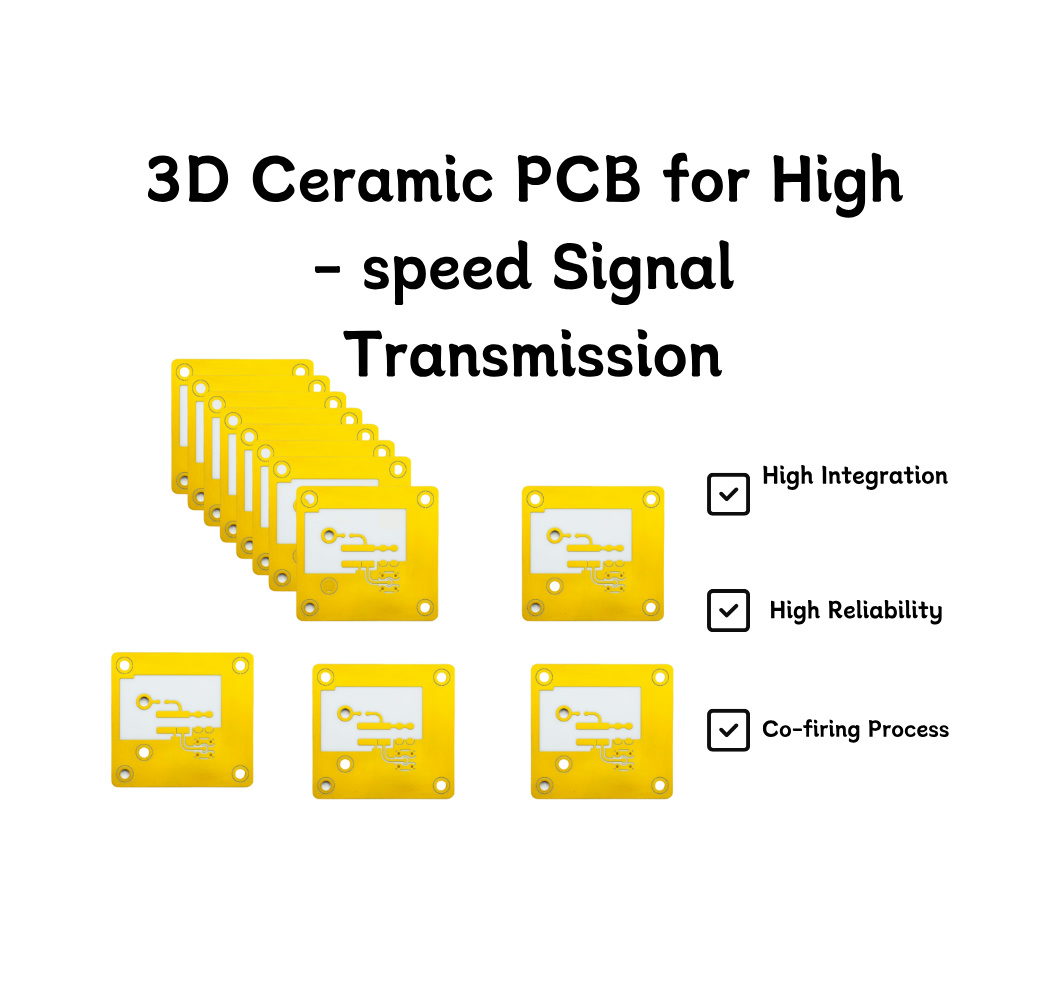
Ceramic PCB FAQs
1.What is a ceramic PCB? A ceramic PCB is a type of PCB that uses ceramic materials as the substrate, offering superior heat dissipation and mechanical properties compared to traditional FR4 boards.
2.Why is ceramic PCB used in high-power applications? Ceramic materials have excellent thermal conductivity, which is essential for efficiently dissipating the heat generated by high-power components.
3.What types of ceramics are used for PCBs? Common ceramics include aluminum oxide (Al2O3), aluminum nitride (AlN), and beryllium oxide (BeO).
4.What is DPC technology? DPC (Direct Plating Copper) is a method of depositing copper directly onto ceramic substrates, improving electrical conductivity and thermal management
5.What is the difference between DPC and DBC? DPC uses direct copper plating, while DBC (Direct Bonded Copper) involves bonding copper directly to the ceramic substrate using a high-temperature process.
6.What applications benefit from ceramic PCBs? Ceramic PCBs are used in applications such as automotive electronics, medical devices, RF systems, LEDs, and high-power electronics.
7.How much does a ceramic PCB cost? Prices vary based on the material, size, manufacturing process, and quantity, with costs ranging from $10 to $100 per square inch.
8.Can ceramic PCBs be used in RF applications? Yes, ceramic PCBs are ideal for RF applications due to their low dielectric constant and high-frequency performance.
9.How do ceramic PCBs compare to traditional PCBs? Ceramic PCBs offer better thermal management and electrical insulation, making them suitable for high-power and high-frequency applications.
10.What industries use ceramic PCBs? Key industries include automotive, medical, aerospace, communications, and power electronics.
By leveraging the benefits of ceramic substrates, businesses can improve the performance and reliability of their products, especially in industries requiring high thermal conductivity, electrical insulation, and mechanical stability. Ceramic PCBs play a crucial role in modern electronics and will continue to be vital for applications demanding superior performance and durability.
Applications of Ceramic PCBs
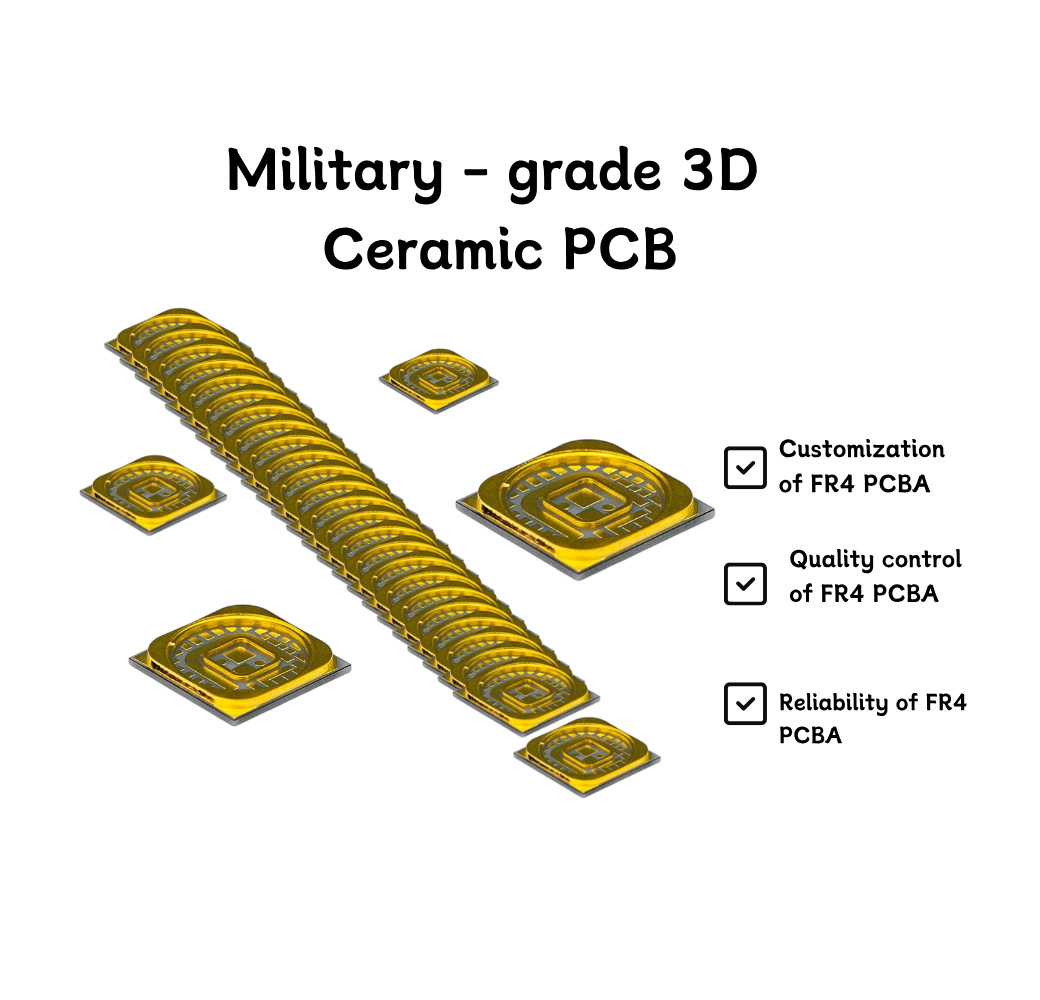
DPC Ceramic Copper-Clad Substrate Process for High-Power, High-Frequency, and High-Reliability Electronic Devices
The DPC (Direct Plating Copper) ceramic copper-clad substrate process is highly effective for manufacturing high-performance substrates for a variety of electronic devices. It is particularly suitable for applications requiring high power, high-frequency, and high-reliability components. Below are 10 detailed examples of products and sectors where DPC substrates excel:
1.High-Power Electronics: DPC substrates are indispensable in high-power electronics such as power amplifiers, inverters, variable frequency drives (VFDs), and electric vehicle chargers. Their exceptional thermal conductivity helps dissipate heat generated by high-power devices, ensuring stable performance and preventing overheating. This leads to enhanced efficiency and extended lifespan in power-intensive applications.
2.RF and Microwave Devices: The low dielectric loss and excellent high-frequency characteristics of DPC substrates make them perfect for RF power amplifiers, microwave antennas, RF filters, and communication devices. These substrates support high-frequency signal transmission with minimal loss, which is essential in communication systems like mobile networks, satellite communication, and radar systems.
3.LED Lighting: DPC substrates play a critical role in high-brightness LED modules and LED packaging substrates. Their superior heat dissipation properties help keep LEDs cool, which improves the energy efficiency and extends the life of LEDs. These substrates are widely used in automotive, industrial, and consumer lighting applications where heat management is critical.
4.Automotive Electronics: In the automotive industry, especially in electric vehicles (EVs), DPC substrates are used in power electronics modules, battery management systems (BMS), and onboard communication devices. The ability of DPC substrates to handle high thermal loads and provide excellent signal integrity makes them ideal for automotive systems that demand both performance and reliability.
5.High-Temperature Electronics: Due to their high-temperature stability and corrosion resistance, DPC substrates are well-suited for aerospace, gas turbine control systems, and other applications that operate in extreme temperature environments. These substrates ensure reliable operation in high-temperature conditions and maintain their structural integrity, even under harsh environmental stress.
6.Telecommunications: DPC ceramic copper-clad substrates are essential in the production of base stations, antenna arrays, and telecommunication transceivers. Their low signal loss at high frequencies and ability to support dense component packing make them ideal for ensuring the efficiency and longevity of telecommunications infrastructure.
7.Power Modules for Renewable Energy: DPC substrates are used in the power modules of solar inverters, wind turbines, and other renewable energy systems. The high thermal performance and mechanical strength of DPC substrates help improve the efficiency and reliability of power conversion systems used in renewable energy generation.
8.Medical Electronics: In medical devices, such as imaging systems, diagnostic equipment, and implantable devices, DPC substrates provide the necessary thermal management and electrical performance. Medical equipment often operates under continuous, demanding conditions, and DPC substrates ensure that these devices maintain performance and reliability over time.
9.Aerospace and Defense Systems: The DPC ceramic copper-clad substrates are widely used in military electronics, satellite systems, and space exploration components. Their ability to withstand extreme environmental conditions, including radiation exposure and vibration, makes them essential for use in critical defense and aerospace applications where performance is a matter of national security.
10.Power Conversion Equipment: For power converters, UPS (uninterruptible power supplies), and motor drives, DPC substrates ensure efficient heat dissipation, high power density, and excellent electrical performance. These features are critical in industrial automation and energy storage systems, where reliable and efficient power conversion is needed to optimize operations and minimize downtime.。
The DPC ceramic copper-clad substrate process offers remarkable thermal and electrical properties, making it an indispensable material in a range of industries. Its ability to handle high-power, high-frequency signals and maintain high reliability in extreme conditions makes it the preferred choice for critical electronic applications across various sectors.