Leave Your Message
-
E-mail
-
Whatsapp
-
Message
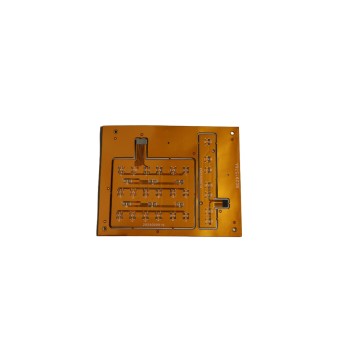
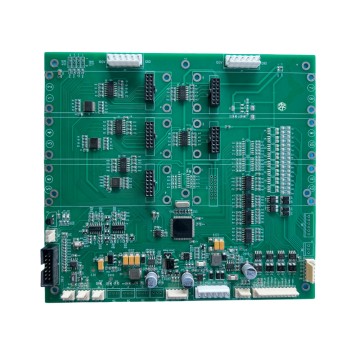
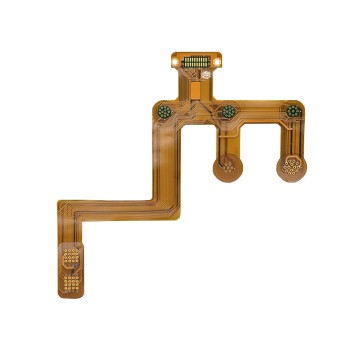
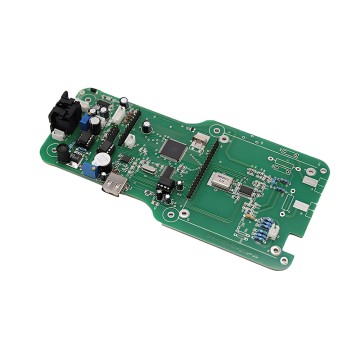
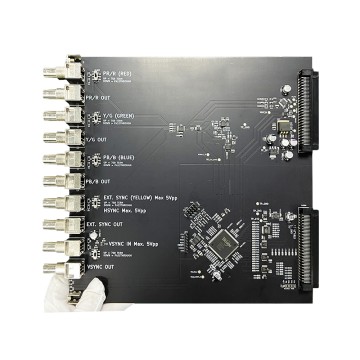
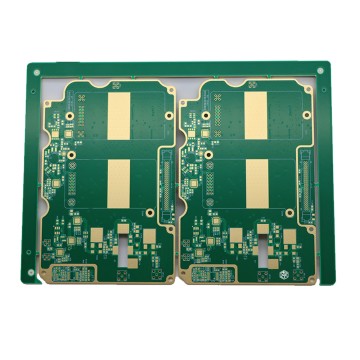
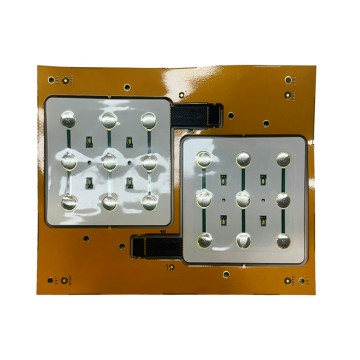
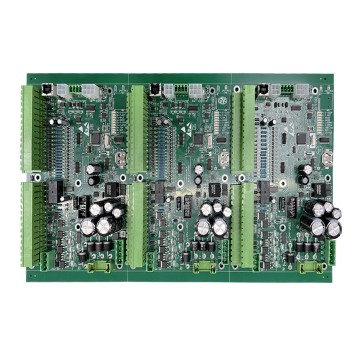
Our featured automotive-grade circuit boards and PCBA modules — engineered for high-power, high-reliability DC fast charging applications.
An automotive circuit board for DC fast chargers (DCFC) is a specialized printed circuit board assembly (PCBA) designed to manage, regulate, and monitor the high-voltage, high-current power conversion processes within electric vehicle (EV) charging stations. Unlike standard consumer electronics PCBs, these boards must withstand extreme thermal cycling, electromagnetic interference (EMI), vibration, and voltage transients — all while maintaining microsecond-level precision in power delivery.
DC fast chargers typically operate at 50 kW to over 350 kW, delivering direct current at voltages ranging from 200 V to 1,000 V. The circuit boards embedded in these systems serve as the neural network of the charger — controlling power factor correction (PFC), DC-DC conversion, communication protocols (CAN bus, CHAdeMO, CCS, GB/T), thermal management, and safety interlocks.
As global EV adoption accelerates, the demand for robust, intelligent, and compact automotive-grade circuit boards in fast-charging infrastructure has grown exponentially, making this one of the most technically demanding and commercially significant segments in modern PCB manufacturing.
Key figures driving the automotive circuit board and DC fast charger market globally.
Understanding the current market landscape and manufacturing challenges shaping this critical technology sector.
The rapid global rollout of EV charging networks — spurred by government mandates in the EU, US, China, and Southeast Asia — has created unprecedented demand for automotive-grade PCBs. Charging station OEMs and Tier-1 automotive suppliers are placing large-volume orders for multi-layer, high-frequency circuit boards capable of handling complex power conversion topologies such as LLC resonant converters, Vienna rectifiers, and bidirectional DC-DC stages.
Unlike industrial electronics, automotive circuit boards for DC fast chargers must comply with IATF 16949, AEC-Q100/Q200, IPC Class 3, and ISO 26262 (functional safety). Thermal shock resistance, vibration immunity per IEC 60068, and IP65+ protection are baseline requirements. Manufacturers like Rich Full Joy Electronics — certified under IATF16949 and ISO9001 — are positioned to meet these exacting specifications at scale.
Modern DC fast charger circuit boards must integrate multiple communication interfaces simultaneously: CAN bus for vehicle-charger handshaking, OCPP 1.6/2.0 for cloud-based network management, PLC (Power Line Communication) for ISO 15118 Plug & Charge, and LTE/5G modules for real-time diagnostics. This demands HDI (High Density Interconnect) PCB layouts with controlled impedance traces and advanced EMI shielding strategies.
At 150–350 kW power levels, thermal management on the circuit board becomes a critical engineering challenge. Designers employ heavy copper PCBs (3 oz to 10 oz), embedded copper coin technology, thermally conductive prepregs, and direct bonded copper (DBC) substrates. The board layout must minimize parasitic inductance in switching loops while maintaining adequate creepage and clearance distances for high-voltage isolation.
Geopolitical factors and post-pandemic supply chain disruptions have accelerated the trend toward regional PCB manufacturing hubs. China remains the world's largest PCB production base, with Shenzhen-based manufacturers offering vertically integrated services — from raw material sourcing and PCB fabrication to SMT assembly, functional testing, and logistics — giving them a significant cost and lead-time advantage in the global DCFC market.
Leading PCB manufacturers are deploying AI-powered AOI (Automated Optical Inspection), robotic SMT lines, and MES (Manufacturing Execution Systems) to achieve Six Sigma quality levels. Real-time SPC data collection, traceability via 2D barcodes, and automated X-ray inspection (AXI) for BGA components are now standard in automotive-grade PCBA production for DC fast charger applications.
Emerging technologies and market forces that will define the next decade of DCFC circuit board evolution.
The transition from silicon IGBTs to Silicon Carbide (SiC) MOSFETs and Gallium Nitride (GaN) transistors is revolutionizing DCFC power electronics. These devices switch at 100 kHz–1 MHz, demanding PCBs with ultra-low parasitic inductance, Rogers or PTFE high-frequency laminates, and precise impedance control. Circuit board designers must adopt new layout methodologies to fully exploit the efficiency gains of WBG semiconductors.
Vehicle-to-Grid (V2G) and Vehicle-to-Everything (V2X) capabilities require bidirectional power flow management on the charger circuit board. This adds complexity to the control PCBA, requiring dual-mode power conversion circuits, advanced gate driver designs, and sophisticated energy management algorithms implemented on embedded microcontrollers or FPGAs mounted on the board.
Next-generation DC fast charger circuit boards will incorporate dedicated AI inference chips and edge computing modules to enable real-time anomaly detection, predictive failure analysis, and adaptive charging profiles. Sensor fusion PCBs collecting temperature, current, voltage, and vibration data will feed local ML models, reducing downtime and extending charger service life significantly.
As charging station form factors shrink — particularly for urban and residential ultra-fast chargers — circuit board designers are pushing toward 20+ layer HDI PCBs with via-in-pad technology, embedded passive components, and 3D stacked modules. This miniaturization trend demands sub-50μm line/space PCB fabrication capabilities and advanced packaging techniques like SiP (System-in-Package).
With DCFC systems increasingly connected to cloud platforms and vehicle ECUs, hardware-level cybersecurity is becoming a circuit board design requirement. Secure element ICs, hardware security modules (HSM), and trusted platform modules (TPM) are being integrated directly onto charging control PCBAs. ISO 21434 cybersecurity and ISO 26262 ASIL-D functional safety compliance are driving significant changes in board architecture.
Environmental regulations (RoHS, REACH, IPC-1752) and corporate ESG commitments are pushing PCB manufacturers to adopt halogen-free laminates, lead-free surface finishes (ENIG, ENEPIG), water-based solder masks, and closed-loop chemical recycling processes. Sustainable manufacturing practices are increasingly becoming a procurement criterion for DCFC OEMs evaluating circuit board suppliers.
Where automotive circuit boards for DC fast chargers create transformative value across industries and use cases.
High-traffic highway charging stations deploy 150–350 kW DC chargers requiring multi-output power distribution PCBAs that can simultaneously serve 4–8 vehicles. Circuit boards in these systems must handle dynamic load balancing, real-time power allocation, and seamless communication with grid management systems — all while operating reliably in outdoor environments with wide temperature ranges (-40°C to +85°C).
Electric bus, truck, and logistics fleet operators require depot charging systems with centralized power management PCBAs. These boards orchestrate scheduled overnight charging, demand response programs, and battery health monitoring across dozens of vehicles simultaneously. The circuit boards must support Modbus, BACnet, and proprietary fleet management protocols alongside standard EV communication interfaces.
Heavy-duty electric mining vehicles, port equipment, and industrial AGVs (Automated Guided Vehicles) require ruggedized DC fast charger circuit boards rated for continuous operation in harsh environments with high dust, humidity, and vibration. These boards typically feature conformal coating, potting compound protection, and extended temperature range components qualified to AEC-Q200 standards.
Electric aircraft pushback tractors, baggage handlers, and ground support vehicles at major airports are transitioning to DC fast charging. The circuit boards in these chargers must meet aviation-grade EMC requirements, integrate with airport energy management systems, and provide detailed power consumption reporting for carbon footprint accounting — a rapidly growing regulatory requirement in the aviation sector.
Compact 22–50 kW DC fast chargers for apartment complexes and residential communities require highly integrated circuit boards that combine power conversion, energy metering (MID-certified), payment processing, and smart home integration (HEMS compatibility) in a single compact PCBA. The challenge lies in achieving automotive-grade reliability in a cost-sensitive consumer market segment.
Advanced DC fast charger circuit boards are being integrated into microgrid controllers that manage solar PV generation, battery energy storage systems (BESS), and EV charging loads simultaneously. These boards implement sophisticated energy management algorithms, grid-forming inverter control, and peer-to-peer energy trading protocols — positioning the charging station as an active participant in the distributed energy ecosystem.
With 20 years of specialized PCB and PCBA manufacturing experience, IATF16949 and ISO9001 certifications, and a proven track record supplying automotive-grade circuit boards to global EV charging OEMs, Shenzhen Rich Full Joy Electronics delivers the precision, reliability, and technical expertise your DC fast charger project demands. Our one-stop service — from PCB design consultation and prototype fabrication to high-volume SMT assembly, functional testing, and global logistics — ensures faster time-to-market and lower total cost of ownership for your charging infrastructure program.
A national high-tech innovative enterprise with 20 years of excellence in intelligent electronic manufacturing.
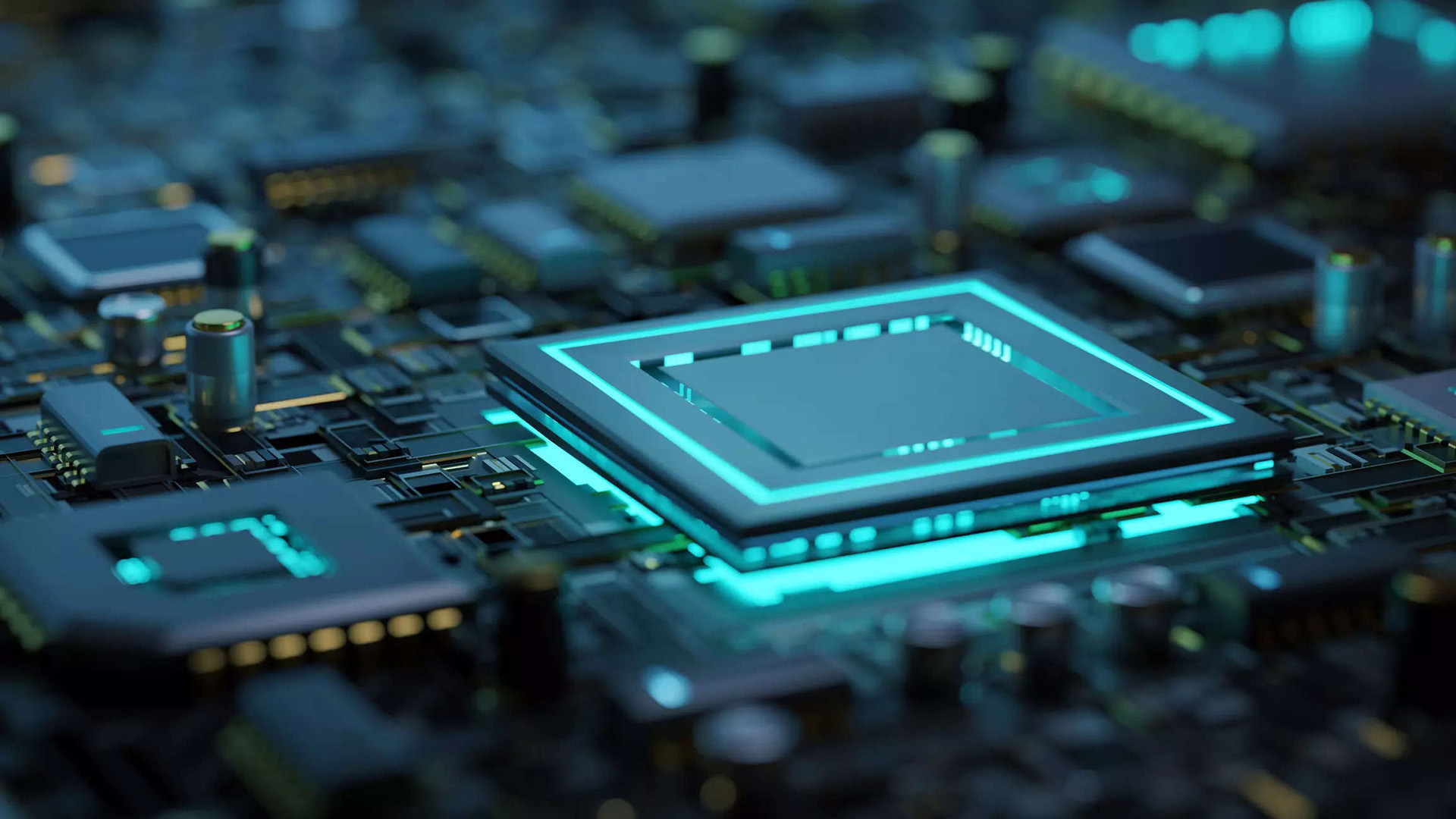
Based in China and looking at the global market, Shenzhen Rich Full Joy Electronics Co., Ltd. has been committed to industry development for 20 years. The company is a national high-tech innovative enterprise that combines focus and expertise. It's also an important enterprise incubation base in China. We specialize in providing customers with one-stop intelligent electronic manufacturing services, including scientific research, PCB design, PCB manufacturing, PCB assembly (including SMT, DIP, Programming and testing) and component selection.
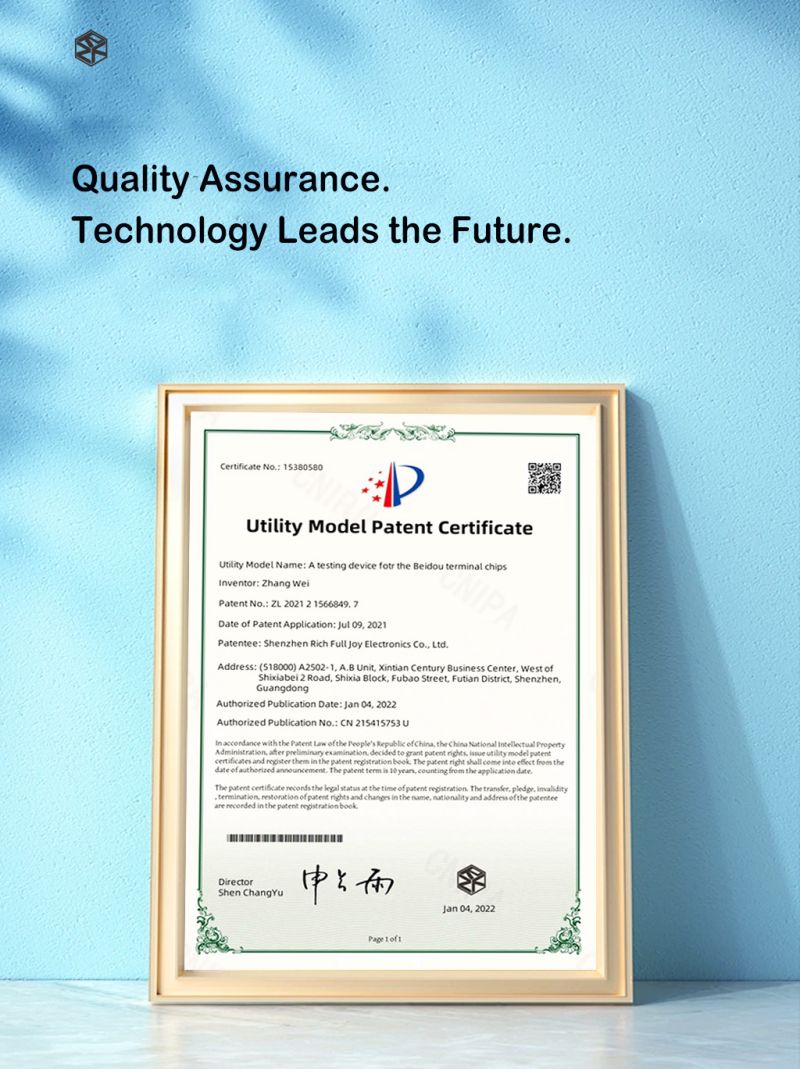
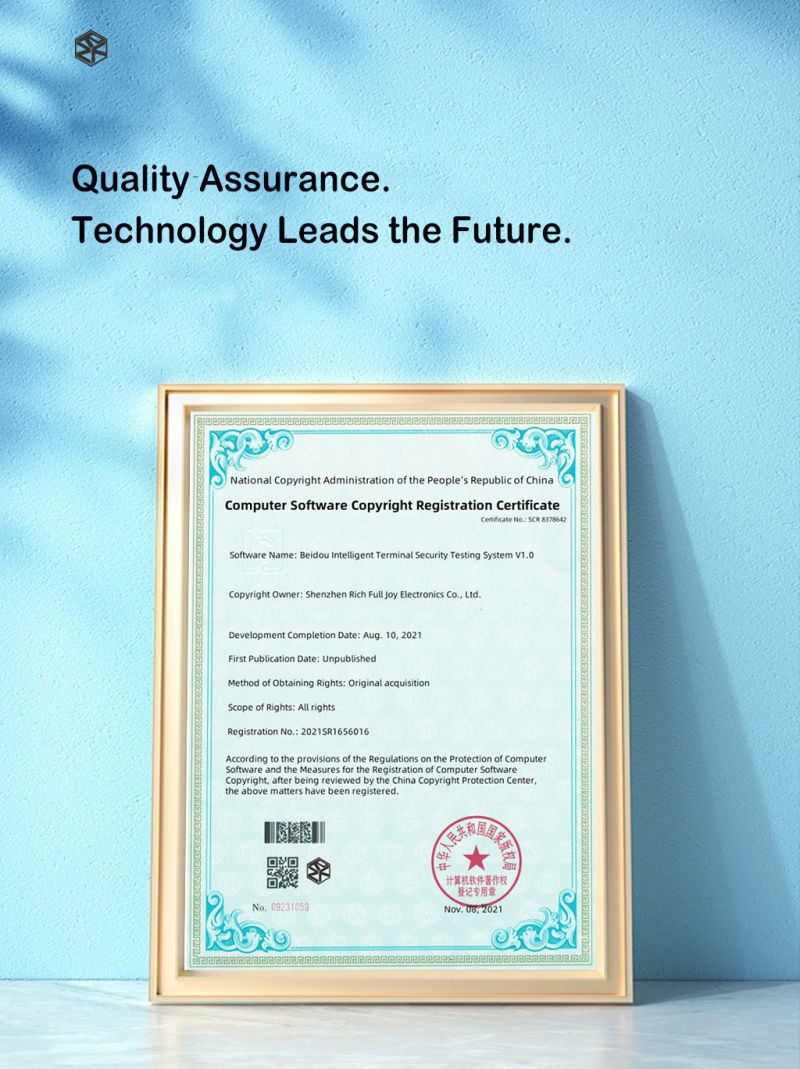
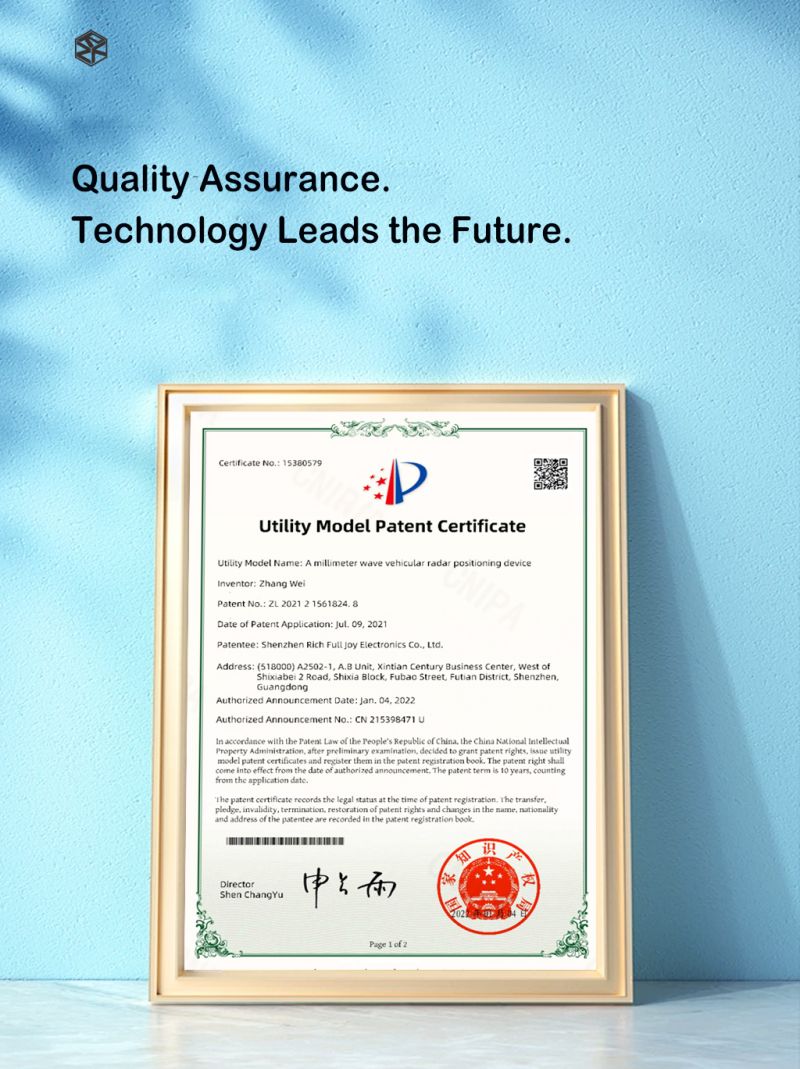
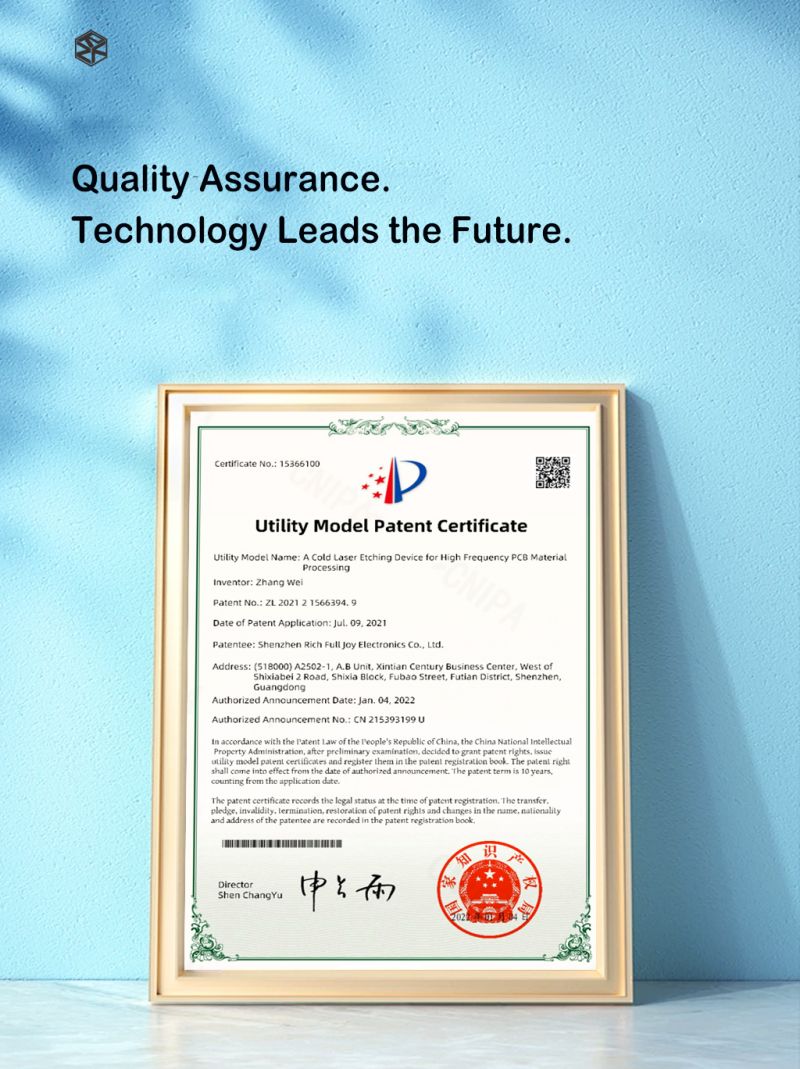
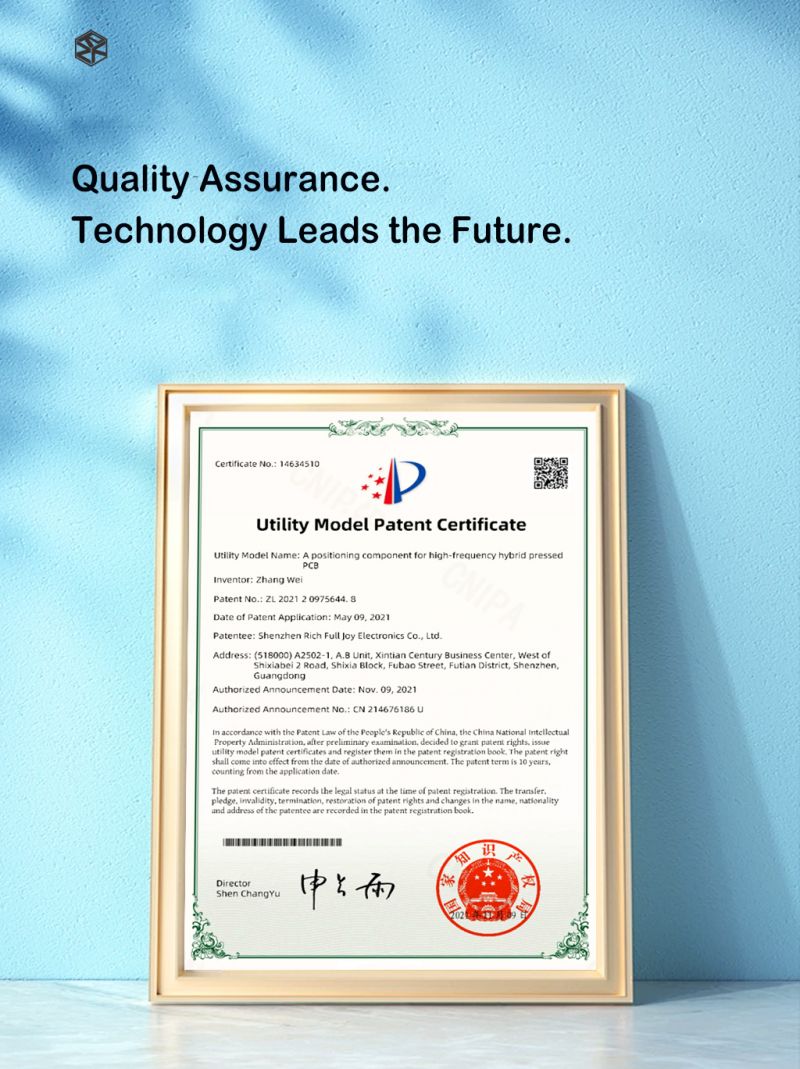
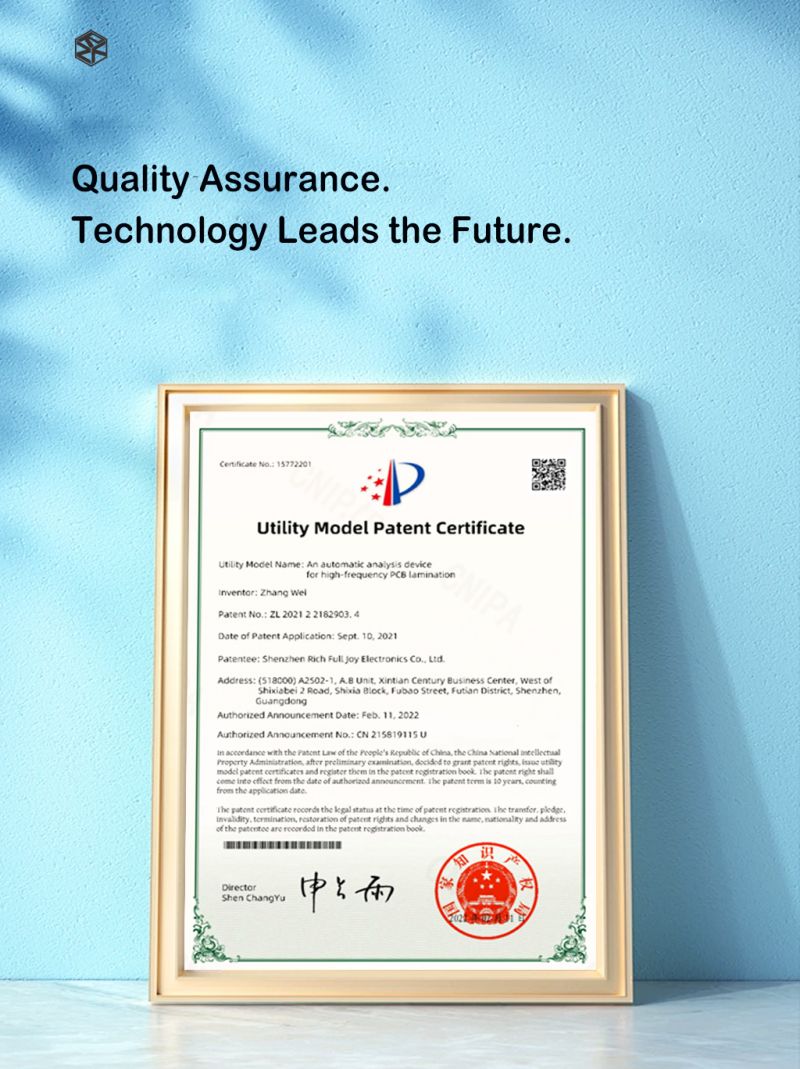
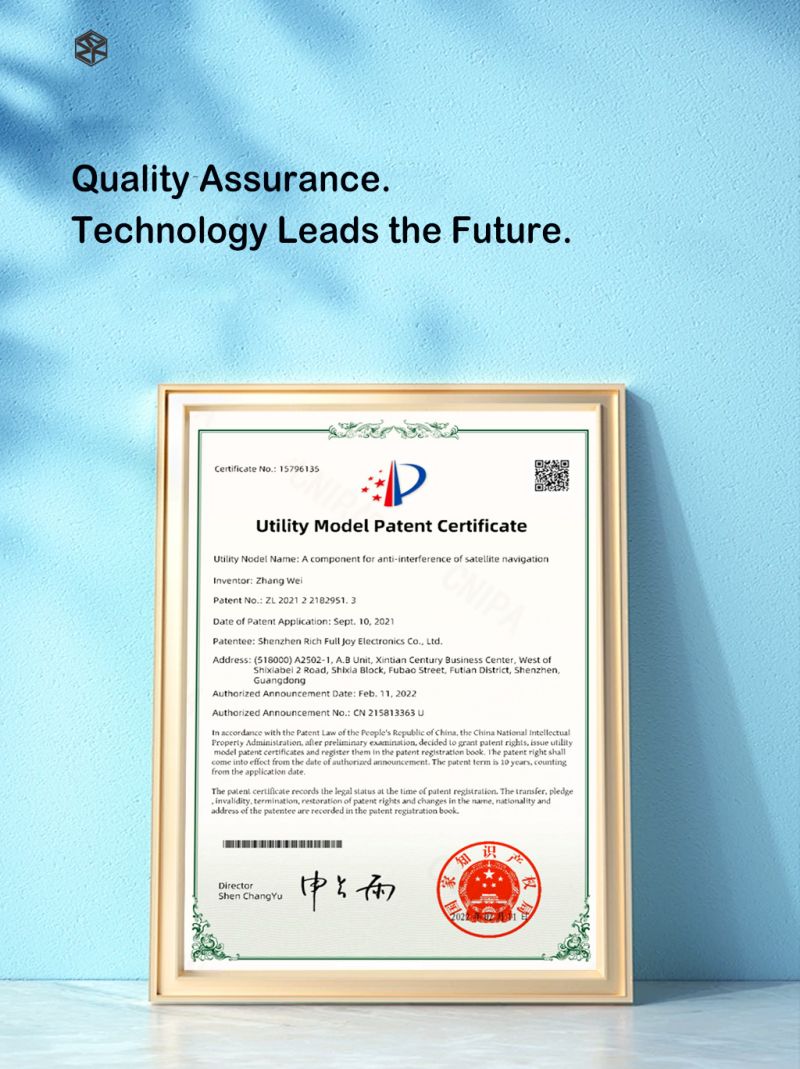
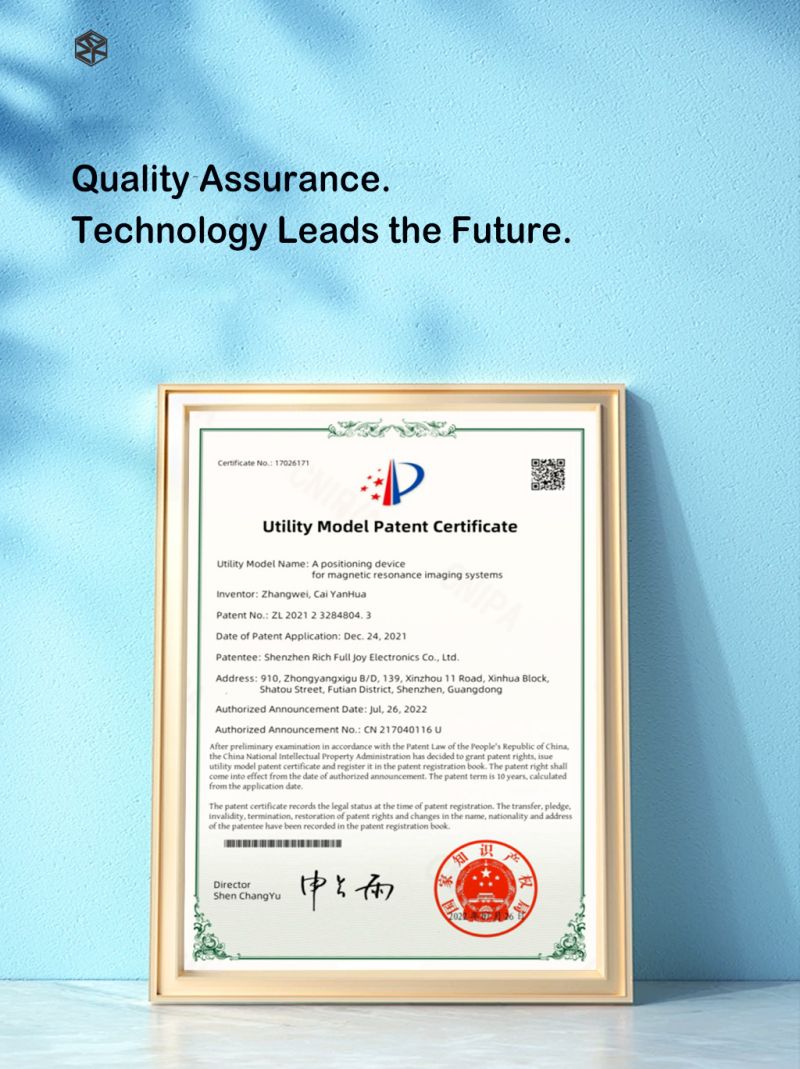
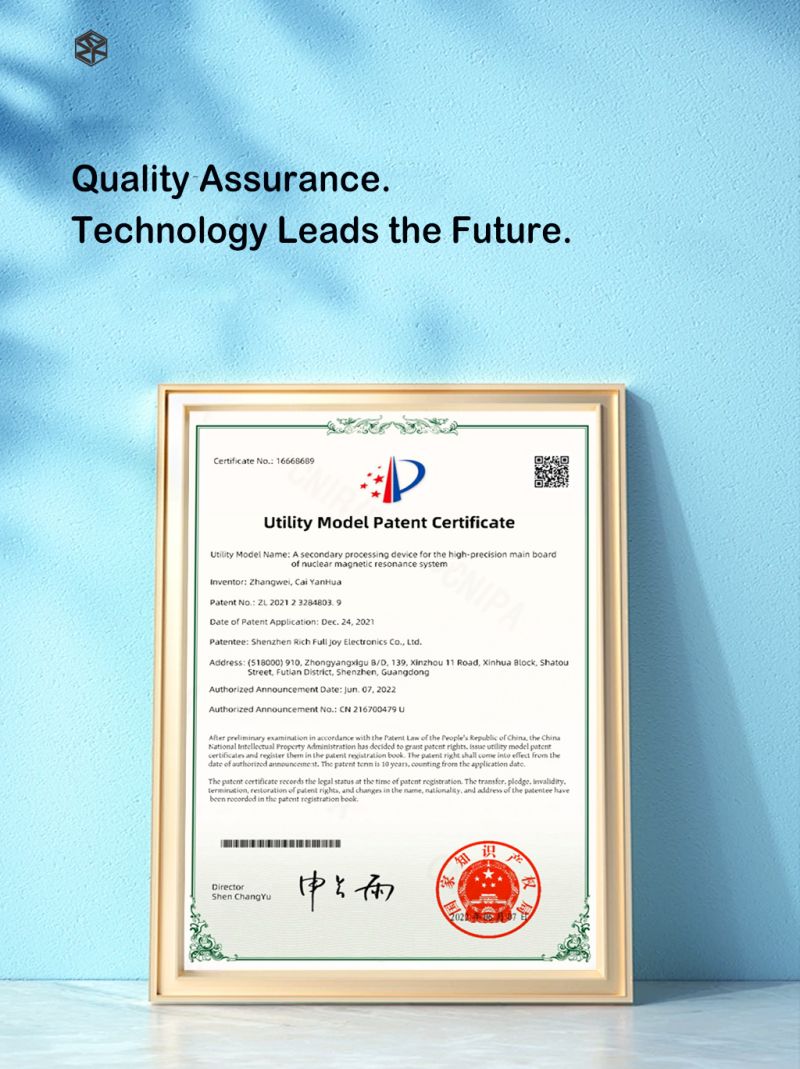
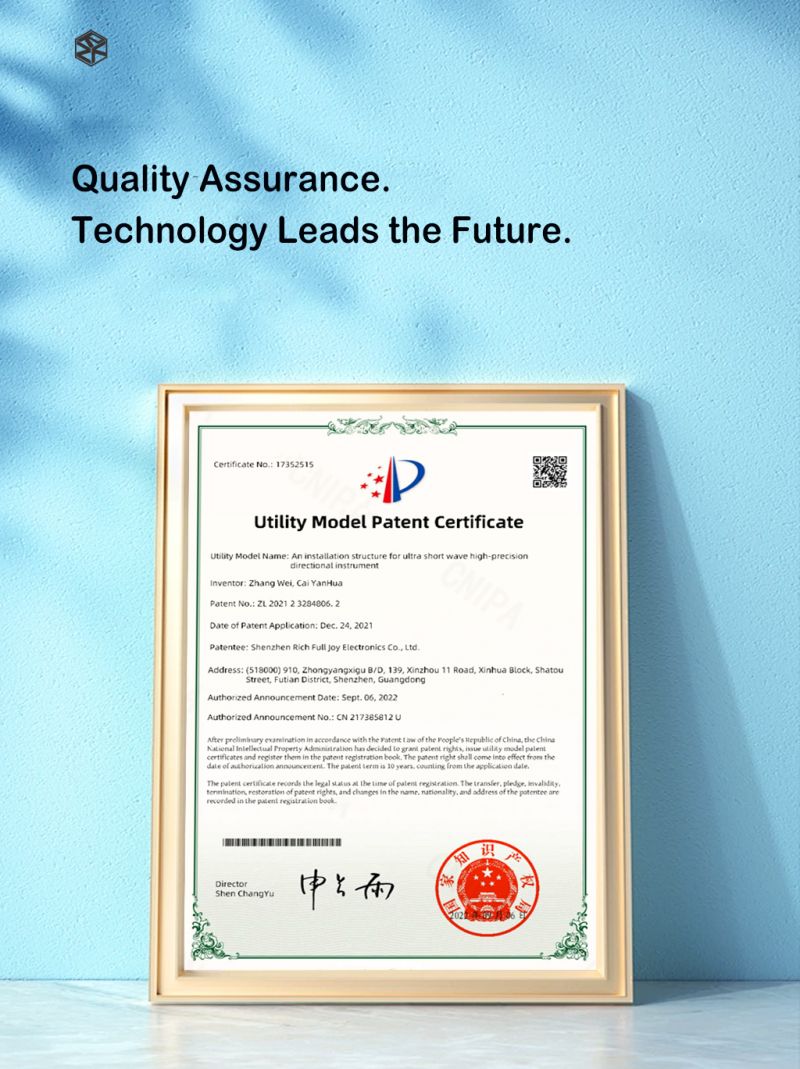
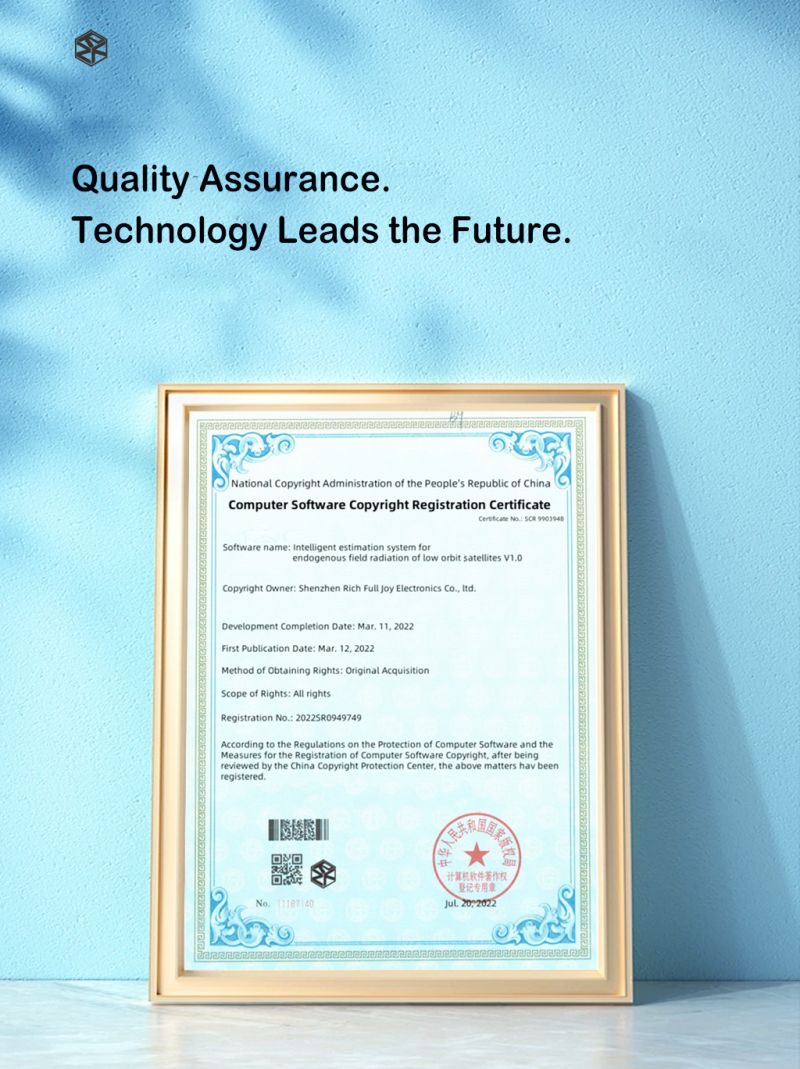
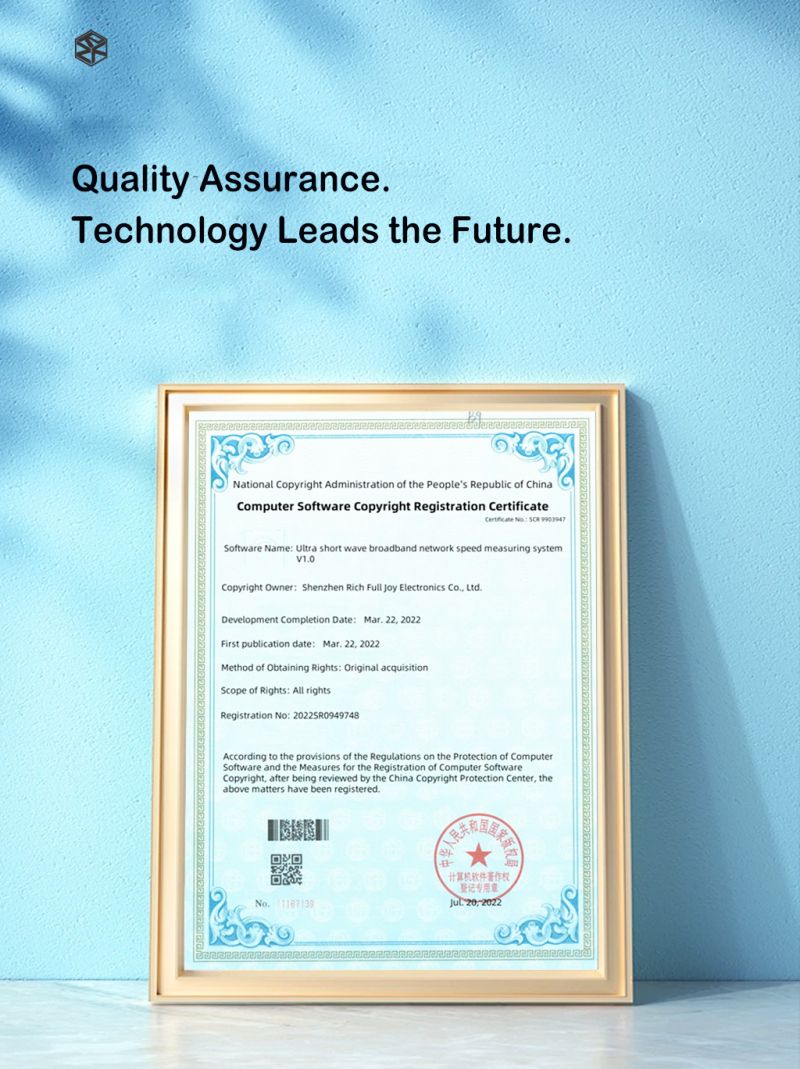
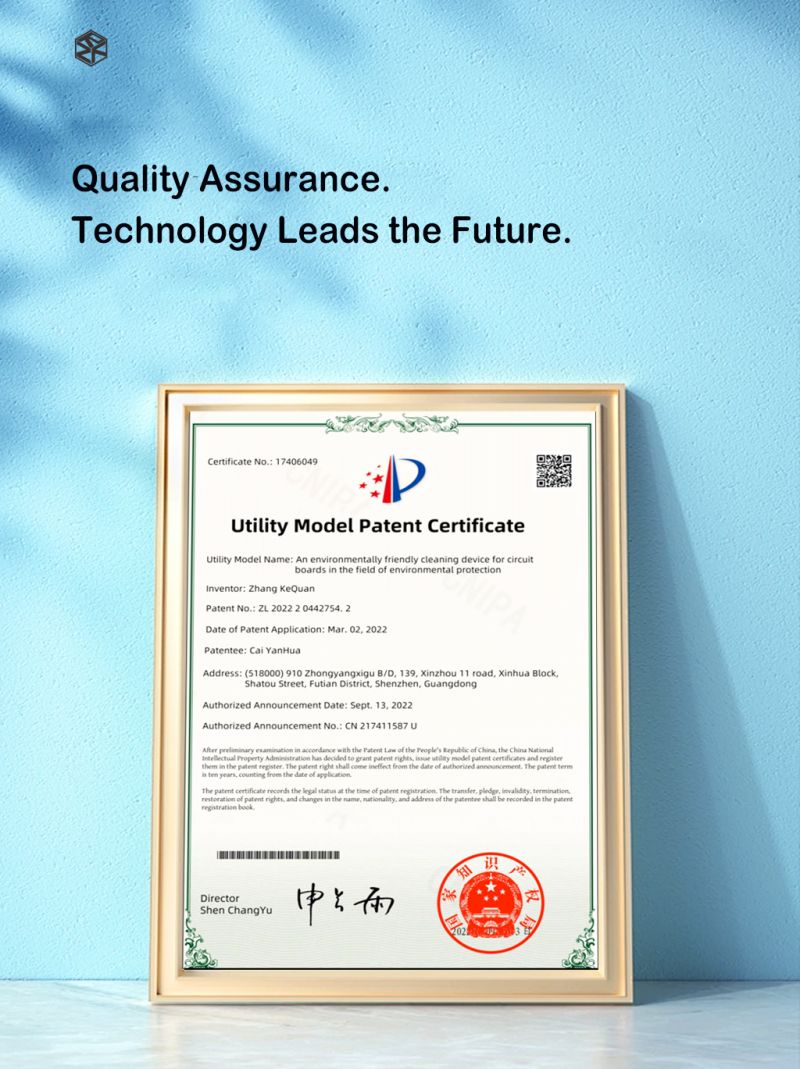
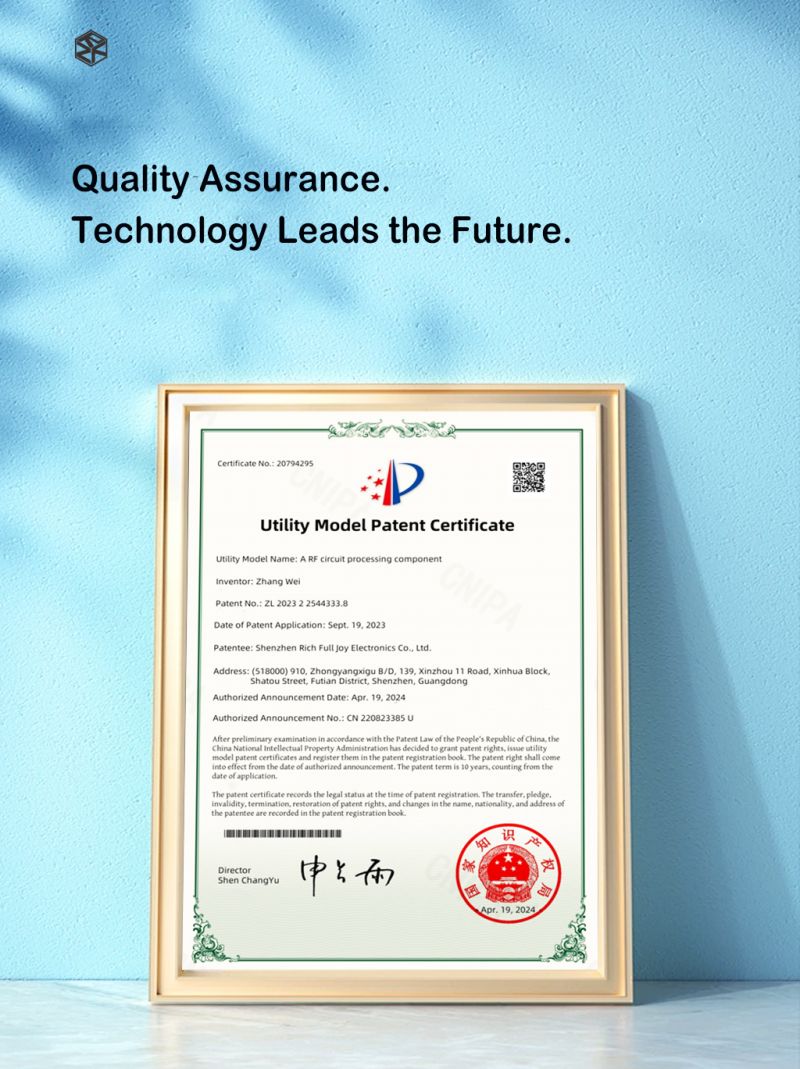
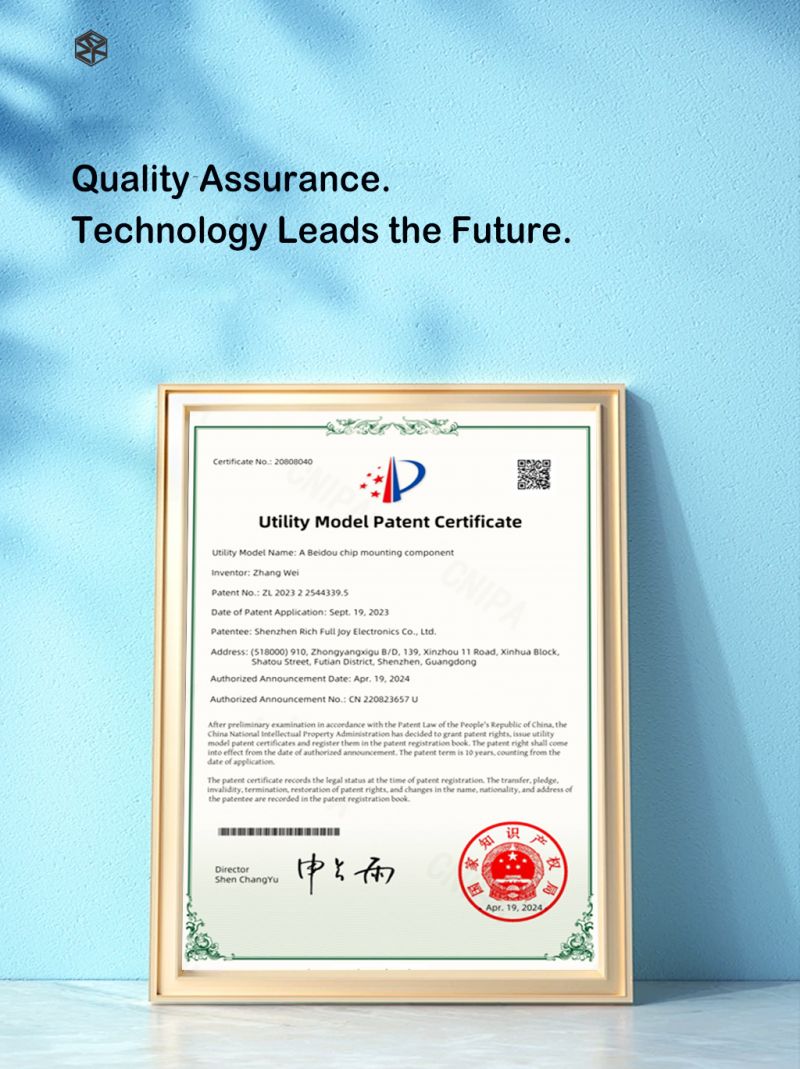
Technological innovation is the core competitiveness of enterprises. We've obtained multiple invention and utility model patents, and has passed various international standard certifications such as ISO9001, IATF16949, ISO14001, UL, CQC, REACH, RoHS, COC, as well as the GJB9001C-2017 standard certification for weapon and equipment quality management system. We've provided high-quality and reliable products to multiple research institutions, universities, and assisted customers in identifying design issues and providing reasonable suggestions and processing parameters. We not only publish technical papers, but also actively participate in domestic and overseas technology exchange conferences to spread academic value and cutting-edge technological innovation. We regularly communicate with customers and strive to provide them with the best solutions.
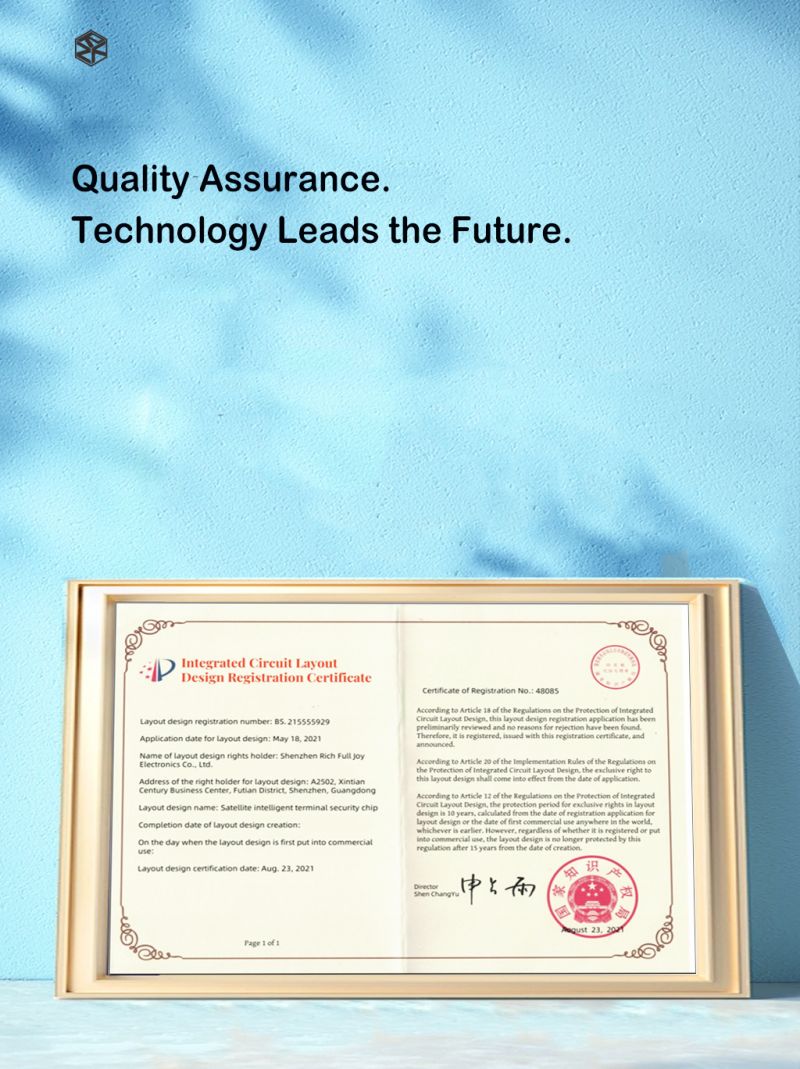

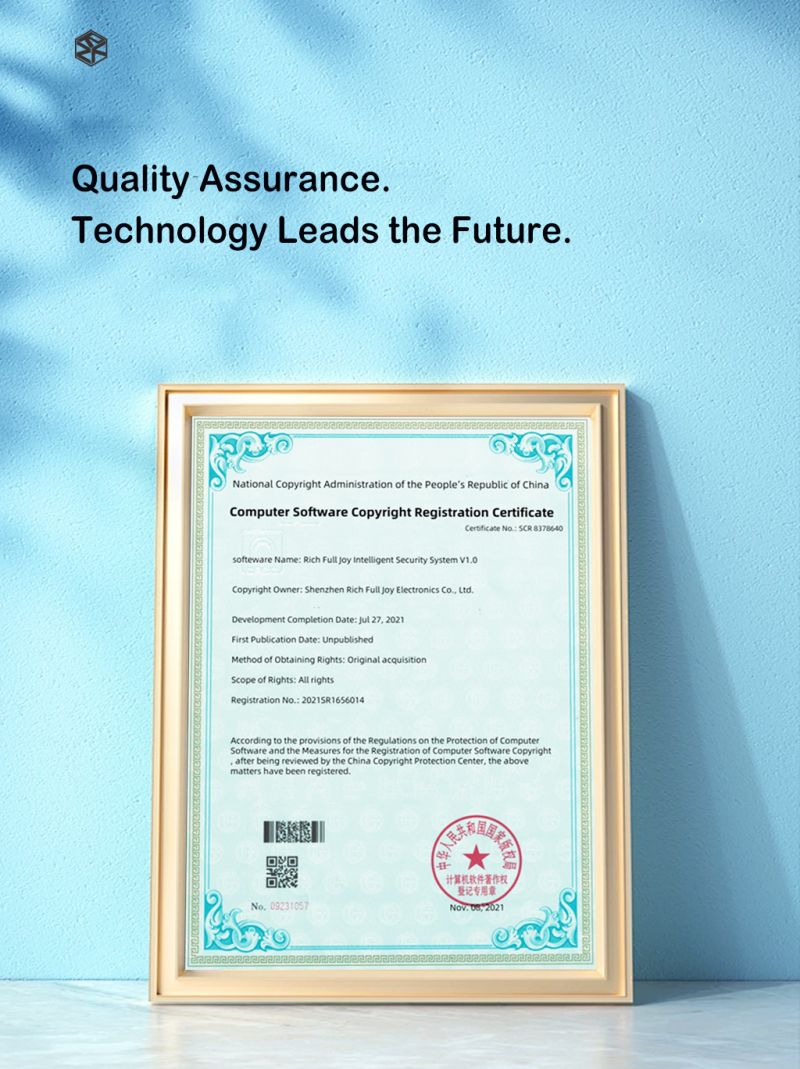
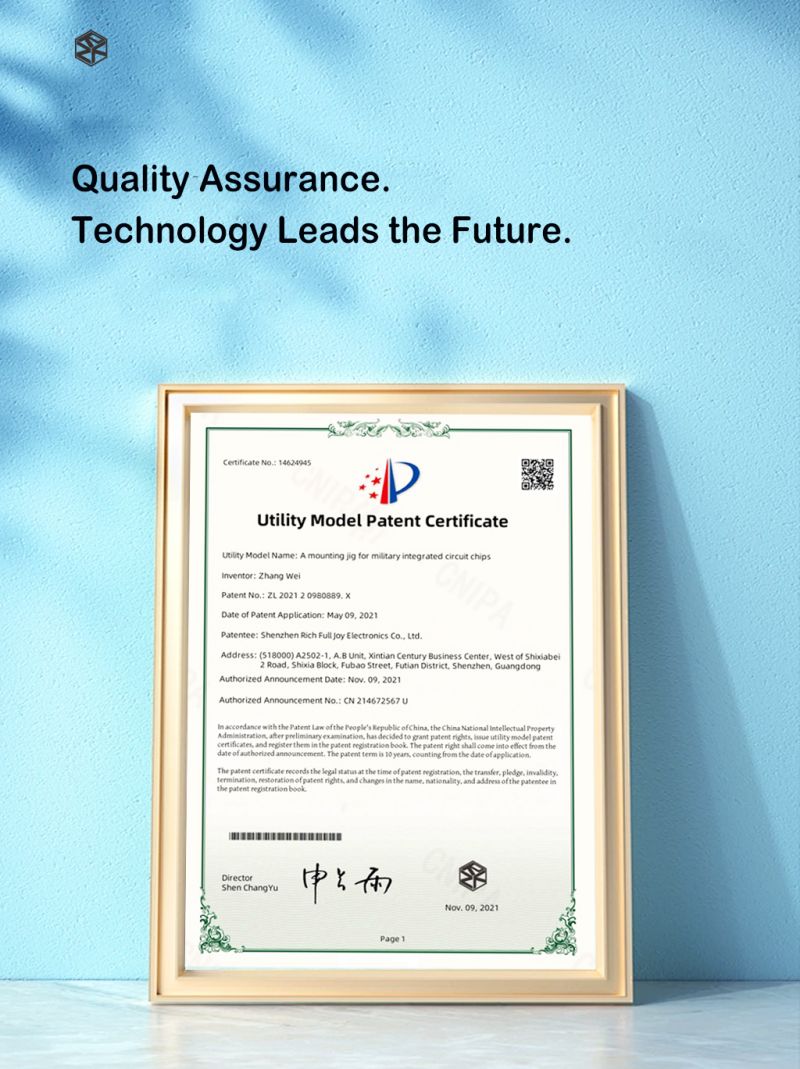



Explore our full range of PCB and PCBA products engineered for demanding automotive, medical, and industrial applications.