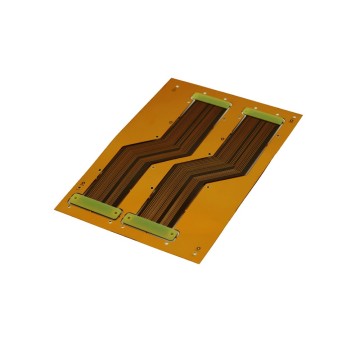
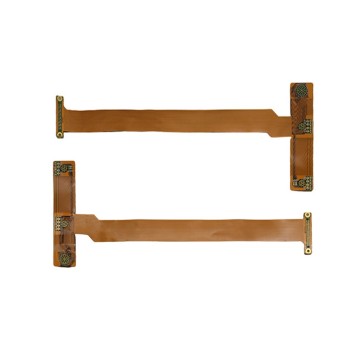
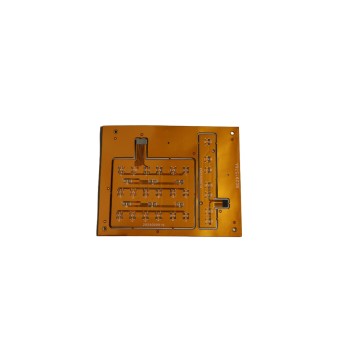
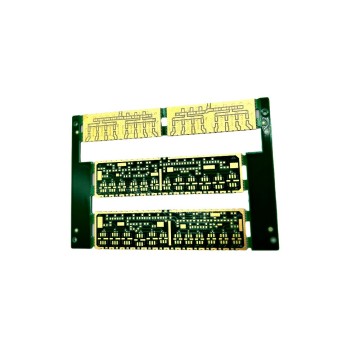
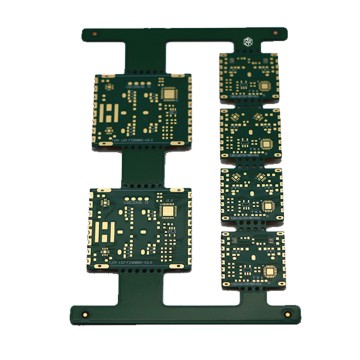
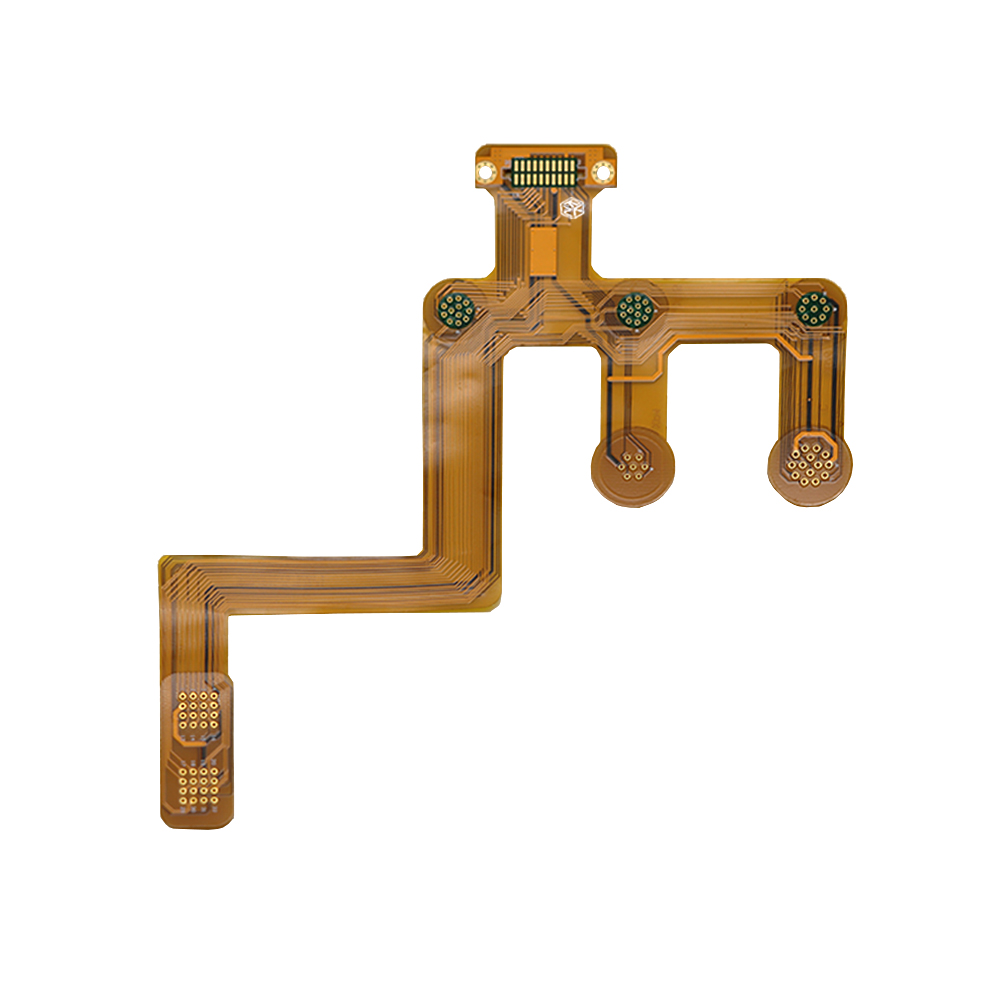
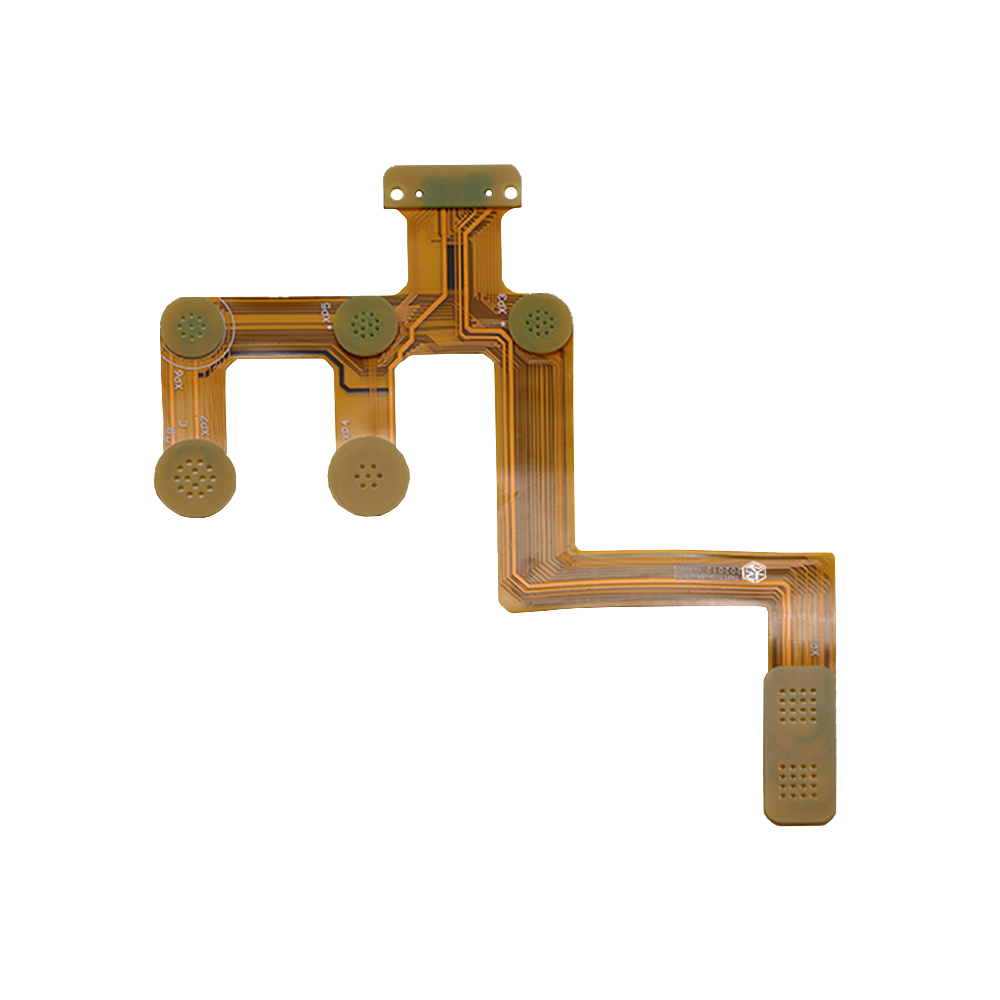
Product manufacturing instructions
| Type |
Double-sided FPC |
| Materia |
SYTECH SF202、Polyimide、TG320 non adhesive rolled copper |
| Number of layer |
2L |
| Board Thickness |
0.2mm |
| Single size |
148.5*144.7mm/1PCS |
| Surface finish |
ENIG |
| Inner copper thickness |
/ |
| Outer copper thickness |
35um |
| Color of solder mask |
yellow coverlay |
| Silkscreen color |
white(GTO,GBO) |
| Via treatment |
Solder mask plug holes |
| Density of mechanical drilling hole |
1W/㎡ |
| Density of laser drilling hole |
/ |
| Min via size |
0.2mm |
| Min line width/space |
8/8mil |
| Aperture ratio |
1mil |
| Pressing times |
/ |
| Drilling times |
1 time |
| PN |
B0200784A |
What is a Flexible Circuit?
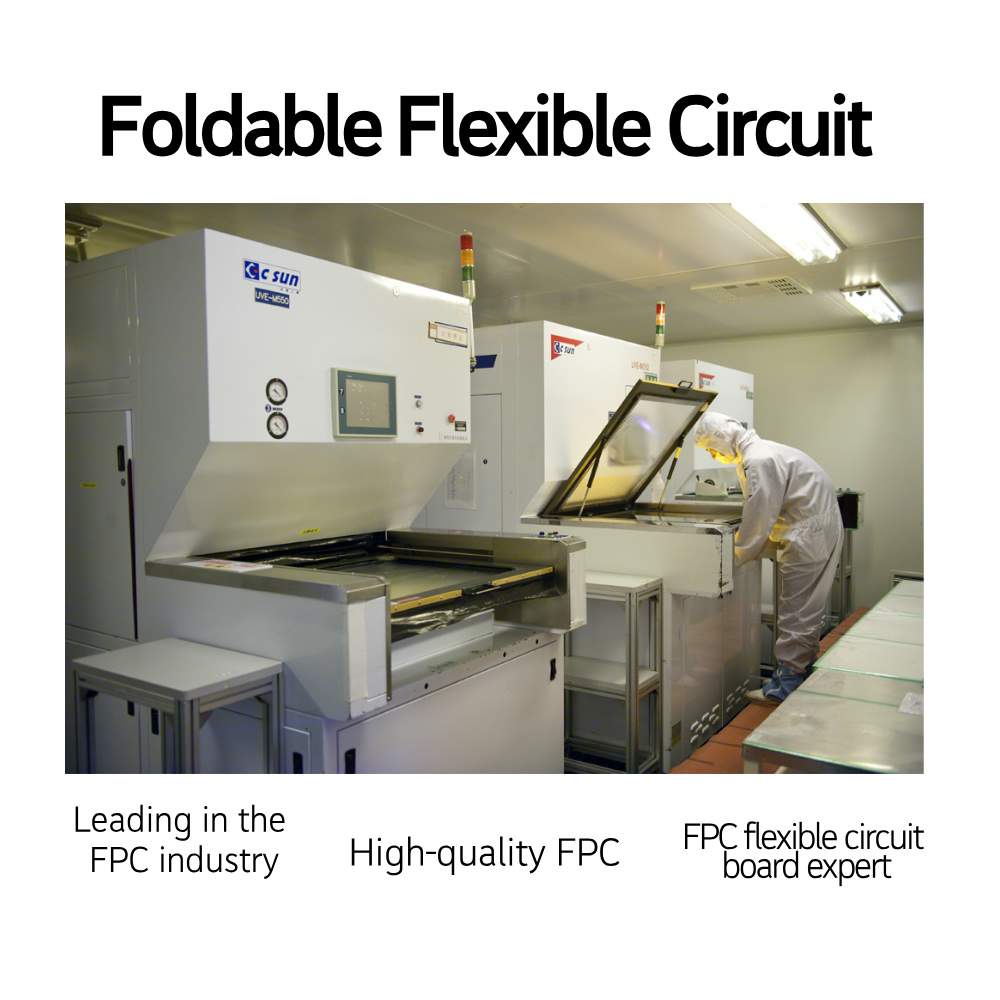
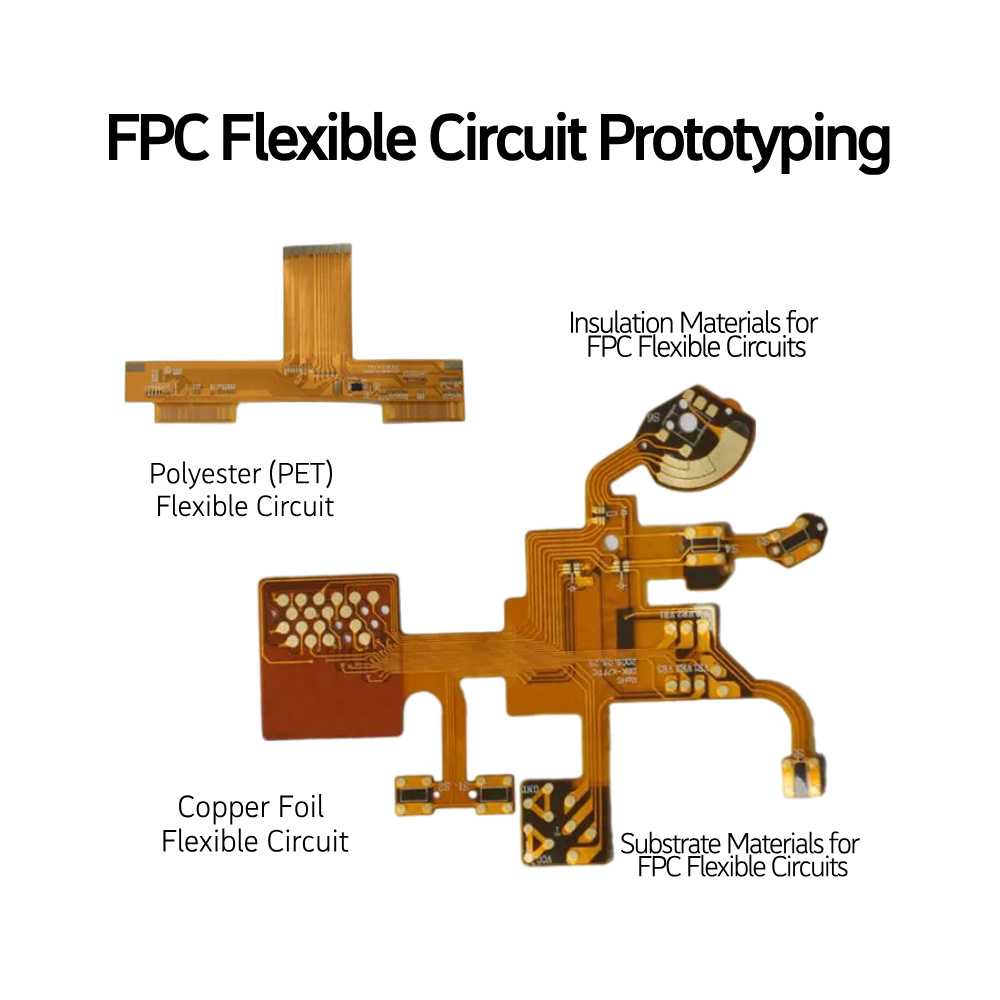
A flexible circuit (or flex PCB) is a type of printed circuit board (PCB) that is made from a substrate material that allows it to bend, twist, and conform to various shapes and spaces. Unlike traditional rigid PCBs, flexible circuits use materials like polyimide (also known as Kapton) which is known for its flexibility and durability. A flexible circuit can be made with multiple layers of copper and is often chosen for its ability to fit into compact, space-constrained designs. Popular suppliers of flexible PCB materials include DuPont and Panasonic, both of which provide high-quality polyimide films that offer exceptional flexibility and reliability.
Flexible circuits can bend without breaking, which gives them a major advantage in applications requiring movement, dynamic stress, or tight spaces. However, if the circuit experiences sharp bending that causes creases, the copper traces could crack, compromising the functionality of the circuit. It is important to note that a flexible circuit should not be confused with a semi-flexible FR4 board, which may bend but will eventually snap due to the inherent brittleness of FR4 material, especially when it is thinner than 10 mils.
How Do Flexible PCBs Compare to Rigid PCBs?
While flexible PCBs and rigid PCBs serve similar purposes, they have significant differences in materials, construction, and application:
1. Material1
●Rigid PCBs are usually made from FR4 (a composite material made from glass-epoxy), which is hard and stable but cannot be bent.
●Flexible PCBs are made from polyimide (such as Kapton), which offers superior flexibility and allows the circuit to bend and twist without breaking. Polyimide is generally preferred for flexible circuits due to its exceptional thermal resistance and mechanical properties.
2. Coverlay2
●Rigid PCBs typically use a solder mask, which provides insulation and protects the copper traces.Flexible PCBs often use a flexible coverlay made from the same polyimide material or other thin films to protect the copper traces. The coverlay is cut or laser-routed to expose the copper pads and traces, then adhered to the polyimide substrate using an adhesive. The adhesive typically ranges in thickness from 1 to 2 mils.
3. Stiffeners3
●Flexible circuits may require stiffeners in specific regions, such as where components are mounted or in areas that require additional structural support. FR4 or polyimide stiffeners are added by lamination or pressure-sensitive adhesives (PSA). These stiffeners help to reinforce the non-flexing areas of the circuit.Rigid PCBs do not require stiffeners because they are inherently stable and non-flexible.
4. Permittivity (Dielectric Constant)
●Rigid PCBs are available in a wide range of dielectric constants, depending on the material and design requirements.
●Flexible PCBs made from polyimide typically have a dielectric constant of 3.4, making them suitable for many high-frequency and high-performance applications.
Types of Flexible PCBs
There are three primary types of
flexible printed circuit boards, each designed to meet specific needs based on flexibility, rigidity, and the components involved:
1. Flex Circuits1
A flex PCB is made entirely of flexible material, such as polyimide. These circuits are 100% flexible, meaning they can bend in any direction without any rigid sections. They are ideal for applications where the entire board needs to be flexible, such as in wearables or foldable displays.Flex PCB
2. Flex with Stiffener(s)
In some cases, a flex PCB needs rigidity in certain areas. This is achieved by adding FR4 or polyimide stiffeners at specific locations of the board. The stiffeners are applied by lamination or adhesive (PSA). These circuits are commonly used when components need to be mounted on one side of the circuit but the rest of the board must retain flexibility. For example, mobile phones or fitness trackers use this type of design for flexible interconnections with rigid components.
3. Rigid-Flex PCBs
A rigid-flex PCB is a hybrid design that combines both rigid and flexible sections. The flexible layers are sandwiched between two rigid boards, typically using no-flow prepreg. This design allows the board to maintain flexibility in certain areas while providing stability and support in others. Rigid-flex PCBs are commonly used in applications where components are mounted on both sides of the board, such as in aerospace and medical devices where size and weight limitations are critical.
Benefits of Flexible PCBs
Flexible PCBs offer several significant advantages over traditional rigid PCBs, making them a go-to solution for many industries requiring compact, high-performance electronic designs:
1. Lightweight
Because polyimide material used in flexible circuits is lighter than traditional FR4, flexible PCBs contribute to reducing the overall weight of the electronic device.
2. Thin Profile
Flexible PCBs can be incredibly thin, typically ranging between 4.4 and 10 mils (0.11 - 0.25 mm), which allows for slim designs and easy integration into small or confined spaces.
3. Flexible & Space-Saving
The ability of flexible PCBs to bend or fold opens up new design possibilities, especially in space-constrained environments. They allow manufacturers to reduce the overall mechanical footprint of devices, enabling compact product designs.
4. High-Temperature Resistance
Polyimide materials used in flexible PCBs are suitable for high-temperature applications, often exceeding the thermal capabilities of FR4. This makes flexible circuits ideal for harsh environments like automotive, aerospace, and military applications.
5. Chemical Resistance
Polyimide-based flexible circuits are resistant to oils, gases, and acids, making them ideal for use in industries such as automotive, medical devices, and industrial applications where the board may be exposed to harsh chemicals.
6. Durability & Reliability
Flexible PCBs are less prone to mechanical failure compared to rigid PCBs, especially in high-stress or dynamic environments where the circuit needs to move, such as in wearables or robotics.
Why Choose Us as Your Flexible PCB Board Maker?
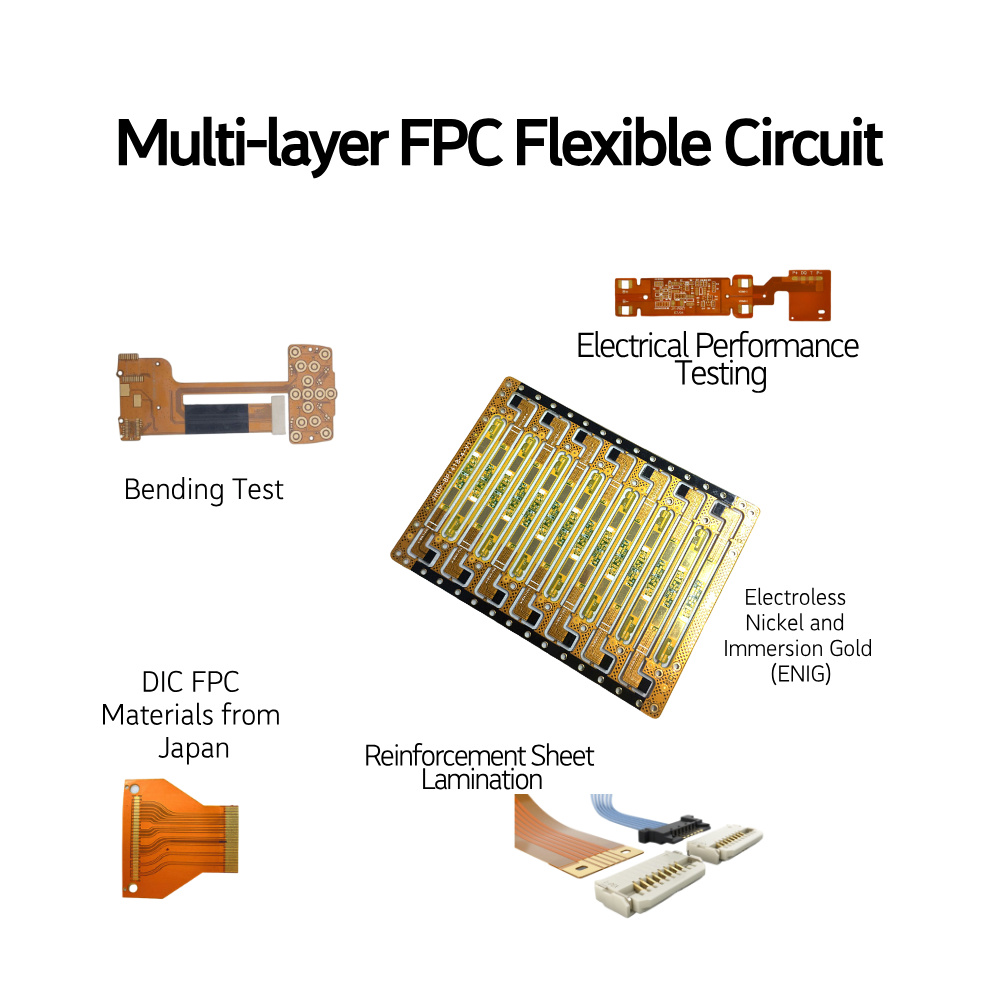
As a trusted flexible PCB board maker, we provide:
✅ High-performance flexible circuits that are engineered for reliability and durability.
✅ Custom flexible PCB solutions tailored to your unique application requirements.
✅ Advanced manufacturing technologies including laser drilling, automated inspection, and X-ray testing.
✅ Global shipping and support, ensuring your project is delivered on time and on budget.
Choose us for your flexible circuit board needs and unlock the potential of advanced electronics design!
FAQ about Flexible Printed Circuit Boards (FPCBs)
1. . What is the manufacturing process of Flexible PCBs?
The manufacturing process of flexible PCBs involves several key steps:
1.Material Selection: Polyimide film is chosen as the substrate material, with copper foil for the conductive traces.
2.Lamination: The polyimide and copper are laminated together.
3.Patterning: The copper traces are patterned using photolithography or etching.
4.Drilling: Holes for vias or components are drilled using mechanical or laser drilling.
5.Coverlay Application: A flexible coverlay is applied to protect the traces, with openings cut for pads and vias.Coverlay
6.Stiffener Application: If required, stiffeners are added to non-flexing areas.
7.Final Inspection: The finished PCB is inspected for quality, electrical testing is performed, and the board is ready for assembly.
2. Can flexible PCBs be used for high-frequency applications?
Yes, flexible PCBs can support high-frequency applications with optimized material choices like Rogers or Teflon, making them ideal for 5G networks, high-speed communication, and RF designs.
3. What industries use Flexible PCBs?
Flexible PCBs are used in a variety of industries, including:
●Consumer Electronics: Mobile phones, tablets, and wearables.
●Medical Devices: Catheters, portable monitors, and diagnostic equipment.
●Aerospace: Satellite systems and avionics.
●Automotive: In-dash systems, sensors, and cameras.
●Industrial: Robotics, sensors, and control systems.
4. How do Flexible PCBs contribute to product miniaturization?
Flexible PCBs allow for space optimization and weight reduction in electronic devices. They can be folded or shaped to fit unconventional spaces, reducing the need for bulky interconnections and enabling more compact designs. This is especially beneficial for devices like wearables, where size and comfort are crucial.
5. Can Flexible PCBs be used in high-temperature environments?
Yes, polyimide material used in flexible PCBs has high thermal stability, often exceeding the heat resistance of FR4. This makes them suitable for use in high-temperature environments such as automotive, military, and aerospace applications, where components are exposed to extreme conditions.
6. What materials are commonly used for Flexible PCBs?
The most common material for flexible PCBs is polyimide, which provides both flexibility and high thermal resistance. Other materials like PPE (Polyphenylene Ether) and PET (Polyethylene Terephthalate) can also be used depending on specific application requirements. The copper used for the conductive traces is typically electrolytic copper.
7. How do you choose the right type of flexible PCB for my project?
When selecting a flexible PCB, consider the following factors:
●Flexibility: Whether the circuit needs to bend in specific directions or maintain a certain shape.
●Environment: The temperature, humidity, and chemical exposure of the application.
●Electrical Requirements: The density of the traces and the required performance (e.g., high-frequency signals).
●Mechanical Stress: The amount of stress the PCB will experience during use, which might require additional stiffeners.
8. What are the main challenges in designing flexible PCBs?
Key challenges include selecting materials that balance flexibility, thermal stability, and mechanical strength, as well as managing vias and stress points to ensure the PCB can withstand bending without compromising electrical performance.
Applications of Flexible Printed Circuit Boards (FPCBs)
Flexible PCBs, also known as flexible printed circuit boards, are a critical technology for high-density, compact, and lightweight electronics. They are ideal for various applications that require flexibility, reliability, and miniaturization.
1. Consumer Electronics1
Flexible circuit boards are found in many consumer electronic devices, providing flexible interconnections that support smaller form factors and advanced features:
●Smartphones and Tablets: Enable foldable displays, compact connections, and enhanced durability.
●Wearables: Power smartwatches, fitness trackers, and medical sensors, providing flexibility and wearability.
●Earbuds and Audio Devices: Small flex circuits enable lightweight designs with high-performance audio transmission.
2. Automotive Electronics
Flexible printed circuits are critical for automotive electronics, supporting reliability and performance in various systems:
●ADAS (Advanced Driver Assistance Systems): Power radar sensors, camera systems, and LiDAR systems.
●Infotainment Systems: Offer space-saving interconnects for digital displays and touch controls.
●Electric Vehicles: Used in battery management systems (BMS), power distribution, and electric drive systems.
3. Medical Devices
In medical applications, flexible PCBs ensure reliability and compactness in critical systems:
●Wearable Health Monitors: Provide continuous monitoring in devices like ECG monitors, blood pressure cuffs, and diabetes trackers.
●Implantable Devices: Used in pacemakers and neurostimulators due to their ability to conform to the human body while maintaining electrical performance.
●Diagnostic Equipment: Essential in MRI machines, ultrasound, and other medical imaging systems where space and flexibility are crucial.
4. Aerospace & Military
Flexible circuits are key components in aerospace and defense electronics, where performance under extreme conditions is vital:
●Satellite Systems: Power communication satellites and spacecraft electronics.
●Military Communication Systems: Provide lightweight and flexible connections for radios, headsets, and tactical equipment.
●Radar and GPS Systems: Support high-frequency applications where reliability and space-saving design are critical.
5. Industrial and Robotics Applications
In industrial electronics, flexible PCBs are used to support advanced manufacturing and automation systems:
●Industrial Robots: Power robot arms, sensor systems, and actuators in automated assembly lines.
●IoT Sensors: Provide connectivity in smart factories, enabling real-time data collection and monitoring.
●Drones and UAVs: Offer lightweight, flexible connections for remote sensing and communication systems.
Flexible PCBs offer unmatched flexibility and reliability in electronics design, and their ability to bend and fold makes them ideal for applications that demand compact, high-performance solutions. From consumer electronics and medical devices to automotive and aerospace, flexible circuits are transforming the way electronic devices are engineered and manufactured. By selecting the right materials, designs, and manufacturing processes, businesses can unlock the full potential of flexible printed circuit boards and push the boundaries of innovation in the tech world.
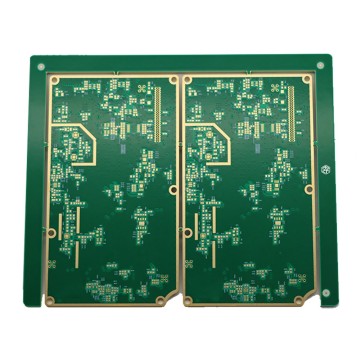
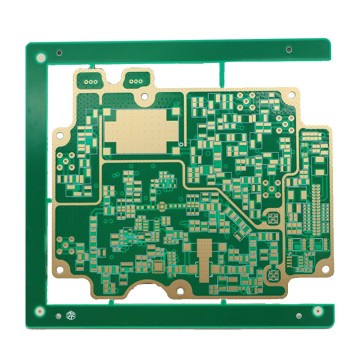
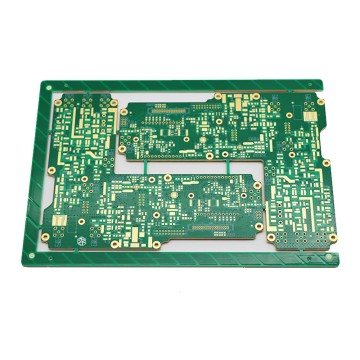
HDI TR Power Control Board PCB: The Core Force in Diverse Applications
In the era of rapid modern technological development, flexible printed circuit boards (FPCBs), with their unique performance advantages, have been widely and deeply integrated into various fields, becoming a crucial force in driving product innovation and technological progress. From consumer electronics used in daily life to medical devices related to life and health, from the automotive industry pursuing efficiency and safety to the aerospace field exploring the vast universe, FPCBs play an irreplaceable role.
In the consumer electronics field, FPCBs are the core elements for achieving lightweight and multi-functional products. Take smartphones as an example. With the rise of technologies such as full - screen and foldable screens, the internal space of mobile phones has become more and more compact, placing extremely high demands on the flexibility and integration of circuit boards. FPCBs can bend and fold, easily adapting to complex internal structures and enabling efficient connections between the main board and components such as screens, cameras, and batteries. In the flexible display modules of foldable mobile phones, FPCBs are like flexible "bridges" that ensure stable signal transmission, allowing the screen to switch smoothly between folding and unfolding, bringing users a new interactive experience. In wearable devices such as smartwatches and fitness trackers, the thin and flexible characteristics of FPCBs perfectly meet the requirements for comfort and fit. They can closely adhere to the human body's curves, integrate multiple sensors and functional modules in a small space, and achieve accurate monitoring and real - time transmission of human health data, enabling people to keep track of their health status at any time.
In the process of the intelligent and electrified transformation of the automotive industry, FPCBs also play a vital role. In advanced driver - assistance systems (ADAS), radar sensors, camera systems, and LiDAR systems have extremely high requirements for the stability and timeliness of data transmission. FPCBs, with their excellent electrical performance and temperature resistance, ensure that a large amount of perception data can be transmitted quickly and accurately to the vehicle - mounted computer, providing strong support for the vehicle's intelligent decision - making and effectively enhancing driving safety. In the battery management system (BMS) of electric vehicles, which is related to the performance and safety of batteries, FPCBs can achieve efficient connection and precise monitoring between battery modules. They can monitor parameters such as battery voltage, current, and temperature in real - time, optimize the battery charging and discharging process, extend the battery life, and improve the driving range and overall performance of electric vehicles.
In the medical field, FPCBs enable the miniaturization, portability, and intelligent development of medical devices. In wearable health monitoring devices such as electrocardiogram (ECG) monitors and blood pressure cuffs, FPCBs not only enable the lightweight design of the devices, making them convenient for patients to wear for long periods, but also ensure the stable collection and transmission of various physiological signals. This allows patients to complete health monitoring at home, providing key technical support for telemedicine. For implantable medical devices such as pacemakers and neurostimulators, the biocompatibility and flexibility of FPCBs enable them to better adapt to the complex physiological environment of the human body. While maintaining stable electrical performance, they reduce irritation and damage to human tissues, protecting the lives and health of patients. In large - scale diagnostic equipment such as MRI machines and ultrasonic diagnostic instruments, FPCBs optimize the internal circuit layout, improve the space utilization rate and detection accuracy of the equipment, and help medical workers diagnose diseases more accurately.
The aerospace field has extremely high requirements for the performance and reliability of electronic devices, and FPCBs precisely meet these stringent requirements. In satellite systems, FPCBs provide reliable connection solutions for the electronic devices of communication satellites and spacecraft. Their lightweight characteristics effectively reduce the weight of satellites and lower the launch cost. Their excellent radiation resistance and stability ensure that satellites can operate continuously and stably in the complex space environment, achieving global communication and data transmission. In military communication systems, FPCBs provide flexible and lightweight connections for soldiers' communication devices, enabling the devices to maintain good communication performance in various harsh environments, ensuring the timely transmission of combat commands and the efficient collection of battlefield information.
Rich Full Joy, as a leading player in the industry, has significant advantages in the production and manufacturing of FPCBs. Rich Full Joy is equipped with advanced production equipment and exquisite manufacturing processes, covering key links such as laser drilling, automated inspection, and X - ray testing. Every step from raw materials to finished products is strictly quality - controlled to ensure that the produced FPCBs have excellent performance and reliability. Its professional R & D team can deeply understand customer needs and provide customized FPCB solutions according to different application scenarios. Whether it is the demand for lightweight products in consumer electronics or the high - performance requirements in aerospace, it can be accurately met.
In terms of cost control and delivery efficiency, Rich Full Joy also performs outstandingly. By optimizing the production process and supply chain management, it effectively reduces production costs. While ensuring product quality, it provides customers with cost - effective products. Its global logistics distribution network and complete after - sales service system can ensure the timely delivery of products and provide customers with prompt technical support and after - sales guarantees. With its profound accumulation and comprehensive advantages in the FPCB field, Rich Full Joy continuously promotes technological innovation and product upgrading in various industries, becoming a trusted partner for many enterprises.
Design Challenges of Arbitrary Interconnect PCBs
Designing arbitrary interconnect PCBs presents several challenges:
Signal Integrity
Complex routing can lead to signal issues like interference and delay. Precise signal path management is crucial, especially in high-frequency applications, to ensure signal clarity and stability.
Electromagnetic Compatibility (EMC)
Dense routing can cause electromagnetic interference (EMI). Effective shielding, grounding, and filtering are essential to meet EMC standards and minimize interference with other devices.
Thermal Management
High-density designs may lead to heat buildup between components. Proper thermal distribution and cooling solutions, such as heat sinks, are necessary to prevent overheating and ensure circuit performance.
Routing Complexity
Managing intricate connections and layer crossings adds difficulty to design and manufacturing. Clear and reliable routing is needed to avoid short circuits and production issues.
Layer Stack-Up Design
Multi-layer PCBs require precise control of layer insulation, copper thickness, and alignment to ensure proper electrical isolation and mechanical stability.
Manufacturing Tolerances
High-density PCBs demand strict manufacturing tolerances. Any minor deviations can affect functionality, so design must account for production capabilities and tolerances.
Cost Control
Complex designs often increase material, processing, and testing costs. Balancing performance requirements with budget constraints is crucial.
Testing and Debugging
Complex routing complicates testing and debugging. Design-for-testability (DFT) techniques help simplify these processes.
These challenges require experienced designers and advanced tools to ensure high-performance and reliable arbitrary interconnect PCBs.
Unveiling the Power of High-Density Interconnect PCB Technology
In the rapidly advancing world of electronics, High-Density Interconnect PCB (HDI PCB) technology stands out as a game-changer. HDI PCB Manufacturing has revolutionized how complex electronic systems are designed and produced, offering unparalleled benefits in terms of performance and efficiency.
Understanding HDI Technology
HDI Board Design focuses on enhancing the interconnectivity of electronic components. The HDI Technology involves advanced techniques like microvias and blind/buried vias, which allow for more complex circuit designs and improved signal integrity. This technology supports High-Density Interconnect Technology, enabling the creation of compact, high-performance circuit boards.
Key Features and Benefits
HDI PCB Features include increased component density, improved electrical performance, and reduced board size. The Advanced HDI PCB design integrates these features, providing significant HDI PCB Benefits such as enhanced reliability and better thermal management. HDI Circuit Boards are designed to handle high-speed signals with minimal interference, making them ideal for cutting-edge applications.
Manufacturing and Process
The HDI PCB Process involves several critical steps, including precision drilling for microvias and meticulous layer stacking. HDI PCB Fabrication requires advanced equipment and expertise to ensure high-quality results. Microvias in HDI PCBs play a crucial role in connecting different layers within the PCB, contributing to the overall functionality and reliability of the board.
Applications and Capabilities
HDI PCB Applications span various industries, including telecommunications, automotive, and medical devices. The HDI PCB Capabilities allow for the integration of complex circuits in smaller form factors, making them suitable for modern electronic devices that demand high performance and compact size.
In summary, HDI PCB technology represents a significant leap forward in the field of electronics, offering superior performance, reliability, and design flexibility. As HDI PCB Manufacturing continues to evolve, it paves the way for more advanced and efficient electronic solutions.