Leave Your Message
-
E-mail
-
Whatsapp
-
Message
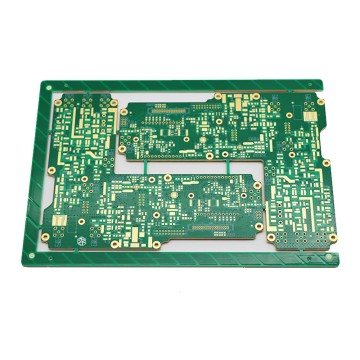
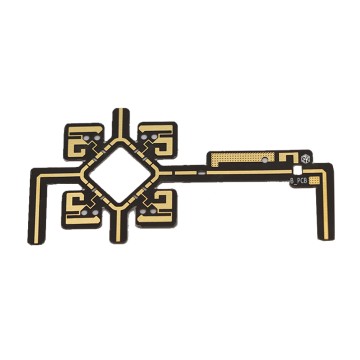
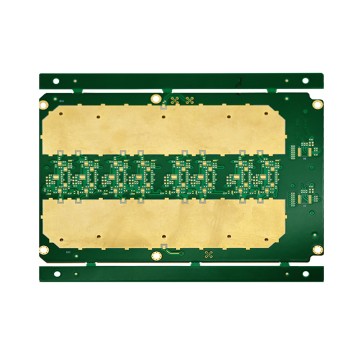
Precision-engineered PCB products optimized for high-voltage, high-current automotive charging environments — delivering reliability, thermal stability, and signal integrity.
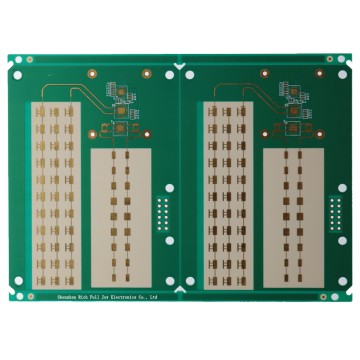
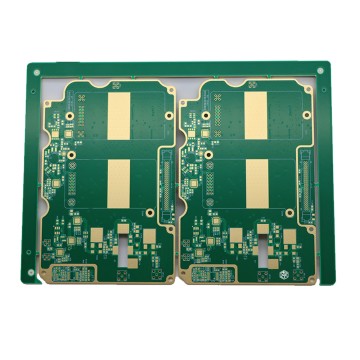
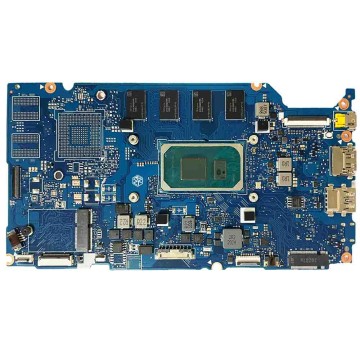
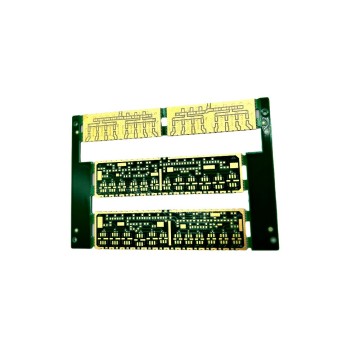
A deep-dive into the commercial landscape, engineering challenges, and circuit-level innovations powering the global EV charging revolution.
The global transition to electric mobility has placed unprecedented demands on the underlying electronics that make fast charging possible. At the heart of every DC fast charger (DCFC) — whether a 50 kW roadside unit or a 350 kW ultra-fast megawatt-class station — lies a sophisticated automotive-grade circuit architecture. These circuits must manage extreme power densities, maintain precise voltage and current regulation, ensure galvanic isolation, and survive the harsh electromagnetic environments typical of industrial charging installations.
Automotive circuit boards for DC fast chargers are not simply scaled-up consumer electronics. They must meet automotive-grade reliability standards such as AEC-Q100 and IATF16949, comply with IEC 61851 and CHAdeMO/CCS communication protocols, and operate continuously at elevated temperatures with zero tolerance for failure. The printed circuit board (PCB) is the physical foundation that ties together power electronics, gate drivers, battery management communication, thermal sensors, and human-machine interface modules into a single cohesive system.
The DC fast charger market was valued at over USD 5.8 billion in 2023 and is projected to exceed USD 28 billion by 2030, driven by aggressive EV adoption targets in the EU, North America, and Asia-Pacific. Major OEMs — including Tesla, BYD, Hyundai-Kia, and Volkswagen Group — are investing heavily in proprietary and open-standard charging networks, each requiring certified, high-reliability circuit assemblies at scale.
On the industrial side, fleet operators (logistics, mining, transit authorities) are deploying high-power DCFC stations capable of simultaneous multi-vehicle charging. These installations demand ruggedized PCBs with enhanced thermal management, conformal coatings, and multi-layer stackups that support 800V battery architectures — a paradigm shift that is pushing circuit designers toward thinner dielectrics, tighter impedance tolerances, and advanced substrate materials such as Rogers RO4350B.
A typical DC fast charger circuit comprises several functional blocks, each with specific PCB requirements:
The front-end PFC stage converts grid AC to a regulated DC bus. PCBs here must handle high ripple currents, require low-ESR copper planes, and demand excellent thermal dissipation through 2 oz or 3 oz copper layers.
High-frequency LLC or CLLC resonant converters provide galvanic isolation. Rogers-based hybrid PCBs with controlled impedance traces are essential to minimize switching losses at 100–500 kHz operating frequencies.
Microcontroller units running CAN, PLC, or Ethernet-based OCPP protocols require multilayer PCBs with strict EMI shielding, differential pair routing, and impedance-controlled signal layers.
Temperature sensing arrays, fan control drivers, and liquid cooling pump controllers are integrated onto dedicated PCBs that must withstand -40°C to +125°C operational ranges with minimal delamination risk.
Modern chargers integrate NFC, RFID, Bluetooth, and 4G/5G modules for payment, authentication, and remote diagnostics. High-frequency PCBs using Rogers substrates ensure minimal signal loss at GHz frequencies.
SiC MOSFET and GaN transistor gate drivers demand ultra-low-inductance PCB layouts with Kelvin connections, short gate loop paths, and dedicated ground planes to prevent parasitic oscillations.
Key figures that define the scale and urgency of automotive circuit development for DC fast charging infrastructure worldwide.
The next five years will reshape how automotive circuits are designed, manufactured, and validated for ultra-fast EV charging applications.
Silicon Carbide (SiC) and Gallium Nitride (GaN) power devices are replacing traditional IGBTs in DCFC designs. These devices switch at higher frequencies with lower losses, but require PCBs with ultra-tight impedance control, minimal parasitic inductance, and superior thermal conductivity substrates — driving demand for Rogers and hybrid multilayer boards.
Vehicle-to-Grid (V2G) technology requires bidirectional power flow circuits with advanced control topologies. PCBs must support dual-mode operation, with isolated communication channels and robust EMI filtering to meet grid interconnection standards. This is one of the fastest-growing application segments for automotive-grade circuit boards.
Charger OEMs are consolidating multiple circuit functions onto single high-density PCB assemblies to reduce form factor and cost. This trend demands advanced HDI (High Density Interconnect) PCBs with microvias, buried vias, and fine-pitch BGA components — areas where precision manufacturing and IATF16949-certified processes are critical.
Embedded IoT sensor circuits and edge AI processors are being integrated into DCFC units to enable real-time fault prediction, thermal anomaly detection, and remote diagnostics. These circuits require high-reliability multilayer PCBs with mixed-signal capability, combining power and RF signal layers within the same stackup.
Heavy-duty trucks and buses require MCS-level charging at 1 MW and beyond. Circuit boards in these systems must handle bus voltages up to 1,500V DC, demanding specialized high-voltage PCB materials, extended creepage distances, and reinforced insulation layers that go far beyond standard automotive PCB specifications.
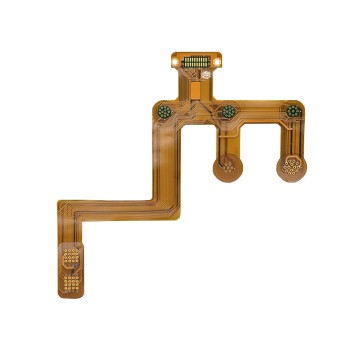
As charger hardware is integrated into parking structures, lamp posts, and building facades, flexible PCBs and conformal circuit assemblies are gaining traction. These enable 3D circuit routing in constrained enclosures, with IP67+ environmental protection and resistance to vibration, moisture, and UV exposure.
From urban mobility hubs to remote industrial sites, precision circuit boards are the invisible backbone of every fast charging deployment.
City-scale DCFC deployments require circuit boards that balance high power density with compact form factors. Payment terminals, LCD interfaces, and 4G/LTE communication modules are integrated onto multilayer PCBs alongside the primary power conversion circuits. Rogers-based high-frequency layers handle wireless communication while heavy-copper inner layers manage kilowatt-level power distribution.
Logistics operators managing hundreds of electric delivery vehicles require depot chargers with 24/7 uptime guarantees. Circuit boards in these environments are specified to automotive IATF16949 standards, feature conformal coatings for dust and humidity resistance, and incorporate redundant control pathways. Thermal management PCBs with embedded temperature sensors enable predictive maintenance scheduling to minimize fleet downtime.
Highway DCFC stations operating at 150–350 kW require the highest-performance circuit assemblies. SiC-based power stage PCBs with Rogers RO4350B substrates deliver the switching precision needed to achieve >97% conversion efficiency. Communication PCBs handle simultaneous multi-protocol operation (CCS, CHAdeMO, GB/T) with real-time load balancing across multiple charging bays.
Opportunity charging for urban transit requires ultra-reliable circuits capable of repeated high-power charge cycles. PCBs are designed for >100,000 charge cycle lifetimes, with gold immersion surface finishes preventing contact oxidation and ensuring consistent electrical connectivity across thousands of connect/disconnect cycles.
Off-road electric equipment chargers operate in extreme environments with wide temperature swings, high vibration, and exposure to conductive dust. Military-grade PCB manufacturing processes — including those used in GJB9001C-2017 certified production — translate directly to the ruggedization requirements of these industrial charging applications.
Your trusted partner for automotive-grade PCB manufacturing and intelligent electronic assembly — powering DC fast charger circuits worldwide.
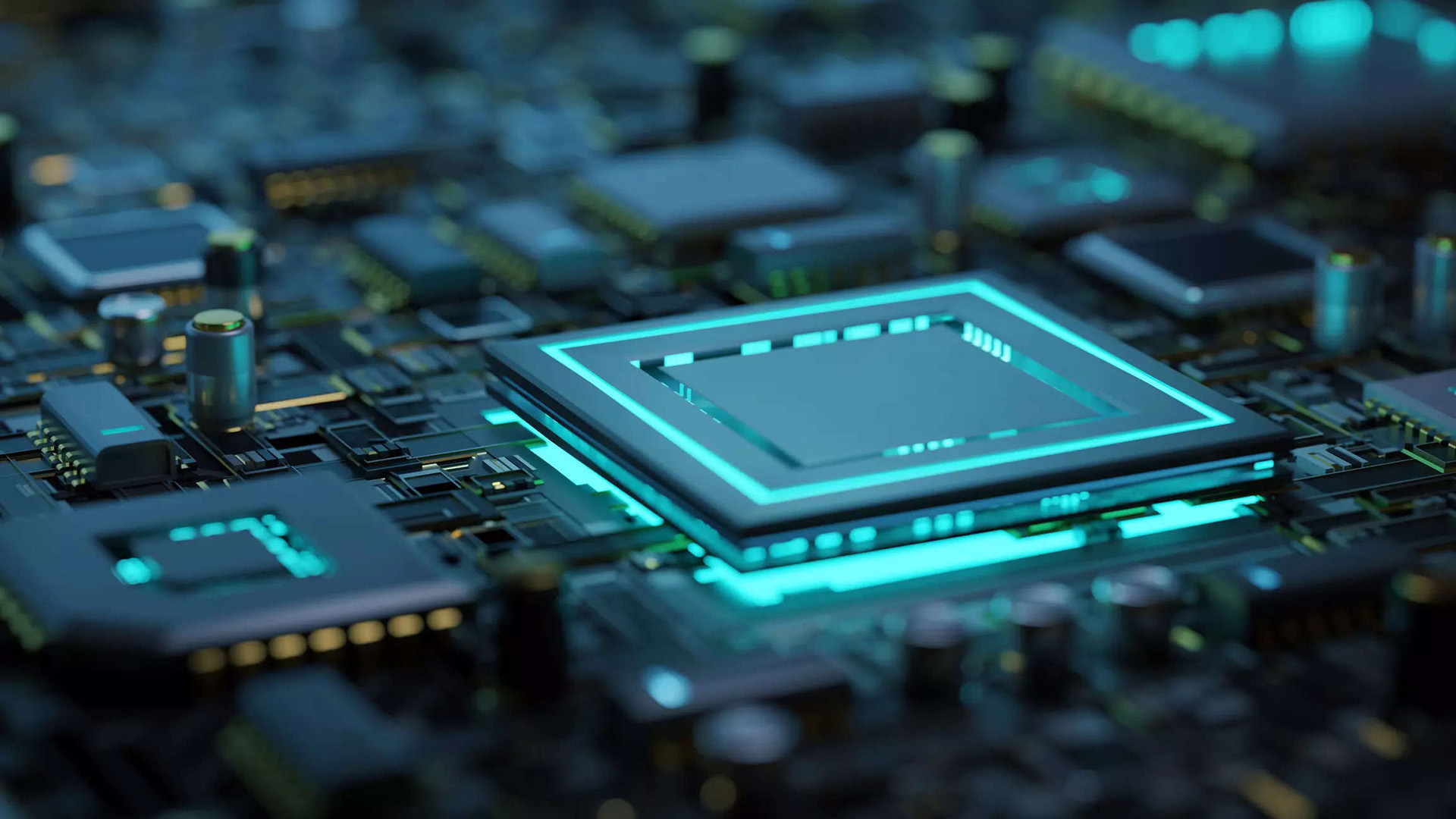
Based in China and looking at the global market, Shenzhen Rich Full Joy Electronics Co., Ltd. has been committed to industry development for 20 years. The company is a national high-tech innovative enterprise that combines focus and expertise. It's also an important enterprise incubation base in China. We specialize in providing customers with one-stop intelligent electronic manufacturing services, including scientific research, PCB design, PCB manufacturing, PCB assembly (including SMT, DIP, Programming and testing) and component selection.
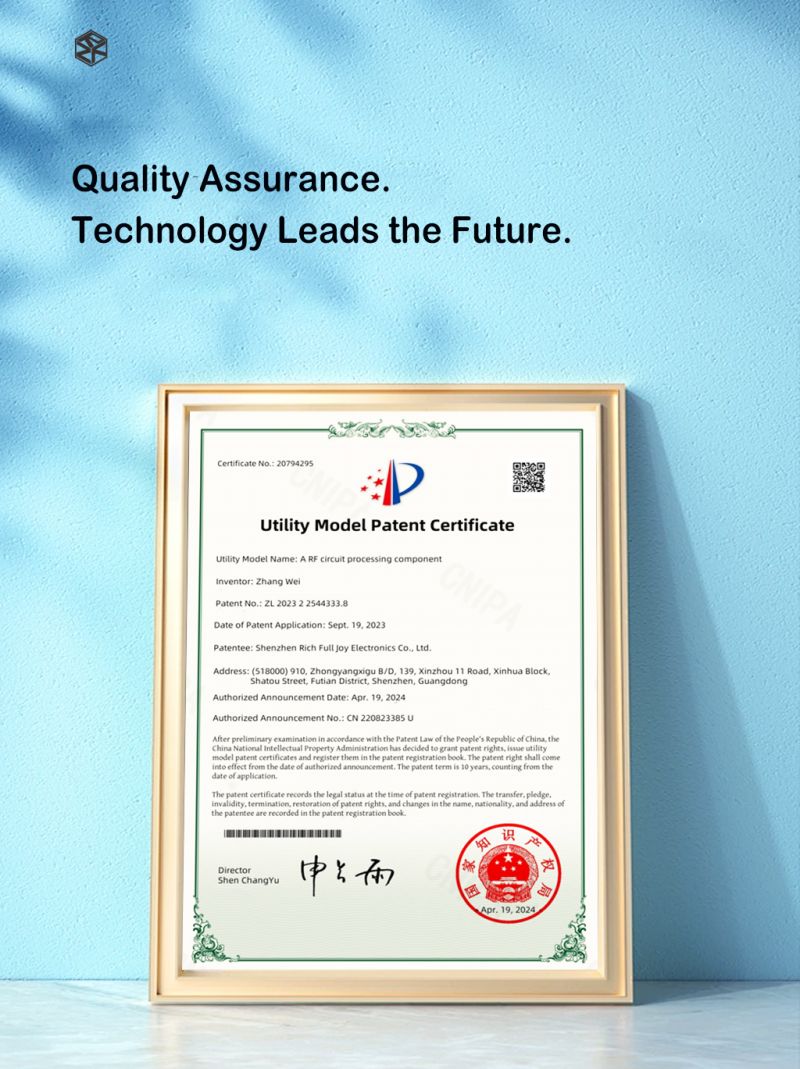
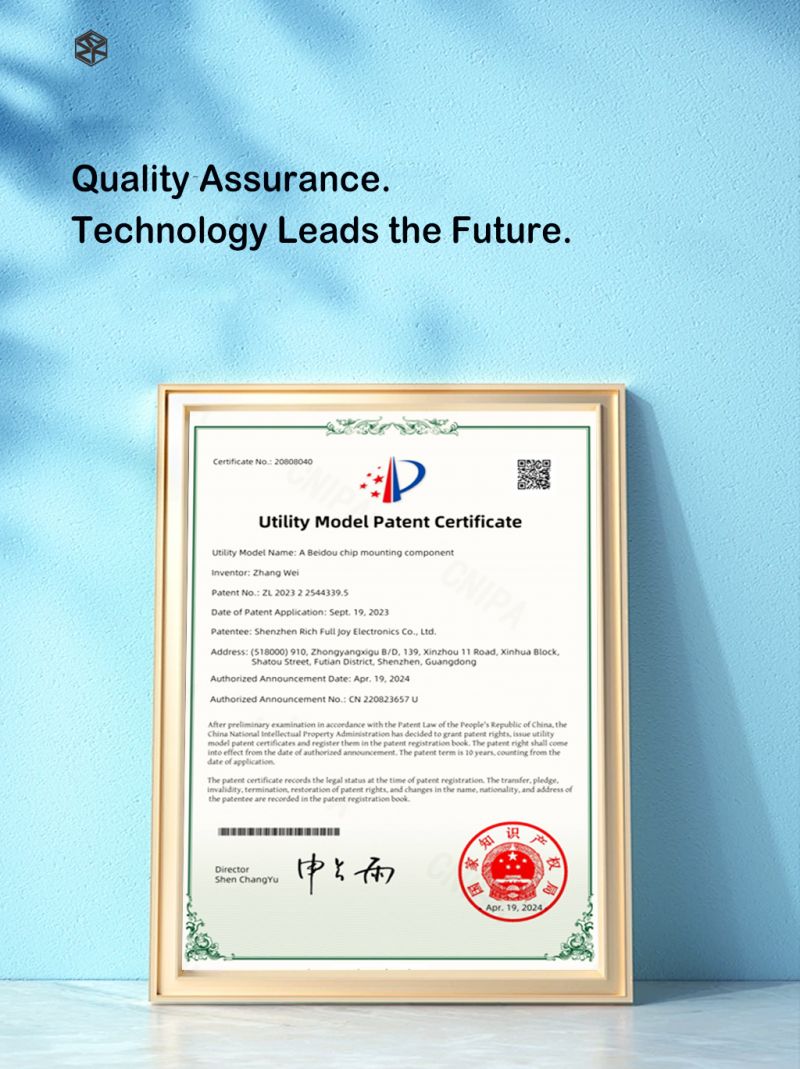
Technological innovation is the core competitiveness of enterprises. We've obtained multiple invention and utility model patents, and has passed various international standard certifications such as ISO9001, IATF16949, ISO14001, UL, CQC, REACH, RoHS, COC, as well as the GJB9001C-2017 standard certification for weapon and equipment quality management system. We've provided high-quality and reliable products to multiple research institutions, universities, and assisted customers in identifying design issues and providing reasonable suggestions and processing parameters.
We not only publish technical papers, but also actively participate in domestic and overseas technology exchange conferences to spread academic value and cutting-edge technological innovation. We regularly communicate with customers and strive to provide them with the best solutions for automotive circuit applications in DC fast chargers and beyond.
Our intellectual property portfolio reflects two decades of R&D investment in automotive circuit technology, high-frequency PCB manufacturing, and intelligent electronic systems.



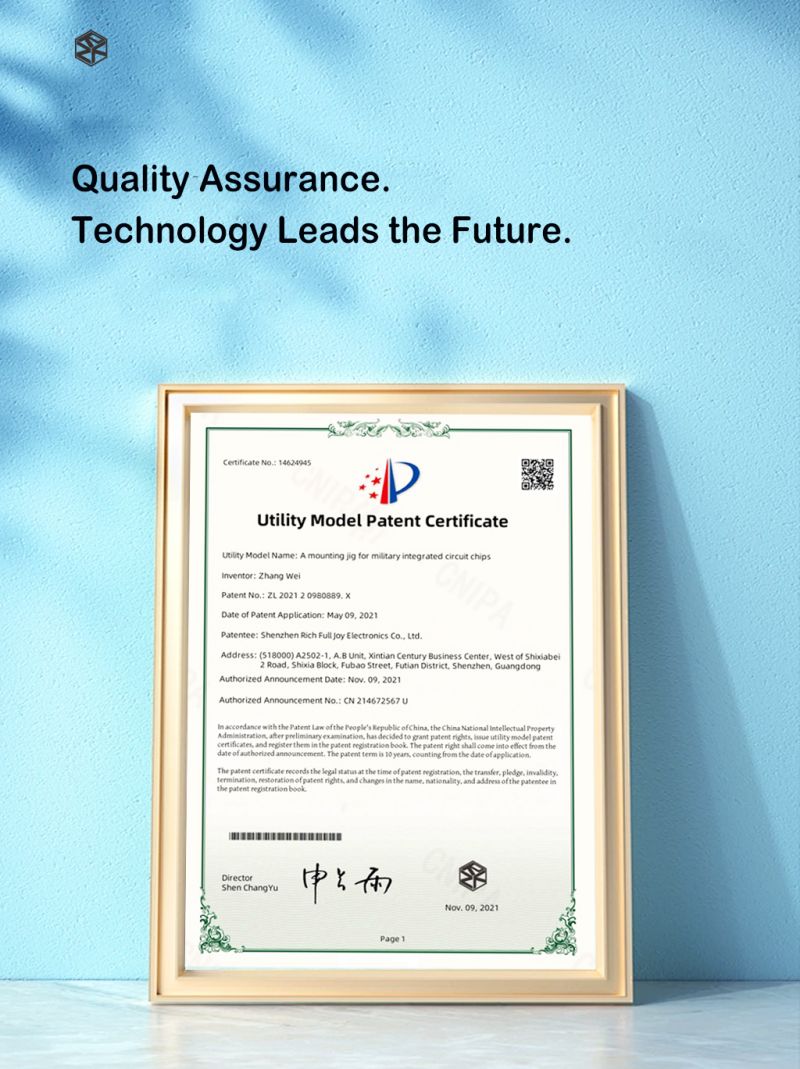
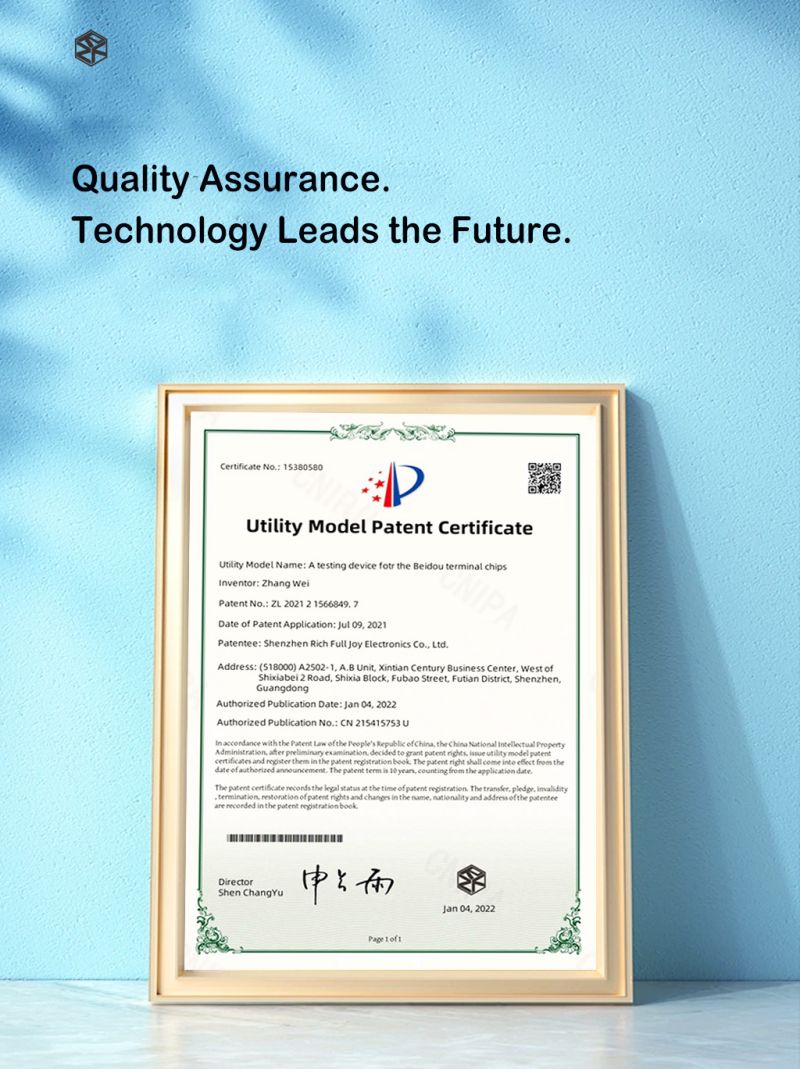











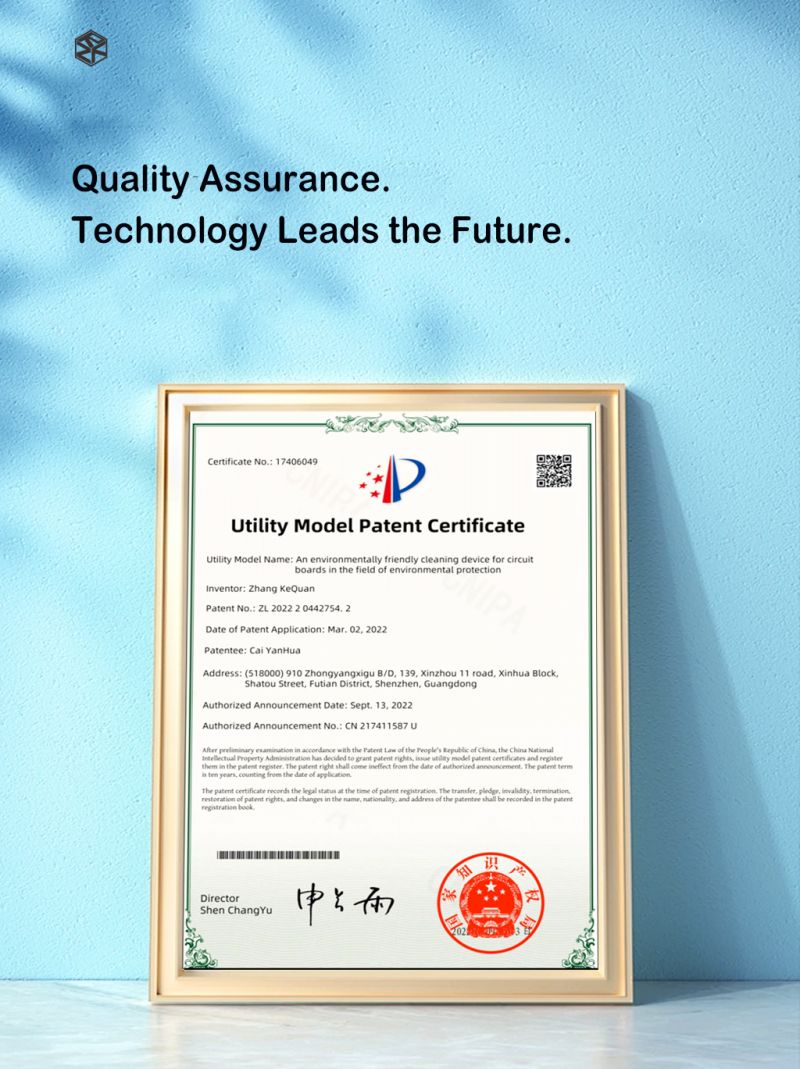



Explore our full portfolio of high-frequency, hybrid, and flexible PCB solutions engineered for the demands of modern automotive DC fast charging systems.