
Leave Your Message
-
E-mail
-
Whatsapp
-
Message
Explore our precision-engineered circuit board products purpose-built for EV fast charging systems and automotive power electronics.
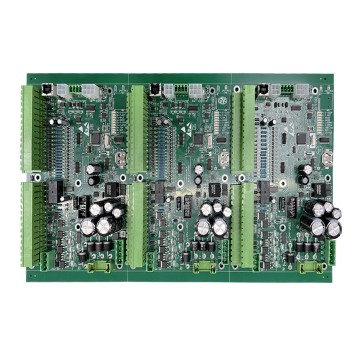 Automotive Circuit PCB for DC Fast Charger Power Control — RF Wireless Assembly for Radar, ADAS & EV Systems
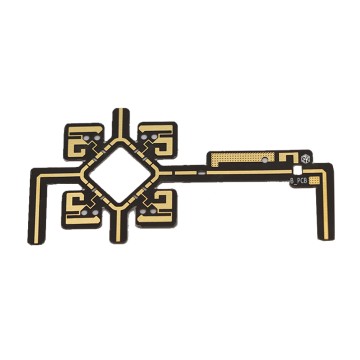 DC Fast Charger Smart Grid Communication Circuit Board — Millimeter-Wave Power Line High-Speed Connectivity
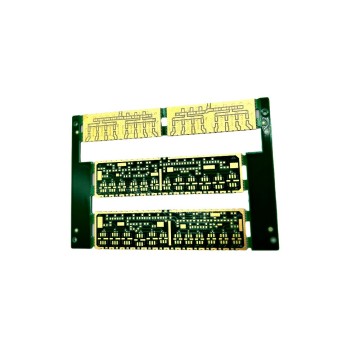 High-Frequency Automotive Circuit Board for DC Fast Charging — 4-Layer Gold-Immersion Impedance-Controlled PCB
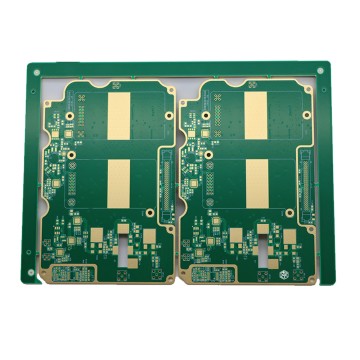 6-Layer Hybrid PCB for Automotive DC Fast Charger Power Modules — Rogers RO4350B + S1000-2M Metal Edging
As the global electric vehicle (EV) market accelerates toward mass adoption, the automotive circuit for DC fast chargers has emerged as one of the most critical and technically demanding segments in power electronics engineering. Unlike conventional AC charging systems, DC fast chargers bypass the vehicle's onboard AC-to-DC converter and deliver high-voltage direct current directly to the battery pack — enabling charge times of 20 to 45 minutes for an 80% state of charge, compared to several hours with Level 2 AC charging.
At the heart of every DC fast charging station lies a sophisticated set of automotive-grade circuit boards responsible for power conversion, thermal management, safety interlocking, communication protocols, and real-time monitoring. These circuits must withstand extreme operating conditions — high voltage (up to 1,000V DC), high current (up to 500A), wide temperature ranges, electromagnetic interference, and mechanical vibration — all while maintaining the precision and reliability demanded by automotive safety standards such as ISO 26262 and IEC 61851.
The engineering complexity of these circuits is immense. Power factor correction (PFC) stages, DC-DC conversion topologies (such as LLC resonant converters and phase-shifted full-bridge designs), gate driver circuits, battery management system (BMS) interfaces, and CAN/CHAdeMO/CCS communication modules must all coexist on tightly integrated PCB assemblies. The quality of the substrate material, trace impedance control, thermal via design, and component selection directly determines the efficiency, longevity, and safety of the entire charging system.
Six engineering pillars that define high-performance automotive circuit boards for fast charging applications.
Automotive circuits in DC fast chargers must provide galvanic isolation between the grid-side and vehicle-side circuits, typically exceeding 4kV dielectric withstand. Multi-layer PCBs with controlled creepage and clearance distances are essential for safe operation at 800V+ platforms.
With power densities exceeding 30kW in compact enclosures, thermal via arrays, copper coin inlays, and low-impedance ground planes are critical. Advanced PCB materials with high Tg values (TG170+) ensure dimensional stability under sustained thermal cycling.
High-frequency switching in SiC and GaN-based power stages generates significant electromagnetic interference. Automotive circuit boards for DC fast chargers require careful layer stackup design, differential pair routing, and strategic placement of ferrite beads and decoupling capacitors to meet CISPR 25 and CISPR 32 standards.
Modern DC fast charger circuits integrate CAN bus, PLC-based ISO 15118 (Plug & Charge), CHAdeMO, CCS Combo, and OCPP 2.0 communication stacks. The PCB must support high-speed differential signaling with controlled impedance traces (typically 90Ω or 100Ω differential) across multiple board layers.
ASIL-B and ASIL-D rated circuit designs require redundant sensing paths, hardware safety monitors, and fail-safe shutdown logic. PCB layout must minimize common-cause failures through physical separation of safety-critical signal paths and power domains.
SiC MOSFETs and GaN HEMTs switch at frequencies up to 1MHz, demanding PCB designs with ultra-low parasitic inductance in power loops. Hybrid multilayer boards combining Rogers high-frequency laminates with standard FR-4 cores achieve optimal performance at reduced cost.
The global DC fast charging infrastructure market was valued at approximately USD 8.3 billion in 2023 and is projected to reach over USD 55 billion by 2032, growing at a CAGR exceeding 23%. This explosive growth is driven by government mandates across the EU, US, China, and South Korea requiring significant buildouts of public fast charging networks. The European Green Deal, the US National Electric Vehicle Infrastructure (NEVI) program, and China's "New Infrastructure" initiative are collectively injecting hundreds of billions of dollars into EV charging ecosystem development.
For automotive circuit board manufacturers, this translates into surging demand for high-reliability PCB assemblies capable of operating at 150kW, 350kW, and even 1MW megawatt-class charging power levels. Tier-1 charging equipment manufacturers such as ABB, Siemens, BTC Power, Delta Electronics, and CATL are all scaling up their supply chains for automotive-grade power electronics, creating significant commercial opportunities for specialized PCB manufacturers with automotive certifications (IATF 16949) and proven high-voltage design competencies.
While public highway charging stations dominate headlines, the industrial applications of automotive circuits for DC fast chargers extend far beyond consumer EV use. Fleet electrification — including electric buses, delivery vans, port equipment, mining trucks, and agricultural machinery — requires depot-based megawatt charging systems with even more demanding circuit reliability requirements. These industrial chargers operate continuously in harsh environments with dust, humidity, and vibration, placing extraordinary demands on PCB conformal coatings, connector reliability, and component derating practices.
Automotive OEMs are also integrating bidirectional DC fast charging circuits (V2G — Vehicle to Grid, and V2H — Vehicle to Home) into their platforms, requiring circuits that can manage power flow in both directions with millisecond-level response times. This bidirectionality adds significant complexity to the gate driver circuits, control algorithms, and protection logic embedded in the automotive circuit boards.
The next five years will redefine how automotive circuits are designed, manufactured, and deployed in fast charging systems.
Silicon Carbide (SiC) and Gallium Nitride (GaN) power semiconductors are replacing traditional silicon IGBTs in DC fast charger power stages. These wide-bandgap devices operate at higher frequencies, temperatures, and voltages — enabling smaller, lighter, and more efficient charger designs. PCB manufacturers must adapt to tighter layout constraints and lower-inductance power loop designs to fully exploit these devices.
Embedded AI processors on automotive circuit boards are enabling real-time adaptive charging algorithms that optimize power delivery based on battery state of health, temperature, and grid conditions. These intelligent control circuits require high-speed data interfaces, dedicated memory ICs, and robust power supply designs — all integrated onto compact multi-layer PCB assemblies.
The ISO 15118-20 standard for bidirectional power transfer and automatic authentication ("Plug & Charge") requires sophisticated PLC communication circuits integrated directly into the charger's control board. These circuits must handle high-frequency PLC signals superimposed on the charging pilot line, demanding careful impedance matching and noise filtering design.
Leading charger manufacturers are moving toward modular power shelf architectures where individual 30–60kW power modules can be combined to achieve 150–360kW+ total output. Each module contains its own automotive-grade circuit board, enabling hot-swap maintenance, fault isolation, and scalable deployment — driving demand for highly standardized, high-reliability PCB assemblies.
Vehicle-to-Grid (V2G) technology transforms EV batteries into distributed energy storage assets. The automotive circuits enabling V2G in DC fast chargers must manage four-quadrant power flow, grid synchronization, reactive power compensation, and anti-islanding protection — all within a single, compact circuit board assembly that meets both automotive and grid-tie electrical standards.
As DC fast chargers become networked IoT devices, cybersecurity has become a hardware-level concern. Automotive circuits now incorporate secure element ICs, hardware security modules (HSM), and encrypted communication controllers directly on the PCB. These components require careful signal integrity design and physical security considerations in the board layout.
How automotive circuit boards for DC fast chargers are deployed across diverse real-world environments.
High-power DC fast charging stations deployed along highway corridors (350kW+ per stall) represent the most demanding application for automotive circuit boards. These systems must handle continuous full-power operation for 16–20 hours per day, sustain performance across ambient temperatures from -40°C to +55°C, and interface with medium-voltage grid connections. The main power conversion circuit boards in these stations typically feature 12–16 layer high-Tg PCB constructions with embedded copper coin thermal management, SiC-based totem-pole PFC stages, and LLC resonant DC-DC converter circuits with digital control loops running at sub-microsecond response times.
In urban retail and parking environments, 50–150kW DC fast chargers require compact, aesthetically integrated designs. The automotive circuit boards in these applications must achieve high power density in smaller form factors, often requiring 3D stacking of power and control circuits, advanced thermal interface materials, and conformal coating for protection against condensation and cleaning chemicals. Smart load management circuits that dynamically allocate available grid capacity across multiple charging points are a critical feature of these urban deployments.
Electric bus and truck fleet operators require depot charging systems capable of simultaneously fast-charging dozens of vehicles overnight. The automotive circuit boards in these depot charger systems must integrate with fleet management software via OCPP 2.0, support demand response signals from grid operators, and manage complex charging schedules to minimize peak demand charges. These systems often incorporate energy storage integration circuits that interface with stationary battery banks for peak shaving.
Beyond the charging station itself, automotive circuits for DC fast charging also encompass the onboard DC-DC converter modules within EVs that manage power distribution between the high-voltage traction battery (400V or 800V) and the 12V/48V auxiliary systems during fast charging events. These onboard circuits must withstand the full thermal and electrical stress of a fast charging session while maintaining isolation and protection of sensitive low-voltage electronics throughout the vehicle.
An emerging application scenario involves DC fast chargers integrated with solar PV arrays and local battery storage — creating off-grid or grid-independent charging solutions for remote locations, disaster response, and military applications. The automotive circuit boards in these hybrid energy systems must manage multi-source DC bus arbitration, maximum power point tracking (MPPT) integration, and bidirectional battery interface circuits — representing some of the most complex automotive circuit design challenges in the field.
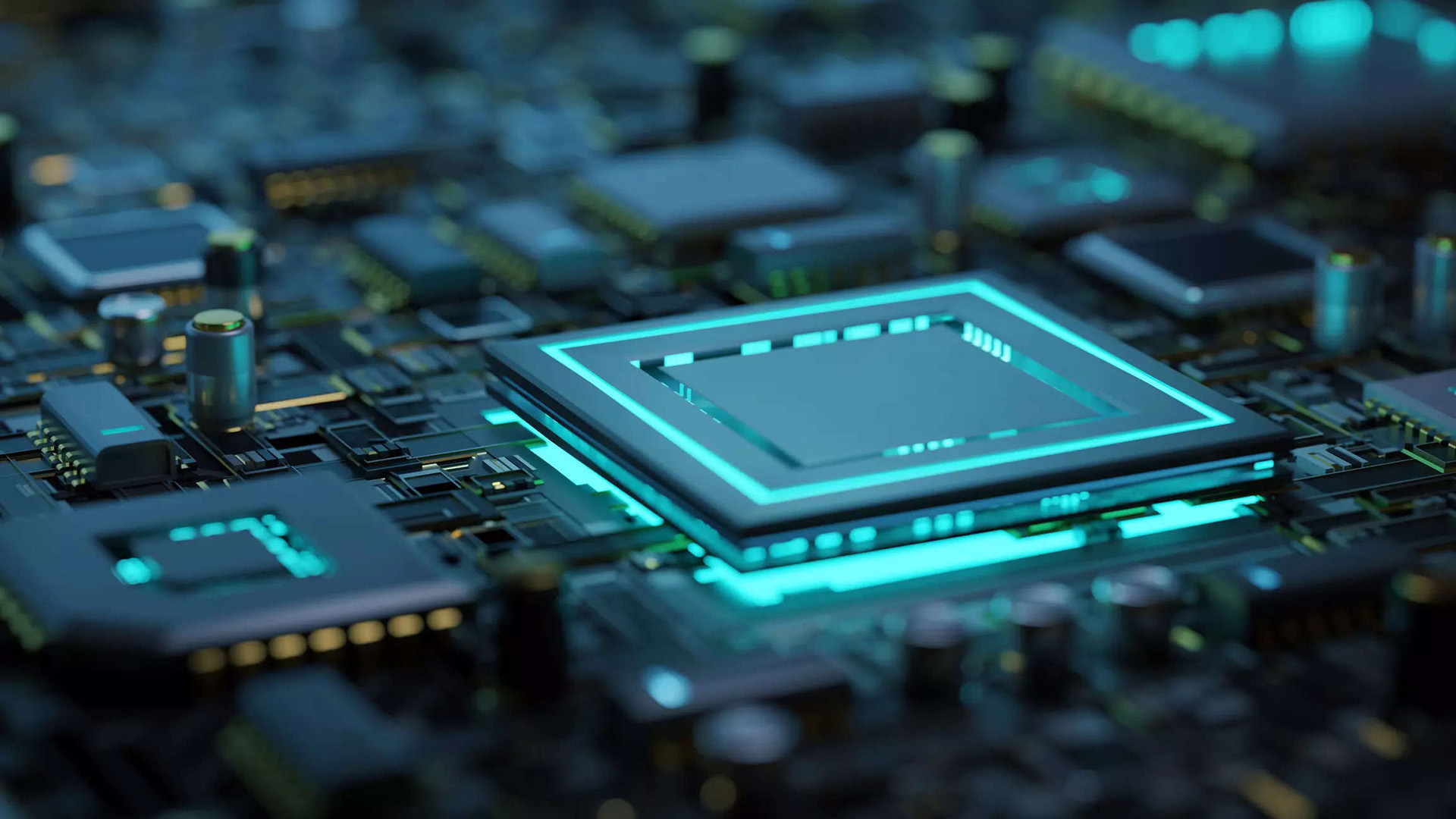
Based in China and looking at the global market, Shenzhen Rich Full Joy Electronics Co., Ltd. has been committed to industry development for 20 years. The company is a national high-tech innovative enterprise that combines focus and expertise. It's also an important enterprise incubation base in China. We specialize in providing customers with one-stop intelligent electronic manufacturing services, including scientific research, PCB design, PCB manufacturing, PCB assembly (including SMT, DIP, Programming and testing) and component selection.
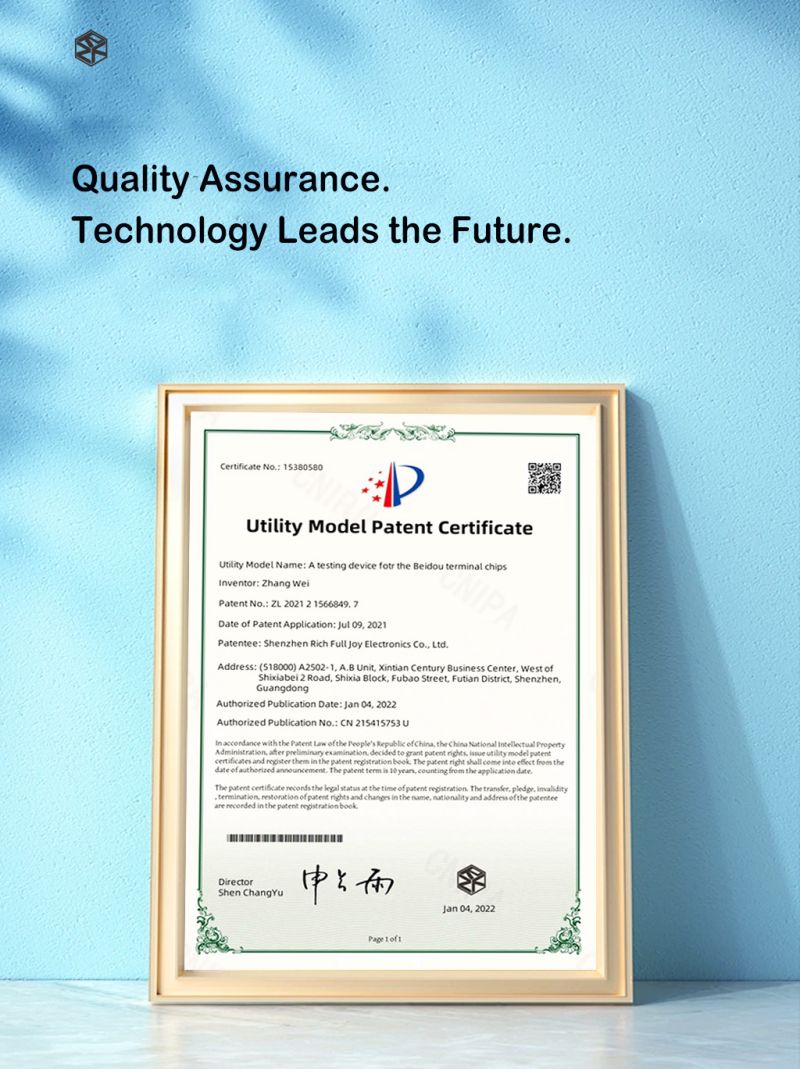
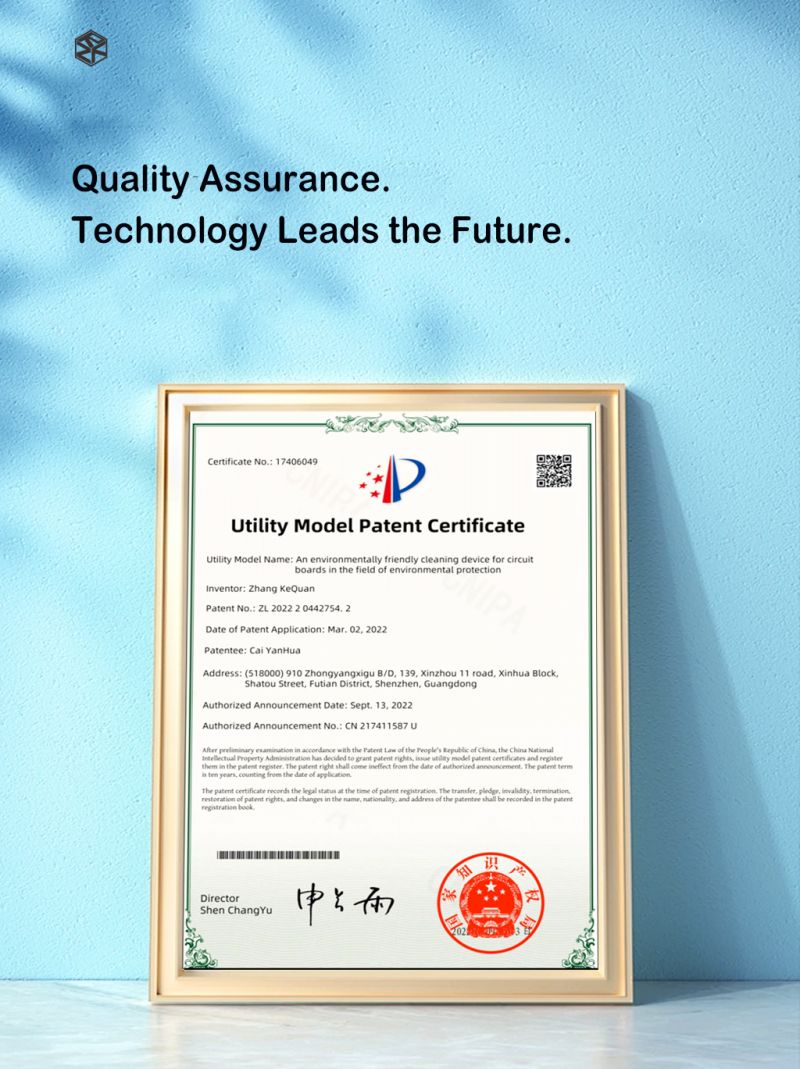
Technological innovation is the core competitiveness of enterprises. We've obtained multiple invention and utility model patents, and has passed various international standard certifications such as ISO9001, IATF16949, ISO14001, UL, CQC, REACH, RoHS, COC, as well as the GJB9001C-2017 standard certification for weapon and equipment quality management system. We've provided high-quality and reliable products to multiple research institutions, universities, and assisted customers in identifying design issues and providing reasonable suggestions and processing parameters.
We not only publish technical papers, but also actively participate in domestic and overseas technology exchange conferences to spread academic value and cutting-edge technological innovation. We regularly communicate with customers and strive to provide them with the best solutions for automotive circuit applications in DC fast chargers and beyond.




















Comprehensive range of high-reliability circuit board products for EV charging, automotive power electronics, and industrial applications.
 Consumer Electronic Circuit Board / Computer PCBA for DC Fast Charger Control Systems
Millimeter-Wave Power Line Communication Circuit Board: Empowering Smart Grid DC Fast Charger Connectivity
Consumer Electronic Circuit Board / Computer PCBA for DC Fast Charger Control Systems
Millimeter-Wave Power Line Communication Circuit Board: Empowering Smart Grid DC Fast Charger Connectivity
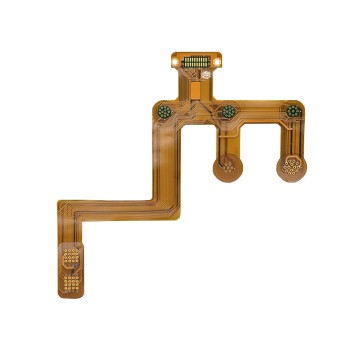 Flexible Printed Circuit Board Solutions for Automotive DC Fast Charger Wiring Harness & Space-Constrained Assemblies
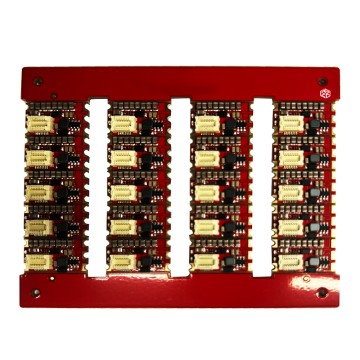 Advanced Circuit Board Assembly for High-Reliability Initiation Control Systems — Precision PCBA Manufacturing
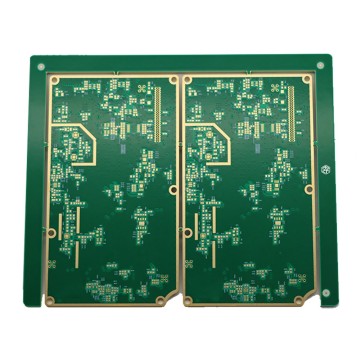 8-Layer High-Performance PCB with FR-4 TG170 | Metal Edge for Automotive DC Fast Charger Power Stage Circuits
4-Layer Gold-Immersion High-Frequency Hybrid PCB for DC Fast Charger Communication & Control Circuits
Advanced RF Wireless PCB Assembly for Automotive Electronics: Powering Radar, ADAS & DC Fast Charger Connected Vehicles
6-Layer High Frequency Hybrid & Metal Edging PCB | Rogers RO4350B for High-Power DC Fast Charger RF Circuits
8-Layer High-Performance PCB with FR-4 TG170 | Metal Edge for Automotive DC Fast Charger Power Stage Circuits
4-Layer Gold-Immersion High-Frequency Hybrid PCB for DC Fast Charger Communication & Control Circuits
Advanced RF Wireless PCB Assembly for Automotive Electronics: Powering Radar, ADAS & DC Fast Charger Connected Vehicles
6-Layer High Frequency Hybrid & Metal Edging PCB | Rogers RO4350B for High-Power DC Fast Charger RF Circuits