Leave Your Message
0%

You know, the aerospace industry is changing faster than ever, and it’s hard to overstate just how important Avionics PCBs (Printed Circuit Boards) are in all of this. According to the "Global Aviation Industry Report 2022," there’s a big surge in demand for advanced avionics systems. Why? Well, modern aircraft are getting more complex, and there’s this constant push for better safety and performance features. Companies like Shenzhen Rich Full Joy Electronics Co., Ltd. are really stepping up. They’re a national high-tech innovative enterprise and a big player in China’s aviation scene. They totally get that the quality and reliability of Avionics PCBs are crucial for meeting those tough industry standards and certifications.
7 Reasons Why Best Avionics Pcb is Essential for Modern Aircraft Systems

As technology keeps advancing, integrating these more sophisticated avionics systems means we need PCB designs that are not just robust, but efficient enough to hold up against the harsh reality of flight. So, in this blog, we’re going to dive into seven really compelling reasons why putting your money into top-notch Avionics PCBs is a no-brainer for the future of modern aircraft systems.

Importance of Avionics PCBs in Enhancing Aircraft Safety and Performance

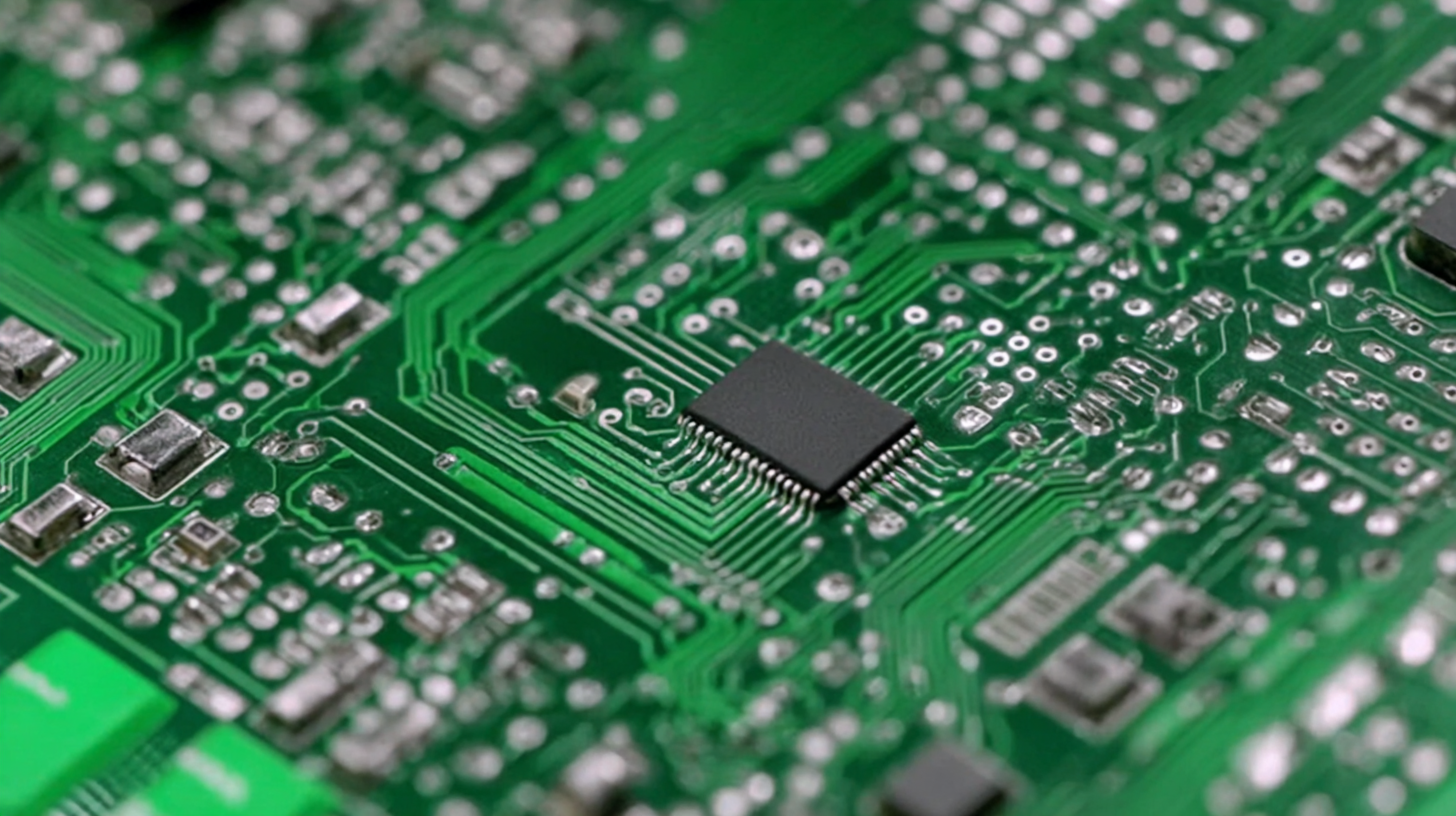
You know, avionics PCBs—those printed circuit boards—are super important in today’s aircraft systems. They really help boost safety and performance, which is pretty crucial if you think about it. These complex boards basically act like the backbone of avionics, bringing together everything from navigation to communication and even monitoring systems. They make data flow smoothly between different parts of the aircraft, so pilots get accurate and timely info. That kind of clarity is key when decisions have to be made fast, especially in stressful situations. It's amazing how reliable these systems are; they really play a role in cutting down human error and keeping accidents at bay.

And let me tell you, the tech packed into these avionics PCBs can seriously ramp up aircraft performance. Thanks to high-density interconnects, we can miniaturize components, which makes the planes lighter and improves fuel efficiency. Plus, when manufacturers use top-notch materials for these PCBs, it boosts their durability and makes them better at handling environmental stresses. This all means they last longer too! As aviation keeps evolving, you can bet that these sophisticated avionics PCBs are going to be more important than ever in meeting the modern flying demands—keeping passengers safe and making sure everything runs smoothly in the air.

Key Features of High-Quality Avionics PCBs for Modern Aviation Applications

You know, in today’s fast-paced world of aviation, it’s super important to have top-notch avionics PCBs (that’s Printed Circuit Boards, by the way) for keeping aircraft systems reliable and functional. What really sets apart the great ones from the rest are things like their toughness, how well they handle heat, and their ability to shield against electromagnetic interference (EMI). There’s this report from MarketsandMarkets that predicts the global avionics market will hit around $30.6 billion by 2026, which really shows just how much people are looking for cutting-edge circuit board tech that can survive the tough conditions of flight but still get the job done right.

7 Reasons Why Best Avionics Pcb is Essential for Modern Aircraft Systems

Another big deal is using advanced materials. For example, when we incorporate high-speed laminates and thermally conductive substrates in avionics PCBs, it not only boosts performance but also helps cut down on weight—a huge plus for fuel efficiency. The Aerospace Corporation even points out that if we optimize PCB design, we might see a weight reduction of up to 15%! That can really make a difference in how efficiently an aircraft operates and can help trim those costs. As we keep pushing the envelope with aviation technologies, the demand for high-quality PCBs is only going to ramp up, which is pretty exciting because it means better aircraft systems and safer skies for all of us.

Analyzing the Impact of Avionics PCBs on Aircraft Communication Systems

You know, the arrival of advanced avionics systems has really changed the game when it comes to communication in aircraft. I mean, those avionics PCBs—Printed Circuit Boards—have become this essential piece in any modern plane. They essentially act like the nervous system for communication, helping all the different systems on board talk to each other and connect smoothly with ground control. Thanks to their complex integration, pilots are able to get real-time updates, which is super important for managing everything during flights. Honestly, the reliability and performance of these PCBs can make a huge difference in terms of safety and the overall efficiency of aircraft. Clear communication during critical phases of flight? That’s a big deal.

Plus, these avionics PCBs are built to tough it out in some pretty harsh conditions—think high altitudes and all these varying temperatures. This toughness means that crucial info keeps flowing without a hitch, which helps pilots stay aware of their surroundings and make quick decisions when needed. The tech behind these PCBs is always improving, with new components and materials coming into play, which only helps boost the functionality and reliability of aircraft communication systems. Overall, this progression is a key driver for a safer and more efficient aviation industry.

Impact of Avionics PCBs on Modern Aircraft Communication Systems

Data-Driven Insights: Performance Metrics for Avionics PCB Reliability

You know, the way avionics PCB technology is evolving so quickly is really changing the game for modern aircraft systems. It's pretty wild to think that the market is expected to hit around USD 3.5 billion this year, and it’s on track to grow at an amazing rate of nearly 13% each year through 2031! That just shows how crucial it is to have reliable and high-performance printed circuit boards in the mix. I mean, these advanced avionics systems need to handle the tough demands of flying, all while processing data in real time and boosting functionality.

When you look at the numbers, data-driven insights really play a huge role in figuring out how well avionics PCBs are performing. And, let’s be real, reliability in aviation isn’t just about checking off safety standards; it’s also about being flexible and ready to adapt as technology keeps changing. There’s some exciting stuff happening in research and development too—like the rise of modular assembly lines that use adaptive robotics. This could really speed up manufacturing processes. As we dive more into AI and automation, it’s clear that the efficiency of designing and producing PCBs is going to improve a lot. This means manufacturers can keep their quality high while also meeting the ever-growing demands of today’s aircraft systems.

Evaluating Suppliers: What to Look for in Your Avionics PCB Partner

Choosing the right partner for your avionics PCB needs? That’s a big deal! You really want to dig into a few key areas to make sure they’re reliable and can deliver top-notch performance. First up, check out their experience and any certifications they have. 7 Reasons Why Best Avionics Pcb is Essential for Modern Aircraft Systems A supplier who’s been in the avionics game for a while will get the ins and outs of aircraft systems better than someone who’s just starting out. Plus, if they’ve got certifications like AS9100 or ISO 9001, that’s a good sign they take quality management and aerospace standards seriously.

But don’t stop there! You also want to take a good look at their manufacturing capabilities and how up-to-date their tech is. A partner with the latest gear and processes can produce PCBs that are tough enough to handle the challenges of flight. And let’s be real – it’s super important that they can be flexible with design and offer quick prototyping services. The aviation sector moves fast, so you’ll want someone who can keep up!

Lastly, let’s talk communication. You really can’t underestimate how important it is to work with a supplier who keeps the lines open throughout the design and production stages. Good teamwork can make a huge difference in how well your avionics systems perform in today’s aircraft. So, take your time, do your homework, and find a partner who’s as invested in your success as you are!

Trends in Avionics PCB Technology: Innovations Shaping the Future of Aviation

You know, the aviation industry is really buzzing right now with some incredible advancements in avionics PCB technology. It’s exciting to see how these innovations are shaking up the design and functionality of modern aircraft systems. Recently, we’ve seen some impressive developments coming out of emerging markets that are pushing against the old norms. For example, research indicates that the global avionics market is on track to grow at a compound annual growth rate of 5.5%. This really underscores the demand for cutting-edge avionics PCBs that can keep up with the latest safety and performance standards.

Manufacturers need to seriously consider investing in R&D if they want to stay competitive. We’re talking about major trends like miniaturization and way better connectivity, plus the integration of AI tech, which are totally transforming the aviation landscape. Remember the 2022 Aircraft Electronics Association Convention? They showcased 17 amazing avionics technologies! This just goes to show how the industry is moving towards smarter and more efficient designs. As these avionics systems continue to evolve, it’s gonna be super important to use advanced materials and manufacturing techniques. We need to make sure that not only are the systems reliable but also able to tackle the complexities that come with modern aircraft operations.

Oh, and when you're out there picking avionics PCBs, don't forget to take into account things like thermal management and signal integrity if you want to really optimize performance. Staying up-to-date with the latest trends and technologies in this fast-paced aviation world can definitely give you an edge.

7 Reasons Why Best Avionics PCB is Essential for Modern Aircraft Systems

Dimension Data
Weight Reduction Up to 30% lighter compared to traditional systems
Integration Capability Supports integration of multiple flight systems
Reliability Failure rates reduced by up to 50%
Cost Efficiency Lower manufacturing costs by 20%
Scalability Easily scalable for various aircraft sizes
Compatibility Compatible with existing avionics systems
Advanced Technology Utilizes cutting-edge technologies such as AI and IoT

FAQS

: What are the key features of high-quality avionics PCBs?

: High-quality avionics PCBs are characterized by their durability, effective thermal management, and electromagnetic interference (EMI) shielding.

How do advanced materials enhance avionics PCB performance?

The integration of advanced materials, such as high-speed laminates and thermally conductive substrates, enhances performance and reduces weight, which is crucial for fuel efficiency.

What is the projected growth of the avionics market?

The global avionics market is forecasted to reach $30.6 billion by 2026, reflecting the increasing demand for advanced circuit board technologies.

How can PCB design optimization impact aircraft efficiency?

Optimizing PCB design can lead to weight reductions of up to 15%, which directly impacts an aircraft's overall efficiency and operational costs.

What role do data-driven insights play in avionics PCB reliability?

Data-driven insights are essential for assessing performance metrics, ensuring reliability, and adapting to changing technological landscapes in avionics.

How is the aviation industry advancing avionics PCB technology?

The aviation industry is experiencing rapid advancements in avionics PCB technology, with trends such as miniaturization, enhanced connectivity, and increased AI integration.

Why is R&D important for avionics PCB manufacturers?

Investing in R&D is crucial for avionics PCB manufacturers to remain competitive and meet evolving safety and performance standards in the aviation market.

What should be considered when selecting avionics PCBs?

Manufacturers should consider factors like thermal management and signal integrity to optimize performance when selecting avionics PCBs.

What innovations were showcased at the 2022 Aircraft Electronics Association Convention?

The convention unveiled 17 groundbreaking avionics technologies, highlighting the industry's push for smarter and more efficient designs.

How is automation impacting PCB design and production?

The adoption of AI and automation in PCB manufacturing is enhancing efficiency, allowing for the maintenance of high-quality standards amidst rising demands in modern aircraft systems.
Liam

Liam

Liam is a dedicated marketing professional at Shenzhen Ruizhixinfeng Electronics Co., Ltd., where he leverages his extensive expertise in the electronics industry to drive the company's communication strategy. With a deep understanding of the latest technological advancements and market trends,......
Previous Future Trends in High Frequency Pcb Technology for Global Buyers