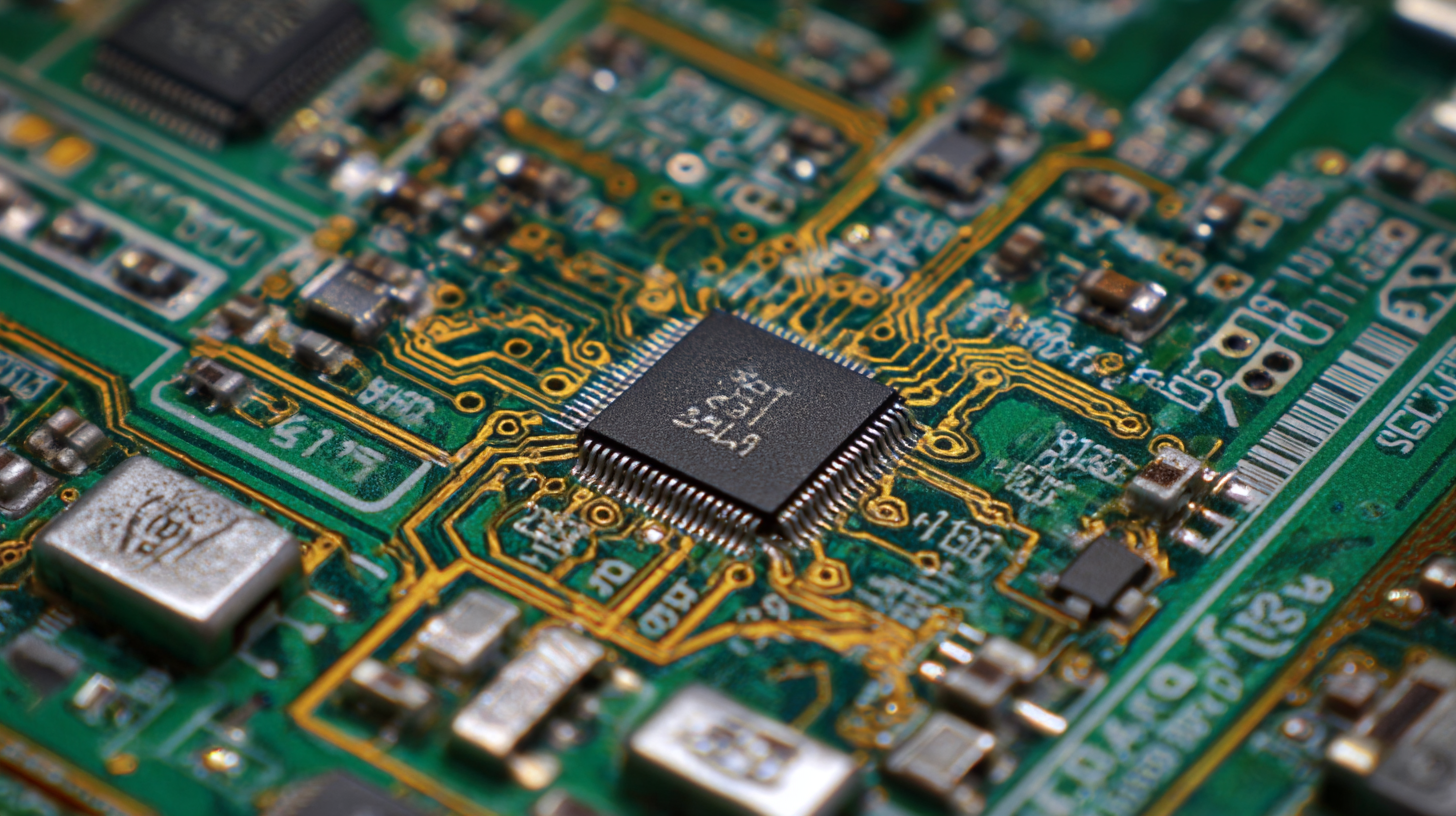
You know, in the fast-paced world of tech, picking the right Printed Circuit Boards (PCBs) for your projects is super important—like, really can't be emphasized enough! As we glance toward the future, especially with all the buzz about trends for 2025, getting a grip on the ins and outs of PCB manufacturing is vital for anyone looking to innovate. That's where Shenzhen Rich Full Joy Electronics Co., Ltd. comes into play. We're right at the cutting edge of this industry, embodying what high-tech innovation is all about. Our team is totally committed to quality and precision, which makes us a key player in nurturing projects that really push the limits of technology. So, this guide is here to give you the scoop you need to tackle the tricky aspects of PCB selection, helping ensure your projects not only meet today's standards but are also geared up for what’s coming next.
Understanding the Key Factors for Selecting PCB Manufacturers
Hey there! So, if you’re looking to pick a manufacturer for your printed circuit boards (PCBs), it's super important to understand what affects both the quality and the cost. One of the biggest things to keep an eye on is the technology and capabilities that the manufacturer has. You’ll want to find companies that use top-notch machinery and stick to solid quality control processes. This way, you can be pretty confident that the PCBs they produce will be spot on and meet the specific requirements you have in mind for your projects.
Another thing to think about is the manufacturer’s experience and specialization. Different projects can call for different types of PCBs — like flexible or rigid boards — so choosing someone who's been around the block in your particular area can really lead to better results. And don't forget to check if they’re able to handle prototypes and low-volume runs, especially if that's your thing. It’s also a big plus if they offer design support and are open to giving iterative feedback. That little extra help can make a huge difference by catching any potential hiccups early on in the process!
Ultimate Guide to Selecting the Best Manufacturing Printed Circuit Boards for Your Projects
| Key Factors |
Description |
Importance Level |
| Manufacturing Capabilities |
Evaluate the manufacturer’s ability to produce the required PCB designs, including layer count, materials, and technologies. |
High |
| Quality Assurance |
Check for certifications (e.g., ISO 9001) and quality control processes to ensure consistent product quality. |
High |
| Lead Time |
Understand the average lead time for prototype and production runs to align with project timelines. |
Medium |
| Cost |
Evaluate the pricing structure including tooling, setup fees, and per-unit costs. |
High |
| Customer Support |
Assess the manufacturer’s responsiveness and support services during the design and production process. |
Medium |
| Shipping Options |
Check the available shipping methods and costs to ensure timely delivery to your location. |
Medium |
Evaluating the Reputation of Global Top PCB Manufacturing Factories
Choosing the right printed circuit board (PCB) manufacturers for your projects can feel like a big decision, right? It's super important to check out the reputation of the top-notch PCB factories out there. When you go with a reputable manufacturer, you’re not just getting quality products; you’re also banking on reliable delivery and solid customer service. For example,
Shenzhen Rich Full Joy Electronics Co., Ltd. is a standout choice. They’re not only known for being innovative but also have that shiny badge of being a national high-tech enterprise. With their experience in the field, they’re a trustworthy option no matter if your project is small or massive.
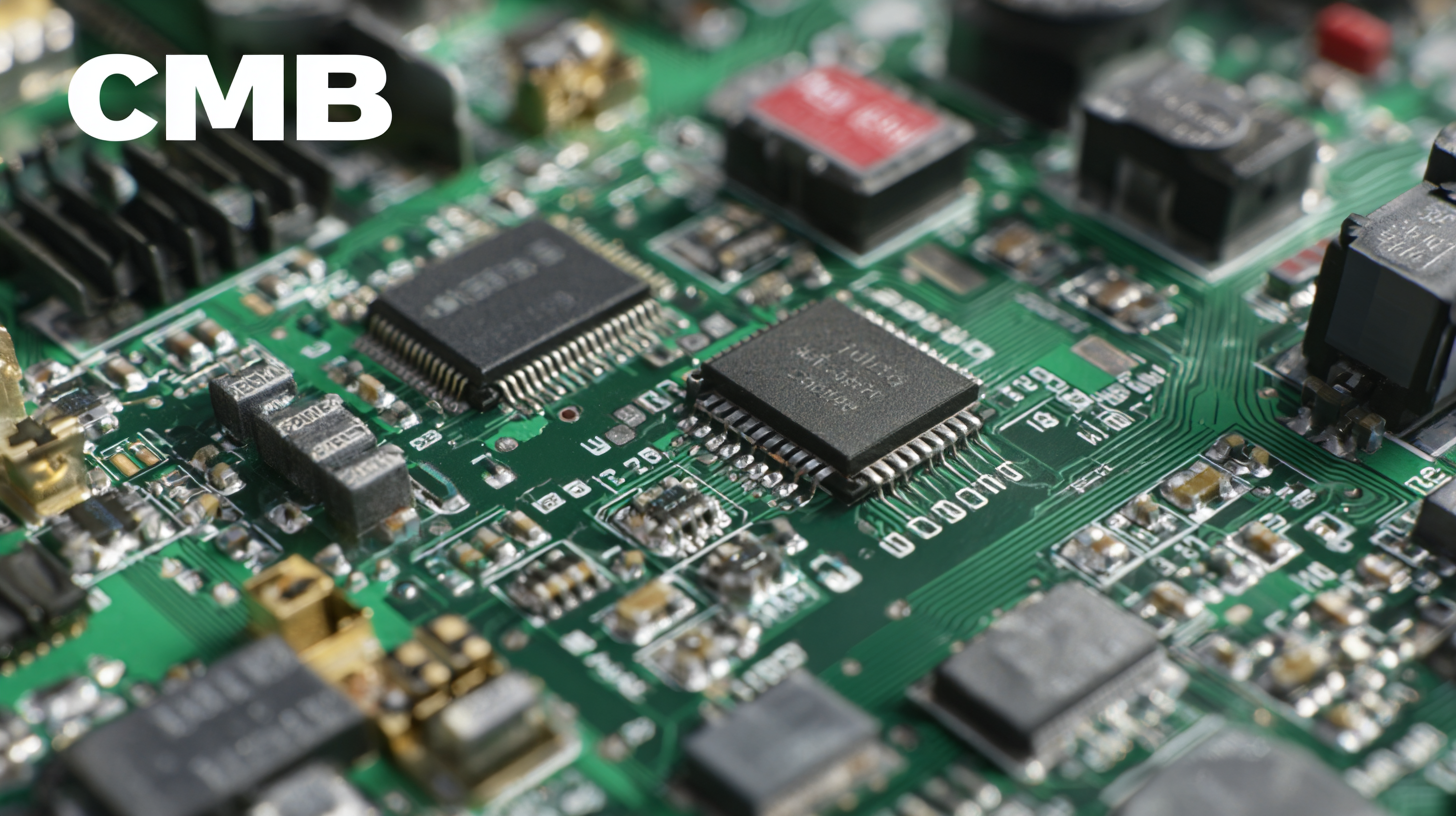
Now, let’s talk tips for checking out a PCB manufacturer's reputation. It’s a good idea to look at their certifications and any awards they might have; it really gives you a peek into their quality standards. Plus, diving into customer reviews can be a goldmine for figuring out how dependable they are when it comes to service. And don’t be shy about asking them how familiar they are with the specific types of PCBs you need. A company that knows your specs inside and out is definitely what you want.
Another great tip? Seek out manufacturers that provide a whole suite of services. That means looking for places that offer everything from design support to prototyping and even post-manufacturing services. Being a one-stop shop usually means they’re well-established and it can save you loads of time trying to juggle multiple suppliers. So, by keeping these pointers in mind, you’ll be well on your way to picking the right PCB manufacturing partner for your projects, which is key to making sure everything turns out great!
Material and Technology Considerations for High-Quality PCBs
When you're picking out printed circuit boards (PCBs) for your manufacturing projects, it's super important to get a grip on the materials and tech involved. Trust me, the materials you choose can really make or break the performance, reliability, and lifespan of the PCB. You've got things like FR-4, which is this well-known substrate that strikes a nice balance between performance and cost. Then there are high-frequency laminates, like the ones from Rogers, which are perfect for those niche applications where you need to keep signal loss to a minimum. Picking the right dielectric constant and thermal properties is key if you want your PCB to handle the electrical loads and the environment it's going to be up against.
But it doesn't end there! The manufacturing technology you use also plays a huge role in how your PCB turns out. For instance, surface mount technology (SMT) lets you cram components in tighter, which can really boost performance. On the flip side, traditional through-hole technology might be just what you need if you're aiming for extra durability in certain setups. Plus, if you're diving into advanced stuff like multi-layer boards or embedded components, you can add all kinds of fancy features, but you’ll need to plan and design carefully. So, by keeping both the materials and the manufacturing methods in mind, engineers can totally make choices that amp up the quality and efficiency of their projects.
Cost-Saving Strategies When Choosing PCB Production Services
When you're on the hunt for a PCB production service, it's super important to know some cost-saving tricks to make your budget stretch without skimping on quality. One smart move is to look at different suppliers and check out their pricing models. A lot of manufacturers throw in volume discounts, so if you can bundle your orders, you can really cut down on those per-unit costs. Plus, don’t forget to compare local and overseas options. Sure, overseas production might look cheaper at first glance, but all those shipping and customs fees can sneak up on you pretty quickly.
Now, let’s talk about the design phase of your PCB. Keeping things simple can really pay off when it comes to manufacturing costs. If you can trim down the number of layers, use fewer components, and optimize your layout, you’ll likely streamline the production process, which usually means lower costs. And hey, sticking to standard sizes and materials can help you dodge those pesky custom tooling charges. The trick is to find that sweet spot between your design goals and what’s doable in production—it’s all about getting the functionality you need while keeping the costs in check.
Exploring Supply Chain Efficiency in PCB Manufacturing
So, when you're picking out printed circuit boards (PCBs) for your projects, it's super important to get a handle on how efficient your supply chain is. A smooth supply chain doesn’t just cut down on lead times, but it also helps keep production costs in check. If you focus on suppliers who are really into tech advancements and lean manufacturing, you’ll find it way easier to move from design to production. Plus, teaming up with manufacturers that provide real-time tracking and are quick to respond can really make a difference when demand changes pop up out of nowhere.
Quick Tip: Don’t forget to take a good look at your suppliers’ reliability. Check their certifications and look up feedback from other customers so you can see how efficient they really are. A supplier you can trust will not only deliver quality boards but also keep you in the loop with updates throughout the manufacturing process.
 Also, think about the logistics that come with your PCB projects. Making your supply chain simpler can really save you both time and money. Partnering with local manufacturers can slash those shipping costs and speed up delivery times too. And hey, building strong relationships with your suppliers? That can lead to better collaboration and innovation, making sure your project stays ahead of the game!
Another Tip: Make it a habit to regularly check in on your supply chain partners. This way, you’ll stay updated on new technologies and improvements you can use in your PCB projects, keeping everything running smoothly and effectively.
Ensuring Compliance and Quality Standards in PCB Production
So, when you're on the hunt for a printed circuit board (PCB) manufacturer for your projects, you've really got to keep an eye out for compliance with industry standards and top-notch quality. These days, the tech in our electronic devices is super complex, which means that PCBs need to be not just functional, but also reliable and safe—no one wants their gadgets failing on them! Each PCB has to meet specific regulatory standards, like IPC-A-600, which deals with what’s acceptable for printed boards, and IPC-2221, focusing on design requirements. It's really important to partner with a manufacturer who gets these guidelines inside and out; that way, you can reduce the chances of any hiccups and ensure your products hit all the necessary certifications.
Now, let’s not forget about quality assurance during the production of PCBs. Stuff like rigorous testing and inspection is absolutely essential to keeping product integrity intact. Techniques such as Automated Optical Inspection (AOI) and in-circuit testing are super handy for catching defects early on in the manufacturing process. Plus, you also want to think about where the manufacturer sources their materials and whether they have strong traceability practices. The quality of raw materials can really make a difference in how your final product performs. By focusing on compliance and quality standards, you can pick a PCB manufacturer that ticks all the right boxes for your project and helps you dodge any potential pitfalls in product development.
Unlocking Innovation: The Advantages of 4-Layer Rigid-Flex PCBs in High-Performance Electronics
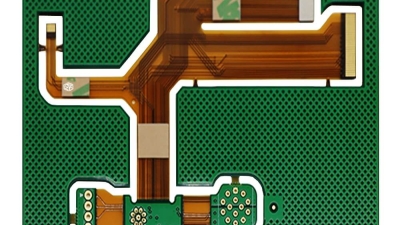
In today's rapidly evolving electronic landscape, innovation is driven by the need for high-performance components that can withstand the complexities of advanced applications. One of the key advancements in this area is the 4-layer rigid-flex PCB, recognized for its superior flexibility and heat resistance. Statistics from industry reports indicate that the rigid-flex PCB market is expected to grow significantly, reaching nearly $2.5 billion by 2025, as sectors like aerospace and medical technology increasingly adopt these versatile solutions.
As China's leading rigid-flex PCB manufacturer, we specialize in high-performance 4-layer rigid-flex PCBs made with SYTECH SF202, Polyimide + FR-4, and TG320 non-adhesive rolled copper. This specific blend of materials ensures that our circuit boards deliver exceptional reliability and performance under demanding conditions. According to a recent study, rigid-flex boards can minimize space and weight by up to 60% compared to traditional PCBs, which is critical for applications in high-density interconnect (HDI) electronics.
Our rigid-flex PCBs are not only designed for precise signal transmission but are also capable of operating in high-temperature environments, fulfilling the stringent requirements of sectors that prioritize durability and efficiency. With their bendable design and excellent thermal properties, these innovative PCBs are ideal for applications in aerospace, medical devices, and consumer electronics, paving the way for the next generation of high-performance electronic systems.
FAQS
: Key factors include the manufacturer's technology and capabilities, experience and specialization, ability to handle prototypes and low-volume production, and the availability of design assistance and iterative feedback.
A reputable manufacturer ensures high-quality products, reliability in delivery, and good customer service, which are critical for the success of your projects.
Check certifications and industry accolades, read customer reviews and testimonials, and inquire about their experience with specific PCB types relevant to your project.
Different types include flexible boards and rigid boards, depending on the specific requirements of your project.
Common materials include FR-4 for general applications and high-frequency laminates, like Rogers materials, for specialized applications requiring minimal signal loss.
The technology used, such as surface mount technology (SMT) or through-hole technology, influences component placement density, durability, and overall performance.
Look for manufacturers that offer a comprehensive range of services, including design support, prototyping, and post-manufacturing services.
The choice of materials impacts the PCB's performance, reliability, longevity, and ability to handle electrical loads and environmental conditions.
Techniques like multi-layer board technology and embedded components can provide increased functionality but require careful planning.
Engaging with manufacturers for design assistance can help address potential issues early in the process, leading to improved project outcomes.