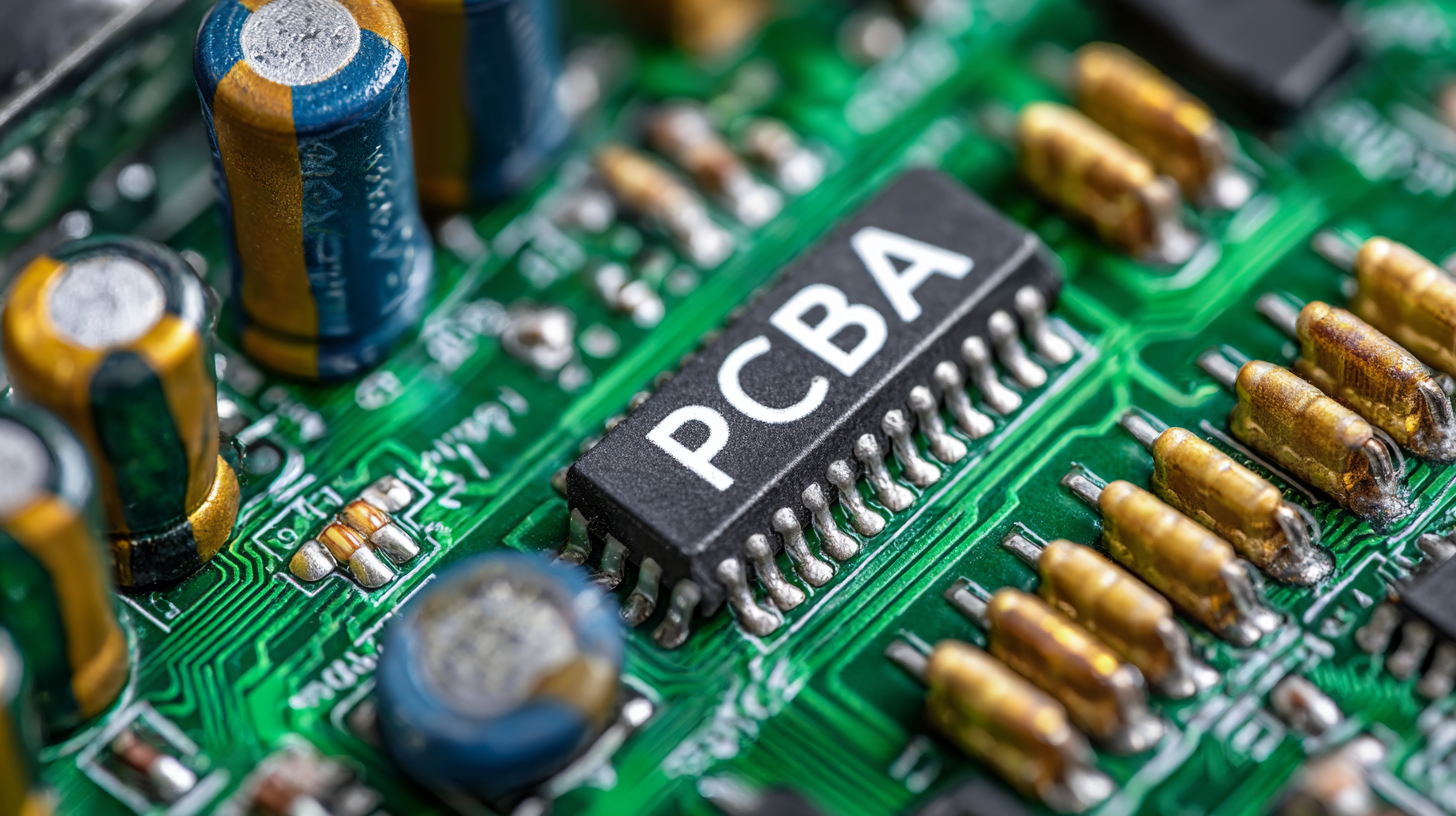
You know, when it comes to the fast-changing world of medical tech, picking the right Medical PCBA (that’s Printed Circuit Board Assembly, by the way) is super important—really can’t stress that enough. With the global demand for advanced healthcare solutions on the rise, folks are finding it tricky to pinpoint high-quality, reliable components that actually meet all those strict regulations and performance guidelines. That’s where Shenzhen Rich Full Joy Electronics Co., Ltd. comes into play. They're this awesome national high-tech innovative enterprise making waves in the industry and proudly exporting top-notch manufacturing skills all the way from China.
So, in this guide I’ve put together, you’ll find all the info you need to help you make smart choices when it comes to selecting Medical PCBA. This way, you’ll not only meet the regulatory requirements but also help boost the quality of healthcare services out there. Sounds good, right?
Understanding Medical PCBA: Key Features and Specifications to Consider
Picking the right medical PCBA (Printed Circuit Board Assembly) can be a bit tricky, but getting a grip on the important features and specs is key for ensuring reliability and performance in those critical healthcare settings. You know, medical PCBAs have to jump through quite a few hoops, especially when it comes to complying with industry standards like ISO 13485. This helps guarantee they’re safe and effective. So, when you’re shopping around, focus on a few biggies—things like the quality of components, how well they hold up in different environments, and how easily they can mesh with other medical devices.
Here's a little tip: always ask for detailed documentation regarding materials and manufacturing processes. That way, you can really assess how reliable your PCBA supplier is. And don’t forget to look for certifications that show they’re committed to quality and safety.
Aside from certifications, take a look at what the manufacturer can bring to the table design-wise. Great design capabilities can really speed up the development process and boost the functionality of your PCBA in medical devices. A company like Shenzhen Rich Full Joy Electronics Co., Ltd. is a solid choice—they're not just any manufacturer; they’re recognized as a national high-tech innovative enterprise with a real knack for precision in electronic manufacturing.
Oh, and here’s another tip: try to connect with your supplier early on in the design phase. It can open up doors for customization and innovative options that fit your specific medical needs. Trust me, their expertise can make a huge difference in cutting down the time it takes to get your medical devices to market.

Regulatory Compliance: Essential Standards for Medical PCBA Manufacturing
When selecting a medical printed circuit board assembly (PCBA), regulatory compliance plays a pivotal role. Manufacturers must navigate a complex landscape of essential standards to ensure that their products are safe and effective for medical use. Key regulations often include ISO 13485, which sets the requirements for a quality management system specific to medical devices, and IPC-A-610, which provides guidelines for the acceptable quality of electronic assemblies. Understanding these standards is critical for global buyers, as non-compliance can lead to delays in product launches and potential legal complications.
Furthermore, the landscape of medical device manufacturing is evolving rapidly. The U.S. medical device contract manufacturing market is projected to grow significantly, indicating a robust demand for high-quality medical PCBAs. As India reduces its basic customs duty on PCBAs, it presents opportunities for local manufacturers to increase their competitiveness in the global market. Collaborations driven by new trade agreements, such as the India-UK Free Trade Agreement, may further amplify export capabilities, fostering a thriving environment for innovative medical device solutions. Buyers must consider not only compliance but also logistical advantages and supplier relationships that can help them navigate this dynamic market effectively.
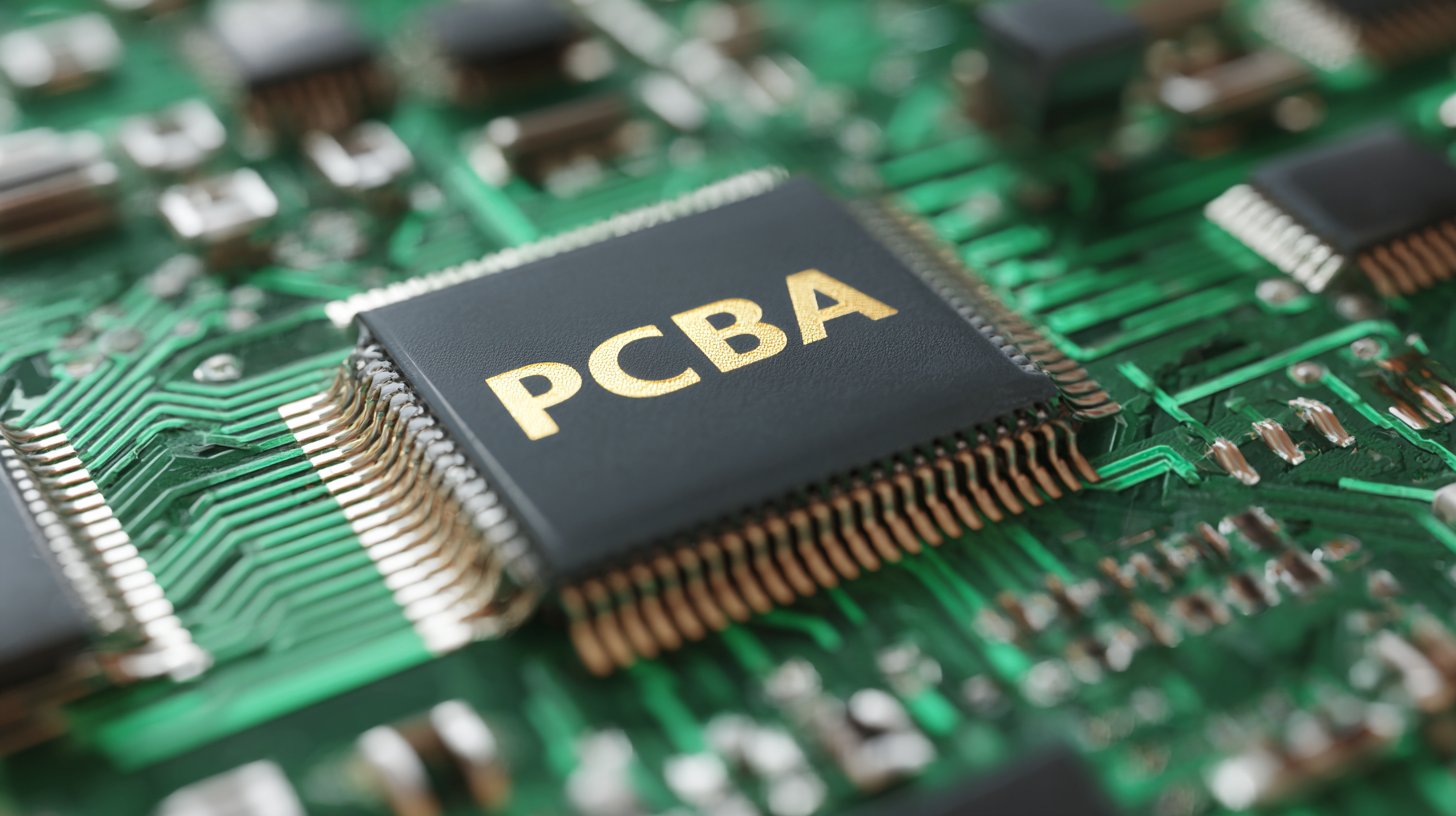
Selecting the Right Manufacturer: Factors to Evaluate for Quality Assurance
When it comes to picking the right manufacturer for medical PCBAs (that’s Printed Circuit Board Assemblies, just in case you weren’t sure), it’s super important to make sure they can really deliver on quality and reliability. Here’s a fun fact: a report from MarketsandMarkets predicts that the global medical device market is expected to hit a whopping $612 billion by 2025! So, choosing a manufacturer that sticks to tough quality standards is absolutely key.
Now, as you start looking at potential partners, there are a few things you really want to keep in mind. You should definitely look for ISO certification, check their experience in the medical electronics field, and see how well they’ve played by the rules with regulatory bodies like the FDA and ISO 13485. It’s all pretty crucial!
One company that really shines in this area is Shenzhen Rich Full Joy Electronics Co., Ltd. They’re recognized as a national high-tech innovative enterprise, and trust me, they know their stuff. They’ve crafted a strong reputation as a go-to source for advanced manufacturing solutions in China. What’s more, their commitment to quality assurance and fresh ideas really meet the demanding needs of the medical industry. So if you’re a company looking to navigate the maze of medical regulations while keeping product safety and efficacy top of mind, they could be the perfect partner for you. All in all, focusing on these key factors can really boost the chances of your medical product standing out in this competitive market.
Quality Assurance Factors in Selecting a Medical PCBA Manufacturer
Cost Considerations: Balancing Budget with Quality in Medical PCBA
When you're on the hunt for the best medical PCBA, the cost is definitely a big deal. It’s all about striking that balance between budget constraints and the need for top-notch components - especially if you're a manufacturer trying to whip up reliable and compliant medical devices. One common mistake folks make in electronic design is overlooking the whole design for manufacturing (DFM) thing. If DFM principles aren't woven into the design process from the get-go, you might end up spending way more later on to fix things, which can mess with both your budget and timelines—and let’s be real, that can derail an entire project.
And, if you’re thinking about integrating electronics into those disposable and single-use medical devices, there’s a handful of crucial factors that you’ve got to keep in mind. Things like the choice of materials, the manufacturing techniques, and how complex the electronics are—all of these will definitely influence the final costs. By taking a close look at these elements and ensuring that the design allows for manufacturing efficiencies, buyers can line up their budgets with the quality standards they need. The trick, ultimately, is to find that sweet spot where you keep the integrity of the medical device intact while also keeping costs in check; that’s what leads to a sustainable solution in the long run.
How to Choose the Best Medical PCBA: A Comprehensive Step-by-Step Guide for Global Buyers - Cost Considerations: Balancing Budget with Quality in Medical PCBA
| Criteria |
Description |
Cost Impact |
Quality Assurance |
| Component Quality |
Select high-quality components to ensure reliability. |
Higher quality components typically increase initial costs. |
Assure component certifications and compliance. |
| Manufacturing Capabilities |
Ensure the manufacturer has advanced capabilities for PCBA. |
Specialized capabilities may come with higher costs but improve efficiency. |
Look for ISO certifications as a quality benchmark. |
| Lead Times |
Assess the timeline for production and delivery. |
Faster production may incur additional costs. |
Ensuring a quick lead time can mitigate risks in medical marketing. |
| Testing Procedures |
Understand the testing protocols employed by the manufacturer. |
Comprehensive testing may increase total project costs. |
Rigorous testing ensures compliance with medical standards. |
| Supplier Relationship |
Evaluate the reliability and reputation of the supplier. |
Strong supplier relationships can lead to better pricing. |
Building trust can enhance quality assurance and consistency. |
Testing and Validation: Ensuring Reliability and Performance of Medical PCBAs
When it comes to medical PCBAs, making sure they’re tested and validated is super important for their reliability and performance. You know, as these printed circuit board assemblies get more complicated, having strict testing methods is more critical than ever. One thing that’s really essential to think about during this whole process is how clean the boards are. Using effective cleaning techniques, like vapor degreasing, can really help get rid of any contaminants that might mess with how the electronic devices perform. By putting cleanliness first, manufacturers can seriously boost the consistency and reliability of medical PCBAs, which is key for meeting the tough standards in healthcare.
And it's not just about how the PCBA looks or holds up physically; we also need to check how it operates under different conditions. Manufacturers have to stay on top of the new challenges popping up in the PCB assembly world, like the changing needs for cleaning and the complexities involved in putting together intricate electronic systems. As the market pushes for better quality and higher performance from medical devices, having solid testing protocols that take these complexities into account will be super important for delivering medical technologies that really work well.
Long-term Support: Importance of After-Sales Service and Maintenance in Medical PCBA
When you're looking to choose a medical PCBA (that's Printed Circuit Board Assembly, in case you're wondering), one of the big things you really need to consider is how good the
long-term support and after-sales service are. Trust me, these factors can really influence how long your device lasts and how reliable it is. Medical devices come with all sorts of
strict regulations, and they tend to stay in service for quite a while, so it's super important for manufacturers to offer
strong support.
Good after-sales help can really ease the worries that come with product malfunctions, software updates, or keeping up with regulations.
It’s all about being able to fix any technical glitches quickly so that everything runs smoothly and, most importantly, so that
patient safety isn’t compromised.
And let's not forget about ongoing maintenance services—they're absolutely crucial if you want your medical PCBAs to stick around and work well over time.
Regular maintenance checks are a must to avoid those annoying unexpected downtimes, especially in a medical environment where the availability of devices can really make a difference in patient care.
So if you’re in the market for a manufacturer, go for those who provide solid maintenance packages that cover regular inspections, troubleshooting help, and quick repair services.
This kind of support doesn’t just safeguard your initial investment; it also builds a strong partnership between you and the PCB maker. Together, you can keep adapting to new tech standards and improving your devices.
FAQS
Certification ensures that the PCBA meets regulatory requirements for safety and effectiveness, which is crucial for healthcare applications.
Early engagement allows for exploration of customization and innovation options, which can enhance functionality and reduce time-to-market for medical devices.
After-sales service is essential for addressing product failures, ensuring software updates, and maintaining regulatory compliance, thus ensuring operational efficiency and patient safety.
Ongoing maintenance helps prevent unexpected downtimes, which is critical for patient care, and ensures the longevity and functionality of the medical devices.
Buyers should request detailed documentation of materials and manufacturing processes, along with certifications that demonstrate the supplier's commitment to quality and safety.
Advanced design tools can streamline the development process and enhance the functionality of PCBAs in medical devices, leading to more innovative solutions.
Buyers should look for comprehensive maintenance packages that include regular inspections, troubleshooting support, and timely repair services to ensure device reliability.
Robust after-sales support fosters strong partnerships by ensuring continuous improvements and adaptations to evolving technological standards, protecting investments and enhancing collaboration.
It can significantly mitigate risks associated with product failures, ensuring that technical issues are addressed promptly and maintaining the overall reliability of the device.