Leave Your Message
0%

You know, with how quickly technology is evolving in the electronics world, Flexible PCBs have really taken center stage when it comes to innovation and design. I came across some market research from Allied Market Research—pretty interesting stuff. It says that the global market for flexible printed circuit boards is expected to hit around $27.4 billion by 2025. That’s a big jump from about $14.5 billion back in 2018, growing at roughly 10.3% each year. This definitely shows how demand is soaring for lightweight, space-saving, and versatile circuits that can meet the complex needs of today's gadgets.

Why Flexible Pcb is the Future of Electronics Innovation and Design

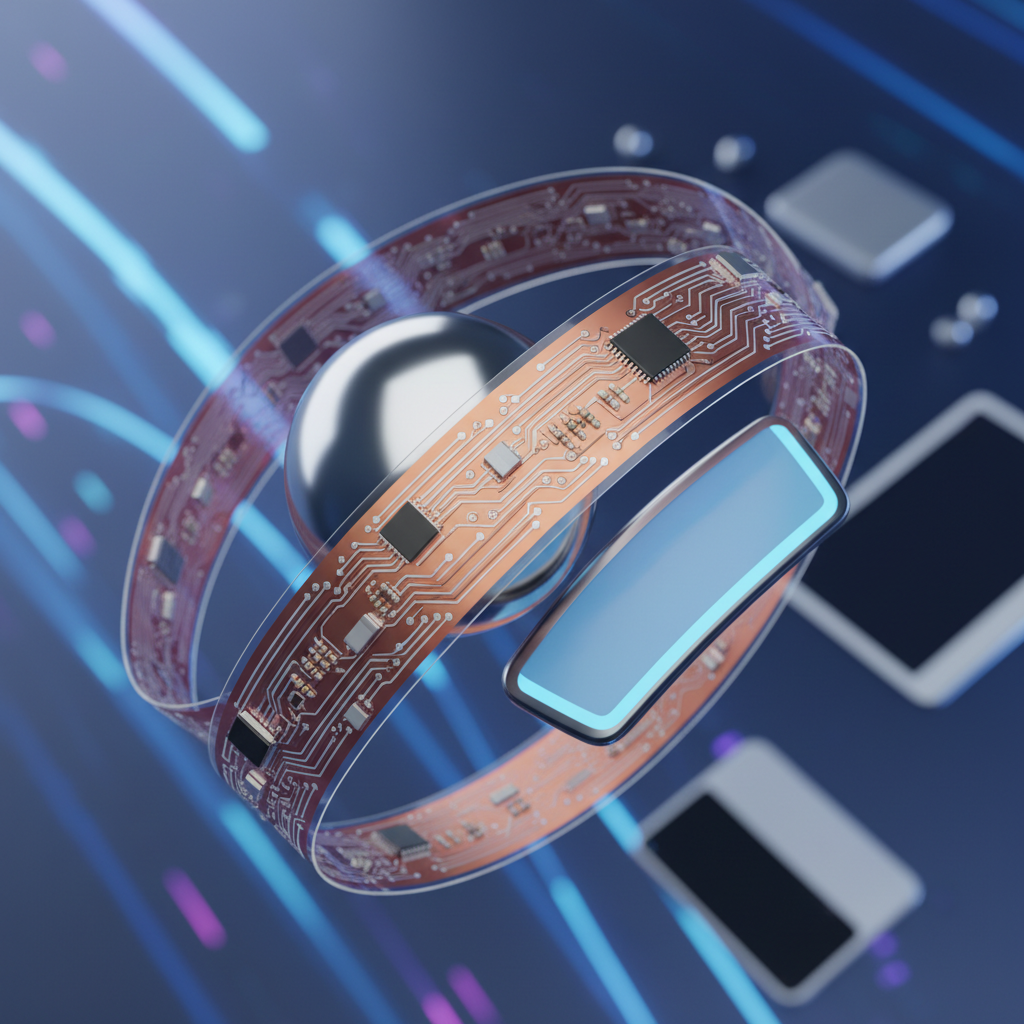
Flexible PCBs are pretty awesome because they can bend and fit into all kinds of shapes—something traditional rigid circuits just can’t do. This flexibility is a total game-changer for compact devices like smartphones, wearables, and IoT gadgets. Big names like Apple and Samsung are already using these flexible circuits to boost performance and save space in their products. As we move towards even smarter, miniaturized systems that need to be super reliable, including Flexible PCBs is becoming a key part of that puzzle. Honestly, the future of tech innovation is leaning heavily on these flexible circuits—they’re pushing the boundaries of what’s possible and also encouraging more sustainable manufacturing practices in the electronics industry.

The Evolution of Flexible PCBs in Electronics Design

The evolution of flexible PCBs (Printed Circuit Boards) has marked a significant turning point in electronics design, offering unparalleled advantages that traditional rigid boards cannot match. As devices become smaller and more intricate, flexible PCBs allow for innovative layouts that can navigate tight spaces while maintaining functionality. Shenzhen Rich Full Joy Electronics Co., Ltd. exemplifies this innovation, combining expertise and cutting-edge technology to produce high-quality flexible PCBs that cater to the growing demands of various industries.

Tips for optimizing the use of flexible PCBs include considering the design's mechanical stresses, ensuring proper routing to minimize signal loss, and selecting appropriate materials that enhance flexibility without compromising durability. As flexible PCBs become increasingly integral in wearable tech, IoT devices, and complex electronics, Shenzhen Rich Full Joy Electronics' commitment to innovation positions it as a leader in this evolving market.

With continuous advancements in manufacturing processes and material science, flexible PCBs are set to revolutionize the electronics landscape. By embracing this technology, companies can not only enhance the design of their products but also improve performance and reduce overall weight, paving the way for the next generation of electronic devices.

Evolution of Flexible PCBs in Electronics Design

The chart illustrates the growth of the flexible PCB market from 2015 to 2023. As technology advances, the demand for flexible printed circuit boards has significantly increased, showcasing their importance in modern electronics innovation and design.

Key Advantages of Flexible PCBs over Traditional Rigid Boards

Flexible printed circuit boards (PCBs) have emerged as a leading technology in the realm of electronics innovation due to their distinctive advantages over traditional rigid boards. One of the most significant benefits of flexible PCBs is their ability to save space and weight. Unlike rigid boards that require additional connectors or mountings, flexible circuits can be easily bent or folded, allowing for compact designs that are essential in today's miniaturized electronic devices. This flexibility not only streamlines the design process but also contributes to lighter products, which is crucial for applications in portable electronics and wearable technology.

Another key advantage is the enhanced durability of flexible PCBs. They can withstand repeated bending, twisting, and vibration without compromising performance, making them ideal for applications that involve motion or harsh conditions. Additionally, the ability to integrate multiple functionalities onto a single flexible substrate reduces assembly time and potential points of failure. As industries pursue greater efficiency and durability, the move towards flexible PCBs represents a logical evolution in electronics design, paving the way for more innovative and resilient devices in the future.

Transforming Device Form Factors with Flexible PCB Technology

Why Flexible Pcb is the Future of Electronics Innovation and Design

Flexible PCB technology is revolutionizing the world of electronics by enabling designers to explore new device form factors. Unlike traditional rigid PCBs, flexible PCBs can bend and conform to various shapes, allowing for more innovative and compact designs. This adaptability is essential for modern devices that demand both functionality and aesthetic appeal, such as wearables, mobile devices, and IoT gadgets. As manufacturers embrace this technology, we can expect to see an array of creative applications that were previously constrained by the limitations of rigid circuits.

**Tip:** When designing flexible PCBs, consider the materials used for insulation and adhesion. High-performance materials such as polyimide can significantly impact the durability and reliability of the final product.

By integrating flexible PCBs into their designs, companies can reduce the overall size and weight of their devices while improving performance. This transformation not only enhances user experience but also paves the way for advancements in various industries, including healthcare, automotive, and consumer electronics. With ongoing innovations in flexible PCB technology, the possibilities for future designs are limitless.

**Tip:** Prioritize prototyping and testing during the development phase to identify any potential issues early. Early iterations can save time and costs in the long run, leading to a more seamless production process.

New Applications and Innovations Empowered by Flexible PCBs

Why Flexible Pcb is the Future of Electronics Innovation and Design

The evolution of flexible printed circuits (FPCs) is driving a transformative wave in electronics, as these advanced materials enable groundbreaking applications across various industries. From consumer electronics to medical devices, flexible PCBs facilitate compact, lightweight designs that enhance portability and functionality. Their adaptability allows manufacturers to create intricate layouts impossible with traditional rigid circuits, leading to the development of slimmer devices with more features packed into smaller spaces.

Innovations in flexible PCB technology have also paved the way for new applications in automotive and wearable tech. As vehicles become increasingly smart, flexible circuits are integrated into dashboards and sensor networks, offering immense flexibility and resilience under varying conditions. In the realm of wearables, the conformability of flexible PCBs ensures a seamless fit against the body, making them ideal for health-monitoring devices that require continuous contact. This growing versatility not only underscores the importance of flexible PCBs in contemporary design but also heralds a future where electronics can adapt more seamlessly to user needs and environments.

Challenges and Solutions in Flexible PCB Manufacturing Process

With the rise of wearable technology and compact electronic devices, flexible PCBs (Printed Circuit Boards) are rapidly gaining traction in the electronics industry. However, the manufacturing process of flexible PCBs presents several challenges, including material selection, circuit design complexities, and the requirement for precision in production. According to a recent industry report by MarketsandMarkets, the global flexible PCB market is expected to reach $30.8 billion by 2026, emphasizing the increasing demand for innovative manufacturing solutions.

Shenzhen Rich Full Joy Electronics Co., Ltd. leverages its expertise as a national high-tech innovative enterprise to address these manufacturing challenges. The company focuses on developing advanced production techniques that enhance the reliability and durability of flexible PCBs. By utilizing state-of-the-art technology and rigorous quality control measures, Rich Full Joy is positioned as a vital component in the supply chain, providing innovative solutions that meet the evolving needs of electronic design. This commitment to quality not only strengthens the company's footprint in the marketplace but also contributes to the overall advancement of flexible circuit technology.

Future Trends in Flexible PCB Development and Market Growth

The flexible printed circuit board (PCB) technology is poised to revolutionize the electronics landscape. As the demand for compact, lightweight, and more efficient electronic components escalates, flexible PCBs are at the forefront of this transformation. Future trends indicate that advancements in materials and manufacturing techniques will further enhance the performance and versatility of flexible PCBs, making them an integral part of devices in various sectors, including automotive, healthcare, and consumer electronics.

Tips: When considering flexible PCBs for your design projects, prioritize materials that offer high thermal stability and flexibility. These properties will ensure better durability and performance in diverse applications. Additionally, stay informed about cutting-edge manufacturing processes like additive manufacturing, which can further optimize the design possibilities for flexible circuits.

The market for flexible PCBs is expected to witness significant growth, propelled by the increasing trend towards miniaturization in electronics. Innovations such as embedded component technology and multi-layer flexible PCBs are emerging, allowing for even greater functionality within reduced sizes. As these trends continue to evolve, incorporating flexible PCB solutions will be essential for companies aiming to lead in the competitive electronics market.

Enhancing UAV Performance: Insights from Recent Market Research on Drone Control Board PCBA Developments

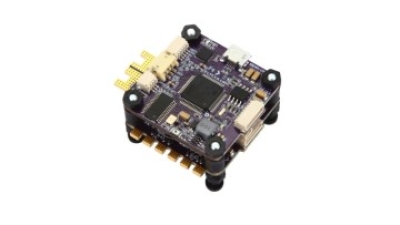
In the rapidly evolving landscape of unmanned aerial vehicles (UAVs), the performance of drone control boards is pivotal to ensuring optimal functionality. Recent market research highlights the significant advancements in drone control board PCBA developments, aiming to enhance UAV operational capabilities. Richfulljoy, a leading Drone Control Board PCBA manufacturer in China, stands out as a key player in this dynamic industry. With over 20 years of expertise in custom PCB manufacturing, they offer solutions that cater precisely to the diverse needs of drone applications, from aerial photography to defense operations.

Richfulljoy specializes in high-reliability PCB solutions, focusing on advanced surface mount technology (SMT) assembly and strict quality control processes. The company's dedication to creating custom PCBAs for multi-rotor, fixed-wing, and hybrid UAVs ensures that clients receive control boards that are not just high-performance, but also robust and precise. By providing both OEM and ODM services, Richfulljoy guarantees superior reliability, which is essential for missions that demand precision and durability. As the demand for UAV technology continues to grow, exploring specialized manufacturing services like those of Richfulljoy can facilitate the development of cutting-edge drone systems tailored to specific operational needs.

FAQS

: What are flexible printed circuits (FPCs) and their primary functions?

: Flexible printed circuits (FPCs) are advanced materials that enable compact, lightweight designs in electronics. They facilitate intricate layouts, allowing for slimmer devices with multiple features packed into small spaces.

How are flexible PCBs utilized in the automotive industry?

In the automotive industry, flexible PCBs are integrated into dashboards and sensor networks, providing flexibility and resilience under varying conditions, which is essential for smart vehicle functionality.

What advantages do flexible PCBs offer for wearable technology?

Flexible PCBs provide conformability, ensuring a seamless fit against the body, making them ideal for health-monitoring devices that require continuous contact.

What future trends are expected in flexible PCB development?

Future trends indicate advancements in materials and manufacturing techniques that will enhance the performance and versatility of flexible PCBs, making them crucial in sectors like automotive, healthcare, and consumer electronics.

What should manufacturers consider when selecting materials for flexible PCBs?

Manufacturers should prioritize materials that offer high thermal stability and flexibility to ensure better durability and performance in diverse applications.

How is the market for flexible PCBs expected to grow?

The market for flexible PCBs is expected to grow significantly, driven by miniaturization trends in electronics, with innovations like embedded component technology and multi-layer flexible PCBs enabling greater functionality in reduced sizes.

What role does additive manufacturing play in flexible PCB design?

Additive manufacturing is a cutting-edge process that can optimize design possibilities for flexible circuits, allowing for greater innovation and efficiency in production.

Why are flexible PCBs important for future electronics?

Flexible PCBs are important as they provide the adaptability needed for devices to meet evolving user needs and environments, thereby playing a key role in the future of electronics design.

What is the significance of miniaturization in the context of flexible PCBs?

Miniaturization is a significant trend driving the demand for flexible PCBs, as it allows for more compact and efficient electronic components without compromising on functionality.

How do flexible PCBs contribute to product competitiveness in the electronics market?

Incorporating flexible PCB solutions is essential for companies aspiring to lead in the competitive electronics market, as these circuits offer enhanced functionality within smaller sizes, catering to modern design requirements.

Conclusion

Flexible PCBs are transforming the future of electronics innovation and design by offering significant advantages over traditional rigid boards. The evolution of flexible PCBs has enabled designers to create more compact and lightweight devices, adapting to various form factors that were once considered impractical. Their unique properties allow for enhanced functionality, making them ideal for new applications in sectors ranging from medical devices to consumer electronics.

Despite the benefits, the manufacturing process of flexible PCBs faces challenges that require innovative solutions. Companies like Shenzhen Rich Full Joy Electronics Co., Ltd. are at the forefront of this evolution, leveraging their expertise to drive advancements in flexible PCB technology. As the market continues to grow, future trends point towards even greater integration of flexible PCBs in electronic design, paving the way for more innovative products and sophisticated technology.

Mason

Mason

Mason is a dedicated marketing professional at Shenzhen Ruizhixinfeng Electronics Co., Ltd., where he has established himself as an expert in the company's innovative product offerings. With a deep understanding of electronics and a keen eye for market trends, Mason plays a crucial role in shaping......
Previous Future Trends in High Frequency Pcb Technology for Global Buyers