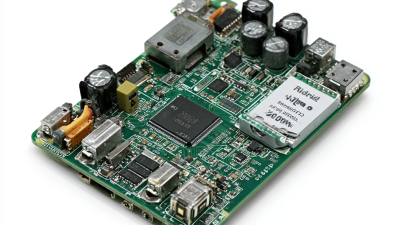
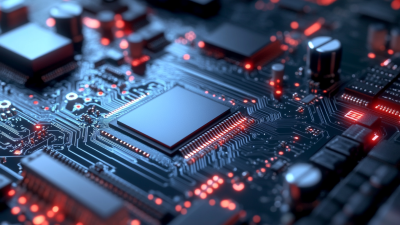
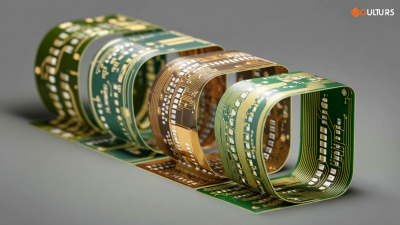
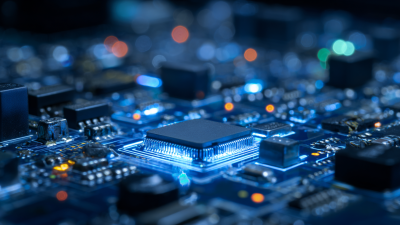
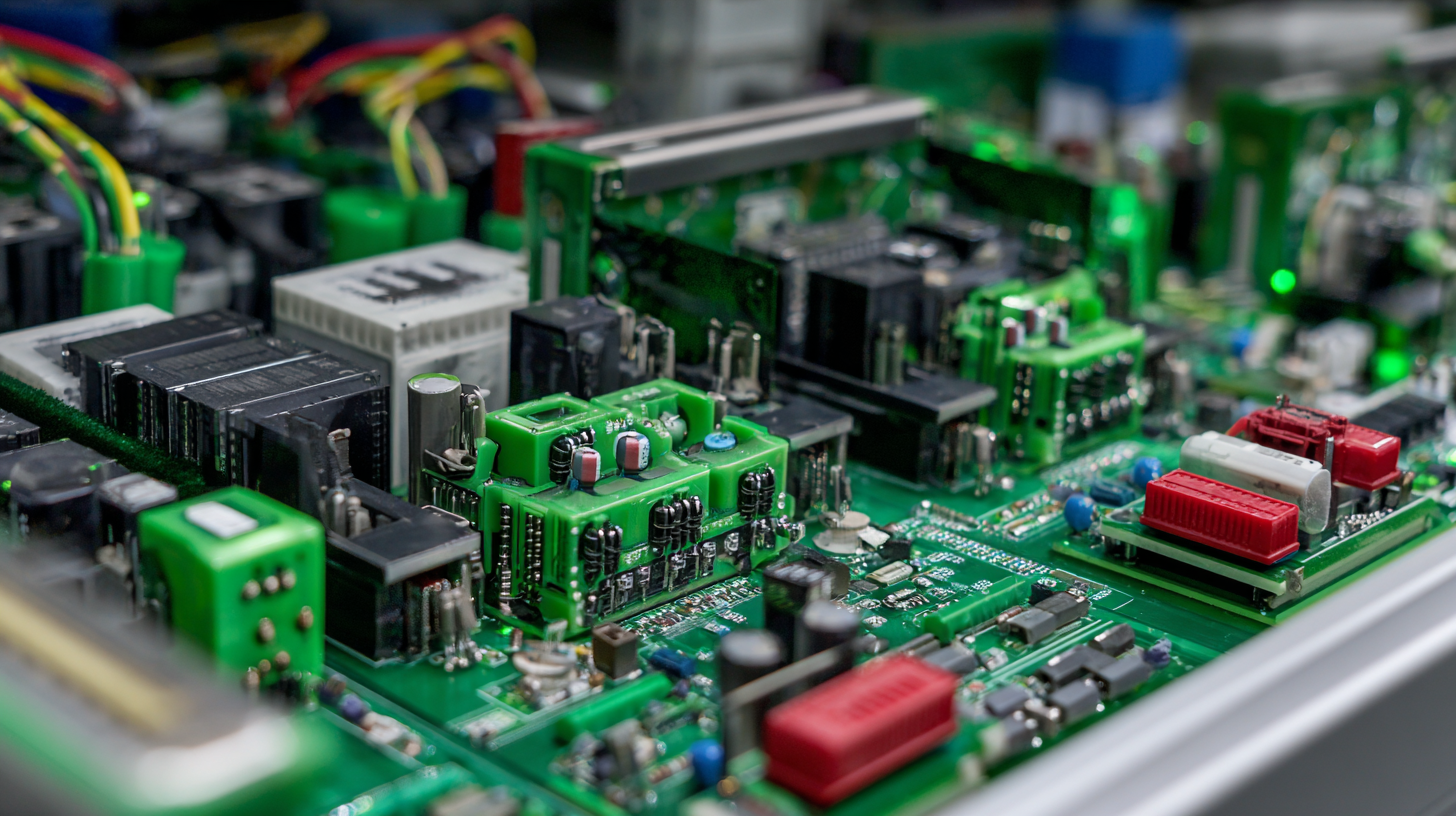
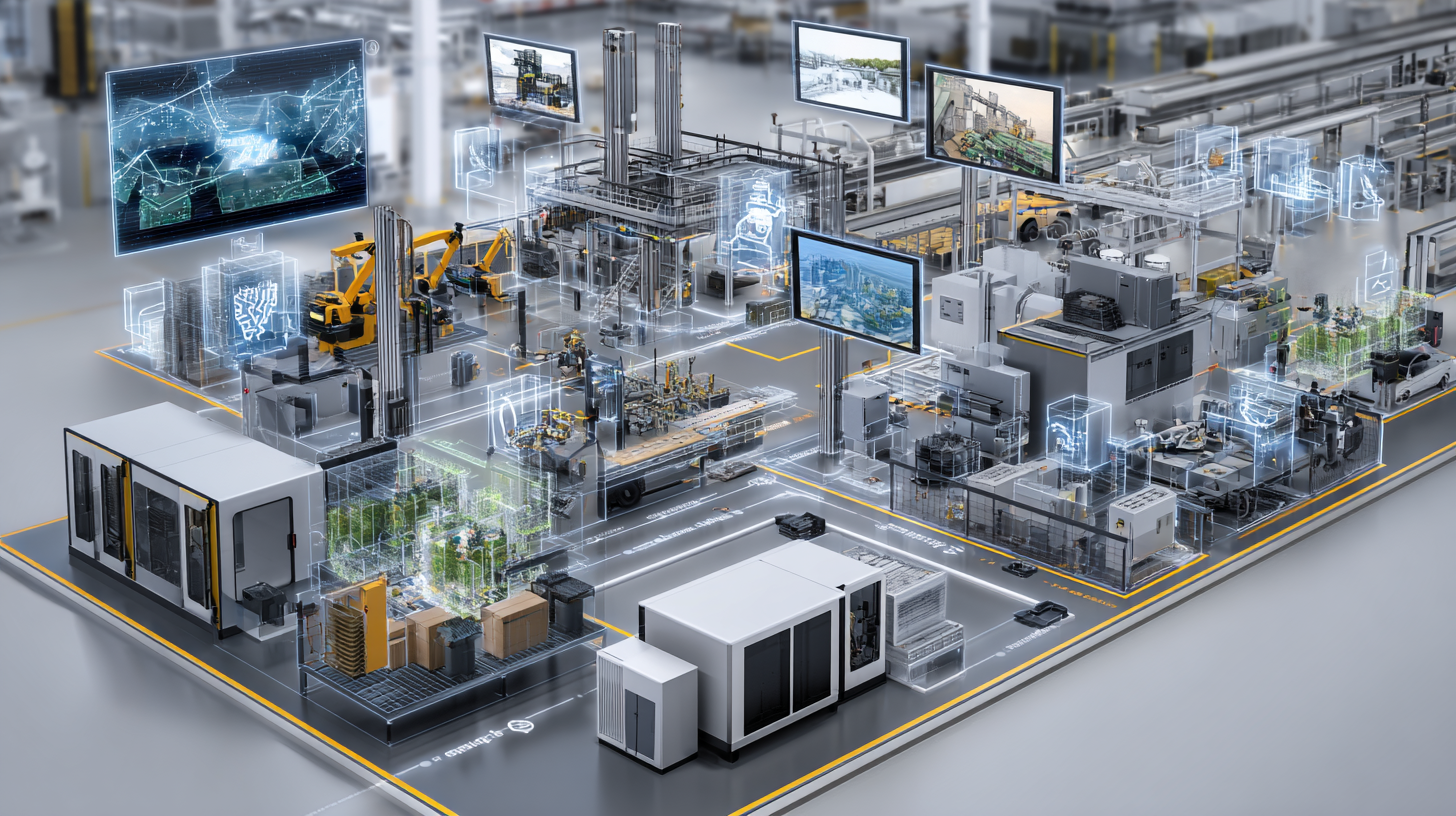
Manufacturing is changing at a rapid pace, and Industrial Control PCBA are more important than ever. A recent market report puts the global industrial PCBA market at just over $38 billion by 2025, driven by growing automation and digitization across industries.
 Shenzhen Rich Full Joy Electronics Co., Ltd., a national high-tech innovative enterprise, is well positioned to contribute to that growth. Our commitment to quality and excellence lets us deliver outstanding products that meet the stringent demands of today’s manufacturers.
High-quality Industrial Control PCBA are not just components; they form the backbone of efficient production, ensuring reliability, performance, and scalability. With our expertise, we’re focused on driving advancements that empower manufacturers around the world, reinforcing our status as a key enterprise incubation base in China.
Shenzhen Rich Full Joy Electronics Co., Ltd., a national high-tech innovative enterprise, is well positioned to contribute to that growth. Our commitment to quality and excellence lets us deliver outstanding products that meet the stringent demands of today’s manufacturers.
High-quality Industrial Control PCBA are not just components; they form the backbone of efficient production, ensuring reliability, performance, and scalability. With our expertise, we’re focused on driving advancements that empower manufacturers around the world, reinforcing our status as a key enterprise incubation base in China.
The Importance of Reliability in Industrial Control PCBAs for Manufacturing
These days, in manufacturing, the reliability of industrial control PCBA assemblies is a deciding factor for getting things done right. As we move into Industry 4.0, the pressure on PCBA performance isn’t just about speed—it’s about durability and resilience in tough, sometimes punishing environments. Market research still points to strong growth: the global printed circuit board market is expected to rise from about $61.1 billion in 2021 to over $80 billion by 2026, a sign of how much electronics are powering industrial equipment. That growth comes with a bigger need for reliable PCBA solutions that can handle the mechanical stresses and the complex workflows that come with modern manufacturing.
There are also practical challenges, like keeping manufacturing cost-effective while staying within regulatory bounds. Reliability isn’t a nice-to-have; it’s what keeps lines running. Studies show that surface defects on PCBs can seriously affect product quality and efficiency, leading to costly downtime and delays. Companies such as Shenzhen Rich Full Joy Electronics Co., Ltd. are leading the charge—using innovative technologies and deep expertise to make their PCBA offerings more reliable. With these kinds of advances, manufacturers can keep their production processes robust and efficient and keep driving the evolution of smart manufacturing.
What Makes the Best Industrial Control PCBA Essential for Modern Manufacturing - The Importance of Reliability in Industrial Control PCBAs for Manufacturing
| Feature |
Importance |
Impact on Manufacturing |
| Durability |
Ensures long lifespan under harsh environments |
Reduces downtime and maintenance costs |
| Temperature Resistance |
Operates efficiently across temperature ranges |
Enhances performance in diverse climates |
| EMI Shielding |
Prevents electromagnetic interference |
Ensures the reliability of sensitive operations |
| Vibration Resistance |
Maintains functionality in dynamic environments |
Prevents failures and extends equipment life |
| Power Management |
Optimizes energy consumption |
Reduces operational costs and improves efficiency |
| Scalability |
Supports future upgrades and expansions |
Enhances adaptability to changing production needs |
Key Features of High-Quality Industrial Control PCBAs
Let's be honest: in today's manufacturing world, high-quality industrial control PCBAs (Printed Circuit Board Assemblies) aren't something you can overlook. They're the backbone of electronic devices, keeping everything running reliably and efficiently across a wide range of applications. A recent report puts the global PCB market at about $80 billion by 2025, driven by rapid tech advances and the growing push toward automation in industry. That really underscores just how crucial high-quality PCBAs are for supporting innovative manufacturing. So, what sets the best industrial control PCBAs apart? Robustness, temperature resilience, and top-tier electrical performance. As automation becomes more central, these boards have to weather harsh industrial environments while still delivering steady results. And yes, systems designed with smart thermal management and optimized circuitry don't just run cooler - they boost efficiency and extend the devices' lifespans. The latest industry analysis suggests that when manufacturers focus on these attributes, you can see a meaningful boost in operational reliability and a reduction in downtime and maintenance costs. In short, high-quality PCBAs are essential for achieving manufacturing excellence in today's increasingly competitive landscape.
Understanding the Role of PCBAs in Modern Manufacturing Processes
In today’s manufacturing landscape,
printed circuit board assemblies—PCBA for short—
are the backbone of automation and efficient operations. A recent IPC report puts it plainly:
almost 70% of a device’s total cost comes from PCBAs,
and that’s a big deal, highlighting how central these boards are across industries—from cars to telecoms.
PCBAs do more than just run the machines with precision; they also amp up
data processing,
letting you monitor things in real time and tweak as you go.
To get the most out of PCBA performance, manufacturers should consider adding advanced materials and new tech.
For example, high-density interconnect (HDI) technology can raise performance while shrinking the footprint—
something that matters more and more in tight-space factories.
And yes, building solid supply-chain partnerships matters big time; studies show
about 80% of manufacturing delays
come from sourcing problems. Tips: when choosing PCBA suppliers,
prioritize quality over price—a dependable partner
can save you from costly mistakes. Also, keep PCB designs up to date with the latest tech
so they stay compatible with evolving manufacturing processes, helping your operations stay agile and competitive.
Cost-Effectiveness: Balancing Quality and Price in PCBAs
Nowadays, in manufacturing, cost-effectiveness isn't just a buzzword—it's a key factor when choosing industrial PCBA assemblies. Manufacturers are constantly trying to balance quality and price in a highly competitive landscape. And as global PCB markets expand, especially with big players in China, people are asking whether American prototyping still makes sense. Local production can ensure top quality and keep money circulating locally, but overseas options often come in cheaper, which draws manufacturers who want to stretch their budgets without sacrificing performance.
The Rigid-Flex PCB market is changing the game too, with tariffs shaping pricing strategies and market dynamics. As companies ride these economic waves, innovative options like flexible desktop pick-and-place systems offer a compelling alternative to traditional rigid setups. These advancements not only cut costs over time but also boost the efficiency of PCB assembly. With manufacturing staying so forward-looking, finding that sweet spot between cost and quality is essential to stay competitive in the high-tech economy.
Trends in Industrial Control PCBAs: What the Future Holds
As manufacturing technology keeps moving forward, the demand for advanced industrial control PCBA solutions is going up. MarketsandMarkets puts the global industrial PCBA market at about USD 18.3 billion in 2023, with forecasts pointing to around USD 26.4 billion by 2028. That works out to a compound annual growth rate of 7.5%. The driver is clear: more automation in manufacturing means smarter, more reliable control systems are needed. One big trend shaping the road ahead is the rise of IoT-enabled PCBAs. Gartner projects roughly 75 billion connected devices worldwide by 2025. With so many devices talking to each other, PCBAs will increasingly incorporate smart tech, delivering real-time monitoring and predictive maintenance. And beyond that, advances in materials and manufacturing methods are making designs smaller and more energy-efficient—great news for modern facilities that care about sustainability and performance. All in all, this ongoing innovation is essential for manufacturers who want to stay competitive in a digital-first landscape.
Trends in Industrial Control PCBAs
The Impact of Technology Advancements on Industrial Control PCBA Design
In today's fast-changing manufacturing world, designing Industrial Control PCBA is increasingly shaped by tech breakthroughs. Modern PCBA designs aren't just about getting the job done — they need to weave in cutting-edge tech to boost efficiency, reliability, and scalability. Innovations in materials and components are letting manufacturers pack more power into smaller PCBA solutions, so they can withstand the rigors of tough industrial environments.
When you plan an Industrial Control PCBA, it pays to stay on top of tech trends.
Tip 1: regularly skim industry publications, follow relevant blogs, and drop by trade shows to catch the latest in PCBA materials and methods. By adopting newer approaches like modular design or IoT integration, manufacturers can lift performance and adapt more readily to changing needs.
Automation and AI are reshaping PCB design in big ways. Modern simulation tools let engineers optimize for manufacturability and testability. Tip 2: bring digital twin technology into your design workflow to model and refine your PCB before it goes into production. This proactive move can help you spot issues early, cut costly mistakes, and minimize downtime on the shop floor. Embracing these advances will empower manufacturers to meet the demands of today’s production challenges head on.
FAQS
The global printed circuit board market is expected to grow from $61.1 billion in 2021 to over $80 billion by 2026.
Nearly 70% of the total cost of electronic devices is attributed to PCBAs.
Challenges include cost-effective manufacturing, regulatory compliance, surface defects, and component sourcing issues.
Manufacturers can enhance reliability by integrating advanced materials and technologies, such as high-density interconnect (HDI) technology, and establishing reliable supply chain partnerships.
The increasing automation in manufacturing sectors and the integration of IoT capabilities are key trends driving demand for advanced industrial control PCBAs.
Smart technologies enable real-time monitoring and predictive maintenance, enhancing the functionality and reliability of PCBAs.
The global industrial PCBA market is projected to grow from USD 18.3 billion in 2023 to USD 26.4 billion by 2028, indicating a compound annual growth rate (CAGR) of 7.5%.
Prioritizing quality can prevent costly errors and ensure reliable production, ultimately saving time and enhancing operational efficiency.
Advancements in materials and manufacturing techniques are expected to lead to more compact and energy-efficient designs, aligning with modern facilities' emphasis on sustainability.