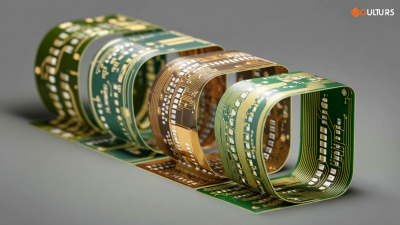
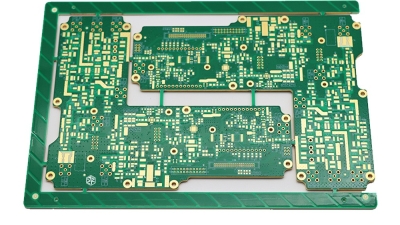
You know, in today’s fast-paced world of electronics, picking the right flexible circuit manufacturers is super important if you want to ensure that your electronic devices perform well and stand the test of time. Believe it or not, the global market for flexible circuits is projected to hit a whopping USD 25 billion by 2025! And it’s all because everyone’s looking for lightweight, compact, and versatile solutions. One company that really stands out in this crazy competitive field is Shenzhen Rich Full Joy Electronics Co., Ltd. They’ve made quite a name for themselves, thanks to their dedication to making high-quality flexible circuits. As a leading innovative enterprise in China, they’re all about pushing boundaries and embracing new tech to keep up with the ever-changing needs of the industry. This guide is here to help you navigate the winding road of finding the best flexible circuit manufacturers around the globe, so you can team up with trustworthy suppliers and take your product offerings to the next level.

Understanding Flexible Circuits: Key Features and Advantages
You know, flexible circuits have really taken off in the world of electronics lately. They're becoming super important because they offer some cool advantages that have made them popular in all sorts of industries. Unlike the old-school rigid circuits we’re used to, these flexible ones can bend, twist, and fold—perfect for those tight spaces where innovative designs are a must! A report from MarketsandMarkets even states that the flexible printed circuit (FPC) market is set to hit around 38 billion dollars by 2025, with a nice growth rate of about 10.8%. A big part of this boom is due to the increasing demand for sleek, lightweight devices—especially in consumer electronics, healthcare gadgets, and even in cars.
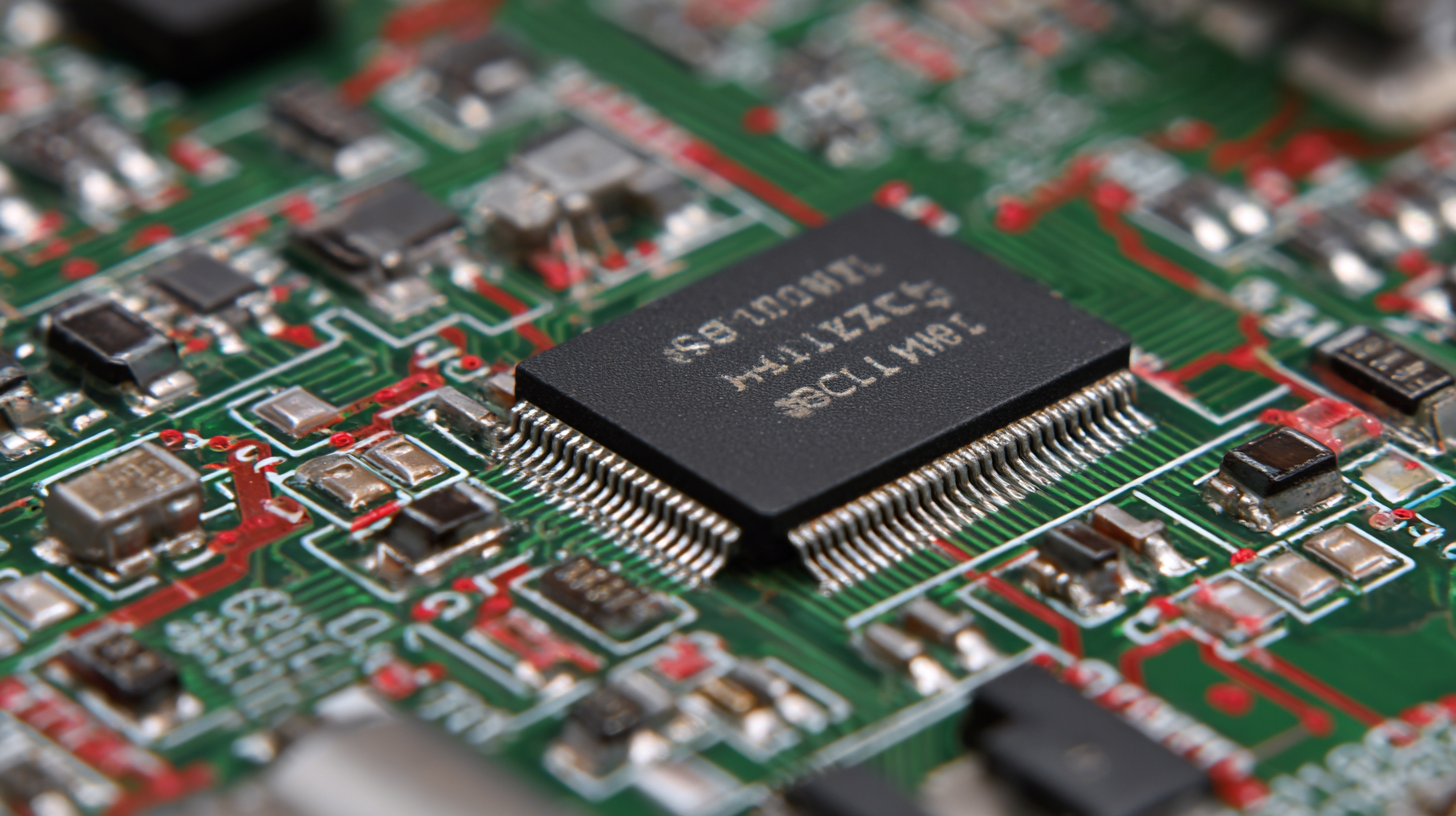
One thing that’s really neat about flexible circuits is how light they are, which helps devices perform better overall. They’re usually made with materials like polyimide or polyester, which not only make them durable but also give them great thermal stability. Plus, they just hold up better in tough environments compared to those rigid boards we’re all familiar with. The Institute for Printed Circuits (IPC) points out that going with flexible circuits can actually cut down on assembly costs and make products last longer. As technology keeps pushing forward, I think we'll see flexible circuits become even more common, pretty much becoming essential for the future of our electronic devices!
Global Market Overview: Trends in Flexible Circuit Manufacturing
You know, the global flexible circuit manufacturing market has really taken off lately. It’s all thanks to some cool tech advancements and the growing need for lightweight, compact, and super flexible electronic solutions. You’ll find that industries like consumer electronics, automotive, and medical devices are jumping on the flexible circuit bandwagon because these circuits offer such great performance and design freedom. Plus, with gadgets getting smaller and smaller, manufacturers are pushed to come up with solutions that fit those tight space and weight demands.
But it’s not just about the demand; sustainability is a biggie too in this market. More and more, manufacturers are making it a priority to use eco-friendly materials and processes, looking to cut down on waste and improve how recyclable their products are. This shift is not only a win for the planet but also clicks with what consumers are wanting these days—responsible, eco-friendly solutions. On top of all that, the investment in automation and smart manufacturing tech is really streamlining the whole production process, making flexible circuit manufacturing not just more efficient but also more cost-effective. It’s like it helps companies keep pace with this crazy fast tech landscape we’re living in!
The Growing Trend of Flexible Circuit Manufacturing (2023)
Criteria for Selecting Top Flexible Circuit Manufacturers
So, when you’re trying to pick the right flexible circuit manufacturers, it's really helpful to use a multi-criteria decision-making (MCDM) approach. This way, you can sit down and weigh your options based on important factors like the quality of materials, how well they can produce your needs, the cost, and how quickly they can deliver. You know, I’ve read that around 70% of companies, especially in high-tech industries, really emphasize material properties and how easily things can be manufactured when they’re choosing suppliers. It’s a smart move because it not only makes sure your product is reliable but also boosts performance where every little detail counts.
Also, it’s super important that the manufacturer you go with lines up well with what your project specifically demands. For example, in electronics, things like thermal performance and flexibility are really crucial. Recent reports even show that companies that throw resources into innovative materials and tech really see a big difference in what they can offer. Plus, with everyone talking about sustainability these days, there's definitely a push for manufacturers to keep up and innovate. The buzz around flexible circuits is pretty exciting, with projections that the market will grow by about 10% each year, thanks to all the cool advancements happening in the electronics field. So, taking the time to evaluate your options based on what you actually need can lead to better partnerships and, ultimately, successful projects.

Innovative Technologies in Flexible Circuit Production
You know, flexible circuits have really come a long way in the past few years! The innovations we've seen have totally changed their game across different industries. For instance, we've got these amazing new materials now that offer fantastic flexibility and durability. Not only do they boost performance, but they also help shrink down electronic devices, which is perfect for all those modern gadgets and wearables we can't seem to live without.
If you're on the lookout for top-notch manufacturers, definitely keep an eye out for those using cutting-edge tech like automated soldering and laser cutting. These methods are all about precision and speed, which means you get higher quality products without the long wait. Plus, it’s a smart move to pick manufacturers who are all about continuous research and development; you want them to be on top of the latest trends in flexible circuit tech.
Oh, and here’s a little tip: always ask for samples of their previous work so you can check out the quality firsthand. Also, don’t forget to ask about their certifications to make sure they’re sticking to industry standards. Trust me, doing a little homework here will really help you choose the right partner for your flexible circuit needs.
Challenges in the Flexible Circuit Industry and Solutions
You know, the flexible circuit industry is really facing some tough challenges that manufacturers have to figure out if they want to succeed. A big one is the rapidly changing tech landscape; it’s like there’s a new innovation around every corner, and companies have to keep up. Not only do they need to stay updated with the latest materials and design trends, but they also have to be ahead of the game when it comes to market shifts that could change how much people want flexible circuits. Plus, managing supply chain hiccups has really become crucial—especially with everything happening globally that can throw a wrench in production and shipping.
But wait, there’s more! Another major hurdle is keeping quality high while still watching those production costs. Since flexible circuits often end up in super important applications, any slip in quality can really hurt both the manufacturers and their clients. So, to tackle this, many companies are diving into advanced quality control and automation tech. And let's not forget about lean manufacturing; that’s a game-changer for boosting efficiency.
This way, they can keep producing top-notch products without breaking the bank. By taking these proactive steps, flexible circuit manufacturers can better stand out in a competitive market and cater to their clients’ diverse needs.
Future Trends: The Evolution of Flexible Circuit Applications
You know, flexible circuits have really taken off lately! It's like they’ve hit a turbo boost, and it’s mostly thanks to some pretty amazing tech advancements and creative uses across different fields. As our gadgets get smaller and smaller, the need for flexible printed circuits, or FPCs for short, has skyrocketed. We’re seeing them everywhere—from everyday consumer electronics to the buzzing automotive industry. It’s all about finding lightweight, space-saving solutions that can pack a punch. Plus, with the whole rise of the Internet of Things (IoT) and wearables, flexible circuits have become even more crucial for fitting complex functions into tight spaces.
Looking towards the future, it seems like the possibilities for flexible circuits are just going to keep growing. We’ve got some exciting new areas like biomedical devices, renewable energy systems, and cutting-edge robotics ready to push the limits of what flexible circuits can do. With smart materials coming into play and manufacturing processes getting refined, we can expect designs that are not only cooler but also more adaptable to whatever challenges come their way. Not only do these developments boost product performance, but they also spark a wave of creativity in how we approach electronics design. Who knows? We might just be on the brink of some major breakthroughs in how we engage with technology in our everyday lives.
The Ultimate Guide to Finding the Best Flexible Circuit Manufacturers Worldwide - Future Trends: The Evolution of Flexible Circuit Applications
| Country |
Manufacturer Type |
Specialization |
Annual Production Capacity (million units) |
Primary Industries Served |
Key Trends |
| USA |
High-Tech Manufacturer |
RFID Circuits |
15 |
Telecommunications, Medical |
Increased Miniaturization |
| Germany |
Automotive Supplier |
Flexible Connectors |
10 |
Automotive, Aerospace |
Sustainability Focus |
| Japan |
Consumer Electronics |
Display Circuits |
20 |
Consumer Electronics |
Smart Device Integration |
| China |
Mass Production Facility |
Low-Cost Flexible Circuits |
50 |
Various Industries |
Cost Reduction Strategies |
| South Korea |
Innovative Technology Firm |
Wearable Electronics |
8 |
Healthcare, Fitness |
Healthcare Innovation |
Maximizing Performance with 6-Layer High-Frequency Hybrid Pressing PCBs: A Deep Dive into Rogers RO4350B Technology
The demand for high-performance printed circuit boards (PCBs) has surged with the evolution of advanced electronic applications, particularly in areas such as 5G communication, satellite navigation, and cutting-edge medical equipment. Our 6-layer high-frequency hybrid pressing PCBs, utilizing Rogers RO4350B and SYTECH S1141 materials, stand at the forefront of this technological advancement. Our innovative design ensures precise impedance control, which is crucial in maintaining stable signal transmission. Reports indicate that impedance inconsistencies can lead to over 30% signal loss, making our approach a game-changer for applications where signal integrity is paramount.
Engineered for excellence, our PCB features a high-quality surface finish that not only enhances corrosion resistance but also significantly improves solderability. According to industry data, PCBs with superior surface finishes can enhance operational reliability by over 50%, an essential consideration for devices operating in complex environments. Additionally, our advanced via treatment and robust construction contribute to exceptional durability, ensuring that these PCBs can withstand the rigors of modern technology demands. Such reliability is critical, especially in high-stakes applications where failure is not an option, reflecting a shift towards more resilient electronic solutions that our hybrid pressing PCBs aptly provide.
FAQS
: Recent advancements in flexible circuit production include the development of advanced materials that enhance flexibility and durability, supporting the miniaturization of electronic devices.
Look for manufacturers that utilize cutting-edge technologies such as automated soldering and laser cutting, which improve precision and reduce production time.
Continuous research and development keep manufacturers abreast of the latest advancements, ensuring they can offer high-quality products that meet current market demands.
Always request samples of previous work from the manufacturer to evaluate their product quality and reliability.
Inquire about the manufacturer’s certifications to confirm their compliance with industry standards.
Current applications of flexible circuits include consumer electronics, automotive technologies, and wearable technology, driven by the need for lightweight and space-saving solutions.
Future trends include expansion into biomedical devices, renewable energy systems, and advanced robotics, leading to more dynamic and adaptable designs.
Flexible circuits play a key role in the IoT and wearable technology by allowing for compact designs that incorporate complex functionalities.
Smart materials are expected to enhance flexible circuits' performance and adaptability, allowing for innovative designs tailored to specific operational needs.
The advancements in flexible circuits could lead to breakthroughs in electronics design, potentially transforming how we interact with technology in our daily lives.