Leave Your Message
-
E-mail
-
Whatsapp
-
Message
High-performance PCB and PCBA solutions purpose-built for electric vehicle lighting applications, from headlamps to intelligent adaptive systems.
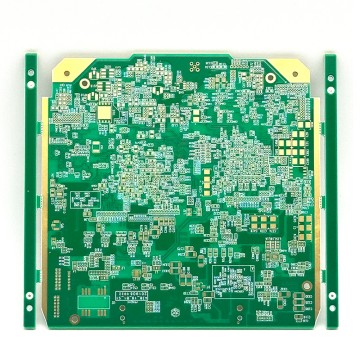
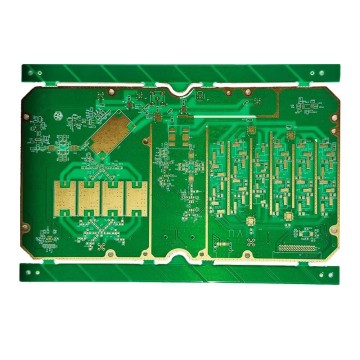
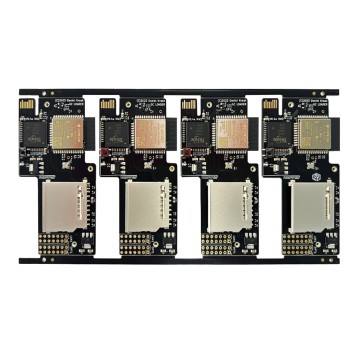
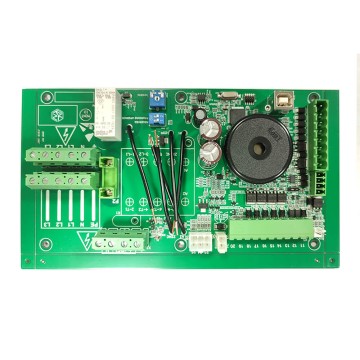
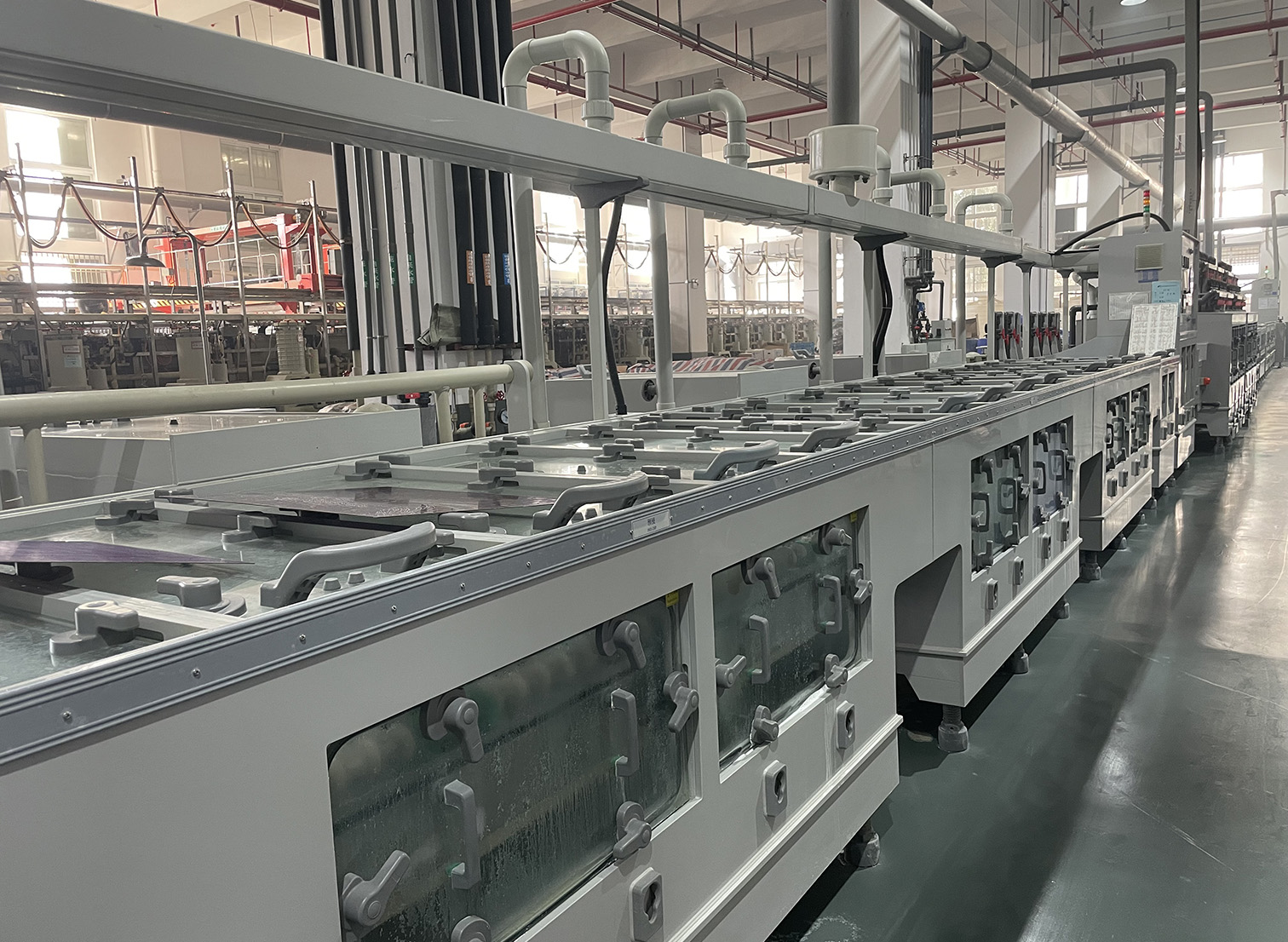
Electric vehicle lighting systems have evolved far beyond simple on/off bulb circuits. Today, EV lighting PCBs are sophisticated, multi-layer electronic assemblies that manage intelligent LED drivers, thermal regulation, CAN-bus communication, adaptive beam control, and real-time diagnostics — all within a compact, vibration-resistant form factor.
As EVs integrate advanced driver-assistance systems (ADAS) and over-the-air (OTA) software updates, the PCB at the heart of every lighting module must meet automotive-grade reliability standards such as AEC-Q100, IATF 16949, and IPC Class 3.
The global EV lighting PCB sector is undergoing rapid transformation, driven by electrification mandates, smart lighting regulations, and the rise of autonomous vehicles.
Global EV sales surpassed 14 million units in 2023 and are projected to exceed 40 million by 2030. Every EV requires multiple lighting PCB assemblies — headlamps, DRLs, tail lights, interior ambient lighting, and charge-status indicators — creating massive demand for specialized EV PCB boards.
Matrix LED and micro-LED headlamp systems now require PCBs with 500+ individually controlled LED pixels per headlamp. This demands HDI PCBs with fine-pitch BGA pads, controlled impedance, and advanced thermal vias to handle concentrated heat loads from high-luminance LED arrays.
Modern EV lighting PCBs integrate with ADAS cameras and radar to enable adaptive driving beams (ADB), glare-free high beams, and pedestrian-detection lighting. This requires high-frequency PCB substrates that support GHz-range sensor data processing alongside LED control circuits on the same board.
Four key technological trajectories are reshaping how EV PCB boards are designed, manufactured, and validated for next-generation lighting systems.
As EV lighting modules shrink to fit sleek aerodynamic body designs, PCBs must pack more functionality into smaller footprints. Any-layer HDI technology with stacked microvias enables 14+ layer boards in the same space previously occupied by 6-layer designs, critical for slim DRL strips and thin-profile tail-light bars.
Aluminum-core PCBs (MCPCB) and ceramic-based substrates are replacing standard FR4 in high-power LED driver boards. These materials offer thermal conductivities of 1–3 W/m·K (aluminum) to 170+ W/m·K (ceramic), dramatically extending LED lifespan and enabling higher luminous output per lighting module.
EV lighting PCBs must now pass AEC-Q100 Grade 1 qualification (−40°C to +125°C), HALT/HASS testing, and 1,000-hour salt-spray corrosion tests. Manufacturers are adopting IPC Class 3 production standards as the baseline, with 100% AOI, X-ray inspection, and functional burn-in testing for every board shipped.
System-in-Package (SiP) and embedded component technology allow LED drivers, MCUs, and passive components to be embedded within PCB layers rather than mounted on the surface. This reduces the overall PCB footprint by up to 40%, improves EMC performance, and enhances mechanical robustness against vibration — essential for automotive applications.
From exterior safety systems to immersive interior experiences, EV lighting PCBs serve a diverse and technically demanding range of applications.
Matrix headlamp PCBs control hundreds of individual LED segments via high-speed PWM signals, enabling pixel-level beam shaping. The PCB must handle 48V automotive bus power, CAN/LIN communication, and precise 1% current matching across all LED strings — demands that require 8–14 layer impedance-controlled boards with Rogers or hybrid laminates.
Animated tail-light sequences and sequential turn signals require PCBs with ultra-fine-pitch LED arrays and dedicated MCU control ICs. Flexible PCBs (FPCB) enable curved tail-light designs that conform to modern EV body lines, while rigid-flex constructions provide the mechanical durability needed in high-vibration trunk areas.
Premium EVs feature 64-color or full-RGB ambient lighting across dashboards, door panels, and footwells. These systems use addressable LED strip PCBs with I²C or SPI control buses, requiring low-noise power supply design and EMC-optimized PCB layouts to prevent interference with in-cabin audio and infotainment systems.
EV-specific lighting includes battery state-of-charge (SOC) indicators, charging progress lights, and welcome/farewell lighting sequences. These PCBs interface directly with the battery management system (BMS) via CAN bus and must operate reliably across the full EV battery voltage range (200V–800V systems) with proper isolation design.
Next-generation EVs are embedding LiDAR sensors within lighting assemblies. The PCB must simultaneously support high-power pulsed laser drivers (for LiDAR) and LED lighting circuits, requiring careful RF shielding, ground plane isolation, and high-frequency substrate materials to prevent crosstalk between the two systems.
V2X (vehicle-to-everything) enabled EVs use lighting as a communication medium — flashing patterns to signal intent to pedestrians and other vehicles. These PCBs integrate wireless communication modules with lighting control circuits, requiring multi-layer RF PCBs with controlled impedance and antenna-optimized board layouts.
A world-class engineering team dedicated to pushing the boundaries of PCB design and manufacturing for EV lighting and beyond.

Over 20 years of PCB R&D, design and production, with a team of over 800 design engineers, striving for excellence. Our service network has spread all over the world.
• Supporting mainstream design tools: Allegro, POWERPCB, Altium Designer, Mentor Expedition, PROTEL99se.
• Design type: High speed, Analog, Data mixing; High density, High voltage, High power, RF; Backboard, ATE; FPCB, R/F PCB; Al CCL, etc.
• Up to 68-layer design, 25Gbps differential signal 100cm. Design fields: network communication, energy, healthcare, aerospace, automotive electronics, etc.
As a company involved in the development and design of multiple scientific research products, our products are widely applied in various fields such as aviation, aerospace, automotive electronics, medical devices, industrial control, mobile terminal devices, servers, smart homes, AI applications, new energy, mini LED and testing instruments, etc.
We have a high-quality and highly capable technology R&D team, adhering to the development concept of high-end brands and products, and serving global customers. Our products are exported to various regions of the world.
We continue to lead in the production of small batches, multiple varieties, high difficulty and high-precision products in differentiated market competition. We have complete sets of advanced automatic production and testing equipment, strictly control every process, and are committed to the meticulous and perfect quality of products.
All products strictly adopt international IPC standards for production and inspection, with 24-hour high quality one-on-one service.
We uphold the spirit of craftsmanship to build intelligent manufacturing, leading the industry with technology and driven by technological innovation.
We uphold the spirit of craftsmanship to build intelligent manufacturing, leading the industry with technology and driven by technological innovation. We'll strive for excellence and become a leader in the industry, continuously strengthening our core competitiveness and establishing a leading position in various fields.
For EV lighting PCB applications specifically, our value proposition centers on delivering boards that exceed automotive-grade specifications while maintaining competitive lead times and cost structures that support our customers' EV program ramp schedules.
Our culture is the foundation of everything we build — from individual PCB traces to global customer relationships.
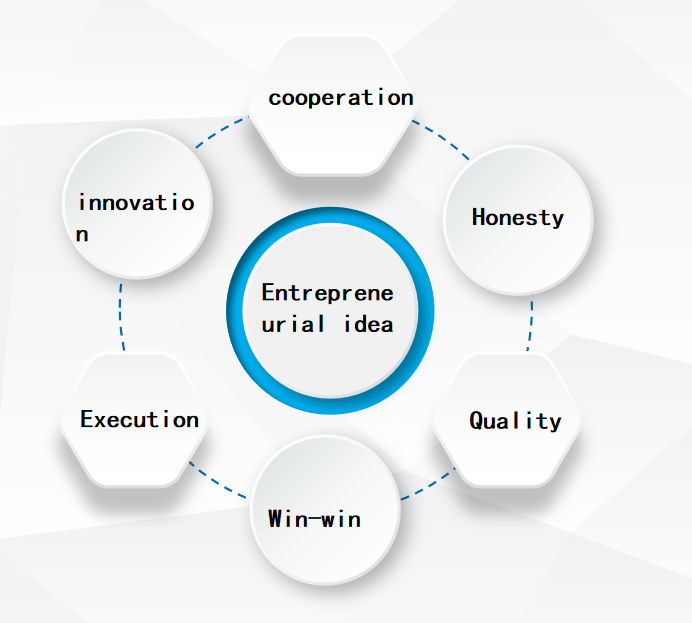
In the EV lighting PCB domain, these values translate into relentless investment in advanced fabrication technology, a zero-defect quality mindset, and a commitment to being a trusted long-term partner for EV OEMs and Tier-1 automotive suppliers worldwide.
800+ engineers continuously advancing PCB design methodologies for automotive-grade EV lighting applications, from concept to mass production.
Serving EV manufacturers and Tier-1 suppliers across North America, Europe, and Asia with localized technical support and rapid prototyping capabilities.
Every EV lighting PCB produced under IPC Class 3 protocols with 100% AOI, X-ray inspection, impedance testing, and functional burn-in validation.
Explore our full range of high-performance PCB and PCBA products serving automotive, EV lighting, and advanced electronics applications.