Leave Your Message
-
E-mail
-
Whatsapp
-
Message
Hey, you know, in today's fast-changing world of electronics, Rigid-Flex PCB tech is really shaking things up. It's giving designers more freedom and letting us create smaller, more flexible devices across all sorts of applications. Here at Shenzhen Rich Full Joy Electronics Co., Ltd., we're proud to be recognized as a high-tech innovative enterprise. We truly see how much Rigid-Flex PCBs can boost device performance and add more functionality. Our passion for quality and deep expertise in electronics production put us right at the cutting edge of this cool technology. That means we can offer some pretty awesome benefits—like making assembly easier, trimming down weight, and boosting reliability. As we dive into the many perks of Rigid-Flex PCB, our goal is to show that this innovative approach not only helps meet market needs but also fits perfectly with our mission to support and grow high-tech companies across China.
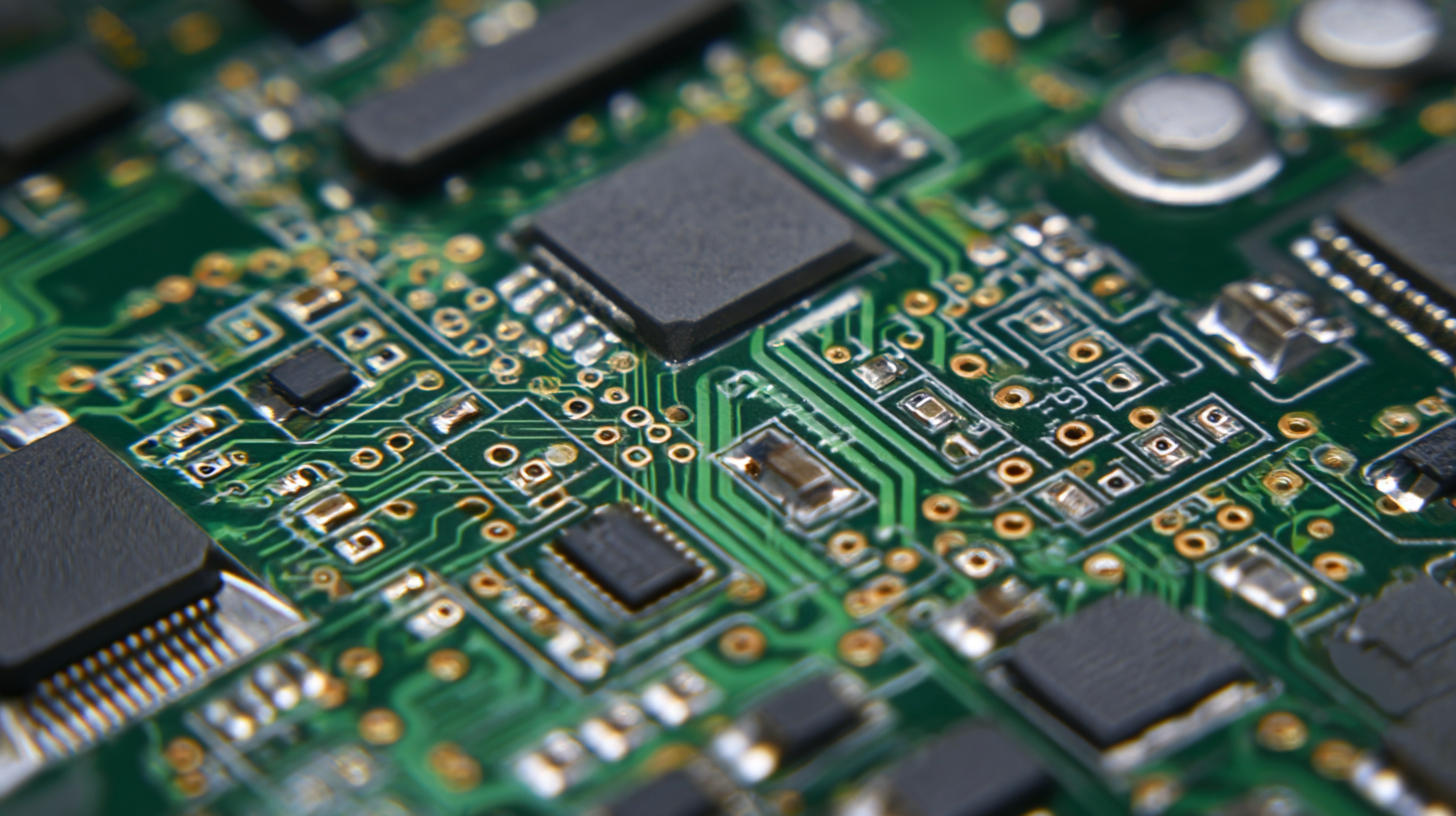
Lately, rigid flex PCBs are really starting to make waves in the world of electronics design, especially when it comes to creating smaller, more compact gadgets. These boards are pretty awesome because they blend the best of both worlds — flexible and rigid PCBs — so you get smarter use of space without sacrificing performance. According to a report from ResearchAndMarkets, the global market for rigid flex PCBs was around $8.5 billion back in 2021, and it’s expected to keep growing at about 8.3% annually from 2022 all the way through 2030. A big reason for this growth is how much consumers and industries are wanting smaller, more powerful devices — think smartphones, car tech, even medical gear.
One of the coolest perks of using rigid flex PCBs is that they can fit into those tricky, tight spots where traditional PCBs just can’t go. This is super handy for gadgets like phones, wearables, and medical tools, where space is a real concern. Plus, combining multiple functions into one piece not only cuts down on weight but also boosts reliability — fewer connections mean fewer chances for things to go wrong. A study from IPC even pointed out that using rigid flex designs can cut assembly time by up to half, which totally speeds up production.
For designers thinking about jumping into this tech, here are a couple of tips: Make sure your design accounts for the different ways materials expand when they heat up — that can prevent stress and possible damage. And don’t forget to use simulation software to test how everything performs under different conditions before you jump into manufacturing. Embracing rigid flex technology opens up all sorts of possibilities for building smaller, more efficient devices, without sacrificing the functionality you need.
The evaluation of the market impact of 16-layer Any Layer HDI PCBs and IC test boards reveals significant advancements in technology and manufacturing processes that cater to the increasing demands of high-performance electronics. The latest industry reports indicate that these PCBs, with their sophisticated layer-to-layer interconnects and precise impedance resin plug hole techniques, play a crucial role in enhancing the electrical performance and mechanical stability of electronic devices. The incorporation of advanced drilling technologies, such as the High-Speed Series EM370D drilling machines, ensures efficiency and accuracy, boasting up to seven times the drilling cycles compared to traditional methods.
As outlined in recent market analysis, the meticulous aperture ratio of 12:1 contributes notably to the reliability of these high-density interconnect PCBs. This specific design feature not only optimizes the space utilization but also enhances signal integrity, which is essential for complex electronic devices and applications with stringent performance criteria. The ability to produce such high-quality HDI PCBs sets a benchmark in the industry, meeting the rigorous standards set forth by leading organizations and ensuring that manufacturers can depend on these solutions for their advanced electronic projects.
The growing adoption of 16-layer Any Layer HDI PCB technology is indicative of its critical role in the landscape of modern electronics, responding to the industry's demand for compactness and high functionality. Market reports emphasize that performance-driven sectors will increasingly turn to these innovative solutions, showcasing their value in achieving both reliability and enhanced functionality in the ever-evolving electronics market.
: Rigid flex PCBs are advanced circuit boards that combine the benefits of flexible and rigid PCBs. They are gaining popularity due to their ability to efficiently use space in compact electronic devices without compromising performance.
The global rigid flex PCB market, valued at approximately $8.5 billion in 2021, is expected to grow at a CAGR of 8.3% from 2022 to 2030, driven by the demand for miniaturization in various sectors.
Rigid flex PCBs can fit into tight spaces that traditional PCBs cannot, making them particularly useful in smartphones, wearables, and medical instruments, where size constraints are critical.
Rigid flex designs can reduce assembly time by up to 50%, thereby streamlining the production process and improving efficiency.
Designers should accommodate thermal expansion differences between materials to minimize stress, and utilize simulation software to assess performance under various conditions before production.
Rigid flex PCBs reduce the need for multiple components and connectors, streamlining assembly and minimizing material costs, leading to enhanced reliability and fewer failures.
Their unique design facilitates easier handling during manufacturing, resulting in faster production times and reduced labor costs associated with assembly.
Their lightweight and compact nature contribute to shipping savings, which further lowers overall production expenditures.
They offer a cost-effective design that allows developers to achieve high-performance outcomes in smaller, more complex systems without excessive expenses.
The demand for rigid flex PCBs is primarily driven by the consumer electronics, automotive, and medical device industries, which require miniaturization and efficient designs.
You know, Rigid-Flex PCBs have really been gaining traction in the world of modern electronics, especially when it comes to super compact devices where space is pretty much a hot commodity. One of the best things about them is that they can be pretty budget-friendly — they strike a good balance between top-notch performance and manufacturing costs, so a lot of manufacturers find them really appealing. Plus, they’re built to last, which means fewer repairs and replacements down the line — definitely a win in the durability department. The manufacturing process for these PCBs is also more streamlined, so things tend to move faster, saving both time and money on labor.\n\nAnd here's the thing — their design flexibility is a game-changer. You can customize them quite a bit to fit different electronic applications, which is pretty awesome. They also handle heat better, making them a solid choice for tackling some of the trickier design challenges out there. As a high-tech enterprise based in Shenzhen, Rich Full Joy Electronics really makes the most of these benefits, providing top-quality Rigid-Flex PCB solutions that keep up with the ever-changing needs of the electronics world.