You know, the world of electronics is changing super fast these days, and with that, the need for innovative components is really skyrocketing. One standout player in this scene is the Ultra Thin Flexible PCB. There’s this recent report from industry analysts that says the global market for flexible printed circuit boards could hit a whopping $30 billion by 2026! This growth is largely fueled by advancements in stuff like consumer electronics, automotive tech, and even wearable gadgets.
Now, if you haven't heard of Shenzhen Rich Full Joy Electronics Co., Ltd., you should definitely check them out. They're regarded as a high-tech innovator in China and are leading the charge with their cutting-edge Ultra Thin Flexible PCBs that cater to the special needs of today’s devices. As companies ramp up their focus on miniaturization and flexibility, figuring out how to best implement these advanced PCBs is going to be super important for manufacturers looking to stay ahead in this competitive landscape.
Understanding Ultra Thin Flexible PCBs: Key Features and Benefits
You know, ultra-thin flexible printed circuit boards (PCBs) have really become a game changer in the world of electronics. It’s all about making things more compact, lightweight, and versatile, right? These little guys are usually less than 0.1 mm thick, which is pretty amazing, allowing manufacturers to whip up intricate electronic designs without taking up too much space. According to a report from MarketsandMarkets, they're expecting the global flexible printed circuit board market to hit a whopping $35.2 billion by 2026! And you can bet that these ultra-thin versions are going to play a big role in that, thanks to how adaptable and high-performing they are in all sorts of applications—from consumer gadgets to medical devices and even wearables.
So what’s the big deal about these ultra-thin flexible PCBs? Well, they come with some fantastic features like being super bendable, better thermal performance, and they’re super reliable. These traits are crucial for today’s electronics, which often need to perform under some pretty challenging conditions. For instance, some research by IPC International found that flexible PCBs have a failure rate that's 20% lower than those traditional rigid ones when things get dynamic. Pretty impressive, right? Plus, the lightweight aspect of these ultra-thin flexible PCBs opens up a whole world of innovative design possibilities, fitting right into everything from smartphones to cutting-edge medical imaging equipment. It’s a whole new territory for both manufacturers and consumers alike!
Top Manufacturers in the Ultra Thin Flexible PCB Market: A Comparative Analysis
You know, the ultra-thin flexible PCB market is really taking off these days! It's all thanks to the latest tech advancements and our growing love for compact electronic gadgets. A recent market report mentioned that this global flexible PCB market could hit around USD 35.95 billion by 2027, which is quite a leap, growing at an impressive rate of about 10.6% from 2020. A big part of this boom comes from its diverse applications in areas like consumer electronics, automotive, and even medical devices. Some of the major players, like Rogers Corporation, Fujikura Ltd., and 3M, are really pushing the envelope, pouring a ton of resources into research and development to roll out even better products.
When you stack up the leading manufacturers in this ultra-thin flexible PCB game, a few key things really pop out: the quality of materials they use, their production capabilities, and of course, how advanced their technology is. For example, companies using high-frequency and high-temperature materials can boost performance significantly in some critical applications. Nippon Mektron, for instance, has some seriously impressive facilities that help them churn out ultra-thin PCBs known for their durability and flexibility.
So, here's a little tip for you: If you’re looking to pick a PCB manufacturer, make sure to go for those with a solid history of regulatory compliance and quality certifications. It’s all about ensuring reliability in your electronics! Also, keep an eye out for manufacturers that can provide customizable solutions that fit your needs. You’d be surprised how much these custom options can improve your product's performance and make it more appealing in the market!
Critical Factors to Consider When Choosing a Flexible PCB Manufacturer
So, if you're looking to pick a good flexible PCB manufacturer, there are a few key things you really need to think about to make sure you team up successfully and get top-notch products. First off, you want to check out how much experience the manufacturer has with flexible circuit boards. A company that's been around for a while will usually have the know-how to deal with all the tricky parts of flexible PCB tech. Don't hesitate to chat with potential manufacturers about their past projects; asking for references that demonstrate their ability to manage custom designs and tight tolerances can be super helpful.
Next, take a good look at their manufacturing capabilities and the tech they use. It's a big deal to find a facility that has the latest machinery and tools because this will definitely affect the quality and precision of the PCBs you’ll get. Keep your eyes peeled for manufacturers that use modern techniques like laser cutting and multi-layer designs; these can really amp up the performance and functionality of your final product.
**A little tip:** Always ask for samples so you can check out the quality of their past work. Doing your homework on whether the manufacturer meets industry standards can really save you a headache down the road. And don’t forget, being clear about your project needs and timelines will help you build a strong, successful partnership.
Innovative Applications of Ultra Thin Flexible PCBs in Modern Electronics
You know, the arrival of ultra-thin flexible PCBs has really shaken things up in the world of modern electronics. It’s pretty wild how they're unlocking all kinds of cool applications that we used to think were just dreams. One big area is wearable tech. These super thin circuits can get integrated into clothes, wristbands, and even those smart patches. It means we can keep tabs on our health without sacrificing comfort, which is a huge win! Plus, because these PCBs are so flexible, they can actually mold to the body, making them super ergonomic and just easier to use overall.
And there’s more—check this out: in consumer electronics, these ultra-thin flexible PCBs are making it possible for manufacturers to whip up sleek, compact designs. We're talking about lighter and thinner smartphones, tablets, and laptops that still perform like champs. And the cool part? They can embed these circuits into all sorts of funky surfaces, like curved or foldable screens. It not only looks great but also boosts the functionality of gadgets, giving users futuristic designs that hint at what’s coming next. Honestly, as research and development keep moving forward, I can't wait to see what mind-blowing uses will pop up for ultra-thin flexible PCBs across different industries!
Performance Metrics: How to Evaluate Flexible PCB Solutions Effectively
When you’re looking into flexible PCB solutions, there are a bunch of performance metrics you really need to keep in mind—these really highlight how efficient and reliable they are in today’s electronics world. One big factor is thermal performance. This one’s super important since it can really influence how long these things last and how well they function overall. According to a report from IPC (Institute of Printed Circuits), flexible PCBs can handle temperatures swinging up to 150°C, so they're pretty solid for high-performance uses, especially in industries like automotive and aerospace.
Then there’s mechanical endurance, which you can think of as how tough these PCBs are. They measure this through some bend and flex tests. Industry standards say that top flexible PCB makers ensure their products can bend over 10,000 times without giving up. That’s crucial for wearable tech, where things are always on the move and need a ton of flexibility. On top of that, you can’t forget about signal integrity. A study by Research and Markets highlights that as high-frequency applications are becoming more common, keeping things like low insertion loss and return loss becomes key for flexible PCBs. So, picking the right materials is really a top priority for manufacturers.

Cost vs. Quality: Making Informed Decisions in PCB Manufacturing
You know, in the fast-paced world of electronics manufacturing, choosing between cost and quality when it comes to PCB production is pretty crucial. Sure, it might be tempting for businesses to grab the cheapest option to save a few bucks, but that can really backfire in the long run. Those low-cost PCBs might seem like a steal at first, but they can end up messing with reliability and performance. And trust me, no one wants to deal with the headaches of failures or even product recalls down the line! So, manufacturers really need to find that sweet spot between cost and quality, figuring out how each factor plays into the overall success of their products.
Now, when making decisions, it's important for these companies to look beyond just the bottom line. They should also think about how quality impacts the lifespan of their products and, of course, customer satisfaction. Investing in high-quality flexible PCBs can actually pay off with better functionality and durability. This is especially true for trendy stuff like wearable tech and IoT gadgets. By putting quality at the forefront of PCB manufacturing, companies might realize that the long-term perks—like lower repair costs and a solid product reputation—totally outweigh the initial spend. Balancing quality with cost ensures that products not only meet industry standards but also keep up with the ever-changing demands of today’s electronics.
Unlocking Efficiency: The Impact of High-Performance Immersion Gold Keyboards on Productivity in Tech Spaces
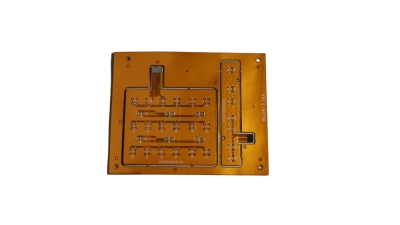
In the fast-paced world of technology, efficiency is paramount. One often-overlooked component that significantly impacts productivity is the keyboard. High-performance immersion gold keyboards have emerged as a game-changer in tech spaces, providing not only aesthetic appeal but also remarkable functional advantages. Crafted from advanced polyimide and FR-4 composite materials, these keyboards ensure optimal performance and durability. The integration of TG320 adhesive-free rolled copper, made from Shengyi's SF202 material, guarantees exceptional electrical and mechanical properties, making them well-suited for demanding tasks.
The immersion gold surface treatment further elevates these keyboards, enhancing their electrical conductivity and oxidation resistance—crucial factors for maintaining reliability during intensive use. With a precise board thickness tolerance of just 0.2 mm, product consistency and stability are assured, which is essential for professionals who rely on their tools to perform flawlessly under pressure. Additionally, the outer layer's finished copper thickness of 1/1 ounce meets high-current transmission requirements, ensuring that every keystroke translates into accurate commands.
To meet the diverse needs of different users, we offer customized services involving material selection and circuit design. This tailored approach allows us to create high-performance keyboard flexible board solutions that not only fit your specifications but also enhance your productivity in tech-driven environments. By unlocking the potential of immersion gold technology, these keyboards are not simply tools; they are essential instruments in the pursuit of efficiency and excellence.
FAQS
: Ultra-thin flexible printed circuit boards (PCBs) are electronic components typically measuring less than 0.1 mm in thickness, designed to enable compact, lightweight, and intricate electronic designs.
These PCBs offer high bendability, improved thermal performance, and enhanced reliability, making them suitable for various applications, including consumer electronics and medical devices.
Flexible PCBs have a lower failure rate, showing a 20% lower failure rate than rigid PCBs in dynamic environments, indicating superior durability.
The demand is largely driven by sectors such as consumer electronics, automotive, and medical devices, where compact and versatile designs are essential.
Top manufacturers include Rogers Corporation, Fujikura Ltd., and 3M, all of which are heavily investing in research and development to advance their product offerings.
It is important to prioritize manufacturers with a strong track record in regulatory compliance, quality certifications, and those that offer customizable solutions tailored to specific needs for enhanced performance.
The global flexible PCB market is projected to reach approximately $35.95 billion by 2027, growing at a compound annual growth rate (CAGR) of 10.6% from 2020.
Their lightweight nature and adaptability allow for innovative designs that can be integrated into a wide range of products, significantly expanding possibilities for manufacturers and consumers alike.
Manufacturers that utilize high-frequency and high-temperature materials and have advanced facilities can significantly enhance the performance and durability of ultra-thin flexible PCBs.