Leave Your Message
-
E-mail
-
Whatsapp
-
Message
Hey, you know how quickly automotive tech is changing these days? It's honestly pretty exciting. One of the biggest game-changers is this Thermal Management PCB for Automotive Electronics. As cars get smarter and more tech-heavy, making sure all those electronic parts stay cool and work reliably is more important than ever. Here in Shenzhen, Rich Full Joy Electronics is really leading the charge — we're known as a high-tech innovator and a key player in China’s tech scene. We’re all about creating innovative solutions to help the auto industry keep up with growing heat management challenges. Our goal? To make sure modern vehicles run smoothly, stay safe, and are built to handle the heat without breaking a sweat. With our smart designs and dedication, we’re really committed to powering the future of automotive tech and making sure performance stays top-notch.
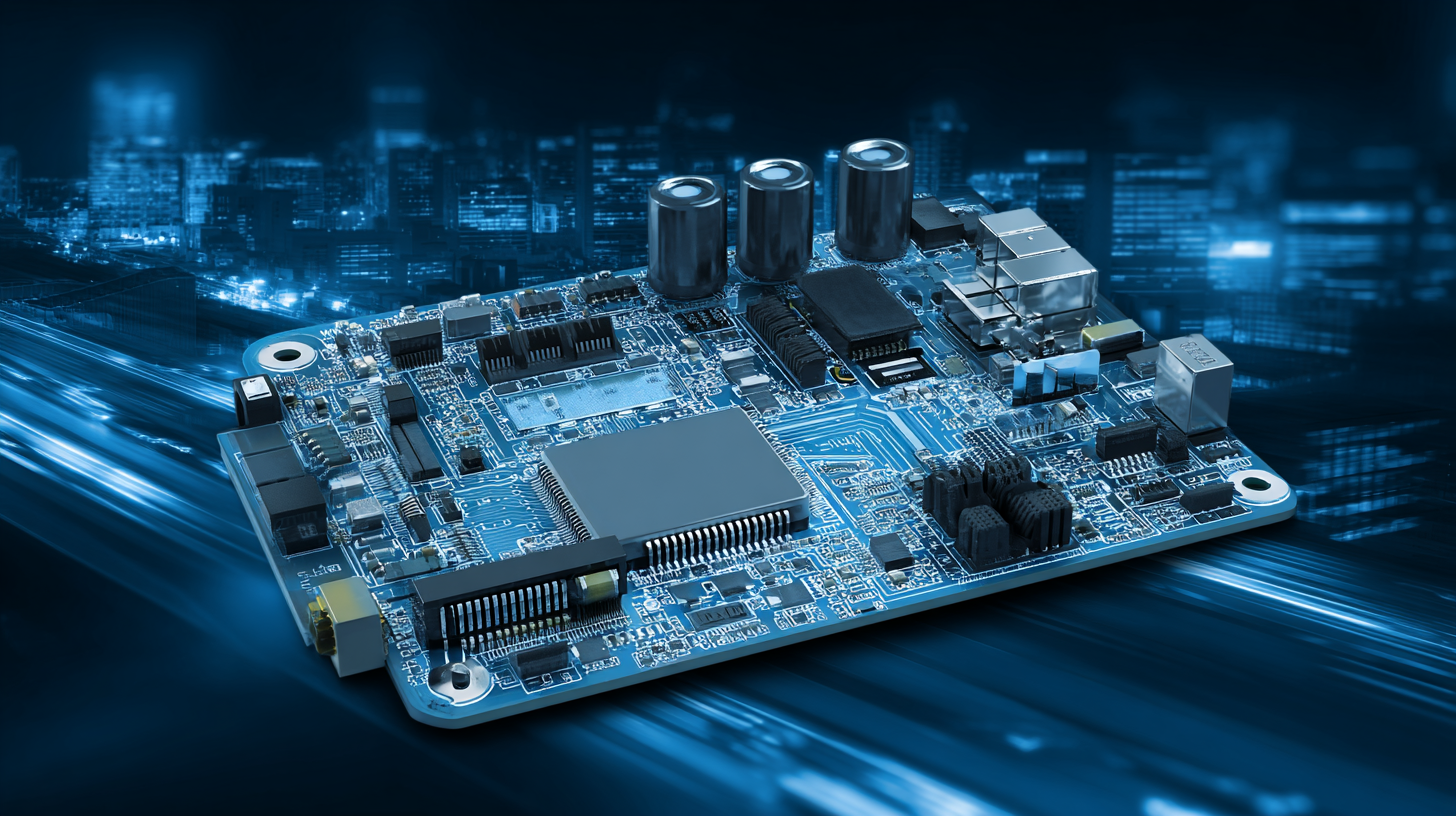
Thermal management is totally crucial when it comes to how well automotive electronics perform — especially now, when cars rely so much on complex electronic systems. As things get hotter inside these systems, if we don’t keep the heat in check, it can cause all sorts of problems — like everything working less efficiently, components wearing out quicker, or even, in the worst case, complete failures. That’s exactly where innovative thermal management PCBs (Printed Circuit Boards) come into play. They do a great job at spreading out the heat, which protects those delicate parts and keeps the whole system running smoothly. This means better reliability and improved performance overall.
Here at Shenzhen Rich Full Joy Electronics Co., Ltd., we really get how important managing heat is for modern vehicles. Being recognized as a national high-tech innovative enterprise means we get to use some of the latest tech out there to craft advanced thermal solutions tailored specifically for automotive needs. Our team’s expertise helps us stay ahead in this fast-moving field, making sure our products meet the growing expectations for efficiency and reliability in automotive electronics. And as we keep pushing the envelope in thermal management tech, we’re excited about helping to reshape the automotive world toward a more sustainable, smarter future.
In the realm of industrial automation, leveraging high-quality PCB assembly plays a pivotal role in enhancing operational efficiency and reliability. Recent market research reports from 2023 highlight a growing trend towards the integration of advanced PCB solutions in manufacturing processes, reflecting an increasing demand for precision control systems. These trends indicate that the global PCB market is projected to reach over USD 100 billion by 2027, driven largely by innovations in smart manufacturing and IoT applications.
At Richfulljoy, we recognize the importance of high-performance control board PCBA in driving the success of industrial automation solutions. Our commitment to quality and innovation enables us to offer a diverse range of PCB manufacturing options, from 1-68 layer boards to surface mount technology (SMT) assembly. With over two decades of experience, we adhere to stringent quality control measures, ensuring our products meet the rigorous demands imposed by modern industrial control systems. Reports indicate that industries leveraging such advanced PCBA solutions report a significant reduction in downtime and operational costs, attributing these improvements to enhanced reliability and efficiency.
As the market for industrial automation expands, the necessity for high-precision PCB solutions becomes increasingly critical. Our extensive capabilities position us as a key player in this landscape, allowing businesses to stay competitive while delivering superior products. Embracing the insights from 2023 market research enhances our understanding of industry needs, enabling us to tailor our offerings accordingly and drive innovation in this essential sector.
: Thermal management PCBs are essential for efficient heat dissipation, particularly in the automotive sector where performance and efficiency are critical.
High thermal conductivity substrates and advanced epoxy compounds are some of the innovative materials that enhance thermal performance in PCBs.
The LED thermal products market is expected to grow to $30.96 million by 2025 and to approximately $63.88 million by 2033, with a CAGR of 9.89%.
Effective thermal management optimizes EV performance metrics, such as energy consumption and driving range, by ensuring components operate within optimal thermal conditions.
Thermal management systems regulate the temperature of battery packs and power electronics, enhancing their efficiency and longevity.
In cold weather, heating systems can significantly increase an EV's energy consumption, which directly impacts its driving range.
This framework is designed to quantify the benefits of vehicle electrification and emphasizes the importance of effective thermal management systems in maximizing energy efficiency.
The integration of composites and nanomaterials allows PCBs to meet the rigorous demands of automotive applications, enhancing durability and performance.
The interplay between thermal management and vehicle performance is a critical factor in supporting the transition to sustainable transportation solutions.
By integrating effective thermal management systems, manufacturers can reduce energy losses and improve the overall effectiveness of electric vehicles across various climates.
You know, in today's fast-paced automotive world, Thermal Management PCBs for car electronics are really becoming a big deal. They’re crucial for boosting performance and making sure everything runs smoothly and lasts longer. As more vehicles pack in all sorts of advanced electronics, making sure those components stay cool is more important than ever. The boom in electric vehicles (EVs) really pushes the need for clever heat dissipation tricks to handle higher power levels without issues.
Thanks to new materials and tech breakthroughs, Thermal Management PCBs are getting way more efficient, and that’s translating into better performance for EVs. Companies like Shenzhen Rich Full Joy Electronics Co., Ltd. are at the forefront of this, coming up with innovative solutions to tackle thermal challenges. Looking ahead, it’s clear that ongoing improvements in thermal management will be key to the next wave of smarter, safer, and more efficient cars. It’s pretty exciting to think where all this is heading!