In the fast-changing world of electronics, the materials you choose can really make or break your project. Dr. Michael Chen from Advanced PCB Technologies points out that "High Frequency PCB materials unlock performance like never before." That’s why so many engineers are now super interested in these cutting-edge boards—they just get the job done better.
High Frequency PCBs are built to handle signals at higher frequencies, which is a game-changer especially in fields like telecom and aerospace. But here’s the catch: not every project really needs these advanced boards, and they can be pretty pricey. That often becomes a sticking point when trying to stick to a budget.
Picking the right PCB isn’t just about what’s trendy; it’s about carefully weighing what your project actually needs. Sure, High Frequency PCBs offer faster and more precise performance, but they come with a bigger price tag. Figuring out that perfect balance between what you want and what you can afford can be pretty tricky. As technology keeps moving forward, it’s really important to stay in the loop about the latest in High Frequency PCB tech if you want your project to succeed.
Benefits of High Frequency PCBs in Modern Electronics
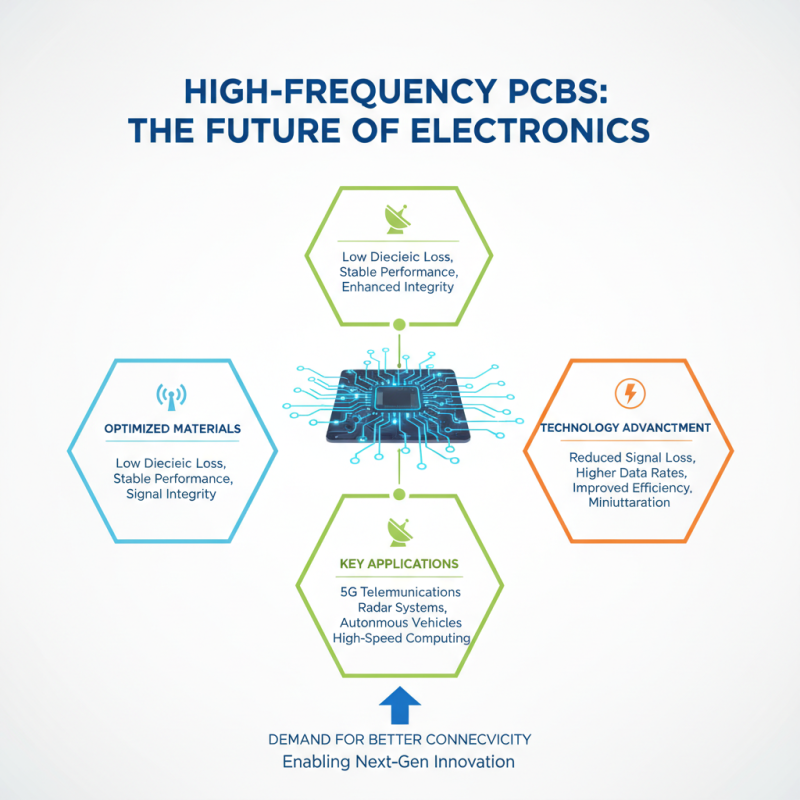
High frequency PCBs play a crucial role in modern electronics. Their unique materials and designs enable them to handle higher frequencies efficiently. This makes them ideal for applications in telecommunications, radar systems, and high-speed circuitry. As technology advances, the demand for better signal integrity and reduced losses continues to rise. High frequency PCBs meet these needs effectively.
When considering high frequency PCBs, it’s essential to choose materials wisely. Standard FR-4 isn’t suitable for high frequency applications. Instead, explore options like PTFE or ceramic materials. These can greatly enhance performance. Keep in mind that the design layout should also be optimized for minimal interference.
Tip: Always prototype before full-scale production. This helps identify potential issues early. Testing various configurations can save time and resources later. Remember, even the best technology has limitations. Adjustments may be needed as you progress. Balancing performance with cost can also be challenging. Each project is unique and requires thoughtful consideration.
Applications of High Frequency PCBs Across Different Industries
High frequency PCBs are vital in many industries today. These boards support high-speed signal transmission, making them essential in telecommunications. They ensure reliable performance under demanding conditions. Medical devices also benefit from high frequency PCBs. Such applications require precision and stability for optimal functionality.
Consider aerospace applications, where weight and performance are critical. High frequency PCBs can reduce weight without compromising quality. They also play a crucial role in automotive technology. With the rise of electric vehicles, robust PCB designs are needed to manage complex electronic systems.
Tip: When selecting materials for high frequency PCBs, choose those that minimize signal loss. Copper's thickness can also affect performance.
Manufacturing high frequency PCBs requires precision. Minor errors can lead to significant performance drops. It's essential to collaborate with experienced manufacturers. Researching different technologies can enhance your project outcome.
Tip: Keep an eye on environmental factors. Humidity and temperature fluctuations can impact PCB performance significantly.
Material Considerations for High Frequency PCB Fabrication
When considering high-frequency PCBs, material selection is crucial. The right materials can significantly affect performance. Common choices include PTFE and ceramic substrates. These materials provide low dielectric loss and stable performance. However, they can also be challenging to work with.
PTFE offers excellent thermal stability, but its manufacturing process is complex. Cutting and processing PTFE can lead to rough edges if not handled properly. This might result in signal integrity issues. Ceramic materials bring high rigidity but can be brittle. Care must be taken to avoid breakage during assembly.
Another consideration is the copper thickness. Thicker copper can enhance current handling capacity but can complicate etching. Balancing these factors is key. Each project has unique requirements, and there's no one-size-fits-all solution. Understanding these material characteristics will lead to better performance and fewer headaches down the line. It’s worth investing time in research before making decisions.
Why Choose High Frequency PCB for Your Next Project? - Material Considerations for High Frequency PCB Fabrication
| Material Type |
Dielectric Constant (Dk) |
Dissipation Factor (Df) |
Temperature Resistance (°C) |
Typical Applications |
| FR-4 |
4.5 |
0.02 |
130 |
General electronics |
| PTFE |
2.1 - 2.3 |
0.001 - 0.004 |
200 |
High-frequency applications |
| Rogers |
3.0 - 3.5 |
0.002 - 0.005 |
180 |
Aerospace and Military |
| Ceramic |
6.0 - 8.0 |
0.005 - 0.008 |
300 |
RF/Microwave applications |
Design Challenges and Solutions for High Frequency PCBs
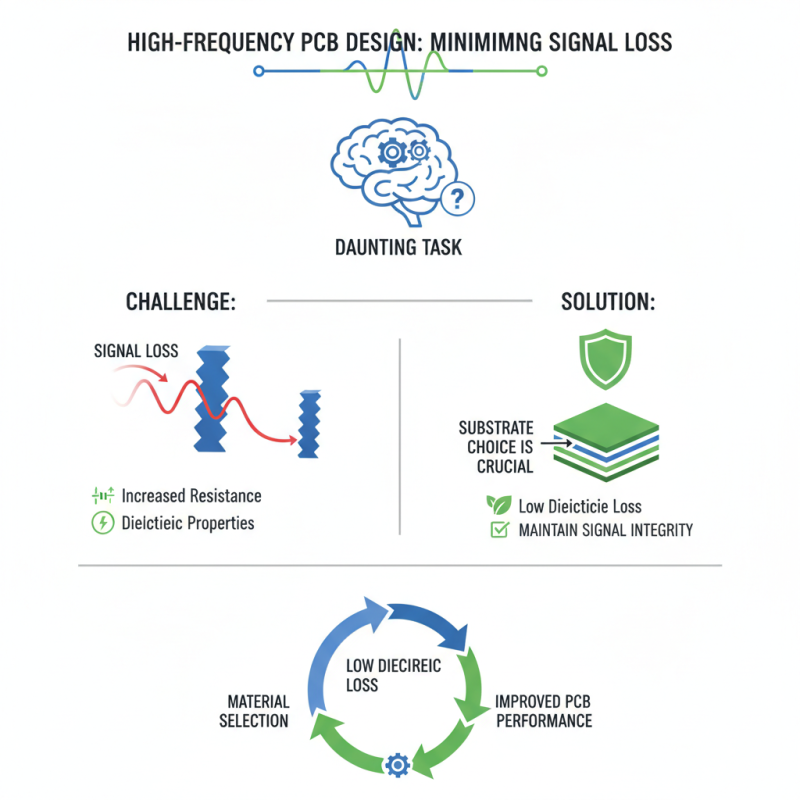
Designing high-frequency PCBs can be a daunting task. One challenge engineers face is minimizing signal loss. High frequencies can lead to increased loss due to resistance and dielectric properties of materials. Choosing the right substrate is crucial. Materials should have low dielectric loss to maintain signal integrity.
Another common issue is managing electromagnetic interference (EMI). Closely packed components can create unwanted noise. Using proper grounding techniques is essential. These techniques help in reducing interference. Implementing a proper layout can also mitigate these issues. Signal traces should be as short as possible to minimize inductance.
Thermal management is often overlooked. High-frequency designs can generate significant heat. This can affect performance and reliability. Engineers must evaluate thermal dissipation methods early in the design process. Exploring options like heat sinks or thermal vias is beneficial. Regular design iterations can help refine these solutions and lead to a successful high-frequency PCB.
Cost Analysis: High Frequency PCBs versus Traditional PCBs
When considering your next electronics project, cost is a determining factor. High frequency PCBs often come with a higher price tag compared to traditional options. This is due to the advanced materials and manufacturing processes required. Notably, high frequency PCBs utilize substrates like PTFE. These materials ensure optimal signal integrity but can significantly increase production costs.
However, the higher initial investment can be offset by long-term benefits. High frequency PCBs typically provide better performance and efficiency. For projects that require high-speed signals, these boards can reduce signal loss and interference. While traditional PCBs might suffice in some applications, their limitations can lead to more frequent replacements. This is an aspect worth reflecting upon.
It's essential to weigh these costs carefully. Some might find the benefits of high frequency boards outweigh the extra expenditure. But others could view the initial cost as a barrier. A thorough analysis is crucial to make an informed decision. Evaluating your specific needs and potential future scalability can guide this choice. Balancing short-term costs with long-term performance is key.
Performance Metrics: How High Frequency PCBs Outperform Conventional Options
High frequency printed circuit boards (PCBs) are revolutionizing electronic design. Their ability to handle higher frequency signals makes them superior to traditional PCBs. According to a market research report, high frequency PCBs can reduce signal loss by over 50% compared to standard options. This improvement enhances overall system performance and efficiency.
These PCBs are crucial in the telecommunications industry. They support 5G technology, which demands more from electrical components. A recent study indicated that using high frequency PCBs can increase data transfer rates by up to 30%. This enhancement is essential for modern applications that rely on swift communication. However, designing with high frequency PCBs is not without challenges. Material selection is critical, and the wrong choice can lead to unanticipated losses.
Thermal management is another concern. High frequency PCBs can generate more heat, affecting performance. Proper heat dissipation strategies are necessary. Engineers must reflect on these potential issues as they introduce high frequency technology. This consideration can make or break the project's success. While the advantages are clear, awareness of these challenges is equally important.
Future Trends in High Frequency PCB Technology and Innovations
High frequency PCBs are becoming increasingly important. As technology advances, their applications are growing. Innovations in materials and design are shaping the future. Engineers are looking for ways to enhance performance and reliability.
One trend is the use of advanced materials. These can improve signal integrity. They also reduce losses at high frequencies. Ceramic and PTFE materials are gaining popularity. They offer better thermal stability. However, they can be more expensive. This is something to consider during the design phase.
Tips: Evaluate material choices based on project needs. Sometimes, cheaper options can perform adequately. Regular testing can help identify potential issues early on.
Another trend is miniaturization. This allows for the development of smaller devices. However, this can complicate design and assembly.
Always keep an eye on new technologies. They can change the game quickly. Innovations in automated manufacturing can also enhance production efficiency. Design revisions might be necessary to accommodate new techniques. Consider the long-term impact of these choices on your project.
Transforming Visual Technology: The Role of Custom PCB & PCBA Solutions in Enhancing Camera Image Processing Efficiency
The advancement of visual technology has revolutionized various sectors, particularly in camera image processing, where the demand for high-speed and high-resolution imaging is ever-increasing. Custom PCB and PCBA solutions play a crucial role in meeting these demands. By integrating cutting-edge FPGA technologies, our solutions enable real-time processing capabilities that are essential for applications ranging from industrial automation to security systems and automotive imaging. This seamless integration enhances the overall performance and reliability of camera systems, allowing for sharper, more vivid image capture.
In industries where precision and speed are paramount, the design and quality of PCBs and PCBA are fundamental. Our engineered solutions ensure that high-resolution image processing is not just a possibility but a standard. With a focus on robustness and efficiency, these tailored designs cater to the unique requirements of each application, whether in medical technology or surveillance. As visual technology continues to evolve, leveraging custom PCB and PCBA solutions becomes increasingly vital for enhancing image processing capabilities and ensuring that camera systems operate at the highest levels of efficiency and reliability.
FAQS
: The content aims to educate readers on specific topics and provide valuable information.
Typically, the reading time is around 5-10 minutes, depending on your speed.
Yes, sharing the information is encouraged, but please ensure it remains intact.
Yes, some examples illustrate key points effectively. These details enhance understanding.
The information may come in articles, videos, or infographics to aid learning.
While the content is mainly factual, there may be some subjective analysis included.
You can apply insights in daily life, improving decision-making and awareness.
Yes, readers can usually submit feedback, encouraging continuous improvement.
It's recommended to seek additional sources to support important decisions.
Some may find deeper analysis lacking. Reflection on the details is encouraged.
Conclusion
High Frequency PCBs are becoming increasingly vital in modern electronics due to their numerous benefits, including enhanced signal integrity and reduced signal loss. These specialized PCBs find applications across various industries, from telecommunications to medical devices, highlighting their versatility. When fabricating High Frequency PCBs, material considerations play a crucial role, as the choice of substrates can significantly impact performance.
Despite the advantages, designing High Frequency PCBs presents certain challenges, which require innovative solutions to optimize performance. A comparative cost analysis reveals that while High Frequency PCBs may have higher initial costs than traditional options, their performance metrics often justify the investment in terms of reliability and efficiency. Looking ahead, the future trends in High Frequency PCB technology promise even more advancements and innovations, making them a preferred choice for next-generation electronic projects.