In today’s super-fast tech world, the importance of a PCBA factory has really become a big deal in modern electronics manufacturing. As demand for top-quality, efficient, and reliable electronic parts keeps climbing, industry reports suggest that the global PCBA market could hit around $45 billion by 2025, growing at a steady rate of about 4.5% annually. Shenzhen Rich Full Joy Electronics Co., Ltd. is right there in the thick of it, leading the charge as a high-tech innovative enterprise that’s all about expertise in PCB assembly. This company doesn’t just deliver cutting-edge manufacturing solutions; it also acts as a key hub for innovation and quality assurance in China’s electronics scene. If you’re a company trying to stay competitive these days, knowing what a top-notch PCBA factory like Rich Full Joy can do for you is pretty much essential.
Understanding the Basics of PCBA Manufacturing in Electronics
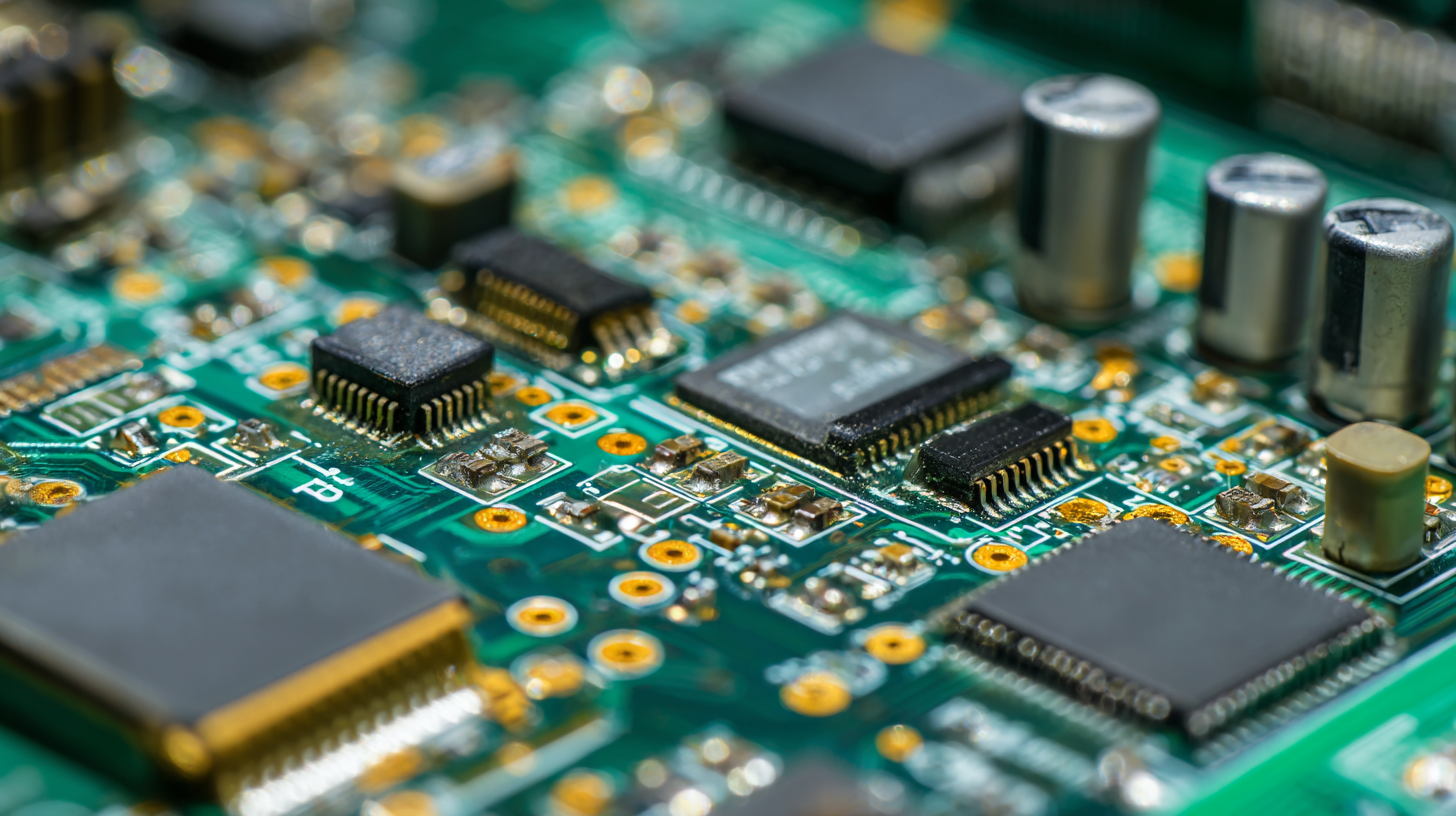
In the world of electronics manufacturing, PCBA (Printed Circuit Board Assembly) factories are pretty much the backbone when it comes to turning raw materials into fully functional electronic gadgets. At the heart of it all is the process where electronic parts are put onto the PCB — and let’s be honest, precision and speed are everything here. It’s a multi-step thing, you know. First, there’s surface mount technology (or SMT), where tiny components are placed straight onto the surface of the board. Then there’s through-hole technology, which involves sticking leads through drilled holes. These methods ensure that gadgets not only meet quality standards but can also be mass-produced to keep up with market demand.
If you’re in the electronics game, getting a grip on how PCBA manufacturing works is pretty important. It all starts with designing your PCB layout. After that, sourcing the right components and prepping the assembly line comes into play. Quality checks are a big deal — manufacturers test at multiple stages to make sure everything’s working just right. Thanks to automation and robotics, the process has become faster and way more precise, cutting down production time quite a bit. As technology keeps moving forward, PCBA factories are always changing, trying out new materials and techniques to handle more complex electronics while still keeping costs in check.
Key Processes Involved in PCBA Production and Assembly
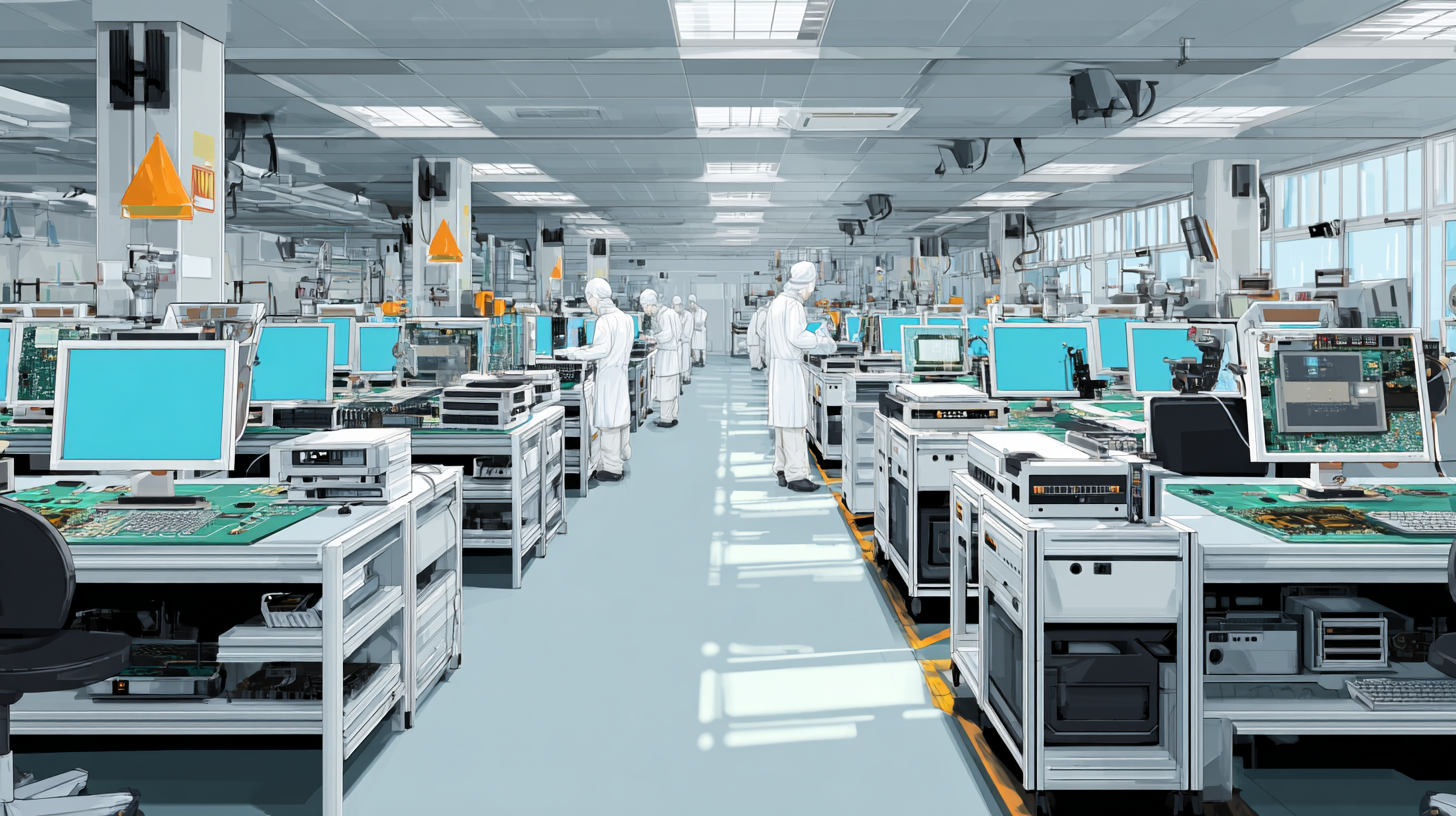
The PCBA (Printed Circuit Board Assembly) factory is pretty much the backbone when it comes to keeping up with the skyrocketing demand for efficient mass production in today’s electronics world. It’s no secret that the OEM electronics assembly market is booming and is expected to hit around USD 90 billion by 2025. You can really see this growth taking shape across all kinds of sectors — from cars and communications to computers, gadgets, industrial tools, medical devices, and even aerospace. All these areas are more and more dependent on advanced electronic solutions to stay competitive.
When it comes to making and assembling PCBs, the key processes usually involve clever testing strategies that help keep production fast without sacrificing quality—especially for those simpler circuit boards. Studies show that having solid testing methods is super important because manufacturers are always looking for ways to push through more units while keeping defects incredibly low. Automated Optical Inspection (AOI) systems have been a game-changer here, helping catch mistakes early, cut down errors, and give real-time quality checks. Plus, the shift toward lead-free PCB surface treatments is really shaking things up—not just changing how boards are made but also tweaking testing procedures. All of this helps companies stick to environmental standards and build more reliable products at the same time.
What is the Role of a PCBA Factory in Modern Electronics Manufacturing - Key Processes Involved in PCBA Production and Assembly
| Process Stage |
Description |
Key Equipment |
Quality Control Method |
| Design |
Creating the layout and schematic for the PCB. |
CAD Software |
Design Rule Check (DRC) |
| Fabrication |
Manufacturing the PCB from raw materials. |
PCB Etching Machines |
Visual Inspection |
| Component Sourcing |
Acquiring electronic components based on the design. |
Supplier Networks |
Incoming Inspection |
| Assembly |
Mounting components onto the PCB. |
Pick and Place Machines |
Automated Optical Inspection (AOI) |
| Soldering |
Joining components to the PCB using solder. |
Reflow Ovens |
X-Ray Inspection |
| Testing |
Verifying the functionality of assembled PCBs. |
Automated Test Equipment |
Functional Testing |
| Packaging |
Preparing PCBs for shipment to customers. |
Packaging Equipment |
Final Visual Inspection |
Importance of Quality Control in a PCBA Factory
In the fast-changing world of electronics manufacturing, keeping quality in check at a PCBA factory is absolutely crucial.
I remember reading in a 2021 report by the IPC (which, by the way, is the Institute for Printed Circuits) that up to 70% of defects in electronics actually trace back to issues during the PCB assembly process. That number really highlights just how important a solid PCBA factory is—because they’re the ones making sure our gadgets work reliably and do what they’re supposed to do every day.
Good quality control isn't just about catching mistakes — it covers everything, from choosing the right materials to testing the finished product. Using tools like automated optical inspection (AOI) and X-ray checks can make a big difference. Studies show that companies that focus on tight quality control can cut their production costs by around
30%, mainly by reducing rework and improving yields. So, a PCBA factory that really invests in strict quality measures isn’t just producing better products — they’re also helping the industry stay competitive and sustainable in the long run.
Honestly, it’s all about making sure every piece that goes out the door is up to scratch, and that focus on quality pays off in more ways than one.
Exploring Advanced Technologies Used in PCB Assembly
These days, the role of a PCBA factory in modern electronics has really evolved, thanks to all the technological advancements. One of the biggest game-changers has been the rise of automated optical inspection (AOI) systems. They do a pretty great job catching errors during the PCB assembly process, which means better quality control overall. If you look at the stats from MarketsandMarkets, the global AOI market was around $793 million back in 2020, and it’s expected to jump to about $1.24 billion by 2025. That just shows how much people are craving efficiency and precision when it comes to making electronics.
And then there’s surface mount technology (SMT), which is still a huge deal in PCB assembly. Basically, it lets manufacturers place components straight onto the surface of the PCB, making devices smaller and more streamlined without sacrificing performance. A report from ResearchAndMarkets predicts the SMT market will hit roughly $1.1 billion by 2026, fueled by the rising demand for tiny, powerful gadgets across various industries. Combining these advanced techs really helps speed up production, improves yields, and cuts costs — proof that PCBA factories are more essential than ever in today’s tech-driven world.
The Role of PCBA Factories in Supply Chain Management
You know, in today’s world of electronics manufacturing, PCBA factories—those printed circuit board assembly plants—really are the heartbeat of the whole supply chain. They handle the tricky job of putting together all sorts of tiny components onto a PCB, making sure products roll out smoothly and quickly. It’s pretty clear why regions like Southeast Asia have become such hot spots for PCB production—they’re basically trying to avoid the headaches that come with supply chain hiccups and trade tensions, especially with all the unpredictable tariff stuff going on.
Also, seeing more PCBA factories popping up in emerging markets shows how companies are intentionally spreading out their sources. It’s not just about ramping up production; it’s also about being ready for anything—political shifts and everything else that could mess with their supply chain. The switch by Taiwanese manufacturers moving some of their operations to Southeast Asia really underscores how important it is to stay flexible. Businesses need to adapt fast to market changes if they want to stay competitive. The push to localize production in various countries is part of this bigger picture—highlighting how vital PCBA factories are to keeping the entire supply chain efficient and resilient. Honestly, it’s a fascinating shift, seeing this global landscape evolve so dynamically.
Future Trends in Electronics Manufacturing and PCBA Evolution
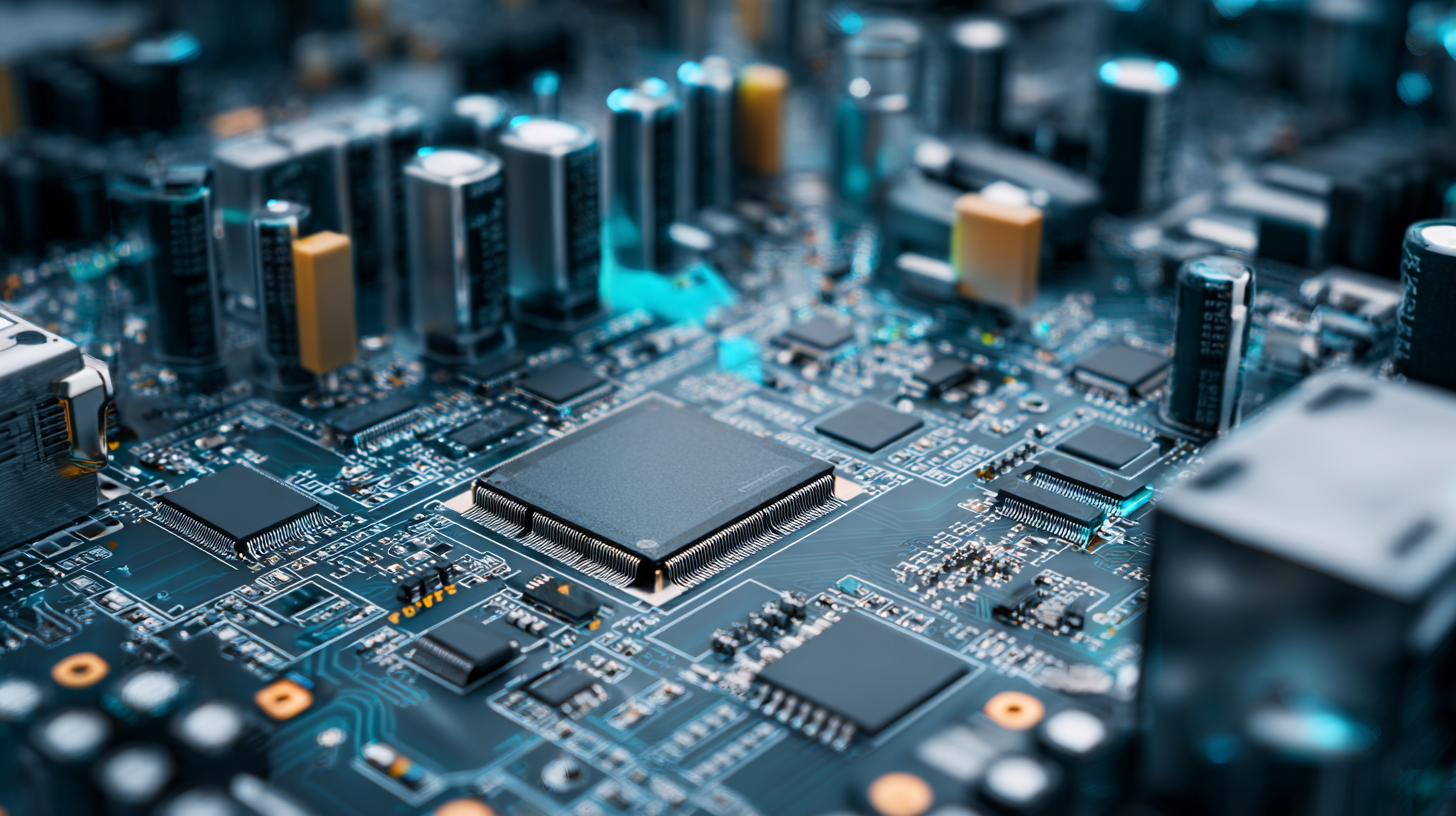
The world of electronics manufacturing is changing pretty quickly these days, and because of that, PCBA (Printed Circuit Board Assembly) factories are becoming more important than ever. As we head into an era filled with smart gadgets, IoT (Internet of Things), and AI (Artificial Intelligence), the need for more complex and highly integrated PCBs is definitely on the rise. To keep up, factories are really ramping up their game—adopting new tech like automated assembly lines and AI-powered quality checks, all to make everything faster and more precise.
On top of that, sustainability is now a huge deal in the industry. Nowadays, PCBA factories are putting more effort into eco-friendly practices—things like cutting down waste, using recyclable materials, and saving energy wherever they can. It’s not just about regulations anymore; more and more consumers care about the environment too. As manufacturers jump on these trends, they’re also starting to use smart manufacturing ideas, like real-time data analytics and predictive maintenance, which helps everything run smoother and adapt better. All of this ensures that PCBA factories stay ahead in the game and continue to push the boundaries of modern electronics.
Revolutionizing Aerial Photography: High-Performance Drone FPV Transmitter PCBA Solutions for Unmatched Quality
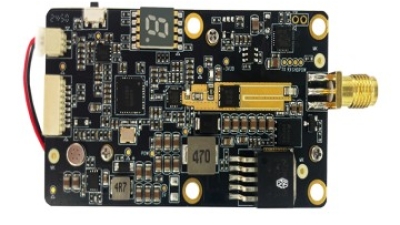
In the realm of aerial photography, the importance of high-quality video feed cannot be overstated. Our cutting-edge 5W and 10W FPV transmitter PCBA solutions stand out as superior tools designed to meet the demanding needs of both drone enthusiasts and industrial UAV applications. By providing crystal clear video transmission and stable communication, these transmitters not only elevate the standard of aerial photography but also enhance the performance of vital activities such as surveying, industrial inspections, and search-and-rescue operations.
What sets our FPV transmitters apart is their exceptional capability to maintain reliable high-quality video communication even in challenging environments. Equipped with advanced signal processing technologies, our solutions ensure that operators receive uninterrupted video feeds regardless of distance or obstacles. This reliability is essential for professionals who rely on precision and clarity, particularly in critical missions where every detail matters. By revolutionizing the way aerial data is captured and transmitted, our products empower users to achieve unmatched quality in their visual outputs, redefining the potential of aerial imaging.
FAQS
manufacturing and why is it important in electronics?
The main techniques in PCBA manufacturing include surface mount technology (SMT), where components are placed on the surface of PCBs, and through-hole technology, which involves inserting leads into drilled holes on the board.
Quality control is integral to PCBA manufacturing, with manufacturers conducting tests at various stages to ensure that each assembly functions as intended and meets specified quality standards.
PCBA factories are adopting advanced automation, robotics, and AI-driven systems to enhance precision, efficiency, and quality control, while also reducing production time.
PCBA factories play a crucial role in supply chain management by orchestrating the assembly of electronic components, helping to deliver products efficiently and meet growing electronic demands across industries.
Trends include the rise of smart devices, IoT, and AI, necessitating more complex and integrated PCBAs, as well as a focus on sustainability through environmentally friendly practices and materials.
Many PCBA factories are diversifying supply sources and establishing manufacturing bases in emerging markets to enhance production capabilities and resilience against geopolitical risks.
Automation, including real-time data analytics and predictive maintenance, is essential for optimizing performance and ensuring that PCBA factories can adapt to the increasing complexity of modern electronics.
Sustainability is important due to regulatory demands and the growing desire among consumers for eco-friendly products, prompting PCBA factories to reduce waste and implement energy-efficient processes.
By integrating advanced technologies and embracing sustainable practices, PCBA factories are positioned to address the rising complexity and demand for smart, interconnected devices in the electronics market.
Conclusion
When it comes to modern electronics manufacturing, the importance of a PCBA factory really can't be overstated. If you’re not familiar, PCBA (which stands for Printed Circuit Board Assembly) involves pretty intricate steps — turning raw materials into fully functional electronic devices. Things like soldering, testing, and putting everything together are all crucial, because they directly impact how reliable the final product will be. And let’s not forget quality control — it’s basically the backbone of any good PCBA factory, making sure every single unit passes strict standards before it hits the market.
As we peek into the latest tech used in PCB assembly, like automated machines and smart manufacturing systems, it’s clear just how vital PCBA factories are in managing the supply chain. Companies like Shenzhen Rich Full Joy Electronics are actually leading the charge, embracing innovation and shaping the future of electronics manufacturing. Their ability to adapt to new trends not only makes their operations more efficient but also pushes the whole industry toward exciting new advancements.