You know, with how quickly the automotive world is changing these days, it’s no surprise that
Electric Vehicle PCBs are really pushing the boundaries of
innovation and shaking up the competition. I recently came across a report from
MarketsandMarkets that says the global market for EV PCBs could hit
around $3 billion by 2025 — mainly because more folks are
interested in electric cars, plus all those strict environmental rules we’re seeing. Companies like
Shenzhen Rich Full Joy Electronics are really leading the charge, leveraging their
status as a top high-tech innovator to craft reliable, top-notch PCBs that are up to the task for
electric vehicles. It’s not just about making good products, though; manufacturers need to stand
out by adopting cutting-edge technology and greener practices. That way, they’re not only meeting
market needs but also helping build a more sustainable future. As this industry keeps expanding,
understanding what really makes EV PCBs stand out will be key for companies trying to carve out their
place and succeed in this pretty competitive scene.
Key Features of High-Quality Electric Vehicle PCBs
When it comes to evaluating electric vehicle (EV) printed circuit boards (PCBs), there are a few key features that really make a difference, especially if you’re trying to stand out in a pretty crowded market. One of the most important things is thermal management. I mean, EVs generate quite a bit of heat—particularly around the power management systems—so being able to effectively dissipate that heat is crucial. Otherwise, you risk components failing prematurely. Some reports, like one from Research and Markets, suggest the global EV PCB market could hit around USD 9.3 billion by 2030. And honestly, how well a PCB handles heat is becoming a huge selling point for manufacturers these days.
Another thing that’s really key is using advanced materials. Top-notch EV PCBs often incorporate materials that are tough against high voltages and extreme temperatures. This boosts not just reliability but also longevity. For example, a study in the International Journal of Electronics points out that materials like polyimides and high-frequency laminates can make a big difference in performance, especially as automakers push for longer range and faster charging times.
And let’s not forget innovative design techniques—things like multilayer structures and smarter soldering methods. These improve the overall performance and durability of EV PCBs. The Gartner Group even mentions that by 2025, about a quarter of new vehicles will be electric. All this just goes to show how important it is for PCB designs to be robust and efficient to keep up with what consumers want and meet stricter regulations for cleaner, greener transportation.
Understanding Industry Production Standards for EV PCBs
When it comes to making EV printed circuit boards (PCBs), sticking to industry standards really matters. These guidelines aren’t just bureaucratic hoops—they actually make sure the PCB does its job reliably and keeps everything safe. Manufacturers have to juggle a bunch of certifications, like ISO 26262 for safety and IPC-2221 for the general design, which basically lay the foundation for quality. By staying in line with these standards, companies boost the reliability and lifespan of their products, which is more important than ever with how demanding modern EVs are becoming.
Plus, knowing the ins and outs of the materials and processes used in making these PCBs can really make a difference in how they perform and how long they last. For example, picking the right substrates that can handle big temperature swings, or making sure the soldering meets lead-free rules—that stuff really matters. Thanks to tech improvements, we're now able to use fancy new materials like high-frequency laminates and advanced coatings. These not only make the PCBs work better but also help them last longer. Bottom line: sticking to industry standards and investing in top-notch materials is what really sets the best EV PCBs apart from the crowd. In the end, that means better vehicle performance and safety, which everyone wants.
Comparison of Key Electric Vehicle PCB Specifications
The Role of Materials in Enhancing PCB Performance
When it comes to designing PCBs for electric vehicles, choosing the right materials really makes a big difference. High-quality materials don’t just boost durability and reliability; they directly impact how well the vehicle performs overall. For example, using low-loss dielectric materials can really help cut down signal loss, making data transmission smoother and more efficient. That means the components work better, which can lead to improved battery management and, honestly, a snappier ride.
A quick tip—don’t forget to prioritize thermal management materials. EVs tend to experience quite a bit of temperature fluctuation, so picking materials with great thermal conductivity helps keep the PCB stable. This way, overheating and potential failures are much less likely.
Plus, copper-based substrates have become pretty popular for EV PCBs because they handle electrical currents really well. They support the high power demands of modern electric vehicles and let designers create more compact boards without sacrificing performance. Pretty neat, right?
Another good tip—think about investing in advanced laminates that not only insulate electrically but also add mechanical strength and thermal stability. These materials make the PCB more tough and ready to handle the rougher conditions of daily EV use.
Design Considerations for Optimal PCB Functionality in EVs
In the fast-moving world of electric vehicles, the design of printed circuit boards—yeah, those tiny but mighty parts—is actually a big deal when it comes to making cars perform better and be more reliable. I came across a report from MarketsandMarkets that’s pretty eye-opening: they’re estimating the global PCB market for EVs will hit around $11.6 billion by 2027, growing at a solid 14.8% each year. That’s a clear sign that manufacturers need to get creative with PCB designs, especially to handle things like heat dissipation, managing power efficiently, and fitting everything into a tiny space.
When it comes to design, a couple of key things stand out. First, picking the right materials—stuff with high thermal conductivity and low dielectric loss—really helps in keeping things cool and signals clear. You’ve probably heard of high-frequency PCBs made from materials like Rogers and PTFE? Those are gaining popularity because they perform so well in EV settings. Plus, adding advanced features like embedded passive components and multiple layers makes these boards more functional without taking up extra space, which, let’s be honest, is pretty crucial in modern cars. As electric vehicles become more mainstream, making sure the PCBs work flawlessly and efficiently will be a game-changer for manufacturers trying to stand out in this busy market.
What Makes the Best Electric Vehicle PCB Stand Out Among Competitors
| Design Consideration |
Importance Level |
Impact on Functionality |
Common Materials Used |
Typical Applications |
| Thermal Management |
High |
Prevents overheating of components |
Copper, Thermal Interface Materials |
Battery Management Systems |
| Signal Integrity |
High |
Ensures data accuracy in communications |
High-frequency laminates |
Control and Monitoring Systems |
| Size and Weight Optimization |
Medium |
Reduces overall vehicle weight |
Flexible PCBs, Lightweight Materials |
Power Distribution Units |
| EMI/EMC Shielding |
High |
Protects against interference |
Conductive Coatings, Shielding Enclosures |
Inverters and Motors |
| Design for Manufacturability |
Medium |
Reduces production costs and errors |
Standard FR-4, Automated Assembly Techniques |
General EV Applications |
Innovations in Manufacturing Processes for EV PCBs
You know, when it comes to electric vehicle PCB manufacturing, staying innovative is a total game-changer. Lately, I’ve read that the global market for automotive printed circuit boards is expected to hit around $18.14 billion by 2034—that’s a clear sign that everyone’s really after reliable, top-notch components for EVs. Companies are kinda cracking the code with new manufacturing methods, like using substrate-like PCBs, which are projected to grow at about 6.13% annually and could reach around $7.41 billion during that same period. It seems like there’s a real push toward smarter, more efficient production processes that not only boost performance but also cut down on environmental impact. Pretty cool, right?
Now, countries like China and India are really stepping up their game, pushing the envelope with cutting-edge tech to boost the EV PCB scene. India’s new Electronics Component Manufacturing Scheme is a big deal, helping to solidify its place in the global electronics supply chain and creating some healthy competition among PCB makers. Plus, there’s a real buzz around AI-powered solutions, which are helping companies fine-tune their designs and streamline production. We’ve even seen some firms knocking it out of the park, turning impressive profits thanks to these advancements. At Shenzhen Rich Full Joy Electronics Co., Ltd., we’re all in on these industry shifts—making sure we’re ready to meet the rapidly changing demands of the electric vehicle market and stay ahead of the curve.
Comparative Analysis: What Sets Leading EV PCB Manufacturers Apart
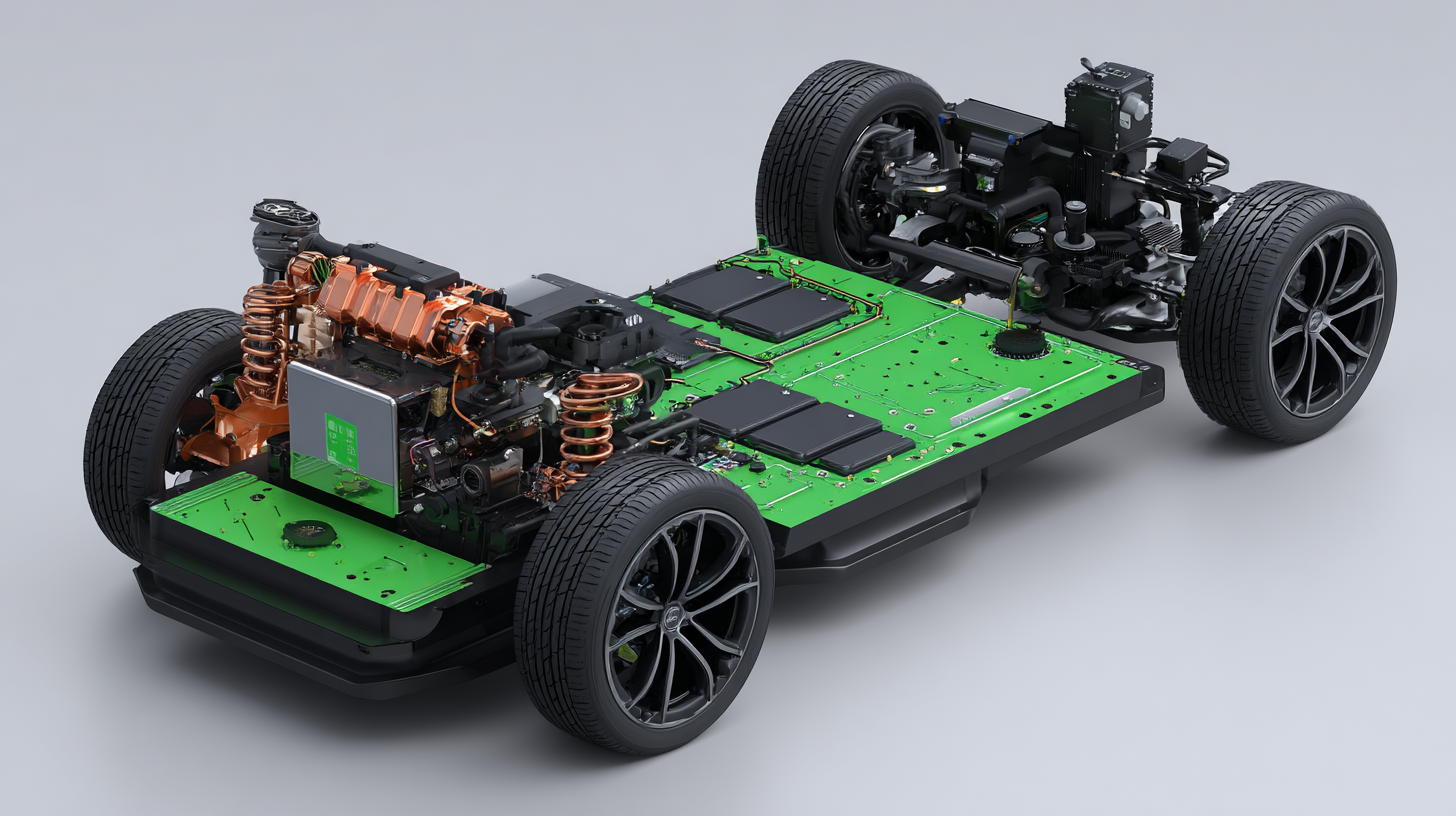
Hey, have you noticed how quickly the electric vehicle (EV) industry is growing? Yeah, and because of that, the demand for really good printed circuit boards (PCBs) is hitting new heights. Experts are saying the global market for automotive PCBs could hit around $15.1 billion by 2032. That’s a huge number! Manufacturers are now scrambling to stand out from the crowd, trying to bring their A-game. When you compare the leading brands, you see they really shine through their innovative designs, streamlined production processes, and commitment to saving energy—pretty impressive, right?
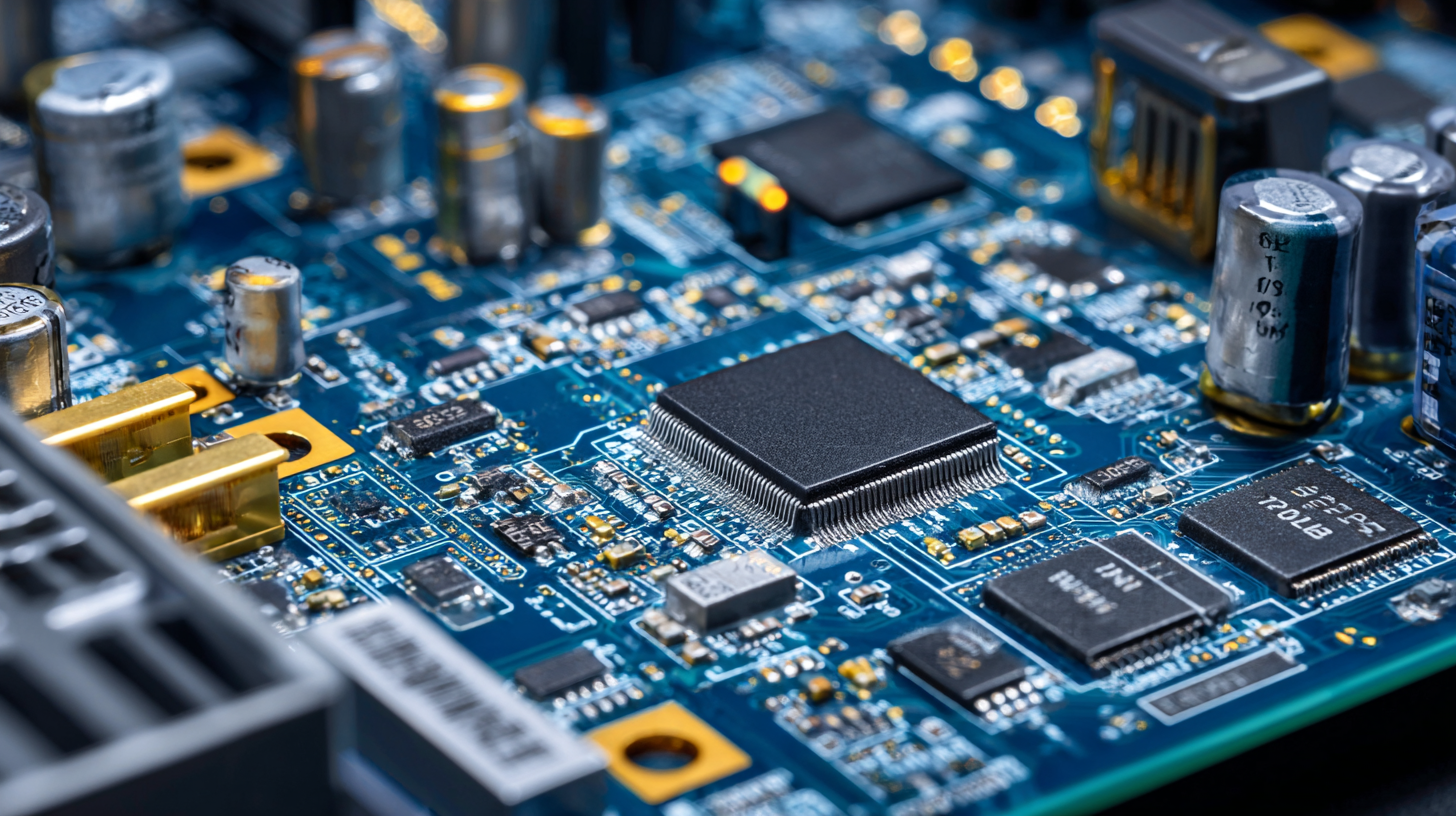 One thing that really makes a difference is how these top players approach designing their PCBs. For example, using smarter designs for wireless power transfer in EVs can seriously boost how well everything works. They use advanced simulation tools to tweak circuit layouts, cutting down on energy waste and making the systems more reliable.
If you’re on the hunt for a PCB maker, a few tips might help. Look for companies with solid experience in EV tech—they should be good at customizing solutions to fit your needs. Also, check out how they handle their energy use during manufacturing; it says a lot about how serious they are about sustainability. And don’t forget to compare costs across different options—that way, you can find the best fit for your budget and project goals.
FAQS
: The choice of materials is crucial as high-quality materials enhance durability, reliability, and efficiency of the circuit boards, which improves the overall performance of the vehicle.
Low-loss dielectric materials reduce signal degradation, improving data transmission, leading to more effective component operation and better battery management.
Thermal management materials should be prioritized to ensure stability and prevent overheating due to high temperature fluctuations in electric vehicles.
Copper-based substrates provide superior electrical conductivity, allowing for high current handling capacity, which supports the increased power needs of advanced electric vehicles.
Key considerations include selecting materials with high thermal conductivity and low dielectric loss, efficient heat management, and integrating features such as embedded passive components and multilayer designs to save space.
They excel through advanced design capabilities, efficient production methods, and a commitment to energy efficiency, utilizing innovative approaches to enhance PCB performance.
Advanced laminates provide electrical insulation, improved mechanical strength, and thermal stability, enhancing the robustness of PCBs to withstand demanding EV conditions.
The global PCB market for electric vehicles is projected to reach $11.6 billion by 2027, with a compound annual growth rate (CAGR) of 14.8%.
Advanced simulation techniques help optimize circuit layouts to minimize energy losses and improve functionality, crucial for the performance of electric vehicle wireless power transfer systems.
Consider their experience with EV applications, commitment to sustainability in production processes, and review their cost analysis for different production options to make informed decisions.