You know, in today’s fast-changing world of electronics, demand for advanced printed circuit boards—especially those High-Density Interconnect (HDI) ones—has really taken off. As we look towards 2025, it’s super important for everyone involved in the industry to keep up with the new innovations that are shaping things.
Shenzhen Rich Full Joy Electronics Co., Ltd., which is recognized as a cutting-edge high-tech company in China, is all about pushing the boundaries of HDI PCB technology. This blog post will dive into the top 10 HDI PCB innovations that aren’t just influencing market trends but are actually paving the way for a smarter, more interconnected future. By checking out these exciting developments, we’ll get a better picture of how the electronics landscape is changing and how crucial HDI PCBs are for driving growth and efficiency.
Exploring the Fundamentals of HDI PCB Technology
You know, HDI, which stands for High-Density Interconnector, is really shaking things up in the electronics manufacturing scene. It’s all about making those high-performance, compact circuit boards. So, here’s the deal: HDI tech uses some pretty advanced manufacturing tricks—think multiple layers, microvias, and finer traces—to really make the most out of available space while boosting electrical connectivity. Basically, the way HDI PCBs are structured allows for a greater density of components, which is perfect for today’s electronic gadgets that need to pack a punch in a smaller package.
One of the coolest things about HDI technology is how it helps improve signal integrity and cut down on pesky electromagnetic interference. By keeping components close together and using stacked or staggered microvias, these nifty PCBs can handle higher data speeds and work more efficiently. Plus, the design flexibility that comes with HDI opens up the floor for some serious innovation in product design—engineers can whip up more sophisticated devices with all kinds of unique shapes and sizes. As industries dive into miniaturization and seek out more functionality, getting a grip on the nuts and bolts of HDI PCB tech is super important for anyone in electronic design and manufacturing.
Key Innovations Revolutionizing HDI PCB Design
You know, in this crazy fast-paced world of electronics,
High-Density Interconnector (HDI) Printed Circuit Boards (PCBs) are really leading the charge when it comes to innovation.
I mean, the advances we’re seeing in HDI PCB design aren’t just important for boosting performance; they're all about keeping up with our growing need for compact and efficient gadgets.
And let’s not forget about the rise of AI-powered design automation—it's totally changing the game in the PCB world.
Designers can whip up those intricate layouts way faster and with way more precision than ever before.
Here at Shenzhen Rich Full Joy Electronics Co., Ltd., we totally get how vital it is to stay ahead in this cutthroat market.
We're all about innovation, and we've made it a priority to use the latest PCB design software.
This helps us get prototypes out in no time and cuts down on the time it takes to bring products to market.
By using advanced tools, we can consistently churn out high-quality HDI PCBs that fit a whole bunch of applications, from tech gadgets to industrial systems.
With everyone wanting smaller but more powerful devices these days, keeping up with these HDI PCB design innovations isn't just smart—it's pretty much essential for any company wanting to thrive in our tech-driven future.
Advantages of HDI PCBs in Modern Electronics
High-Density Interconnect (HDI) PCBs have really changed the game in the world of modern electronics. They come with a bunch of perks that perfectly match what today’s tech world needs. One standout feature of HDI PCBs is how they pack in lots of connections without taking up too much space. Thanks to finer traces and smaller vias, manufacturers can whip up some pretty complex circuits while keeping things nice and compact. This is super important as we see a trend toward smaller devices, like smartphones, wearables, and IoT gadgets—they’re getting tiny, but packing a serious punch in terms of power!
And let’s not forget about their electrical performance! The shorter signal paths really help reduce those pesky parasitic effects that can mess with signal integrity. This is a big deal, especially in settings where high-speed data transfer is a must. Plus, HDI PCBs have got some solid thermal management going on. The way the layers and vias are arranged helps to dissipate heat effectively, which not only boosts performance but also makes devices last longer and stay reliable. Seriously, in our fast-paced tech world, these boards are absolutely essential!
Comparative Analysis: HDI PCBs vs. Traditional PCBs
You know, in the fast-changing world of electronics, HDI (High-Density Interconnect) PCBs are really starting to steal the spotlight from the older traditional ones. While traditional PCBs tend to spread out their components over a bigger area, HDI boards are all about using some pretty cool manufacturing tricks to pack more connections into a smaller space. This shift is super beneficial, especially in industries like automotive where everyone’s craving designs that are both compact and efficient. With all the advanced tech packed into today’s cars, having better signal integrity and a smaller board size is a must-have.
When you dive into the comparison between HDI and traditional PCBs, it’s clear that HDI boards have some serious performance perks, especially for intricate applications like flexible printed circuit boards. The automotive PCB market is definitely on the rise, thanks to a growing interest in electric and connected vehicles. As a result, the demand for lightweight and flexible solutions is heating up. Just look at the projected CAGR of 13.7% for flexible PCBs—it really highlights how the industry is pivoting towards designs that meet the complex needs of next-gen vehicles. In the end, moving to HDI technology not only boosts what PCBs can do but also fits right in with our ongoing obsession with miniaturizing electronic devices.
Future Trends in HDI PCB Manufacturing and Applications
You know, with the increasing demand for smaller and more efficient electronic gadgets, it’s pretty clear that
HDI (High-Density Interconnect) PCB manufacturing is really leading the way in innovation.
One of the major trends we’re seeing is the use of advanced materials that boost performance and reliability.
Like, materials such as polyimide and
low-loss dielectric are really gaining traction because they
cut down on signal loss and help manage heat better. This shift is super important,
especially for areas like telecommunications, automotive, and consumer electronics, where every bit of
performance counts.
And it doesn't stop there! Another big trend is the move towards better automation and smart manufacturing processes.
With the roll-out of Industry 4.0 practices—think IoT integration and AI-powered analytics—
production workflows are getting a nice makeover, not to mention improved quality control.
These innovations speed things up and allow for real-time monitoring and adjustments, which really means smoother production cycles.
So, in a nutshell, manufacturers are in a great position to keep up with the changing needs of industries that crave
tiny but powerful electronic components. That’s why HDI PCBs are becoming a key player
in driving future tech advancements!
Case Studies: Successful Implementations of HDI PCBs in Industry
You know, High-Density Interconnect (HDI) PCBs are really becoming a big deal in the world of electronics, and it’s easy to see why when you look at case studies from different industries. Take smartphones, for instance—thanks to HDI technology, the amount of space needed on the circuit board can be cut down by as much as 30% compared to older, traditional boards. A recent report by ResearchAndMarkets projects that the global HDI PCB market could hit a whopping $18.5 billion by 2025. That just goes to show how much people are craving smaller, more efficient devices these days!
And it's not just phones. The automotive industry is hopping on board, too. Companies like Tesla are using HDI PCBs to really amp up the functionality of their electric vehicles. By integrating this tech, they've boosted the performance of important systems, like battery management and infotainment, all while keeping reliability and safety front and center. Funny enough, a study by IPC found that HDI PCBs can reduce failure rates by about 25% in these complex automotive applications. That’s pretty impressive, right? All these wins highlight just how game-changing HDI PCB innovations are for various industries. It marks a clear shift toward more compact and efficient electronic solutions, and honestly, it’s exciting to see where it’s all headed!
Maximizing Efficiency and Performance: Insights from the Latest Industry Reports on 4-Layer Rigid-Flex PCB Manufacturing
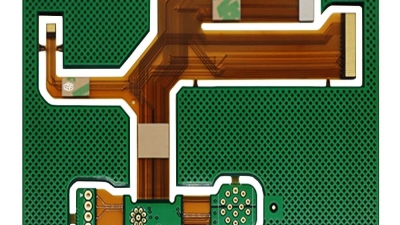
In the rapidly evolving electronics landscape, maximizing efficiency and performance has become paramount, particularly in the manufacturing of 4-layer rigid-flex PCBs. As a leading manufacturer in China, our commitment to using advanced materials such as SYTECH SF202, Polyimide + FR-4, and TG320 non-adhesive rolled copper sets us apart in terms of delivering superior flexibility, heat resistance, and reliability. These features are essential for applications in high-demand sectors like aerospace, medical devices, and consumer electronics.
Our rigid-flex PCBs offer exceptional advantages for high-density interconnect (HDI) applications. With precise signal transmission and a bendable design, these circuit boards are tailored to withstand challenging environments, including high-temperature conditions. This ability to maintain performance under duress underscores our dedication to meeting the evolving needs of advanced electronic industries. As we continue to draw insights from the latest industry reports, our focus remains on innovation and quality, ensuring that our products not only meet but exceed market expectations.
FAQS
: High-Density Interconnector (HDI) PCBs are advanced circuit boards designed to accommodate a high number of connections in a compact space, making them essential for improving performance and meeting the demand for smaller, efficient electronic devices.
HDI PCBs improve electrical performance by minimizing the length of signal paths, which reduces parasitic effects that can degrade signal integrity, making them ideal for high-speed data transmission applications.
HDI PCBs provide higher density of connections in a smaller footprint, better signal integrity, and improved thermal management, making them more suitable for modern electronics compared to traditional PCBs.
The automotive industry demands compact and efficient designs for advanced technologies in vehicles, and HDI PCBs meet these needs by facilitating lightweight and flexible solutions, which are vital for the development of electric and connected vehicles.
The integration of cutting-edge PCB design software facilitates rapid prototyping and reduces time-to-market, ensuring high-quality HDI PCBs that cater to diverse applications and enhance competitiveness in the electronics market.
Trends such as miniaturization of consumer electronics and the increasing complexity of applications in industries like automotive and IoT are driving the adoption of HDI PCB technology to meet those demanding requirements.
HDI PCBs have improved thermal management properties due to their efficient layer and via arrangements, helping to dissipate heat effectively, which enhances device reliability and longevity.
The use of finer traces and smaller vias in HDI PCB design allows for intricate circuits to be created within a reduced footprint, enabling the miniaturization trend in devices like smartphones and wearables.
The automotive PCB market, particularly for flexible printed circuit boards, is projected to grow at a CAGR of 13.7%, reflecting the industry's shift towards accommodating the intricate requirements of next-generation vehicles.
HDI PCBs are widely used in various applications, including consumer electronics, industrial systems, and especially in high-demand areas like automotive technology, where compact and efficient designs are critical.