As we head into 2025, the world of PCB manufacturing is really kicking into high gear. Thanks to tech breakthroughs and the huge surge in demand for high-performance electronics, things are changing faster than ever.
I read a recent market report that says the global PCB market is expected to hit around $78 billion by 2025, growing at about 4.5% annually since 2020.
Companies like Shenzhen Rich Full Joy Electronics are leading the charge here—they’re leveraging their status as a high-tech innovator to implement the latest manufacturing tech and help shape industry standards.
With trends like automation, IoT integration, and a focus on sustainability gaining momentum, it’s more important than ever for PCB makers to get strategic if they want to stay ahead in this fast-moving industry.
In this blog, I’ll chat about some key strategies to help businesses navigate the future of PCB manufacturing and position themselves for success in this ever-evolving landscape.
Emerging Technologies Reshaping PCB Manufacturing in 2025: A Data-Driven Analysis
 Hey, so if you’ve been keeping an eye on the PCB manufacturing scene, you’ll notice something pretty exciting happening as we get close to 2025. It’s not just small tweaks here and there — the whole landscape is changing in a hefty way. New tech isn’t just making things faster; it’s actually changing how we even think about design and what these boards can do. One area that’s really making waves is advanced automation. It helps cut down on human mistakes and speeds up production, all while keeping everything super precise. And when you throw in AI-powered analytics, manufacturers can now predict demand better and streamline their supply chains. That means less waste and a boost in sustainability — pretty cool, right?
Oh, and there’s more! Digital twin tech is becoming a game-changer. It lets teams monitor and simulate how PCBs will perform in real time, so potential issues are caught early on. This leads to better, more reliable products. Plus, additive manufacturing — sometimes called 3D printing — is shaking up how prototypes are made. Engineers can now create those complicated shapes they couldn’t before, which really cuts down on lead times. As these techs come together, companies need to stay flexible — investing in training, upgrading infrastructure, and all that. Honestly, keeping up isn’t just a nice-to-have anymore; it’s pretty much a must if you want to stay competitive in this fast-moving world of PCB manufacturing.
Projected Growth Metrics: The PCB Market Boom and Key Growth Drivers
Hey, have you heard? The PCB (Printed Circuit Board) market is really about to explode over the next few years. Some reports from Mordor Intelligence even suggest it could hit a massive $80 billion by 2025! It’s mainly because there’s this huge spike in demand for more advanced electronics across a bunch of different sectors—think consumer gadgets, cars, healthcare stuff, and more. Oh, and speaking of cars, the automotive world is probably gonna take a big chunk of that pie, especially with the rise of electric vehicles and self-driving tech. Pretty exciting, right?
What’s driving all this growth? Well, a big part of it is the push to make devices smaller and smarter. Plus, with 5G rolling out everywhere, there’s a need for super-fast, high-frequency PCBs to keep up with the blazing data transfer speeds. IoT devices are also making their way into our daily lives, which means we’re seeing even more demand for innovative PCB solutions. According to MarketsandMarkets, the whole market’s set to grow at a compound annual growth rate of about 4.8% from 2020 to 2025—that’s pretty solid. For manufacturers who jump on these trends quickly, there’s definitely some serious opportunity here. But staying ahead? It’s all about investing in R&D and building strategic partnerships—that’s how you really keep your edge in this fast-changing game.
The Rise of Automation in PCB Production: Enhancing Efficiency and Reducing Costs
As we’re heading into 2025, the world of PCB manufacturing is really shifting—big time—and automation is at the heart of it all. You can almost feel the buzz around smart manufacturing solutions that are making everything more efficient and streamlined. Thanks to these tech advancements, companies are now able to produce top-notch printed circuit boards without breaking the bank. Think about automated assembly lines, powered by cutting-edge robotics and AI—these systems can handle repetitive tasks with impressive speed and accuracy. That means humans can focus on more challenging problems and get creative instead of getting bogged down in routine stuff.
Plus, data analytics has become a game-changer. When manufacturers use real-time monitoring and dive into data insights, they can spot issues or delays before they become real problems. And with predictive maintenance driven by machine learning, equipment downtime gets cut down a lot. This keeps the production line flowing smoothly, which is huge for reliability. As more companies jump on this automation bandwagon, not only do they save money, but they also improve product quality—perfect for staying competitive in today’s fast-paced market.
All in all, jumping into automation for PCB manufacturing isn’t just a smart move; it’s pretty much essential if you want to keep up. Businesses that invest in these technologies are not only boosting their efficiency—they’re setting themselves up for bigger wins down the road. The secret sauce? Staying proactive and flexible enough to adapt to all these new automation trends. That’s how you stay ahead of the game in this constantly evolving industry.
Sustainable Practices in PCB Manufacturing: Meeting Environmental Standards and Regulations
As the PCB manufacturing world keeps evolving, sustainability is really starting to take center stage—especially with all the tough environmental standards and regulations they need to meet. Did you know? According to the IPC's 2023 report, over 70% of PCB makers are now focusing more on eco-friendly practices. This shift isn’t just about ticking boxes; it’s driven by both strict rules and a growing market that's craving greener products. We’re seeing a pretty noticeable move towards using recyclable materials and production methods that are kinder to the planet. Companies that are going for things like lead-free solder and waste reduction aren't just staying compliant with regulations like RoHS and REACH—they’re also winning over customers who really care about sustainability.
If you want to stay ahead of the game, it’s a good idea to start adopting some sustainable practices that line up with what's happening around the world. Here's a tip: setting up a solid waste management system—think recycling and reusing materials—can really cut down your environmental footprint and save you some money in the process. Also, investing in greener tech, like water-based solvents or energy-efficient equipment, can boost your production and help you meet new regulations without sweating it.
And it’s not just about compliance anymore—you know, consumers are also wanting more transparency. They want to know how environmentally friendly the products they buy are. So, a good move is to do regular sustainability reports and share those updates with partners and customers. Building that trust can make all the difference! By taking proactive steps toward sustainability, PCB manufacturers aren’t just avoiding fines—they’re positioning themselves as industry leaders in a market that’s increasingly valuing corporate responsibility.
Navigating Supply Chain Challenges: Strategies for Resilience in the PCB Industry
Building a good, solid supply chain in the world of PCB manufacturing is more important than ever these days. As demand keeps climbing—thanks in part to all the buzz around AI—manufacturers really need to rethink their strategies if they want to stay in the game. The 2024 EMS industry report points out that supply chain hiccups have been throwing wrenches into production schedules and skyrocketing costs. Because of that, everyone’s looking for smarter, more innovative ways to boost efficiency. One big thing is using data to make smarter decisions. That way, companies can better handle delays and keep their inventory and schedules on track.
Plus, the whole geopolitical scene, especially with tensions between the US and China, is shaking things up in how PCBs are made. Taiwanese companies are shifting gears, moving more towards Southeast Asia as tariffs make traditional routes more complicated. It’s a tricky situation, but it’s also opening up new doors—opportunities for those willing to adapt. Industry folks are saying that building local manufacturing bases can really help companies respond faster and build a more resilient supply chain. If companies embrace these changes and think ahead, they'll be better positioned to stay competitive—meeting today’s needs and gearing up for future tech advances. It’s a wild ride, but those who stay flexible will be the ones who come out on top.
Unlocking the Future of PCB Manufacturing Trends for 2025 and How to Stay Ahead - Navigating Supply Chain Challenges: Strategies for Resilience in the PCB Industry
| Trend |
Description |
Impact on Manufacturing |
Resilience Strategy |
| Increased Automation |
Adoption of robotics and AI for efficient assembly. |
Higher production rates and reduced labor costs. |
Invest in training and technology integration. |
| Sustainability Initiatives |
Focus on eco-friendly materials and processes. |
Improved brand reputation and compliance with regulations. |
Develop partnerships with sustainable suppliers. |
| Supply Chain Diversification |
Building relationships with multiple suppliers. |
Mitigates risks of supply disruptions. |
Conduct thorough supplier evaluations and audits. |
| Advancements in PCB Materials |
New materials enhancing performance and reliability. |
Increased product competitiveness. |
Research and development investment in innovative materials. |
| Digital Transformation |
Utilization of IoT and cloud technologies. |
Enhanced data analytics and decision-making. |
Invest in digital tools and employee training. |
Customization Trends: How Consumer Demand is Shaping PCB Design Innovations
Lately, it’s clear that customization is really shaping the future of PCB design. Consumers are no longer just interested in off-the-shelf solutions—they want stuff that’s tailored specifically to their needs. As technology keeps advancing, more and more people are looking for PCBs that aren’t just functional but also uniquely suited for their particular applications. From complex, intricate designs to specialized materials, customization is now front and center. Manufacturers are having to get creative — using advanced design tools and coming up with innovative materials — to meet these growing demands.
Now, if we zoom in on the connector market, you can really see these trends in action. With growing industries like automotive, telecommunications, and consumer electronics, the need for different types of connectors—whether it’s PCB connectors or fiber optics—is skyrocketing. Companies are pouring resources into R&D to develop connectors that aren’t just standard but can be customized for specific functions, which really boosts product performance. As consumer preferences keep shifting, staying ahead of the game means being quick to adapt and offering personalized solutions—that’s what will keep manufacturers relevant in this fast-changing tech world.
Advancements in High-Quality Rigid Flex PCB Manufacturing: A Game Changer for Aerospace and Medical Applications
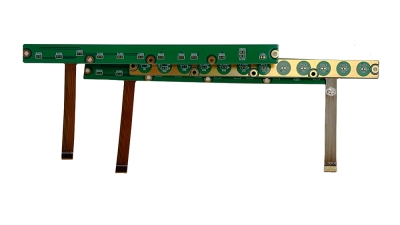
The aerospace and medical industries are undergoing significant transformations, driven by advancements in technology and manufacturing processes. One such game-changing innovation is the rise of high-quality rigid flex PCB manufacturing. These flexible circuit boards are not just a trend; they are integral to the creation of devices that demand both durability and adaptability under extreme conditions. According to a recent market research report, the global rigid flex PCB market is expected to grow at a CAGR of over 10% through 2027, indicating the increasing reliance on these versatile components in demanding sectors.
Our rigid flex PCBs stand out due to their unique combination of strength and flexibility, making them ideal for applications in aerospace, medical, automotive, and IoT devices. This innovative design allows for compact, lightweight solutions that can withstand rigor in performance without compromising reliability. With advanced quality control measures in place, these boards meet stringent industry standards while offering fast turnaround times. Notably, they are RoHS compliant, ensuring that environmental concerns align with technological advancements.
As the need for high-performance electronic assemblies continues to rise, the role of rigid flex PCBs becomes increasingly essential. Their ability to deliver reliable, space-saving designs opens up new possibilities in the aerospace and medical fields, where precision is critical. With a focus on delivering the best in innovation and quality, our rigid flex PCBs are poised to redefine industry standards and push the boundaries of what is possible in complex applications.
FAQS
: Over 70% of PCB manufacturers are prioritizing eco-friendly practices.
Manufacturers are implementing lead-free soldering, waste minimization, and using recyclable materials in their production processes.
Transparency is essential because consumers demand more information about the environmental impact of the products they purchase, which helps build trust and brand loyalty.
Manufacturers should adopt data-driven decision-making and reassess their strategies to mitigate lead time variability and enhance inventory management.
The geopolitical dynamics, particularly between the US and China, are impacting supply routes, prompting Taiwanese manufacturers to pivot towards Southeast Asia for local manufacturing capabilities.
Consumer demand is increasingly driving the need for tailored solutions that meet specific needs across various industries.
The connector market is seeing a surge in demand for diverse types due to growth in industries like automotive and telecommunications, pushing manufacturers to create customizable connectors.
Regular sustainability reporting helps manufacturers share their progress with stakeholders, fostering transparency and building brand loyalty.
Companies can invest in greener technologies such as water-based solvents and energy-efficient machinery to reduce environmental impact.
Customization allows manufacturers to quickly adapt to market dynamics and consumer preferences, ensuring that bespoke solutions are available to meet technological demands.