Leave Your Message
0%

You know, as Advanced Driver Assistance Systems (or ADAS for short) get more and more complex, there's a real need for tough, reliable components to make driving safer and more efficient. One key part of this whole puzzle is the Printed Circuit Boards—those PCBs—that are specifically designed to handle the heavy lifting in ADAS tech. I recently came across a report from MarketsandMarkets that said the global ADAS market is expected to hit around $84.3 billion by 2026, which is pretty huge. And with that growth, the demand for smart, innovative PCB solutions is skyrocketing—especially to support advanced sensors and the latest communication tech. Companies like Shenzhen Rich Full Joy Electronics are really leading the charge here. They’re a high-tech enterprise that’s all about pushing the boundaries with cutting-edge PCBs for these systems. As car makers keep moving towards more reliable and high-performance PCBs, it’s companies like Shenzhen Rich Full Joy that are playing a crucial role in ensuring our drives are safer and smoother—especially with smart cars becoming the norm.
Understanding the Role of PCB in Enhancing the Safety and Efficiency of ADAS Systems

The Importance of PCBs in Advanced Driver Assistance Systems

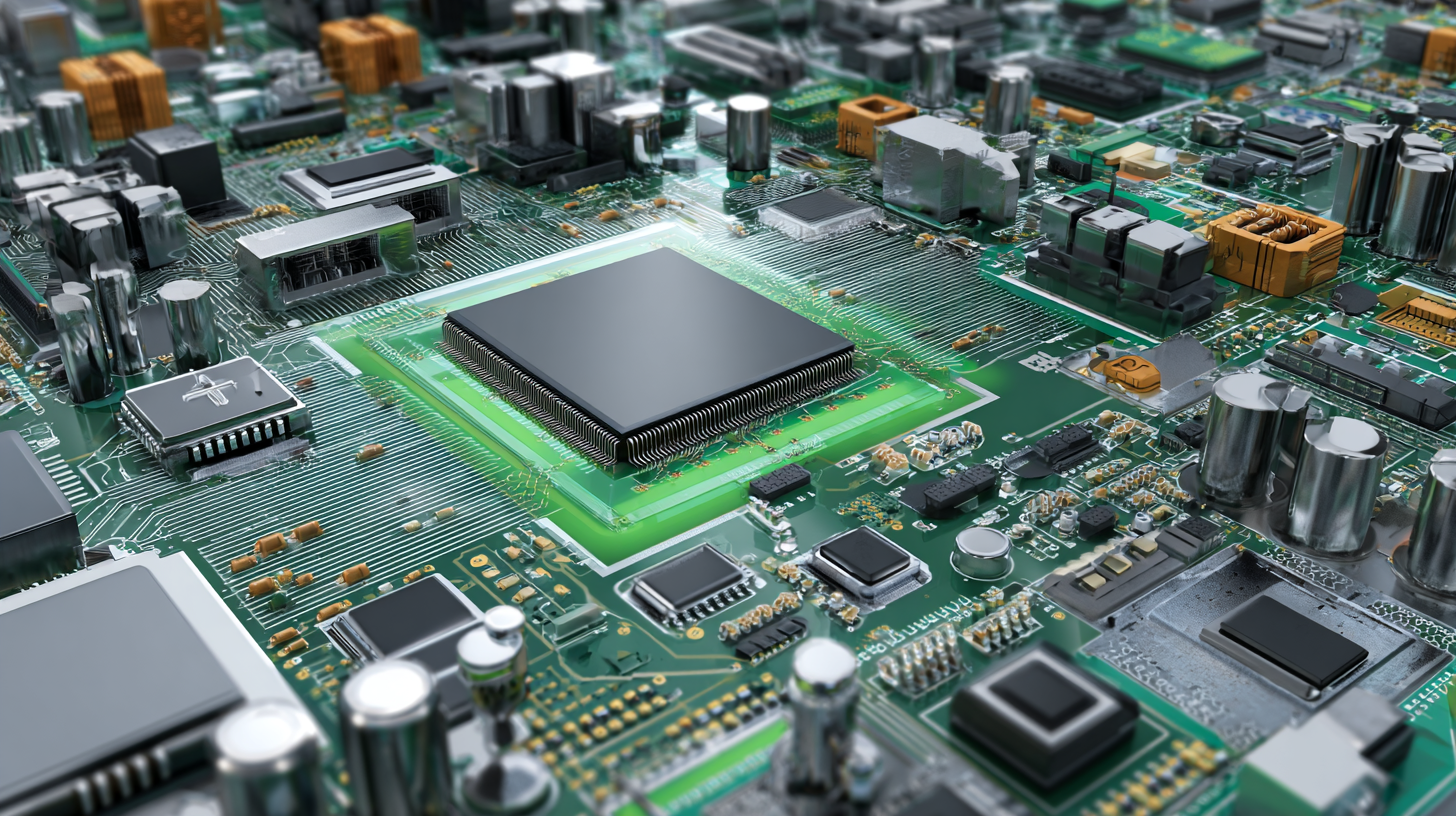
So, you know how Advanced Driver Assistance Systems (ADAS) are really shaking up the automotive world? They've put safety and efficiency front and center. At the core of these systems is this tiny but mighty component—the Printed Circuit Board (PCB). Think of it as the backbone that connects all those sensors and control units, making everything work smoothly. According to a report from Markets and Markets, the global ADAS market is set to explode from around $27.8 billion in 2020 to a huge $84.4 billion by 2026. And honestly, a lot of this growth is thanks to advances in PCB tech. These boards aren’t just supporting the complex circuitry; they’re also keeping communication flow between different parts of the car seamless, so the vehicle can react quickly to whatever data it’s getting in real-time.

Here in China, Shenzhen Rich Full Joy Electronics Co., Ltd. is one of those companies making waves in this space. They're a high-tech company that’s really focused on creating top-notch PCBs specifically for ADAS. Their R&D team is always pushing the envelope, coming up with smart electronic solutions that meet the strict standards for safety and performance on the road. Research from another source, Research and Markets, points out that as safety features get more sophisticated, automakers are looking for even better PCB designs—ones that support more advanced sensors and smarter data processing. Basically, PCBs are not just support components anymore; they’re crucial for making modern cars safer and smarter. And for us at Rich Full Joy, innovation isn’t just a goal—it’s in our DNA, helping drive forward the electronics industry here in China.

Key Functions of PCBs in ADAS Technology Integration

You know, when it comes to modern cars and their fancy driver-assistance features, Printed Circuit Boards—those small but mighty components—really play a huge role in making everything safer and more efficient. As the auto industry keeps evolving, the need for reliable, top-notch PCBs is only getting bigger. I read somewhere that the global market for automotive PCBs is expected to jump from around $9.15 billion in 2023 all the way up to about $15.1 billion by 2032, which is pretty impressive growth over the years—roughly 5.9% annually. That really highlights just how crucial PCBs are in enabling all the complex functions modern vehicles rely on, like better sensor systems and data processors that are key parts of ADAS technology.

Basically, PCBs handle all sorts of vital tasks in ADAS—think managing data, processing signals, and distributing power. These functions are super important because they help keep safety features like adaptive cruise control, lane departure warnings, and emergency braking running smoothly and reliably. It's also pretty cool that recent advances in automotive image sensors depend heavily on improved PCB designs, helping cars 'see' more accurately and interpret their surroundings better. As automakers keep pushing for smarter, more sophisticated driver-assist features, PCBs are only going to become even more essential—making sure vehicles operate safely, no matter where you're driving.

All in all, it’s clear that this tiny part packs a punch in the future of driving tech.

Safety Enhancements: How PCBs Improve ADAS Reliability

You know, Printed Circuit Boards (or PCBs) are pretty much the backbone of how Advanced Driver Assistance Systems (ADAS) stay safe and reliable on the road. These systems rely on tons of sensors, cameras, and communication gadgets to give drivers real-time info and support. So, having good-quality PCBs is actually a big deal—they make sure everything runs smoothly by managing heat well, staying stable physically, and holding up against tough environmental conditions. That’s why ADAS tend to last longer and work more reliably, which means safer driving for everyone.

On top of that, modern PCBs are built with fancy materials and cutting-edge tech that’s tailored for cars. Features like multi-layer designs and better connectivity help prevent signal hiccups and make sure data gets transmitted without a hitch. All of this reduces the chances of system failures and keeps things running efficiently. Essentially, PCBs are super important for making safety features like lane-keeping assist and adaptive cruise control work seamlessly. Plus, they help build trust in autonomous driving tech, which could lead to fewer accidents on the road overall.

Understanding the Role of PCB in Enhancing the Safety and Efficiency of ADAS Systems

Feature Impact on Safety Impact on Efficiency Reliability Rating
High Thermal Conductivity Reduces overheating risk, enhancing component longevity. Improves system response times by maintaining optimal temperatures. 4.8/5
Robust Design Ensures durability in harsh environments, minimizing failure rates. Supports consistent performance under varying conditions. 4.7/5
Integrated Diagnostics Facilitates real-time monitoring, quickly identifying potential issues. Enhances overall system uptime by enabling early intervention. 4.9/5
Multi-layer Configurations Improves circuit density while minimizing lead lengths, lowering failure rates. Maximizes available space for additional functionalities. 4.5/5
Quality Materials Enhances corrosion resistance, thus improving operational safety. Improves signal integrity, enhancing overall system efficiency. 4.6/5

Efficiency Boost: PCBs and Their Role in ADAS Performance

You know, incorporating Printed Circuit Boards (PCBs) into Advanced Driver Assistance Systems (ADAS) really makes a big difference when it comes to safety and overall performance. They're basically the backbone of all the electronic parts, connecting sensors, cameras, and control units so they can talk to each other smoothly and quickly. And that quick, seamless communication? It’s essential for features like automatic emergency braking, lane-keeping, and adaptive cruise control—things that help the car react promptly to whatever’s happening around it.

Understanding the Role of PCB in Enhancing the Safety and Efficiency of ADAS Systems

On top of that, modern PCB designs, with lighter materials and smarter layouts, cut down on power use and boost reliability. These high-density connections mean we can pack more features into a smaller space, which is super important given how compact car interiors are these days. As the auto industry shifts toward more autonomous vehicles, upgrading PCB tech isn’t just about making systems run better—it's paving the way for new innovations that could seriously raise safety standards across the board.

Future Trends: The Evolution of PCBs in Autonomous Vehicle Systems

You know, the progress we're seeing in Printed Circuit Boards (or PCBs) really plays a huge part in how autonomous vehicle (AV) tech is evolving. Especially as these boards support cutting-edge stuff like Advanced Driver Assistance Systems (ADAS). It's pretty wild—by 2034, the global market for automotive PCBs is expected to hit around $18 billion! That’s a clear sign that demand for smarter, more sophisticated electronic components is skyrocketing, mirroring the auto industry's push toward full automation. This boom is driven by our increasing need for better connectivity and the integration of advanced tech, like solid-state LiDAR systems, which are super important for real-time data processing and keeping all those AVs operating safely.

As automakers move to more centralized Electronic/Electrical (or E/E) setups, advanced semiconductor packaging is becoming a real game-changer. We’re shifting from simple 1D PCB designs to more complex 3D hybrid bonding tech—kind of like building tiny interconnected systems that can handle crazy amounts of data without breaking a sweat. That’s crucial to make sure ADAS features run smoothly and vehicles stay safe and efficient. Plus, AI is starting to play a big role in PCB design itself, helping speed up development and crafting products that are way more reliable and tailored to the needs of autonomous driving. All these changes aren’t just about better tech—they’re paving the way for a safer, more connected future on the roads, making cars smarter and transportation more seamless.

Honestly, it’s an exciting time—stuff's evolving fast, and it’s pretty fascinating to see how all these innovations come together to shape the future of mobility.

Understanding the Role of PCB in Enhancing the Safety and Efficiency of ADAS Systems

Exploring the Advantages and Applications of Any Layer High Density Interconnected PCBs in Modern Electronics

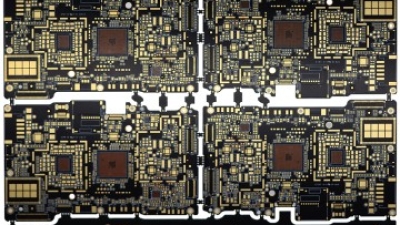
The growing complexity and miniaturization of electronic devices have led to a significant demand for high-performance printed circuit boards (PCBs). Any Layer High Density Interconnected PCBs (HDI PCBs) have emerged as a leading solution in modern electronics, offering several advantages over traditional PCB designs. These advanced PCBs utilize microvias, blind and buried vias, and a denser routing capability, enabling manufacturers to produce smaller, lighter, and more efficient devices.

One of the most compelling aspects of Any Layer HDI PCBs is their ability to enhance signal integrity and reduce electromagnetic interference. According to a report by the IPC (Institute for Printed Circuits), the integration of HDI technology can improve performance metrics by up to 40%, particularly in high-speed applications such as telecommunications and computing. This increase in performance translates to faster data transfer rates and improved overall functionality for devices, making them ideal for applications ranging from mobile phones to sophisticated medical equipment.

Additionally, the versatility of Any Layer HDI PCBs allows for creative designs that can accommodate varying layer counts and component placements. Industries such as automotive electronics and consumer gadgets are increasingly leveraging this technology to meet the stringent demands for reliability and efficiency. As the market for HDI PCBs continues to grow, with projections suggesting a compound annual growth rate (CAGR) of over 8% through 2025, it's clear that any layer HDI PCBs are essential in driving innovation and competitiveness in the electronics sector.

FAQS

: What role do PCBs play in

dvanced Driver Assistance Systems (ADAS)?

How do high-quality PCBs improve the performance of ADAS?

High-quality PCBs offer superior thermal management, mechanical stability, and resistance to environmental stressors, which lead to improved operational reliability and longevity of ADAS.

What features of PCBs reduce signal interference in automotive applications?

Multi-layer designs and improved connectivity in PCBs reduce the risk of signal interference and enhance data transmission integrity, critical for the effective functioning of ADAS.

In what ways do PCBs contribute to vehicle safety?

By enhancing the performance of safety systems such as lane-keeping assistance and adaptive cruise control, PCBs contribute to safer driving experiences and foster public confidence in autonomous driving technologies.

How do advanced PCB designs affect power consumption in vehicles?

Advanced PCB designs utilize lighter materials and optimized layouts, which help reduce power consumption while increasing reliability and efficiency in automotive environments.

What is the future trend of PCBs in autonomous vehicle systems?

The evolution of PCBs is moving towards supporting automated systems with advanced technologies, including solid-state LiDAR and AI-driven designs, facilitating enhanced connectivity and operational safety.

What is the expected market growth for automotive PCBs by 2034?

The global automotive PCB market is expected to reach approximately USD 18.14 billion by 2034, indicating a growing need for sophisticated electronic components in the automotive industry.

How does the transition to 3D hybrid bonding technologies impact PCB design?

The shift from traditional 1D PCB designs to 3D hybrid bonding technologies allows for the creation of intricate systems capable of handling large amounts of data, essential for efficient ADAS operations.

What innovations are expected from the integration of AI in PCB design?

The integration of AI in PCB design is anticipated to streamline development cycles and produce more efficient and reliable electronic components tailored to the evolving needs of autonomous vehicle systems.

Conclusion

The article titled "Understanding the Role of PCBs in Making ADAS Systems Safer and More Efficient" really dives into how crucial PCBs are for these driver assistance systems. Basically, PCBs act as the backbone — they’re what holds everything together when it comes to integrating new tech. You know, without them, these advanced systems wouldn’t be nearly as reliable, and the chances of something going wrong would be much higher. On top of that, the article points out how PCBs help improve the overall performance of ADAS, making sure these systems can react quickly and accurately when it counts.

Looking ahead, it’s pretty exciting to think about how PCBs will evolve in autonomous vehicles. We’re probably gonna see some serious leaps in safety and tech capabilities. Companies like Shenzhen Rich Full Joy Electronics Co., Ltd., are stepping up as high-tech innovators, really pushing the boundaries to develop better PCBs for ADAS. This all means better, safer driving experiences and smarter autonomous cars on the road, for sure.
Liam

Liam

Liam is a dedicated marketing professional at Shenzhen Ruizhixinfeng Electronics Co., Ltd., where he leverages his extensive expertise in the electronics industry to drive the company's communication strategy. With a deep understanding of the latest technological advancements and market trends,......
Previous Future Trends in High Frequency Pcb Technology for Global Buyers