Leave Your Message
0%

You know, in today’s fast-moving world of electronics, it's pretty clear that Rigid Polyimide PCBs are more important than ever. As industries push for better performance and more reliable circuits, these PCBs are really standing out. I recently came across a market report from Research and Markets, and it says the global PCB market could hit around $80 billion by 2026. And a huge part of that growth is thanks to rigid polyimide PCBs, thanks to their impressive thermal stability, resistance to chemicals, and strength. Our team at Shenzhen Rich Full Joy Electronics is right there, leading the charge in these innovations. We’re not just following industry trends — we’re actually setting standards for quality and creativity when it comes to PCB technology. This guide aims to give you a straightforward rundown of what makes rigid polyimide PCBs so useful, and how they’re helping build smarter, more efficient devices.
Essential Guide to Understanding Rigid Polyimide Pcb Applications and Benefits

Understanding Rigid Polyimide PCBs: Key Features and Advantages

You know, rigid polyimide PCBs are pretty impressive when it comes to thermal stability and electrical performance. That’s why they’re such a popular pick in high-tech fields. One of the coolest things about them is how they can handle insane temperatures — like over 200°C — without falling apart. That’s a huge plus, especially in industries like aerospace and automotive, where things often get pretty rough environmental-wise. Plus, the polyimide material is really resistant to chemicals, so it keeps the circuitry safe from corrosive stuff that might be around in those tough environments.

Another thing I’ve always liked about these rigid polyimide PCBs is their top-notch dielectric properties. They have a low dielectric constant and loss, making them perfect for high-frequency stuff like RF communication, where keeping signals clear is super important. They also stay pretty stable in shape, so there’s less worry about warping or distortion during manufacturing or use. Because of that, engineers often lean toward using them when precision and reliability really matter — they help ensure everything runs smoothly in critical systems. Plus, their lightweight design is a bonus, helping make devices more efficient overall. No wonder they’re considered such a smart choice for modern electronic gadgets.

Essential Guide to Understanding Rigid Polyimide Pcb Applications and Benefits

Application Key Features Advantages
Aerospace Electronics High thermal stability, lightweight Enhances performance in extreme environments
Telecommunications Low dielectric constant, excellent signal integrity Improves transmission speeds and reduces loss
Medical Devices Biocompatibility, chemical resistance Ensures patient safety and device reliability
Automotive Industry High thermal and mechanical strength Increases lifespan of electronic components
Consumer Electronics Flexible design options, lightweight Facilitates compact and portable device design

Diverse Applications of Rigid Polyimide PCBs in Modern Electronics

You know, the arrival of rigid polyimide PCBs has really shaken things up across various areas of modern electronics. They’re especially crucial when you need top-notch performance and reliability. I came across a report from ResearchAndMarkets that predicts the global market for rigid PCBs could hit around USD 60 billion by 2026—that’s pretty huge! Most of that growth is tied to new tech like 5G, IoT gadgets, and automotive tech. What’s pretty cool about these rigid polyimide PCBs is their incredible ability to handle high temperatures and tough chemicals. That’s why they’re so popular in demanding environments like aerospace and medical devices where you can’t really afford them to fail.

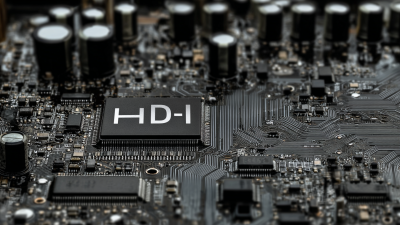
One of their coolest features? They can stand the heat and even some harsh chemicals, making them perfect for high-density interconnect (HDI) projects. A recent study by IPC shows that the demand for HDI PCBs in consumer electronics is expected to grow around 25% every year. That’s a pretty significant jump! Industries that work with tiny electronic parts really benefit from using rigid polyimide materials—it allows for smaller, more compact designs without sacrificing performance. Plus, they’re used in high-frequency microwave circuits, sensors, and other vital electronic components, which just highlights how versatile and essential they’ve become in today’s tech world.

Comparative Analysis: Rigid Polyimide PCBs vs. Traditional PCB Materials

Lately, rigid polyimide PCBs are really catching on, especially in high-tech fields like aerospace and telecom. I came across this report from IDTechEx, mentioning that the market for flexible and rigid-flex PCBs is projected to hit around $15 billion by 2027. A big chunk of that growth is expected to come from rigid polyimide materials, mainly because they handle heat and electrical performance way better than the old-school options. Unlike the typical FR-4 boards, which usually max out at about 130°C, these polyimide PCBs can tolerate temperatures up to 260°C. That makes them a perfect fit for environments where high temperatures are a given.

Now, if you compare rigid polyimide PCBs with the traditional kinds, the differences are pretty clear. Regular PCBs tend to struggle when things get tough—like humidity changes or repeated heating and cooling cycles. Over time, that leads to reliability issues. According to a study from IPC, the failure rate for classic FR-4 boards can go as high as 10% in really demanding situations, whereas rigid polyimide boards hold up a lot better — failure rates as low as 2%. With their light weight and flexibility, plus that reliability, it’s easy to see why rigid polyimide PCBs are becoming the go-to choice for modern electronics that need to last and perform well."

Essential Guide to Understanding Rigid Polyimide Pcb Applications and Benefits

Challenges in Manufacturing Rigid Polyimide PCBs and Solutions

Making rigid polyimide PCBs is no walk in the park — there are quite a few hurdles to overcome, especially when it comes to managing heat effectively and keeping up with the push for smaller, more compact devices. As gadgets keep getting tinier, we really need materials that can handle tough environments without sacrificing performance. Recently, there have been some exciting breakthroughs, like innovative laminate solutions that boost thermal stability. These advancements open up some pretty cool possibilities for rigid polyimide PCBs to shine in tough settings like aerospace and defense.

On top of that, one of the trickiest parts of making these PCBs is blending flexibility with rigidity — it’s a balancing act that’s super important for today’s electronics. While classic rigid designs hit some limits, new developments in substrate materials are aiming to solve this by creating ultra-thin options that make polyimide PCBs way more versatile. There's also a growing interest in biodegradable substrates, which could make manufacturing more eco-friendly without compromising on quality or durability. All these fresh ideas are not just solving existing challenges; they’re also helping position rigid polyimide PCBs as a pretty valuable player in the constantly changing world of electronics.

Future Trends: Innovations and Developments in Rigid Polyimide PCB Technology

You know, the rigid polyimide PCB tech is really going through some exciting changes lately, especially as the industry leans more towards making things lighter and more densely packed. It’s pretty interesting — we're seeing a shift away from just traditional computing gadgets towards things like communication devices, especially smartphones and tablets. These rigid polyimide PCBs, which are known for their incredible heat resistance and tough build, are becoming a go-to option for these kinds of applications. In fact, reports suggest that the demand for them is about to pick up even more, especially in the flexible circuit segment, which is expected to grow faster than the industry average because of its ability to handle high interconnection density and its compact size.

Essential Guide to Understanding Rigid Polyimide Pcb Applications and Benefits

On top of that, manufacturing tweaks are allowing for some pretty impressive advancements. Companies are now integrating techniques that make it possible to create finer traces and thinner boards, which means better performance and lighter devices. All in all, the industry is predicting roughly a 10% annual growth rate for rigid polyimide PCBs over the next five years — pretty significant, right? This points to a big push towards smarter, more innovative designs that can keep pace in the rapidly changing tech world. It’s clear that adopting new materials and tech is crucial if we want to stay ahead in this game.

Maximizing Performance: Best Practices for Rigid Polyimide PCB Design

Rigid polyimide PCBs have really started to change the game when it comes to high-performance electronics in a bunch of different industries. Thanks to their awesome thermal stability and strength, these materials can handle some pretty extreme conditions. That’s why you see them in things like aerospace, defense, and even the latest automotive tech.

Recent breakthroughs show that rigid polyimide PCBs can work effectively at temperatures up to 260°C—way higher than most traditional PCB materials. This kind of heat resistance doesn’t just make them more reliable; it also helps components perform at their best and cuts down the chances of failure, especially in critical systems.

When it comes to designing these boards, the key is choosing the right materials based on what you'll be using them for. Incorporating photosensitive polyimides, which cure nicely under light, can really boost adhesion and overall mechanical strength in your circuit layouts. Industry folks have found that using polyimide substrates can actually bump up overall board performance by around 30% compared to the usual epoxy-based boards.

Oh, and don’t forget things like keeping the layer count low and optimizing your routing—these steps help ensure signal quality stays solid and electromagnetic interference stays at bay. That’s especially important now, with high-frequency applications in fields like AI and cutting-edge electronics coming into focus.

The Essential Guide to Industrial Robot Control Boards: High-Precision PCB Manufacturing and Assembly

In the rapidly evolving landscape of modern manufacturing, the integration of industrial robots is transforming production processes. At the core of these advanced machines lies a high-performance control board PCBA, which plays a crucial role in ensuring precision and efficiency. Richfulljoy, a leader in industrial robot PCB manufacturing, specializes in delivering state-of-the-art solutions that address the unique demands of this industry. With over two decades of expertise, we have partnered with more than 50 prominent robot enterprises, enabling them to enhance their production efficiency by an impressive average of 30%.

Our dedication to high-precision PCB manufacturing and assembly sets us apart in the market. We offer a range of capabilities, from 1 to 68 layer PCBs, to advanced SMT assembly processes backed by stringent quality control protocols. What truly distinguishes our offerings is our innovative NanoBond technology. This groundbreaking method enhances the stability of robot control boards by 40% compared to traditional techniques, significantly reducing failure rates and ensuring reliable performance in critical applications. At Richfulljoy, we recognize the importance of industrial automation for your success, and we are committed to collaborating with you to elevate your manufacturing capabilities.

FAQS

: What are the primary advantages of rigid polyimide PCBs over traditional PCB materials?

: Rigid polyimide PCBs offer superior thermal stability, withstanding temperatures up to 260°C, compared to traditional FR-4 materials that operate effectively only up to 130°C. They also have a lower failure rate (2% vs. up to 10% for FR-4) in high-stress applications, enhancing reliability.

How is the market for rigid polyimide PCBs expected to grow in the coming years?

The market for flexible and rigid-flex PCBs, particularly rigid polyimide materials, is projected to reach $15 billion by 2027, driven by their superior performance in advanced applications like aerospace and telecommunications.

What challenges are faced in manufacturing rigid polyimide PCBs?

Major challenges include achieving high thermal management and addressing the demand for miniaturization, as well as integrating flexibility and rigidity in design.

How are advancements in manufacturing processes benefiting rigid polyimide PCB technology?

Innovations in manufacturing techniques are leading to the development of thinner boards with finer traces, enhancing performance while reducing weight, which aligns with the needs of modern compact electronic devices.

What role do biodegradable substrates play in the production of rigid polyimide PCBs?

The use of biodegradable substrates in manufacturing rigid polyimide PCBs addresses environmental concerns and supports sustainable manufacturing practices while meeting the demands of high-performance applications.

In which applications are rigid polyimide PCBs becoming increasingly preferred?

Rigid polyimide PCBs are gaining traction in advanced applications in aerospace, telecommunications, and compact electronic devices such as smartphones and tablets due to their thermal stability and mechanical robustness.

What trends are influencing the future development of rigid polyimide PCB technology?

The industry's shift towards higher density and lighter designs, along with increased interconnection density in smart mobile terminals, is driving innovation and development in rigid polyimide PCBs.

How do rigid polyimide PCBs perform in environments with humidity and thermal cycling?

Rigid polyimide PCBs maintain their integrity and reliability, showing significantly lower failure rates compared to traditional PCBs in challenging environmental conditions.

What is the expected CAGR for the rigid polyimide PCB market over the next five years?

The rigid polyimide PCB market is expected to witness a compound annual growth rate (CAGR) of approximately 10% over the next five years.

What necessitates the evolution of rigid polyimide PCBs in the electronics industry?

The rapid evolution of electronics, which demands innovative materials and technologies to meet performance requirements in increasingly compact designs, necessitates the evolution of rigid polyimide PCBs.

Conclusion

Hey, have you checked out the blog titled "The Essential Guide to Understanding Rigid Polyimide PCB Applications and Benefits"? It's really quite thorough when it comes to explaining what Rigid Polyimide PCBs are all about, highlighting their main features and why they’re such a big deal. These advanced circuit boards stand out because they handle heat really well and resist chemicals, making them perfect for high-performance electronics that need to keep running smoothly under tough conditions. The article also walks through the different ways these PCBs are used across various industries, showing how they beat traditional materials in terms of reliability and durability—pretty impressive stuff, honestly.

They don’t just stop there, though. The blog also talks about some of the hurdles in manufacturing these boards and throws in practical tips to make the production process smoother and more efficient. Plus, it dives into what’s coming next—future trends and new innovations that could really shake things up in PCB design. For companies like Shenzhen Rich Full Joy Electronics Co., Ltd., which prides itself on being innovative and high-tech, staying on top of these advancements is super important if they want to keep delivering top-notch performance and stay ahead in the game.
Liam

Liam

Liam is a dedicated marketing professional at Shenzhen Ruizhixinfeng Electronics Co., Ltd., where he leverages his extensive expertise in the electronics industry to drive the company's communication strategy. With a deep understanding of the latest technological advancements and market trends,......
Previous Future Trends in High Frequency Pcb Technology for Global Buyers