In today’s super competitive world, picking a trustworthy PCBA factory is a big deal if you want your project to really succeed. I mean, just recently, an industry report mentioned that the global PCB market's expected to hit around $80 billion by 2026 — pretty massive, right? This just goes to show how much more demand there is now for top-notch, efficient printed circuit board assembly services. Systems integrators and companies need to team up with a partner who not only hits all the technical specs but also delivers on time and keeps quality in check.
A solid Pcba Factory China can really check those boxes. These factories usually have the newest tech and rockstar workers who know how to produce assemblies that meet even the strictest standards. Plus, data shows that working with reliable PCB suppliers can cut your production costs by up to 25%. That’s a pretty sweet saving that can really boost your profit margins. But, here’s the catch — not all factories are created equal. Going with a less reputable one might cause delays, cost overruns, or even product failures, which nobody wants.
So, it’s super important to look into a factory’s experience and certifications before jumping in. Engaging with a manufacturer that doesn’t have a proven track record? That’s basically a gamble with your resources. Trust me, taking the time to evaluate your options upfront totally pays off in the long run. Picking the right PCBA partner who aligns with your goals is crucial if you’re after long-term success. At the end of the day, finding that perfect fit might take some effort, but it’s totally worth it to elevate your project to new heights. Don’t rush — do your homework, and you’ll thank yourself later!
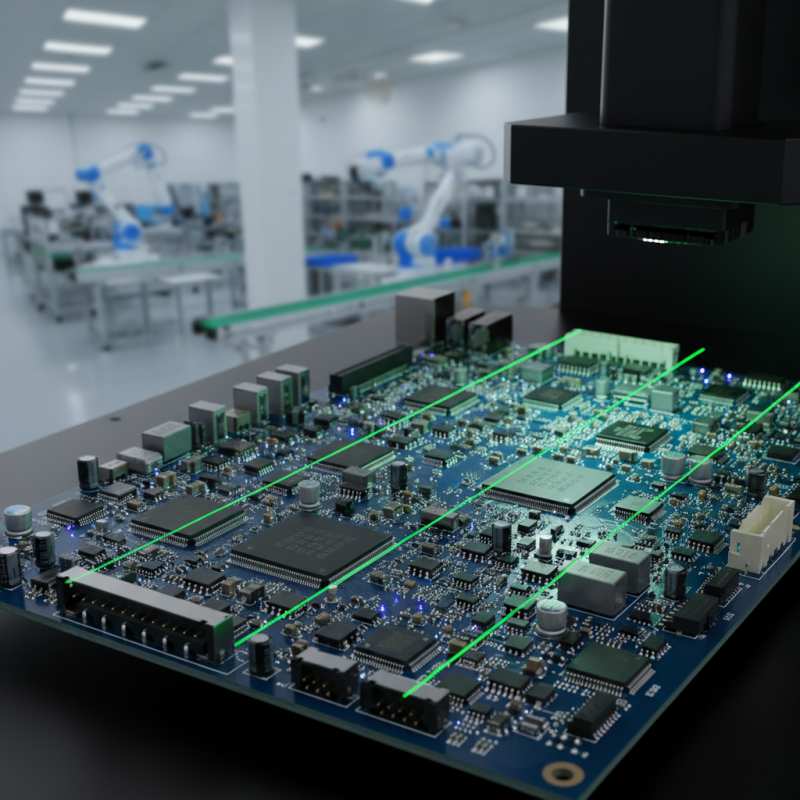
Reliability is crucial in PCBA manufacturing. The performance of your electronics relies heavily on the quality of printed circuit board assemblies. Research indicates that nearly 30% of electronic failures can be traced back to faulty PCBAs. This underscores the need for a trustworthy Pcba Factory.
Choosing a reputable PCBA factory reduces risks associated with production defects. A study from IPC shows that companies investing in quality control see a 20% decrease in rework costs. Engaging with experienced manufacturers can enhance your product's longevity. They often utilize advanced testing methodologies to ensure optimal performance.
However, not all factories guarantee reliability. Some may cut corners to save costs. It's essential to scrutinize their certifications and manufacturing processes. Look for metrics that reflect their reliability, such as on-time delivery rates and defect density. A partner with proven reliability can contribute to your project's success, making your choice of PCBA factory a pivotal decision.
When choosing a PCBA factory, several key features deserve attention. A reliable Ems Pcba Factory should prioritize quality control at every production stage. Look for certifications like ISO 9001, which indicate adherence to international standards. A strong quality management system is essential for consistent performance. Additionally, assess their testing methods. A factory that employs advanced testing techniques ensures that defects are identified early.
Another critical aspect is production capacity. The factory must meet your project’s volume requirements without compromising quality. Inquire about their lead times and flexibility to adapt to changes in order size. Communication is also vital. A responsive factory can keep you updated on progress and swiftly address any issues.
Consider their experience in handling diverse projects. A factory with a varied portfolio demonstrates versatility and competence. Reflect on past partnerships and client feedback. Each project interacted with different challenges. Analyze how the factory overcame obstacles or improved processes based on feedback.
Tips: Always ask for samples before finalizing your choice. This can give you a clear idea of their capabilities. Verify the factory's ability to scale production as your needs change. Focus on how well they understand your specific requirements.
When choosing a PCBA factory, evaluating their experience is crucial. A factory with years in the industry often shows strong resilience and adaptability. Experienced partners have faced numerous challenges, which helps them refine their processes. They have also likely worked on diverse projects, providing valuable insights into best practices. This breadth of experience can significantly impact your project's success.
Expertise is equally important. A reliable PCBA factory should employ trained professionals who understand the intricacies of circuit board assembly. Such expertise ensures that your project meets the required specifications. However, not every factory might excel in all areas. It's essential to assess their specializations. Some may focus on high-volume production, while others might excel in prototypes or quick-turn services. Understanding these nuances can help you align your needs with their strengths.
Keep in mind, there can be lapses even in reputable factories. Delays in production or unexpected quality issues can arise. This is why establishing clear communication channels is key. Engaging in regular check-ins and updates helps mitigate risks. A transparent relationship fosters trust and can reveal areas for improvement. Searching for a partner is not just about credentials; it's a journey of finding the right fit for your unique project needs.
This bar chart illustrates the evaluation of key factors when selecting a reliable PCBA factory for your next project. The factors assessed include Quality Assurance, Cost Efficiency, Delivery Time, Technical Expertise, and Customer Support, with their respective importance rated on a scale of 1 to 10.
When selecting a PCBA factory for your project, understanding quality assurance standards is crucial. These standards act as a framework to ensure the reliability and performance of your product. A reputable
Smt Pcba Factory
will adhere to rigorous testing protocols, including Automated Optical Inspection (AOI) and Functional Testing. These methods verify every component, ensuring they meet the required performance specifications.
Tips: Look for facilities that present certifications like ISO 9001 or IPC standards. These indicate a commitment to quality. Visit the factory if possible. Seeing their processes firsthand can result in greater trust.
Quality assurance is not just about standards; it also involves effective communication. Clear lines of dialogue between you and the factory can lead to better outcomes. Any misunderstandings can result in delays or, worse, a faulty product. Reflection on your past experiences can guide future decisions. How did previous projects handle quality concerns? Gathering feedback can be an asset.
Investing time in understanding these standards pays off. The reliability of your end product is directly linked to the factory’s quality assurance approach. Choose wisely, and your project will benefit in the long run.
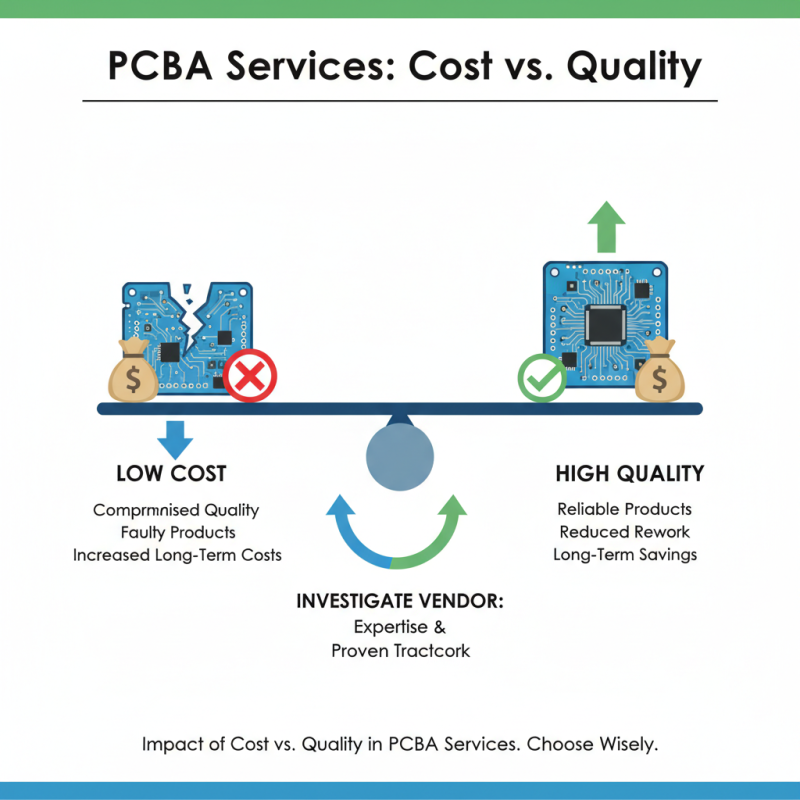
When selecting a PCB assembly (PCBA) supplier, the cost versus quality debate is crucial. A low-cost option may seem attractive, but it often leads to compromising quality. This can result in faulty products and increased costs in the long run. It is essential to thoroughly assess the vendor's expertise and reputation. Look for factories with a proven track record in PCBA services.
Quality components enhance the overall reliability of electronic products. A reliable factory employs advanced technology and skilled technicians. Their experience ensures that potential issues are minimized. However, some factories may offer low prices due to inferior materials or outdated processes. This can lead to high rates of failure, affecting performance and safety.
On the flip side, investing in quality may mean paying a premium upfront. This investment typically pays off through fewer product returns and enhanced customer satisfaction. Companies must weigh the short-term savings against long-term risks. Adopting a strategic approach in choosing a PCBA factory can significantly impact project outcomes. In a competitive market, navigating this cost versus quality relationship effectively is key.
When considering PCBA manufacturers, the local versus overseas debate is crucial. Local manufacturers often offer faster turnaround times. For urgent projects, this speed can be vital. Recent reports indicate that 73% of companies prefer local sourcing for timely responses. Proximity also facilitates easier communication and oversight.
Overseas manufacturers can provide cost advantages. They often benefit from lower labor costs and material expenses. According to industry data, using overseas suppliers can reduce manufacturing costs by up to 30%. However, this savings comes with challenges. Longer shipping times and potential quality control issues can arise. Moreover, language barriers may complicate the development process.
Reliability remains a key factor. Local firms tend to have more transparent operations. Their commitment to quality can reduce the risk of defects. Reports indicate that 60% of companies faced quality issues with overseas suppliers. Sourcing locally minimizes such risks. Each project requires a careful analysis of these trade-offs. Understanding the specific needs can lead to better choices.
| Aspect | Local PCBA Manufacturers | Overseas PCBA Manufacturers |
|---|---|---|
| Lead Time | Shorter lead times due to proximity. | Longer lead times due to shipping and customs. |
| Communication | Easier communication; same time zone. | Potential language barriers; different time zones. |
| Quality Control | Easier to oversee quality in person. | Quality may vary; harder to monitor remotely. |
| Cost | Generally higher due to labor costs. | Lower costs due to cheaper labor. |
| Flexibility | More flexibility with changes and iterations. | Less flexible; changes can incur extra costs. |
| Regulatory Compliance | Easier navigation of local regulations. | May face complex regulatory hurdles. |
| Environmental Impact | Lower carbon footprint from shorter shipping distances. | Higher carbon footprint due to extensive shipping. |
Building a strong relationship with your PCBA supplier is vital for project success. Trust and communication are at the core of this partnership. Open dialogue can lead to better understanding of project requirements. When discussing specifications, clarity prevents miscommunication.
Tips: Always document conversations. Send follow-up emails to confirm details. This habit fosters accountability. If issues arise, address them quickly. Delays can escalate if left unresolved. Small adjustments often lead to significant improvements.
Engaging with your supplier regularly nurtures the relationship. Frequent check-ins can uncover insights about production processes. Knowledge about your supplier’s capabilities is crucial too. Understanding their limitations can help manage expectations.
Tips: Schedule regular reviews of project status. This reinforces commitment on both sides. Be open to feedback. Adapting to suggestions may also enhance the production outcome. Choosing a reliable PCBA factory, such as a knowledgeable Gps Pcba Factory, can streamline your project flow.
manufacturing?
Choose a reputable factory. Quality control can reduce rework costs by 20%.
Check their certifications and manufacturing processes. Look for metrics like on-time delivery and defect rates.
Local manufacturers offer faster turnaround times and better communication. This can be crucial for urgent projects.
Overseas manufacturers often provide cost savings, potentially reducing expenses by up to 30%.
Longer shipping times and quality control issues are common. Language barriers may also complicate projects.
Local firms tend to have more transparent operations. This can help to minimize quality-related issues.
Analyze the trade-offs between local and overseas options. Understanding your needs leads to better decisions.
Not all are. Some may sacrifice quality for lower costs. Always scrutinize their reliability metrics.
Experienced manufacturers enhance product longevity. They often use advanced testing to ensure optimal performance.
Choosing a reliable PCBA factory is crucial for the success of your electronic projects. Reliability in PCBA manufacturing ensures that the products meet stringent quality assurance standards, which is essential for maintaining performance and durability. When selecting a factory, it's important to look for key features such as advanced technology and skilled personnel. Evaluating the factory's experience and expertise can provide insights into their capability to handle specific project requirements.
Additionally, understanding the balance between cost and quality is vital since the cheapest option may not always deliver the best results. While local manufacturers can offer better communication and faster turnaround times, overseas factories might provide competitive pricing. Building a strong relationship with your PCBA supplier also enhances collaboration, leading to smoother project execution and innovation. Overall, a well-chosen PCBA factory can significantly impact the success of your development projects.