You know, with all the changes happening in the world of cars these days, technology is really taking the wheel—no pun intended! One standout player in this game is the Car Camera PCB, which has become super important. A recent report from MarketsandMarkets reveals that the global automotive camera market is set to hit a whopping $23.5 billion by 2025! That’s mainly because everyone’s craving safer cars and better driving experiences. Over in Shenzhen, Rich Full Joy Electronics Co., Ltd. is making quite a splash as they lead the charge in innovation as a recognized national high-tech enterprise that churns out cutting-edge solutions for the car industry. As our cars get smarter, we can’t downplay how crucial Car Camera PCBs are for providing real-time data and making sure drivers stay safe. So, in this blog post, we're going to explore ten solid reasons why putting your money into the best Car Camera PCB is an absolute must for today’s vehicles. It's all about our commitment to safety and staying ahead in tech!
Importance of High-Quality PCB Design for Car Cameras in Today’s Automotive Market
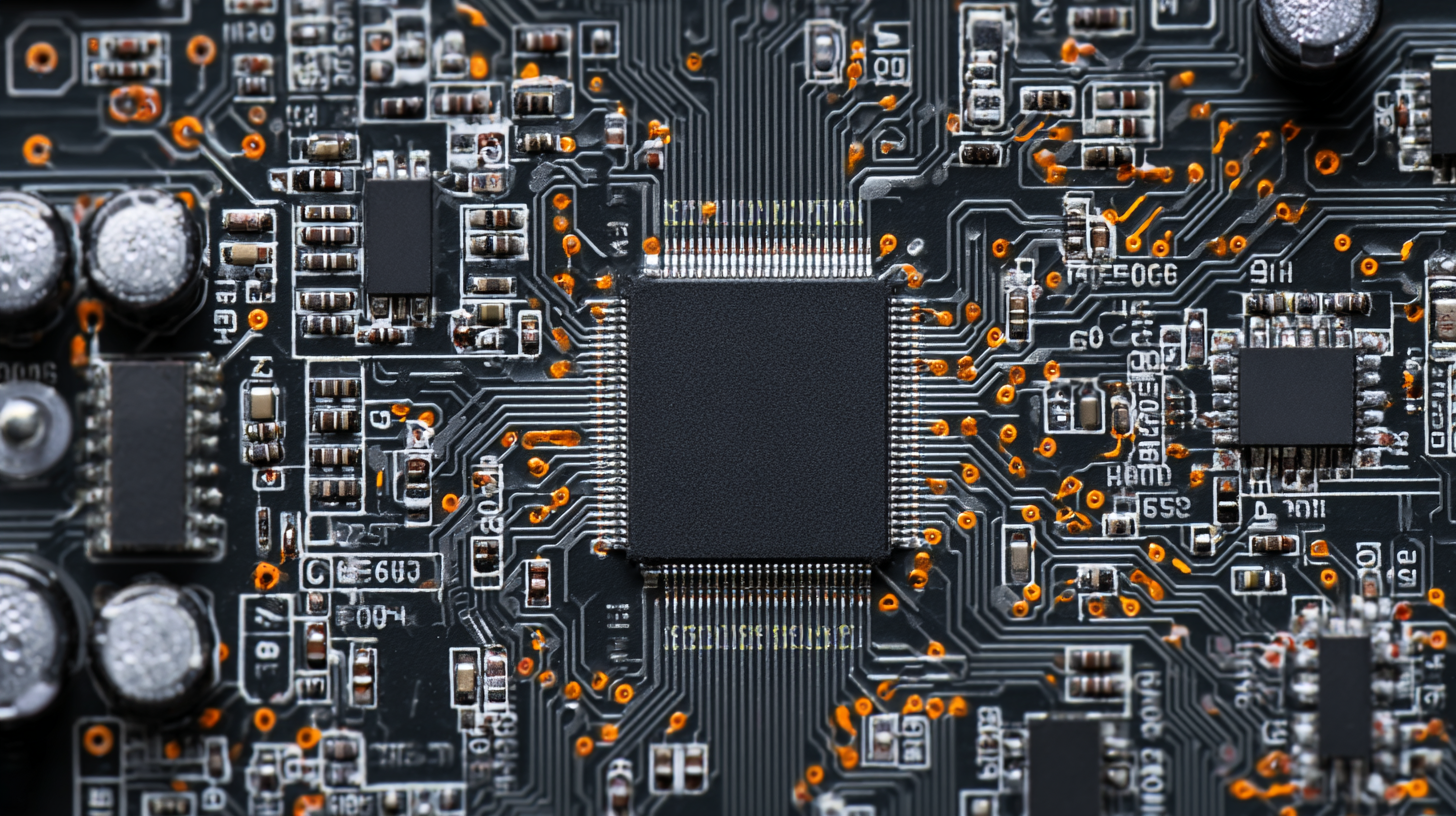
You know, in today’s fast-changing automotive world, you really can’t underestimate how crucial high-quality PCB design is for car cameras. These advanced camera systems are vital—they not only boost vehicle safety but also help with navigation and give drivers that extra bit of assistance. A solidly designed PCB is key; it makes sure everything connects well and runs smoothly. Plus, it helps these systems last longer and stand up to the tough conditions inside cars. As vehicles keep getting smarter with features like collision avoidance and parking assistance, the need for precision-engineered PCBs is just skyrocketing.
Here at Shenzhen Rich Full Joy Electronics Co., Ltd., we totally get how tricky it can be to design PCBs for automotive use. Being a national high-tech innovative company really drives us to come up with cutting-edge solutions that can handle the tough standards of the automotive industry. Our focus on top-notch PCB design and manufacturing means we help our clients make sure their car camera systems work perfectly. And that’s what makes the driving experience so much better! With the automotive landscape always changing, teaming up with leaders in PCB technology is key to staying ahead and ticking all the boxes for today’s consumers.
10 Reasons Why the Best Car Camera Pcb is Essential for Modern Vehicles - Importance of High-Quality PCB Design for Car Cameras in Today’s Automotive Market
| Reason |
Description |
Impact on Vehicle Safety |
Market Demand |
| Enhanced Driver Awareness |
High-quality PCBs enable superior image processing, leading to better situational awareness for drivers. |
Reduces accidents by providing clearer visuals in critical driving situations. |
Increased demand for safety features in vehicles. |
| Data Recording |
PCBs with advanced storage capabilities allow for continuous video recording for incident documentation. |
Helps in accident investigations and insurance claims. |
Growing trend for integrated dash cams in modern vehicles. |
| Night Vision Capability |
High-quality PCB design supports infrared technology for enhanced visibility at night. |
Improves safety during nighttime driving. |
Rising consumer expectations for 24/7 vehicle monitoring. |
| Integration with Advanced Driver-Assistance Systems (ADAS) |
PCBs facilitate integration with ADAS for features like lane departure warnings and collision avoidance. |
Significantly reduces collision risks. |
Increasing integration of ADAS in new vehicle models. |
| Durability and Reliability |
Quality PCB materials resist extreme conditions, ensuring long-lasting performance. |
Minimizes malfunction risks which can compromise safety. |
Strong consumer demand for reliable vehicle components. |
Key Trends in Automotive Camera Technology and PCB Innovations
You know, in the last few years, the automotive industry has really jumped on board with cutting-edge camera tech. It’s fascinating how crucial camera PCBs have become in today’s vehicles. A recent report from Mordor Intelligence even suggests that the global market for automotive cameras could hit a staggering $29.1 billion by 2026—talk about growth, right? We're looking at a compound annual growth rate of over 10% since 2021! These cameras are not just for show; they play a vital role in safety features like lane departure warnings and collision detection. This clearly highlights how important reliable PCB designs are, especially since they have to handle the tough conditions common in vehicles.
But it doesn’t stop there! Innovations in PCB technology are driving the integration of AI and machine learning in automotive cameras too. According to a study from MarketsandMarkets, the automotive industry is expected to pour more than $17 billion into AI technologies by 2025. Pretty hefty, huh? With this tech, we can achieve better object recognition and environmental sensing, which is a big step towards the world of driverless cars.
As the need for high-resolution images and real-time data processing keeps climbing, it’s going to be essential for auto manufacturers to develop miniaturized PCBs that offer top-notch performance. If they want to stay ahead in this fast-paced market, they really need to keep innovating!
Impact of Advanced PCBs on Driver Safety and Accident Prevention
You know how everything in the automotive world is changing super fast? Well, one really important aspect is how advanced printed circuit boards (PCBs) are being used in car cameras. These little tech wonders are crucial for boosting driver safety and helping prevent accidents. It’s kind of shocking, but a report from the National Highway Traffic Safety Administration (NHTSA) says that about 94% of serious crashes come down to human error. With high-performance PCBs, today’s car cameras can process data from various sensors almost instantly, which means drivers can react faster and make smarter choices while driving.
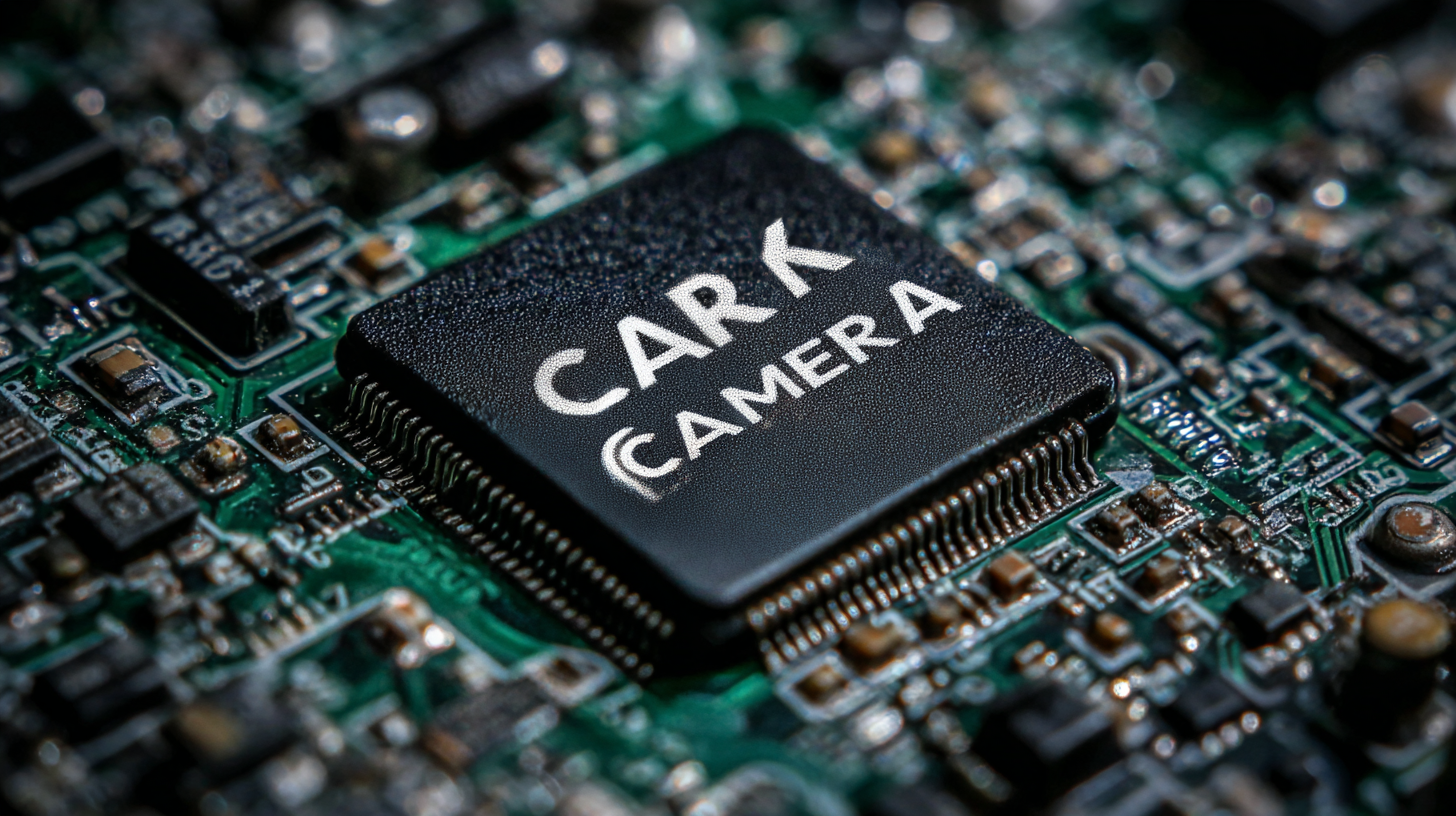
Plus, a study by the European Commission reveals that advanced driver-assistance systems (ADAS), which depend heavily on these sophisticated PCBs, could potentially cut road fatalities by as much as 30%! Can you believe that? Features like lane departure warnings, automatic emergency braking, and adaptive cruise control not only keep the vehicle more in control but also really lower the chances of accidents happening. As automakers continue to put a big focus on safety tech, robust PCBs are becoming vital in making sure these features work well. It’s all about ensuring that modern cars are not just about speed or performance; they are all about keeping everyone safer on the roads.
Market Growth Projections for Car Camera PCBs by 2025: Data Insights
You know, the car industry is really changing these days, especially with how important car camera PCBs are getting in modern vehicles. There’s some recent market research that shows the global automotive camera market could hit a jaw-dropping USD 21.9 billion by 2031, with a growth rate of around 14.4% from now until then. It’s pretty wild when you think about it! This huge boom highlights just how crucial these advanced camera systems are for improving safety, navigation, and really enhancing the whole driving experience.
On the flip side, the automotive printed circuit board market is also on track for some impressive growth. Predictions are pointing toward a market size of about USD 18.14 billion by 2034. A lot of this growth is fueled by the increasing demand for new technologies that integrate fancy camera systems into cars, which allow for cool features like lane-keeping assistance and adaptive cruise control. As the automotive world keeps evolving, having top-notch camera PCBs is becoming not just a nice-to-have but an absolute must for car manufacturers who want to stay competitive and make sure they’re meeting safety standards.
As we move towards greater automation and smarter vehicles, the innovation happening in car camera PCBs will be a big player in shaping the future of driving. The way cameras and PCBs work together is really changing how cars are designed and function, ultimately leading to a safer and more efficient driving experience. Isn’t it exciting to think about where we’re headed?
Comparative Analysis of PCB Performance in Leading Automotive Camera Brands
Lately, the car industry has really been leaning into advanced camera systems, and it's turning into a huge part of keeping our vehicles safe and functional. When you dig into it, the printed circuit board, or PCB, that’s in these camera systems plays a pretty key role. It’s directly tied to how well the cameras work, how reliable they are, and the quality of the images they capture for some of the top car brands out there. If you look at how different brands’ PCBs stack up against each other, you’ll notice some pretty big differences in what they can do and the tech they’re using—these differences definitely have an impact on how drivers experience the car and how safe it feels overall.
Take Tesla and BMW, for example. They’re putting a serious amount of money into refining their camera systems which starts with their PCBs. Tesla’s got this cool thermal management system in their PCB that speeds up image processing, which means less lag when every second counts. On the other hand, some brands choose to stick with more standard PCB designs that are easier on the wallet, but honestly, they often fall short on image quality and durability, especially when things heat up. This whole comparison really highlights how important it is to invest in top-notch tech to make sure automotive cameras do their job right, keeping both drivers and passengers safe while packing in all those fancy features we’ve come to expect.
Comparative Analysis of PCB Performance in Automotive Cameras
Regulatory Standards and Their Influence on Car Camera PCB Development
You know, the way regulatory standards are changing in the automotive industry is pretty wild, and it’s really shaping how car camera PCBs are being developed. These standards are all about improving vehicle safety, cutting down on accidents, and, of course, making sure everything’s up to code. These days, manufacturers are really focusing on integrating top-notch camera systems that check all the boxes for compliance. Every camera PCB has to be tough enough to handle some serious testing and meet performance expectations. Not only does this make modern vehicles safer, but it also gives drivers that peace of mind when they're using advanced driving assistance systems.
Now, when it comes to whipping up a car camera PCB, it’s super important to keep an eye on the latest regulations. Manufacturers really ought to pour some effort into research to get a handle on what’s coming down the pipe and weave those changes into their designs from the get-go. This way, they’re not just complying—they’re also stepping up as innovators in the automotive world.
Here’s a handy tip for those in the game: team up with regulatory bodies while you're sketching out your designs. Getting in touch with these organizations can lead to some real gems of insight that’ll help steer PCB development so it aligns with the ever-changing norms. Plus, it can make the approval process smoother and help you get to market faster. Oh, and don't forget—thinking about modular designs can really pay off, making it a breeze to upgrade and keep up with future regulations without needing to start from scratch.

Unlocking the Power of Technology: Exploring the 20-Layer Gold-Plated High-Frequency PCB for Superior Performance
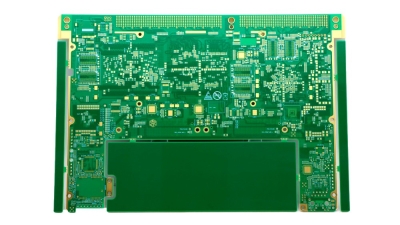
In the rapidly evolving world of technology, the demand for superior performance in electronic components has never been greater. One such innovation is the 20-layer gold-plated high-frequency PCB, which is engineered to meet the rigorous standards of high-performance applications. With a significant 2.4mm thickness and expansive dimensions of 160233.35mm, this PCB is a perfect choice for manufacturers requiring reliability and efficiency in their devices.
Utilizing high-TG material sourced from Shengyi S7136H, this PCB is not just advanced in design but also in functionality. It features a through-hole design that allows for robust connections and the incorporation of thick copper for enhanced electrical performance. The pure high-frequency board construction, combined with precise impedance control, ensures minimal signal loss and superior transmission integrity. The gold-plated surface, with a thickness of 2μm, provides exceptional conductivity and increased durability, making this PCB ideal for environments demanding high reliability.
Moreover, the meticulous design encompasses a 0.2mm drilling capability with a remarkable 12:1 aspect ratio, optimized through a unique single drilling and lamination process. The beveled edge design further enhances performance by reducing potential signal degradation, ensuring that each layer effectively contributes to the board’s superior functionality. This innovative approach not only unlocks new possibilities in technology but also sets a benchmark for future advancements in high-frequency PCB design.
FAQS
: Advanced PCBs enhance driver safety by enabling car cameras to process data from multiple sensors in real-time, which significantly reduces reaction times and helps drivers make better-informed decisions.
Approximately 94% of serious crashes are attributed to human error, highlighting the importance of technologies that assist drivers.
ADAS, which rely on sophisticated PCBs, have the potential to reduce road fatalities by up to 30% through features like lane departure warnings and automatic emergency braking.
The quality of PCBs is critical because it directly influences the efficiency, reliability, and image quality of the camera systems, which are vital for vehicle safety.
Tesla’s PCB design features a specialized thermal management system that enhances image processing speed, effectively reducing lag during critical moments.
Standard PCB configurations may be cost-effective but often compromise on image fidelity and durability, especially in high-temperature environments.
Automakers prioritize safety technologies and invest in robust PCBs to implement features that enhance vehicle control and reduce accident likelihood.
Key features of ADAS include lane departure warnings, automatic emergency braking, and adaptive cruise control, all of which enhance vehicle safety.
The performance of PCBs affects the efficiency, reliability, and image quality of automotive cameras, which in turn impacts overall user experience and safety features.
There is a significant shift toward advanced camera systems that are integral to vehicle safety and functionality, driven by the performance of PCBs.