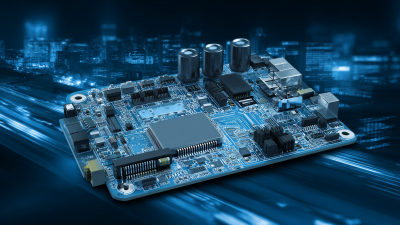
Hey, you know how the auto industry is changing so fast these days? The need for smarter electronics is just skyrocketing, so companies have to come up with innovative ways to make sure everything works smoothly together and performs really well. One key thing that's driving this shift is the development of Thermal Management PCBs specifically for automotive tech. As cars rely more and more on complex electronic systems, managing heat—that’s a big deal. If heat isn’t handled right, reliability and efficiency suffer. Shenzhen Rich Full Joy Electronics Co., Ltd., a recognized high-tech innovator in the country, is actually leading the charge here. They’re using their expertise to create top-notch PCB solutions designed just for the automotive world. With a real focus on quality and innovation, they’re playing a crucial role in improving thermal management, helping integrate durable electronic systems that meet the tough standards of modern vehicles.
Innovative Approaches to Thermal Management in Automotive PCBs
The way automotive electronics have evolved over the years really kicks off a whole new chapter when it comes to thermal management for printed circuit boards (PCBs). As car components keep getting smaller but still pack a punch in terms of performance, managing heat efficiently has become super important — it’s basically a key factor for how long and reliably these systems work. I came across a report from Yole Développement that says the global market for automotive PCBs is expected to hit around $24.2 billion by 2026. And with more complex designs coming into play, folks are really looking for clever thermal solutions to keep everything running smoothly.
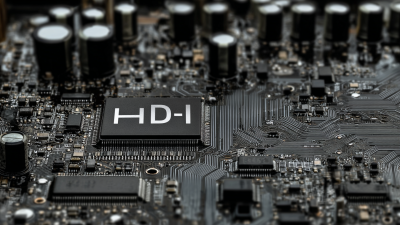
One of the coolest innovations out there involves using advanced materials like thermally conductive composites and high-density interconnects (HDI). These help spread heat out more effectively. For example, IPC highlighted that companies using these materials have seen up to a 20% boost in thermal performance — that’s pretty impressive! And there’s also been a move towards embedding passive components right within the PCB layers, which helps lower thermal resistance and keeps temperatures under control, especially in tightly packed electronic setups. As the industry keeps investing in these kinds of thermal management tricks, we’re seeing major improvements in how reliable and efficient automotive electronics are becoming. It’s like we’re paving the way for smarter, more durable cars that can handle whatever’s thrown at them.
Innovative Thermal Management in Automotive PCBs
Key Technologies Driving Thermal Efficiency in Vehicle Electronics
The automotive electronics world is really going through some exciting changes right now, mainly because there’s a big push for better thermal management solutions. You know, as cars get smarter and their electronics get more power-hungry, finding ways to keep everything cool is more important than ever. That’s where advanced thermal interface materials (or TIMs for short) come into play—they’re crucial for helping heat escape from sensitive parts, so everything runs smoothly without overheating. These materials are pretty impressive, with high thermal conductivity that helps spread the heat out evenly, reducing the chances of electronics failing prematurely or not working reliably.
On top of that, folks are coming up with all kinds of clever PCB designs that include built-in cooling features. Think tiny microchannels or metal cores that act like heat highways, making sure heat doesn’t build up where it shouldn’t. When you combine these smart designs with active cooling methods, it really helps manufacturers fine-tune how their electronics stay cool and perform at their best. As the industry gears up for more automation and electrification, paying attention to thermal management is gonna be a game-changer for keeping vehicles safe, efficient, and reliable—no doubt about it.
Impact of Advanced Materials on PCB Thermal Performance
The automotive electronics scene is really going through a big shake-up these days. A lot of it has to do with how thermal management tech for printed circuit boards (PCBs) is evolving. As cars get more high-tech and electrified, they need better ways to keep everything cool—otherwise, reliability and lifespan take a hit. I came across a report from Research and Markets that says the global market for automotive PCBs might hit around $16.1 billion by 2026. That’s mainly because there’s a growing push for lighter, more thermally efficient materials in automotive design.
Anyway, some pretty cool materials—like metal-core PCBs and thermally conductive ceramics—are now playing a big role in boosting heat dissipation. They help keep components from overheating, making sure everything stays within safe temperature limits. That’s especially important in fast-paced automotive systems. Interestingly, the IPC (which is the Association Connecting Electronics Industries) mentions that using these heat-friendly materials can bump up thermal management efficiency by as much as 30%. That’s a game-changer because it cuts down on the risk of electronic failure. All in all, this peek into newer materials shows how automotive electronics are getting more complex, but it also lines up with stricter regulations on vehicle efficiency and emissions. So, yeah, thermal management isn’t just a tech upgrade—it’s shaping the future of how cars are designed and built.
Integrating Cooling Solutions for Modern Automotive Applications
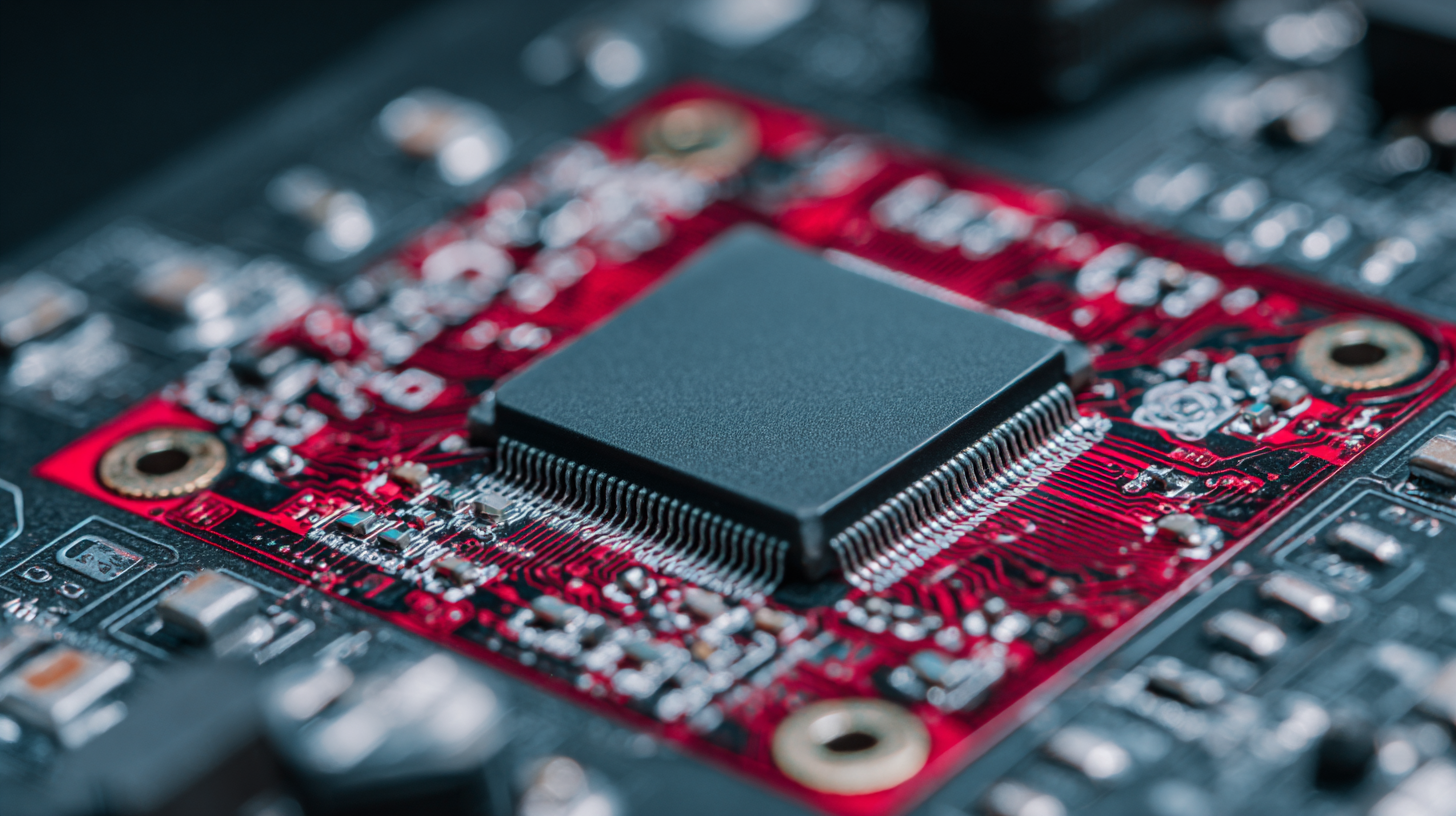
Lately, the automotive industry has been going through quite a big shift, mostly thanks to smarter thermal management PCB solutions. As electric vehicles (EVs) become more popular and folks are demanding more efficient tech, keeping things cool inside automotive electronics is more important than ever. I read this report from MarketsandMarkets the other day — it says the market for thermal management in automotive electronics is expected to grow at around 14.7% annually from 2021 to 2026. That really underscores how much innovation is needed in cooling methods.
Today’s cars, especially EVs and those fancy driver-assist systems, rely heavily on good cooling to keep everything running smoothly and reliably. And with new tech like heat spreaders and phase-change materials being rolled into PCBs, manufacturers are doing everything they can to manage the heat produced by power electronics. Taking these kinds of proactive steps not only helps extend the lifespan of the components but also makes the whole vehicle more efficient — which is a big win when trying to meet tough performance standards.
**A quick tip if you’re designing automotive PCBs:** go for materials that have high thermal conductivity — it’ll help a lot with heat dissipation. Also, thinking about modular cooling systems that are easy to upgrade and connect is a smart move, especially with tech evolving so fast. By honing in on these details, manufacturers can get better at managing heat and stay ahead in the game of automotive electronics.
Future Trends in PCB Design: Safety and Thermal Optimization
As the automotive world shifts gears towards electrification and smarter driver-assistance features, the importance of printed circuit boards (or PCBs) has really shot up. I mean, Gartner predicts that the automotive electronics market will hit around $394 billion by 2026—pretty crazy, right? That just shows how much more critical it is to develop clever thermal management solutions. Today’s vehicles aren’t just about good performance; they need to be super safe too. This means that PCB designs have to get better at handling higher thermal loads without risking the reliability of those vital electronic parts.
One big trend we’re seeing is the use of advanced materials that help disperse heat more effectively. According to data from IPC, using thermally conductive substrates can boost cooling efficiency by about 30%. Plus, design tricks like adding thermal vias or stacking layers more strategically really help manage heat better. Doing this not only keeps things running smoothly but also helps prevent overheating, which could cause system hiccups or even safety issues. As manufacturers double down on these innovations, making sure PCBs are thermally optimized isn’t just a good idea – it’s a must, especially to meet safety standards and keep everything running safe and sound.
Challenges in Thermal Management for Emerging Automotive Technologies
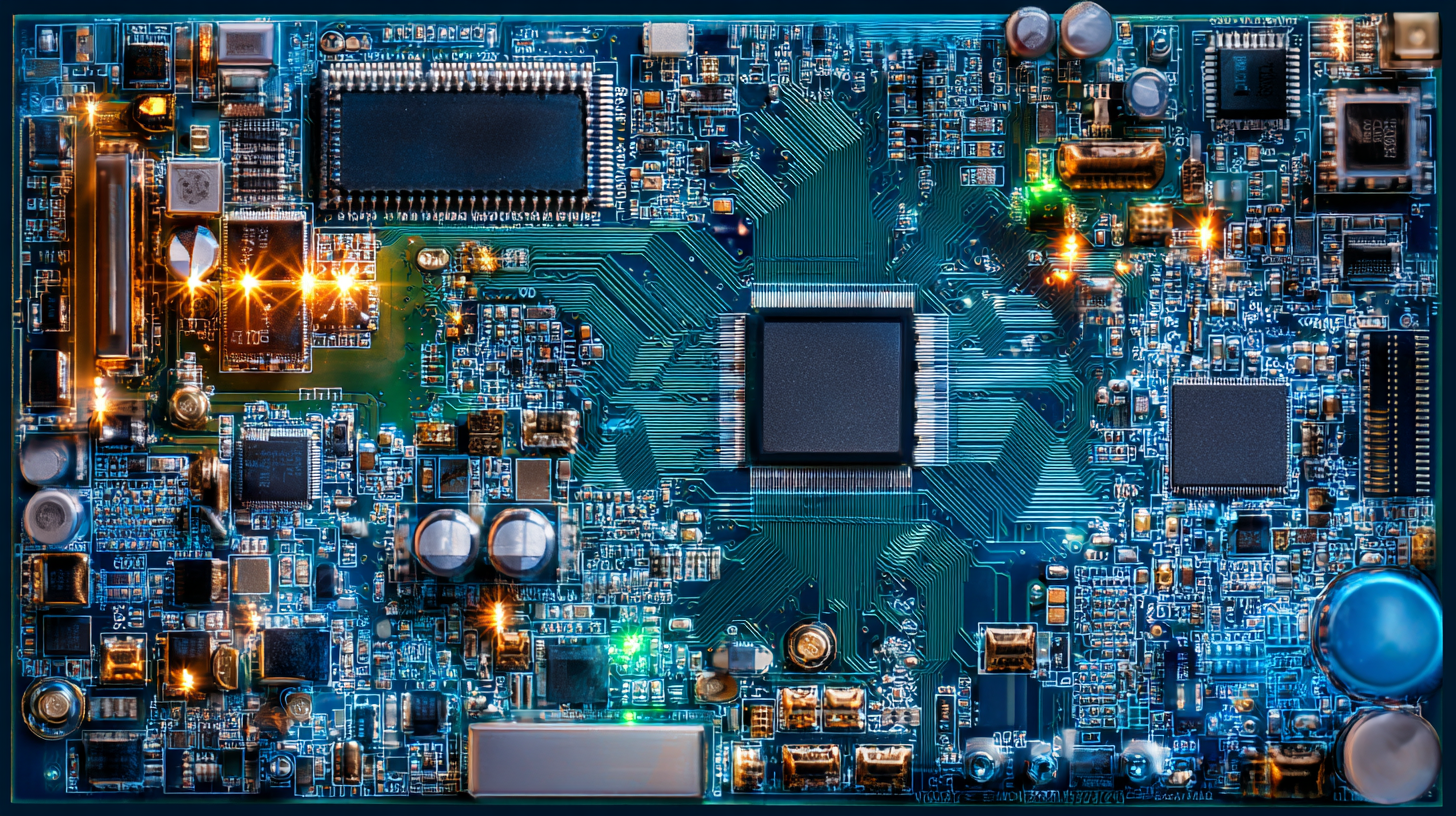
As car tech keeps evolving really quickly, managing heat has become a pretty big deal when it comes to making sure all those electronic parts work reliably and last a long time. I saw a recent report from MarketsandMarkets that says the market for automotive thermal management is expected to jump from about $6.1 billion in 2020 up to around $9.4 billion by 2025. This growth is mostly thanks to more folks jumping into electric vehicles and using advanced driver-assistance systems, or ADAS. These new gadgets tend to kick off a lot of heat, so manufacturers really need smart cooling solutions to prevent things from overheating and to keep everything running smoothly for longer.
One of the trickiest parts right now is figuring out how to incorporate new materials and tech into printed circuit boards—those tiny boards that pack all the electronic components together. With next-gen cars packing everything tighter than ever, the old-school thermal solutions just don’t cut it anymore. For example, a study by IEEE pointed out that standard PCB materials don’t do a great job at getting rid of heat because their thermal conductivity isn’t high enough. So, engineers are now turning to cool new tricks like using high-thermal-conductivity dielectrics or embedding thermal vias right into the boards. It’s really changing the game for automotive electronics, making everything more efficient and durable in the long run.
Leveraging Rogers RO4003C for High-Frequency PCB Manufacturing: A Deep Dive into Multi-Layer Back Drilling Technologies and Market Trends
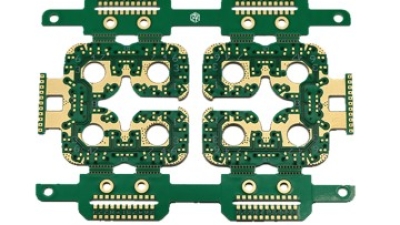
In the realm of high-frequency PCB manufacturing, Rogers RO4003C has emerged as a vital material, particularly for applications demanding exceptional performance and reliability. This advanced substrate is specifically designed to cater to the rigorous standards of industries such as telecommunications, aerospace, and defense. By leveraging Rogers RO4003C, manufacturers can produce multi-layer printed circuit boards (PCBs) that are not only highly efficient but also durable, making them ideal for high-speed and high-frequency applications.
Our high-frequency PCBs, with a thickness of 0.7mm, integrate innovative features like gold surface treatment and a 3:1 aspect ratio, ensuring precise signal integrity and enhanced electrical performance. The incorporation of resin-filled vias significantly boosts the durability of the boards, essential for maintaining functionality in demanding environments. As market trends evolve towards greater complexity in electronic designs, our custom solutions are tailored to meet unique project requirements, setting a benchmark in multi-layer back drilling technologies that allow for enhanced performance in high-frequency contexts.
FAQS
: Thermal management is critical for ensuring the reliability and longevity of automotive electronics, particularly as components shrink in size and performance demands increase.
The global automotive PCB market is projected to reach $24.2 billion by 2026, showcasing the increasing complexity of designs and the necessity for innovative thermal management solutions.
Advanced materials such as thermally conductive composites and high-density interconnects (HDI) are being used to enhance heat dissipation, achieving up to a 20% improvement in thermal performance.
The incorporation of embedded passive components reduces thermal resistance, allowing for better temperature regulation in densely packed electronic assemblies.
TIMs significantly improve heat dissipation away from sensitive components, ensuring optimal performance and minimizing the risk of overheating.
Advanced PCB designs may include embedded cooling structures like microchannels and metal cores, which provide efficient pathways for heat dissipation.
Effective cooling strategies are essential for ensuring reliability and performance in high-efficiency components used in electric vehicles and advanced driver-assistance systems.
Technologies such as heat spreaders and phase-change materials are being integrated into PCBs to effectively dissipate heat produced by power electronics.
Manufacturers should prioritize materials with high thermal conductivity and consider modular cooling systems that allow for easy integration and upgrades.
The thermal management market in automotive electronics is projected to grow at a CAGR of 14.7% from 2021 to 2026, indicating a growing need for innovative cooling solutions.
Conclusion
Hey, have you read the article on 'Innovative Thermal Management PCB Solutions Transforming Automotive Electronics Landscape'? It really highlights how crucial cool thermal management is for modern automotive PCBs. These days, companies are trying out new and smart ways to boost thermal efficiency — like using cutting-edge materials that seriously change the game when it comes to heat performance. Plus, there's a lot of focus on customizing cooling solutions to match the needs of today’s cars.
As the auto industry heads towards safer, more efficient vehicles, it looks like thermal optimization in PCB design will only become more important. Of course, there are still some tough challenges to tackle, especially with emerging tech in cars—heat management isn’t always straightforward. That’s why ongoing R&D is so vital. Companies like Shenzhen Rich Full Joy Electronics are really leading the charge here, pushing innovations forward as a high-tech enterprise dedicated to transforming how we handle thermal management in automotive electronics.