Leave Your Message
0%

These days, the world of electronics manufacturing is changing so quickly—it’s pretty exciting! One of the key players in this scene is PCB Assembly, which really helps drive innovation and boost efficiency. Did you know that, according to a 2021 report by MarketsandMarkets, the global PCB market is expected to hit $100 billion by 2025? That’s a solid 5.4% annual growth, driven by the rising need for smaller, more powerful electronic gadgets across all sorts of industries—think consumer electronics, cars, and telecoms.
Understanding PCB Assembly: Key Techniques and Innovations Driving Electronics Manufacturing

A company like Shenzhen Rich Full Joy Electronics Co., Ltd., for example, is truly making a name for itself. They're recognized as a national high-tech enterprise, really pushing the envelope with advanced techniques and strict quality standards in PCB Assembly. With their focus on quality and innovation, they’re definitely one of those companies shaping the future of this industry and keeping up with soaring market demands.

Key Techniques in PCB Assembly: An Overview of Modern Practices

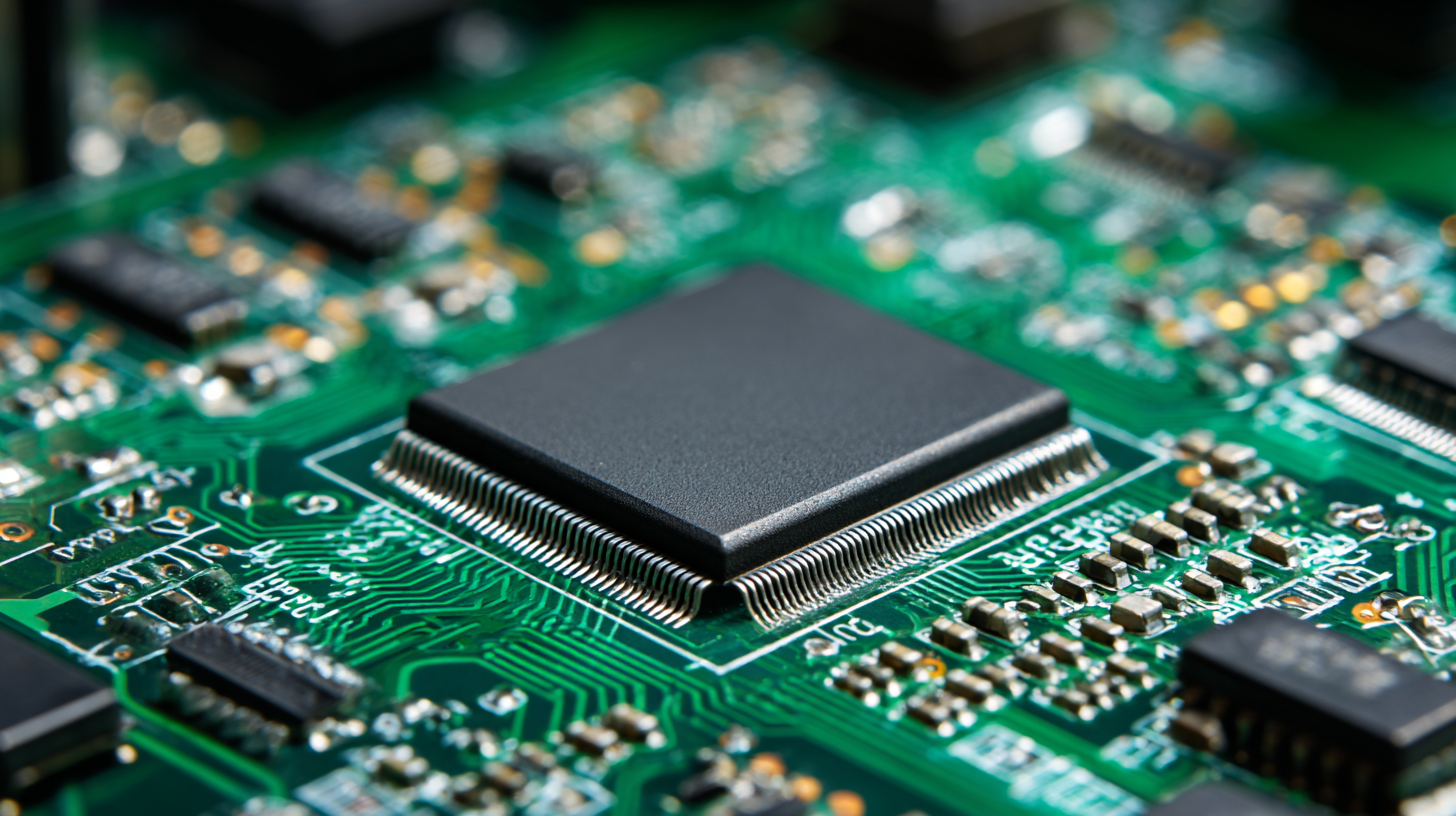
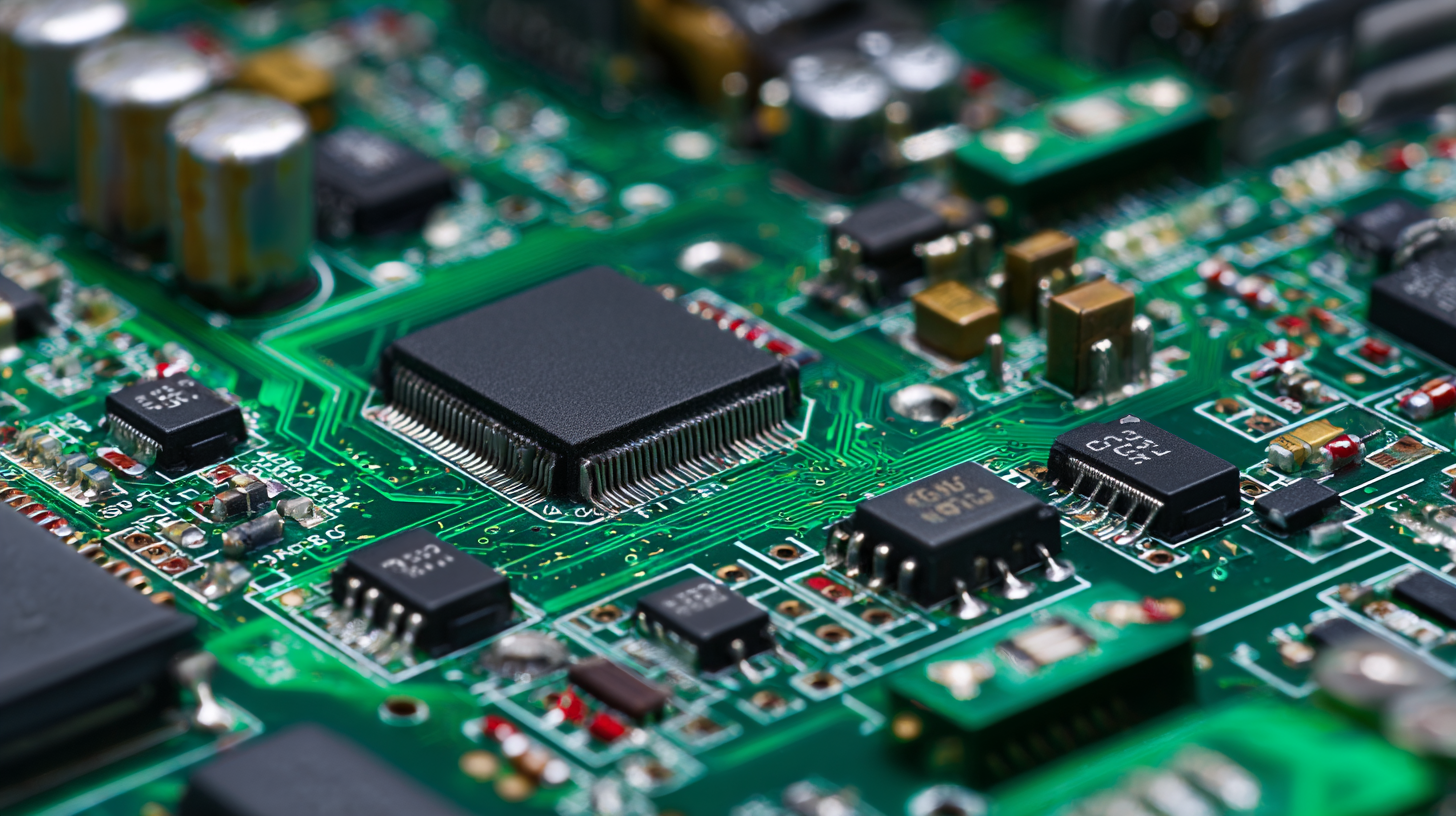
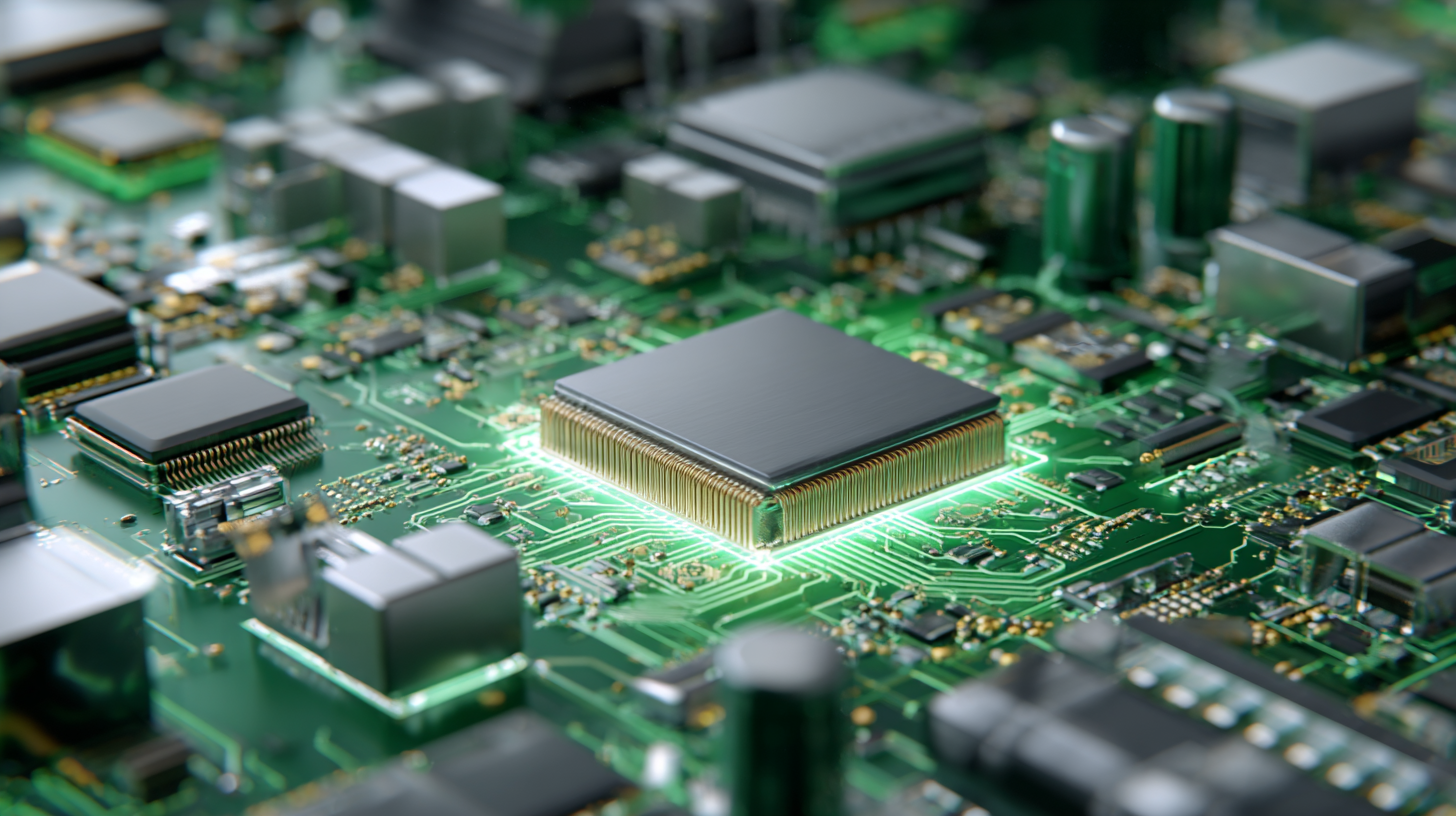
Modern PCB assembly techniques have become pretty essential in making electronics manufacturing run smoother and faster. Take surface mount technology (SMT), for example—it's totally changed the game when it comes to placing components onto printed circuit boards. With SMT, you can fit smaller parts more tightly, saving space and boosting performance at the same time. Plus, it speeds things up because you can solder multiple components at once, which also helps reduce the heat stress on delicate parts, making everything more reliable.

Another big leap forward has been the shift toward automation, like using pick-and-place machines and smarter soldering methods. These tools really cut down on human errors, so the assembly process stays consistent and precise. And with the rise of artificial intelligence and machine learning, quality control has gotten a serious upgrade—now, systems can monitor and tweak the process on the fly. As devices keep getting smaller and more complicated, these advanced techniques are pretty much a must if we want to keep up with modern demands in electronics manufacturing.

Understanding PCB Assembly: Key Techniques and Innovations Driving Electronics Manufacturing

Technique Description Advantages Innovations
Surface Mount Technology (SMT) A method in which components are mounted directly onto the surface of PCBs. Higher component density, reduced weight, and improved performance. Lead-free solder technology and advanced pick-and-place systems.
Through-Hole Technology (THT) A technique where components are inserted into holes drilled in the PCB. Robust mechanical support and easier repairs. Automation in insertion processes and wave soldering advances.
Automated Optical Inspection (AOI) A technology that uses cameras to inspect the quality of PCB assemblies. Increased accuracy in defect detection and reduced inspection time. Integration with machine learning for enhanced error detection.
Custom PCB Prototyping Creating tailored PCB designs for specific applications or projects. Faster turnaround times and reduced costs for low-volume production. Rapid prototyping technologies, such as 3D printing.

Innovative Technologies Shaping the Future of Electronics Manufacturing

The future of electronics manufacturing is shaping up to be pretty exciting, thanks to a bunch of innovative technologies that are really pushing the boundaries. As the U.S. manufacturing scene heads towards 2025, things like smarter supply chains and advanced automation are becoming more and more crucial. Events like Electronica India and NEPCON Asia play a big role in highlighting these latest breakthroughs, bringing together global brands and professionals who are passionate about driving forward-thinking solutions in electronic components.

One of the coolest developments right now is the rise of organic electronics. Basically, using carbon-based materials opens up new possibilities for making lighter, more flexible gadgets—pretty game-changing stuff. At Shenzhen Rich Full Joy Electronics, which is a high-tech enterprise from China, they’re really focused on innovation that lines up perfectly with these industry trends. If companies want to stay ahead of the curve, embracing fresh research and collaboration is key—especially in sectors like automotive and defense, where electronic capabilities are absolutely critical for success.

Understanding PCB Assembly: Key Techniques and Innovations

Challenges in PCB Assembly: Navigating Potential Pitfalls

When it comes to electronics manufacturing, tackling the challenges in PCB assembly is pretty crucial if you want your products to be reliable and work well. Things like misaligned components, soldering mistakes, or heat issues can cause big headaches if not handled properly. For a company like Shenzhen Rich Full Joy Electronics Co., Ltd., which takes pride in its innovative spirit and tech expertise, solving these problems is really the key to staying ahead and producing top-notch stuff.

To cut down on errors and risks in the PCB assembly process, the best bet is to adopt smarter techniques and new technologies. Things like automation during assembly, strict quality checks, and ongoing training for employees can make a huge difference. Since Shenzhen Rich Full Joy Electronics is a national high-tech innovator, they put their know-how to good use by putting these practices into action. That creates a solid foundation that keeps the products both innovative and reliable. Taking this proactive stance doesn’t just boost manufacturing efficiency — it also helps the company stand out and stay competitive in the fast-paced world of electronics.

The Role of Automation in Enhancing PCB Production Efficiency

Automation really plays a huge role when it comes to making PCB (Printed Circuit Board) manufacturing more efficient. When companies bring in advanced robots and smart software into the mix, they can cut down on labor costs and reduce mistakes caused by humans — kind of a win-win, right? These automated assembly lines can run nonstop without getting tired, which means they can produce more, faster, and with consistent quality. That's pretty crucial because there's a big demand these days for high-quality electronic parts.

Understanding PCB Assembly: Key Techniques and Innovations Driving Electronics Manufacturing

Plus, automation isn’t just about speed. It also makes it easier to monitor everything in real-time and gather data as work happens. This helps manufacturers spot issues or slowdowns right away, so they can tweak things on the fly and keep things running smoothly. With AI-powered machines and machine learning algorithms, they can even predict when maintenance might be needed before something breaks down — talk about clever! All these tech upgrades don’t just make the whole process more efficient—they actually boost the overall quality and yield, helping get new products to market faster than ever before.

Sustainability Trends in PCB Manufacturing: Eco-Friendly Approaches

You know, sustainability is honestly becoming a pretty big deal in making PCBs these days. It’s not just about following rules anymore — more and more, consumers care about doing things the right way for the planet. I read somewhere, like in an IPC report, that about 87% of electronics makers are actually trying to cut down their carbon footprint. It’s pretty cool to see how they’re getting creative, using stuff like biodegradable materials and water-based soldering—both of which help cut down on nasty emissions during production. Plus, lots of companies are pouring money into new recycling tech to recover valuable materials from old products. Not only does that help save resources, but it’s also all about supporting a circular economy, you know?

Understanding PCB Assembly: Key Techniques and Innovations Driving Electronics Manufacturing

And get this — more and more, manufacturers are doing life cycle assessments (LCAs). It’s basically a way to check out the environmental impact of their PCBs, from when they’re raw materials all the way to when they’re disposed of. A study by the International Technology Roadmap for Semiconductors (ITRS) even pointed out that adopting these greener practices can cut energy use in PCB manufacturing by up to 40%. As the industry keeps evolving, these eco-friendly methods aren’t just about ticking boxes — they actually boost a company’s image, especially with customers who really care about being environmentally responsible. Pretty fascinating, right?

Emerging Materials and Their Impact on PCB Design and Performance

You know, emerging materials are really shaking up PCB design and how well these boards perform. It’s pretty impressive — for example, using high-frequency materials like polytetrafluoroethylene (or PTFE if you’re into the tech jargon) has become pretty popular lately. Why? Because it has a super low dielectric constant and stays cool under heat, which makes a big difference. According to IPC, we're gonna see even more of this—especially with flexible PCBs. In fact, it’s projected that the market for flexible PCB tech will hit around $25.8 billion by 2027. That’s mainly thanks to the craving for lighter, smaller gadgets. These new materials let designers fit everything tighter without messing up signal quality, so basically, they make products better all around.

And it doesn’t stop there. The game-changer is definitely with conductive inks—think silver and copper nanoparticles—these are opening doors to printed electronics. MarketsandMarkets predicts the overall printed electronics market will blow past $30 billion by 2026. It’s kind of exciting because this shift to new materials doesn’t just boost efficiency and reliability; it also helps make manufacturing more eco-friendly—less waste, more recyclability. Honestly, adopting these innovative materials isn’t just a trend—it’s more like the backbone of future-proof PCB design. It’s what’s going to let manufacturers stay ahead and keep up with all the rapid tech changes coming our way.

Comprehensive Overview of Initiation Control Systems and Cutting-Edge Circuit Board Assembly for Explosive Detonators

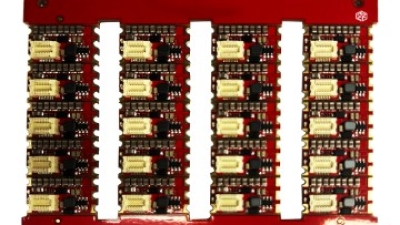
The landscape of initiation control systems is rapidly evolving, driven by the need for enhanced safety and precision in explosive detonation applications. At the heart of this transformation is our Detonator PCB Assembly (PCBA), a product that integrates innovative technology with robust design principles. Designed specifically for high-stakes environments such as mining, demolition, military operations, and oil exploration, our PCBA solutions exemplify superior reliability and tailored performance.

Engineered to withstand challenging conditions, our Detonator PCBA features high-temperature resistance and an anti-static design that enhances safety and functionality. The advanced circuit board assembly allows for precise control capabilities, ensuring that each detonation is executed with accuracy. This precision is crucial, especially in complex blasting scenarios where the margin for error is minimal. By utilizing cutting-edge electronic manufacturing technologies, our PCBA not only meets the stringent demands of the industry but also enhances overall operational efficiency and safety standards.

FAQS

: What is surface mount technology (SMT) and its significance in PCB assembly?

: Surface mount technology (SMT) is a modern technique that allows for the placement of smaller components with higher density on printed circuit boards, optimizing space and enhancing performance. It accelerates production speed and improves reliability by enabling simultaneous soldering of multiple components, reducing thermal stress.

How do automated assembly processes improve PCB manufacturing?

Automated assembly processes, such as pick-and-place machines and advanced soldering methods, minimize human error, resulting in higher precision and consistency in assembly. The incorporation of artificial intelligence and machine learning further enhances quality control through real-time monitoring and adjustments.

What sustainability trends are emerging in PCB manufacturing?

Sustainability in PCB manufacturing includes the use of biodegradable materials, water-based soldering processes, and advanced recycling technologies. These practices aim to reduce emissions during production and support a circular economy, addressing regulatory pressures and consumer demand for eco-friendly practices.

How do life cycle assessments (LCAs) benefit PCB manufacturers?

Life cycle assessments (LCAs) allow manufacturers to evaluate the environmental impact of PCBs from raw material extraction to disposal. By adopting sustainable practices identified through LCAs, companies can potentially reduce energy consumption in production by up to 40%.

What types of materials are influencing modern PCB design?

Emerging materials, such as polytetrafluoroethylene (PTFE) and conductive inks using silver and copper nanoparticles, are influencing PCB design and performance. These materials improve signal integrity, allow for tighter designs, and support the development of printed electronics.

What is the projected growth of the flexible PCB market?

The flexible PCB market is projected to reach $25.8 billion by 2027, driven by the demand for lightweight and compact electronic devices.

How do novel materials contribute to sustainability in PCB manufacturing?

The use of novel materials reduces waste, promotes recyclability, and enhances the efficiency and reliability of PCBs. This shift supports sustainable practices in the electronics manufacturing sector.

What is the future outlook for printed electronics?

The global printed electronics market is anticipated to exceed $30 billion by 2026, driven by innovations in materials such as conductive inks and the increasing demand for efficient electronic devices.

Why is the adoption of new materials critical for PCB manufacturing?

The adoption of new materials is crucial for modern PCB manufacturing as they allow manufacturers to enhance product performance while keeping pace with evolving technological demands and consumer expectations.

What role does consumer demand play in sustainable PCB manufacturing?

Consumer demand for eco-friendly practices is a significant driver for sustainability in PCB manufacturing, as companies strive to meet these expectations while improving their brand image in a competitive market.

Conclusion

So, I read this article called "Understanding PCB Assembly: Key Techniques and Innovations Driving Electronics Manufacturing," and honestly, it’s a pretty good overview of what’s happening these days in PCB assembly. It highlights some of the coolest new tech that’s really shaping where the electronics industry is heading. What stood out to me is how they talk about the challenges companies face during the assembly process, and how automation is increasingly key to making things more efficient. Oh, and they also touch on sustainability — which is so important right now — emphasizing more eco-friendly methods that companies are starting to adopt. Plus, they explore new materials that are making a real difference in PCB design and performance, and that’s crucial for forward-thinking companies like Shenzhen Rich Full Joy Electronics Co., Ltd., which is actually a leader in this space.

Honestly, keeping up with these advancements and new techniques in PCB assembly is pretty much vital if a company wants to stay competitive and meet what customers are demanding these days. Using innovative tech not only makes manufacturing smoother but also boosts the quality of the final products. All in all, it’s clear that these changes are really helping the industry grow and evolve for the future.
Clara

Clara

Clara is a dedicated marketing professional at Shenzhen Ruizhi Xinfeng Electronics Co., Ltd., where she leverages her extensive knowledge of the company's products to drive marketing initiatives. With a focus on excellence, she regularly updates the company’s professional blog, sharing insights......
Previous Future Trends in High Frequency Pcb Technology for Global Buyers