As electric vehicles (EVs) continue gaining traction—especially with an expected annual growth rate of over 22% through 2027—it's clear that having access to the latest tech is more important than ever. Advanced power electronics PCBs for EVs are actually game-changers—they help boost vehicle performance, make things more efficient, and improve reliability. Basically, they’re shaping where sustainable transportation is headed. Companies like Shenzhen Rich Full Joy Electronics Co., Ltd., are right on the front lines of this shift. As a high-tech and innovative firm, they’re using their expertise in cutting-edge electronics to not only support the growth of the EV industry but also to chip in on global efforts to cut down carbon emissions and go greener. When we look at how power electronics PCBs are transforming EVs, it really highlights just how vital innovation and flexibility are in this fast-evolving space.
Overview of Power Electronics in Electric Vehicles
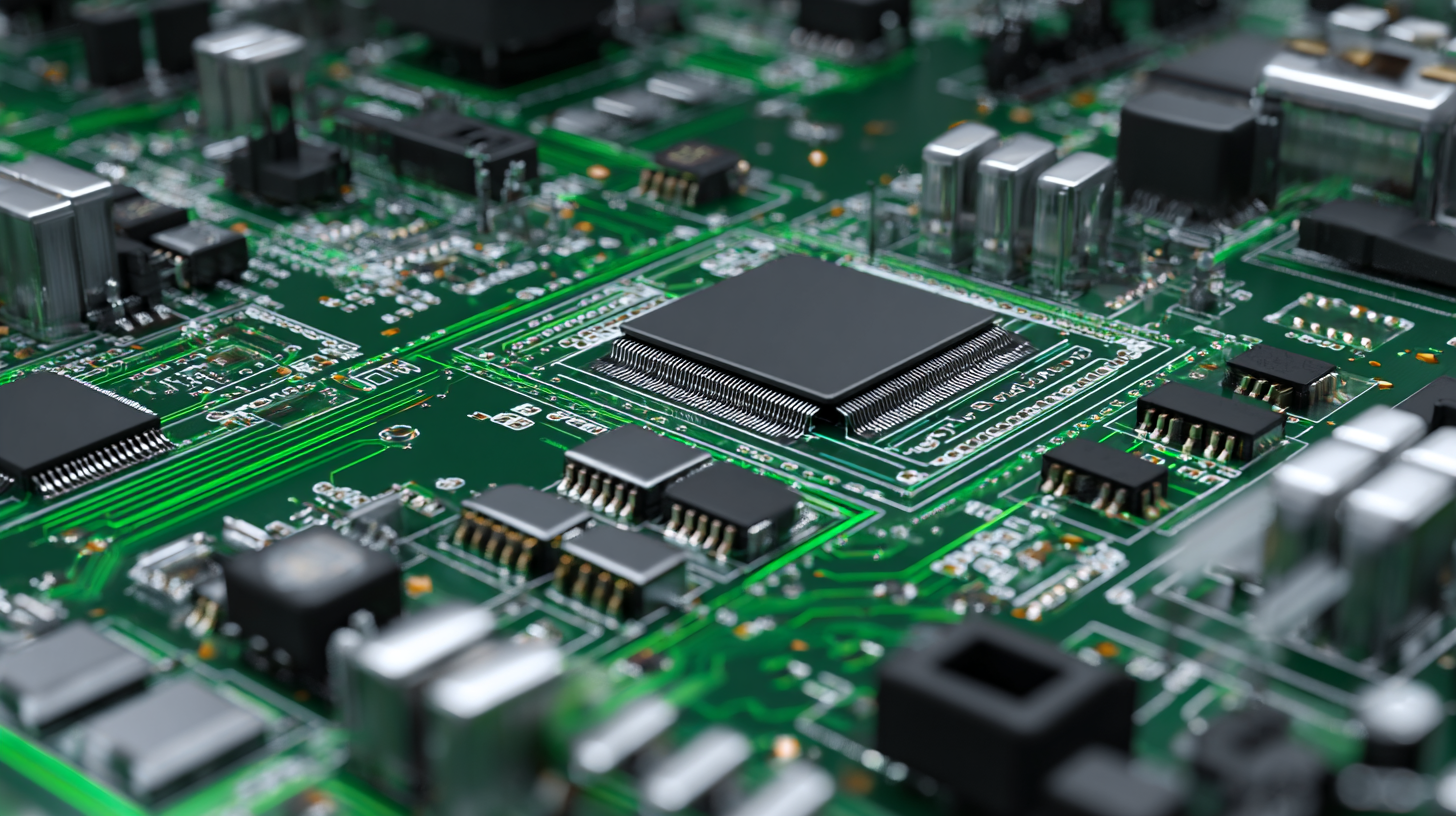
Power electronics are actually pretty crucial when it comes to how well electric vehicles (EVs) perform and how efficient they are. Basically, right at the core of EV tech, power electronics take care of the flow of electrical energy—balancing between the battery, the motor, and all the other parts. This seamless energy transfer is what makes the vehicle run smoothly and at its best. Nowadays, advanced power electronics systems—especially those using cool new printed circuit board (PCB) technology—are a game changer. They help cut down energy losses and keep everything cool, which is super important for high-performance EVs.
Adding these fancy PCBs into the mix really boosts the reliability and density of circuits. By using top-tier materials and clever manufacturing tricks, these boards can handle higher power and work at hotter temps—something that's been a real challenge in EV design. So, not only do they make the vehicle more efficient overall, but they also help the parts last longer, which means the EVs are more sustainable and won’t break the bank over time. As technology keeps moving forward, we’re bound to see even smarter power electronics that will totally change what electric vehicles can do, making them perform better and offering a way cooler user experience.
Revolutionizing EV Performance with Advanced Power Electronics PCB Technology
This chart illustrates key performance metrics of advanced power electronics in electric vehicles, demonstrating improvements in battery efficiency, charging speed, thermal management, and power output. These advancements are crucial for enhancing the overall performance and user experience of electric vehicles.
Key Components of Advanced PCB Technology
You know, advanced PCB tech really plays a massive role when it comes to boosting the performance of electric vehicles. Especially with how it integrates some pretty sophisticated power electronics. Recently, the industry’s been making some serious moves—shifting from the old-school 1D PCB packaging methods to the really cutting-edge 3D hybrid bonding right at the wafer level. Honestly, this kinda evolution isn’t just about making components smaller; it also makes them more efficient and reliable — super important for EVs that need to perform at high levels. If you look at the forecasts, the market for these advanced semiconductor packages is set to explode between 2024 and 2034. That’s mainly because more industries, including auto, are jumping on the high-tech electronic vehicle train.
On top of that, we’re seeing some big investments, like Kaynes Circuits pouring Rs 4,995 crore into setting up a new electronics manufacturing plant in Tamil Nadu. And that’s just one example. Major players in the PCB world are not holding back either—like Zhen Ding, investing around US$1.1 billion to expand and innovate. It’s clear they’re all racing to meet the huge demand for really complex, high-performance PCB solutions. Even new packaging tech like Chip-on-Wafer-on-Platform is on the horizon, promising to shake things up in the industry.
With the global PCB market expected to grow about 5.5% by 2025, it just proves how vital this advanced PCB tech is becoming — especially when it comes to supporting the next generation of electric vehicles.
Enhancing Efficiency and Performance in EV Power Management
You know, when it comes to electric vehicles, making advances in power electronics PCB tech is a big deal. It’s all about boosting how efficient and reliable the power management systems are. By bringing in smarter power management chips (PMICs) and better thermal solutions, manufacturers can cut down energy losses. And that’s super important for squeezing out more range and making EVs more dependable. Plus, when thermal performance improves, the parts don’t just run better—they last longer too, which is great for making the whole automotive world a bit more sustainable.
On top of that, using high-speed, compact PCB designs really helps with how power is distributed and controlled inside EVs. With clever layouts and new materials, makers can pack in more power without adding extra weight or taking up too much space. That means lighter vehicles that feel more nimble and responsive—definitely makes the driving experience more fun. As car companies keep pushing the envelope with EV tech, advanced power electronics PCB solutions will be key players, helping push innovation even further and making EVs even better overall.
Revolutionizing EV Performance with Advanced Power Electronics PCB Technology - Enhancing Efficiency and Performance in EV Power Management
| Parameter |
Value |
Impact on EV Performance |
| Power Density (W/L) |
3,200 |
Higher energy storage capability |
| Switching Frequency (kHz) |
100 |
Improved efficiency and reduced losses |
| Thermal Resistance (°C/W) |
0.5 |
Better thermal management, enhancing reliability |
| Efficiency (%) |
98 |
Maximizes range and performance |
| Weight (kg) |
2.5 |
Lightweight design improves overall efficiency |
Innovative Thermal Management Solutions for Power Electronics
You know, when it comes to power electronics, especially in electric vehicles, advanced thermal management solutions really can't be overlooked. As EVs get more powerful and aim for better efficiency, keeping things cool is more critical than ever. Recent industry reports say that smart thermal management isn’t just about avoiding overheating — it actually helps make these high-power electronics last longer and work more reliably. I mean, take the new thermal interface material, TIM 1.5 — it’s really pushing the boundaries by vastly improving heat dissipation. That’s a game changer for keeping these systems running at their best without overheating.
It’s pretty clear that industries are really leaning into newer cooling tech to deal with the unique heat challenges of EV components. The market for these thermal solutions is growing fast, with predictions indicating over 15% growth through 2035. Techniques like two-phase heat transfer and innovative liquid metal cooling methods are leading the charge. They’re providing the tough, efficient cooling needed to handle all that heat generated during operation. As researchers, manufacturers, and everyone involved team up on these exciting innovations, the future of EVs looks even brighter — especially thanks to better thermal management making everything run smoother and last longer.
Future Trends in Power Electronics for Electric Vehicle Development
Hey, did you know the electric vehicle (EV) scene is really booming right now? The onboard charger market, for example, is expected to jump from around $6.93 billion in 2025 all the way up to nearly $23 billion by 2032 — that's an incredible compound annual growth rate of about 18.6%. So much of this growth is thanks to tech advances in power electronics, especially the newer printed circuit boards (PCBs) used in EVs. These improvements are key because they boost how efficient, reliable, and overall better electric vehicles perform. It’s like we’re really stepping into a whole new era of electric riding.
And if you’ve checked out the latest aviation electrification report, you’ll see that shiny new tech like wide bandgap (WBG) semiconductors—think silicon carbide (SiC) and gallium nitride (GaN)—are totally changing the game for EV power systems. These upgrades help cars manage energy smarter, cut down on weight, and as a bonus, give us longer ranges and quicker charging. Companies like Shenzhen Rich Full Joy Electronics are right there in the middle of this tech wave, using their skills and innovative spirit to push the EV market forward and build a richer tech ecosystem for electric mobility. It’s pretty exciting stuff, really.
Case Studies: Successful Integration of PCB Technology in EVs
So, the automotive PCB market is really set to grow pretty quickly. Experts are predicting it’ll jump from around $9.15 billion this year to a whopping $15.1 billion by 2032. That’s roughly a 5.9% average annual growth rate—nothing to sneeze at! Most of this surge is fueled by improvements in power electronics, which are super key for boosting electric vehicle (EV) performance. And get this—industry leaders will be showing off some really cool chip-embedded PCB packaging tech at the 2025 Shanghai Auto Show. It’s clear that integrating these kinds of solutions into EV designs is becoming more than just a nice-to-have; it’s pretty much essential now.
There are real-world examples too—case studies that show how advanced PCB tech is already making a difference in EVs, especially when it comes to energy efficiency and how smoothly the cars drive. On a bigger scale, major countries like the US, the European Union, and Japan have made it a top priority to reach net-zero carbon emissions by 2050. China’s aiming to do the same by 2060. This worldwide push for sustainability is seriously pushing the evolution of PCB tech, as manufacturers race to meet the tough demands of modern electric vehicles—and, of course, to help create a greener future for everyone.
Innovative Rigid-Flex Board Solutions: The Future of 8-Layer PCBs for Bluetooth Earphones
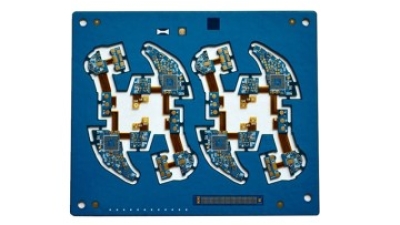
As the demand for compact and efficient electronic devices continues to rise, the development of innovative rigid-flex board solutions is transforming the landscape of PCB technology. In particular, 8-layer PCBs are becoming increasingly popular in Bluetooth earphones, where space constraints and performance requirements are critical. According to a report by Markets and Markets, the rigid-flex PCB market is projected to grow from $16.2 billion in 2020 to $24.4 billion by 2025, highlighting the industry's shift towards integration and miniaturization.
The advantages of using 8-layer rigid-flex boards in Bluetooth earphones are manifold. These boards not only facilitate complex circuitry designs but also offer the flexibility of fitting into the compact spaces within earbuds. A study by IPC indicates that the ability to reduce the board thickness while enhancing electrical performance is invaluable in today's consumer electronics, where users demand both portability and durability. With enhanced signal integrity and reduced electromagnetic interference, 8-layer boards provide a definitive edge over traditional PCBs.
Furthermore, the seamless integration of components such as antennas and power circuitry into a single substrate improves reliability and performance. The adoption of advanced materials and manufacturing techniques has significantly lowered production costs, making these solutions more accessible to manufacturers. As Bluetooth technology continues to evolve, the implementation of innovative rigid-flex board designs will play a pivotal role in achieving next-generation audio experiences in earphones, setting new standards in the market.
FAQS
: Power electronics manages the flow of electrical energy between the battery, electric motor, and other components in EVs, enabling efficient power conversion for optimal performance.
Advanced printed circuit boards (PCBs) minimize energy losses and improve thermal management, which are essential for high-performance EV applications.
The industry has shifted from traditional 1D PCB levels to 3D hybrid bonding at the wafer level, which reduces the footprint of electronic components and enhances efficiency and reliability.
The semiconductor packaging market is projected to expand significantly from 2024 to 2034, driven by increasing adoption of high-tech electronic systems across various industries, including automotive.
Major investments, such as Kaynes Circuits' Rs 4,995 crore facility in Tamil Nadu and Zhen Ding's US$1.1 billion initiative, highlight the growing focus on advanced PCB manufacturing to meet the demand for complex electronic solutions.
By enhancing circuit density and reliability, advanced PCB technology increases the overall energy efficiency of vehicles and extends the lifespan of their components.
Chip-on-Wafer-on-Platform packaging technologies are emerging and are expected to reshape the industry landscape for advanced electronics.
The global PCB market is anticipated to grow by 5.5% by 2025, emphasizing the importance of advanced PCB technology in the future of electric vehicles.
Conclusion
The article titled "Revolutionizing EV Performance with Advanced Power Electronics PCB Technology" really dives into how crucial power electronics are when it comes to making electric vehicles (EVs) work better. It kicks off with a cool overview of what power electronics do in EVs, pointing out some key parts of advanced PCB tech that help boost both efficiency and overall performance in managing power. They also talk about innovative thermal management solutions—kind of like the car’s way of keeping cool and running smoothly under pressure—showing just how vital these are for keeping the power electronics in check.
As the industry moves forward, the article looks at some exciting future trends in power electronics for EVs. Plus, there are a few case studies that show real-life examples of how Power Electronics PCB is being successfully integrated into electric vehicles. These tech leaps aren’t just about making cars perform better; they also reflect the innovative vibe of companies like Shenzhen Rich Full Joy Electronics Co., Ltd., which is really pushing the envelope with high-tech, sustainable automotive solutions. It’s a pretty inspiring glimpse into where electric vehicle tech is headed!