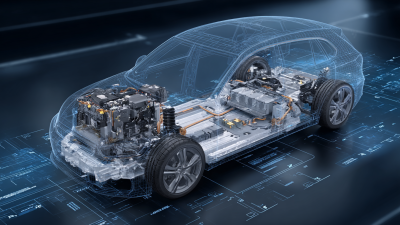
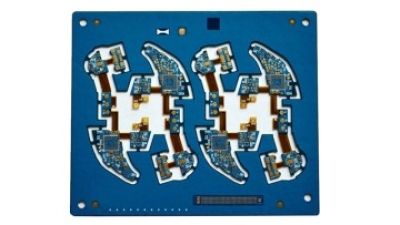
In today’s fast-changing world of electronic components, the Battery Management System PCB, or BMS PCB for short, has become pretty essential.
It’s basically the key to making battery systems safer, more efficient, and last longer. If you look at recent numbers from MarketsandMarkets, they’re showing that the global BMS market is expected to jump from around $6.5 billion in 2021 to a whopping $14.1 billion by 2026 — that’s a solid growth rate of nearly 17% annually.
The big drivers? Mainly the rise of electric vehicles and the increasing push for renewable energy storage.
Here at Shenzhen Rich Full Joy Electronics Co., Ltd., we’re proud to be a high-tech company that’s constantly pushing the boundaries.
We specialize in crafting advanced BMS PCB solutions for clients all over the world who are looking for reliability and top-notch performance.
Our team not only meets industry standards but also helps shape the future of battery management tech — so our customers can stay ahead of the game in this competitive landscape.
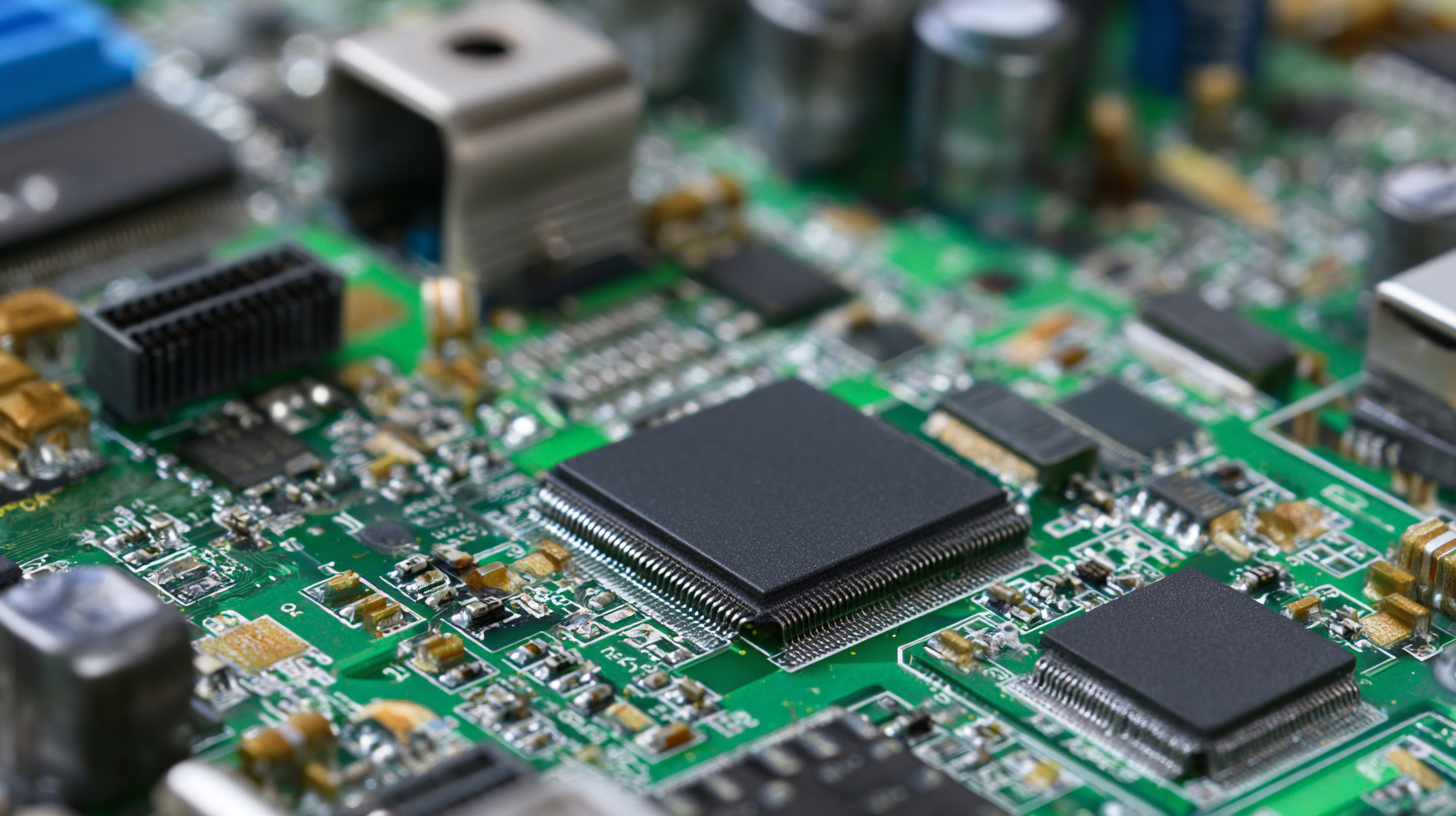
Key Components of Battery Management System PCB Explained
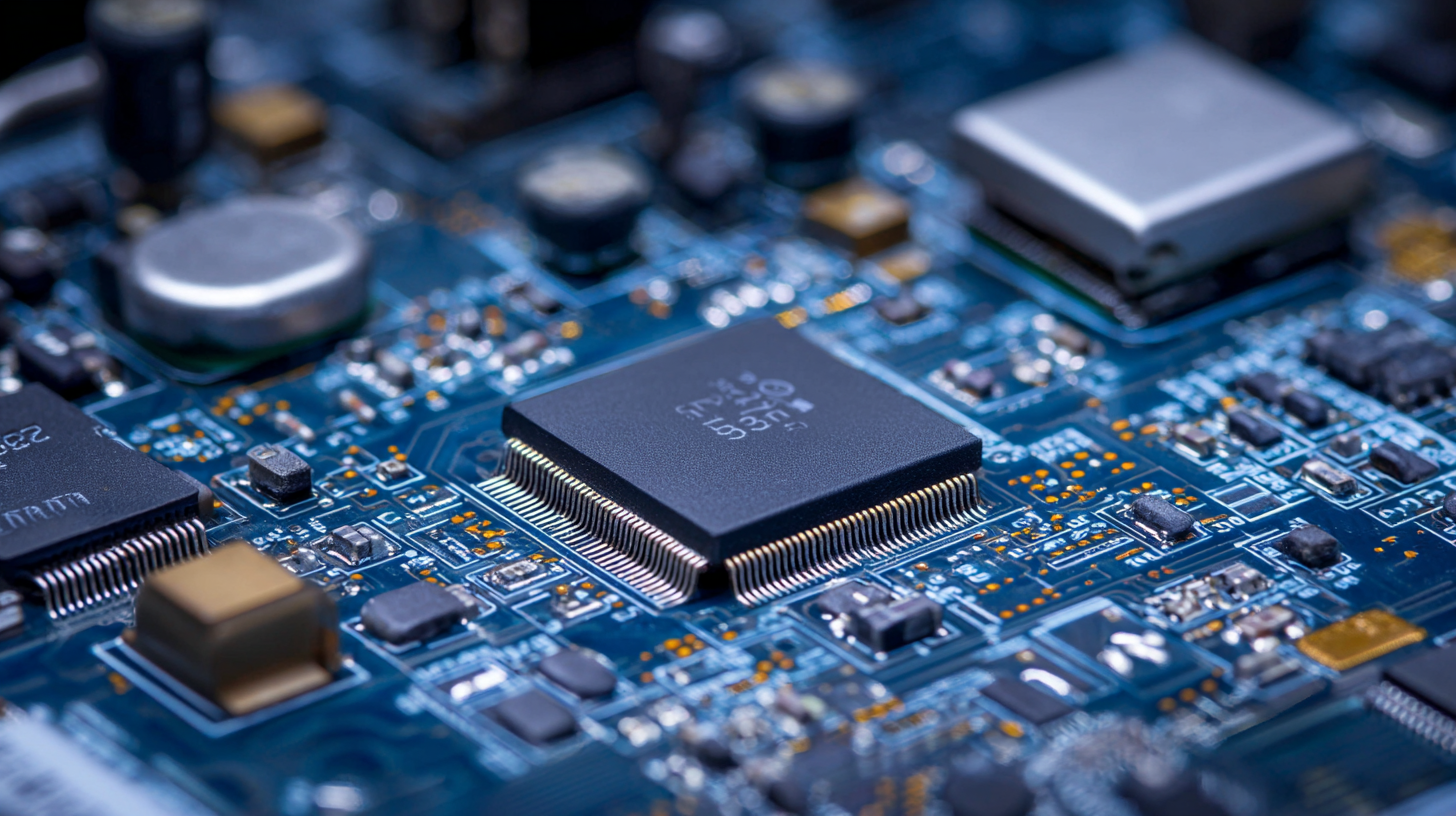
The Battery Management System (or BMS) PCB is super important when it comes to keeping battery packs safe and running smoothly — especially in things like electric cars or renewable energy setups. It’s a pretty complex piece of tech, made up of a bunch of key parts, each with the job of keeping an eye on things like voltage, current, and temperature. If you're looking to buy high-quality BMS PCBs, it helps to understand what these parts actually do.
One of the main players here is the Battery Management IC. Think of it as the brain — it keeps tabs on the overall health of the battery and makes sure it doesn’t get overcharged or overheated. Then there are cell balancing circuits, which are basically the secret to making sure all the individual cells in the pack stay equally charged. That way, the battery lasts longer and works better. Plus, communication interfaces like CAN or I2C are tiny but mighty — they transmit data back and forth between the BMS and the vehicle’s main control system, giving real-time updates about the battery’s status.
**A quick tip:** When you’re on the hunt for BMS PCBs, it pays to go with manufacturers who really know their stuff — for example, Shenzhen Rich Full Joy Electronics Co., Ltd. They’re all about innovation and quality, so they’re a reliable choice to ensure your battery management is both effective and up to global standards. Don’t forget to check their certifications and customer reviews — it’s a good way to get a sense of who you’re working with.
Battery Management System PCB Key Component Usage
Understanding PCB Design Principles for Battery Management Systems
When it comes to designing PCBs for Battery Management Systems (BMS), there are some pretty important principles you can't ignore. Basically, these guidelines help you craft a layout that's not just solid but also minimizes electrical noise and keeps signal quality high. A good PCB design takes into account stuff like how wide your traces should be, how to layer them effectively, and even how to manage heat. For example, by tweaking trace widths, you can cut down resistive losses and make sure the board can handle the current without getting too hot. On top of that, layering strategies are super helpful for keeping high-power circuits separate from delicate signals — which is key for performance and safety in BMS setups.
Another big thing is packing a lot of functionality into a small space. Designers often go for multi-layer PCBs to fit in all the complex circuitry like voltage and temperature sensing, cell balancing, and communication modules. Plus, placement of components matters a lot — you want to avoid electromagnetic interference because that can mess with the whole system’s reliability. If you follow these basic rules, you can end up with a battery management system that’s not just reliable but also efficient and scalable, ready to meet the demands of today’s global market. As we move toward greener energy solutions, understanding and applying these PCB design principles is more important than ever for folks working in battery tech.
Factors Influencing Battery Management System PCB Sourcing
When you're out sourcing Battery Management System (BMS) PCBs, there are quite a few factors you really wanna keep in mind—they can totally influence the whole decision. For starters, the technical specs are a big deal. Because, honestly, different batteries need all different kinds of management features—stuff like voltage regulation, temperature control, and communication ports. It’s super important that the PCB design meets industry standards and can handle the battery’s performance smoothly, so everything stays safe and lasts longer.
Another thing to think about is who the supplier is. You wanna go with someone reliable—someone who’s got a good track record and the tech skills to produce high-quality PCBs. It’s worth checking their certifications, how they handle their production, and their quality control. That way, you can avoid issues like defects or delays happening. Also, where they’re located can matter too—shipping times and costs are affected by geography. So, if you’re buying internationally, it’s not just about price; you should also consider their logistics and support services. Getting a good grasp of all these things helps you make smarter choices that fit your quality standards and operational needs.
Best Practices for Evaluating Battery Management System Suppliers
When it comes to choosing a Battery Management System (BMS) supplier, you really gotta take a strategic approach. These systems are super important because their reliability and efficiency matter a lot—whether you're dealing with electric vehicles or renewable energy setups. I came across this report from MarketsandMarkets that caught my eye, saying the global BMS market is expected to jump from around $6.4 billion back in 2022 all the way up to $22.3 billion by 2027. That’s a crazy growth rate of about 23.6% annually! It just goes to show how crucial it is to pick reputable suppliers who can handle the rising demand while still keeping quality standards high.
One tip I’d suggest is really digging into their tech capabilities. Find out if they’re using cutting-edge stuff like Model Predictive Control (MPC) or Artificial Intelligence (AI) to make batteries work better. It’s also worth checking if they meet international safety standards—like ISO 26262, especially if you're into automotive stuff—because safety’s a huge deal and helps reduce risks. Oh, and don’t forget to see if they offer detailed documentation and good support. That kind of transparency and ongoing support goes a long way in building a solid, long-lasting partnership and making sure your BMS solutions actually work as they should.
Ultimate Guide to Sourcing and Understanding Battery Management System PCB for Global Buyers - Best Practices for Evaluating Battery Management System Suppliers
| Supplier Location |
Certifications |
Features Offered |
Lead Time |
Minimum Order Quantity |
Price Range (USD) |
| China |
ISO 9001, RoHS |
Smart Balancing, Thermal Management |
4-6 weeks |
100 units |
$10 - $20 |
| Germany |
ISO 14001, CE |
Multi-Cell Monitoring, Fault Diagnosis |
6-8 weeks |
50 units |
$15 - $30 |
| USA |
UL, FCC |
Battery Lifetime Optimization, Wireless Monitoring |
2-4 weeks |
200 units |
$20 - $40 |
| South Korea |
ISO 45001, KC |
Integrated Safety Features, Multi-Voltage Support |
3-5 weeks |
150 units |
$12 - $25 |
Essential Testing and Quality Assurance for Battery Management System PCBs
In the rapidly changing world of battery management system (BMS) PCBs, making sure the testing and quality checks are solid is absolutely key—especially for buyers around the globe. As industry reports have been pointing out lately, the worldwide BMS market is expected to hit around USD 9.06 billion by 2027. This boom is mainly fueled by the crazy rise in electric vehicles (EVs) and renewable energy storage solutions. With such fast growth, it’s super important to have strict testing in place to guarantee that these BMS PCBs are reliable and safe. After all, they're essential for keeping batteries running smoothly and avoiding any potential issues.
Now, Shenzhen Rich Full Joy Electronics Co., Ltd. totally understands how crucial quality assurance is when it comes to producing top-notch BMS PCBs. They've been implementing all sorts of thorough testing methods—things like thermal cycling and electrical performance tests—that help cut down on failures and make these systems last much longer. According to a study from ResearchAndMarkets, having a good quality assurance system can even slash production costs by up to 30%, all while boosting the overall performance of the product. As a high-tech company based in China, Rich Full Joy is dedicated to using innovative tech and strict testing procedures to give their customers reliable, high-performance BMS PCB solutions. They’re really focused on meeting the needs of a global market and making sure their products stand out in a big way.
Trends in Battery Management System Technology and Future Outlook
As more folks get into electric vehicles and renewable energy setups, the tech behind Battery Management Systems (or BMS for short) is really changing fast. You’ll notice a move towards smarter, more advanced systems that use cutting-edge algorithms and even artificial intelligence to keep batteries running at their best and last longer. These cool innovations help predict how batteries will behave under different conditions—making everything safer and more reliable, which is pretty important.
When you’re looking to buy BMS PCBs, here are a few pointers: go for suppliers who can customize things to fit your specific needs—like voltage specs or cooling requirements. Oh, and don’t forget to check out their quality certifications. Good materials and solid manufacturing practices mean your batteries will perform better and last longer, you know?
Looking ahead, it’s exciting to think about what’s coming next—things like wireless monitoring and smart integration with IoT devices are on the rise. That’ll make collecting real-time data a breeze, improve the user experience, and even help with predictive maintenance. If you want to stay ahead of the game, keeping an eye on these tech trends will definitely help you make smarter choices when sourcing your systems. Trust me, staying in the know will keep you competitive in this rapidly changing market.
Exploring the Growth of Rigid-Flex Boards: Why 8-Layer PCBs Are Essential for Next-Gen Bluetooth Earphones
The rise of Bluetooth earphones has transformed how we interact with audio devices, both in terms of convenience and design. At the heart of this evolution lies the technology behind Rigid-Flex boards, particularly the adoption of 8-layer PCBs. These advanced circuit boards combine the benefits of both rigid and flexible circuits, enabling manufacturers to create compact and intricate designs essential for next-gen Bluetooth earphones. The multi-layer configuration allows for intricate routing of signals while minimizing space, which is crucial in today's minuscule electronic devices.
The integration of 8-layer PCBs offers significant advantages in performance and durability. Their robust construction allows them to withstand the stresses of daily use while providing the high-speed connectivity required for seamless audio streaming. Additionally, the lightweight nature of Rigid-Flex boards contributes to a comfortable wear experience, essential for consumers who use Bluetooth earphones for extended periods. As manufacturers continue to innovate, the reliance on these sophisticated circuit boards will likely increase, leading to enhanced functionality and design in the future of audio technology.
FAQS
: The primary role of a BMS PCB is to ensure the safe and efficient operation of battery packs by monitoring and managing parameters such as voltage, current, and temperature.
The Battery Management IC oversees the overall battery health, protecting against issues such as overcharging and overheating.
Cell balancing circuits are important because they ensure that all cells within a battery pack are charged evenly, which helps prolong the life of the battery.
Communication interfaces, such as CAN or I2C, facilitate data exchange between the BMS and the vehicle's main control unit, providing real-time updates on battery status.
Buyers should consider manufacturers with proven expertise in the field, focus on innovation and quality, and verify supplier certifications and customer reviews for reliability.
A best practice is to assess suppliers' technological capabilities and their compliance with international safety standards, such as ISO 26262 for automotive applications.
Testing and quality assurance are paramount for ensuring the reliability and safety of BMS PCBs, which are crucial for maintaining battery efficiency and preventing malfunctions.
Some effective testing methodologies include thermal cycling and electrical performance tests, which can help reduce failure rates and enhance system longevity.
An effective quality assurance framework can decrease production costs by up to 30% while improving overall product performance.
The global battery management system market is projected to grow from $6.4 billion in 2022 to $22.3 billion by 2027, reflecting a compound annual growth rate (CAGR) of 23.6%.
Conclusion
In our 'Ultimate Guide to Sourcing and Understanding Battery Management System PCBs for Global Buyers,' we dive into what makes these PCBs tick—covering the core components and design principles of BMS PCBs. We really emphasize how important they are for advanced battery management. Plus, we chat about what factors you should consider when sourcing, the best ways to evaluate suppliers, and the testing and quality checks needed to make sure you're getting top-notch BMS PCBs. We also look at some of the latest trends in battery tech and give you a sneak peek into the future, showing how things are likely to evolve and impact markets worldwide.
On the company side, Shenzhen Rich Full Joy Electronics Co., Ltd. stands out as a top high-tech enterprise that combines expertise with the latest tech to develop BMS PCBs. They’re all about delivering reliable, cutting-edge solutions—making sure global buyers get exactly what they need for their battery management systems.