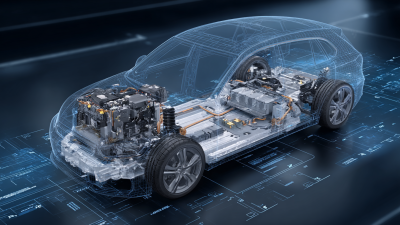
You know, as the electric vehicle (EV) scene really heats up, it’s no surprise that everyone’s on the lookout for the latest tech to keep up. Honestly, if you look at the numbers—like that report from the International Energy Agency—they’ve tallied over 6.6 million electric cars sold worldwide in 2021. And let’s be honest, this number’s only going up, probably at a pretty wild rate. One big thing that's really fueling this surge is EV PCB manufacturing.
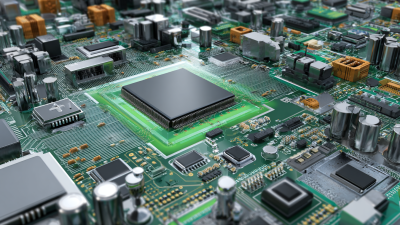
Those PCBs—printed circuit boards—in EVs are basically the control center for so many key functions, stuff like battery management and charging systems. Major players like Jabil and Flex are putting serious bucks into Hdi Pcb Manufacturing to keep pace with the demand. The tech they use, like high-density interconnect (HDI), really boosts the performance and efficiency of EV parts. But here’s the thing— not every manufacturer hits the mark on quality. When quality slips, it can really impact how well the vehicle runs and, more importantly, its safety.
As the market keeps evolving, picking the right manufacturing partners is more important than ever. Some companies still struggle with scaling up production or keeping things consistent, which honestly can be a real headache. So, it’s super important to recognize these challenges early on. Finding trustworthy partners in EV PCB manufacturing can seriously make a difference, especially in this fast-growing industry where every detail counts.
Overview of PCB Manufacturing in Electric Vehicles
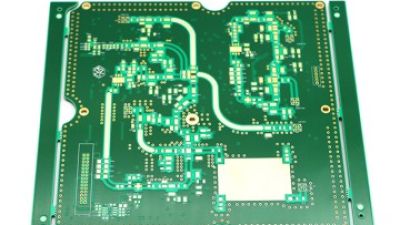
Electric vehicles (EVs) rely heavily on printed circuit boards (PCBs) for their operation. The intricate designs of these PCBs are crucial for managing power and communication between components. Effective PCB manufacturing in electric vehicles involves a mix of advanced technology and skilled craftsmanship. The precision required is significant, as even minor errors can lead to major failures in the vehicle's performance.
In regions like Australia, the demand for quality PCB manufacturing is growing rapidly. Local manufacturers are focusing on improving techniques to meet this demand. Materials used in EV PCBs should withstand high temperatures and moisture. This is where expertise plays a vital role. Not all manufacturers can meet these strict criteria. As technology evolves, the challenge remains in keeping up with the pace of innovation.
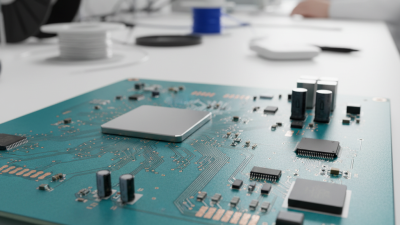
Quality control in PCB manufacturing is another area needing attention. Even with advanced processes, errors can slip through. Regular audits and improvements are necessary to maintain standards. The integration of automation in manufacturing is beneficial but does not eliminate the human touch. Every board needs careful inspection before it can be used in an EV. Hence, manufacturers must continuously enhance their methods and training to ensure reliability.
Key Features of EV PCB Requirements
When it comes to electric vehicles (EVs), the printed circuit board (PCB) requirements are unique. These boards must endure high temperatures, vibrations, and harsh environmental conditions. Reliability is crucial to ensure vehicle safety and performance.
Key features include robust thermal management. Effective heat dissipation prevents failures in sensitive components. Designing for thermal efficiency should be a priority. Additionally, consider the board's flexibility. It must cater to various shapes in EV designs. The complexity of routing also increases, necessitating advanced materials and techniques.
Tips: Always collaborate closely with your PCB supplier. They can offer valuable insights on material selection. Consider prototyping as well. Testing in real-world conditions can unveil potential flaws early.
Attention to electromagnetic interference (EMI) is essential. Strong shielding can protect sensitive components. Balancing performance and cost is vital for sustainability. Don't overlook quality assurance practices. They play a critical role in the longevity of EV PCBs.
Top Technologies Used in EV PCB Manufacturing
In the world of electric vehicles (EVs), printed circuit boards (PCBs) play a crucial role. The manufacturing of PCBs for EVs requires advanced technologies to ensure performance and reliability. One key technology involves multilayer PCB fabrication. This method allows for increased circuit density and efficient space utilization. It supports the complex requirements of modern electric drives and battery management systems.
Another important technology is the use of high-frequency substrates. These materials improve signal integrity and reduce electromagnetic interference. This is vital in high-speed applications common in EVs. Additionally, embedded components on PCBs can further enhance functionality while saving space. However, this approach requires precise manufacturing and careful design considerations.
Thermal management is also essential in EV PCB manufacturing. Managing heat dissipation ensures that components operate within safe limits. The choice of thermal interface materials can significantly impact performance. While some advancements have been made, challenges still exist. Innovations in materials and techniques must continue to emerge to meet evolving industry demands. Balancing cost, performance, and reliability remains a complex task for manufacturers.
Leading Materials for Electric Vehicle PCBs
Electric vehicle (EV) PCBs require specialized materials for optimal performance. Key materials include high-frequency laminates and copper-clad laminates. High-frequency laminates enhance signal integrity, crucial for EV communications. These materials can be more expensive, but their benefits outweigh the costs in many applications.
Copper-clad laminates are also vital. They provide excellent electrical conductivity. Selecting the right thickness impacts overall efficiency. Thicker copper layers may improve current capacity but can increase weight. Therefore, it's essential to find a balance that meets specific design requirements.
The choice of materials affects production timing and costs. Some materials may not be readily available. Pcb Manufacturing Canada offers a range of solutions, yet sourcing can be challenging. It's important to evaluate lead times. Delays in material availability can hinder project timelines. Exploring alternatives or local suppliers may alleviate these issues. Each design choice brings its own advantages and drawbacks, demanding careful consideration from engineers.
Innovative Manufacturing Processes for EV PCBs
The evolution of electric vehicle (EV) technology hinges on cutting-edge PCB manufacturing processes. As EVs gain traction, the demand for high-quality PCBs has surged. According to industry reports, the global PCB market is expected to reach $91.3 billion by 2026, with significant contributions from EV applications. This shift necessitates innovative manufacturing approaches that ensure reliability and efficiency.
One key process that stands out is the use of automated production techniques. Automation minimizes human error, streamlining the manufacturing workflow. Recent data highlights a 30% increase in production speed when automation is integrated. Innovative techniques like additive manufacturing are also on the rise. This method allows for complex designs with less material waste. The focus on efficiency aligns with sustainability goals in Pcb Manufacturing Europe.
However, challenges persist. High production costs and material constraints can hinder innovation. Industry experts note that balancing cost-effectiveness with quality is crucial. Furthermore, ensuring compliance with international regulations remains a complex task. These factors complicate the path toward optimizing EV PCB manufacturing. Yet, the ongoing refinement of processes signals a promising future for the industry.
Challenges in EV PCB Manufacturing You Should Know
Challenges in EV PCB Manufacturing You Should Know
Electric vehicle (EV) printed circuit boards (PCBs) face unique manufacturing challenges. High voltage requirements dictate the use of specific materials. These materials often cost more and can be harder to source. Moreover, achieving thermal management in compact spaces adds complexity. Insufficient heat dissipation can lead to component failures.
Quality control is another critical area in EV PCB manufacturing. Any defects can affect performance and safety. Thorough testing procedures are essential. However, they can prolong production timelines. This can be frustrating for manufacturers trying to meet market demand.
Tips: Ensure robust material sourcing strategies. Look for alternatives that meet industry standards while providing cost efficiency. Regularly invest in staff training to uphold quality procedures.
The intricate design of EV PCBs also presents manufacturing hurdles. Space constraints often limit component placement options. This can complicate the integration of advanced features. Designers need to stay updated on evolving technologies. Balancing innovation with manufacturability is key.
Tips: Conduct regular design reviews before moving to production. Prototypes can help catch issues early. Collaborate closely with engineers throughout the process to prevent oversights.
Future Trends in EV PCB Technology
The future of electric vehicle (EV) PCB technology promises significant advancements. According to a recent report by IDTechEx, the EV market is projected to grow at a compound annual growth rate (CAGR) of over 20% from 2023 to 2030. This rapid growth drives innovation in PCB manufacturing processes, especially in regions like Germany, becoming a focal point for "Pcb Manufacturing Germany."
One emerging trend is the shift towards multi-layer PCBs for better thermal management and signal integrity. Multi-layer designs allow for compact configurations essential in EV applications. However, this complexity presents challenges in manufacturing quality control. Flaws in multilayer assemblies can lead to performance issues, which require careful oversight.
Sustainability is another crucial trend. Manufacturers are increasingly adopting eco-friendly materials and processes. A shift towards biocompatible substrates is expected. Yet, the sourcing of these materials poses dilemmas, as not all sustainable options meet performance standards. Industry leaders must navigate these complexities to ensure both innovation and reliability in EV PCB technology.
Innovative Solutions for High-Frequency Applications: Exploring the Benefits of 6L Resin Plug Hole Hybrid PCBs
The advancement of high-frequency applications in technology has propelled the need for innovative materials that can effectively manage signal integrity and thermal performance. Among these materials, 6L resin plug hole hybrid PCBs stand out as a significant innovation. Designed to combine the benefits of both traditional and advanced PCB materials, these hybrid boards provide exceptional dielectric properties, reduced signal loss, and improved thermal conductivity, making them ideal for applications requiring high-speed performance.
One of the key benefits of 6L resin plug hole technology is its ability to minimize the impact of parasitic capacitance and inductance, which are critical for maintaining signal integrity in high-frequency circuits. This innovative approach allows for optimized layer stacking and improved routing capabilities, leading to more compact and efficient designs. Additionally, the 6L resin provides excellent moisture resistance and durability, which enhances the overall reliability of electronic devices operating under demanding conditions.
Moreover, the flexibility of hybrid PCBs facilitates the integration of various electronic components, allowing for more versatile designs encompassing different functionalities. As industries continue to push the boundaries of technology, the adoption of 6L resin plug hole hybrid PCBs becomes increasingly essential, supporting the evolution of devices in telecommunications, consumer electronics, and automotive sectors. The fusion of advanced materials and design innovation ensures that high-frequency applications can meet the growing demands of performance and efficiency in the digital age.
FAQS
: PCBs are crucial for performance and reliability in EVs. They manage complex electrical functions.
It allows higher circuit density and better space use. This method meets modern electric drive needs efficiently.
They improve signal integrity and reduce electromagnetic interference. This is essential for high-speed EV applications.
It ensures components dissipate heat properly. Choosing the right thermal materials greatly affects performance.
High-frequency and copper-clad laminates are vital. They enhance conductivity and signal quality but can be costly.
Material availability can delay projects. Engineers must balance performance with timely sourcing to meet design needs.
It reduces human error and increases production speed by about 30%. This enhances overall manufacturing efficiency.
It allows for complex designs while minimizing material waste. This approach supports sustainable manufacturing practices.
High costs and material constraints complicate innovation. Compliance with regulations also presents significant challenges.
They must consider cost-effectiveness alongside quality. Evaluating every design choice is essential for optimal outcomes.
Conclusion
The article "Top 5 EV PCB Manufacturing Solutions You Need to Know" provides a comprehensive overview of the PCB manufacturing landscape specific to electric vehicles. It emphasizes the crucial requirements of EV PCBs, such as durability, thermal performance, and compact design, which are essential for efficient vehicle operation. The piece highlights the cutting-edge technologies employed in EV PCB manufacturing, including advanced multilayer constructions and HDI techniques, alongside leading materials that enhance performance and reliability.
Moreover, the article discusses innovative manufacturing processes that streamline production while addressing key challenges like increasing complexity and supply chain sustainability. Lastly, it examines future trends in EV PCB technology, predicting advancements that will further enhance electric vehicle efficiency and performance. This exploration of EV PCB manufacturing is vital for understanding the evolution of electric vehicles and the integral role that PCBs play in this transition.