Leave Your Message
0%

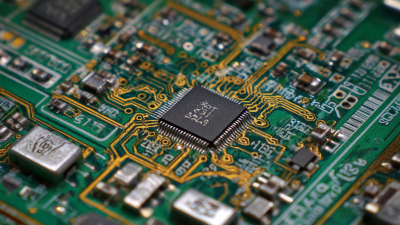
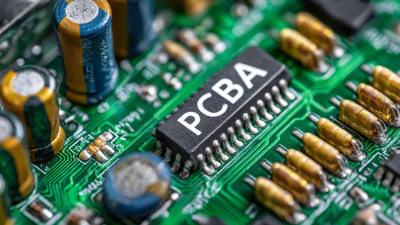
You know, as the electronics scene keeps changing so fast, it's pretty amazing how innovations in HDI PCB manufacturing are really shaping what’s next for tech. I recently read that the global market for HDI PCBs is expected to hit about 23 billion USD by 2026 — that’s a solid growth of over 10% annually, all thanks to the rising demand for smaller but more powerful gadgets.
Exploring the Future of HDI PCB Fabrication: Innovations Shaping Tomorrow's Electronics

One company that's really making waves in this space is Shenzhen Rich Full Joy Electronics Co., Ltd. They’re a top-notch high-tech firm pushing the boundaries of PCB tech. In fact, they’re a key player in China’s startup ecosystem, leading the charge when it comes to developing and applying cutting-edge HDI PCB manufacturing methods. Looking ahead, it’s pretty clear that new ideas in design, materials, and manufacturing are not only making devices perform better but also opening up a whole new world of electronic applications. Exciting times, right?

Emerging Materials in HDI PCB Fabrication: A Shift Towards Sustainability

You know, as more folks are demanding high-density interconnect (HDI) printed circuit boards (PCBs), the industry’s really starting to lean into using more innovative, eco-friendly materials. It’s pretty exciting because this shift isn’t just about ticking boxes for regulations — companies and consumers alike are pushing for greener manufacturing practices, which is a huge deal. We’re seeing new stuff like biodegradable substrates and recycled composites making their way into PCB production, and honestly, it’s a win-win — better performance and a smaller environmental footprint.

On top of that, technological advances are opening up even more options for manufacturers. They’re experimenting with materials that cut down on environmental impact without sacrificing quality or efficiency. Think additive manufacturing and non-toxic inks — these kinds of techniques are becoming more common in the production process. Not only are these innovations aiming to reduce carbon footprints, but they’re also in sync with a pretty booming electronics market — forecasts suggest it might hit around $139.63 billion soon. Overall, this blend of sustainability and tech is really shaping up to be a game-changer for how HDI PCBs are made, and it’s definitely setting the stage for exciting changes in the future of electronics design and manufacturing.

Novel Fabrication Techniques: Enhancing Precision and Efficiency in HDI PCBs

The world of HDI (High-Density Interconnector) PCB (Printed Circuit Board) manufacturing is changing pretty fast these days. That’s mostly because everyone’s chasing after smaller, more complex gadgets. You know how it is—tech keeps pushing the boundaries, and factory techniques have to keep up. We’re seeing cool innovations like laser drilling, fancy imaging tech, and automation in assembly lines, all helping us get better precision and faster production. I recently read a report from MarketsandMarkets that predicts the HDI PCB market will hit about $22.55 billion by 2025, growing at around 10.45% yearly since 2020. That’s a pretty steady climb, and it’s mainly thanks to more advanced needs in telecom, consumer gadgets, and even cars.

Exploring the Future of HDI PCB Fabrication: Innovations Shaping Tomorrow's Electronics

For manufacturers looking to stay ahead, it’s a good idea to consider using new materials like hybrid laminates— they really boost thermal and electrical performance. Also, bringing in automated optical inspection (AOI) can cut down on mistakes, which means more good boards and less waste. A few practical tips include keeping equipment well-maintained, training staff on the latest tech, and making sure you're up-to-date with industry standards. By embracing these innovations, PCB makers won’t just meet today’s demands—they’ll be setting the stage for future advances in electronics design.

The Role of Automation and AI in the Future of PCB Manufacturing

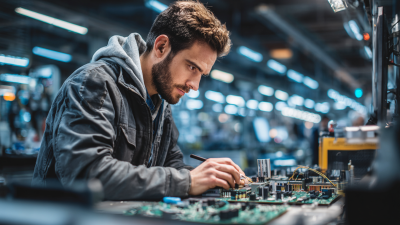
As the world of PCB manufacturing keeps evolving, automation and artificial intelligence are really changing the game when it comes to making printed circuit boards. These days, with the rising demand for high-density interconnect (HDI) PCBs in the latest gadgets and tech, companies like Shenzhen Rich Full Joy Electronics Co., Ltd. are jumping on board with these technologies to boost efficiency and get things done more precisely. Automation helps cut down on human errors and lowers operational costs, so manufacturers can produce top-notch PCBs faster and more reliably than ever before.

And it’s not just about automation—AI is becoming a game-changer too. It’s really helping to improve design processes and even predict maintenance needs before things break down. The AI algorithms can sift through tons of production data, offering insights that spark innovation and make workflows smoother. Shenzhen Rich Full Joy, being a high-tech enterprise and an innovation hub in China, is in a perfect spot to leverage these advances. They’re making sure their products keep up with the fast-paced demands of the electronics world. By focusing on these cutting-edge tech tools, not only are they ramping up their own operations, but they’re also helping push the whole electronics industry forward in the region.

Exploring the Future of HDI PCB Fabrication: Innovations Shaping Tomorrow's Electronics

Innovation Area Description Impact Future Trends
Automation Integration of robotic systems for assembly and inspection processes. Increased efficiency and reduction of human error. Growth in fully automated production lines.
AI and Machine Learning Customization of manufacturing processes through predictive analytics. Optimization of materials and reduction in waste. Enhanced decision-making capabilities for production planning.
Advanced Materials Development of new substrate materials that enhance performance. Higher circuit density and improved thermal management. Increasing use of flexible and printed circuit technologies.
IoT Integration Embedding smart sensors and connectivity directly into PCBs. Facilitates smart devices with real-time data processing. Expansion of smart electronics across various industries.
Sustainable Manufacturing Techniques focused on reducing environmental impact through recycling. Minimized carbon footprint and enhanced material reuse. Increased emphasis on eco-friendly practices in production.

Cost-Effective Alternatives in HDI PCB Production: Balancing Quality and Budget

When it comes to high-density interconnector (HDI) PCB manufacturing, striking the right balance between top-notch quality and keeping costs under control has become more important than ever. Manufacturers are really pushing for innovative materials and techniques that do double duty — boosting performance while also saving a few bucks. Take laser drilling, for example. It’s gotten pretty advanced lately, allowing for super precise microvias, which are essential in these dense board designs. Not only does this cut down on material waste, but it also speeds up the whole process — meaning you get a more cost-effective product without sacrificing functionality.

On the flip side, alternative materials like flexible substrates and cheaper laminates are catching on big time. They help reduce overall production costs without compromising on the strict performance standards modern electronics demand. When manufacturers take a smart, strategic approach—mixing quality with budget-friendly options—they can stay competitive in this fast-paced industry. Continuously exploring these cost-saving options isn’t just about saving money; it’s also about encouraging innovation and making electronics more accessible and sustainable down the line. It’s all about finding that sweet spot where performance and affordability meet, you know?

Exploring the Future of HDI PCB Fabrication: Innovations Shaping Tomorrow's Electronics

Advancements in Design Software: Empowering Innovation in HDI PCBs

In today’s fast-changing world of electronics, it’s pretty clear how important design software has become when it comes to crafting High-Density Interconnect (HDI) PCBs. As more people crave small, powerful gadgets, top-notch design tools are really helping engineers break new ground in HDI PCB design. Thanks to the advanced features and tools these programs offer, designers can whip up complex layouts that not only boost performance but also handle heat and mechanical stresses — super important for those next-gen smart devices.

Lately, we've been seeing more teamwork among industry leaders to take these design capabilities even further. For example, a big name in the automotive space recently teamed up with various System on Chip (SoC) providers to shake up smart cockpit tech. This kind of collaboration shows how mixing modular design strategies with the best design software out there can really speed things up and make the process more efficient. As more companies jump on board with these innovative tools, the future of HDI PCB manufacturing is looking bright — promising even smarter, more integrated electronic solutions that are ready to meet the tech demands of tomorrow.

Unlocking Innovation: High-Reliability Rigid-Flex PCB & Assembly for AI and Medical Devices in a $60 Billion Market

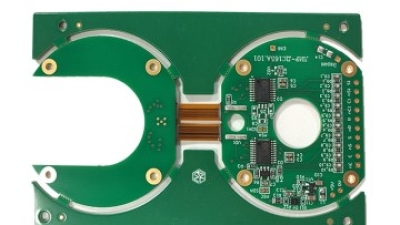
In the rapidly evolving landscape of AI and medical devices, the demand for innovative solutions is driving significant growth within the $60 billion market. Our rigid-flex PCBs are at the forefront of this transformation, providing exceptional reliability and performance tailored for a range of advanced applications. Designed with multi-layer construction, these boards seamlessly integrate rigid and flexible layers, allowing for enhanced durability and optimization of space—a crucial factor in the compact designs of modern electronics.

Manufactured from high-quality materials such as polyimide and FR4, our rigid-flex PCBs are capable of supporting fine-pitch components and managing impedance control, ensuring adaptability in high-frequency applications. According to a recent market report, the rigid-flex PCB market is projected to witness a CAGR of over 9% from 2021 to 2028, driven by heightened usage in critical sectors like wearable medical electronics and robotic surgery systems. Our advanced assembly processes, which guarantee precise component placement and minimal signal loss, position us as a key player in meeting the high industry standards such as ISO 13485, IPC-6013, and RoHS compliance.

The versatility of rigid-flex PCBs extends beyond healthcare, impacting areas such as aerospace and automotive electronics. With an increased focus on AI-driven technologies, the demand for high-performance, reliable circuit boards is set to expand. Our solutions not only comply with stringent regulatory frameworks but also fulfill the industry's need for innovative and resilient designs that drive the future of technology in high-stakes environments.

FAQS

: What are the primary emerging materials being used in HDI PCB fabrication?

: The primary emerging materials include biodegradable substrates and recycled composites, which enhance both performance and environmental responsibility.

Why is there a shift towards sustainable materials in PCB manufacturing?

The shift aims to meet regulatory requirements and address consumer and business pressures for greener manufacturing practices.

How is technology influencing the use of materials in HDI PCB production?

Advancements in technology allow manufacturers to explore alternative materials that minimize environmental impact without compromising quality or efficiency, such as additive manufacturing and non-toxic inks.

What is the estimated value of the electronics market and how does it relate to PCB manufacturing?

The electronics market is expected to reach an estimated value of $139.63 billion, indicating significant growth and highlighting the need for improved manufacturing practices in HDI PCBs.

How does automation impact PCB manufacturing?

Automation enhances efficiency and precision, reduces human error and operational costs, and allows manufacturers to deliver high-quality PCBs more quickly and reliably.

What role does AI play in PCB manufacturing processes?

AI is crucial for optimizing design processes, enabling predictive maintenance, and analyzing production data to drive innovation and streamline workflows.

What benefits does Shenzhen Rich Full Joy Electronics Co., Ltd. gain from embracing automation and AI?

By adopting these technologies, the company enhances operational capabilities, delivers better products, and contributes to the advancement of the electronics sector in China.

How do eco-friendly materials impact the performance of HDI PCBs?

Emerging eco-friendly materials can enhance performance while also fulfilling environmental responsibility, balancing both quality and sustainability.

What is the importance of integrating non-toxic inks in PCB production?

The integration of non-toxic inks is part of the effort to reduce the environmental footprint of PCB manufacturing, promoting sustainability without sacrificing product performance.

How are manufacturers responding to the evolving demands of the electronics industry?

Manufacturers are adopting innovative materials and advanced technologies to meet the increasing demand for HDI PCBs and align with sustainability goals.

Conclusion

The blog titled "Exploring the Future of HDI PCB Fabrication: Innovations Shaping Tomorrow's Electronics" takes a deep dive into the latest trends and tech that's transforming how HDI PCBs are made. It's pretty exciting stuff—especially with all the talk about sustainability these days. Manufacturers are really focusing on using new, eco-friendly materials to build smarter, greener solutions. Plus, they’re trying out some pretty cool fabrication methods that boost precision and efficiency, making sure the quality of what's produced keeps up with what modern electronics demand.

On top of that, the whole automation and AI wave is set to change the game entirely. It promises to make manufacturing smoother, cut down on costs, and speed things up. As more budget-friendly options become available, companies can strike a better balance between quality and affordability. Also, advances in design software are opening up new possibilities, letting engineers push the limits of what HDI PCB fabrication can achieve. Here at Shenzhen Rich Full Joy Electronics Co., Ltd., we’re all about staying ahead of the curve and making the most of these innovations to keep leading in this fast-moving industry.
Clara

Clara

Clara is a dedicated marketing professional at Shenzhen Ruizhi Xinfeng Electronics Co., Ltd., where she leverages her extensive knowledge of the company's products to drive marketing initiatives. With a focus on excellence, she regularly updates the company’s professional blog, sharing insights......
Previous Future Trends in High Frequency Pcb Technology for Global Buyers