Leave Your Message
0%

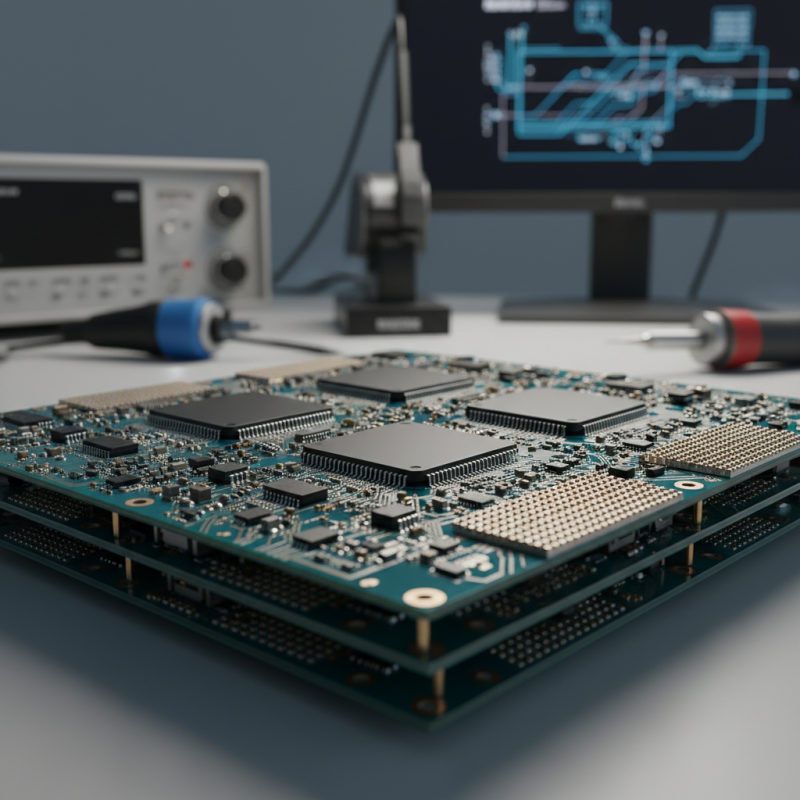
As driver-assistance systems (ADAS) become more and more common on our roads, finding reliable PCBs for these systems is more important than ever. Companies like Infineon and Texas Instruments are really leading the charge here, pushing out innovations that help keep us safe and make our vehicles more efficient. But honestly, picking the right PCB for ADAS isn’t exactly a walk in the park. Not all PCBs are created equal—in terms of quality or features, that is. Things like thermal management, signal integrity, and where the components are placed really matter, and it’s worth taking the time to check out different manufacturers. Sometimes, even the brands you trust the most might surprise you with solutions that aren’t quite up to par. Oh, and a quick tip—don't overlook ADAS PCB design. A thoughtfully designed PCB can really cut down on errors and boost performance, but, of course, there’s always some risk involved, especially with new tech. Looking back at past choices can help make better decisions as this field keeps evolving—it’s all about learning and adapting along the way.
Top PCB Solutions for ADAS Systems How to Choose the Best?

Overview of ADAS Systems and Their PCB Requirements

Top PCB Solutions for ADAS Systems How to Choose the Best?

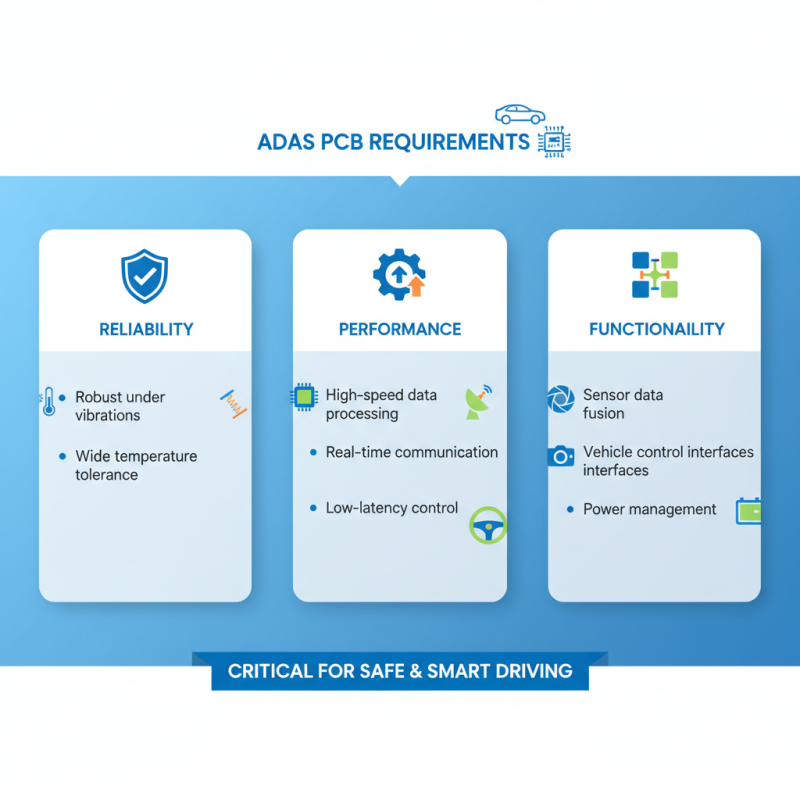
ADAS systems, or Advanced Driver-Assistance Systems, rely heavily on high-quality PCB (Printed Circuit Board) designs. These boards must meet strict reliability and performance standards. They handle vital functions like sensor data processing, communication, and vehicle control. Meeting the requirements of ADAS means ensuring that the PCB can operate effectively in various environmental conditions. This includes temperature fluctuations and vibrations during driving.

When evaluating PCB solutions for ADAS, consider the complexity of the system. A PCB should support multiple functions in a compact space. For instance, integrating various sensors like cameras and radar requires precise layout and design. On the other hand, the trade-offs between size and functionality can be challenging. Manufacturers might need to refine their designs repeatedly. After all, the wrong choice could impact system safety.

Designers can learn from other fields too, such as Military Communication Systems Pcb. These PCBs prioritize reliability even in harsh conditions. ADAS designers should reflect on this. Are they applying the same rigorous standards? Issues like signal integrity and thermal management are crucial. Compromises here could lead to malfunction. Hence, careful consideration in the design phase is essential.

Key Features of PCB Solutions for Advanced Driver-Assistance Systems

Advanced Driver-Assistance Systems (ADAS) heavily rely on robust PCB solutions. These solutions must meet specific criteria to ensure safety and performance. According to industry reports, the global ADAS market is projected to reach $83 billion by 2027. This growth emphasizes the need for reliable PCB providers.

Key features of PCB solutions for ADAS include thermal management and signal integrity. These factors play a crucial role in the performance of sensors. A study shows that over 70% of ADAS failures stem from PCB issues. Ensuring high-quality manufacturing processes can mitigate these risks.

**Tip:** When selecting a PCB provider, check their experience with ADAS. Their past projects can provide insights into their capabilities.

Another vital aspect is the adaptability of PCB solutions. ADAS technologies are rapidly evolving. This means that companies must choose solutions that can scale and update easily. Flexibility in design can lead to long-term success.

**Tip:** Evaluate the design's modularity. This helps when integrating new technologies, especially for ODM PCB Solutions for Security Systems.

Top PCB Solutions for ADAS Systems

This chart illustrates the importance of various features in PCB solutions for Advanced Driver-Assistance Systems (ADAS). The features include Signal Integrity, Thermal Management, Size & Weight, Component Density, and Cost Optimization, with ratings reflecting their significance in design considerations.

Comparison of Different PCB Technologies for ADAS Applications

When selecting PCB technologies for Advanced Driver-Assistance Systems (ADAS), several factors must be considered. Each technology has its strengths and weaknesses. For instance, traditional FR-4 PCBs are widely used due to their cost-effectiveness. However, they may not offer the performance required for high-frequency applications.

Another option is the use of high-frequency laminates. These materials can handle more complex signals, which is essential for ADAS functions like radar and LiDAR. Yet, they can be more expensive and difficult to work with. Flex PCBs provide significant advantages in space-constrained designs but may pose challenges in durability. Designers often face trade-offs when balancing performance and cost.

Moreover, thermal management is paramount for ADAS reliability. PCBs with better thermal conductivity can enhance system performance but increase manufacturing complexity. Unfortunately, not all manufacturers provide adequate thermal designs. This inconsistency raises questions about quality assurance. In the rapidly evolving automotive sector, mistakes can prove costly. As technologies advance, continuous evaluation of PCB choices becomes crucial for achieving optimal performance in ADAS applications.

Top PCB Solutions for ADAS Systems - Comparison of Different PCB Technologies for ADAS Applications

PCB Technology Signal Integrity Thermal Management Cost Effectiveness Manufacturing Complexity
Standard FR-4 Moderate Basic Low Low
Polyimide High Excellent Moderate Moderate
Aluminum Base Good Good High Moderate
RF/Microwave Very High Excellent High High
High-Frequency Laminate Exceptional Good Very High High

Factors to Consider When Selecting PCBs for ADAS Systems

When selecting printed circuit boards (PCBs) for Advanced Driver Assistance Systems (ADAS), several factors come into play. ADAS systems require high reliability and strong performance. According to industry reports, the demand for high-frequency PCBs is growing with a projected CAGR of 15% through 2025. Ensuring the PCB can handle high-speed data transmission is crucial. Timely signal integrity is necessary for systems like lane departure warnings and adaptive cruise control.

Thermal management is another critical aspect. ADAS electronics generate heat and require PCBs that can withstand these conditions. Inadequate heat dissipation can lead to failures. The choice of materials plays a vital role here. A study indicates that PCBs utilizing thermally conductive substrates can improve the longevity of ADAS applications by up to 30%. Designers must not overlook environmental factors, such as moisture and vibration resistance. These elements can significantly affect PCB reliability in automotive environments.

Considering ODM PCB Solutions for Surveillance Systems can also offer insights. They often prioritize compact designs while ensuring robust performance under various conditions. Reflecting on these points is essential. There may be overlooked details in sourcing decisions. Balancing cost with high standards can be challenging yet vital for the success of ADAS technology.

Evaluating PCB Suppliers: Quality, Reliability, and Expertise

When evaluating PCB suppliers for ADAS systems, quality is crucial. High-quality printed circuit boards ensure reliability and safety in advanced driver assistance systems. Look for manufacturers with certifications. This indicates adherence to industry standards. A proactive approach can help identify potential issues early.

Reliability follows closely. A supplier's track record speaks volumes. Check client testimonials and case studies. These reveal how the supplier handled past projects. Address any gaps in their experience, especially in complex ADAS applications. If they lack expertise, it may pose risks.

Expertise in ODM PCB Solutions for Energy Storage Systems is also beneficial. The knowledge of energy management can enhance system efficiency. Suppliers should demonstrate their understanding of evolving technologies. It’s vital to balance innovation with proven methods. Regular evaluations can foster long-term partnerships and improve overall performance. Consistent feedback will create opportunities for improvement and growth.

Future Trends in PCB Solutions for Enhanced ADAS Functionality

Top PCB Solutions for ADAS Systems How to Choose the Best?

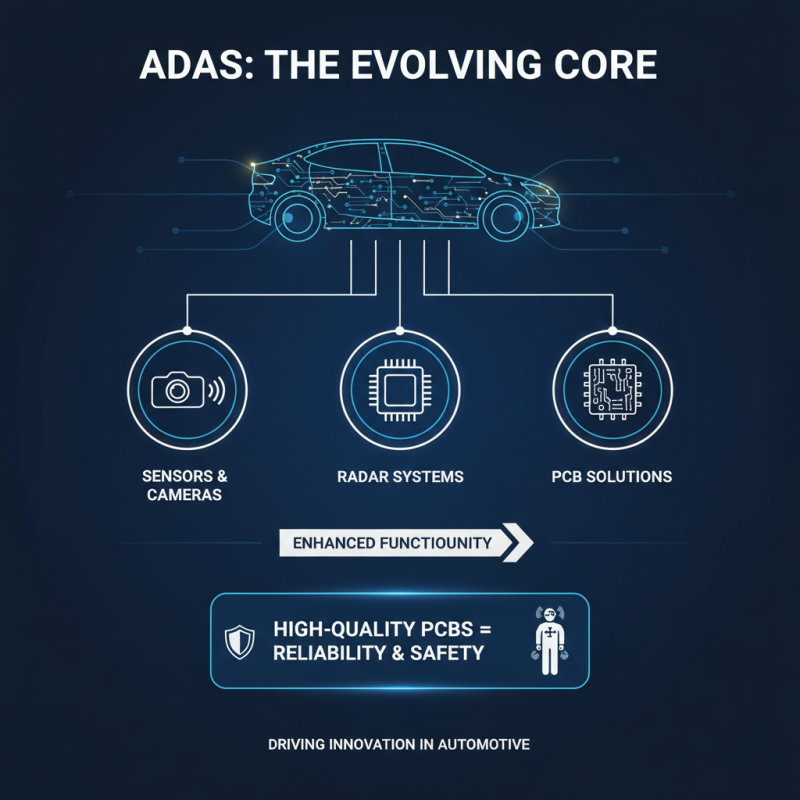
Advanced Driver Assistance Systems (ADAS) are rapidly evolving. The demand for enhanced functionality is driving innovation in PCB solutions. Modern vehicles are now equipped with numerous sensors, cameras, and radar systems. Each component relies heavily on high-quality printed circuit boards. Ensuring reliability is critical for safety in ADAS applications.

Future trends indicate a shift toward integration and miniaturization. Designers are exploring multilayer PCBs that can accommodate complex circuitry. These PCBs need to withstand harsh environmental conditions. They must also support higher data transfer rates. However, achieving this requires balancing complexity with manufacturability. This often leads to over-engineering, which can inflate costs and complicate production processes.

Another emerging trend is the adoption of flexible PCBs. These boards facilitate innovative designs, allowing for unique shapes and configurations. Flexibility can improve installation and enhance performance in tight spaces. However, working with flexible materials poses challenges. Issues such as durability and signal integrity must be carefully considered. Each choice has trade-offs, and revisiting designs can lead to better outcomes.

Best Practices for Designing PCBs for Safety-Critical Systems

Designing PCBs for safety-critical systems, particularly in ADAS, requires meticulous attention to detail. Statistics show that approximately 90% of automotive innovations involve electronics. With such a heavy reliance on technology, failures can lead to significant risks. For instance, a study indicated that up to 50% of recalls stem from electronic component failures.

When designing PCBs, engineers must employ redundancy techniques. This can enhance reliability. Fatal flaws in design can arise from overlooked details. Engineers commonly underestimate the effects of noise in high-frequency designs, which can lead to malfunctions.

Moreover, thermal management cannot be ignored. Improper heat dissipation can cause system failures. The IPC standards suggest that thermal analysis should be performed early in the design process. However, many still neglect these critical steps. During design iterations, testing must be rigorous. Simulation tools play a key role, yet, some teams rush this phase. Balancing speed and quality is often a challenge. Thus, reflection on previous designs can mitigate potential pitfalls, ensuring safer and more efficient systems.

Maximizing RF Performance with 6-Layer High-Frequency PCBs: Insights from the 2023 Global PCB Industry Report

Maximizing RF performance is crucial in today's rapidly evolving technological landscape, particularly in applications requiring high-frequency signal integrity. The 6-layer high-frequency hybrid PCB stands out as a significant advancement in this field, combining innovative design with superior material properties. By integrating materials like Rogers RO4350B with alternatives such as S1000-2M and FR-4, engineers have created a PCB that not only meets but exceeds the demands of modern RF applications.

This PCB is meticulously designed with metal edging and resin-plugged holes, ensuring robust electrical and mechanical performance. The tailored inner and outer copper thickness of 35um enhances its capability for power and signal processing, making it an ideal choice for critical systems in sectors such as 5G infrastructure, aerospace, and high-end medical devices. The advanced ENIG surface treatment further augments the PCB's resistance to corrosion and enhances solderability, which is vital for maintaining long-term reliability in various environmental conditions.

With precision manufacturing techniques, this PCB achieves a minimum line width/space of 8/5 mils and a via size as small as 0.2 mm, facilitating the integration of numerous components without compromising performance. As industries push the boundaries of technology, this type of high-frequency PCB exemplifies the intersection of innovation and practicality, providing tailored solutions that propel advanced electronic designs into the future.

FAQS

: What is the main purpose of the product?

: The product aims to enhance daily efficiency and improve overall comfort for users.

How should the product be maintained?

Regular cleaning is essential. Wipe it down with a damp cloth.

Can the product be used by everyone?

Most people can use it, though specific features may suit certain users better.

What are the common complaints about the product?

Some users report it can be complicated to use. Instructions may need to be clearer.

Is there a warranty available?

A limited warranty is usually offered, covering certain issues. Check the details for specifics.

What happens if the product malfunctions?

Users should contact support for help. They can guide troubleshooting steps or replacements.

How quickly can I see results from using the product?

Results vary by individual. Some notice improvements quickly, while others may take longer.

Are there any risks associated with using the product?

Risks are minimal for most users. However, some may experience discomfort initially.

Is the product suitable for children?

Children may use it with adult supervision. Always ensure safety while using.

What are users saying about the product?

Feedback is mixed. Some love it, while others suggest areas for improvement.

Conclusion

This article delves into the critical role of PCB for ADAS systems, exploring their specific requirements and features essential for advanced driver-assistance applications. It highlights various PCB technologies suited for ADAS, comparing their benefits and limitations while emphasizing factors such as reliability, quality, and the expertise of suppliers.

Additionally, the article discusses future trends that may enhance the functionality of ADAS through innovative PCB solutions, along with best practices for designing these safety-critical systems. By understanding these elements, organizations can better navigate the selection process and ensure the effectiveness and safety of their ADAS components.
Mason

Mason

Mason is a dedicated marketing professional at Shenzhen Ruizhixinfeng Electronics Co., Ltd., where he has established himself as an expert in the company's innovative product offerings. With a deep understanding of electronics and a keen eye for market trends, Mason plays a crucial role in shaping......
Previous Future Trends in High Frequency Pcb Technology for Global Buyers