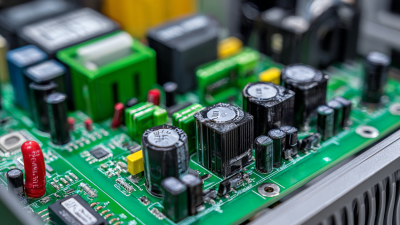
The rapid rise of autonomous driving tech is really shaking up the car industry. If you look at the latest reports from Statista, they're saying that the market for self-driving vehicles could hit around $556 billion by 2026 — no kidding! One key piece of this puzzle is the so-called 'PCB for Autonomous Driving Sensors.' Basically, these printed circuit boards are what make stitching together all the sensors like cameras, LIDAR, and radar possible. They play a big role in boosting both safety and efficiency on the road.
Big players like NVIDIA and Tesla are pushing hard on the importance of top-notch PCB designs. It’s not just about getting the sensors to work; it’s about making sure they process data quickly and reliably, so the car can make split-second decisions without flopping. That said, it’s not all smooth sailing — designing these PCBs isn’t trivial. The complexity of the sensor systems can sometimes lead to mistakes or errors in the circuit boards, which might even put safety at risk.
As the demand for smarter, more reliable 'Driving Recorder PCBA' solutions keeps climbing, engineers are under pressure to innovate and improve how these PCBs are built. Moving forward, the future of autonomous vehicles will hinge a lot on how well we can make these systems better. Striking that balance between high performance and solid reliability isn’t easy — it takes ongoing tweaks, tests, and improvements to get it just right.
What is PCB and Its Importance in Autonomous Driving Sensors
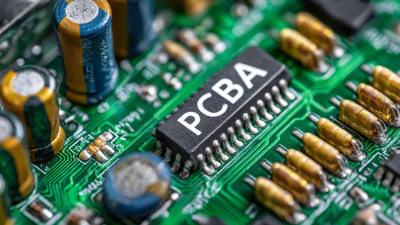
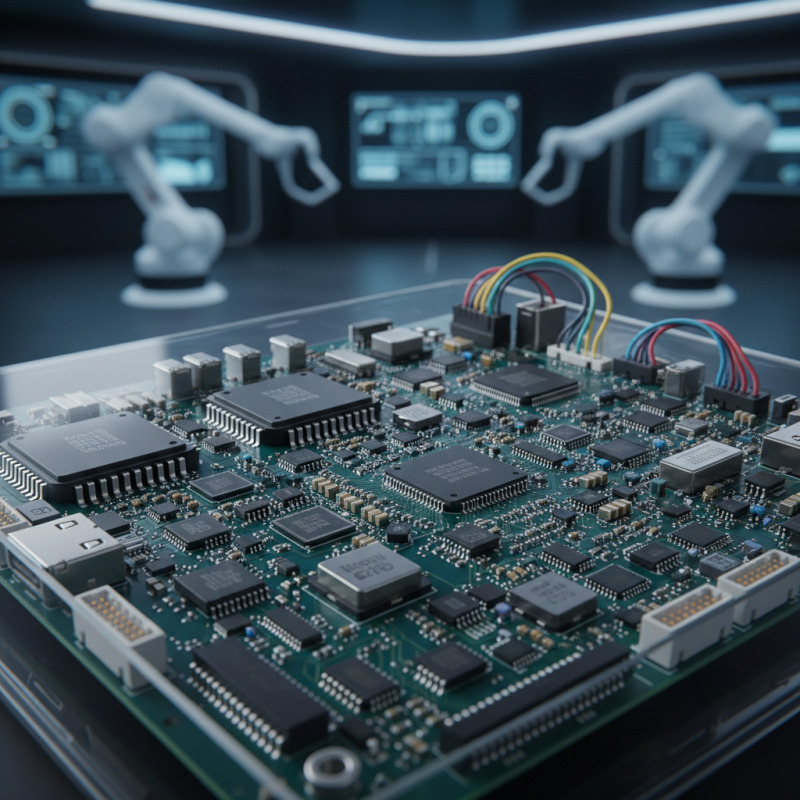
In the realm of autonomous driving, printed circuit boards (PCB) play a crucial role. They serve as the backbone for various sensors, enabling communication and functionality. Autonomous vehicles rely on multiple sensors, such as LiDAR, radar, and cameras.
According to industry reports, the global PCB market for automotive applications is projected to reach 17 billion USD by 2025. This growth underscores the importance of PCBs in enhancing the safety and efficiency of autonomous driving systems.
PCBs connect electronic components, ensuring they operate seamlessly. This integration is vital for real-time data processing in self-driving cars. The reliability of these boards directly impacts sensor performance, which can be detrimental if flawed.
Studies indicate that nearly 30% of automotive failures stem from electronic faults. As sensors grow more complex, the design and manufacturing of PCBs must keep pace. This dynamic poses challenges: optimizing for durability, heat dispersion, and signal integrity. Continuous improvement in PCB technology is essential for the advancement of autonomous systems.
Types of PCBs Used in Autonomous Driving Applications
In the world of autonomous driving, PCBs play a crucial role. These printed circuit boards are integral in connecting and managing various sensor systems. Different types of PCBs are used depending on the specific application. For example, rigid PCBs are common for basic functions, while flexible PCBs are used in more complex sensors like cameras and LiDAR systems.
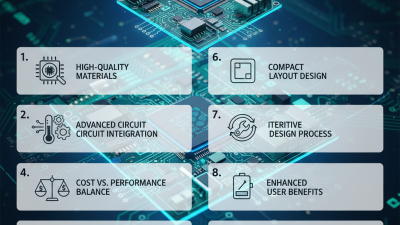
The design of these PCBs must consider thermal management and signal integrity. High-speed communication needs are critical. Poor design can lead to failures. Some PCBs also incorporate advanced materials to enhance performance. However, these materials can be expensive and challenging to work with. This could pose issues for smaller manufacturers. The balance between cost and performance remains a challenge in the industry.
Lastly, the types of PCBs also vary in their layer counts. Multilayer PCBs may be required for high-density interconnections. While they offer superior performance, they are harder to manufacture. Some designs might even fail to meet specifications and require revision. These complexities reflect ongoing challenges in creating effective Pcb For Autonomous Vehicles.
Key Components of PCBs for Autonomous Driving Sensors
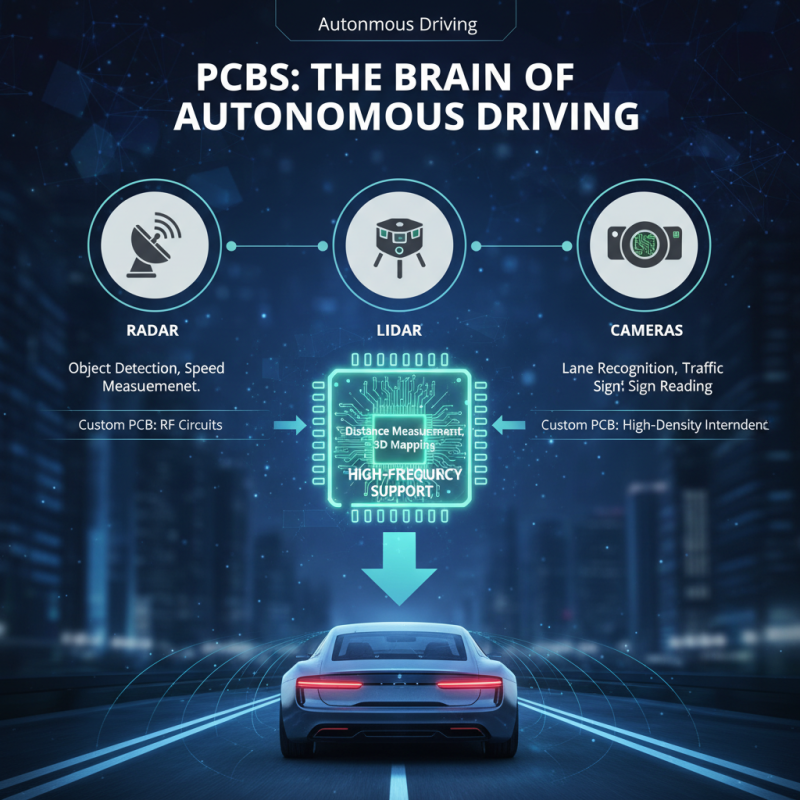
In the realm of autonomous driving, printed circuit boards (PCBs) play a critical role. They support various sensors essential for vehicle perception. These sensors include radar, LIDAR, and cameras. Each type of sensor necessitates specific PCB designs to ensure optimal performance. For instance, LIDAR sensors require high-frequency signal integrity. This need is critical for accurate distance measurement and environmental mapping.
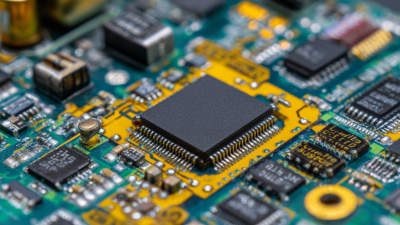
Key components of PCBs for autonomous driving sensors include high-density interconnects and thermal management systems. High-density interconnects allow more connections in a smaller area, vital for compact sensor designs. Meanwhile, effective thermal management is pivotal, as sensors generate heat during operation. According to industry reports, optimizing these elements can improve sensor reliability by up to 30%. The demand for ODM PCBA Solutions for Autonomous Vehicles is rising, as manufacturers seek to enhance performance.
The challenge lies in balancing performance, size, and cost. Each design must pass rigorous testing to meet safety and functionality standards. Reports indicate that approximately 25% of PCB designs face delays due to unforeseen complications. Additionally, rapidly evolving technology can render designs obsolete within months. This underscores the need for adaptive design processes in the PCB industry. Continuous innovation and reflection on past failures will drive future advances in autonomous driving technology.
How PCBs Facilitate Sensor Communication in Autonomous Vehicles
In the realm of autonomous vehicles, PCBs (Printed Circuit Boards) play a crucial role in sensor communication. These boards connect various sensors, enabling real-time data processing. For instance, a vehicle's radar, lidar, and camera systems communicate through intricate PCB designs. This communication is vital for making split-second decisions on the road.
Tips: Keep your PCB designs compact. Space is limited in vehicles. Avoid complex layouts that might complicate sensor connections. Simple is often better, especially when dealing with dynamic environments.
The integration of Vishay Sensors into these PCBs enhances performance. These sensors allow vehicles to detect obstacles better and assess their surroundings more accurately. However, it’s essential to consider layout challenges. Overheating or interference can occur if not properly managed. Test thoroughly before finalizing designs.
Ultimately, the synergy between PCBs and sensors propels autonomous driving technology forward. Each component must work flawlessly to ensure safety. Continuous improvement and iteration are required.
Design Considerations for PCBs in Autonomous Driving Systems
The design of PCBs (Printed Circuit Boards) for autonomous driving sensors is complex. Engineers must address various challenges to ensure safety and efficiency. According to a recent industry report, the market for automotive PCBs is expected to grow significantly, reaching nearly $8 billion by 2026. This growth highlights the increasing reliance on sophisticated electronic systems in vehicles.
Key considerations include the board's thermal management. Sensors generate heat during operation. Effective heat dissipation is crucial to maintain performance. High temperatures can lead to component failure, which is unacceptable in safety-critical systems. The layout must minimize heat buildup, involving strategic placement of components. Designers often face trade-offs between space and heat management.
Signal integrity is another vital aspect. Autonomous vehicles rely heavily on precise data. Poor signal quality can cause malfunctions. Having shorter traces can reduce interference but complicates the design. Balancing these parameters is essential. Lastly, redundancy in design can enhance reliability. However, it also increases cost and complexity. Striking that balance is often a point of contention among engineers. These design factors present ongoing challenges, pushing the boundaries of PCB technology in autonomous driving systems.
Manufacturing Processes of PCBs for Automotive Applications
The manufacturing processes of PCBs for automotive applications are crucial for the safety and efficiency of autonomous driving sensors. These processes involve several stages, including design, fabrication, assembly, and testing. Each step requires precision to meet high standards.
Designing a PCB involves creating a detailed layout. Engineers must consider the size, weight, and heat dissipation of the board. Often, they face challenges in optimizing these factors. A well-designed PCB can improve sensor performance. However, miscalculations can lead to issues later in the production line.
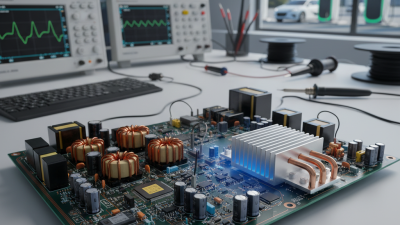
After design, fabrication begins. Materials like FR4 are commonly used. This material is versatile but can warp under high temperatures, leading to reliability concerns. Once fabricated, PCBs go through rigorous assembly processes. Components are soldered onto the boards using various techniques. Each method has its advantages and drawbacks. Finally, testing ensures the PCB meets the required specifications. Failure at this stage is costly and time-consuming. The entire process demands attention to detail and continuous improvement.
Future Trends in PCB Technology for Autonomous Driving Sensors
As autonomous driving continues to evolve, the significance of printed circuit boards (PCBs) in sensor technology cannot be overstated. These PCBs play a pivotal role in integrating various sensors, such as radar and lidar, necessary for safe navigation. Enhanced miniaturization features are becoming popular, allowing for more compact designs. This trend enables the sensors to occupy less space within vehicles while delivering consistent performance.
One area of ongoing development is the thermal management of PCBs. Sensors, including Honeywell Temperature Sensors, generate heat during operation. Managing this heat is crucial for maintaining sensor accuracy and longevity. Innovative materials, like thermally conductive substrates, are emerging to address thermal challenges. However, the integration of these materials often leads to increased complexity in design and manufacturing. This complexity poses challenges for engineers striving to optimize performance while managing production costs.
Furthermore, the move toward flexible PCBs is gaining traction. Flexibility allows sensors to conform to various shapes within a vehicle, creating new opportunities for design. Yet, this flexibility can introduce reliability concerns. Engineers must ensure that these flexible circuits endure the strain and motion of real-world driving. Balancing innovation with practical application remains an area worthy of reflection and improvement.
Sensor Accuracy in Autonomous Driving
Market Insights: The Role of 16L Any Layer HDI PCBs and IC Test Boards in Advancing Electronics Manufacturing
The electronics manufacturing landscape is rapidly evolving, particularly with the increasing adoption of 16-layer Any Layer HDI PCBs and IC test boards. These advanced technologies facilitate precise interconnectivity and support the complexities of modern electronic devices. Featuring sophisticated layer-to-layer interconnects and enhanced impedance resin plug hole techniques, they promise to significantly improve both electrical performance and mechanical stability, elements that are critical in today’s high-density applications.
High-speed drilling technology stands at the forefront of this advancement. Utilizing cutting-edge drilling machines, manufacturers can achieve remarkable efficiency and accuracy, with capabilities for up to seven times the conventional drilling cycles. The inclusion of complex step grooves and a meticulously calculated aperture ratio of 12:1 further accentuates the reliability and functionality of these PCBs. This ensures that the high-density interconnect PCBs produced not only meet but exceed the demanding standards required for intricate electronic devices and high-performance applications.
As the industry continues to push the boundaries of innovation, the role of 16-layer HDI PCBs and IC test boards becomes increasingly vital. Their advanced manufacturing capabilities not only enhance product performance but also pave the way for the future of electronics, enabling manufacturers to deliver solutions that are both reliable and efficient in a rapidly advancing technological landscape.
FAQS
: Services include consulting, training, and project management. Each is tailored to meet specific needs.
Simply fill out the online form. Expect a follow-up within 48 hours.
Training sessions usually last between two to four hours. Adjustments can be made for larger groups.
Yes, various materials are provided for independent learning. They include guides and practice exercises.
Certification is available after successfully completing the training program. It requires passing an assessment.
Potential challenges include scope changes or timeline delays. Communication is key to addressing these issues.
Yes, ongoing support is provided. However, the extent and duration will depend on individual agreements.
Feedback is collected through surveys and direct conversations. It is crucial for improving services.
Services can be tailored to meet specific client needs. Flexibility is important for effectiveness.
It’s important to express concerns. Adjustments can be made based on feedback, aiming for better outcomes.
Conclusion
PCB for Autonomous Driving Sensors is a critical component in the development and functionality of modern autonomous vehicles. It serves as the backbone that facilitates essential interconnections between various sensors, enabling real-time data processing and communication. The article discusses the different types of PCBs utilized in autonomous driving applications, emphasizing their importance in ensuring reliability and performance under challenging conditions.
Key components of these PCBs, such as signal integrity and thermal management, are crucial for maintaining optimal functionality. Additionally, the article explores design considerations specific to the automotive industry, highlighting manufacturing processes that align with safety and durability standards. Future trends in PCB technology are also addressed, indicating ongoing advancements that will enhance sensor capabilities, thereby improving the safety and efficiency of autonomous driving systems.