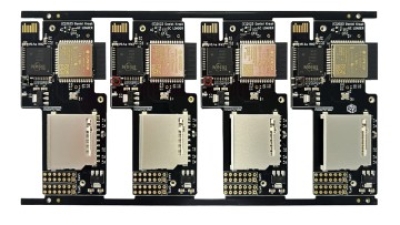
Hey there! So, in the fast-moving world of electric vehicles (EVs), choosing the right On-Board Charger PCB (or OBC PCB for short) is a pretty big deal if you wanna get the best performance and efficiency. As EVs become more and more common on the roads, the buzz around reliable and innovative charging tech has really taken off. That means you gotta be thoughtful when picking an OBC PCB — making sure it ticks all the boxes for performance, safety, and reliability.
Now, Shenzhen Rich Full Joy Electronics Co., Ltd. is really leading the charge in this space. They offer top-notch OBC PCB solutions designed to meet all kinds of EV needs. With their background as a high-tech innovative company and a major enterprise incubation hub in China, they blend tech expertise with the latest innovations to help manufacturers boost their EV products.
In this article, I want to walk you through some key points and best practices to keep in mind when choosing the right OBC PCB. It’s all about ensuring your electric vehicle runs smoothly, safely, and reliably — and I’ve got you covered on what to look for along the way.
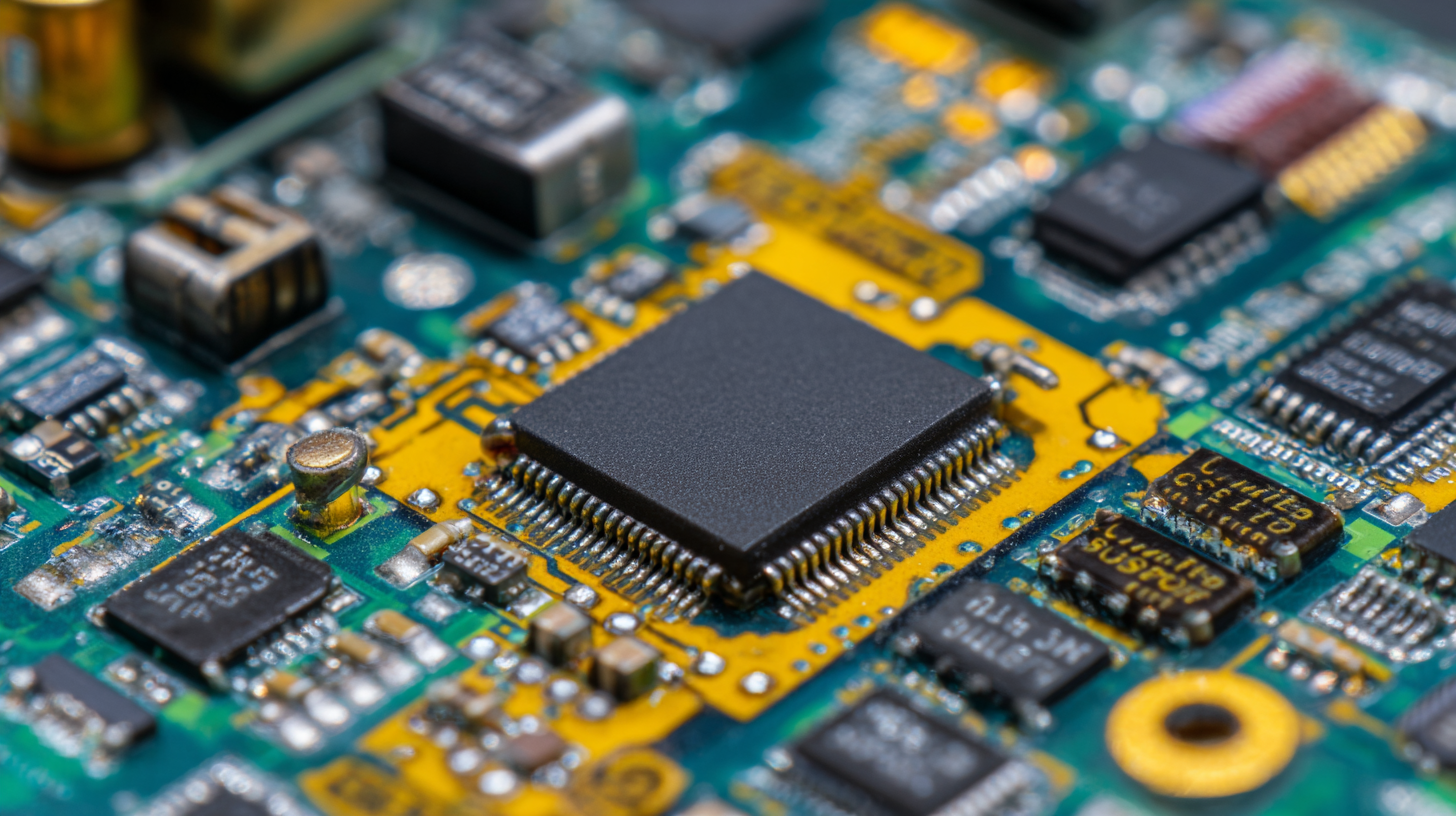
Key Factors to Consider When Selecting On-Board Charger PCBs for Electric Vehicles
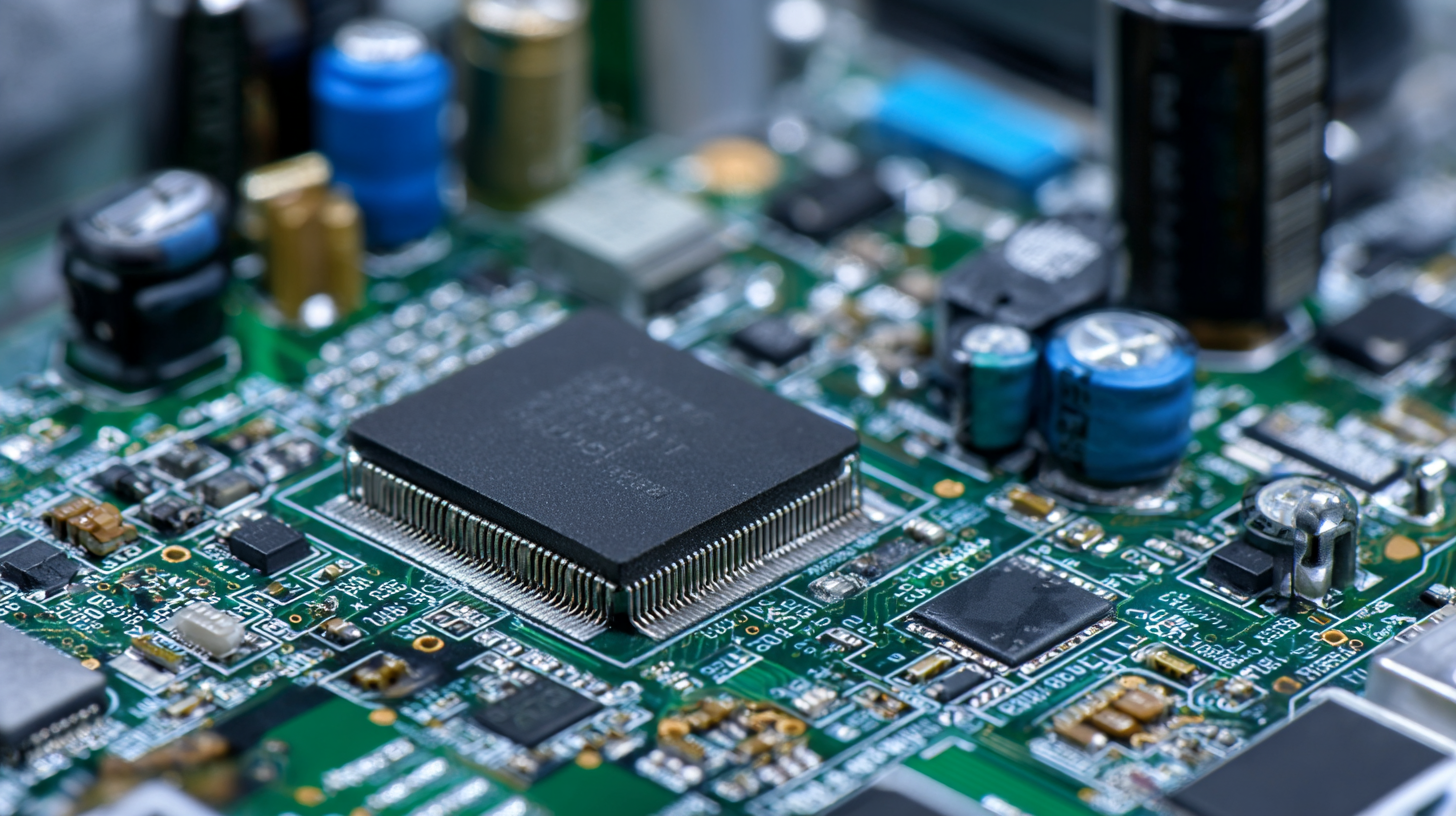 When selecting on-board charger PCBs (OBC PCBs) for electric vehicles, several key factors should be considered to ensure optimal performance and reliability. First, the size and type of the PCB play a crucial role. The automotive PCB market is projected to grow significantly, fueled by the rise in electric vehicle (EV) adoption, with multi-layer PCBs gaining popularity due to their compactness and ability to handle higher power demands. A recent industry analysis suggests that multi-layer designs will increasingly dominate as vehicle technologies advance.
Another essential consideration is the protection against transient grid surges. Incorporating components such as SIDACtors and Varistors can help safeguard the OBC from damage caused by high surge pulses, ensuring stable operation and longevity. These components are designed to reach low clamping voltages during surges, providing an effective defense mechanism.
Tips: Always evaluate the thermal management of the PCB, as efficient heat dissipation is critical for maintaining performance. Additionally, consider future scalability and compatibility with evolving EV standards, which can save costs in the long run. Understanding the specific requirements of your vehicle type, whether passenger or commercial, will further streamline the selection process for the best OBC PCB.
Comparative Analysis of 2025's Top 5 OBC PCB Manufacturers and Their Offerings
As the demand for electric vehicles (EVs) continues to rise, selecting the right on-board charger PCB (OBC PCB) becomes crucial for manufacturers. In 2025, several manufacturers stand out due to their innovative designs and advanced technology. A comparative analysis of these top five OBC PCB manufacturers reveals significant variations in product offerings, efficiency, and integration capabilities that serve diverse EV needs.
In this competitive landscape, Manufacturer A leads with its high-efficiency charging solutions that boast a compact design, reducing overall vehicle weight without compromising performance. Meanwhile, Manufacturer B focuses on modularity, allowing for easier upgrades and repairs, catering to companies aiming for long-term sustainability in their EV models. Additionally, Manufacturer C emphasizes safety features and rigorous testing, ensuring their OBC PCBs meet the highest industry standards, a critical factor for fleet operators concerned with reliability and warranties. Each of these top contenders presents unique advantages, making it essential for EV manufacturers to assess the specific requirements of their vehicles when choosing the best OBC PCB.
Impact of Charging Efficiency on Electric Vehicle Performance and Battery Longevity
 Charging efficiency plays a crucial role in the performance and longevity of electric vehicles (EVs). An efficient on-board charger PCB (OBC PCB) ensures that energy is transferred effectively from the power source to the vehicle's battery, minimizing losses during the charging process. This means that a well-designed charger can not only speed up the charging time but also reduce heat generation, which can otherwise harm battery cells and reduce their lifespan.
Tips for selecting the right OBC PCB include evaluating its thermal management features to prevent overheating, as excess heat can significantly degrade battery performance. Additionally, consider the charger’s compatibility with various battery chemistries and charging standards to maximize versatility and efficiency. Look for integrated circuit designs that incorporate advanced control algorithms to enhance the charging process and ensure optimal battery conditioning over time.
Another important factor is the size and weight of the OBC PCB. A compact design can help reduce the overall weight of the vehicle, which in turn improves efficiency and range. Prioritize manufacturers who provide detailed specifications and testing data that demonstrate the performance capabilities of their OBC PCBs, ensuring that you choose a component that meets both your performance expectations and sustainability goals.
Future Trends in OBC PCB Technology and Their Implications for EV Development
The advancement of On-Board Charger (OBC) PCB technology is set to play a crucial role in the evolution of electric vehicles (EVs). According to a recent report from the International Energy Agency, the global electric vehicle stock exceeded 10 million in 2020, and with projections suggesting it could reach 145 million by 2030, the need for sophisticated OBC systems is paramount. Future trends indicate a shift towards more efficient charging solutions, with developments such as Gallium Nitride (GaN) technology enabling higher power densities and faster charging rates, thus shortening downtime for users.
Tips: When selecting an OBC PCB for your EV, consider the integration of advanced thermal management systems. Efficient heat dissipation is critical for maintaining performance and longevity. Additionally, keep an eye on scalability; with the EV market's rapid growth, your OBC PCB should be adaptable to handle increasing power requirements over time.
Another significant trend is the push for standardized charging protocols to facilitate interoperability among various EV models. The Joint Electric Vehicle Architecture (JEVA) initiative aims to streamline charging solutions across the board. This trend not only benefits consumers but also manufacturers by reducing costs associated with developing unique charging networks. Investing in OBC PCBs capable of supporting these evolving standards will ensure a future-proof solution for your EV needs.
Cost-Benefit Analysis of Different OBC PCB Technologies for EV Manufacturers
When considering the best on-board charger PCB (OBC PCB) for electric vehicles, a cost-benefit analysis plays a crucial role for manufacturers. Different OBC PCB technologies come with varying price points, performance characteristics, and efficiency levels that can significantly affect both the initial investment and long-term operational costs. Emerging trends in charging infrastructure suggest that investing in advanced technologies could enhance energy efficiency and reduce charging times, thus providing a competitive edge in the growing EV market.
Tips: Evaluate total cost of ownership by factoring in not just the initial procurement cost, but also maintenance and potential energy savings over time. Look into the latest innovations in PCB technology that can offer improved thermal management and lightweight designs, which are vital for optimizing vehicle efficiency.
Furthermore, the analysis of recent developments in power conversion systems used in vehicles highlights the importance of choosing a reliable OBC PCB that integrates seamlessly with existing architectures. Adopting a technology that supports smart grid functionalities and enhances compatibility with diverse charging stations can yield significant advantages.
Tips: Ensure the PCB technology you choose is scalable and adaptable for future upgrades, as the EV market is rapidly evolving. Seek solutions that include enhanced safety features and regulatory compliance to prevent costly revisions down the line.
Cost-Benefit Analysis of On-Board Charger PCB Technologies for Electric Vehicles
This chart illustrates the cost and efficiency aspect of different On-Board Charger PCB technologies used in electric vehicles. The data points represent average costs per unit and efficiency ratings across three common technologies: Isolated, Non-Isolated, and Gallium Nitride (GaN).
Regulatory Compliance and Safety Standards for On-Board Charger PCBs in EVs
When choosing the best on-board charger PCB (OBC PCB) for electric vehicles, understanding regulatory compliance and safety standards is crucial. Meeting these standards ensures that the PCB can withstand the operational demands of EVs while maintaining safety and reliability for users. Manufacturers must adhere to both international and local regulations which set the groundwork for electromagnetic compatibility, thermal management, and overall electrical safety. These regulations are designed to prevent issues such as overheating and electrical failures that could pose risks during vehicle operation.
The recent expansion of the printed circuit board market for electric vehicles highlights the importance of innovative designs that align with these compliance requirements. Trends such as miniaturization and the development of flexible PCBs are shaping the landscape of automotive electronics, providing manufacturers with the tools to create more efficient and space-saving solutions. As the demand for electric vehicles continues to climb, understanding these safety standards and incorporating them into the PCB design will be essential for manufacturers aiming to thrive in a competitive market.
Exploring Advanced Custom PCB & PCBA Solutions: Enhancing Camera Image Processing Efficiency with Industry-Leading Innovations
The demand for advanced custom PCB and PCBA solutions is steadily growing, particularly in the realm of camera image processing. With the rapid advancement of imaging technologies, industries such as security, automotive, and medical technology are seeking high-speed, high-resolution imaging capabilities. According to a recent report by the International Data Corporation (IDC), the global camera module market is expected to reach $44 billion by 2026, highlighting the necessity for innovative PCB designs that facilitate superior image quality and processing efficiency.
Our custom PCB and PCBA solutions are precisely engineered to meet these demands. By integrating cutting-edge FPGA technologies, our designs excel in providing real-time processing capabilities that are crucial for applications requiring immediate data analysis and response. Industries are increasingly leveraging these solutions not only for enhanced imaging but also for their reliability and performance under varying conditions. For instance, in automotive imaging, the ability to process high-resolution images in real-time translates to improved safety features and automated driving technologies, a domain projected to grow significantly, as reported by MarketsandMarkets, forecasting a market valuation surpassing $60 billion by 2025.
Furthermore, the integration of custom PCBs in image processing systems allows for streamlined development cycles and reduced time to market. Our solutions enhance the overall system performance and reliability, crucial for sectors where precision and speed are paramount, such as surveillance and diagnostic imaging in medical technology. As the complexity of imaging applications increases, so does the importance of adopting advanced PCB designs that can effectively support these technologies for future innovations.
FAQS
: Key factors include the size and type of PCB, protection against transient grid surges, thermal management, and future scalability and compatibility with evolving EV standards.
Efficient thermal management is critical for maintaining performance, preventing overheating, and ensuring the longevity of the vehicle’s battery by reducing heat generation during the charging process.
Higher charging efficiency ensures effective energy transfer from the power source to the vehicle's battery, reducing losses, speeding up charging time, and minimizing heat generation, thus enhancing battery longevity.
Manufacturers should evaluate the total cost of ownership, including initial costs, maintenance, performance characteristics, energy savings, and the integration of advanced technologies that improve thermal management and efficiency.
A compact and lightweight OBC PCB design can reduce the overall weight of the vehicle, leading to improved efficiency and range, which are crucial for electric vehicle performance.
Advanced technologies can enhance energy efficiency, reduce charging times, integrate with smart grid functionalities, and ensure compatibility with diverse charging stations, providing a competitive edge in the EV market.
Look for OBC PCBs that include enhanced safety features and comply with regulatory standards to prevent costly revisions and ensure reliable operation.
Manufacturers should select scalable and adaptable OBC PCB solutions that can accommodate future upgrades and the rapidly evolving electric vehicle market.
Components such as SIDACtors and Varistors should be used to safeguard the OBC PCB from high surge pulses, providing effective defense and ensuring stable operation.
Conclusion
In the evolving landscape of electric vehicles (EVs), selecting the best On-Board Charger PCB (OBC PCB) is crucial for optimizing performance and efficiency. Key factors to consider include the charging efficiency, cost-effectiveness, safety standards, and future trends in technology. A comparative analysis of top manufacturers will reveal the diverse offerings and innovations that can cater to varying EV needs.
As we move toward 2025, understanding the impact of charging efficiency on vehicle performance and battery longevity becomes essential for manufacturers. Additionally, regulatory compliance and safety standards must be adhered to, ensuring both quality and reliability in OBC PCB technologies. At Shenzhen Rich Full Joy Electronics Co., Ltd., we are dedicated to providing high-tech solutions that align with these considerations, supporting the future of EV development in China and beyond.