In the world of electronics, it's pretty clear that flexibility and creativity are really shaping what's next. Flexible PCBs, in particular, bring some pretty cool advantages for designers and engineers. They make it possible to create compact, lightweight, and versatile devices—things we definitely need more of in today’s fast-moving tech scene.
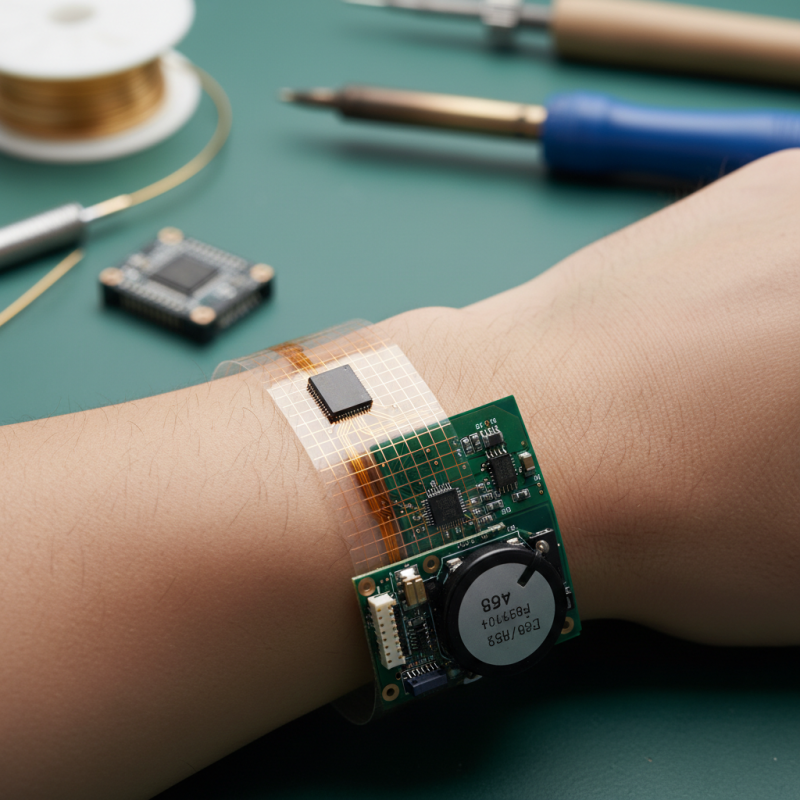
Think about wearable tech, for example. The thin, bendable nature of flexible PCBs means you can embed sensors smoothly into gadgets that fit right around your body or squeeze into tight spots. And if you’re wondering about how they compare to traditional boards, Rigid Flexible Pcb does a great job of bridging the gap—offering that nice balance of flexibility and reliable performance.
That said, working with these flexible boards isn’t all smooth sailing. Soldering takes a bit more care, and the materials can be pretty pricey, too. Plus, a tiny mistake during the design process can lead to a malfunctioning device, which is a big hassle. But, honestly, being aware of these challenges helps us improve on our next project. Finding that sweet spot between innovation and practicality is really what makes an electronics project successful—kind of a delicate dance, you know?
Understanding Flexible PCBs: Definition and Applications
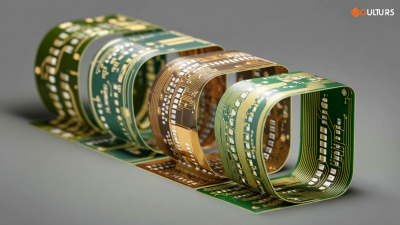
Flexible PCBs, also known as flex circuits, are components that bend and twist. They are made from thin plastic materials and conductors. This unique design allows them to fit into various shapes and sizes. Many industries use Pcb Flexible technology, from consumer electronics to medical devices. Their light weight and compactness make them ideal for compact designs.
In electronics projects, integrating flexible PCBs can enhance functionality. For instance, they can stretch around corners or fit within confined spaces. When designing projects, consider how flexibility can benefit your work. However, challenges may arise. Soldering connections to a flexible substrate can be tricky. If not done correctly, you may face failures. Testing thoroughly is crucial to avoid future setbacks.
Flex circuits also enable innovative designs that rigid boards cannot emulate. However, not all projects will benefit from their use. Weigh the pros and cons before deciding. Sometimes, a traditional PCB may be more suitable. Keeping these factors in mind, using Pcb Flexible can truly elevate your electronics projects.
Advantages of Flexible PCBs in Modern Electronics Projects
Flexible Pcb
s have gained popularity in modern electronics projects. Their unique design allows for easy integration into compact spaces. This adaptability makes them ideal for wearable devices. Many designers appreciate their lightweight nature. This reduces overall device weight, enhancing user comfort. Flexibility also means they can withstand stress and bending, contributing to the durability of products.
Using Flexible PCBs can lead to improved signal integrity. Because they can be designed with multiple layers, there's less interference. This is crucial for high-speed applications. Moreover, they allow for innovative designs that traditional rigid boards cannot achieve. You can create intricate shapes and layouts that fit specific requirements. This also opens up possibilities for new product features.
Tips for using Flexible PCBs:
- Always check the bending radius. This ensures they perform well in dynamic applications.
- Avoid allowing excessive stress on solder joints; this can lead to failures over time.
- Consider the manufacturing process; sometimes mistakes can lead to unreliability.
-
Iterative testing is essential. Evaluate prototypes thoroughly to refine your design before mass production.
Key Materials Used in Manufacturing Flexible PCBs
Flexible PCBs have become crucial in modern electronics. They offer versatility and lightweight solutions. Understanding key materials is vital for effective design. Most flexible PCBs use polyimide as a substrate. This material withstands high temperatures and offers excellent durability. Another common choice is PET, which provides a cost-effective alternative.
Conductive materials like copper are essential. They ensure reliable signal transmission. The thickness of metal traces affects performance. A thicker trace can handle more current but may increase rigidity. Additionally, solder mask materials help protect the circuits. Thin film coatings can achieve this with varying levels of flexibility.
Design considerations often lead to trade-offs. For instance, selecting materials impacts both performance and cost. Some may find experimenting with different combinations beneficial. Testing various designs can yield unexpected results. These reflections can shape future projects involving Flexible Pcb Boards.
Design Considerations for Flexible PCB Projects
When working with flexible PCBs, design considerations are crucial. These boards can bend, twist, and fit into tight spaces, making them ideal for compact electronics. However, understanding the limitations is essential. For instance, connections may break if they are overly stressed. It’s vital to test the flexibility of the PCB material under different conditions.
Choosing the right material affects your project’s success. Look for substrates that combine durability with flexibility. Think about how components will interact with the board’s surface. Ensuring clear space around components prevents unnecessary stress during bending. You may end up with a design that is physically impractical.
Integrating flexible PCBs into your project also requires careful layout planning. Be mindful of trace width and spacing. Narrow traces can enhance flexibility but might not handle high current. Reassess your design often. Flexibility and performance need to coexist; striking this balance is an ongoing challenge.
Integration Techniques for Flexible PCBs in Circuit Design
Flexible PCBs are transforming the way we approach circuit design. Their adaptability allows for unique integration techniques. You can curve, snap, and fold them to fit tight spaces in devices. This is a huge advantage in modern electronics, which often demand compactness.
When incorporating flexible PCBs, start with the layout. Ensure the design is appropriate for bending and twisting. It's also important to consider the materials used. A poor choice can lead to failure. Test the flexibility and durability before full implementation. Small adjustments can make a big difference in performance.
Another aspect to think about is the soldering techniques. Standard methods may not be suitable for flexible materials. Explore alternatives to ensure reliable connections. Pay attention to how the components are mounted, too. Each choice affects the overall integrity of the project. You may need to rethink initial designs as you get feedback. Flexibility in PCB design is essential, but it’s equally crucial to maintain reliability.
Testing and Reliability Assessment of Flexible PCBs
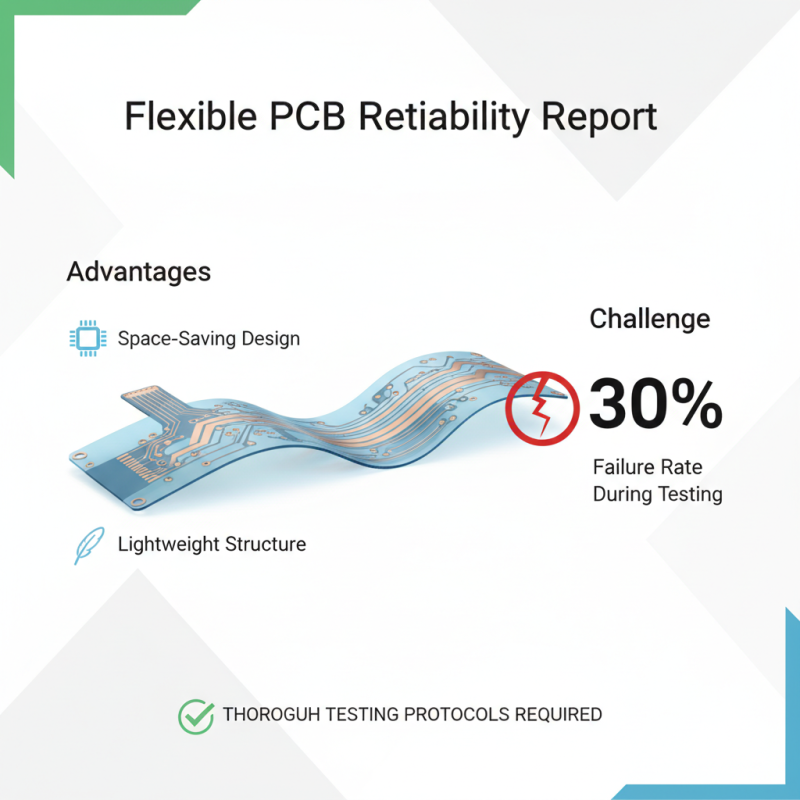
Flexible printed circuit boards (PCBs) are rapidly gaining traction in electronics projects. They offer unique advantages like space-saving designs and lightweight structures. However, their reliability often comes into question. A recent industry report noted that nearly 30% of flexible PCBs face reliability issues during testing phases. This highlights the need for thorough testing protocols.
Testing flexible PCBs involves several critical parameters. Thermal cycling tests ensure they endure extreme temperatures. Additionally, bend tests measure their resistance to mechanical stress. According to the IPC-6013 standard, 85% of failures can be attributed to poor design and manufacturing processes. Engineers must pay close attention to material selection and fabrication methods.
**Tips:** Always conduct a root cause analysis on failures. Using a reliable supplier for materials helps mitigate risks. Also, documented testing procedures are vital for quality assurance. Reflecting on past experiences can lead to improved designs in future projects. Remember, experimentation is part of the process. The goal is to enhance performance while minimizing defects.
Future Trends in Flexible PCB Technology and Innovations
The landscape of flexible PCB technology is rapidly evolving, driven by innovation and demand for miniaturized electronics. Industry reports indicate that the flexible printed circuit board market is projected to reach $25 billion by 2026, reflecting a compound annual growth rate of 12%. This growth is attributed to the increasing adoption of flexible PCB in consumer electronics, automotive, and medical devices.
New manufacturing techniques are improving flexibility and performance. For instance, advancements in material science are enabling the creation of lighter and thinner PCBs that maintain high integrity. However, with these advancements come challenges. The Flexible Pcb Cost can be significantly higher than traditional rigid boards, leading to budget constraints for small-scale projects. Companies must carefully evaluate the trade-offs between performance and cost, especially when scaling production.
Moreover, the integration of flexible PCBs in wearable technology is becoming a trending topic. These circuits allow for seamless designs that conform to the user's body. Yet, issues such as durability and reliability remain. As the industry moves forward, ongoing improvements in flexible PCB technology will be essential to address these challenges and fully exploit their potential in next-generation electronic devices.
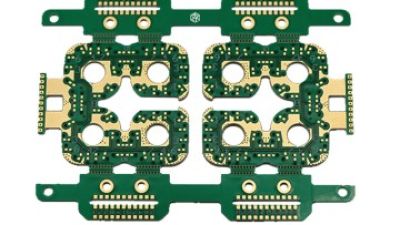
Innovative Solutions in High-Frequency PCBs: Exploring Multi-Layer Back Drilling Boards Using Rogers RO4003C from a Leading Chinese Manufacturer
In the realm of high-frequency printed circuit boards (PCBs), Rogers RO4003C material stands out as an exceptional choice for applications demanding superior performance. Utilizing this innovative material, our multi-layer back drilling boards have been meticulously engineered to cater to the rigorous standards of RF applications. With a thickness of 0.7mm, these boards employ advanced manufacturing techniques that ensure precision through a 3:1 aspect ratio. This design not only enhances signal integrity but also maximizes durability, making them ideal for the fast-paced demands of industries such as telecommunications, aerospace, and defense.
The incorporation of resin-filled vias is a critical feature that further elevates the performance of these high-frequency PCBs. By reinforcing the durability and reliability of the connections, these vias significantly improve signal quality, ensuring that high-speed data transmission remains uninterrupted. Our commitment to custom solutions allows us to adapt our offerings to meet specific project requirements, providing clients with tailored products that align perfectly with their operational needs. Whether for complex telecommunications systems or high-stakes aerospace applications, our multi-layer boards promise exceptional functionality and reliability, setting a new standard in the industry.
Conclusion
Flexible PCBs, or flexible printed circuit boards, have become essential components in modern electronics projects due to their versatility and unique design capabilities. Understanding their definition and applications allows engineers to leverage the advantages of flexible PCBs, such as space-saving designs and lightweight structures. Key materials used in their manufacturing play a critical role in determining their effectiveness and durability.
When embarking on flexible PCB projects, it's crucial to consider design aspects that optimize functionality. Integration techniques facilitate seamless incorporation into circuit designs, while rigorous testing ensures reliability and performance. Looking ahead, the future of flexible PCB technology promises exciting innovations that will further enhance their applicability in various fields, making them an indispensable choice for evolving electronic applications.