Leave Your Message
-
E-mail
-
Whatsapp
-
Message
High-reliability PCB & PCBA products purpose-built for electric vehicle powertrain applications
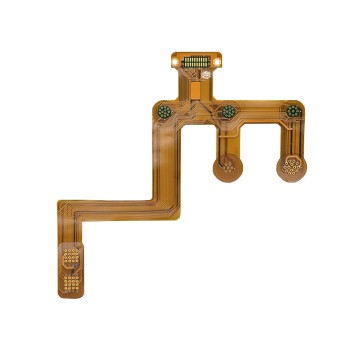
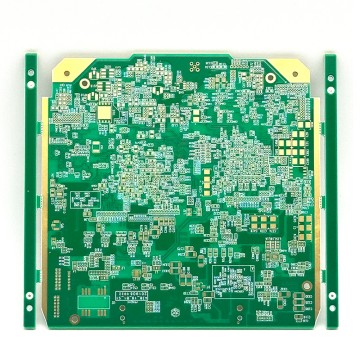
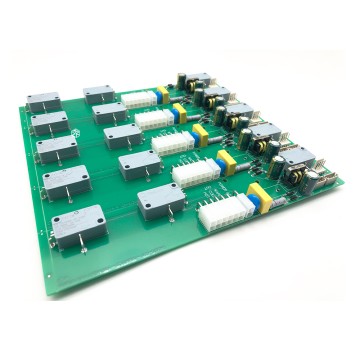
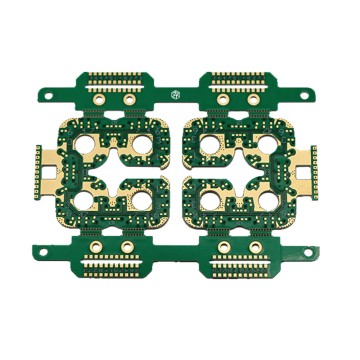
An EV PCB board designed specifically for electric vehicle (EV) powertrain systems is a high-performance printed circuit board engineered to withstand the extreme electrical, thermal, and mechanical demands of modern EV drivetrains. These boards serve as the neural network of the powertrain — orchestrating power delivery, motor control, battery management, and inverter operations with microsecond-level precision.
Unlike conventional PCBs, EV powertrain boards must handle high-voltage switching, rapid thermal cycling, and EMI-dense environments. They integrate seamlessly with traction inverters, on-board chargers (OBC), DC-DC converters, and battery management systems (BMS), making material selection, layer stack-up design, and impedance control mission-critical factors.
As global EV adoption accelerates — with markets in North America, Europe, and China all posting record sales — the demand for reliable, high-density EV PCB boards has never been greater. Manufacturers who can deliver boards meeting IATF 16949 automotive quality standards while supporting rapid design iteration are positioned at the forefront of this transformation.
Purpose-engineered capabilities that meet the rigorous demands of EV drivetrain electronics
Designed to operate reliably in 400V–800V EV architectures, with robust dielectric materials and reinforced copper traces to handle surge currents without delamination or arcing.
Advanced thermal via arrays, heavy copper (up to 6 oz), and metal-core substrates dissipate heat generated by power MOSFETs, IGBTs, and SiC modules in traction inverters.
High-frequency hybrid pressing with Rogers RO4003C / RO4350B materials minimizes electromagnetic interference, preserving CAN bus, LIN, and Ethernet signal integrity across the powertrain.
Vibration-resistant board designs with blind/buried vias and any-layer HDI construction ensure structural integrity under the continuous mechanical stress of EV drivetrains.
14-layer impedance-controlled stacks support high-speed differential pairs for motor encoder feedback, resolver interfaces, and gate driver signal paths with ±5% tolerance.
Full compliance with IATF 16949, ISO 9001, ISO 14001, UL, RoHS, and REACH ensures every EV powertrain PCB meets global automotive supply chain requirements.
Understanding the commercial and industrial forces shaping the next decade of EV PCB development
Global EV sales surpassed 14 million units in 2023, with projections exceeding 40 million by 2030. Each electric vehicle contains 2–3× more PCB content than an internal combustion engine vehicle, creating an unprecedented demand surge for high-reliability automotive PCBs. EV powertrain systems alone account for 35–45% of total PCB content per vehicle.
Next-generation EVs from Hyundai, Porsche, and GM are transitioning from 400V to 800V platforms to enable ultra-fast charging (350kW+). This doubles the voltage stress on PCB materials, demanding higher CTI ratings, thicker dielectric layers, and creepage distance management — fundamentally reshaping EV powertrain PCB design rules.
Silicon Carbide (SiC) and Gallium Nitride (GaN) MOSFETs are replacing silicon IGBTs in traction inverters due to their superior switching frequency and thermal performance. These devices operate at higher temperatures and frequencies, requiring PCBs with low-loss high-frequency laminates, tighter via tolerances, and enhanced thermal dissipation structures.
Modern Battery Management Systems now incorporate edge AI processors for real-time cell balancing, state-of-health prediction, and thermal runaway prevention. These intelligent BMS PCBs demand high-density interconnect (HDI) designs with any-layer via structures, supporting hundreds of sensor inputs and high-speed communication interfaces simultaneously.
Post-pandemic supply chain disruptions have accelerated the push for regional PCB manufacturing hubs. China remains the world's largest EV PCB producer, with companies like Shenzhen Rich Full Joy Electronics offering vertically integrated services from design through assembly, reducing lead times and improving traceability for global OEM customers.
EV manufacturers are extending ESG requirements to their PCB supply chains, mandating RoHS compliance, halogen-free laminates, and ISO 14001-certified manufacturing processes. PCB suppliers who can demonstrate measurable carbon footprint reduction while maintaining high yields are gaining preferred vendor status with leading EV OEMs.
Where high-performance EV PCB boards make the critical difference in powertrain subsystems
The inverter PCB converts DC battery power to 3-phase AC for the drive motor. It must handle gate driver signals at 20kHz+ switching frequencies while managing thermal gradients across SiC/GaN devices. High-frequency hybrid laminates and back-drilling techniques eliminate stub resonance at these speeds.
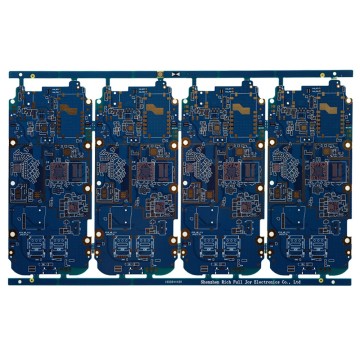
BMS PCBs monitor individual cell voltages (±1mV accuracy), temperatures, and SOC across hundreds of cells. HDI any-layer boards with fine-pitch BGAs enable the processing density required for real-time AI-based cell balancing algorithms in modern 100kWh+ battery packs.
OBC PCBs bridge AC grid power to the high-voltage DC bus. They operate across wide input voltage ranges (85–265VAC) and must meet stringent isolation requirements. Multilayer boards with embedded planar transformers and thermal management layers are essential for achieving 97%+ efficiency targets.
The DC-DC converter steps down 400–800V traction voltage to 12V for auxiliary systems. PCBs in this application face extreme voltage differentials across short distances, requiring careful creepage design, high-voltage-rated vias, and conformal coating compatibility for moisture protection.
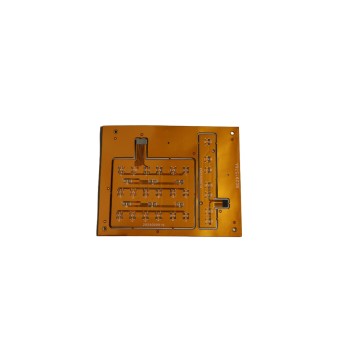
Flexible PCBs and rigid-flex assemblies connect motor position sensors (resolvers/encoders) to the inverter control unit. The dynamic flex portions must endure millions of flex cycles while maintaining sub-nanosecond signal propagation consistency for precise field-oriented control (FOC) algorithms.
The VCU is the brain of the EV powertrain, coordinating inputs from BMS, motor controller, OBC, and driver interface. Its PCB demands the highest signal integrity — typically any-layer HDI with 10+ layers, controlled impedance differential pairs, and robust EMC design for ISO 11452 compliance.
With 20 years of specialized PCB manufacturing experience and a comprehensive suite of certifications including IATF 16949, ISO 9001, UL, RoHS, and GJB9001C-2017, Shenzhen Rich Full Joy Electronics delivers one-stop intelligent electronic manufacturing — from PCB design and fabrication through SMT assembly, DIP, programming, and functional testing. Our engineering team actively collaborates with R&D institutions and universities to stay at the cutting edge of EV powertrain PCB technology, ensuring your products benefit from the latest advances in high-frequency materials, thermal management, and miniaturization.
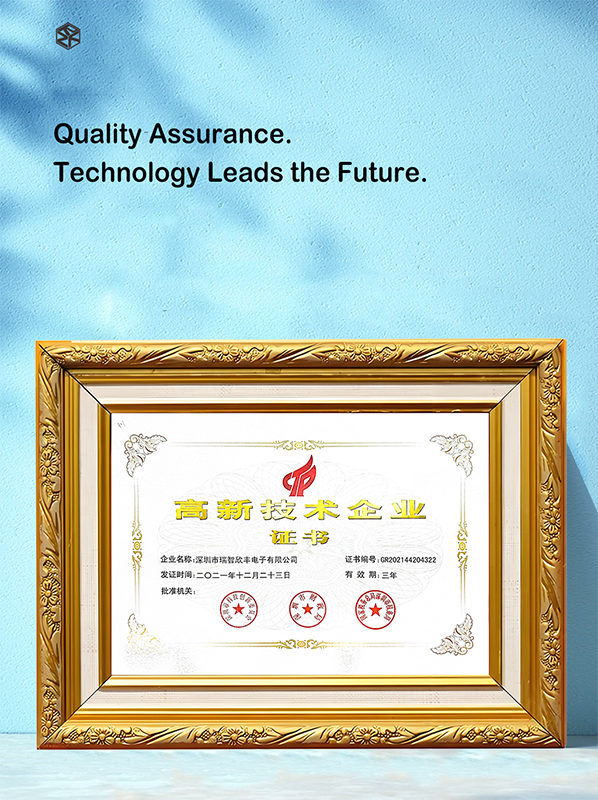
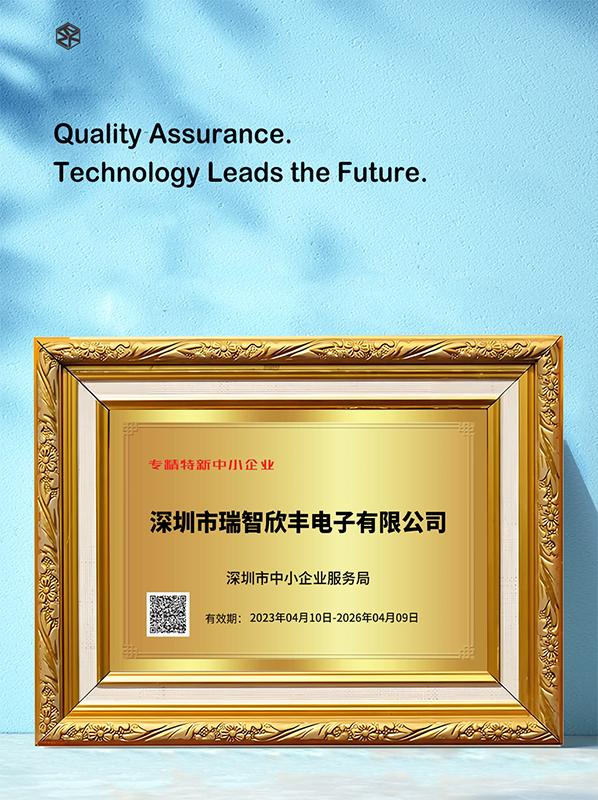
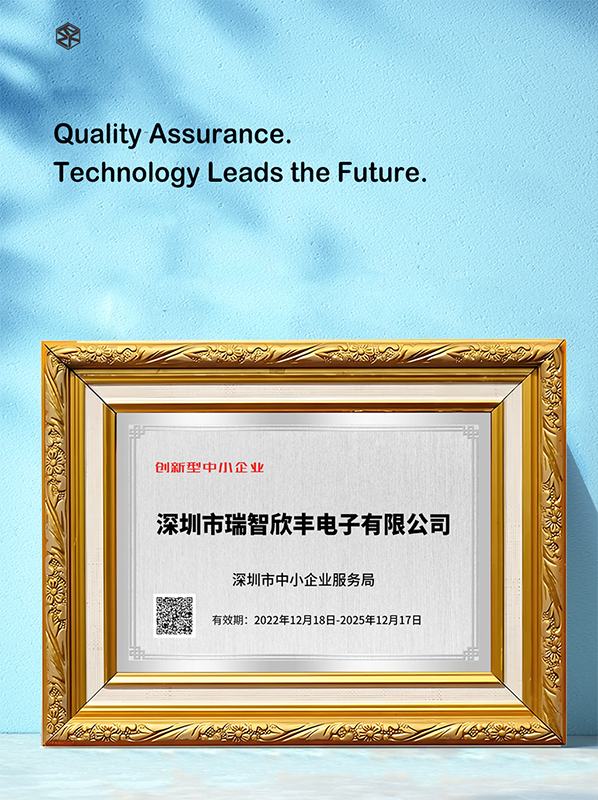
Based in China and looking at the global market, Shenzhen Rich Full Joy Electronics Co., Ltd. has been committed to industry development for 20 years. The company is a national high-tech innovative enterprise that combines focus and expertise. It's also an important enterprise incubation base in China. We specialize in providing customers with one-stop intelligent electronic manufacturing services, including scientific research, PCB design, PCB manufacturing, PCB assembly (including SMT, DIP, Programming and testing) and component selection.
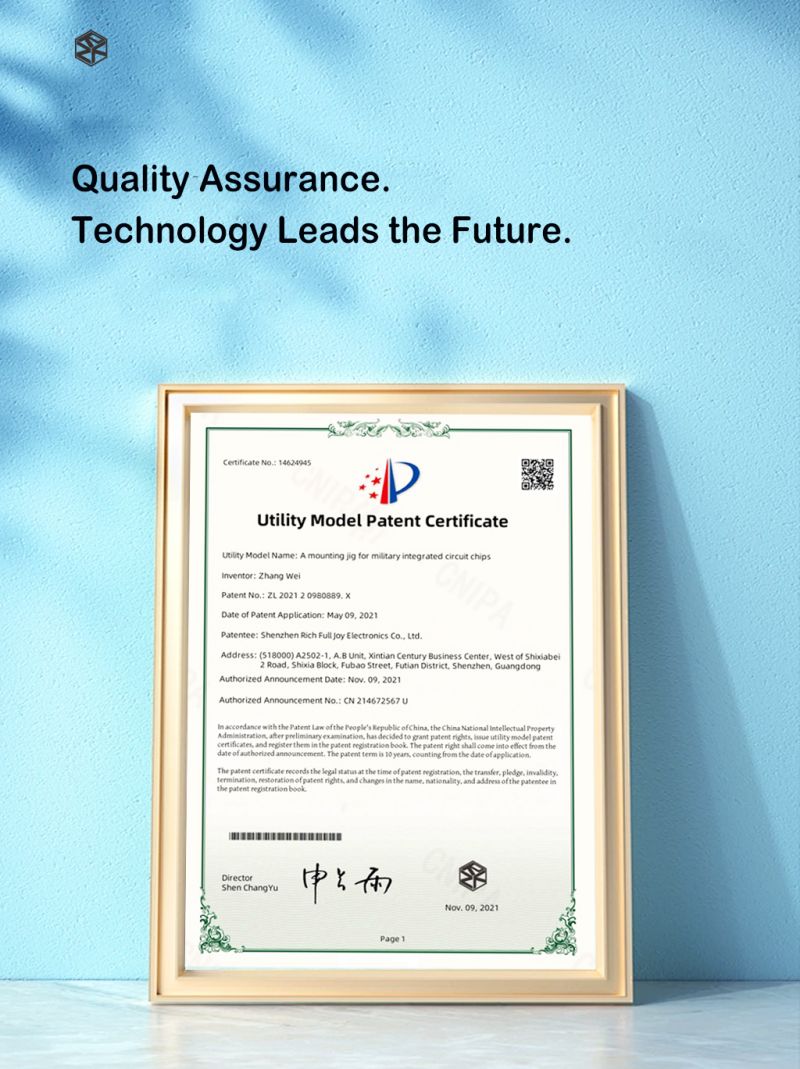
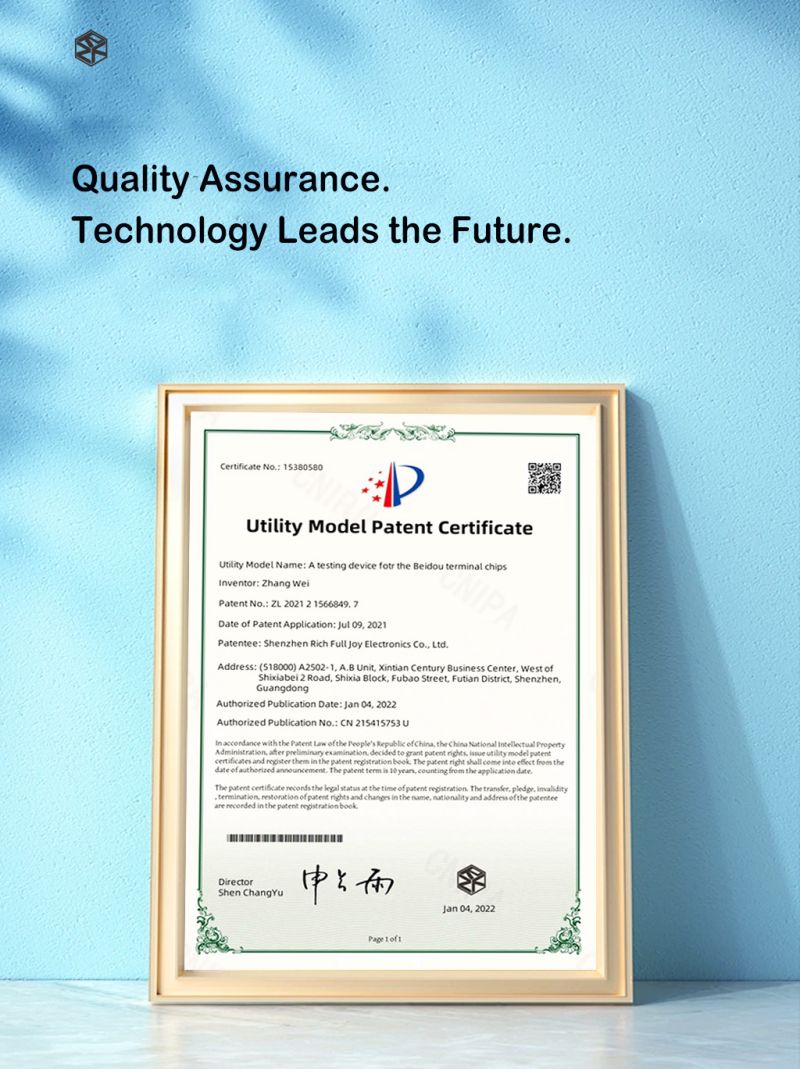
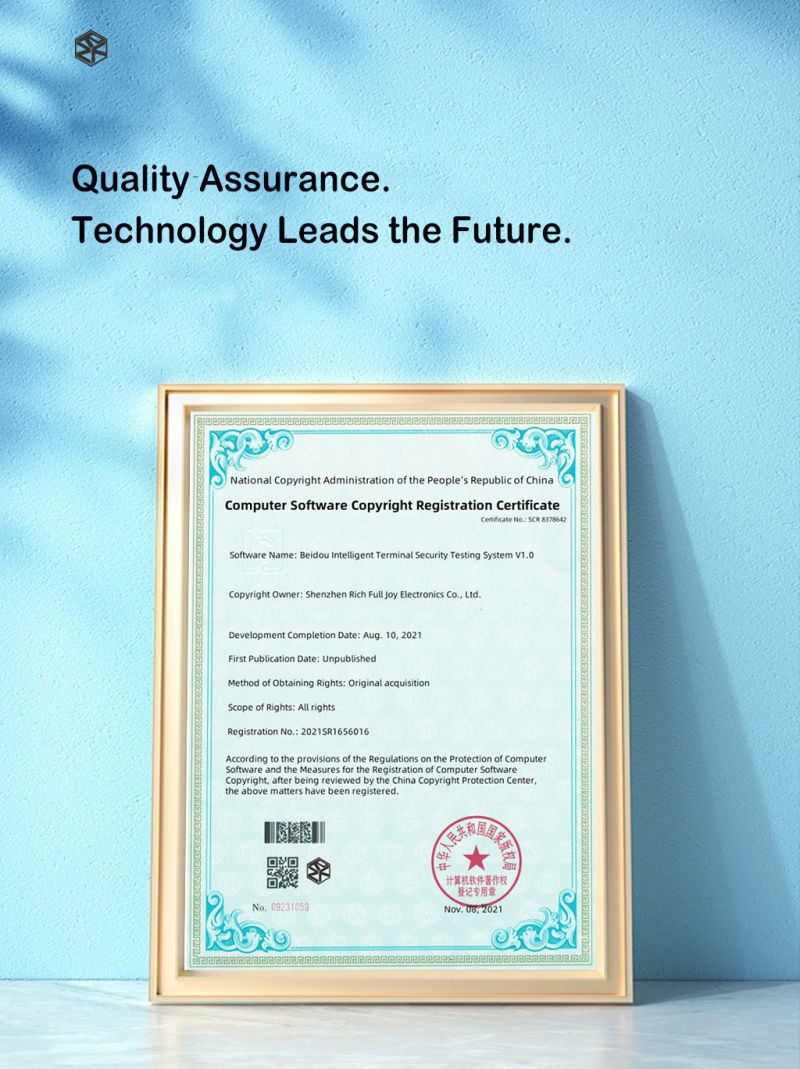
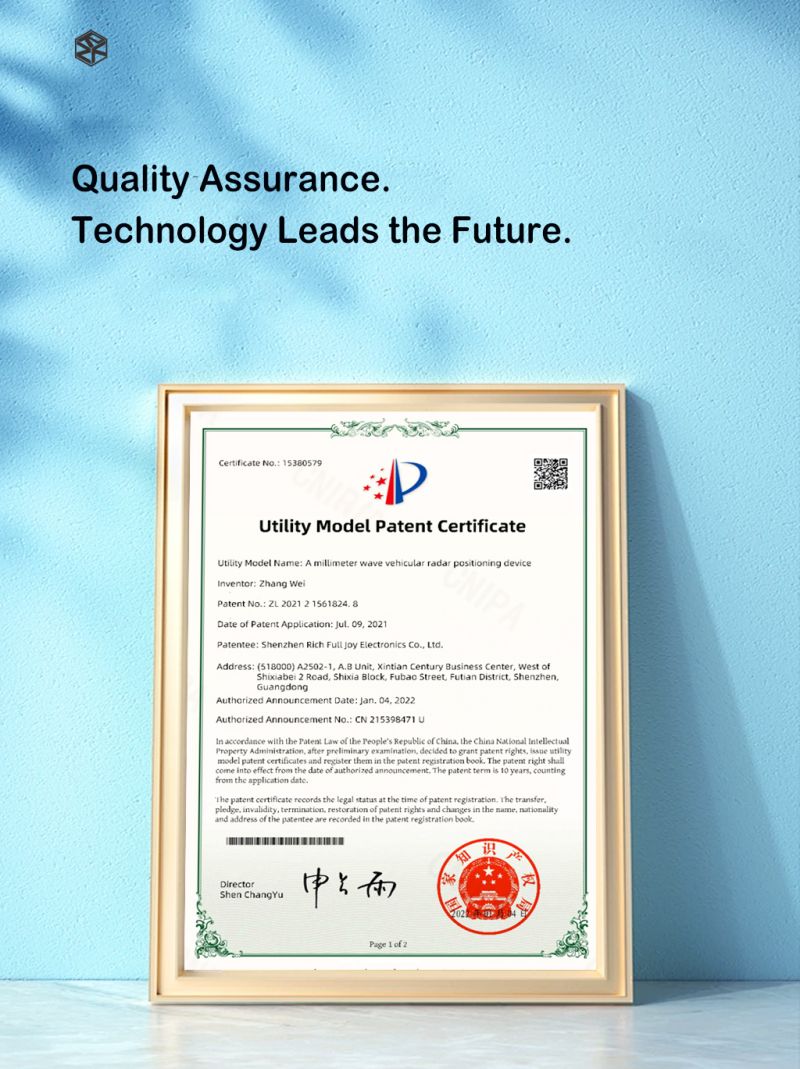
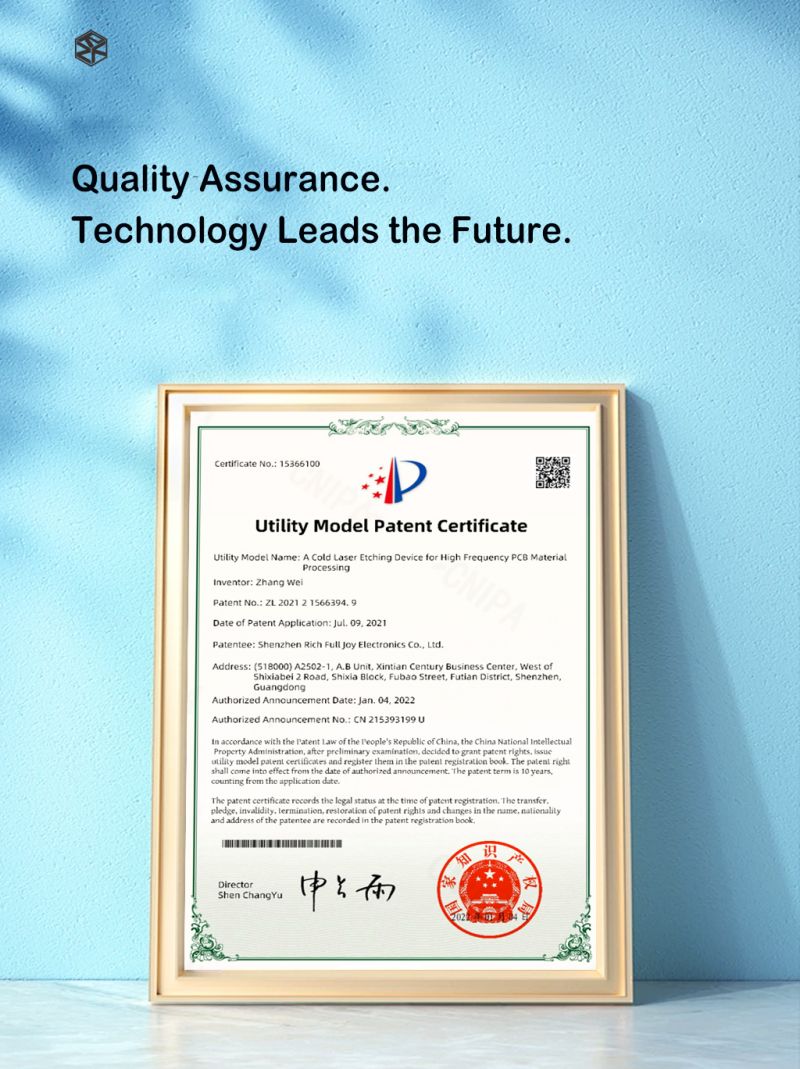
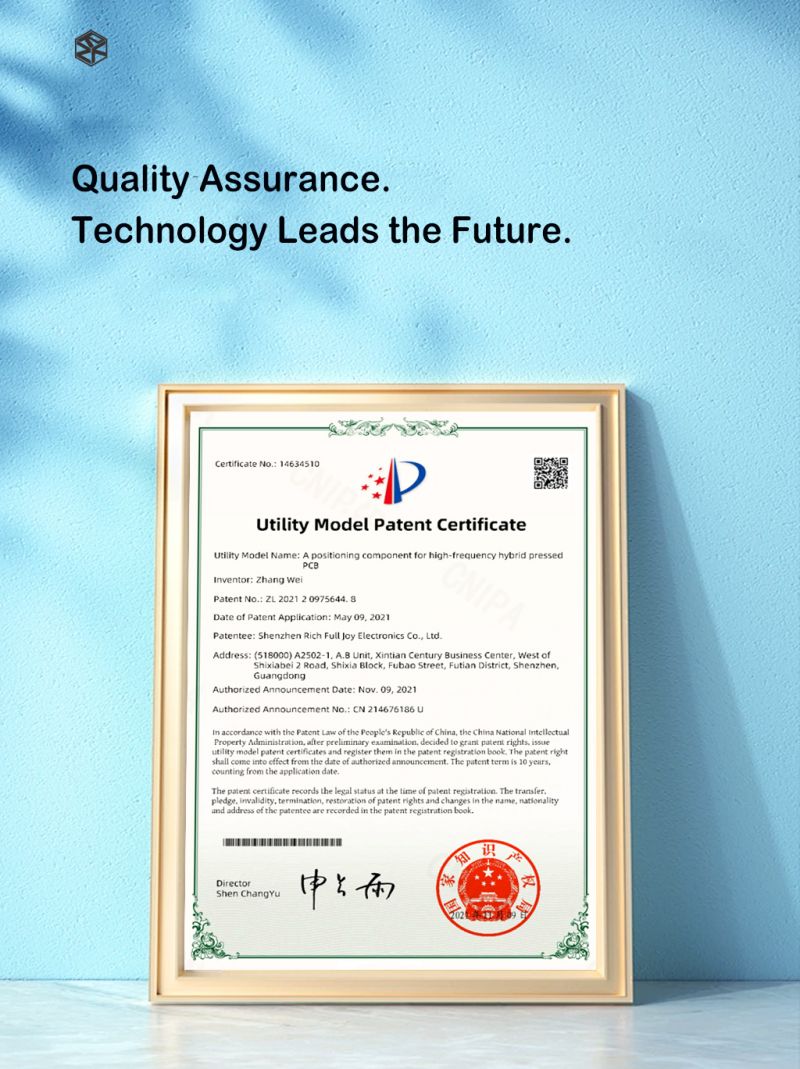
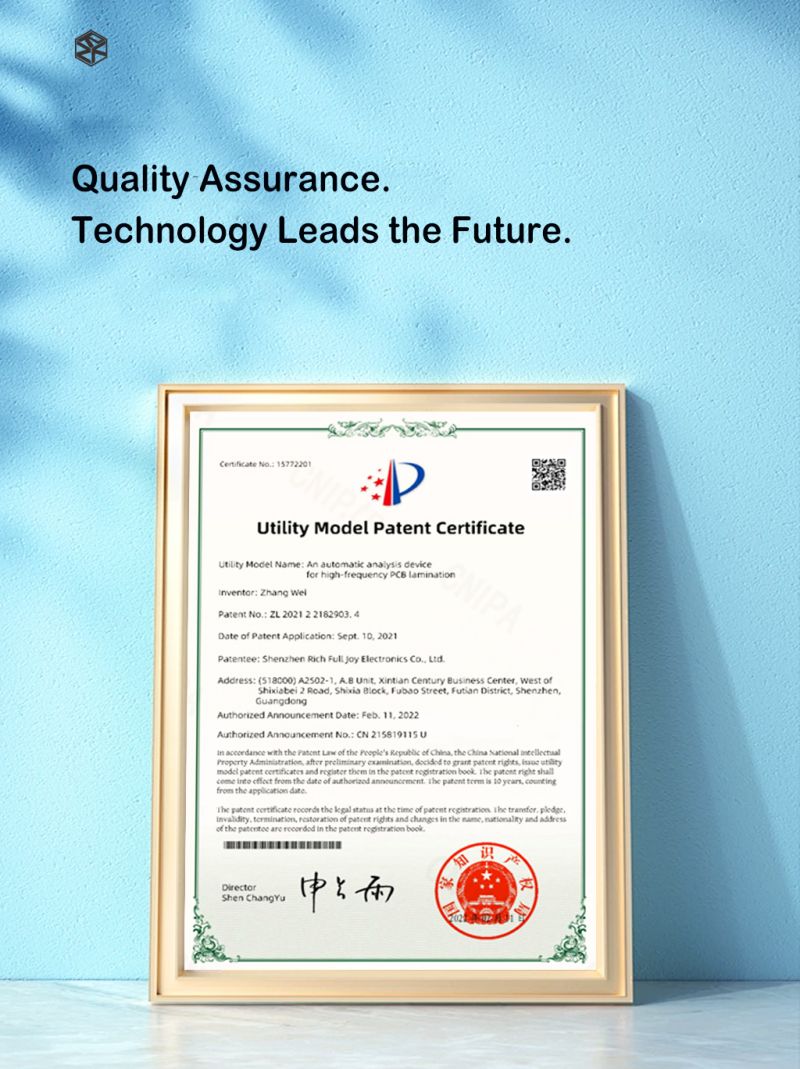
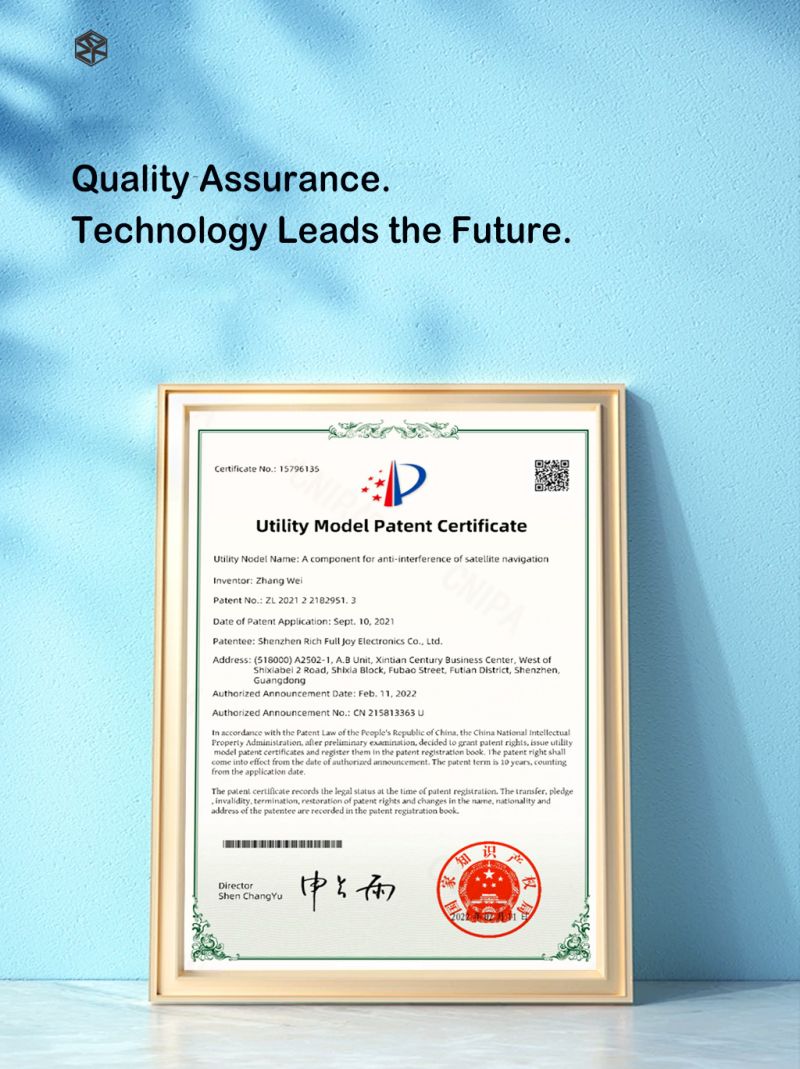
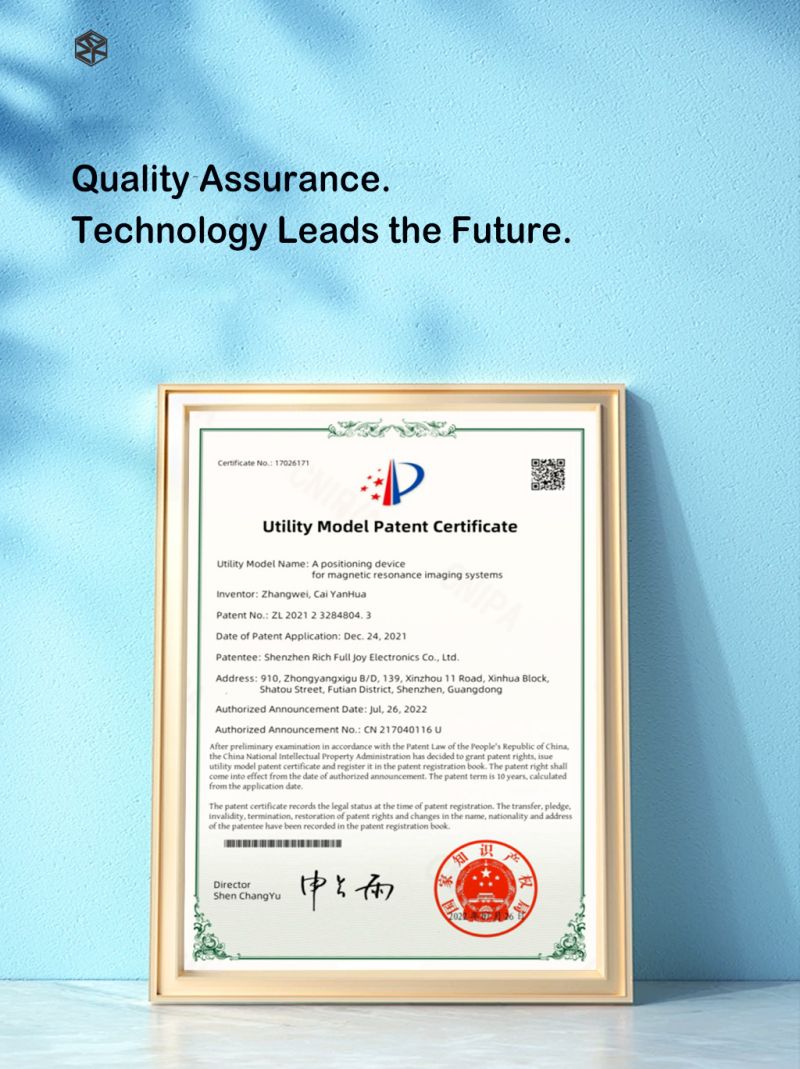
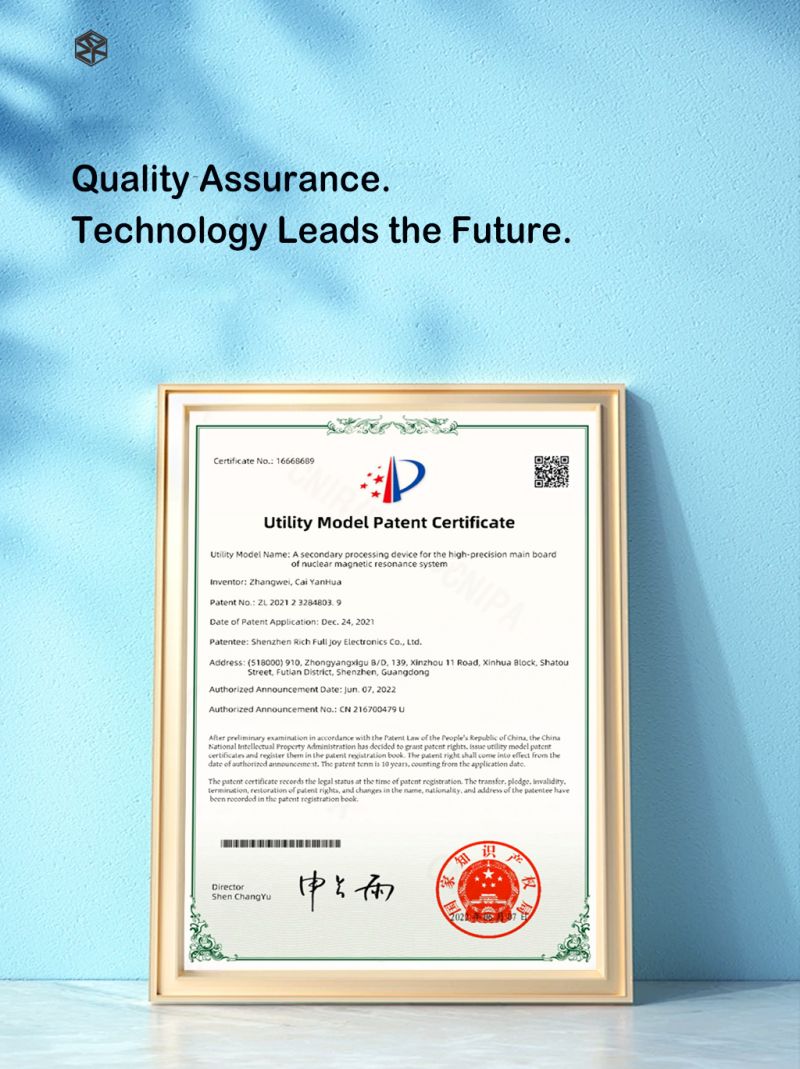
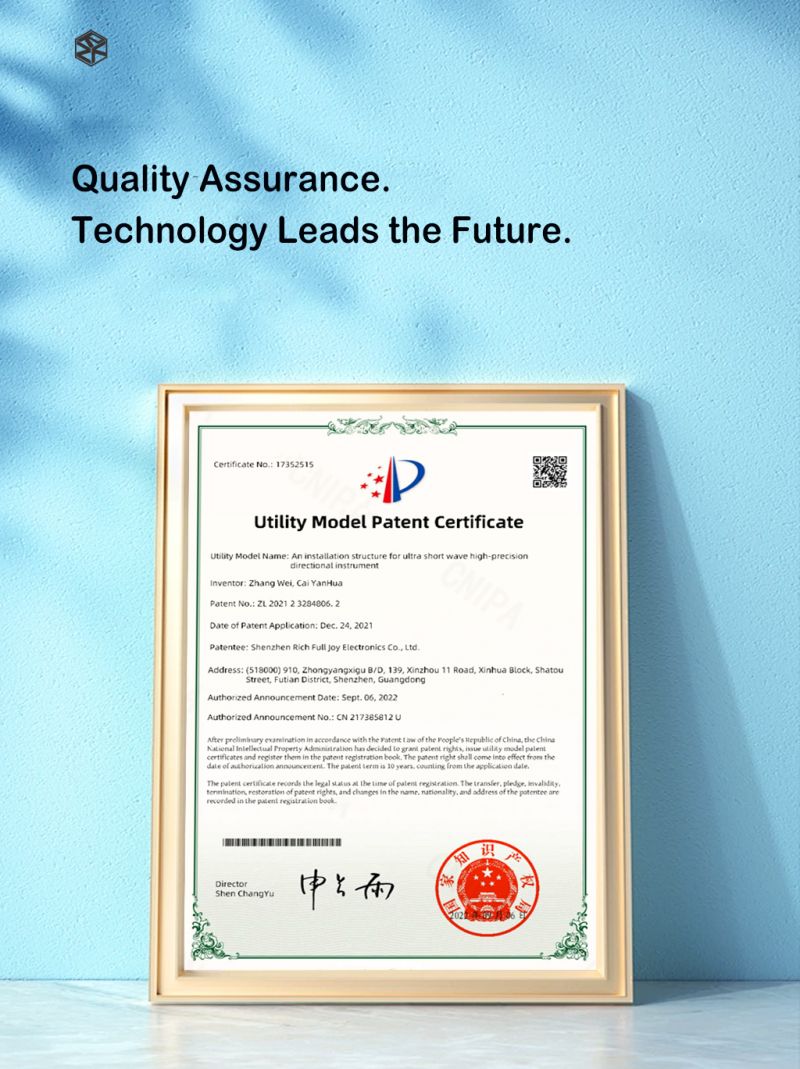
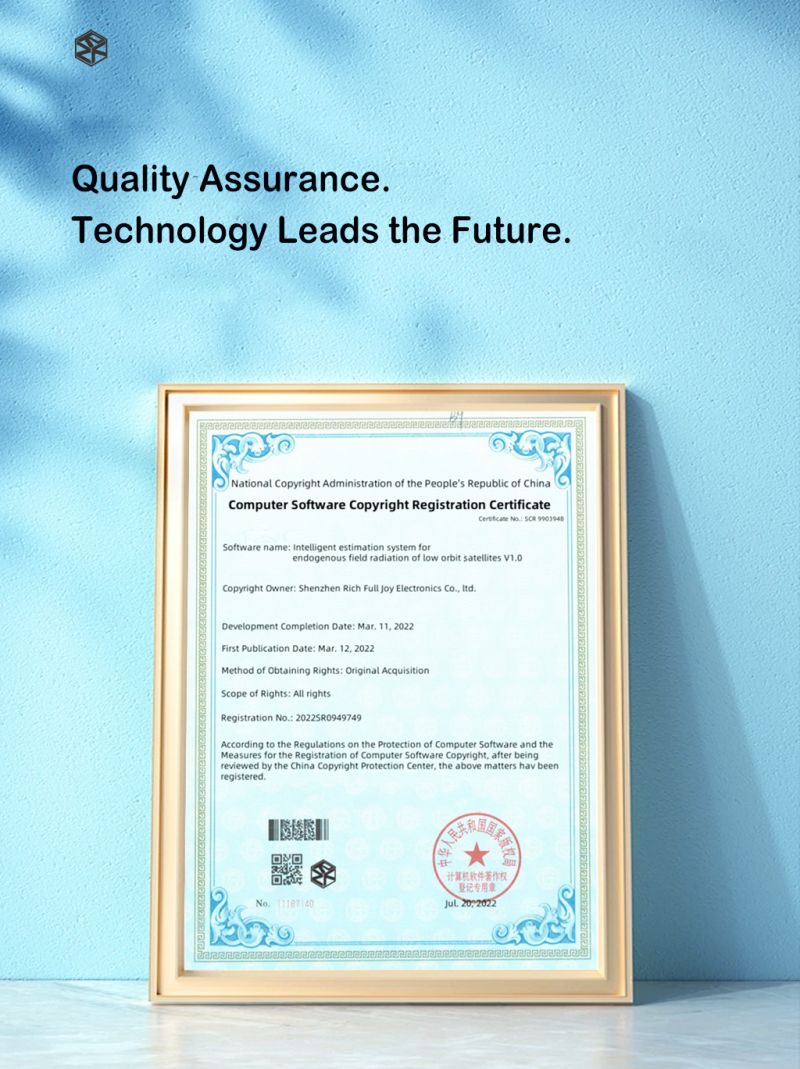
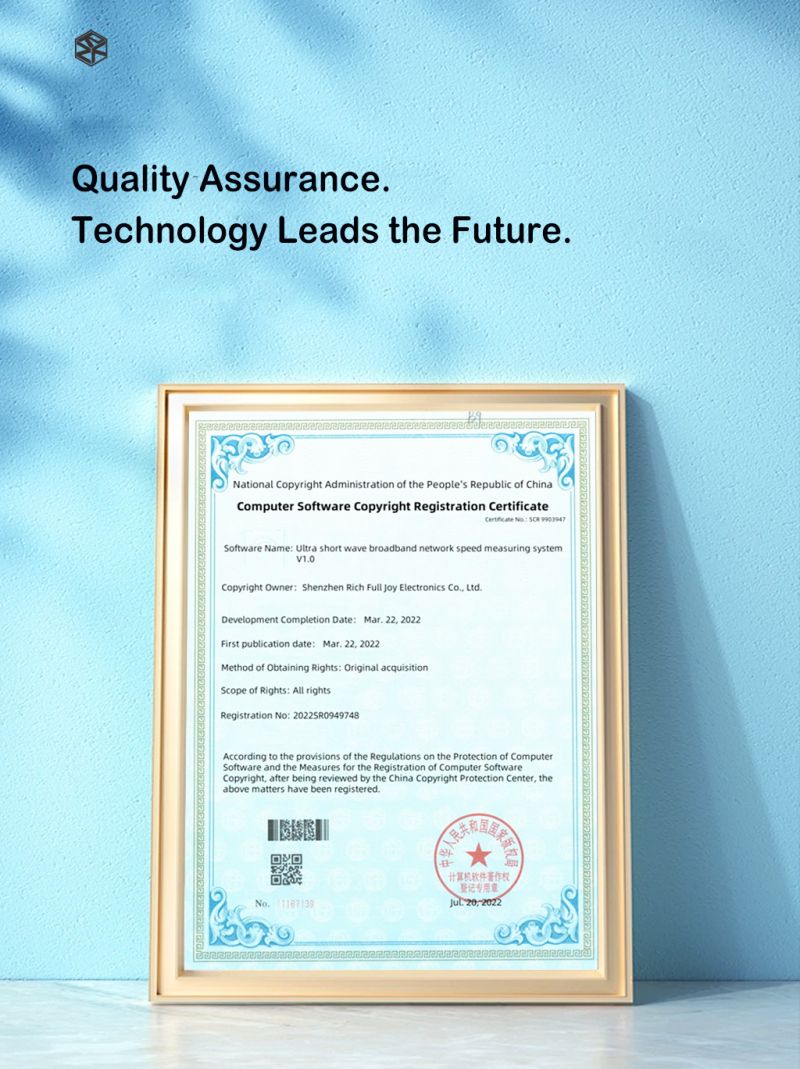
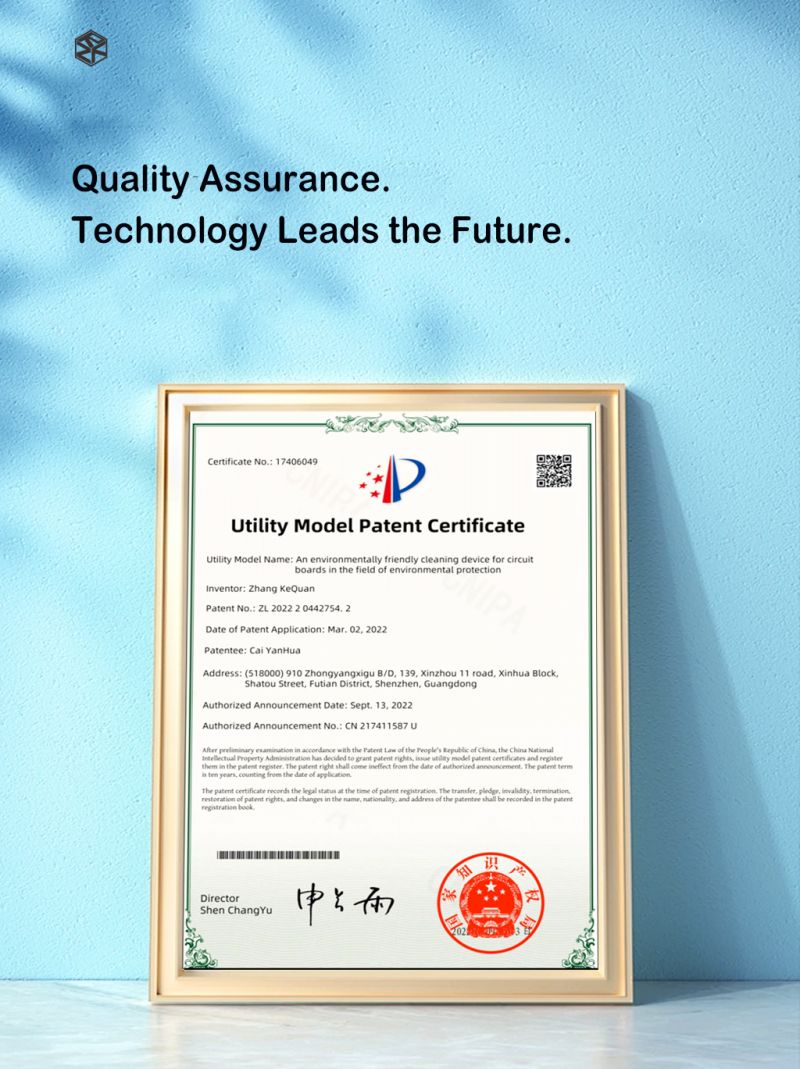
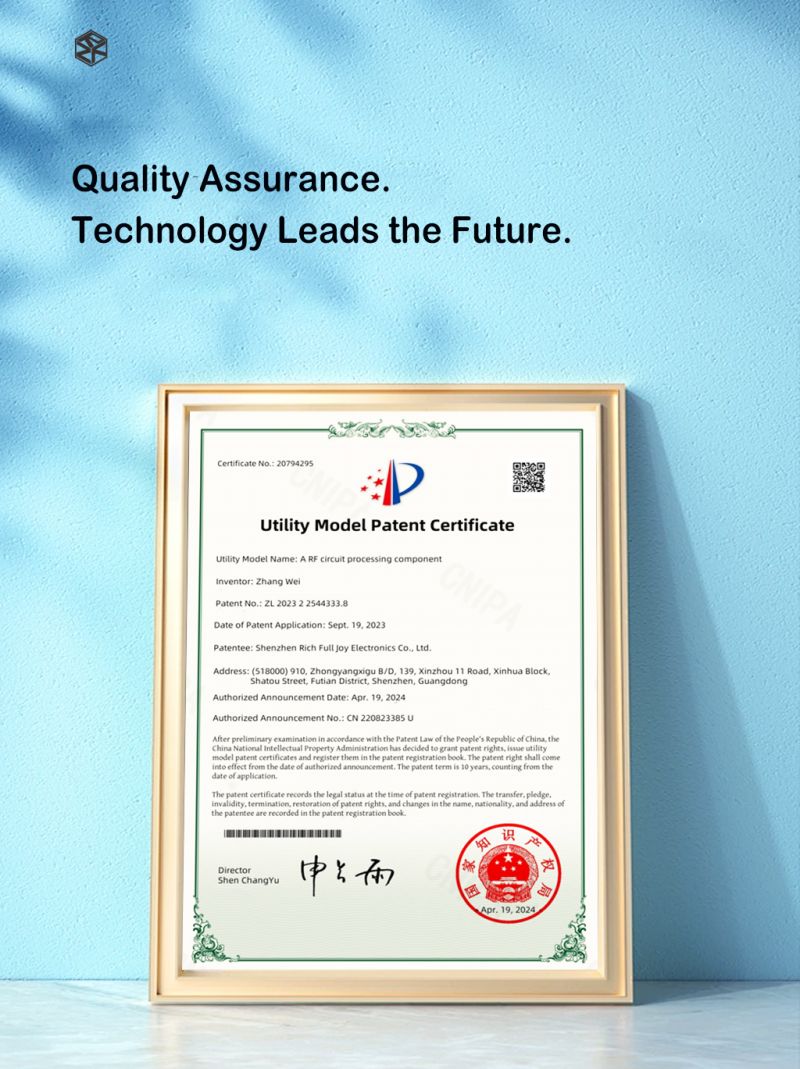
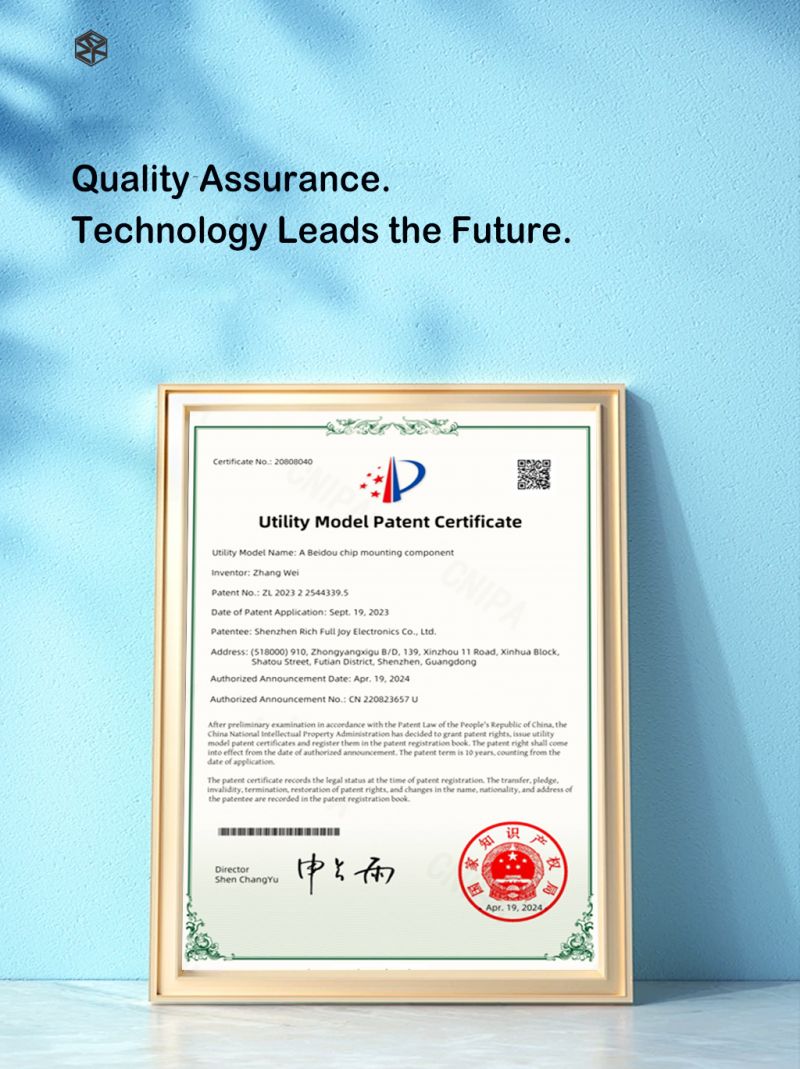
Technological innovation is the core competitiveness of enterprises. We've obtained multiple invention and utility model patents, and has passed various international standard certifications such as ISO9001, IATF16949, ISO14001, UL, CQC, REACH, RoHS, COC, as well as the GJB9001C-2017 standard certification for weapon and equipment quality management system. We've provided high-quality and reliable products to multiple research institutions, universities, and assisted customers in identifying design issues and providing reasonable suggestions and processing parameters.
We not only publish technical papers, but also actively participate in domestic and overseas technology exchange conferences to spread academic value and cutting-edge technological innovation. We regularly communicate with customers and strive to provide them with the best solutions.
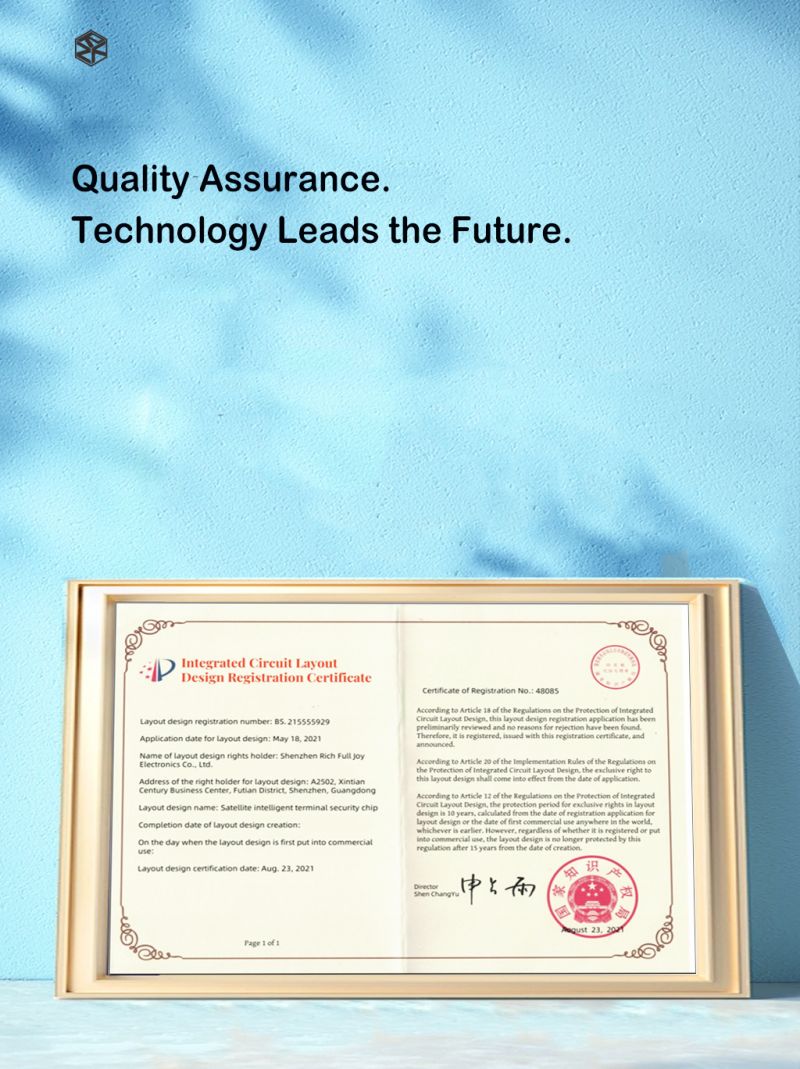
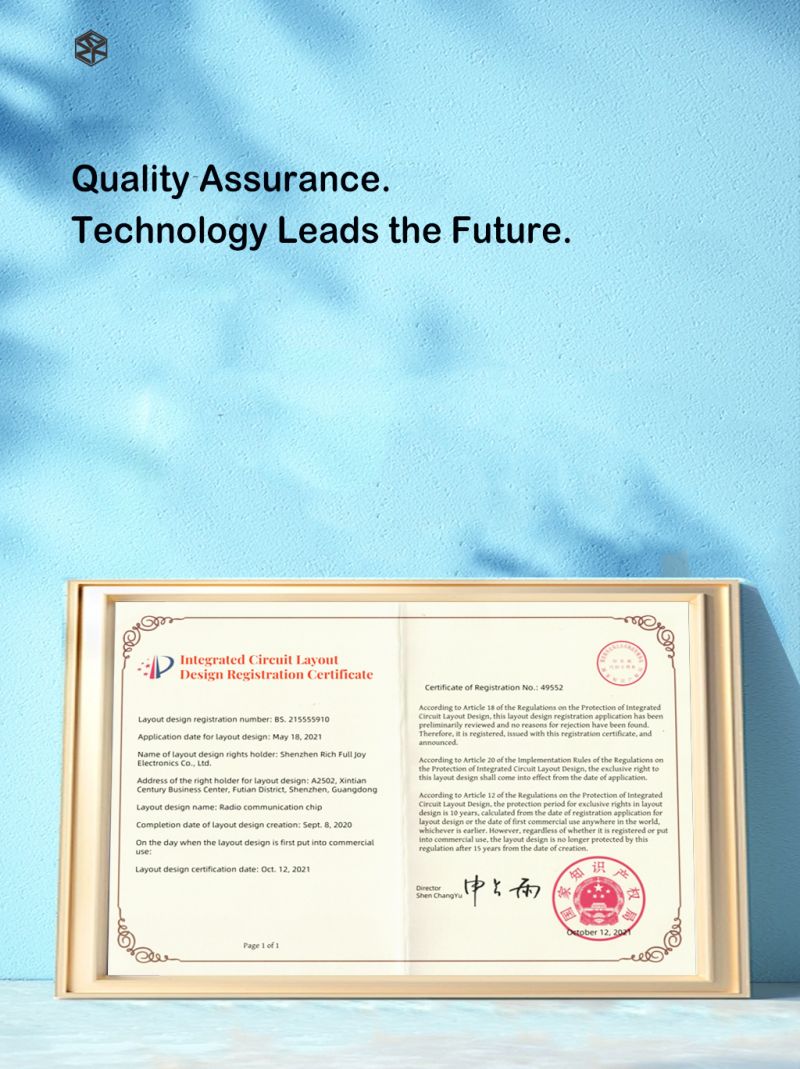
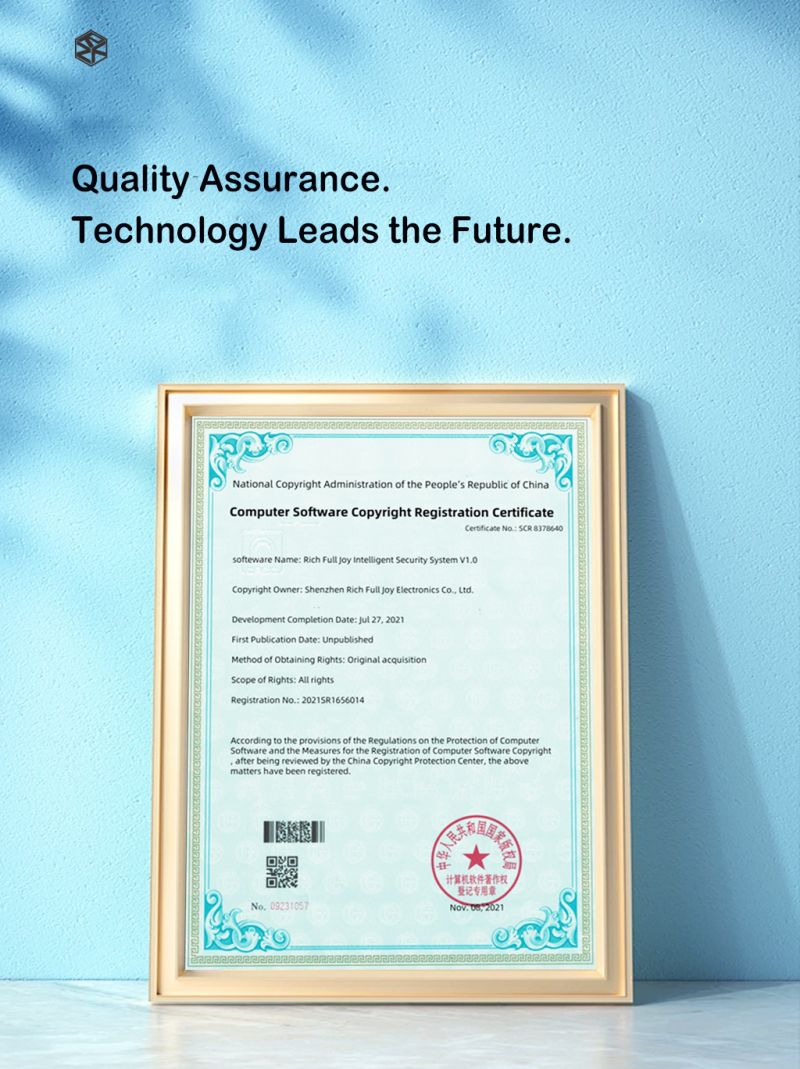
Our intellectual property portfolio reflects our commitment to innovation in EV PCB and advanced electronics manufacturing
Explore our full range of advanced PCB solutions for electric vehicle and new energy applications