Leave Your Message
-
E-mail
-
Whatsapp
-
Message
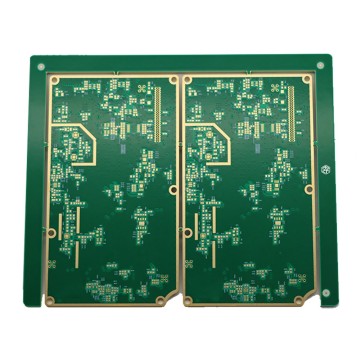
Our core automotive-grade PCB products engineered for high-reliability powertrain and vehicle control applications.
The global automotive electronics market is undergoing a seismic transformation. As vehicles evolve from mechanically dominated machines into software-defined platforms, the powertrain printed circuit board (PCB) has emerged as the central nervous system of vehicle performance, efficiency, and safety. From traditional internal combustion engine (ICE) control units to the sophisticated battery management systems (BMS) of electric vehicles (EVs), powertrain PCBs are the indispensable foundation upon which modern mobility is built.
According to industry analysts, the global automotive PCB market is projected to surpass USD 12 billion by 2030, driven predominantly by the accelerating adoption of electric vehicles, hybrid powertrains, and advanced driver-assistance systems (ADAS). Within this landscape, powertrain-specific PCBs represent the highest-value and most technically demanding segment, requiring exceptional thermal management, vibration resistance, and long-term reliability under extreme operating conditions.
High-layer-count PCBs with TG170+ laminates manage cell balancing, thermal runaway protection, and state-of-charge monitoring in EV battery packs.
Power-dense PCBs handling high-voltage switching for IGBT/SiC inverter modules, requiring superior thermal dissipation and EMI shielding.
Engine and transmission control units demand HDI multilayer PCBs with fine-pitch routing to integrate complex algorithms in compact form factors.
Robust signal integrity PCBs enabling real-time diagnostics, fault detection, and inter-module communication across the powertrain network.
Low-dielectric constant PCBs supporting millimeter-wave radar sensors for collision avoidance and autonomous driving functions.
Metal-core and embedded copper PCBs designed for high-power DC-DC converters and onboard chargers in hybrid and electric drivetrains.
The powertrain PCB sector is shaped by several powerful commercial and industrial forces. Electrification is the dominant macro-trend: global EV sales exceeded 14 million units in 2023, and every EV contains 2–3× more PCB content than a conventional vehicle. This multiplier effect is creating unprecedented demand for automotive-grade boards capable of operating reliably at voltages up to 800V and temperatures exceeding 150°C.
On the supply side, automotive OEMs and Tier 1 suppliers are intensifying pressure on PCB manufacturers to achieve zero-defect quality standards, shorter lead times, and greater design collaboration. The IATF 16949 quality management standard has become the non-negotiable entry ticket for any PCB supplier seeking to participate in the automotive supply chain. Simultaneously, geopolitical shifts are prompting Western automakers to diversify their PCB sourcing strategies, creating new opportunities for certified Chinese manufacturers with proven track records.
Cost competitiveness, combined with advanced process capabilities — including any-layer HDI, embedded components, and hybrid laminate constructions — is enabling Chinese PCB manufacturers to capture growing shares of the global automotive electronics supply chain, particularly in the EV segment where Chinese automakers lead global production volumes.
The BMS is arguably the most critical electronic system in an EV, responsible for monitoring individual cell voltages, temperatures, and state-of-health across hundreds of battery cells. BMS PCBs must withstand continuous exposure to vibration, humidity, and thermal cycling while maintaining measurement accuracy within millivolt tolerances. High-Tg FR-4 and polyimide-based laminates are preferred, with 8–16 layer stackups enabling the dense routing required to connect distributed sensing networks. Impedance-controlled traces ensure signal integrity for analog measurement circuits, while conformal coating provides environmental protection.
Three-phase inverter modules convert DC battery power to AC drive current for electric motors, operating at switching frequencies up to 20kHz and bus voltages of 400–800V. The PCBs within these modules must manage both high-power switching signals and sensitive gate-drive logic simultaneously. This demands careful PCB partitioning, copper plane management for low-inductance current paths, and thermal interface materials for heat extraction. SiC MOSFET-based designs are pushing thermal requirements even higher, making metal-core PCBs and embedded copper structures increasingly important.
OBCs and DC-DC converters handle the critical task of managing power flow between the high-voltage battery, the 12V vehicle electrical system, and external charging infrastructure. These applications demand PCBs with excellent dielectric strength, low insertion loss, and the ability to handle high-frequency switching transients without signal degradation. Rogers high-frequency laminates hybridized with standard FR-4 are often employed to balance performance and cost.
Modern vehicles integrate powertrain control with ADAS functions — for example, regenerative braking systems that must coordinate with ABS and stability control. The PCBs supporting these integrated systems must meet automotive safety integrity level (ASIL) requirements, with redundant circuit paths, built-in self-test capabilities, and fail-safe design architectures. Low-dielectric materials support the high-frequency radar and LiDAR signals that feed into these integrated control strategies.
The next generation of powertrain electronics is redefining what PCB technology must deliver. Here are the pivotal trends driving innovation.
As automakers migrate from 400V to 800V battery architectures to enable ultra-fast charging and improved efficiency, PCBs must support higher creepage distances, enhanced dielectric strength, and new material sets. This is driving demand for specialized high-voltage automotive PCB designs with tighter process controls.
The shift toward software-defined powertrains requires PCBs that support high-bandwidth communication protocols (Automotive Ethernet, CAN-FD, FlexRay) and over-the-air update capabilities. HDI and any-layer PCB technologies enable the dense interconnects needed for these advanced computing platforms.
Wide-bandgap semiconductors (SiC, GaN) enable higher switching frequencies and operating temperatures, but impose new demands on PCB thermal management and high-frequency signal integrity. PCB manufacturers must develop compatible substrate and via technologies to support these next-generation power devices.
Automotive OEMs are extending sustainability requirements throughout the supply chain. PCB manufacturers must demonstrate RoHS and REACH compliance, implement ISO 14001 environmental management systems, and develop halogen-free laminate options to meet increasingly stringent automotive environmental standards.
Domain controller architectures are consolidating multiple ECU functions onto single high-density PCBs. This demands any-layer HDI technology, embedded passive components, and advanced package-on-package assembly — all within automotive temperature and vibration specifications.
Leading PCB manufacturers are deploying AI-powered automated optical inspection (AOI) and machine learning-based process control to achieve the near-zero defect rates demanded by automotive customers. This digital manufacturing capability is becoming a key competitive differentiator.
Your trusted one-stop partner for automotive-grade powertrain PCB manufacturing and assembly — 20 years of innovation, precision, and global delivery.
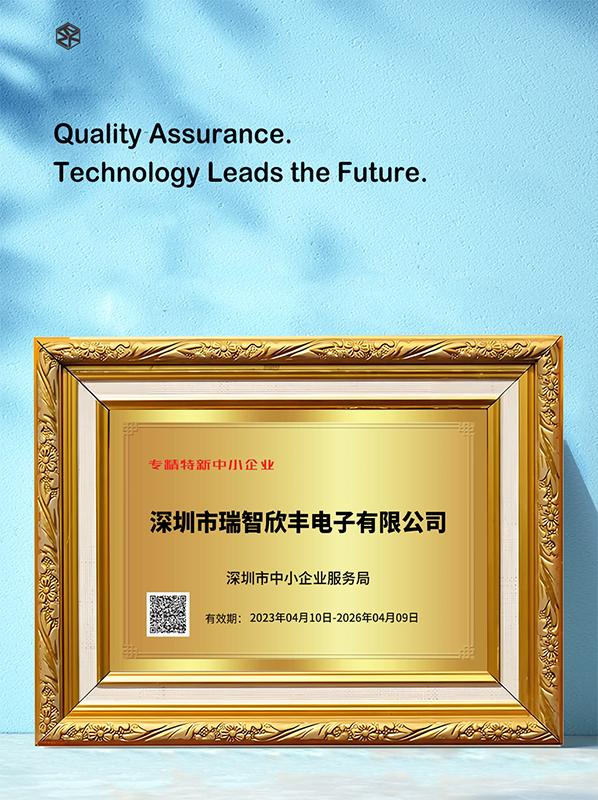
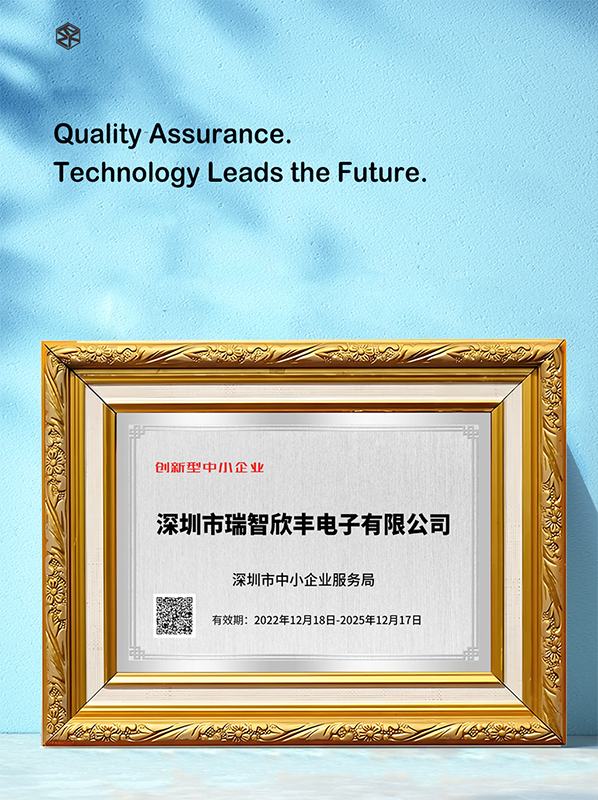
Based in China and looking at the global market, Shenzhen Rich Full Joy Electronics Co., Ltd. has been committed to industry development for 20 years. The company is a national high-tech innovative enterprise that combines focus and expertise. It's also an important enterprise incubation base in China. We specialize in providing customers with one-stop intelligent electronic manufacturing services, including scientific research, PCB design, PCB manufacturing, PCB assembly (including SMT, DIP, Programming and testing) and component selection.
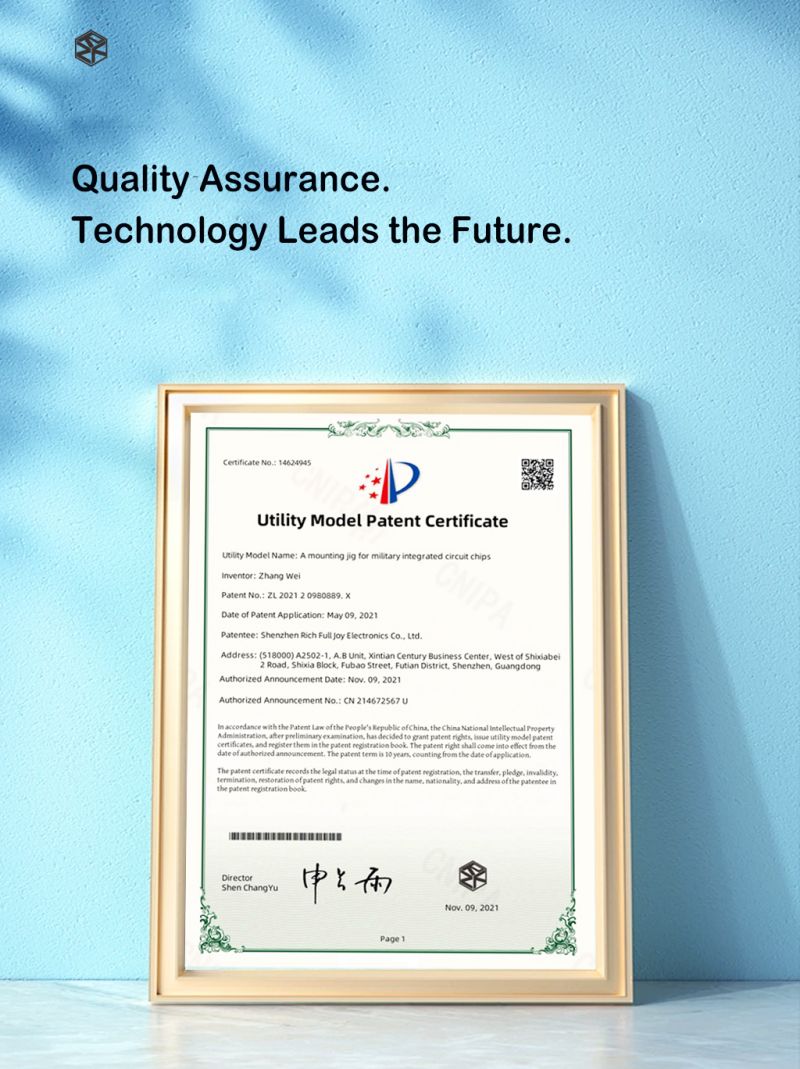
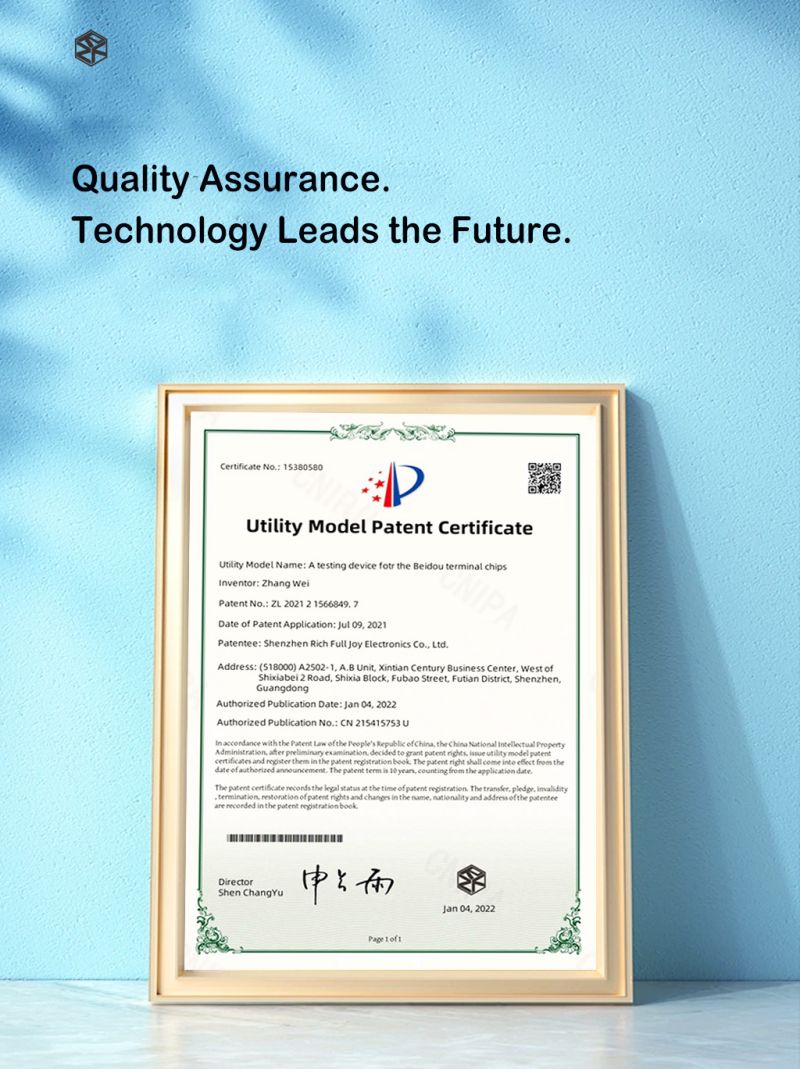
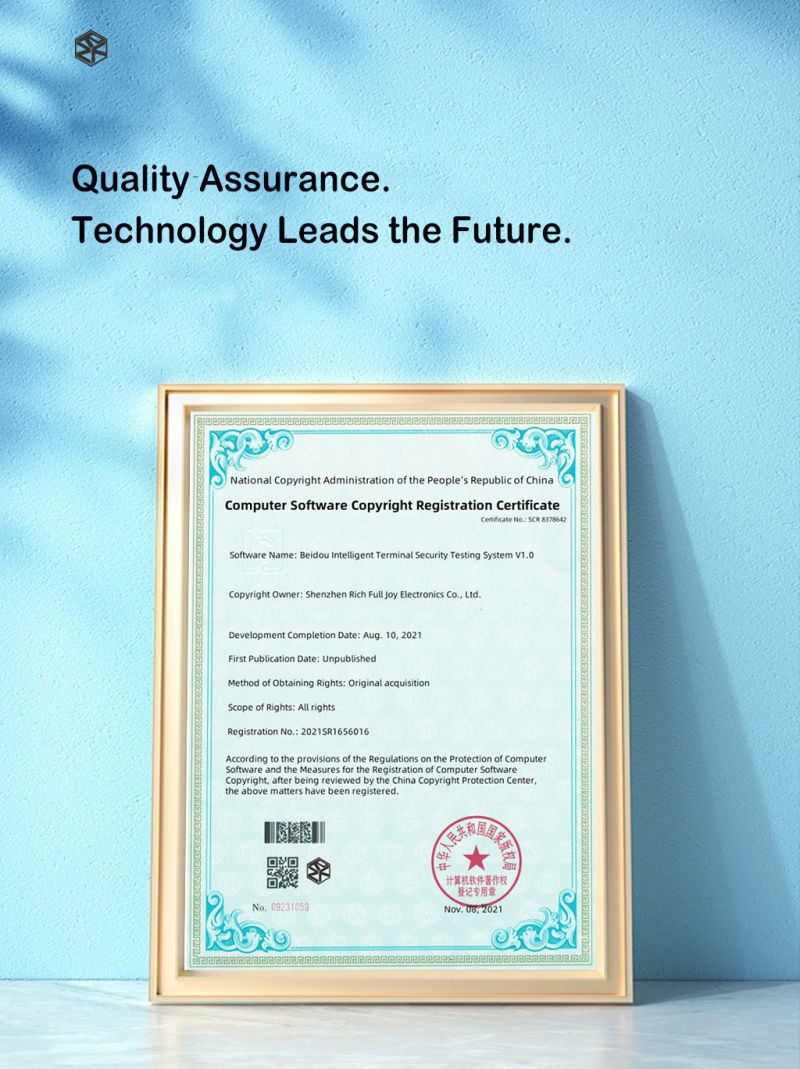
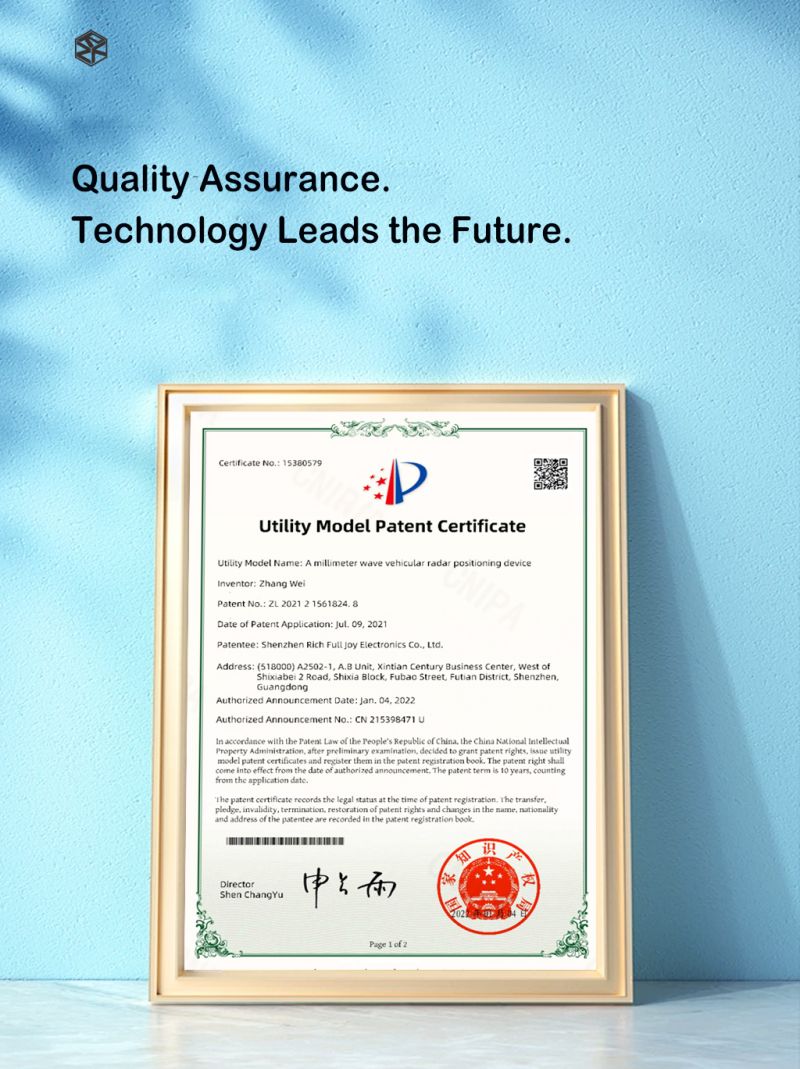
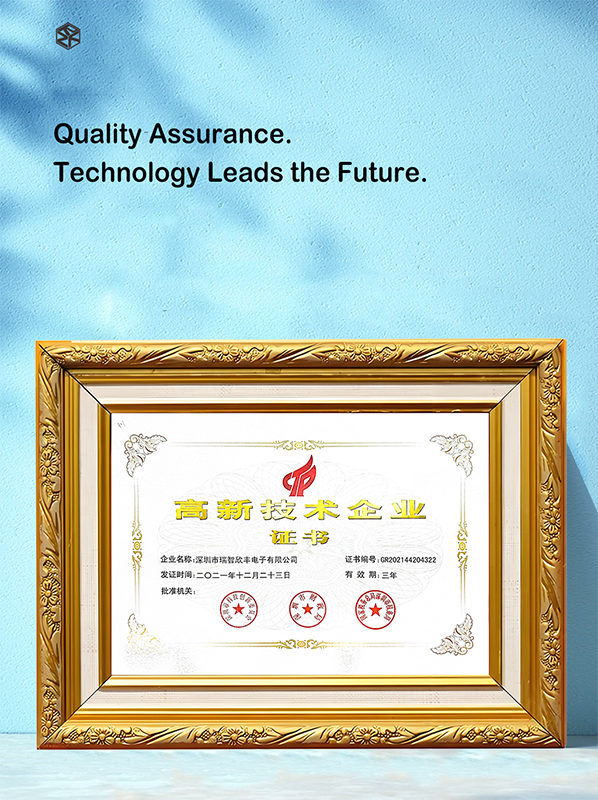
Technological innovation is the core competitiveness of enterprises. We've obtained multiple invention and utility model patents, and has passed various international standard certifications such as ISO9001, IATF16949, ISO14001, UL, CQC, REACH, RoHS, COC, as well as the GJB9001C-2017 standard certification for weapon and equipment quality management system. We've provided high-quality and reliable products to multiple research institutions, universities, and assisted customers in identifying design issues and providing reasonable suggestions and processing parameters.
We not only publish technical papers, but also actively participate in domestic and overseas technology exchange conferences to spread academic value and cutting-edge technological innovation. We regularly communicate with customers and strive to provide them with the best solutions.
Our extensive portfolio of patents and certifications reflects our commitment to technological leadership in automotive PCB manufacturing.
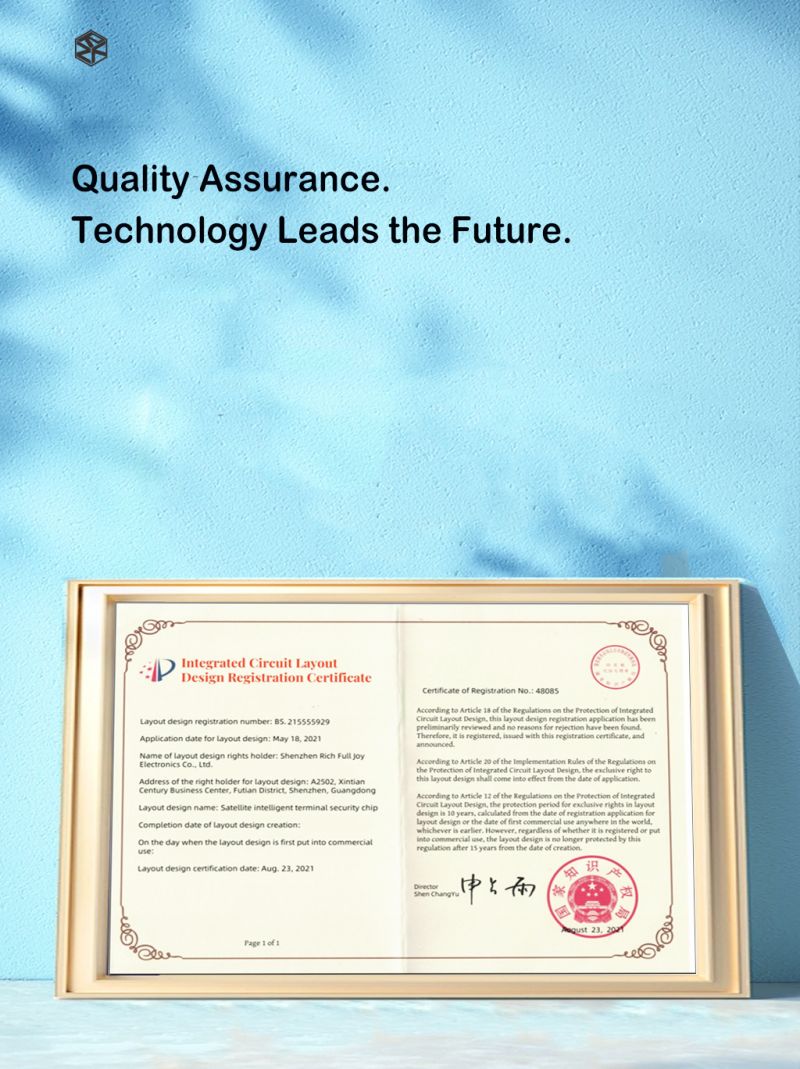
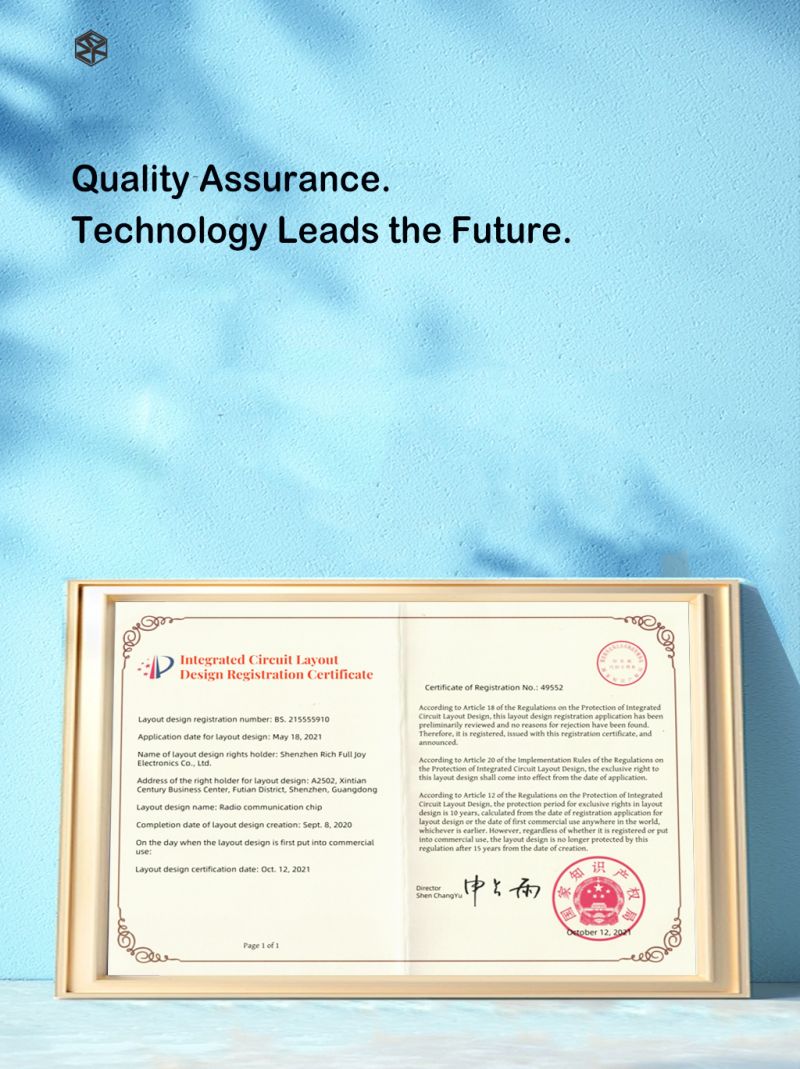
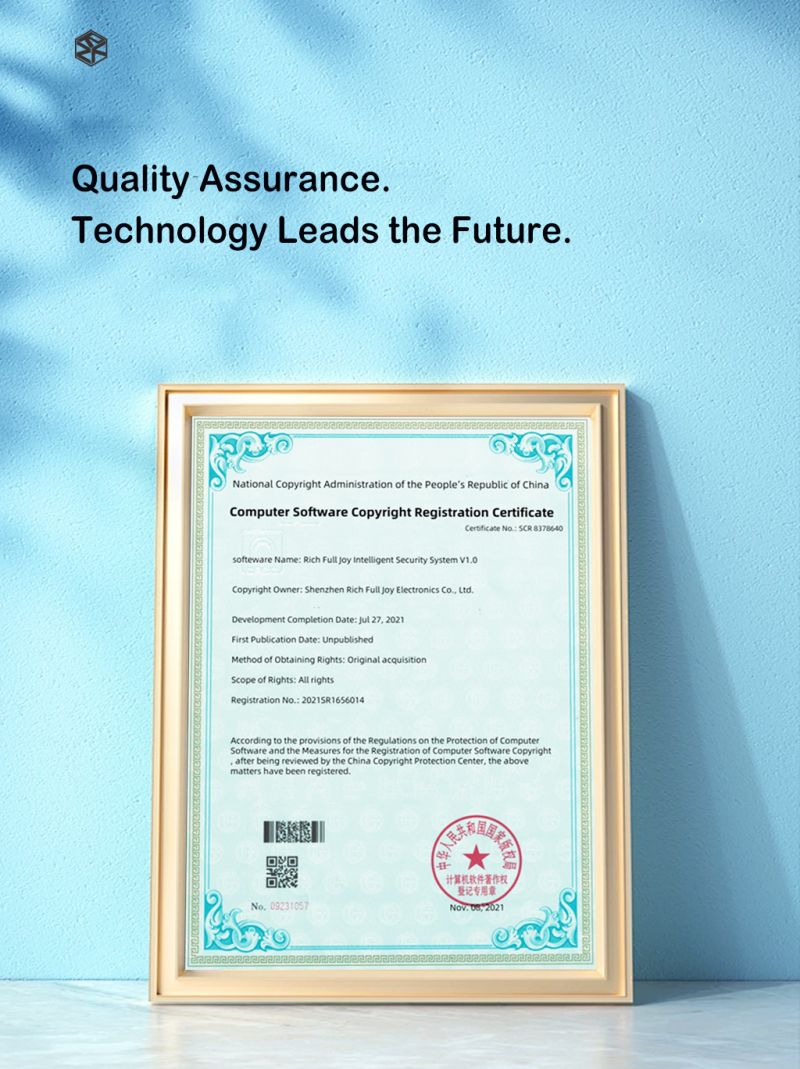
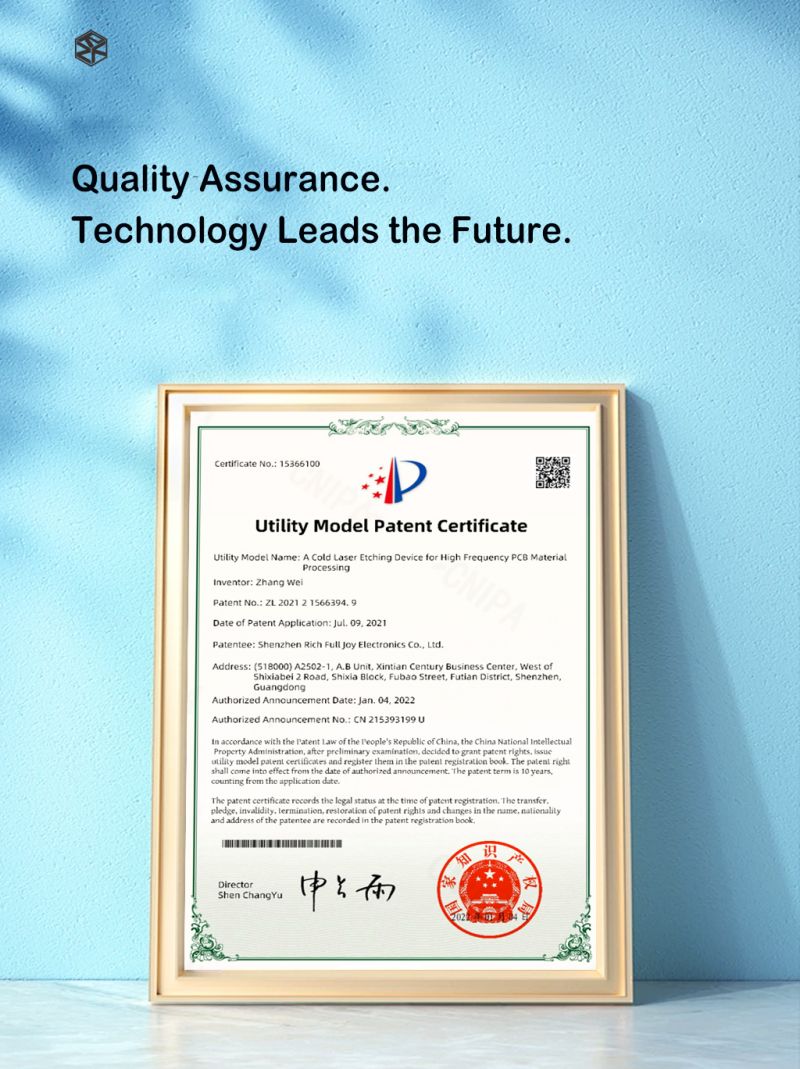
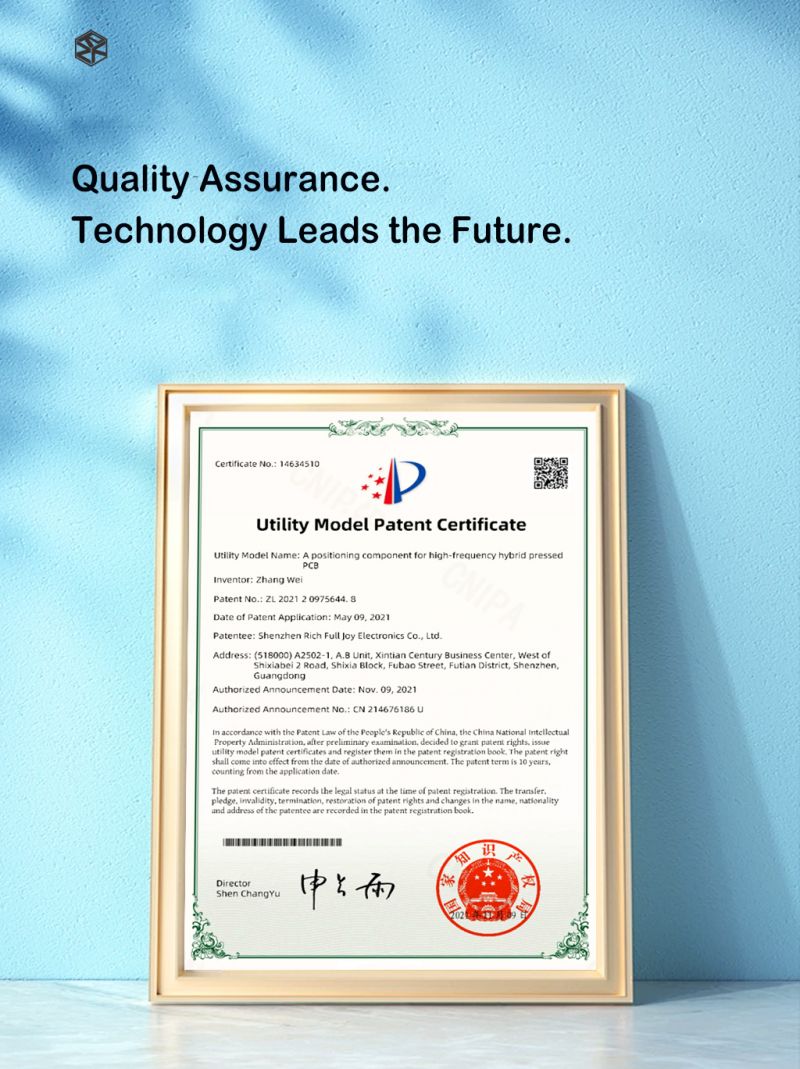
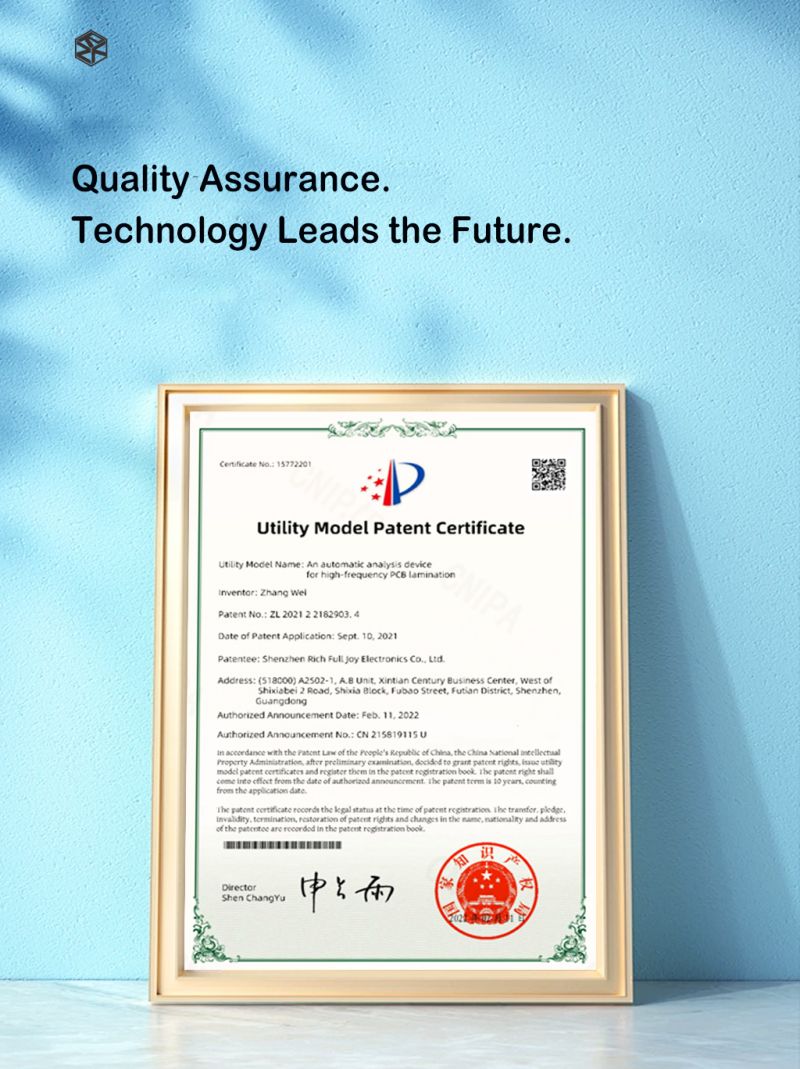
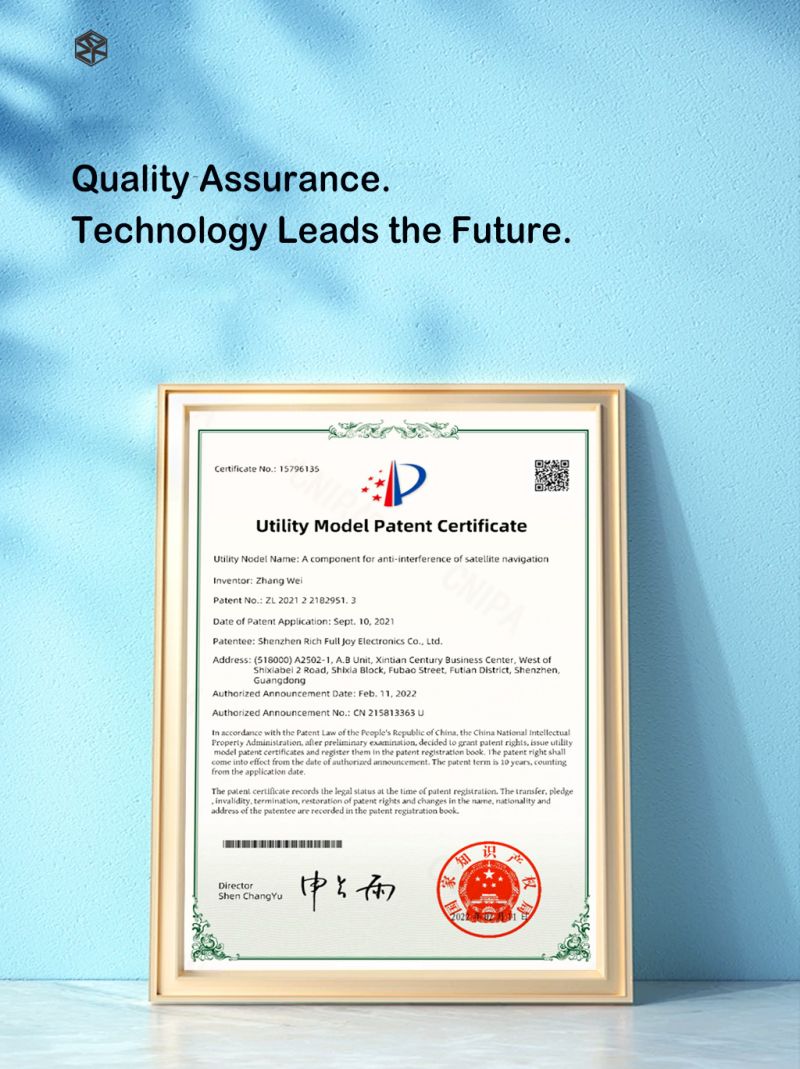
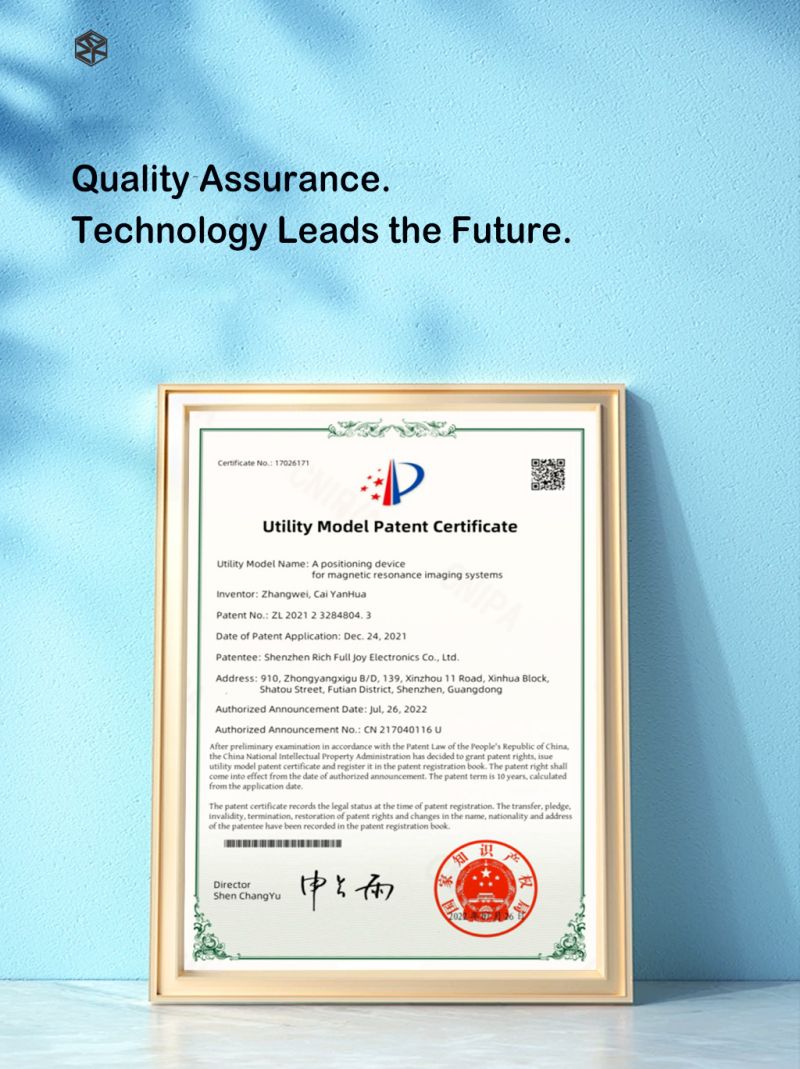
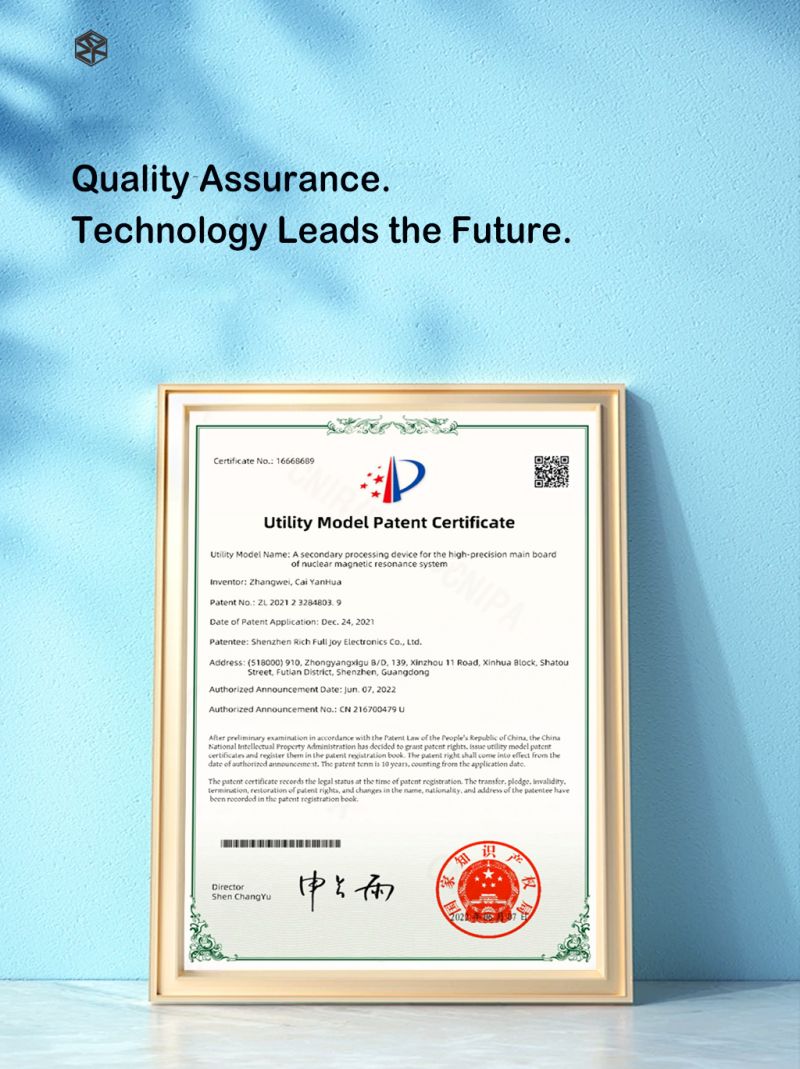
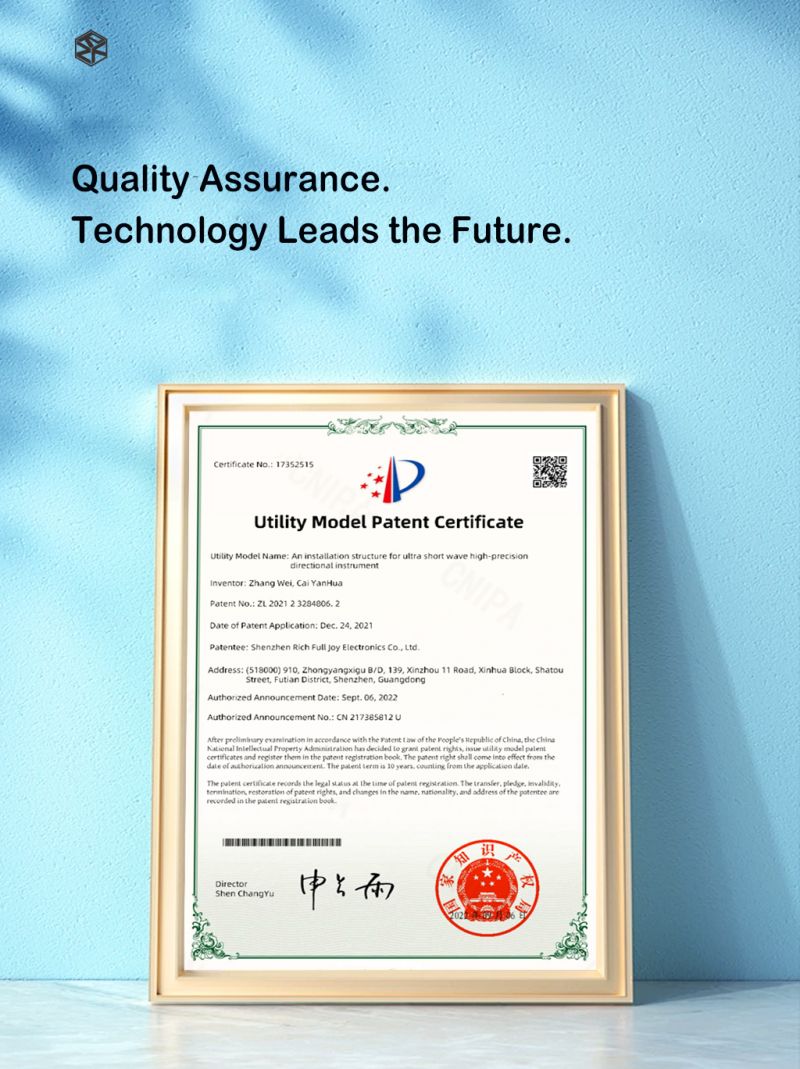
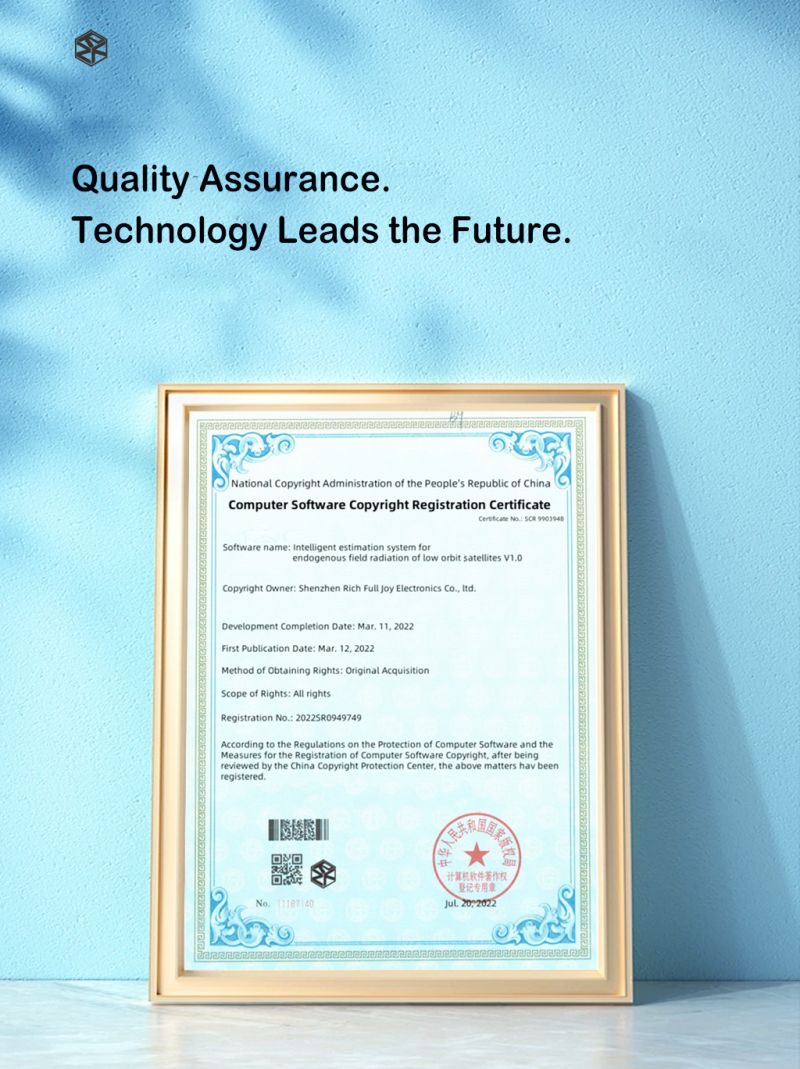
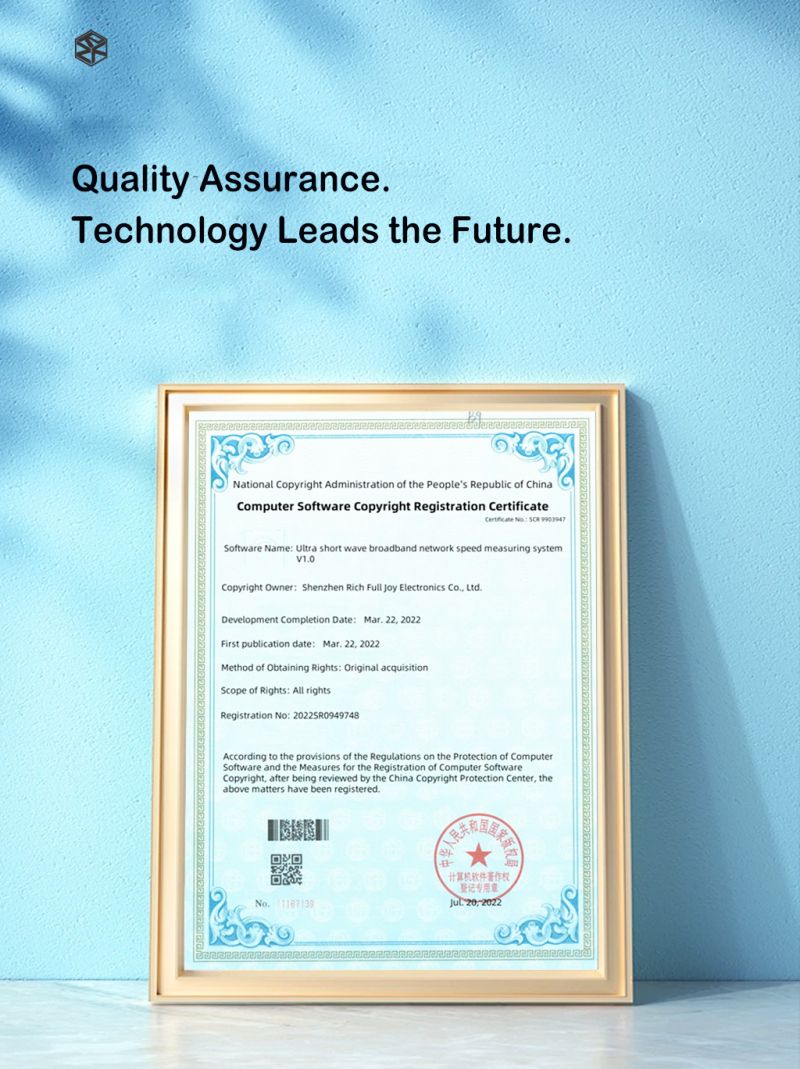
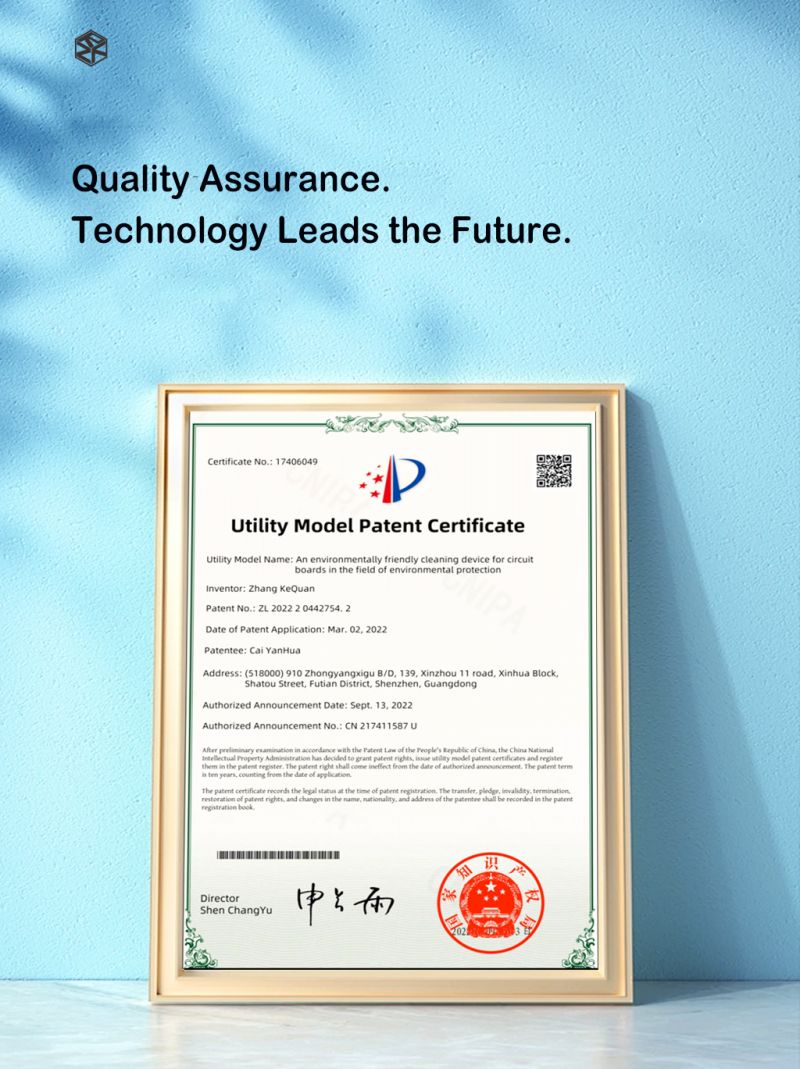
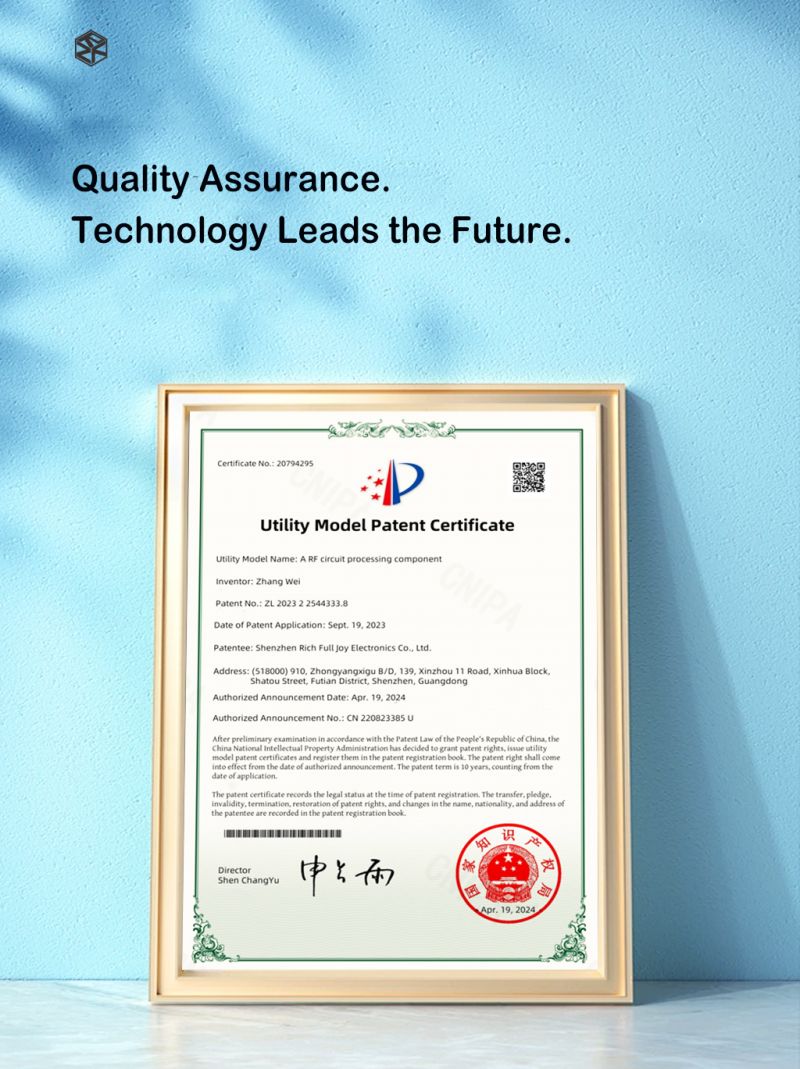
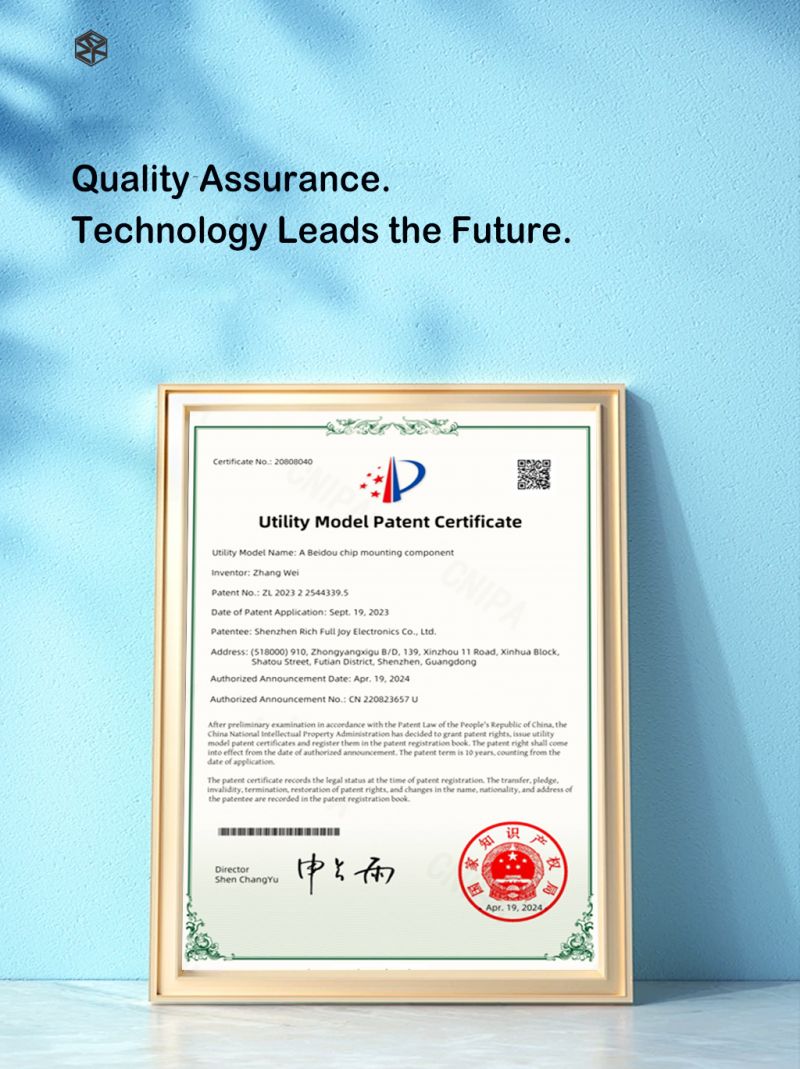
Selecting the right PCB manufacturing partner for automotive powertrain applications is a decision that directly impacts vehicle safety, reliability, and time-to-market. At Shenzhen Rich Full Joy Electronics, we bring together two decades of manufacturing excellence, a comprehensive certification portfolio, and deep application engineering expertise to serve the world's most demanding automotive programs.
Our manufacturing capabilities span the full spectrum of automotive PCB requirements: from standard FR-4 multilayer boards for conventional ECU applications, to advanced HDI any-layer designs for next-generation domain controllers, to high-frequency hybrid laminates for ADAS radar systems. Every board we produce for automotive applications undergoes rigorous process controls aligned with IATF 16949 requirements, including incoming material inspection, in-process electrical testing, automated optical inspection, and final reliability validation.
As the automotive industry continues its rapid electrification and digitalization journey, partnering with a technically capable, quality-certified PCB manufacturer is more critical than ever. We invite you to explore our full range of automotive powertrain PCB solutions and discover how our expertise can accelerate your next vehicle program.
Explore our extended portfolio of advanced PCB products serving automotive powertrain, ADAS, communication, and wearable electronics applications.