Leave Your Message
-
E-mail
-
Whatsapp
-
Message
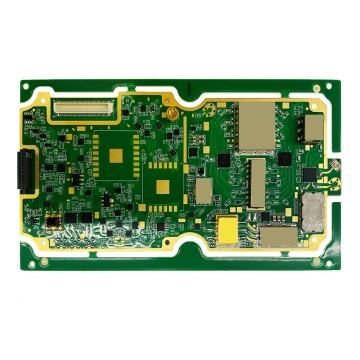
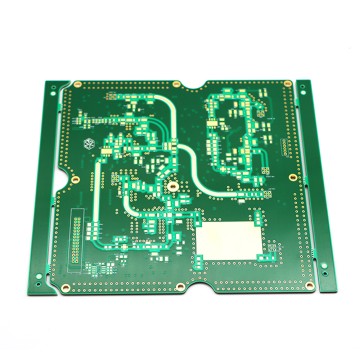
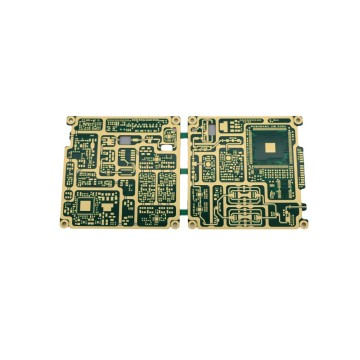
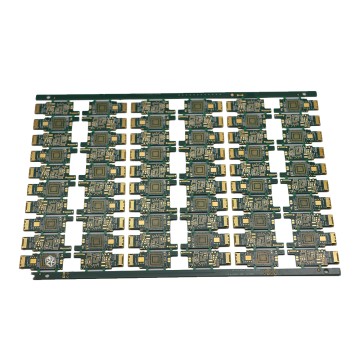
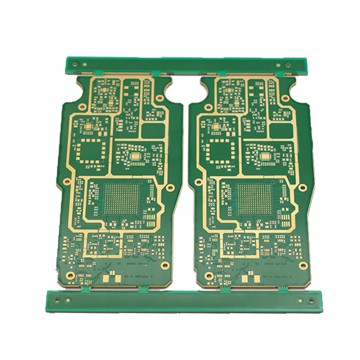
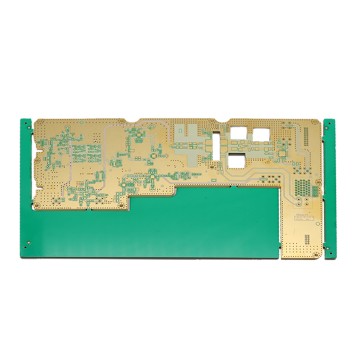
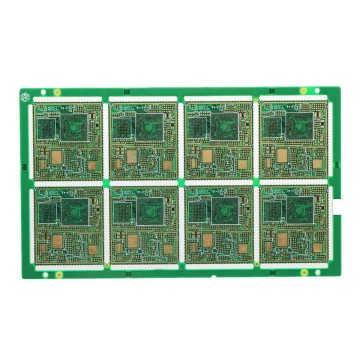
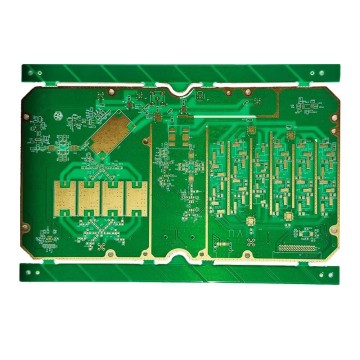
Our featured high-performance PCB products engineered for electric vehicle lighting powertrain applications.
As electric vehicles (EVs) continue to redefine modern transportation, the powertrain PCB has emerged as one of the most mission-critical components within the entire vehicle electronics architecture. In the specific domain of EV lighting — encompassing adaptive front-lighting systems (AFS), matrix LED headlamps, OLED tail lights, interior ambient lighting, and dynamic turn-signal arrays — the powertrain PCB serves as the intelligent backbone that converts, distributes, and regulates electrical energy from the high-voltage battery pack to the precise micro-level currents demanded by advanced lighting modules.
Unlike conventional automotive PCBs, a powertrain PCB for EV lighting must simultaneously handle high-frequency switching signals from DC-DC converters and LED drivers, manage thermal dissipation in confined spaces, maintain EMI/EMC compliance across a broad frequency spectrum, and survive the mechanical vibration and temperature cycling inherent to automotive environments. These requirements push PCB designers and manufacturers toward specialized substrate materials, multilayer stack-ups, and tightly controlled impedance routing — all areas where Shenzhen Rich Full Joy Electronics Co., Ltd. has built deep expertise over two decades.
The global EV lighting PCB market is experiencing explosive growth. According to industry analysts, the automotive lighting market is projected to exceed USD 45 billion by 2030, with EV-specific lighting electronics representing the fastest-growing sub-segment. The shift from halogen and xenon to full-LED and laser-based lighting systems has fundamentally changed the complexity — and value — of the PCB assemblies involved.
Tier-1 automotive suppliers such as Valeo, Hella, Marelli, and Koito are aggressively investing in next-generation lighting ECUs (Electronic Control Units) that integrate powertrain management, communication buses (CAN, LIN, Ethernet), and pixel-level LED control onto a single, high-density PCB assembly. This consolidation trend is driving demand for HDI (High-Density Interconnect) PCBs, embedded component technology, and advanced surface finishes like ENIG and ENEPIG — all of which are core capabilities at Rich Full Joy Electronics.
In China alone, the world's largest EV market, domestic OEMs including BYD, NIO, Li Auto, and XPENG are specifying increasingly sophisticated lighting systems as brand differentiators. The "digital light" concept — where thousands of individually addressable micro-LEDs create dynamic patterns, road projections, and adaptive beam shaping — demands powertrain PCBs with sub-millimeter trace widths, controlled impedance down to ±5%, and thermal management solutions that can handle continuous power densities exceeding 15 W/cm².
Meeting the stringent demands of electric vehicle lighting systems requires a convergence of advanced materials, precision manufacturing, and rigorous quality control.
EV lighting powertrain PCBs must safely bridge 400V or 800V battery architectures down to 12V or 48V lighting subsystems, requiring robust creepage and clearance distances, and specialized high-Tg FR4 or polyimide substrates.
High-power LED drivers generate significant heat. Metal-core PCBs (MCPCB), thermal vias, and embedded copper coin technologies are deployed to maintain junction temperatures within safe operating limits, extending LED lifespan beyond 50,000 hours.
Switching frequencies in LED drivers (100 kHz–2 MHz) generate harmonics that must be suppressed to meet CISPR 25 Class 5 automotive EMC standards. Controlled impedance routing, ground plane optimization, and careful component placement are essential.
Automotive lighting assemblies face vibration profiles up to 30G and temperature cycling from -40°C to +125°C. PCB materials, laminate adhesion, and via-fill processes must be validated to AEC-Q200 and IPC Class 3 standards.
Modern matrix LED headlamp controllers integrate hundreds of channels onto compact PCBs. HDI technology with laser-drilled microvias, stacked vias, and fine-pitch BGA components enables the required integration density without sacrificing reliability.
Automotive-grade PCB production requires a fully documented quality management system aligned with IATF 16949. Rich Full Joy Electronics holds this certification, ensuring PPAP documentation, FMEA analysis, and SPC process control for every EV lighting PCB order.
From adaptive headlamps to intelligent interior ambiance, powertrain PCBs are embedded in every photon that an electric vehicle emits.
Adaptive Driving Beam (ADB) systems use an array of 16 to 1,024 individually controllable LED pixels to sculpt the light beam in real time, avoiding glare for oncoming drivers while maintaining maximum road illumination. Each pixel channel requires a dedicated constant-current driver circuit, and the master ECU must process camera data and actuate the LED array within milliseconds. The powertrain PCB in this application typically features a 6–10 layer stack-up, Rogers/FR4 hybrid laminate for signal integrity, and a copper-filled thermal via array beneath each LED driver IC to manage the 8–12W per module thermal load.
Electric vehicles operate on 400V or 800V HV bus architectures. The headlamp subsystem requires an isolated DC-DC converter to step down to 12V or 48V. The powertrain PCB for this converter must incorporate high-voltage creepage slots, reinforced isolation barriers, and wide-bandgap semiconductor devices (GaN or SiC MOSFETs) operating at switching frequencies up to 1 MHz. Rich Full Joy's expertise in high-frequency hybrid pressing PCBs — combining Rogers RO4350B high-frequency layers with standard FR4 structural layers — makes this a core competency for EV lighting powertrain applications.
Organic LED (OLED) panels are increasingly used in premium EV tail light assemblies due to their ultra-thin profile, uniform luminance, and design flexibility. OLED panels require precise voltage-controlled current sources with very low ripple (
Premium EVs from brands like NIO, Mercedes EQ, and BMW iX feature multi-zone ambient lighting with thousands of RGB or RGBW LED segments. The central lighting controller PCB aggregates data from the vehicle's infotainment system via Automotive Ethernet (100BASE-T1) or LIN bus and drives individual LED zones with 16-bit PWM resolution for smooth color transitions. The PCB design demands HDI technology, fine-pitch QFN and BGA components, and a robust EMC design to prevent the switching noise from interfering with in-car audio and communication systems.
Dynamic sequential turn signals, animated DRL (Daytime Running Light) patterns, and welcome/goodbye light shows have become signature elements of EV brand identity. The powertrain PCB driving these animations must handle high-speed PWM switching across multiple independent LED strings, coordinate timing with microsecond precision, and survive the harsh thermal and UV environment of the front fascia. Conformal coating, selective soldering, and IPC Class 3 assembly standards are typically specified for these assemblies.
As 800V EV platforms (Hyundai E-GMP, Porsche J1, Audi PPE) proliferate, lighting powertrain PCBs must handle higher isolation voltages, driving demand for advanced dielectric materials and wider creepage designs. GaN-based converters operating at MHz frequencies will become standard.
On-board AI processors analyzing camera, LiDAR, and radar data in real time to optimize beam patterns will be integrated directly onto lighting ECU PCBs. This demands high-speed PCB designs supporting LPDDR5 memory interfaces and PCIe Gen4 signal integrity at 16 GT/s.
Halogen-free, low-CTE laminates aligned with RoHS and REACH directives are becoming mandatory for EV OEM supply chains. Bio-based substrate materials and recyclable PCB designs are emerging as differentiators in the green EV ecosystem.
Embedding LED driver ICs, capacitors, and resistors directly within PCB layers reduces assembly height, improves thermal performance, and shortens signal paths — critical advantages for the next generation of ultra-thin EV lighting modules.
AUTOSAR-compliant lighting networks transitioning from LIN/CAN to 100BASE-T1 and 1000BASE-T1 Automotive Ethernet require PCBs with tightly controlled differential pair impedance (100Ω ±10%) and careful routing to avoid crosstalk in dense lighting ECU designs.
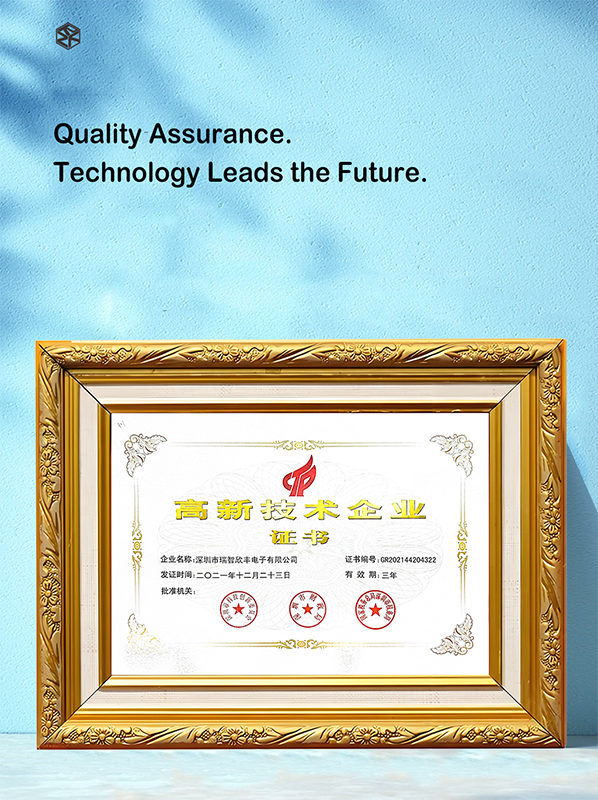
Based in China and looking at the global market, Shenzhen Rich Full Joy Electronics Co., Ltd. has been committed to industry development for 20 years. The company is a national high-tech innovative enterprise that combines focus and expertise. It's also an important enterprise incubation base in China. We specialize in providing customers with one-stop intelligent electronic manufacturing services, including scientific research, PCB design, PCB manufacturing, PCB assembly (including SMT, DIP, Programming and testing) and component selection.
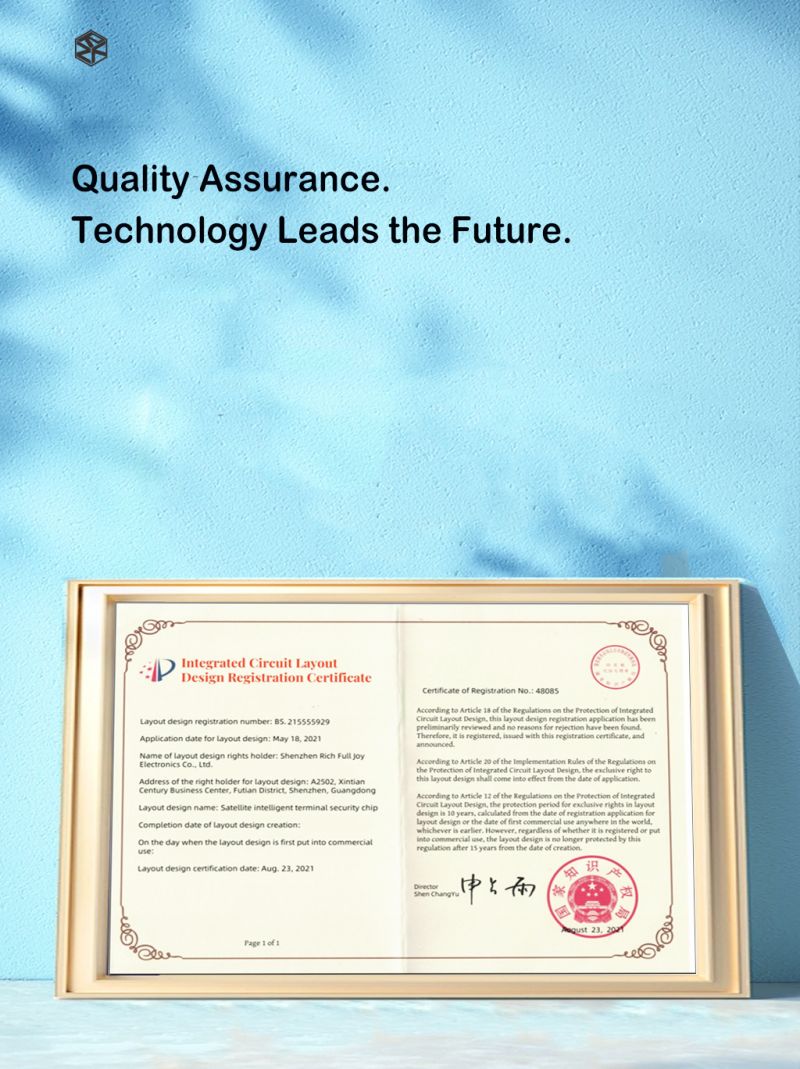
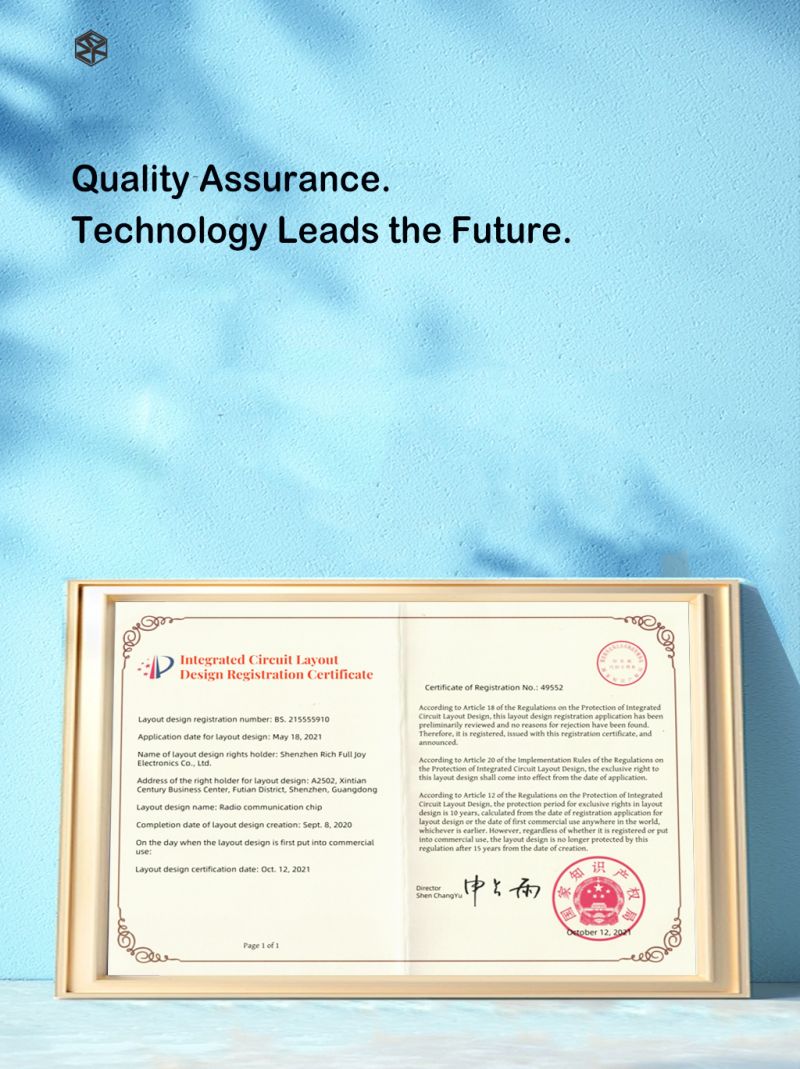
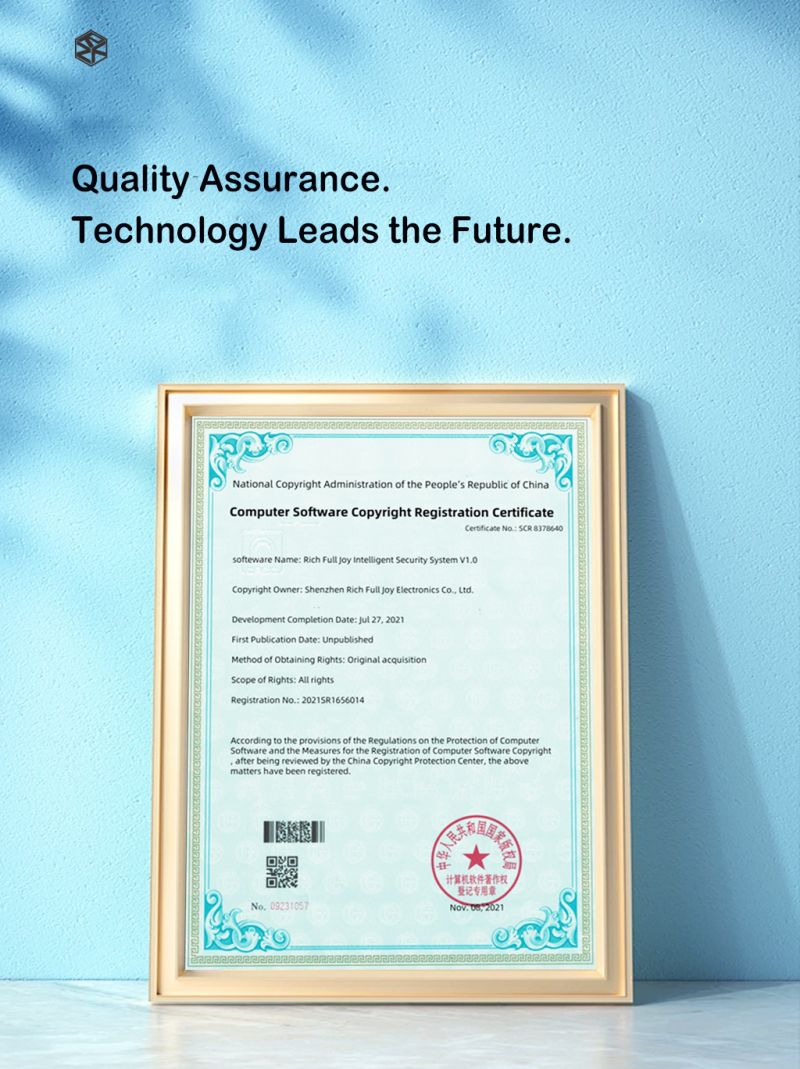
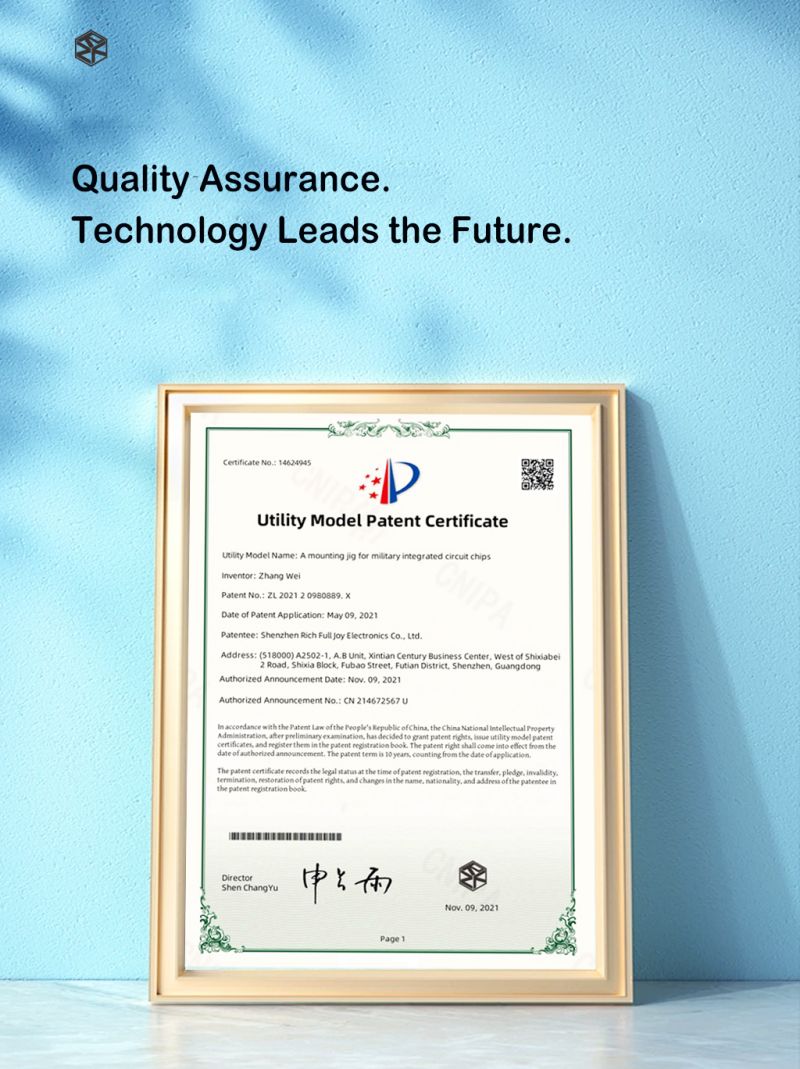
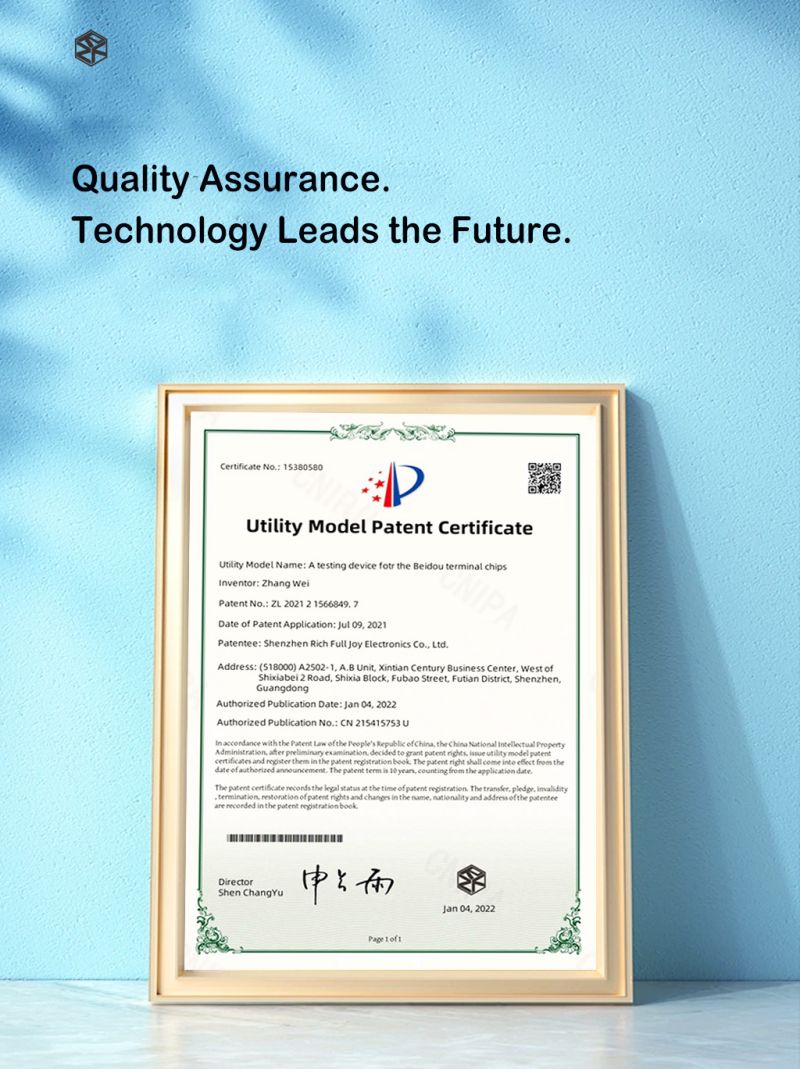
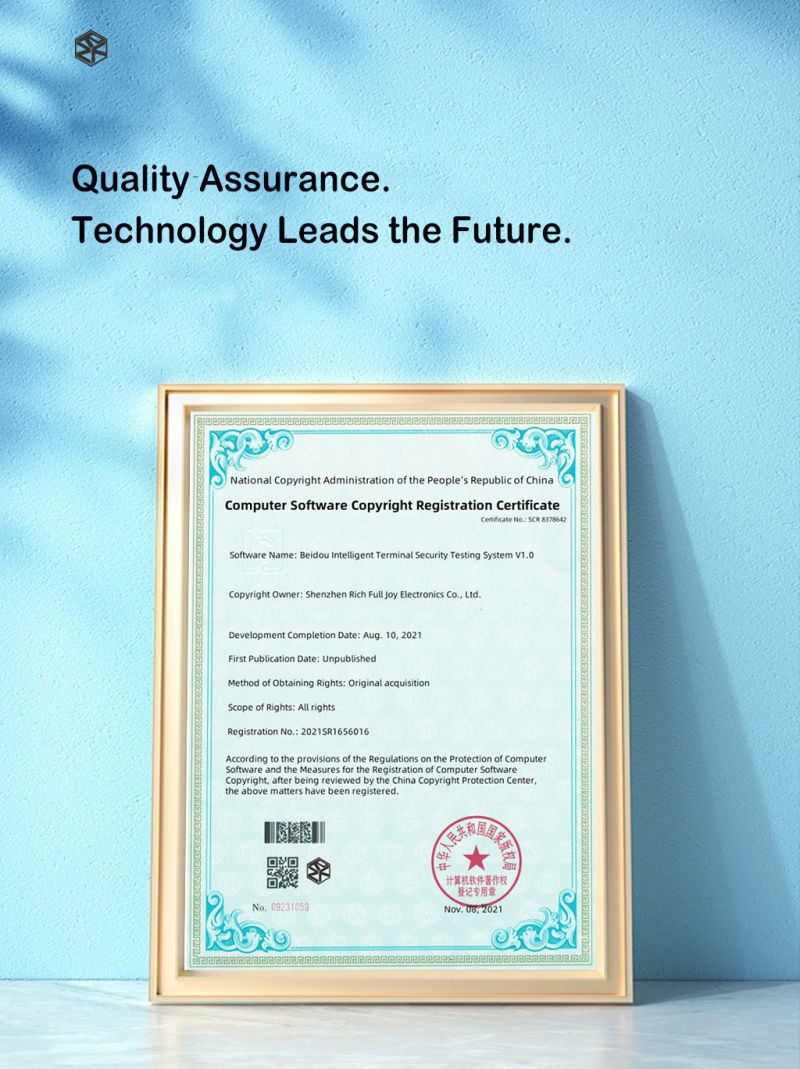
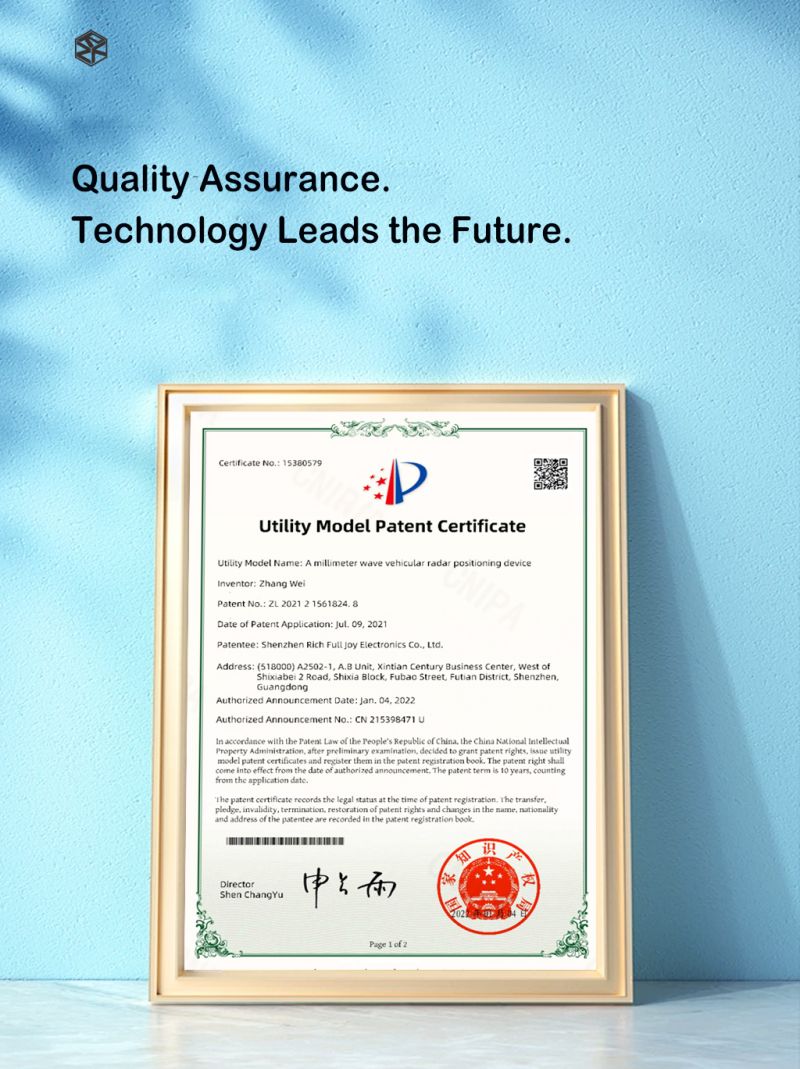
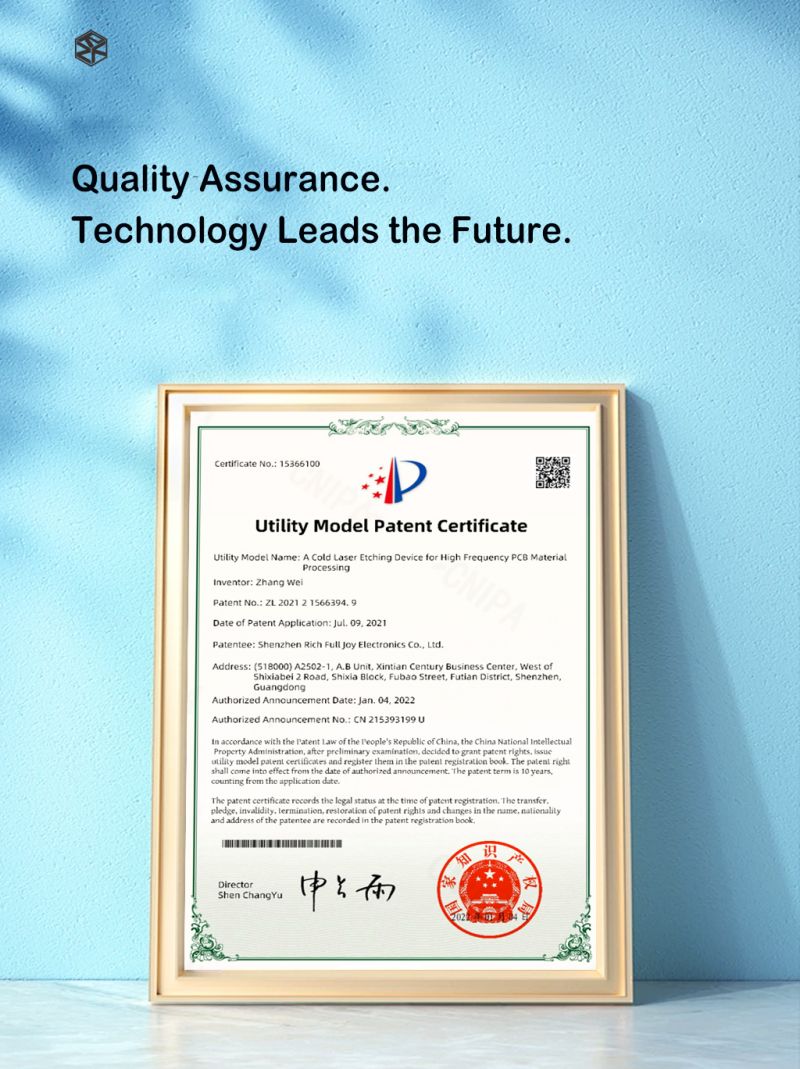
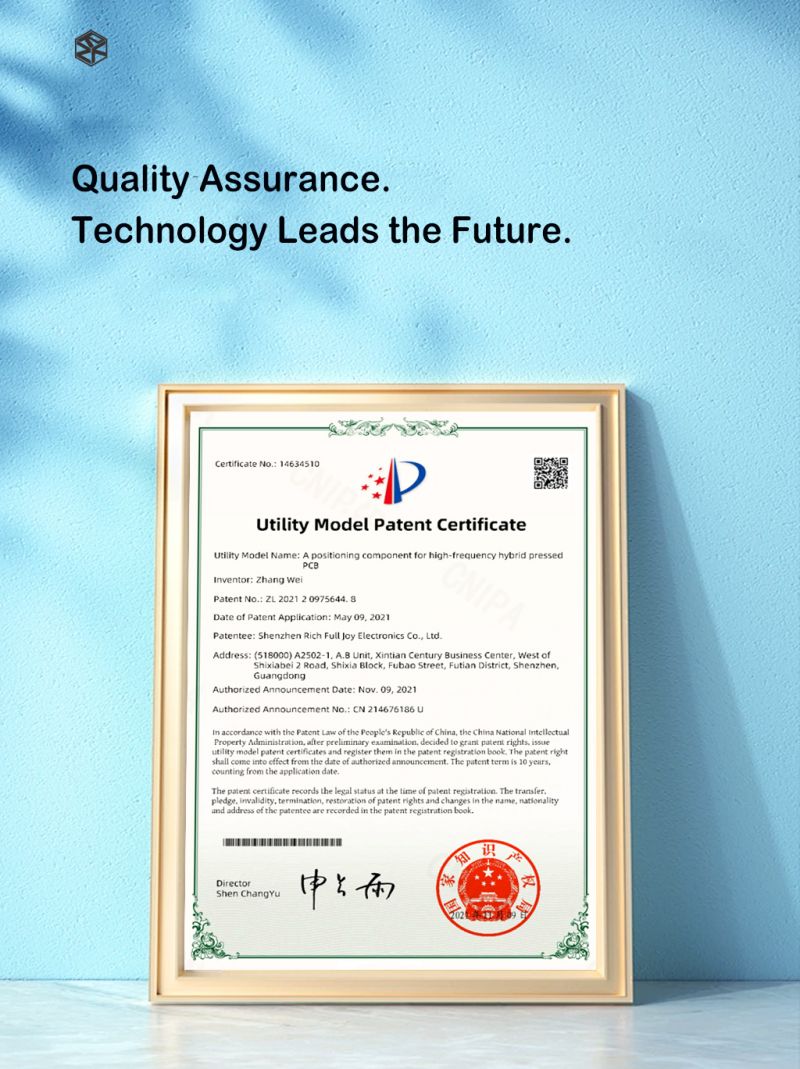
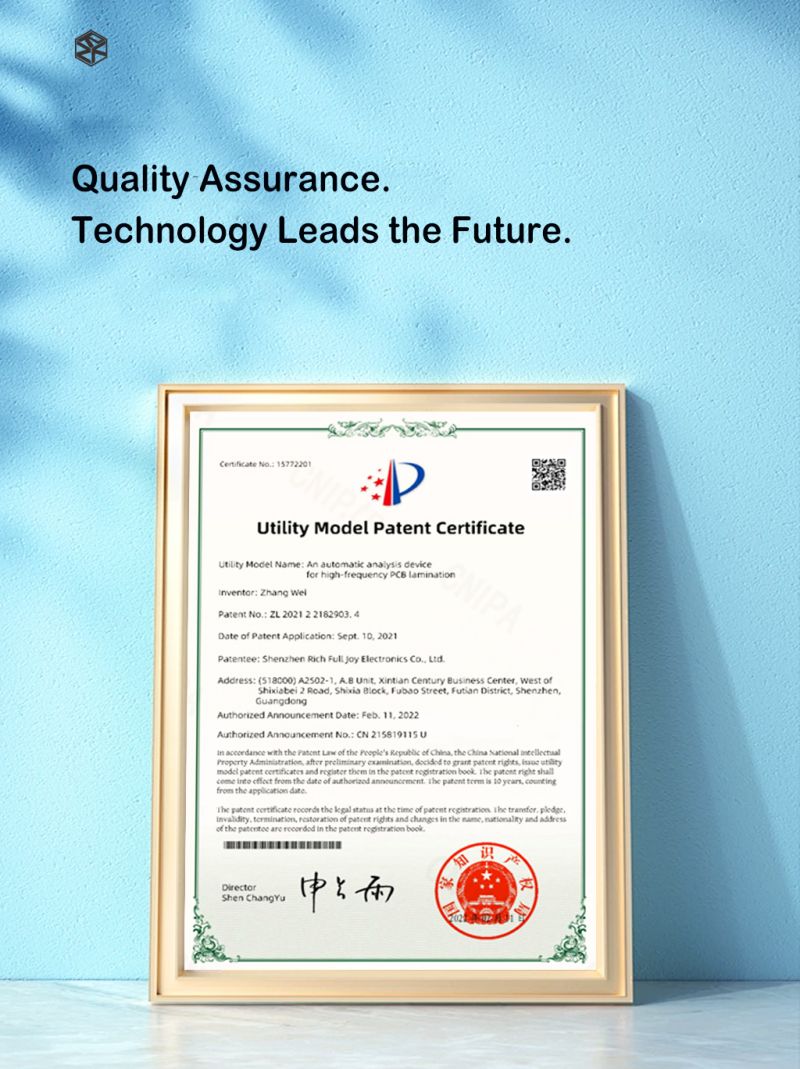
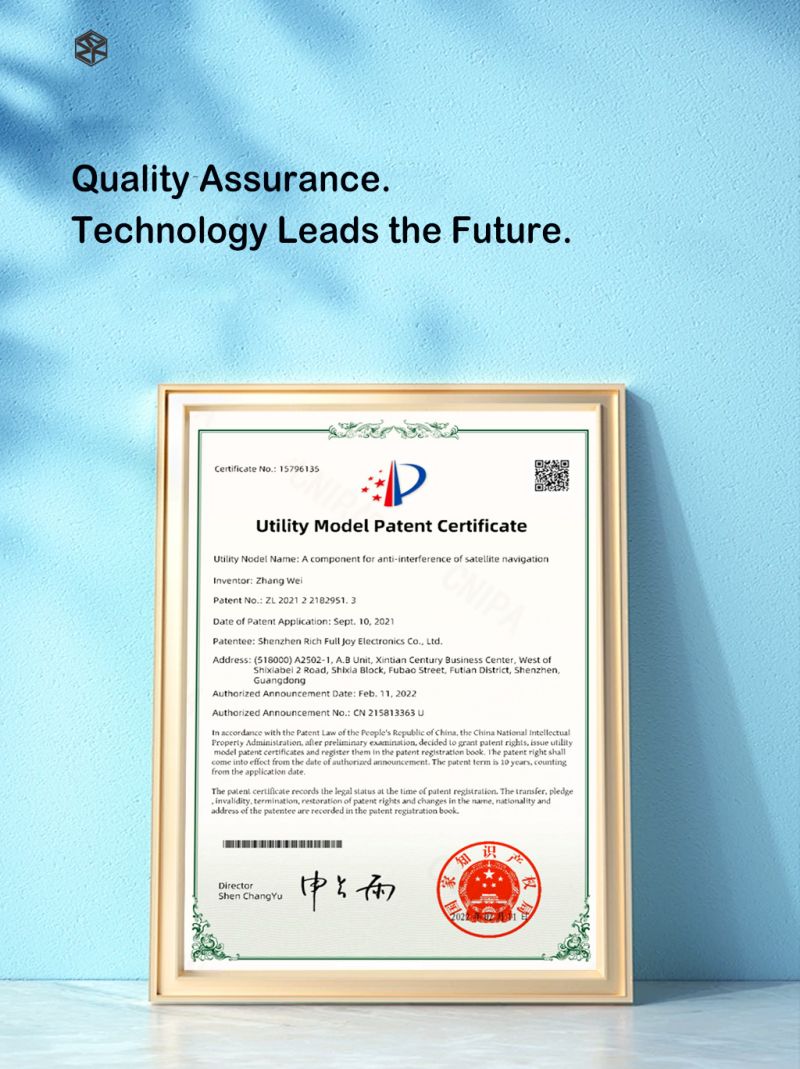
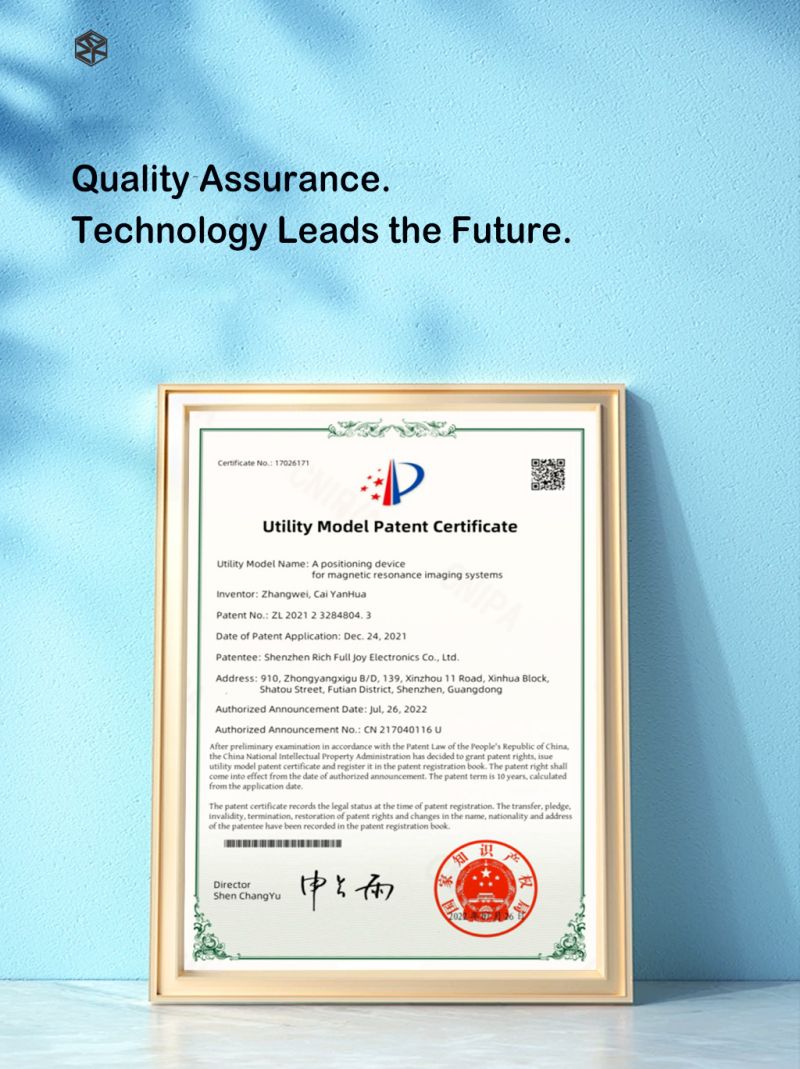
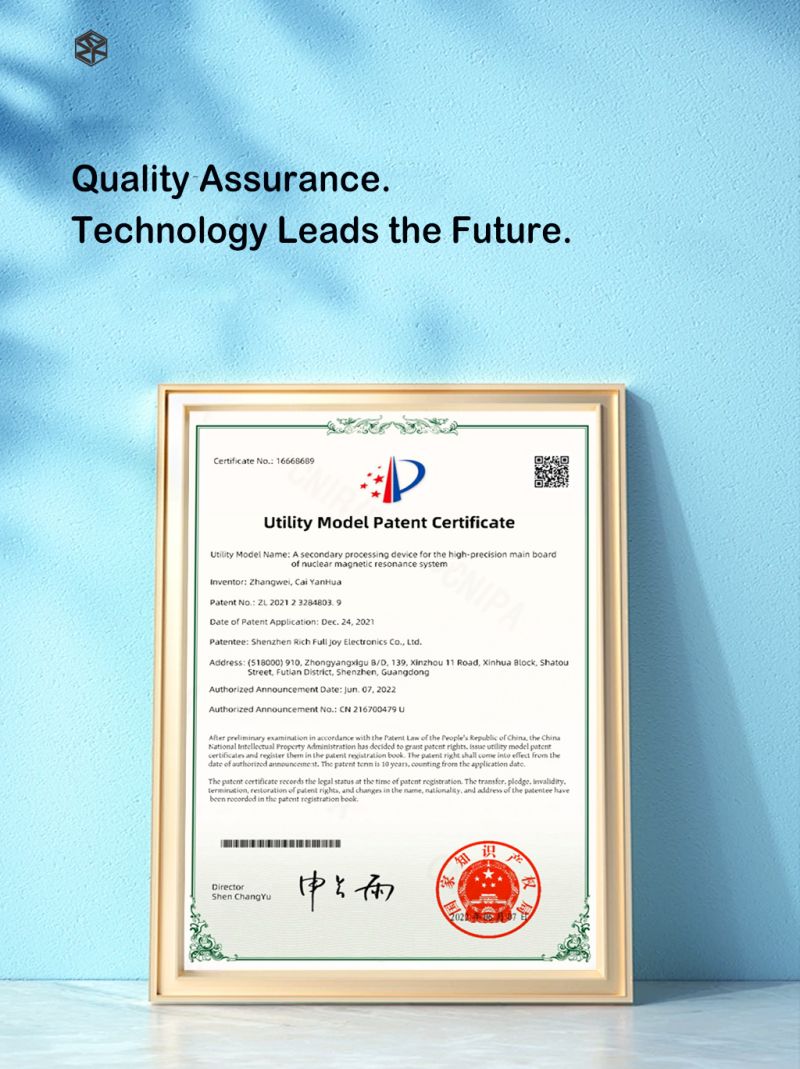
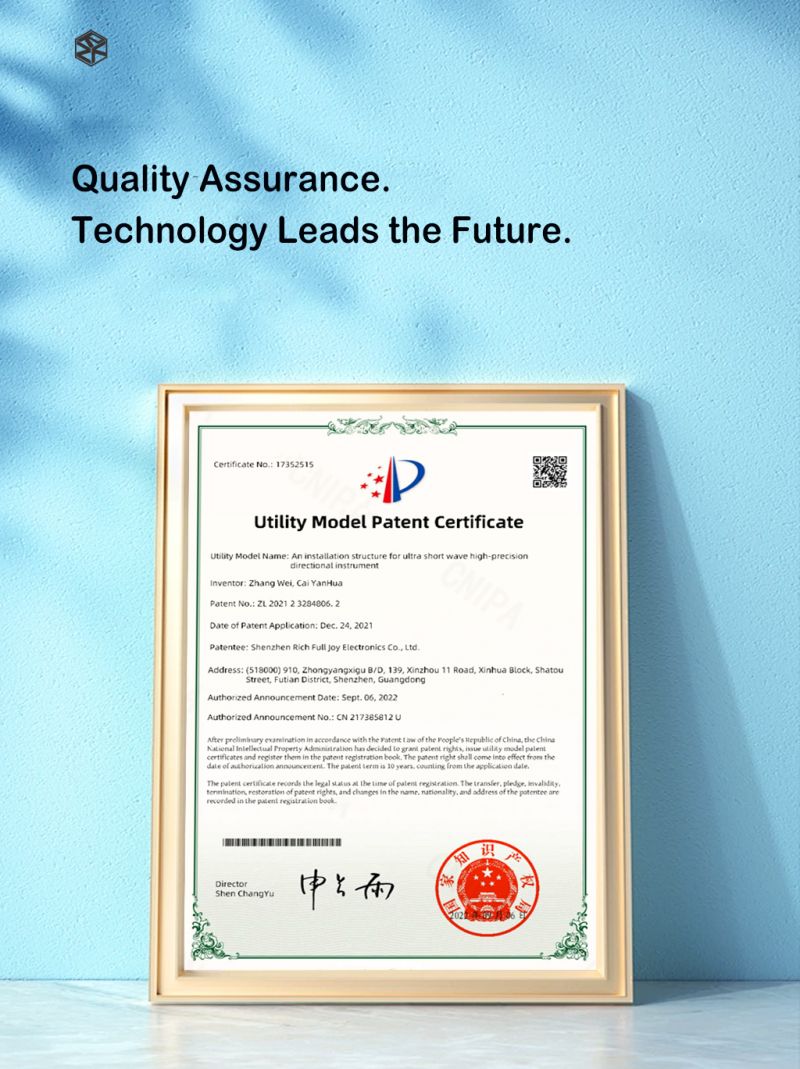
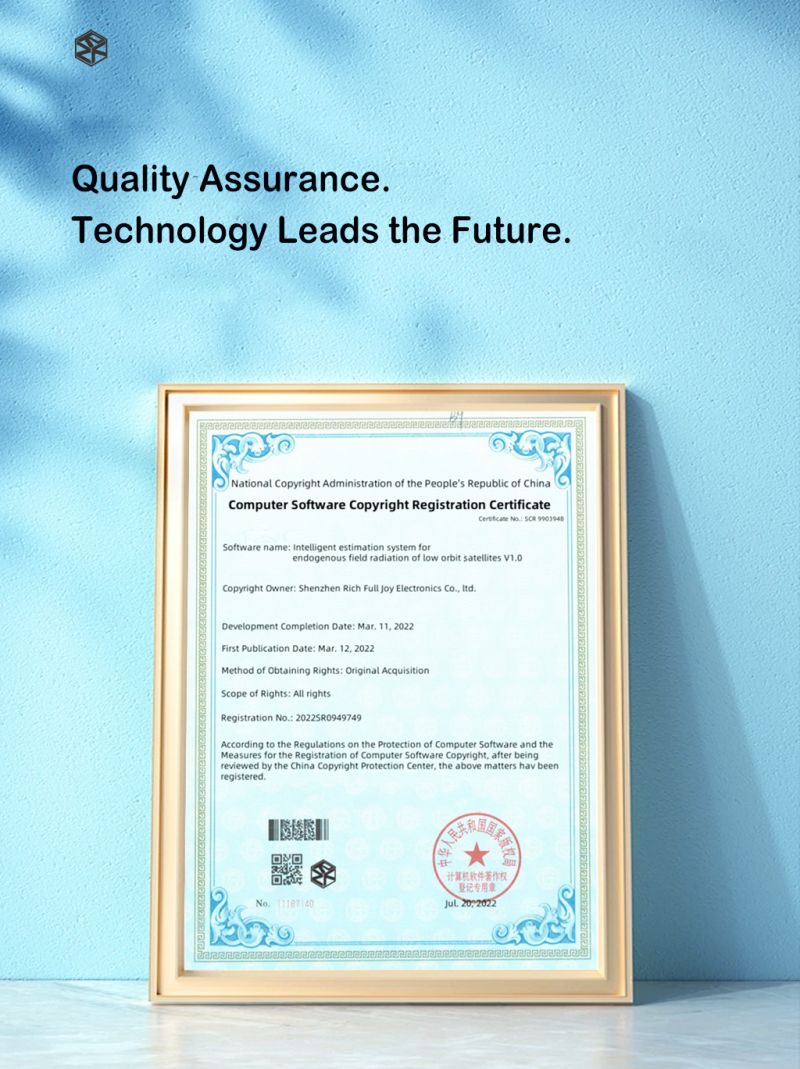
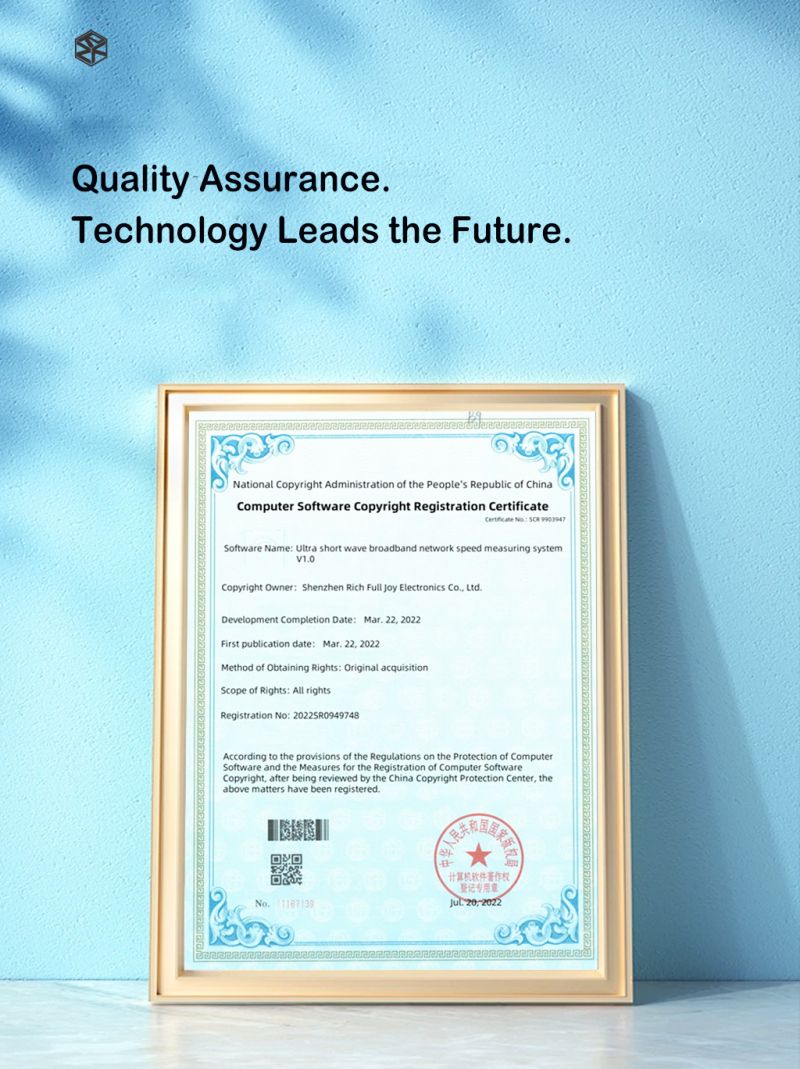
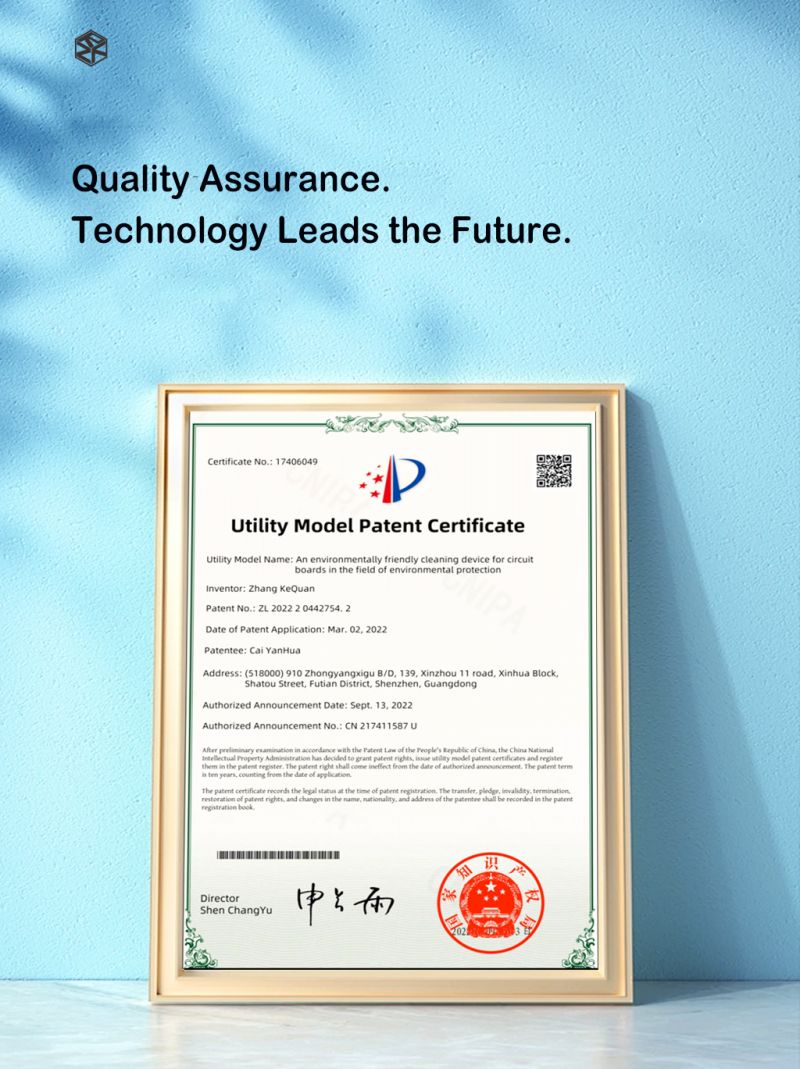
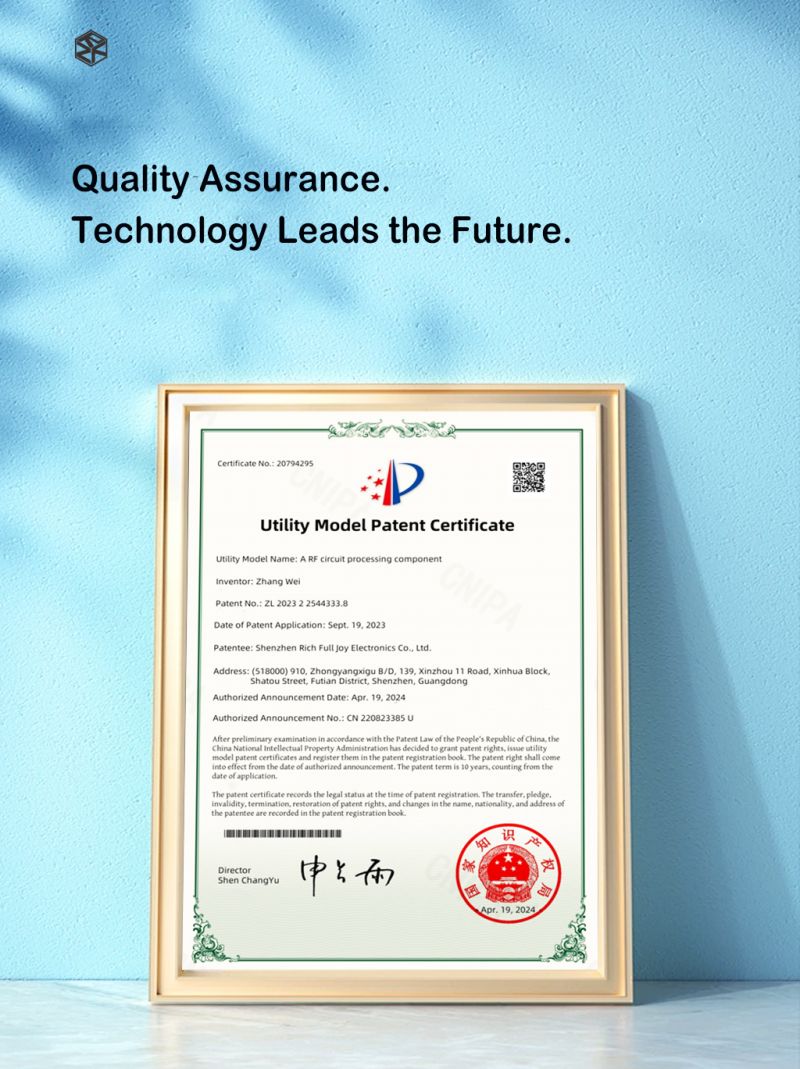
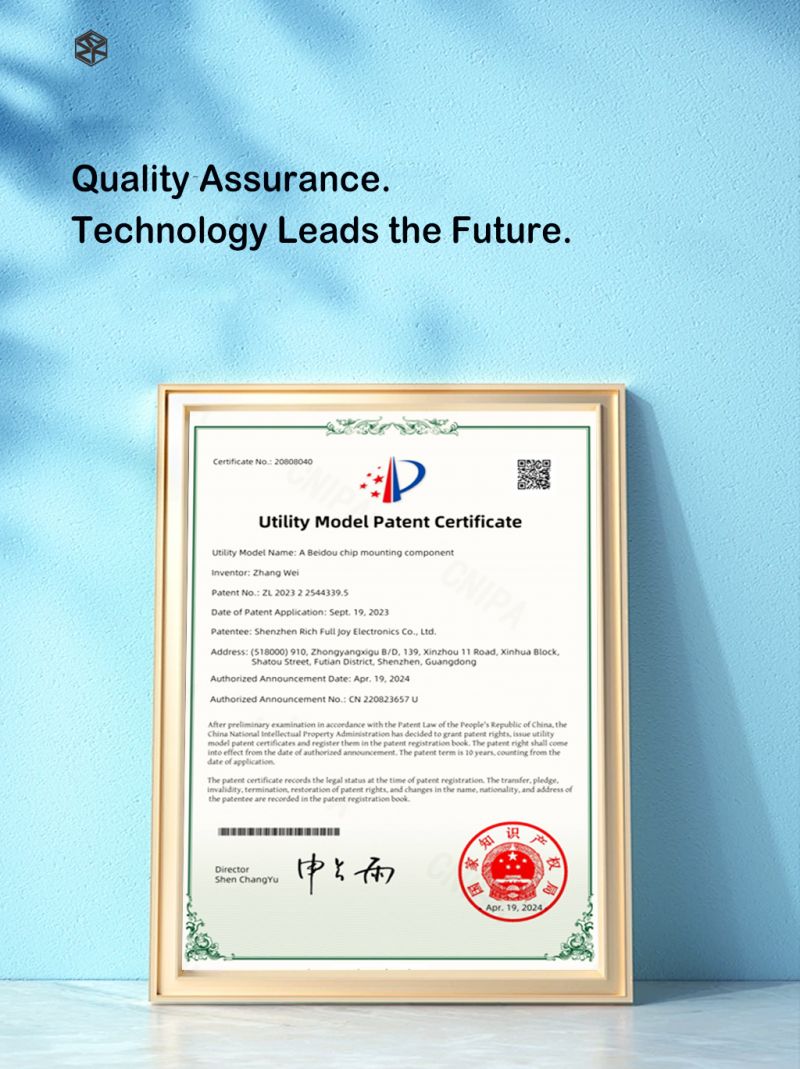
Technological innovation is the core competitiveness of enterprises. We've obtained multiple invention and utility model patents, and has passed various international standard certifications such as ISO9001, IATF16949, ISO14001, UL, CQC, REACH, RoHS, COC, as well as the GJB9001C-2017 standard certification for weapon and equipment quality management system. We've provided high-quality and reliable products to multiple research institutions, universities, and assisted customers in identifying design issues and providing reasonable suggestions and processing parameters.
We not only publish technical papers, but also actively participate in domestic and overseas technology exchange conferences to spread academic value and cutting-edge technological innovation. We regularly communicate with customers and strive to provide them with the best solutions for every EV lighting powertrain PCB challenge.
Our intellectual property portfolio reflects two decades of relentless R&D investment in PCB technology for demanding applications including EV lighting powertrain systems.


Explore our extended portfolio of high-frequency, high-reliability PCBs engineered for electric vehicle lighting powertrain systems.